How Cast Metal is Made: The Casting Process
Step 1: Pattern Making
A pattern (positive replica of the part) is created using wood, metal, or plastic. This pattern is used to form the mold cavity.
Step 2: Mold Preparation
The mold is made by packing sand or other refractory material around the pattern. For permanent molds, metal molds are machined to the desired shape.
Step 3: Melting and Pouring
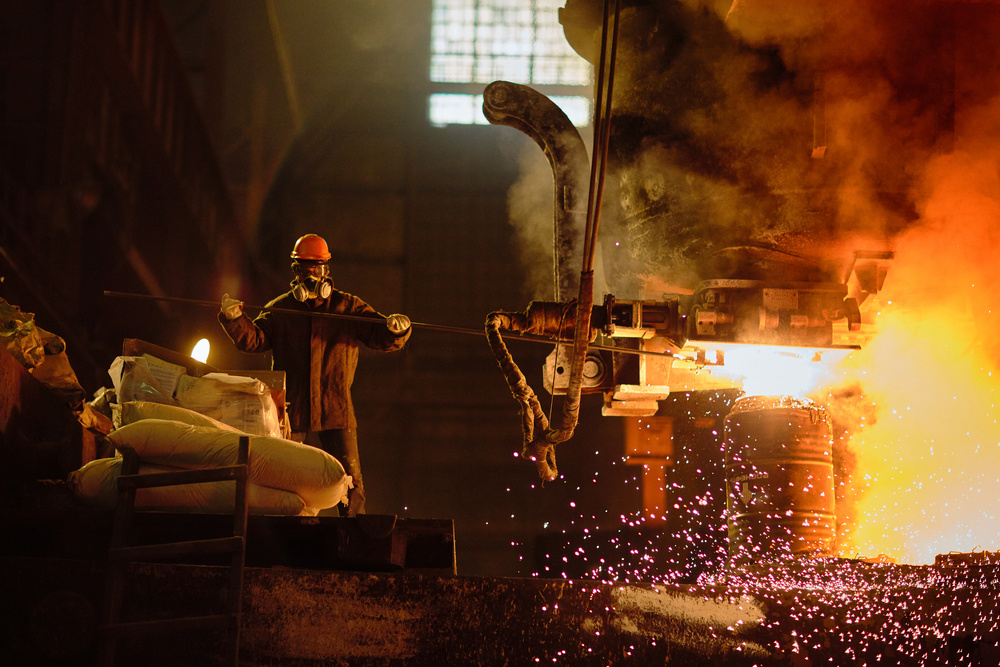
Metal is melted in a furnace at temperatures ranging from 660°C (aluminum) to 1538°C (iron). The molten metal is then poured into the mold cavity.
Step 4: Solidification
The metal cools and solidifies in the mold. The cooling rate affects the final properties of the cast metal.
Step 5: Shakeout and Cleaning
The solidified casting is removed from the mold and cleaned to remove any remaining mold material.
Step 6: Finishing Operations
Additional processes may include:
- Heat treatment: To improve mechanical properties
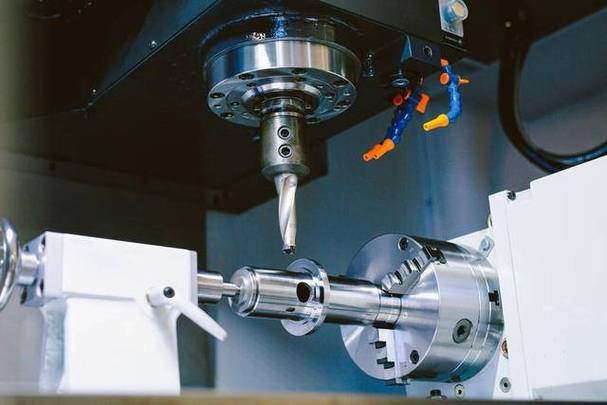
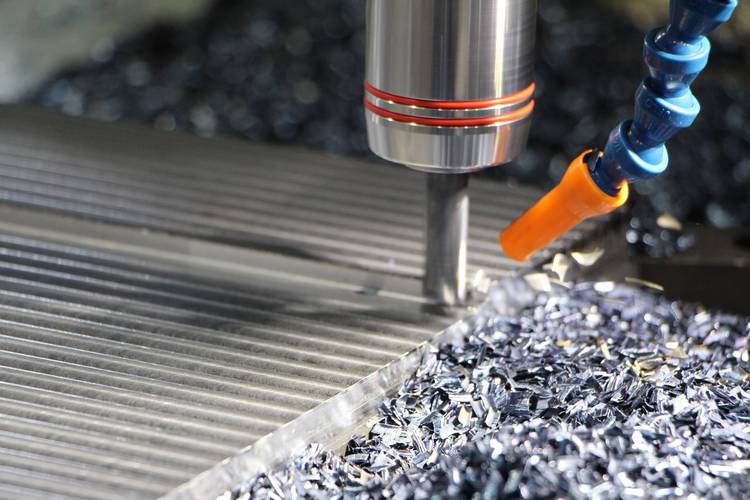
- Machining: For critical dimensions and surfaces
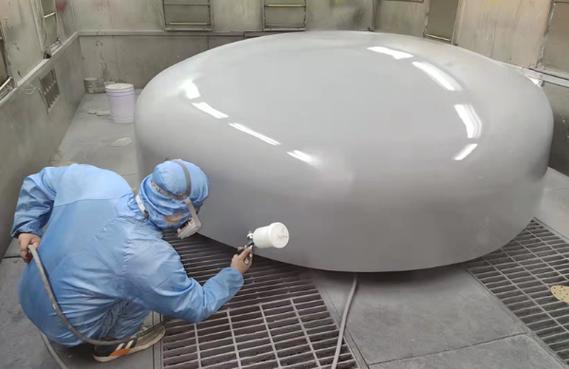
- Surface treatment: Painting, plating, or coating
Key Properties of Cast Metals
Mechanical Properties
These properties determine how cast metal performs under load:
Strength
- Tensile strength: Resistance to pulling forces
- Yield strength: Stress at which permanent deformation occurs
- Compressive strength: Resistance to crushing forces
Toughness and Ductility
- Impact strength: Ability to absorb energy without breaking
- Elongation: Measure of ductility before fracture
- Hardness: Resistance to indentation and wear
Physical Properties
These properties relate to the material’s physical characteristics:
Density and Weight
- Specific gravity: Ratio of density to water (varies by alloy)
- Mass efficiency: Strength-to-weight ratio is critical for many applications
Thermal Properties
- Melting point: Temperature at which the metal becomes liquid
- Thermal conductivity: Ability to conduct heat
- Thermal expansion: Dimensional change with temperature
Chemical Properties
These properties relate to the material’s chemical behavior:
Corrosion Resistance
- Oxidation resistance: Resistance to reaction with oxygen
- Chemical resistance: Performance in specific environments
- Galvanic compatibility: Behavior when in contact with other metals