Introduction
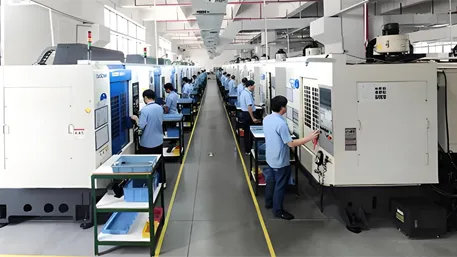
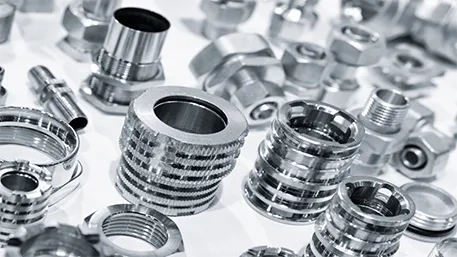
In the era of advanced manufacturing, CNC machining parts have revolutionized how precision components are produced across industries worldwide. Computer Numerical Control (CNC) machining represents the pinnacle of manufacturing technology, offering unparalleled accuracy, consistency, and efficiency in creating complex parts that power our modern world.
This comprehensive guide explores the fundamentals of CNC machining parts, including the various processes involved, equipment types, materials used, applications across industries, and the numerous advantages this technology provides. Whether you’re an engineer, procurement manager, or simply interested in manufacturing, this article will provide you with a thorough understanding of CNC machining parts.
What are CNC Machining Parts?
Definition and Core Concept
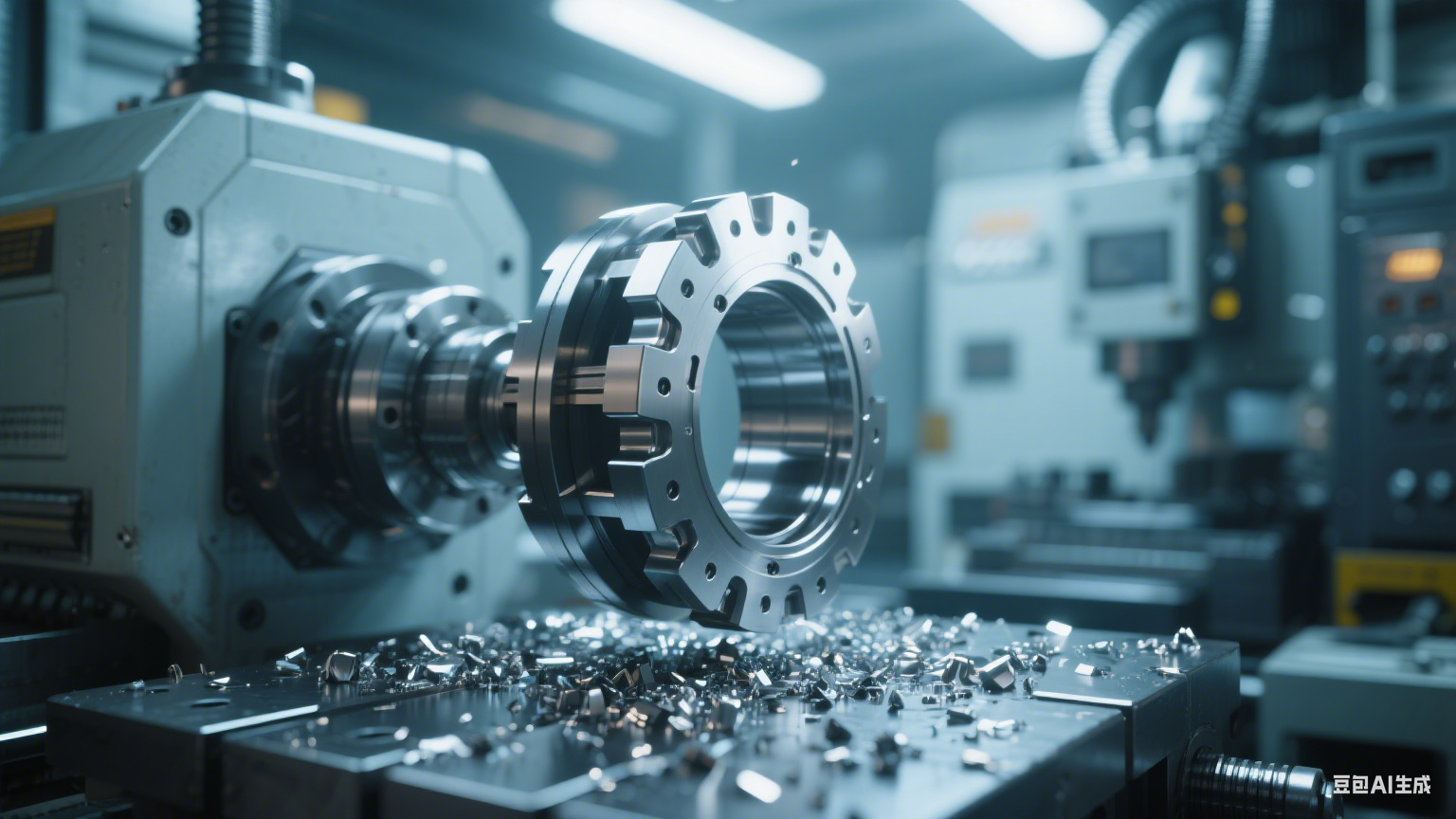
CNC machining parts are precision-manufactured components produced using computer-controlled machine tools that remove material from a workpiece to create the desired shape and dimensions. Unlike traditional manual machining, which relies on skilled operators to guide tools, CNC machining uses pre-programmed computer software to control the movement of cutting tools with extreme precision.
The term “CNC machining” encompasses a family of subtractive manufacturing processes, each designed for specific types of parts and production requirements. These processes work by removing material from a solid block (or billet) to create the final component, ensuring exact adherence to design specifications.
Key Characteristics of CNC Machining Parts
- Exceptional Precision: Tolerances as tight as ±0.001 mm (0.00004 inches)
- Consistency: Identical parts across production runs
- Complex Geometry: Ability to create intricate shapes and features
- Material Versatility: Compatible with metals, plastics, composites, and more
- Automation: Reduced human intervention and increased productivity
- Scalability: Suitable for prototyping, small batches, and mass production
Types of CNC Machining Processes
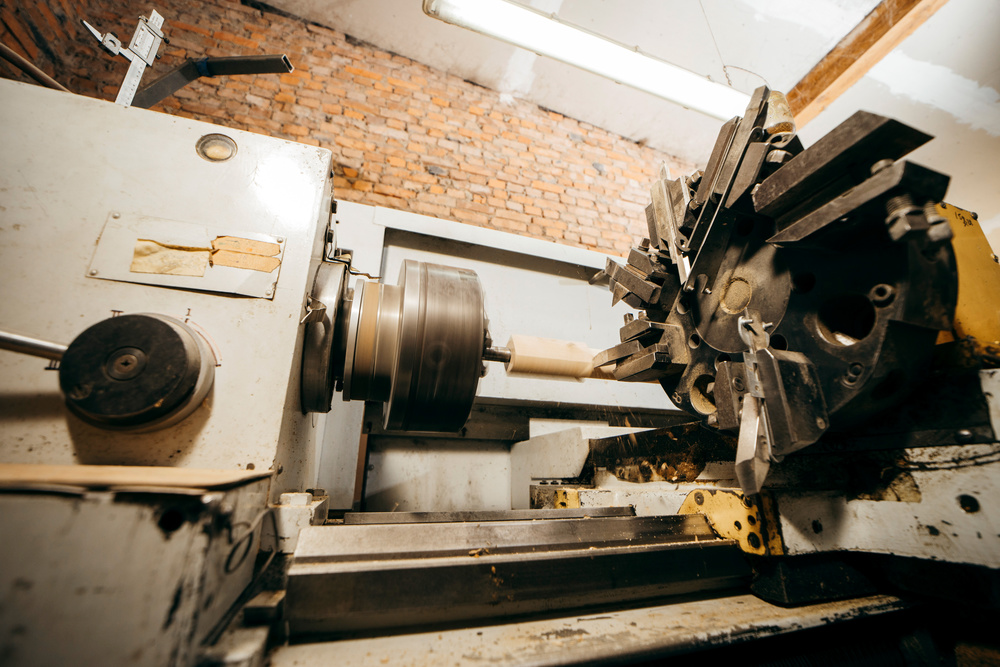
1. CNC Turning
CNC turning is a machining process where the workpiece rotates while a stationary cutting tool removes material to create cylindrical or conical shapes. This process is ideal for producing rotationally symmetric parts.
Key Features:
- Workpiece rotates on a spindle at high speeds
- Cutting tool moves linearly along the axis of rotation
- Creates external and internal cylindrical features
- Can produce threads, tapers, grooves, and contoured surfaces
Common Applications:
- Shafts and rods
- Bushings and bearings
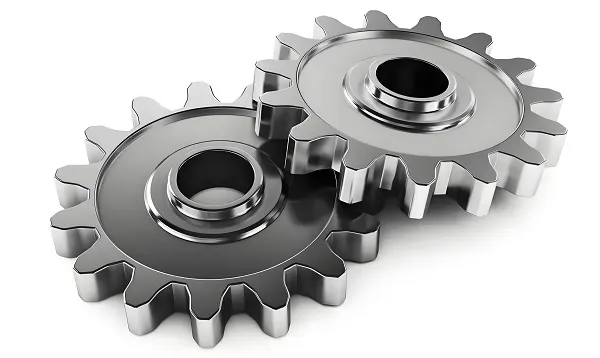
- Pulleys and gears
- Fasteners (bolts, nuts)
- Hydraulic and pneumatic components
Equipment: CNC lathes, turning centers with live tooling capabilities
2. CNC Milling
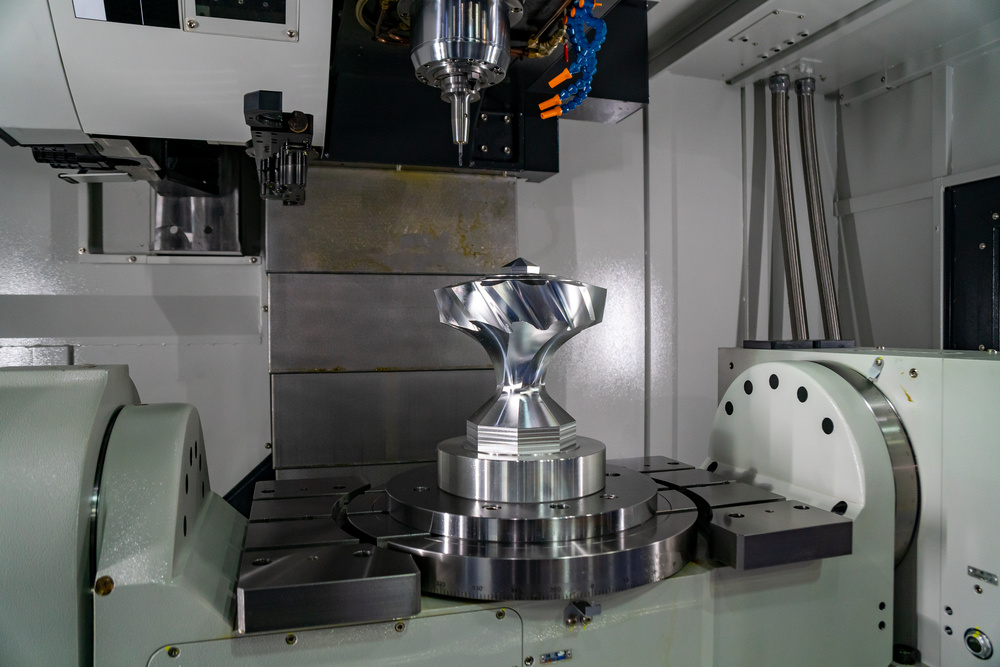
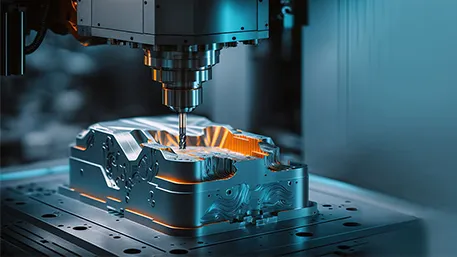
CNC milling uses rotating cutting tools to remove material from a stationary workpiece. This versatile process can create complex three-dimensional shapes and features.
Key Features:
- Rotating cutting tools (end mills, face mills, ball mills)
- Workpiece moves along X, Y, and Z axes
- Can perform drilling, slotting, contouring, and threading
- Available in 3-axis, 4-axis, and 5-axis configurations
Common Applications:
- Brackets and housings
- Engine components
- Mold and die making
- Aerospace structural parts
- Custom prototypes
Equipment: Vertical machining centers, horizontal machining centers, 5-axis machining centers
3. CNC Drilling
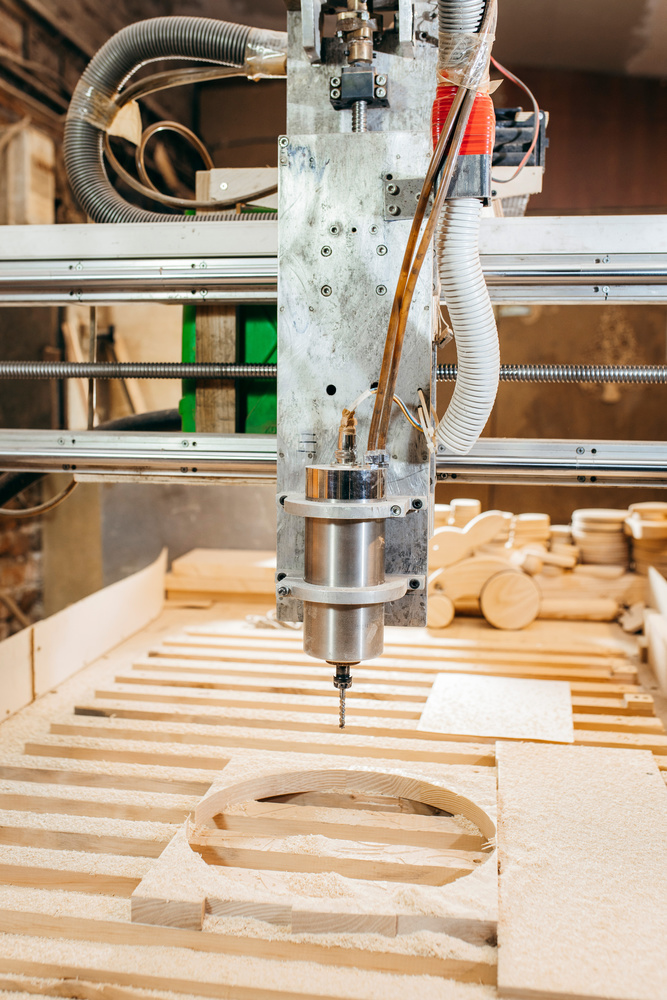
CNC drilling is a specialized process for creating precise holes in workpieces with high accuracy and consistency.
Key Features:
- Creates holes of various diameters and depths
- Can produce threaded holes, countersinks, and counterbores
- Multi-axis capability for complex hole patterns
- High positional accuracy for hole placement
Common Applications:
- Flanges and mounting plates
- Circuit boards and electronics
- Pipe and tube fittings
- Aerospace fuselage components
- Medical implants
Equipment: CNC drill presses, machining centers with drilling capabilities
4. CNC Grinding
CNC grinding uses abrasive wheels to remove small amounts of material, achieving extremely high surface finishes and tight tolerances.
Key Features:
- Uses abrasive wheels instead of cutting tools
- Ideal for hardened materials
- Achieves surface finishes as smooth as Ra 0.1 μm
- Can grind flat surfaces, cylindrical surfaces, and complex shapes
Common Applications:
- Bearing surfaces
- Precision tool sharpening
- Gear teeth finishing
- Medical instrument components
- Optical components
Equipment: Surface grinders, cylindrical grinders, centerless grinders
5. Electrical Discharge Machining (EDM)
EDM is a non-traditional CNC process that uses electrical discharges to shape conductive materials, ideal for complex geometries that are difficult to machine with conventional methods.
Key Features:
- No direct contact between tool and workpiece
- Uses electrical sparks to erode material
- Ideal for hard materials and complex shapes
- Can create very small features and fine details
Common Applications:
- Mold and die making
- Aerospace components
- Medical instruments
- Micromachining applications
CNC Machining Equipment
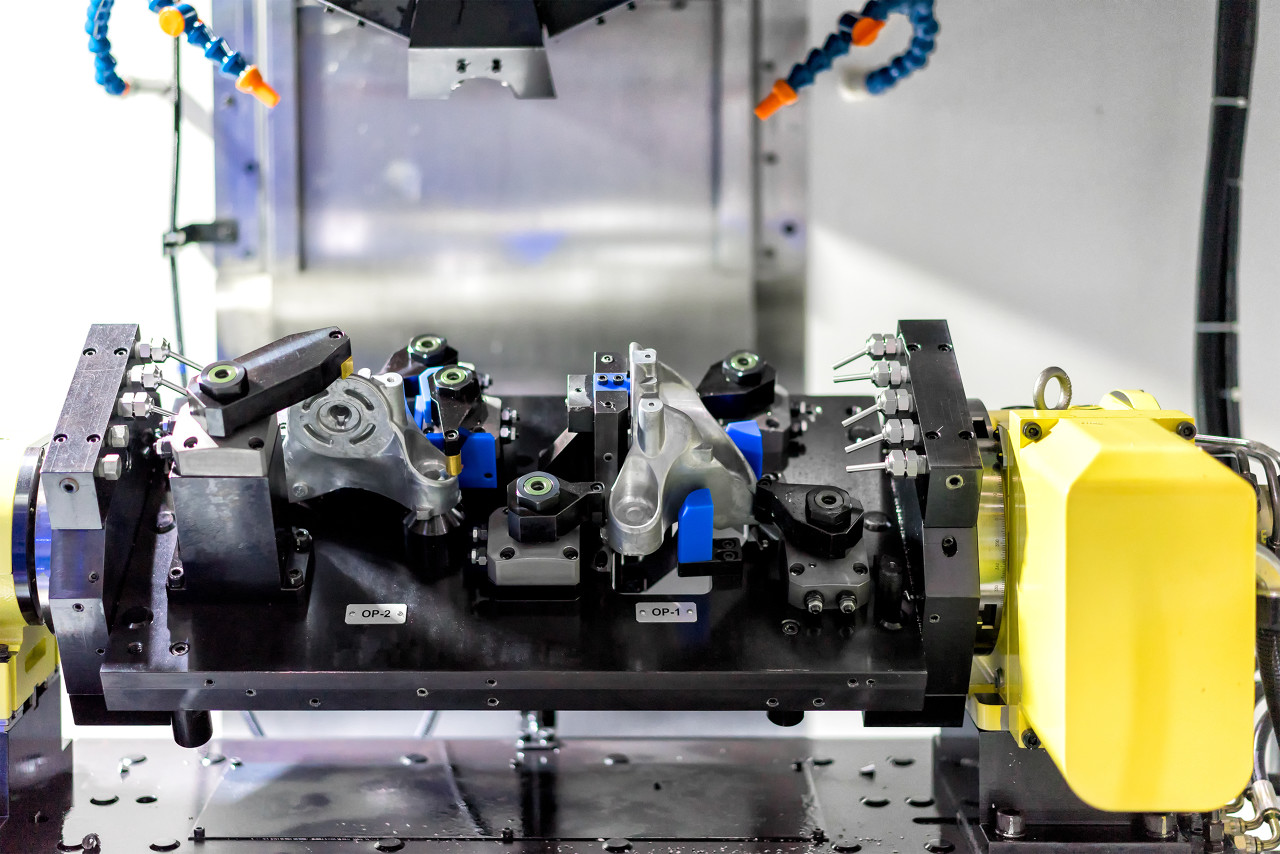
CNC Machine Components
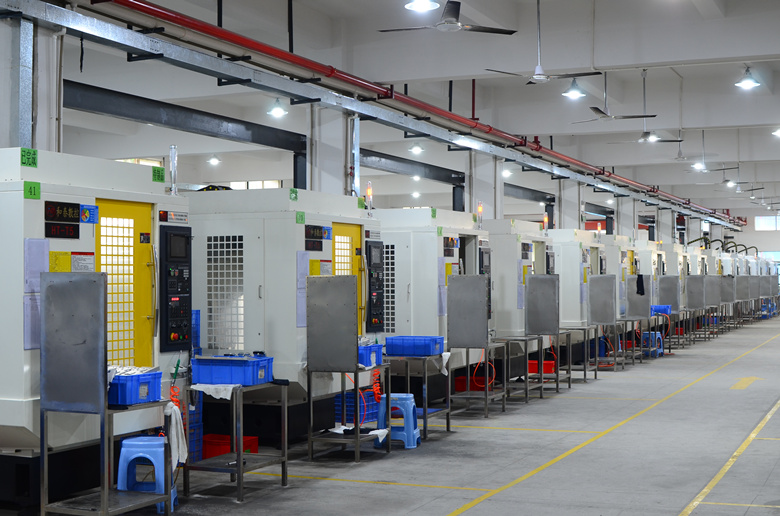
All CNC machines share common components that work together to produce precision parts:
1. Control System
- Computer numerical control unit
- User interface for programming and monitoring
- Memory for storing programs
- Software for tool path generation
2. Drive System
- Servo motors or stepper motors
- Ball screws for precise linear movement
- Bearings and guides for smooth motion
- Feedback systems for accuracy
3. Spindle
- Rotating shaft that holds cutting tools
- Variable speed control
- Coolant delivery system
- Tool changing mechanism
4. Workholding
- Chucks, vises, and fixtures to secure workpieces
- Indexing tables for multi-sided machining
- Custom fixtures for specialized parts
Machine Configuration Types
Vertical Machining Centers (VMC)
- Spindle oriented vertically
- Ideal for flat surfaces and 3D contouring
- Better accessibility for operators
- Lower cost compared to horizontal machines
Horizontal Machining Centers (HMC)
- Spindle oriented horizontally
- Better chip evacuation
- Suitable for complex parts requiring multiple operations
- Higher production efficiency
Turning Centers
- Designed specifically for turning operations
- Can include live tooling for milling operations
- Sub-spindles for complex parts
- Bar feeders for high-volume production
Multi-Axis Machines
- 4-axis and 5-axis capabilities
- Ability to machine complex geometries in one setup
- Reduced setup time and improved accuracy
- Higher investment cost but greater versatility
Materials Used in CNC Machining
Metal Materials
Aluminum Alloys
- 6061-T6: Excellent strength-to-weight ratio, corrosion resistant
- 7075-T6: High strength for structural applications
- 5052: Marine-grade corrosion resistance
- Advantages: Lightweight, good machinability, cost-effective
Steel Alloys
- Carbon Steel: 1018, 1045 for general purpose use
- Alloy Steel: 4140, 4340 for high strength requirements
- Stainless Steel: 304, 316 for corrosion resistance
- Tool Steel: H13, S7 for mold and tool applications
Specialty Metals
- Titanium: Ti-6Al-4V for aerospace and medical use
- Inconel: High temperature resistance for engine components
- Brass: Excellent machinability for precision parts
- Copper: Good conductivity for electrical components
Non-Metal Materials
Thermoplastics
- Acetal (Delrin): Excellent dimensional stability
- PEEK: High temperature resistance, biocompatible
- Nylon: Good wear resistance and strength
- PTFE (Teflon): Chemical resistance, low friction
- ABS: Impact resistant for consumer products
Composites
- Carbon Fiber: High strength-to-weight ratio
- Fiberglass: Good strength and corrosion resistance
- G10/FR4: Electrical insulation properties
- Wood: For prototyping and decorative applications
Applications of CNC Machining Parts
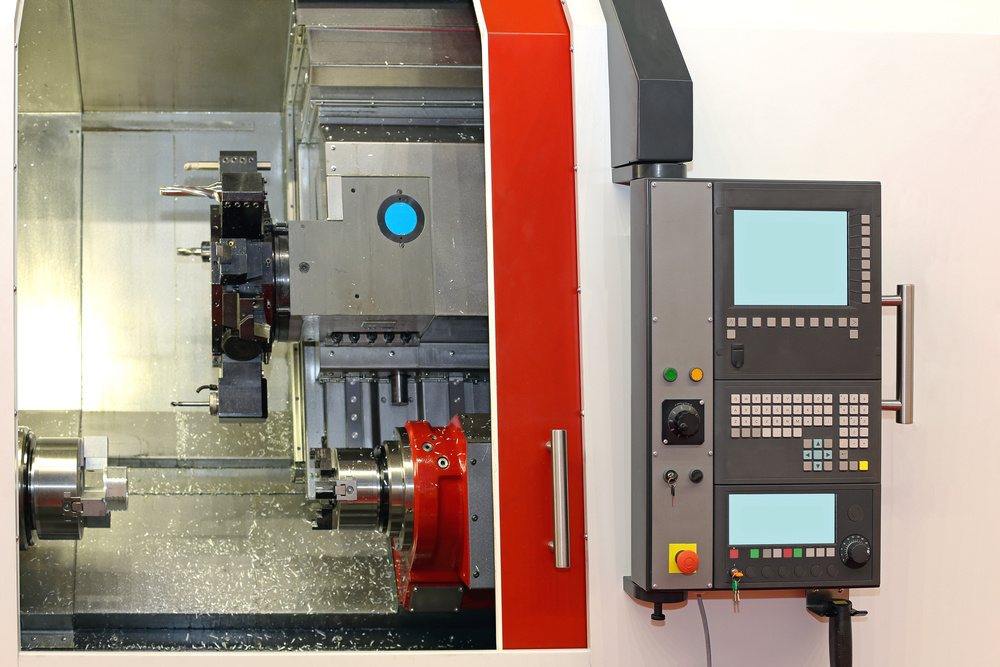
Aerospace Industry
CNC machining parts are critical in aerospace applications where precision and reliability are paramount:
- Engine Components: Turbine blades, combustion chambers, fuel injectors
- Structural Parts: Wing spars, landing gear components, fuselage parts
- Avionics: Electronic enclosures, mounting brackets
- Requirements: Tight tolerances (±0.001 mm), material traceability, AS9100 certification
Automotive Industry
The automotive industry relies heavily on CNC machined parts for performance and safety:
- Engine Parts: Cylinder heads, crankshafts, connecting rods
- Transmission: Gears, shafts, valve bodies
- Suspension: Control arms, knuckles, brackets
- Requirements: High-volume production, IATF 16949 certification, cost efficiency
Medical Industry
Medical applications demand the highest precision and biocompatibility:
- Surgical Instruments: Scalpels, forceps, orthopedic tools
- Implants: Hip replacements, dental implants, pacemaker components
- Diagnostic Equipment: Precision components for medical devices
- Requirements: Biocompatible materials, ultra-precision (±0.0005 mm), FDA compliance
Electronics Industry
CNC machining supports the production of intricate electronic components:
- Heat Sinks: Thermal management solutions
- Enclosures: Electronic device housings
- Connectors: Precision electrical components
- PC Board Fixtures: Manufacturing aids
Industrial Equipment
Industrial machinery depends on CNC machined parts for reliability:
- Gearboxes: Gears, shafts, housings
- Hydraulic Components: Valves, cylinders, pumps
- Robotics: Arms, joints, end effectors
- Machine Tools: Precision components for manufacturing equipment
Advantages of CNC Machining
Precision and Accuracy
- Tight Tolerances: Achieves tolerances as tight as ±0.001 mm
- Consistency: Every part is identical to the last
- Repeatability: Same results across production runs
- Complex Geometries: Creates shapes impossible with manual methods
Efficiency and Productivity
- Reduced Setup Time: Quick changeovers between jobs
- Automation: Minimal operator intervention required
- 24/7 Operation: Can run unattended for extended periods
- Material Optimization: Reduced waste through precise cutting
Versatility and Flexibility
- Material Versatility: Works with metals, plastics, composites, and more
- Design Flexibility: Easy to modify designs in software
- Low to High Volume: Suitable for prototypes and mass production
- Rapid Prototyping: Quick turnaround for design verification
Cost-Effectiveness
- Reduced Labor Costs: Less manual labor required
- Fewer Errors: Reduced scrap and rework
- Longer Tool Life: Modern cutting tools last longer
- Energy Efficiency: Modern machines are more energy efficient
CNC Machining Process Workflow
1. Design Phase
CAD Modeling
- Create 3D model using Computer-Aided Design software
- Define dimensions, tolerances, and material specifications
- Optimize design for manufacturability (DFM)
- Verify design with simulation software
Common CAD Software:
- SolidWorks
- AutoCAD
- Fusion 360
- CATIA
- NX
2. Programming Phase
CAM Programming
- Convert CAD model to machine-readable code
- Generate tool paths and cutting strategies
- Select appropriate cutting tools and parameters
- Simulate machining process to detect issues
G-Code and M-Code
- G-code: Controls movement (G00, G01, G02, G03)
- M-code: Controls machine functions (M03 spindle on, M08 coolant on)
- Program optimization for efficiency
- Tool length and radius compensation
3. Setup Phase
Machine Preparation
- Load program into CNC machine
- Install appropriate cutting tools
- Set tool offsets and work offsets
- Prepare workholding fixtures
Workpiece Setup
- Secure workpiece in fixture
- Verify alignment and positioning
- Set zero reference points
- Perform test cuts if necessary
4. Machining Phase
Production Run
- Execute machining program
- Monitor process for any issues
- Inspect parts periodically
- Make adjustments as needed
Coolant System
- Coolant delivery to cutting zone
- Chip evacuation
- Temperature control
- Lubrication of cutting tools
5. Quality Control Phase
Inspection
- Dimensional measurement using precision tools
- Surface finish analysis
- Material property verification
- Compliance with specifications
Documentation
- Quality control reports
- Inspection records
- Material certifications
- Traceability documentation
How to Choose a CNC Machining Service Provider
Key Selection Criteria
When selecting a CNC machining service provider, consider these important factors:
Technical Capabilities
- Equipment: Ensure they have the right machines for your parts
-
- 3-axis, 4-axis, or 5-axis capabilities
-
- Machine size and capacity
-
- Spindle speed and power
- Software: Advanced CAD/CAM software for complex parts
- Tooling: Access to a wide range of cutting tools
- Quality Control: Precision measurement equipment
Experience and Expertise
- Industry Experience: Specialization in your industry
- Technical Staff: Skilled engineers and machinists
- Project Portfolio: Examples of similar work
- Years in Business: Established track record
Quality Assurance
- Certifications: ISO 9001, AS9100, IATF 16949
- Quality Control Process: Inspection at every stage
- Traceability: Material and process documentation
- Warranty: Product quality guarantee
Production Capabilities
- Lead Times: Typical delivery times for prototypes and production
- Volume Flexibility: Ability to handle small and large production runs
- Material Capabilities: Experience with your specific materials
- Secondary Operations: Assembly, finishing, and other services
CNC Machining Trends and Innovations
Advanced Technologies
Additive Manufacturing Integration
- Hybrid machines combining CNC machining with 3D printing
- Ability to create complex internal structures
- Reduced material waste and production time
- Rapid prototyping followed by precision machining
Artificial Intelligence and Machine Learning
- AI-powered tool path optimization
- Predictive maintenance algorithms
- Quality inspection automation
- Process optimization based on real-time data
Internet of Things (IoT) Connectivity
- Real-time machine monitoring
- Remote diagnostics and troubleshooting
- Data collection for process improvement
- Integration with enterprise systems
Industry 4.0 Implementation
Digital Twin Technology
- Virtual simulation of machining processes
- Real-time synchronization with physical machines
- Predictive analysis and optimization
- Reduced setup time and improved quality
Automation and Robotics
- Automated material handling systems
- Robotic cells for lights-out production
- Collaborative robots working with human operators
- Flexible manufacturing systems
Frequently Asked Questions (FAQ)
What is the difference between CNC machining and 3D printing?
CNC machining is a subtractive process that removes material from a solid block, while 3D printing is an additive process that builds parts layer by layer. CNC machining offers higher precision and better material properties, while 3D printing is better for complex geometries and rapid prototyping.
What tolerances can CNC machining achieve?
Standard tolerances are ±0.01 mm (0.0004 inches), but high-precision CNC machining can achieve tolerances as tight as ±0.001 mm (0.00004 inches) depending on the machine, material, and part complexity.
How long does CNC machining take?
The time depends on the complexity of the part, material, machine speed, and production volume. Simple parts may take minutes, while complex parts can take hours or days. Production runs can take weeks depending on volume.
What file formats are needed for CNC machining?
Common CAD file formats include STEP, IGES, STL, DWG, DXF, SolidWorks, and Inventor files. These are converted to G-code for the CNC machine using CAM software.
What materials are best suited for CNC machining?
Aluminum alloys are the most popular due to their excellent machinability. Other good choices include steel, stainless steel, brass, titanium, and various plastics. The best material depends on the application requirements.
How much does CNC machining cost?
Cost depends on material, part complexity, tolerances, quantity, and machine time. Factors include setup costs, tooling costs, material costs, and finishing operations. Generally, complex parts with tight tolerances cost more.
Can CNC machining create complex 3D shapes?
Yes, especially with 5-axis CNC machines, which can create extremely complex 3D shapes and contours from multiple angles in a single setup.
What is the minimum order quantity for CNC machining?
Most CNC machining service providers accept orders of any size, from 1 piece (prototyping) to 10,000+ pieces (mass production). Smaller quantities typically have higher unit costs.
What surface finishes are available with CNC machining?
Standard surface finishes range from Ra 1.6-3.2 μm. Additional finishing processes include polishing (Ra 0.02-0.05 μm), anodizing, plating, painting, powder coating, and more.
How do I ensure quality in CNC machined parts?
Choose a reputable supplier with proper certifications, request quality documentation, specify clear tolerances and requirements, and consider third-party inspection for critical components.
Disclaimer
- All information, opinions, and data contained in this article are for the purpose of information transmission only and do not constitute any advice on investment, transactions, law, medical care, or other matters.
- The content of the article is compiled based on public information or created based on the author’s personal understanding. Although every effort is made to ensure accuracy, it does not guarantee the completeness, accuracy, and timeliness of the information, nor does it bear any responsibility for any losses caused by the use of the content of this article.
- If the article involves third-party opinions, pictures, data, and other content, the copyright belongs to the original author. In case of infringement, please contact us for deletion.
- Readers should make independent decisions based on their actual situation and combined with professional opinions. The user shall bear all consequences arising from the use of the content of this article.
What is CNC Machining Parts? Comprehensive Guide to Precision Manufacturing