1. What The Heck is a CNC Turning Center?
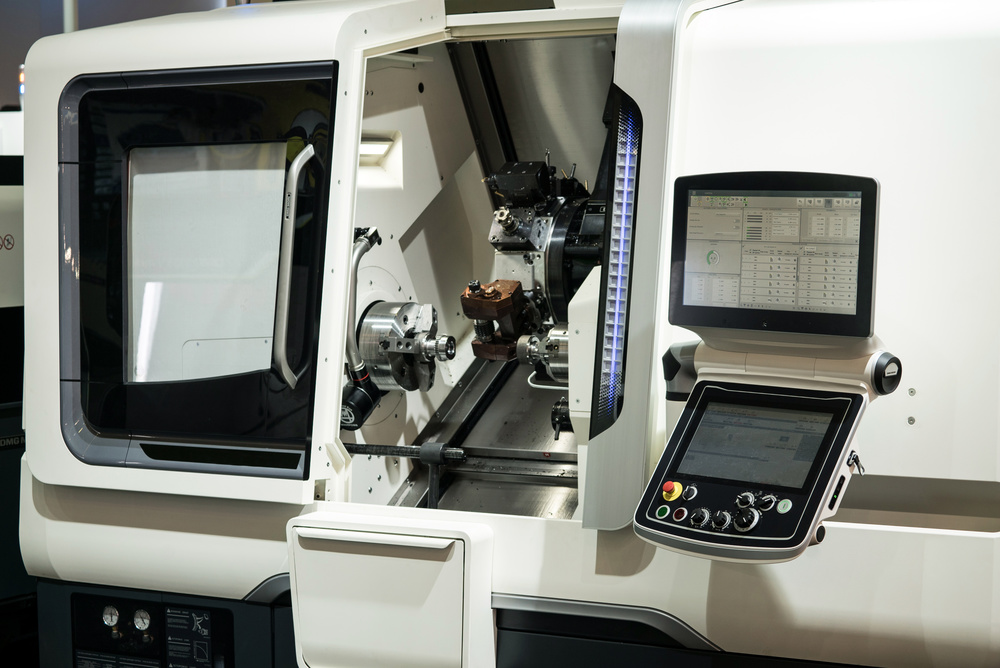
State-of-the-art CNC turning center in action!
Q: So what exactly is a CNC turning center?
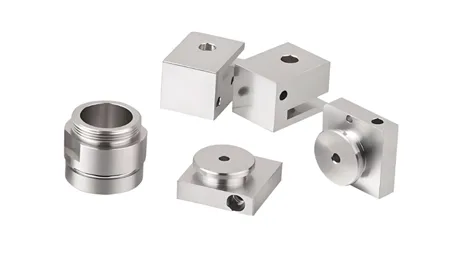
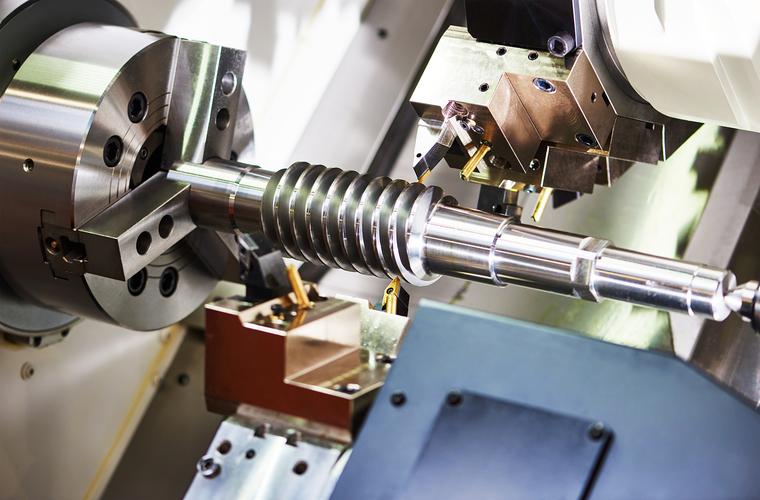
A: Bro, it’s like a souped-up lathe on steroids! A CNC (Computer Numerical Control) turning center uses computer programming to control cutting tools that shape rotating workpieces into precise cylindrical parts. Way more advanced than manual lathes!
Q: How is it different from a regular CNC lathe?
A: Great question! A turning center usually has more axes, automatic tool changers, and often live tooling for milling operations. It’s a complete machining center rather than just a lathe.
2. The Anatomy – What Makes Up a CNC Turning Center?
Core Components
Bed
Foundation base
Spindle
Rotates workpiece
Chuck
Holds workpiece
Turret
Tool changer
Supporting Systems
- Headstock: Houses spindle motor
- Tailstock: Supports long workpieces
- Carriage: Moves cutting tools
- Coolant System: Controls temperature
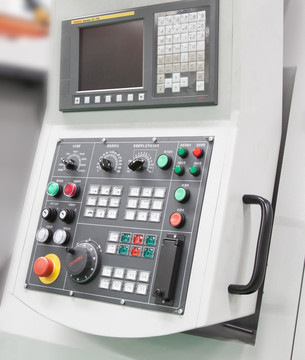
- Control Panel: The brain!
Q: Which component is the most important?
A: The spindle is definitely the heart! Its precision and speed determine the quality of your parts. A bad spindle = bad parts, no matter how good everything else is.
Q: Why do I need a turret?
A: Dude, imagine having to change tools manually every time! A turlet lets you have multiple tools ready and switches between them automatically. Saves so much time!
3. What Can It Do? The Superpowers of CNC Turning Centers
Basic Turning
Create cylindrical shapes, tapers, and facing operations. This is what turning centers do best!
Thread Cutting
Precise internal and external threads – metric, imperial, you name it!
Drilling & Boring
Create holes of various sizes with perfect concentricity to the outer diameter.
Live Tooling
With rotating tools, you can mill flats, slots, and cross-drilling operations.
Parting & Grooving
Cut off finished parts from the raw material and create grooves.
C-axis Machining
Index the spindle to specific angles for complex milling operations.
Q: Can a turning center replace a milling machine?
A: Not completely, but with live tooling and C-axis, it can do a lot of milling operations. I make parts that used to need both machines all on one turning center now!
4. Why Should I Care? The Awesome Advantages
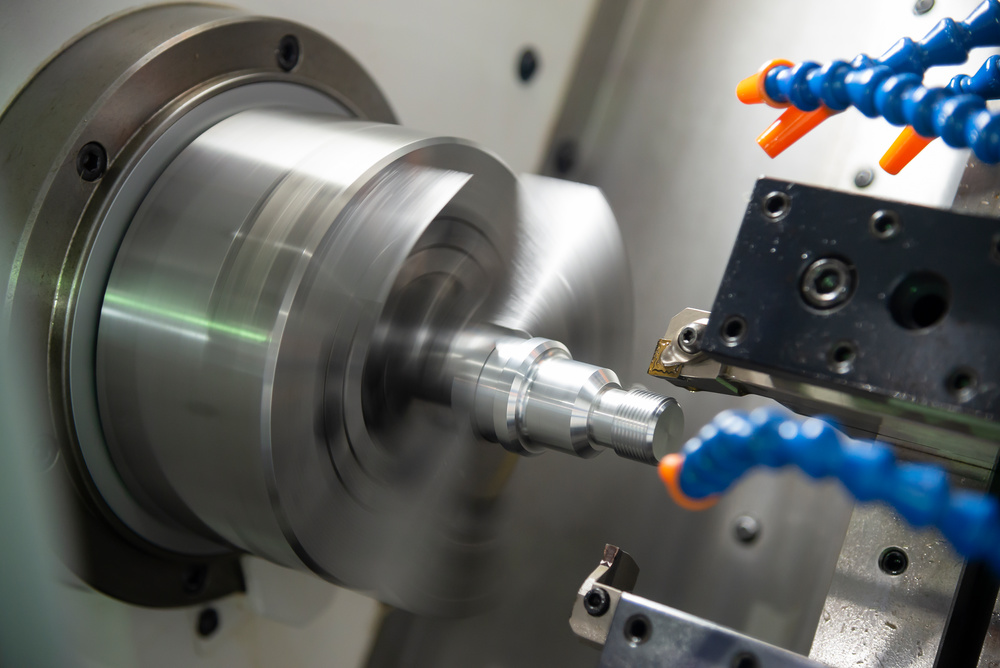
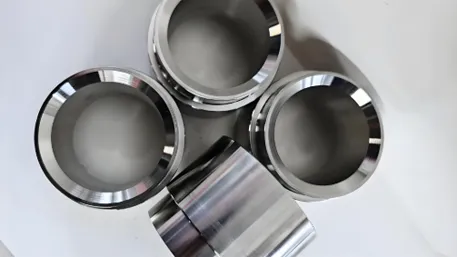
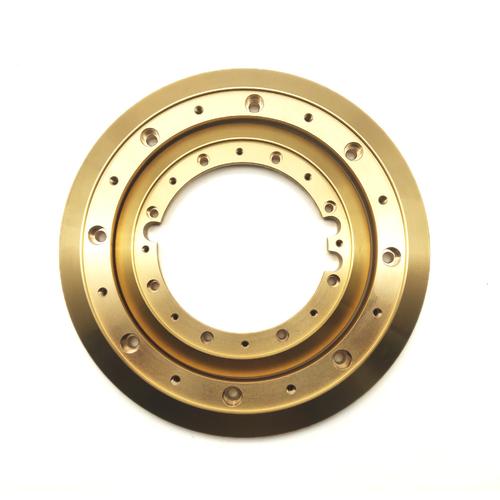
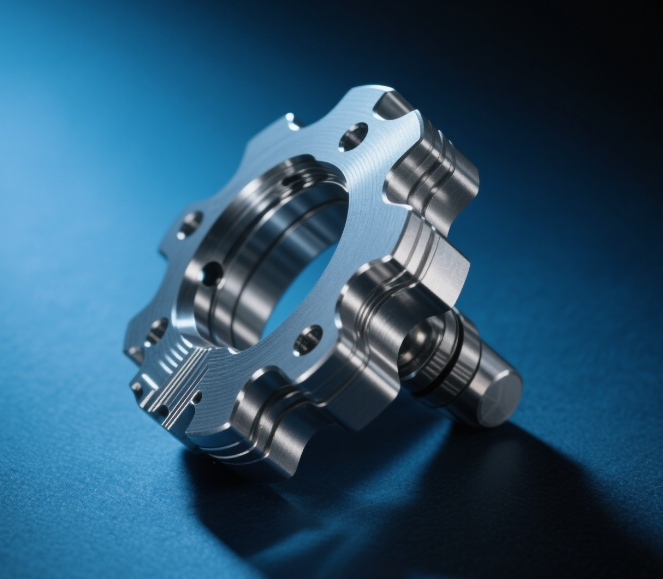
Check out that precision – this is why CNC turning is amazing!
- Unmatched Precision: Tolerances down to ±0.005mm – way better than manual!
- Consistency: Every part is identical – no more human variation
- Speed: Faster than manual machining, especially for complex parts
- Complex Geometry: Make shapes that would be impossible manually
- 24/7 Operation: Run lights-out production while you sleep!
- Material Savings: More efficient cutting = less waste
- Reduced Labor: One operator can run multiple machines
From My Experience
“I used to make 100 identical shafts manually – each one was slightly different. Now with CNC, they’re all perfect, and I make 500 in the same time!”
5. How Does It Work? The Step-by-Step Process
- 1
Design the Part: Create a 3D model using CAD software like SolidWorks or Fusion 360 - 2
Generate G-Code: Use CAM software to convert the design into machine-readable code - 3
Setup the Machine: Install the workpiece in the chuck and set up cutting tools in the turret - 4
Test Run: Do a dry run without material to verify the program is correct - 5
Start Machining: Let the CNC turning center work its magic – sit back and watch! - 6
Inspect the Part: Measure the finished part to ensure it meets specifications
Q: How long does each part take?
A: Depends on complexity! A simple shaft might take 1-2 minutes, while a complex part with many features could take 15-30 minutes. But once the program is set up, it’s repeatable forever!
6. Where Is It Used? Cool Applications All Around Us
Automotive Industry
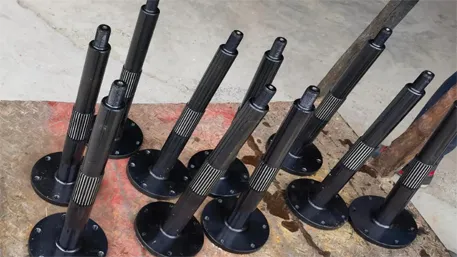
Engine shafts, gears, valve seats, bushings, and suspension components
Aerospace
Jet engine parts, landing gear components, hydraulic fittings
Medical Devices
Surgical tools, orthopedic implants, dental components, precision connectors
Industrial Equipment
Valves, pumps, hydraulic cylinders, gearboxes, bearing races
Electronics
Connectors, pins, heat sinks, sensor housings, precision shafts
Consumer Products
Faucets, door handles, camera lenses, bicycle components
Q: What’s the most interesting part I’ve made?
A: Once I made parts for a Mars rover! Super precise titanium components that had to withstand extreme temperatures. Still blows my mind that my machining is on another planet!
7. How to Tell Good vs Bad? The Ultimate Buying Checklist
Precision & Accuracy
- Positioning accuracy: Look for ±0.003mm or better
- Repeatability: Should be ±0.002mm or better
- Spindle runout: Less than 0.001mm is ideal
- Turret indexing accuracy: ±1 arc second
Performance Metrics
- Spindle speed: 3000-8000 RPM range
- Axis travel speed: 20-30 m/min rapid traverse
- Tool change time: Under 2 seconds
- Cutting feed rate: Up to 10 m/min
Build Quality
- Cast iron bed for vibration damping
- Linear guideways for smooth movement
- Ball screws with preload for precision
- Sealed bearings for long life
Control System
- Fanuc, Siemens, or Mazatrol controls
- User-friendly interface
- Advanced features like collision detection
- Remote monitoring capability
Buyer Beware!
“Don’t just look at the price! I once bought a cheap machine that looked good on paper but had terrible accuracy. Spent twice as much upgrading it later. Invest in quality upfront!”
8. What’s the Secret Sauce? The Core Technology
High-Precision Spindle
The spindle is the heart! It uses precision bearings, balanced design, and advanced motor control to maintain perfect rotation even at high speeds.
Servo Motor Technology
High-response servo motors with encoder feedback provide precise positioning and smooth movement for all axes.
CNC Control System
The brain that interprets G-code and coordinates all machine movements with microsecond precision.
Tool Management System
Automatic tool changers with tool length measurement and wear monitoring ensure consistent results.
Thermal Compensation
Sensors monitor temperature changes and automatically compensate for thermal expansion to maintain accuracy.
Adaptive Control
Modern systems can adjust cutting parameters in real-time based on sensor feedback for optimal results.
Q: What technology has improved the most recently?
A: Thermal compensation! My old machine would drift as it warmed up. Now with real-time temperature monitoring, parts stay accurate all day long. Game changer!
9. What Can It Cut? Materials Galore!
Q: What’s the hardest material I’ve machined?
A: Inconel 718 – that stuff is tough! It’s used in jet engines because it retains strength at high temperatures. Took forever to machine, but the finished part was amazing!
10. Why Invest? The Real Value Proposition
Financial Value
- Reduced Labor Costs: One operator can run multiple machines
- Lower Scrap Rates: Precision machining means fewer mistakes
- Faster Production: Higher throughput = more revenue
- 24/7 Operation: Lights-out manufacturing maximizes investment
Strategic Value
- Competitive Advantage: Make parts others can’t
- Quick Turnaround: Faster time-to-market for new products
- Design Freedom: Complex geometries are now possible
- Quality Consistency: Every part meets exact standards
ROI Example
Before CNC:
1 operator, 100 parts/day, 20% scrap rate
Labor: $30/hour, Material waste: $200/day
After CNC:
1 operator, 500 parts/day, 2% scrap rate
Labor: $15/hour, Material waste: $20/day
Result:
5x productivity, 90% less waste, 50% lower labor cost per part
Typical payback period: 12-18 months!
11. How Much Does It Cost? Let’s Talk Money
Initial Investment
Entry-Level (2-axis)
$50,000 – $100,000
Basic turning, no live tooling
Mid-Range (3-axis with live tooling)
$100,000 – $250,000
Turning + milling capabilities
High-End (multi-axis)
$250,000 – $500,000+
Complete manufacturing center
Operating Costs
- Tooling: $500 – $2,000/month depending on usage
- Maintenance: 3-5% of purchase price annually
- Power: $100 – $300/month
- Coolant: $200 – $500/month
- Software: $1,000 – $5,000/year for CAD/CAM
Cost-Saving Tips
- Buy used from reputable dealers
- Consider leasing to reduce upfront cost
- Train operators properly to reduce mistakes
- Implement preventive maintenance
- Optimize tool paths for longer tool life
Q: Is it worth buying a used machine?
A: Absolutely! I bought my first CNC used from a reputable dealer. Saved 40% compared to new, and it’s still running strong 8 years later. Just make sure to have it inspected first!
Final Thoughts
CNC turning centers are incredible machines that have revolutionized manufacturing. From simple shafts to complex aerospace components, they can make almost anything with precision and efficiency.
Whether you’re a hobbyist looking to take your projects to the next level or a business owner wanting to increase productivity, a CNC turning center is an investment that will pay for itself many times over.
Now go out there and make something amazing!