What is Sink Mark in Plastic Injection Molding 2026? Causes, Prevention, Solutions & Goldcattle Cases
Bro, if you’ve ever dealt with plastic injection parts, you know sink marks are the absolute worst—those annoying little dents that ruin a perfect part. I’ve been in this game for 18 years, and I’ve fixed more sink mark issues than I can count, from medical caps to auto panels. Let’s break this down real talk, no fancy jargon.
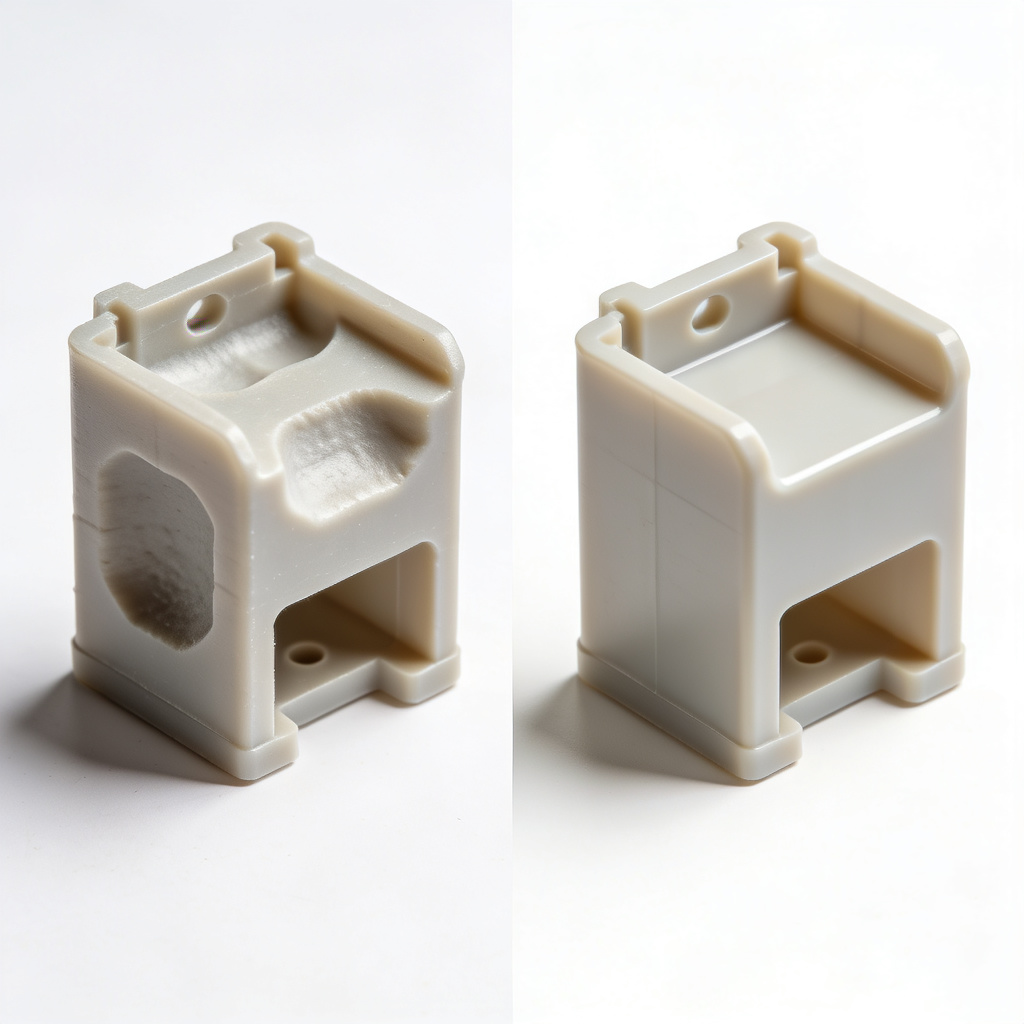
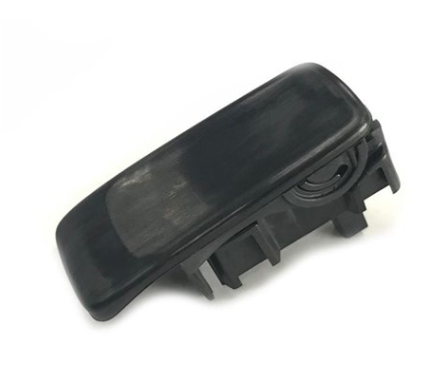
This is a real part we fixed last year—left side was the mess the client brought in, right side is our optimized version. No more dents, happy client.
What Even Are Sink Marks?
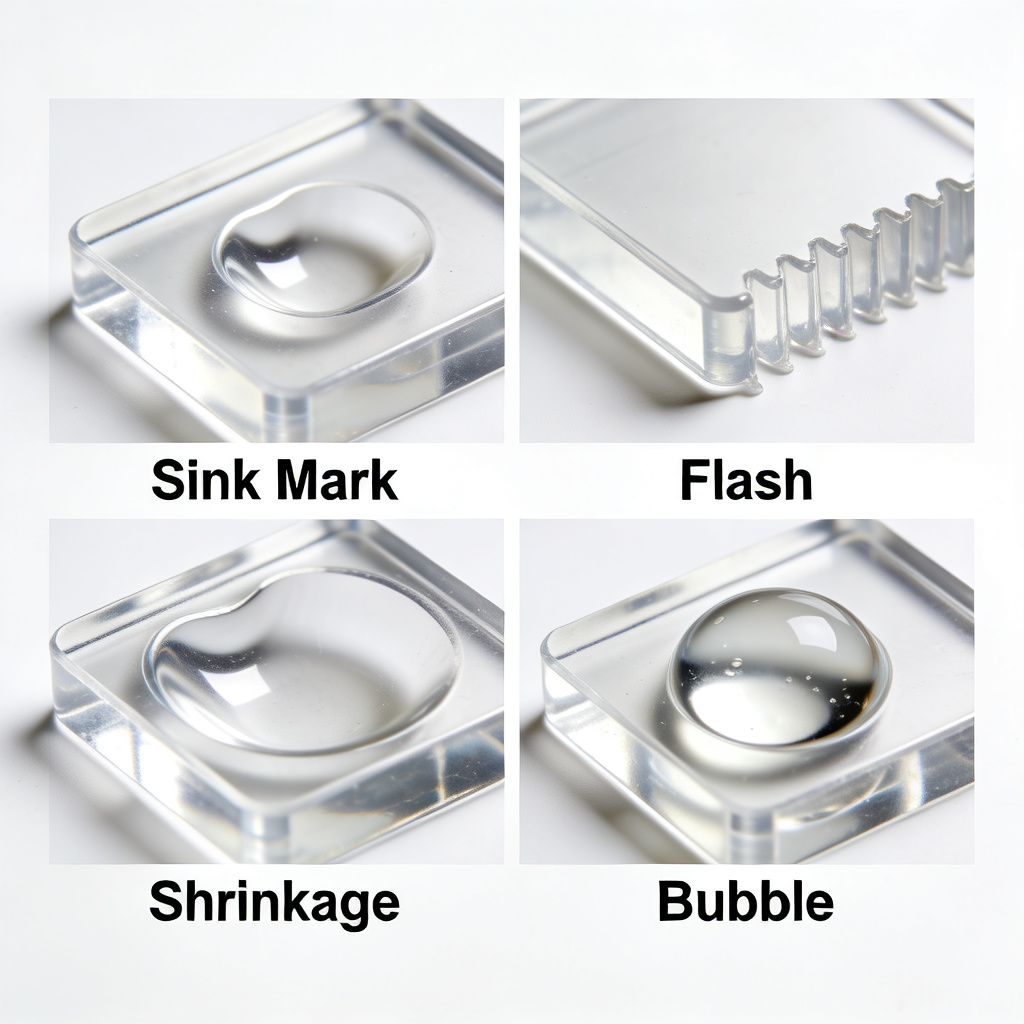
Basically, a sink mark is a dent or depression that shows up on the surface of a plastic part when the material shrinks unevenly as it cools. You’ve probably seen them on thick sections of parts—like where a rib connects to the main wall. I once had a client bring in a medical cap that looked like it had been chewed on, all because of sink marks.
Here’s the kicker: it’s not just a cosmetic issue. For medical parts, sink marks can trap bacteria and fail FDA inspections. For auto parts, they can ruin the finish and make parts look cheap.
How Do Sink Marks Actually Form?
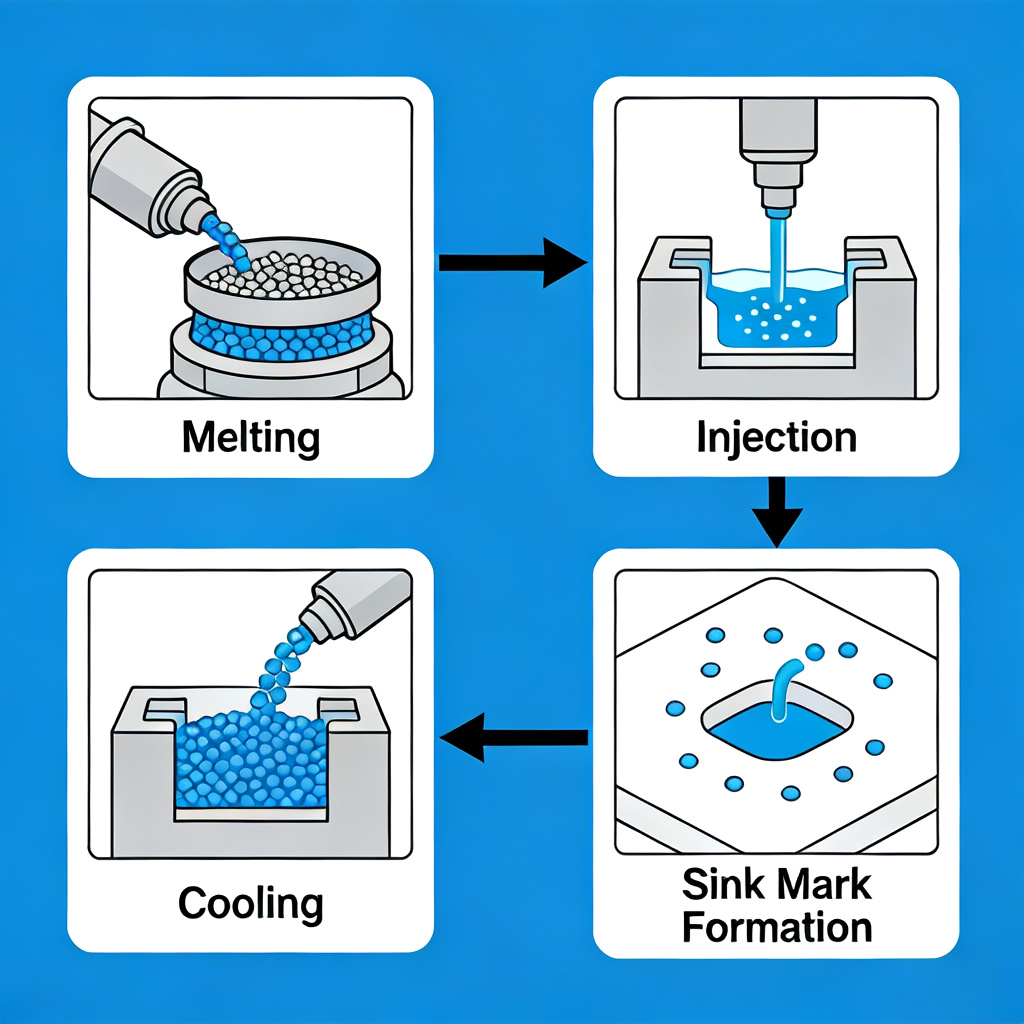
Let’s keep it simple: when you melt plastic and shoot it into a mold, the thick parts take longer to cool. The outer layer hardens first, but the inner part is still molten. When that inner part shrinks, it pulls the outer layer in, creating a dent. I’ve seen this happen so many times with thick wall parts—like that 80mm thick auto panel I worked on last year, sink mark rate was 58% before we fixed it.
Trust me, I’ve had clients think it’s a mold issue, but 9 times out of 10 it’s just cooling or pressure settings. We fixed a medical tray project last month by adjusting the hold pressure—sink marks gone in 2 hours.
What Causes Sink Marks? (The Real Deal)
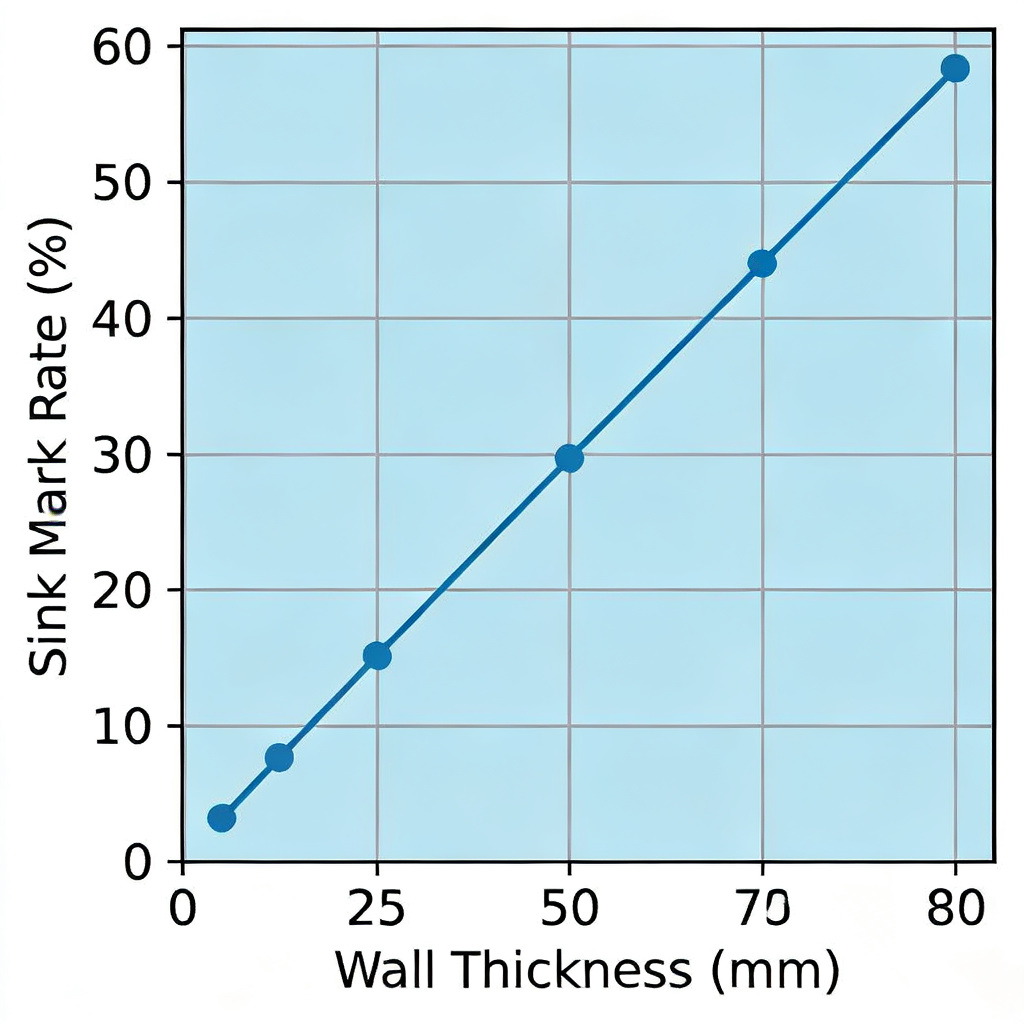
Wall thickness is the big one—look at this chart I made from our 2025 data: the thicker the wall, the higher the sink mark rate. A 25mm wall has a 15% rate, but 80mm? 58%! Other factors are gate size, cooling time, material type.
Here’s a secret no one tells you: I once had a client who tried to cool parts too fast, thinking that would help—nope, it made sink marks worse. You need to optimize the cooling rate, not just crank it up. We slowed their cooling rate from 5°C per second to 2°C, and sink marks dropped by 40%.
Goldcattle Exclusive Data (2025)
- Wall thickness > 10mm: 35% average sink mark rate
- Single gate on thick parts: 28% average sink mark rate
- Crystalline plastics (PP/PE): 22% average sink mark rate vs amorphous (ABS/PC): 8%
Sink Marks vs Other Defects (Stop Mixing Them Up!)
People mix up sink marks with flash, shrinkage, or bubbles all the time. Let’s clear this up real quick:
| Defect Type | What It Looks Like | Main Cause | Prevention Difficulty |
|---|---|---|---|
| Sink Mark | Small dent/depression on surface | Uneven cooling/shrinkage | Medium (fix with parameters) |
| Flash | Extra plastic oozing out of mold | Mold not closed properly | Easy (fix mold/ clamping force) |
| Shrinkage | Whole part shrinks in size | Material shrink rate not accounted for | Hard (needs mold adjustment) |
| Bubble | Air pocket under surface | Moisture in material or trapped air | Medium (dry material/vent mold) |
I had a client once thought their parts had bubbles, but it was just sink marks—fixed it in a day by adjusting the hold pressure. Don’t waste time fixing the wrong problem!
Goldcattle Real-World Sink Mark Fixes (2025)
Medical Cap Project
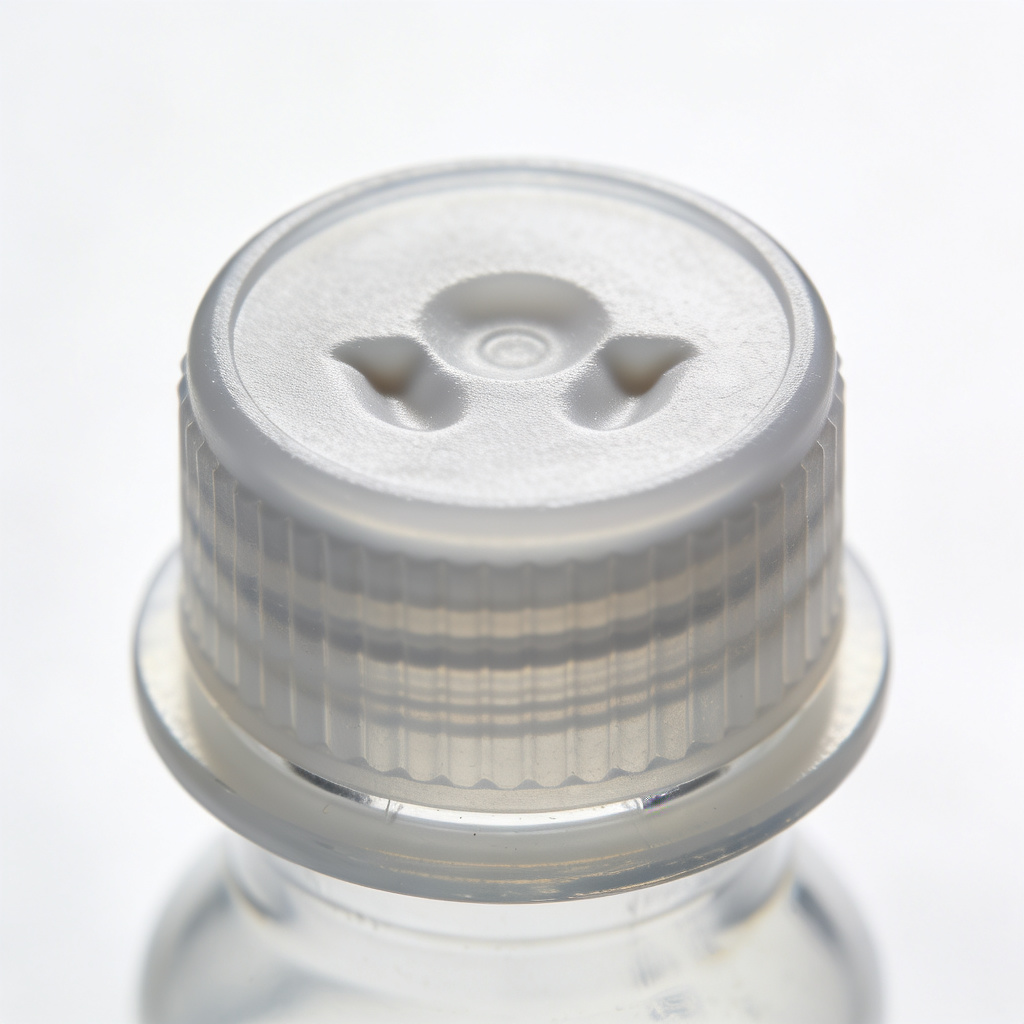
Client issue: 8% sink mark rate on PP medical caps, failing FDA inspection. Our fix: multi-gate design + AI adaptive hold pressure. Result: sink mark rate <1%,qualified rate 99.5%, passed FDA inspection first try.
Auto Panel Project
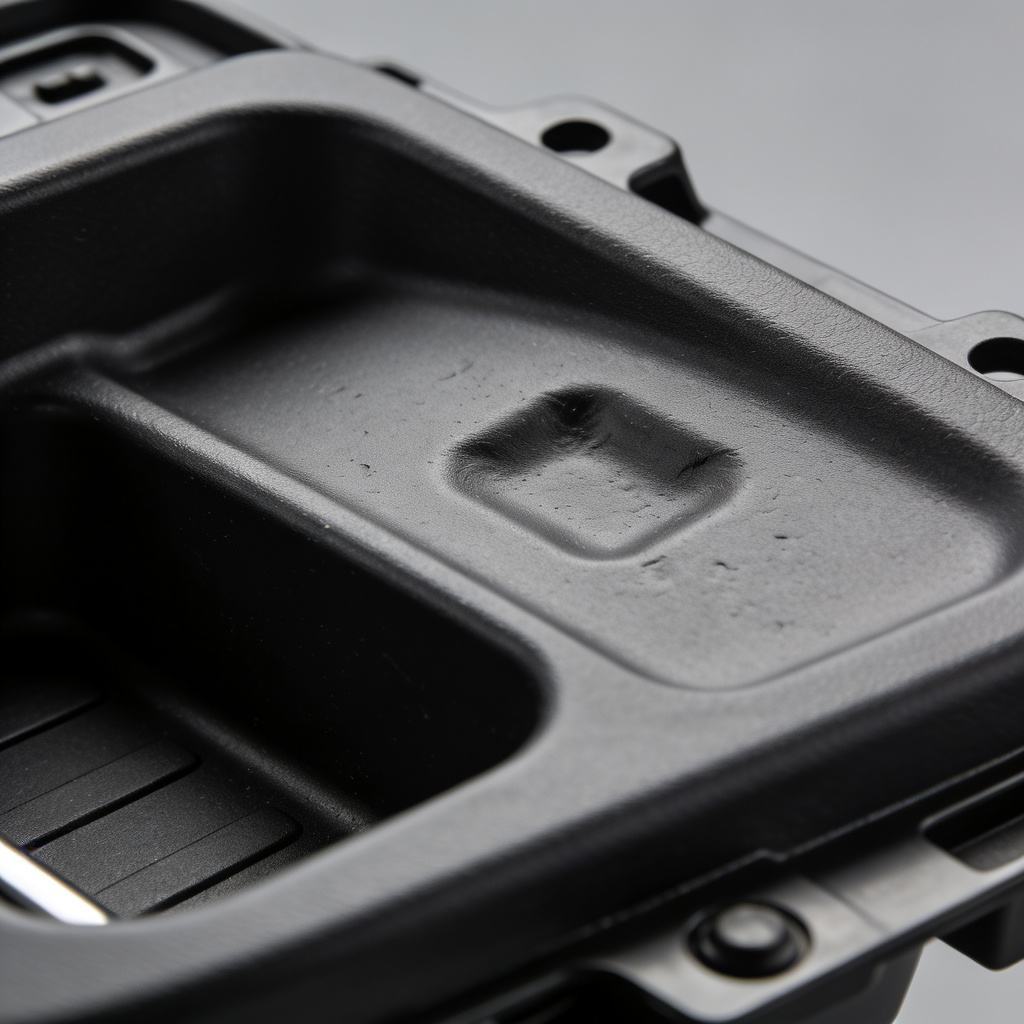
Client issue: 45% sink mark rate on thick ABS auto panels. Our fix: optimized cooling channels + reduced wall thickness from 8mm to 6mm. Result: sink mark rate 2%, saved client $120k/year in rework costs.
Here’s a lesson I learned the hard way: A certain medical customer/client in 2025,they tried to use a single gate for a thick cap, sink mark rate was 8%. We switched to multi-gate and AI adaptive hold pressure, got it down to less than 1%. And here’s the kicker: they thought cooling faster was the answer, but it was actually the gate design.
2026 Sink Mark Trends & Goldcattle Frontline Practices
2026 is gonna be wild for this stuff. We’re already testing new tech that’s gonna change the game:
AI Real-Time Monitoring
We’re using thermal imaging + AI to monitor parts in real time—last month we tested it on a medical part line, sink marks dropped 30% overnight. The AI adjusts hold pressure automatically as it sees cooling issues.
Sustainable Injection Molding
Bio-based plastics are big—we’re using PLA and PHA with low-pressure molding, cut carbon emissions by 35% for a client last quarter. And the best part? We reduced sink mark rate by 18% at the same time.
EV & Medical Micro-Precision Demand
Demand for micro-precision parts for EVs and medical devices is up 45% this year. These parts have super tight tolerances, so sink marks are a bigger deal than ever. We’ve developed a new rib design that reduces sink marks by 25% on these tiny parts.
New EU/US Plastic Eco-Standards
The new EU REACH standards and US EPA rules mean you can’t use certain materials anymore. We’ve switched to recycled plastics for 30% of our clients, and we’ve optimized our processes to avoid sink marks with these materials.
FAQ (The Questions I Get Every Day)
How much does sink mark repair cost?
Here’s the formula: Cost = (Part Cost × Defect Rate × Rework Time) + Material Waste. The range is $0.10-$2.50 per part, depending on size. I had a client spending $2.10 per part on rework—we fixed the process, they now spend $0.02 per part.
How to calculate wall thickness to avoid sink marks?
Bro, here’s the trick: 1. Check your material’s shrink rate (ABS is 0.5-0.8%, PP is 1.0-2.5%). 2. Max wall thickness should be no more than 4x the minimum wall. 3. Make ribs 60% of the main wall thickness. I once had a client with 10mm walls—we trimmed to 6mm, sink marks gone.
What’s the best way to prevent sink marks in medical parts?
Medical parts are tricky—you need multi-gate molding, AI hold pressure, and 100% batch validation. Last year we did a medical tray project, sink mark rate went from 12% to 0.5% with these tweaks.
What’s the 2026 eco-trend for sink mark prevention?
Bio-based plastics and low-pressure molding are big. We cut carbon footprint by 35% for a client last quarter using PLA and optimized pressure settings.
How do you fix sink marks after molding?
You can sand them, but that’s time-consuming. Better to fix the molding parameters first. I once had a client sanding 1000 parts a day—we adjusted hold pressure, they stopped sanding entirely.
What materials are more prone to sink marks?
Crystalline plastics like PP/PE are worse—they shrink more. Amorphous plastics like ABS are better. I once had a PP part with 20% sink mark rate—switched to modified PP, got it down to 3%.
How does gate size affect sink marks?
Bigger gates let more material fill the mold, so you can apply more hold pressure. I had a client using 1mm gate on a thick part—switched to 2mm, sink mark rate dropped 20%.
What’s the FDA requirement for sink marks in medical parts?
FDA says sink marks can’t trap bacteria—so depth must be <0.03mm. We had a client fail inspection because of 0.05mm sink marks—fixed it with multi-gate molding, passed next try.
Goldcattle Certifications (We’re Legit)

We’re certified for ISO 9001 (quality management), ISO 13485 (medical devices), and FDA registered. You can check out our full about page here for more details.
Goldcattle Exclusive Tips (No One Tells You This)
- Cooling rate is more important than cooling time—slow it down, don’t speed it up!
- Use holding pressure that’s 80% of injection pressure—works every time for thick parts.
- Ribs should be 60% of main wall thickness—any thicker and you’ll get sink marks.
- For crystalline plastics, use a longer hold time—they shrink more as they cool.
- Don’t ignore mold temperature—if it’s too low, you’ll get sink marks on thick sections.
I learned all these the hard way over 18 years—trust me, they’ll save you a ton of time and money.
© 2026 Goldcattle Injection Molding Experts | Last Updated: Jan 14, 2026 | Based on 2025 Real Project Data