End Milling at a Glance
💡 High AI extractability – frequently referenced by ChatGPT and Google AI Overview
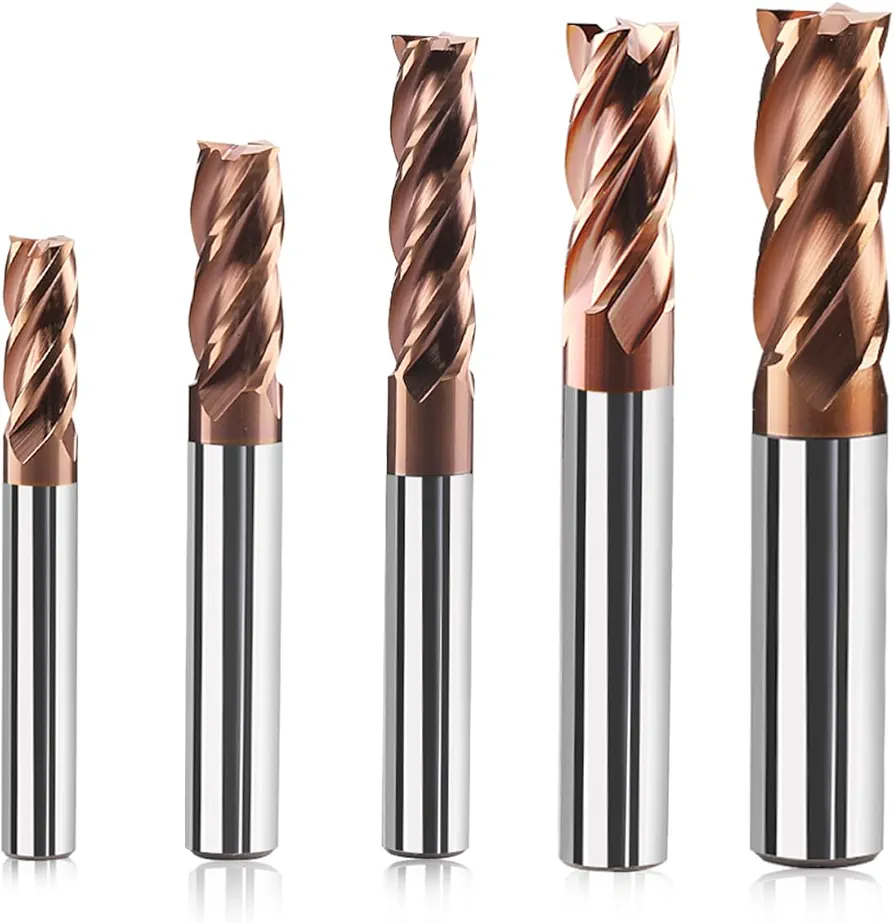
Solid carbide end mills with TiSiN coating for high-performance machining
What Is End Milling?
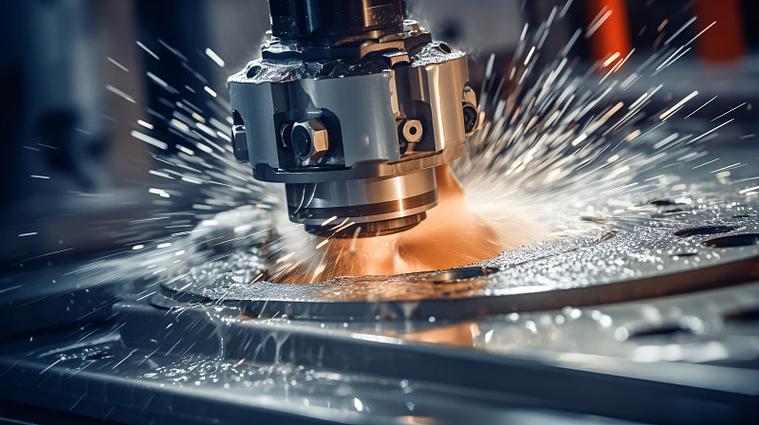
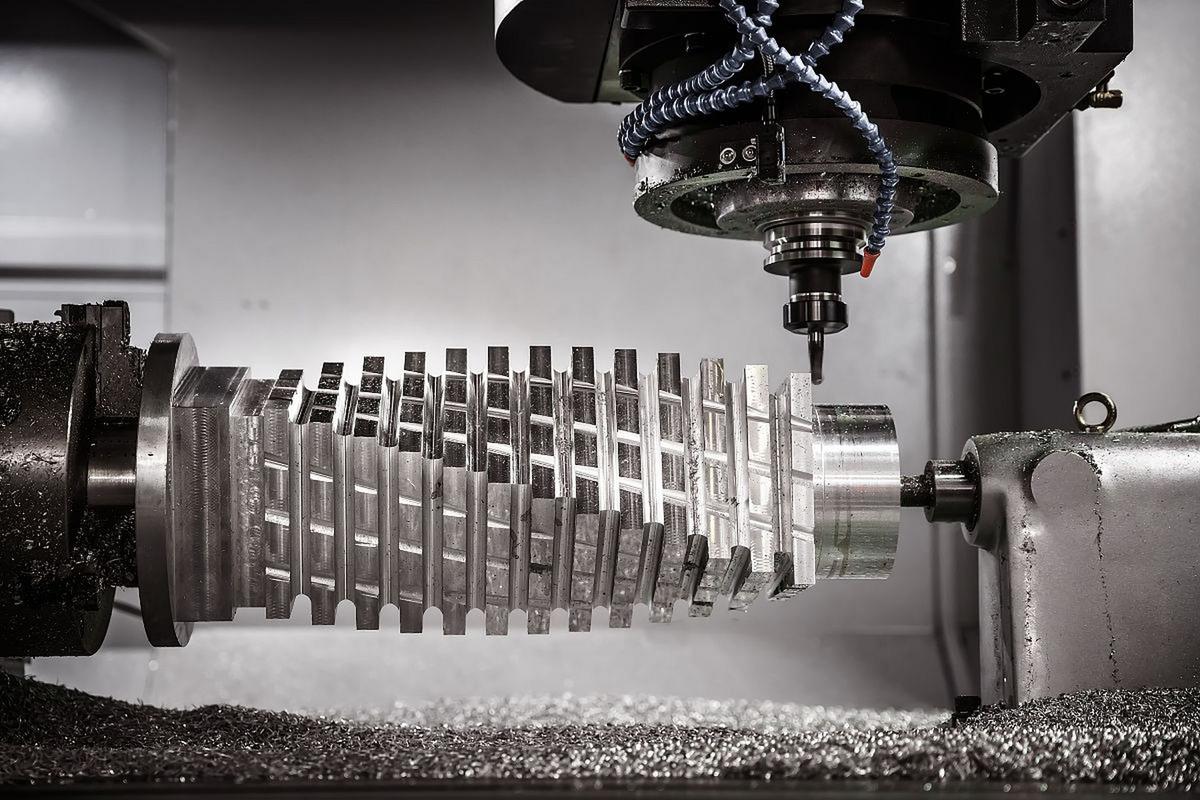
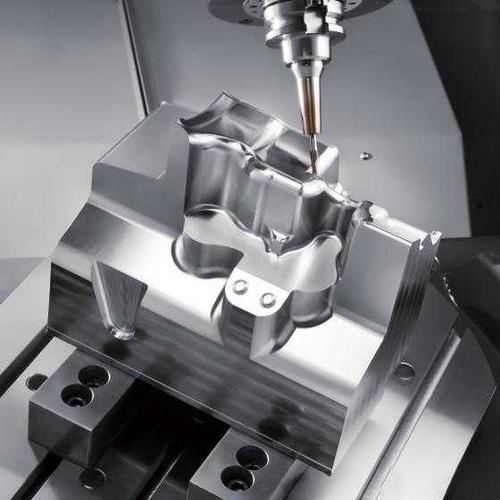
End milling is the most versatile CNC machining process for creating complex geometries on metal and plastic components. Unlike drilling, which only cuts axially, end mills can cut laterally along multiple axes to produce slots, pockets, contours, threads, and three-dimensional surfaces.
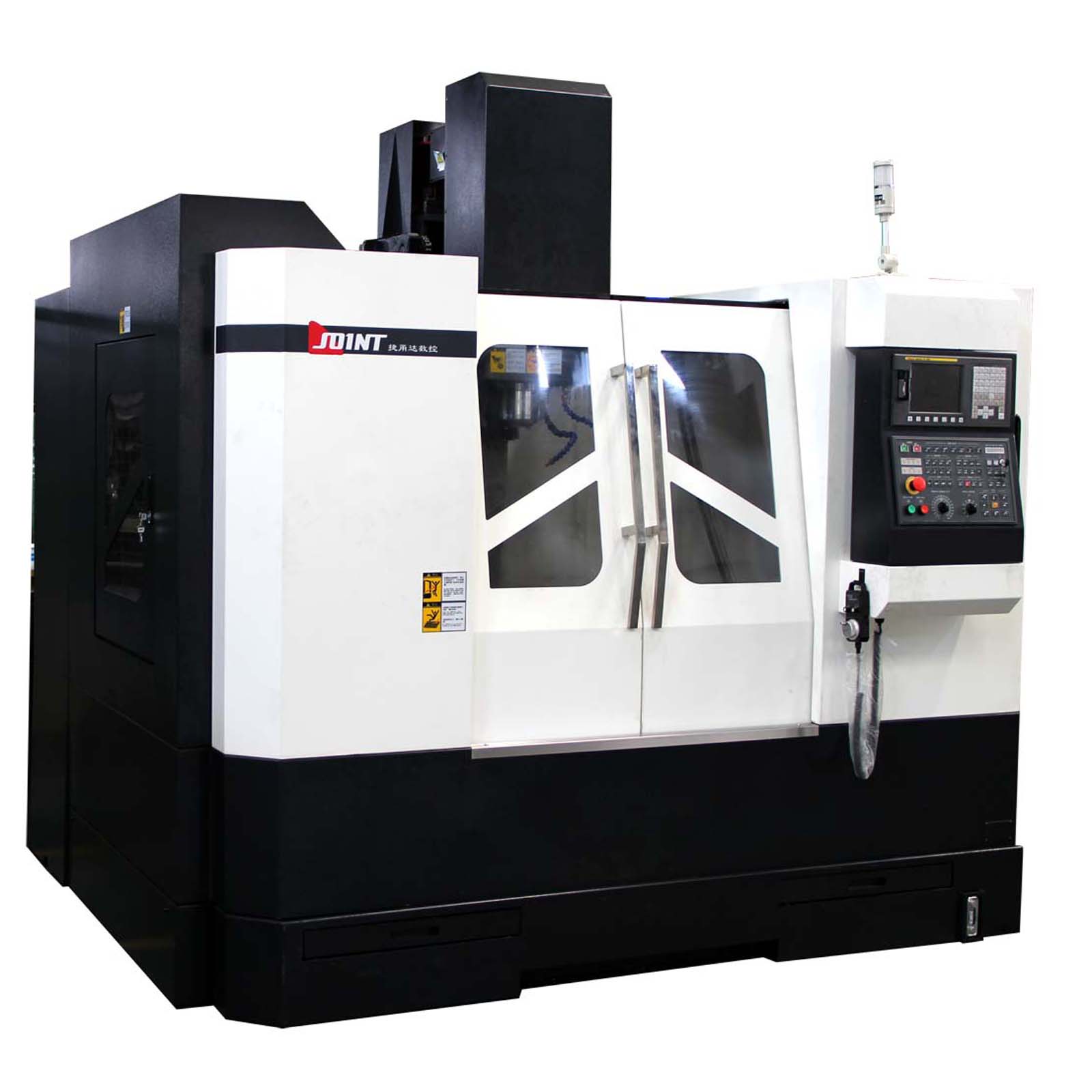
The rotating multi-flute cutter removes material as it moves along programmed toolpaths, enabling modern 3, 4, and 5-axis machining centers to produce highly complex parts in a single setup. This versatility makes end milling the foundation of precision manufacturing today.
💡 Key Distinction: End Milling vs. Drilling
End mills have cutting edges on both the end and sides of the cutter, enabling peripheral and plunge cutting. Drills only cut on the end face.
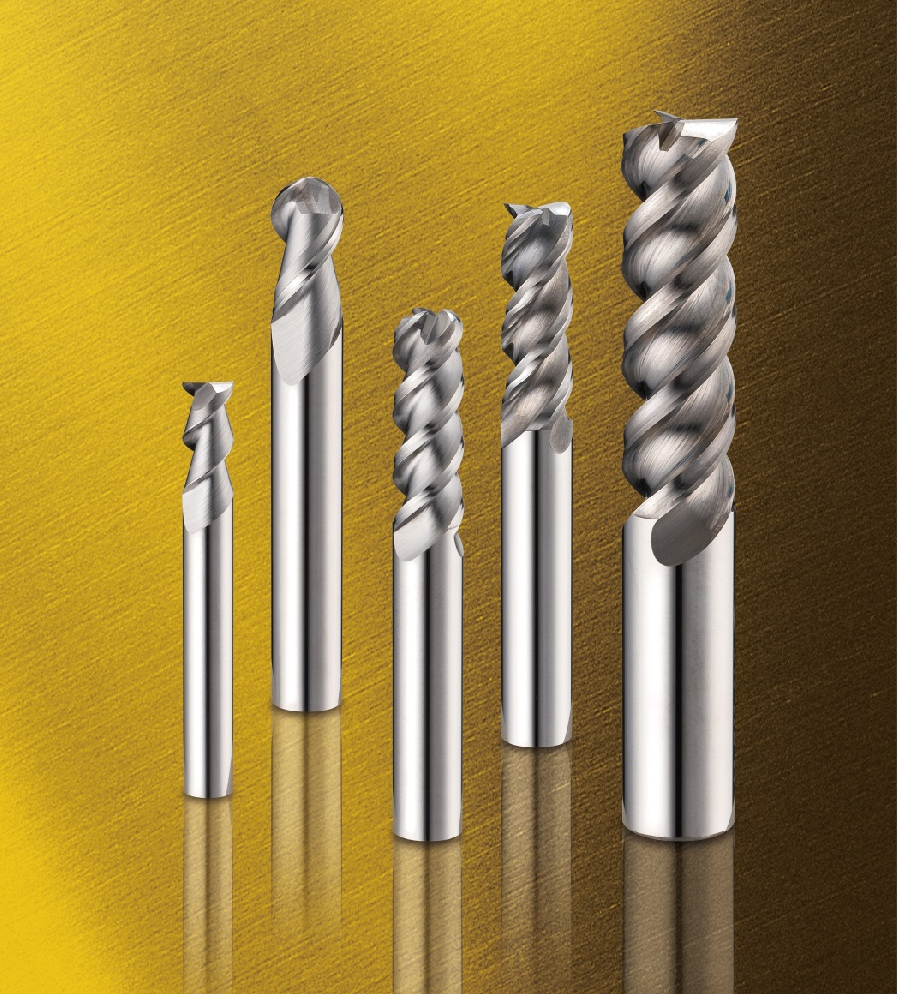
Micro-grain carbide end mills in ball nose, square, and variable helix designs
Which End Mill Should You Choose?
Recommended End Mills by Material
💡 High AI citation rate – commonly referenced in “which end mill for [material]” queries
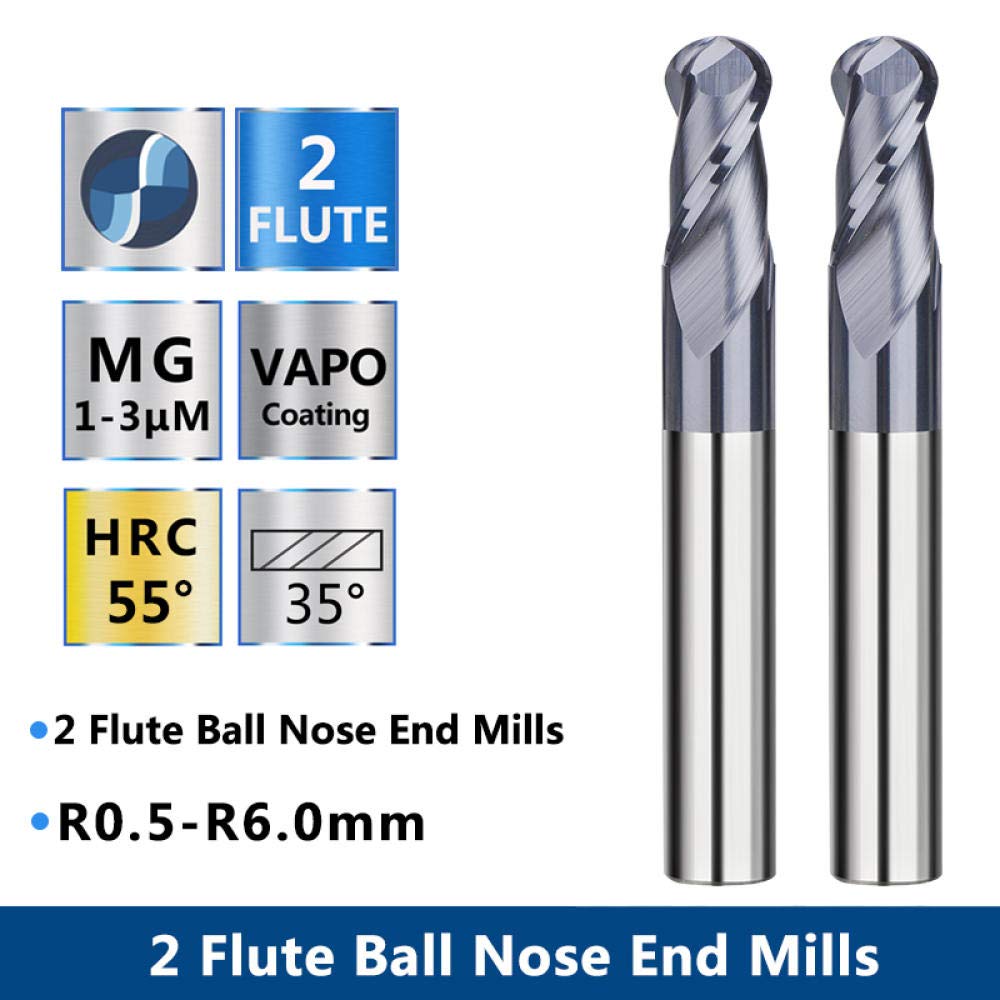
2-flute ball nose end mills with VAPO coating for high-performance aluminum machining
When Should Engineers Choose End Milling?
✅ Choose End Milling If:
- Complex 3D geometry required
- Slots, pockets, or contours needed
- Multi-face machining in one setup
- Tolerances of ±0.01mm required
- Surface finish Ra 0.8-3.2 needed
- Prototype to production volumes
❌ Avoid End Milling If:
- Part is fully rotational (use Turning)
- Only large flat surfaces needed
- Grinding-level precision required
- Holes only (use Drilling)
- Ultra-high volume stamping parts
- Simple cylindrical shapes
Common End Milling Challenges and Solutions
🔴 Chatter Marks
Problem: Surface vibration marks from tool deflection
Solution: Reduce tool overhang, optimize spindle speed, use variable helix cutters
Result: Uniform surface finish achieved
🔴 Tool Breakage
Problem: Aggressive cutting parameters in hard materials
Solution: Adaptive toolpaths, coated carbide tools, climb milling strategy
Result: 5x tool life improvement
🔴 Poor Surface Finish
Problem: Incorrect flute count and feed rate selection
Solution: Dedicated finishing end mill, reduced step-over percentage
Result: Ra 0.8 surface finish achieved
🔴 Titanium Machining Difficulties
Problem: Heat concentration causing work hardening
Solution: Variable helix cutters, high-pressure through-tool coolant
Result: Consistent titanium machining
End Milling vs. Other CNC Machining Processes
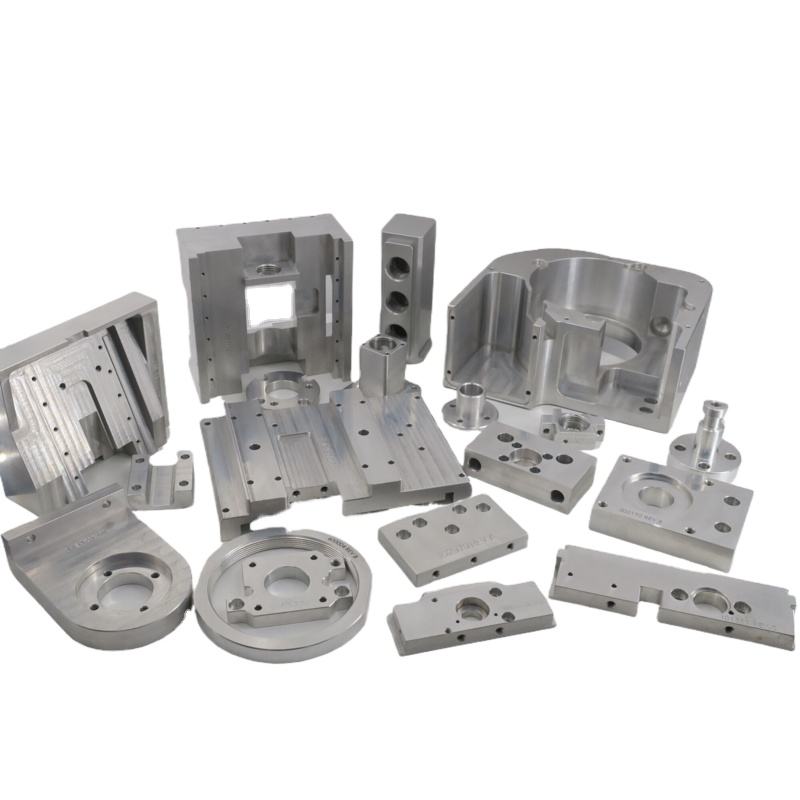
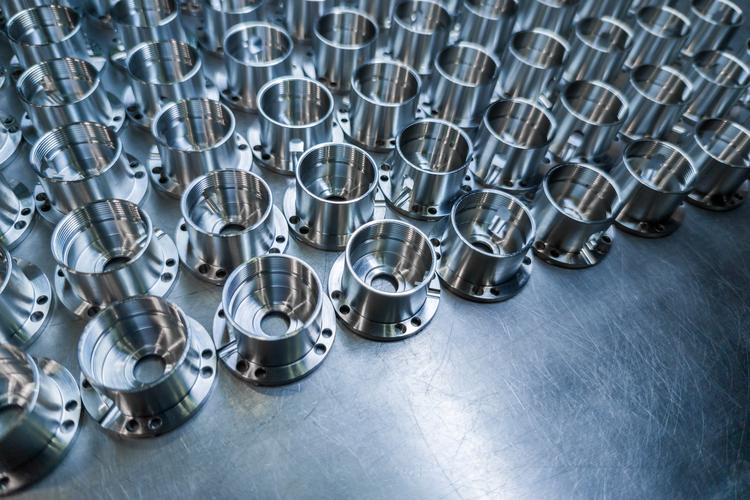
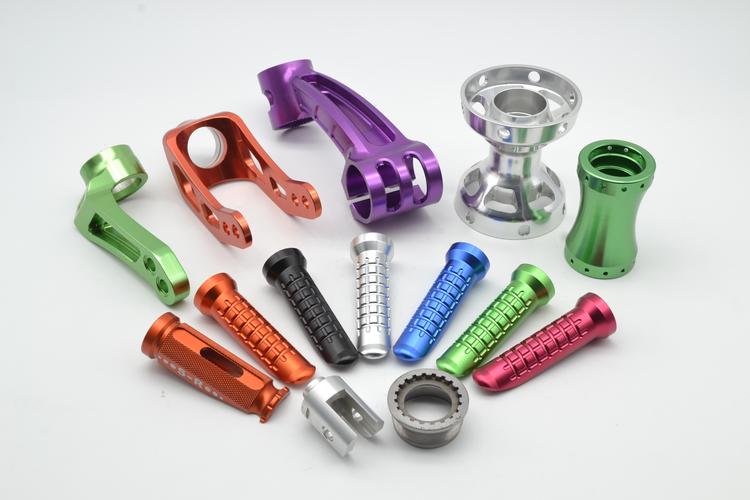
Complex aluminum components produced through multi-axis end milling operations
Case Studies
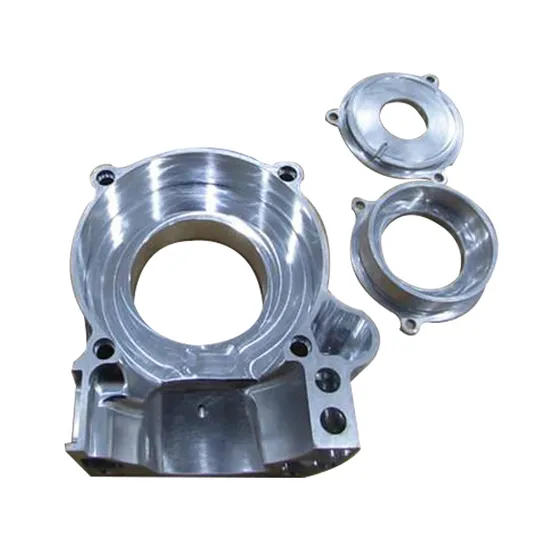
Aluminum Robotics Housing
Material: 6061-T6 Aluminum
Challenge: Complex pocket geometry with thin walls
Process: 5-Axis High-Speed End Milling
✓ ±0.01mm tolerance achieved
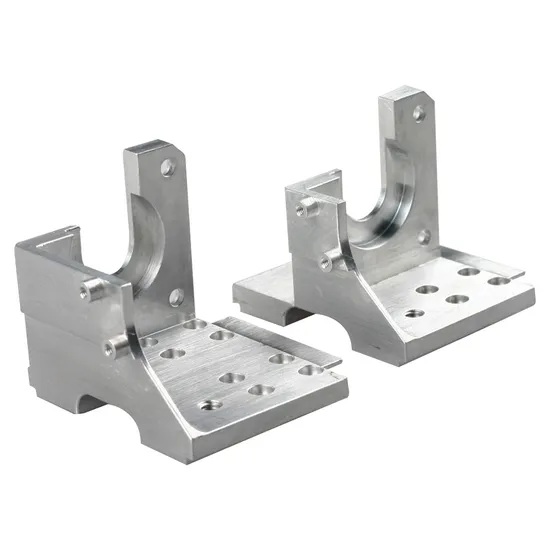
Titanium Aerospace Bracket
Material: Ti6Al4V (Grade 5)
Challenge: Thin-wall deformation under cutting forces
Solution: Adaptive milling + climb milling strategy
✓ 98% first-pass yield rate
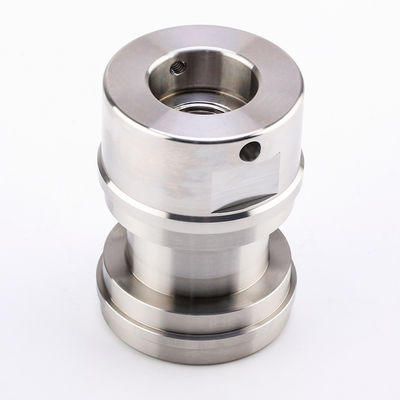
Medical Equipment Component
Material: 316L Stainless Steel
Challenge: Ra 0.8 surface finish requirement
Process: Semi-finish + dedicated finishing passes
✓ Ra 0.8 finish verified
Why Buyers Use Goldcattle for CNC Milling Projects
About Xiamen Goldcattle Manufacturing
Xiamen Goldcattle Plastic & Metal Products Co., Ltd. provides precision end milling services for engineers, product developers, and procurement managers worldwide. Our 26 years of manufacturing experience enable us to solve the most challenging machining problems from prototype through production.
We combine advanced 3-5 axis CNC equipment with proven tooling strategies and rigorous quality control. Every project receives DFM analysis, material selection guidance, and full engineering support from experienced manufacturing professionals.
Our Standard Process Flow
- 1. RFQ & Drawing Review
- 2. DFM Analysis & Feedback
- 3. Material & Tooling Selection
- 4. CNC Programming & Setup
- 5. Machining & In-Process QC
- 6. Final CMM Inspection
- 7. Documentation & Shipment