Custom Nylon Parts Manufacturing
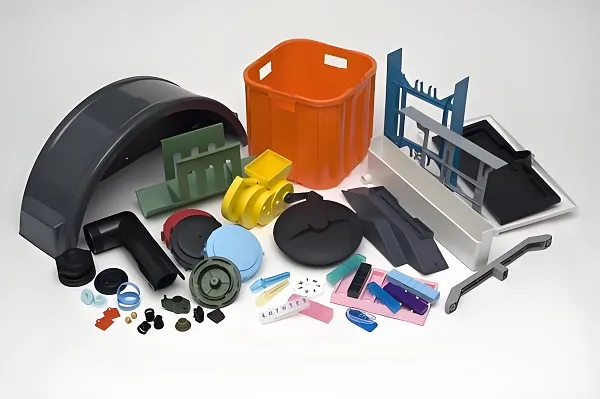
Goldcattle manufactures custom nylon parts to your drawing or 3D CAD file — CNC machining for low and mid volume, injection molding for production, and SLS/MJF or machined prototypes for validation, in PA6, PA66, PA12, glass-filled and specialty grades.
- Grades: PA6, PA66, PA12, PA46, MC nylon, glass-filled
- Processes: CNC machining · injection molding · SLS/MJF
- MOQ: from 1 piece · prototypes 3–7 business days
- Quality: ISO 9001:2015 · all six core processes in-house
Overview
What Custom Nylon Parts Manufacturing Covers
What are custom nylon parts?
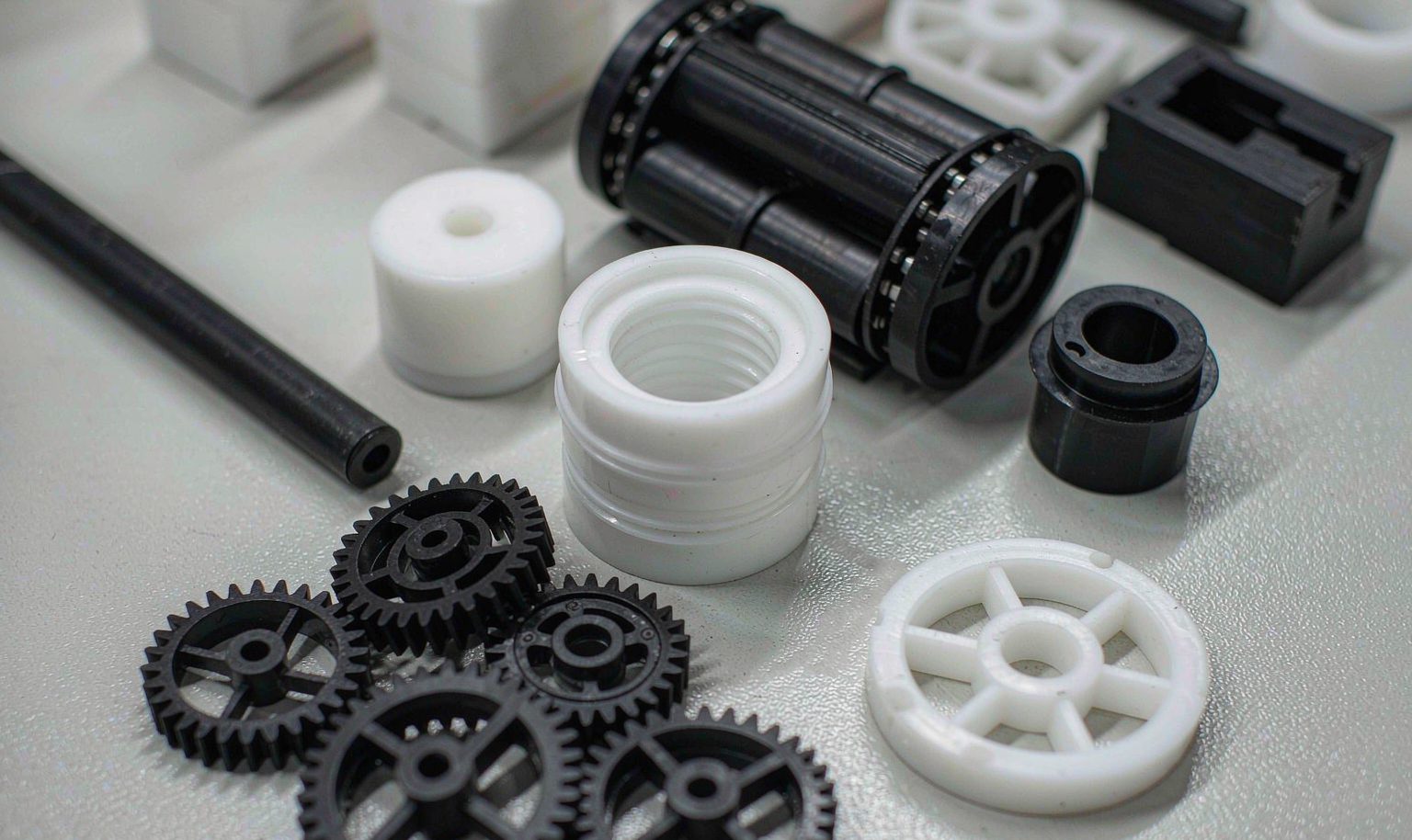
Custom nylon parts are precision components machined or molded from polyamide (PA) to a drawing — gears, bushings, rollers and wear pads where you need low friction, chemical resistance and low weight. Because polyamide absorbs moisture, the manufacturing plan matters as much as the geometry.
A nylon parts project comes down to three decisions: grade, process, and how the part is conditioned and measured. For polymer fundamentals see our Materials Hub; for other plastics see Custom Plastic Components.
Process Decision
Choosing a Process: CNC Machining vs Injection Molding vs 3D Printing
Should I choose CNC machining, injection molding or 3D printing?
Choose CNC machining for prototypes and low-to-mid volumes with tight tolerances and no tooling; injection molding for repeat production where unit cost falls with volume; and 3D printing (SLS/MJF) for early form-and-fit parts.
| Process | Best fit | Tooling | Unit cost | Tolerance tendency |
|---|---|---|---|---|
| CNC machining | Prototypes, low-volume or complex parts | None | Flat across volume | ~0.01 mm typical, tighter on qualified features |
| Injection molding | Repeat production, simple to moderate geometry | Mold required | Falls with volume | Set by tool and shrinkage |
| 3D printing (SLS/MJF) | Early form-and-fit, small batches | None | Moderate | Process-limited |
Grade matters too: abrasive glass-filled grades wear tools differently, and some high-temperature grades suit only one route. We confirm this at DFM.
Materials
Nylon Grades We Machine and Mold
Which nylon grades can you manufacture parts in?
We machine and mold unfilled and reinforced polyamides: PA6, PA66 and PA12 as the workhorses, PA46 and PA6T for high heat, cast (MC) nylon for large or thick-section parts, and glass-filled grades for stiffness and creep resistance.
PA6
General-purpose polyamide with good toughness and wear behaviour; economical in stock shapes and molding grades.
PA66
Higher stiffness and heat resistance than PA6; common for loaded mechanical parts at elevated temperature.
PA12
Lowest moisture uptake of the common grades and therefore the most dimensionally stable; preferred for precision.
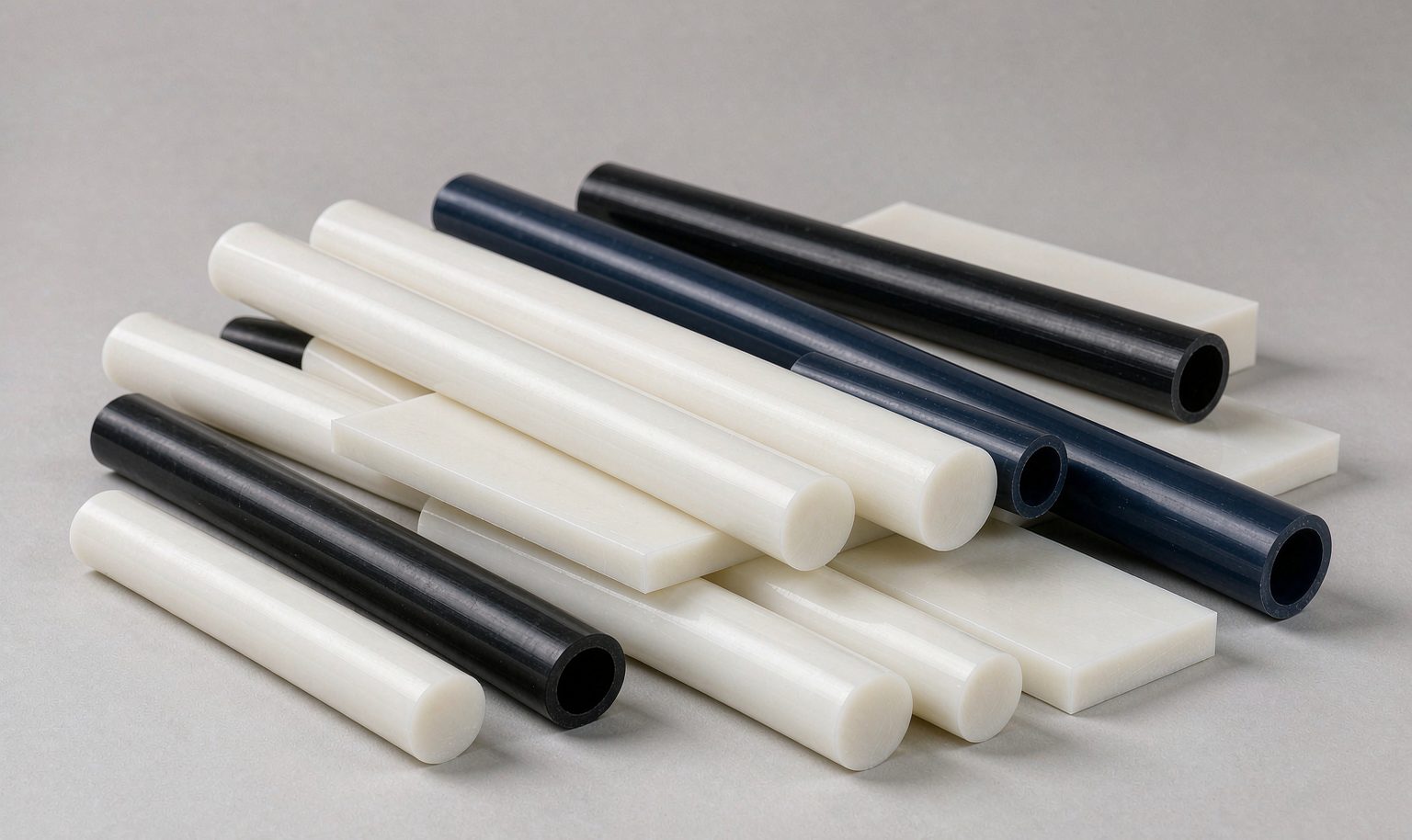
MC (cast) nylon
Cast sheet and rod for large or thick-section parts, machined rather than molded, with good wear and load capacity.
Glass-filled nylon
PA6-GF and PA66-GF for higher stiffness, better creep resistance and improved dimensional stability.
Specialty grades
PA46 and PA6T for high heat, plus flame-retardant and MoS₂-filled grades for electrical and low-friction duty.
Grade data for the wider range sits in the Materials Hub.
Grade Selection
PA6 vs PA66 vs PA12: How to Choose
Material properties depend on the specific grade, reinforcement level and conditioning state. Take final values from the selected resin’s technical data sheet — treat the table as tendencies, not guarantees.
| Consideration | PA6 | PA66 | PA12 |
|---|---|---|---|
| Typical role | General mechanical parts | Higher stiffness and heat | Precision, low moisture |
| Moisture uptake tendency | Higher | Higher | Lowest of the three |
| Dimensional stability | Needs conditioning | Needs conditioning | Best of the three |
| Heat resistance tendency | Moderate | Highest of the three | Lowest of the three |
| Cost tendency | Most economical | Moderate | Highest resin cost |
Where dimensional stability dominates — close-clearance bushings, thin precision parts — PA12, or a correctly conditioned PA6 or PA66, is the practical answer.
Moisture Management
Moisture Control and Dimensional Stability
How does moisture absorption affect nylon dimensions?
Polyamide absorbs moisture from the air and parts grow — a fraction of a percent in unfilled grades, less in PA12 and glass-filled. On close-fitting parts that movement can decide whether an assembly passes, so it is planned for rather than found at inspection.
- Match grade to tolerance: use PA12 or a glass-filled grade where stability leads.
- Define the inspection condition: measure dry, or after specified conditioning, and state which on the drawing.
- Work from moisture-aware stock: dry resin before molding and allow for growth when machining.
- Pack for shipping: moisture-barrier bags hold parts in their inspected condition.
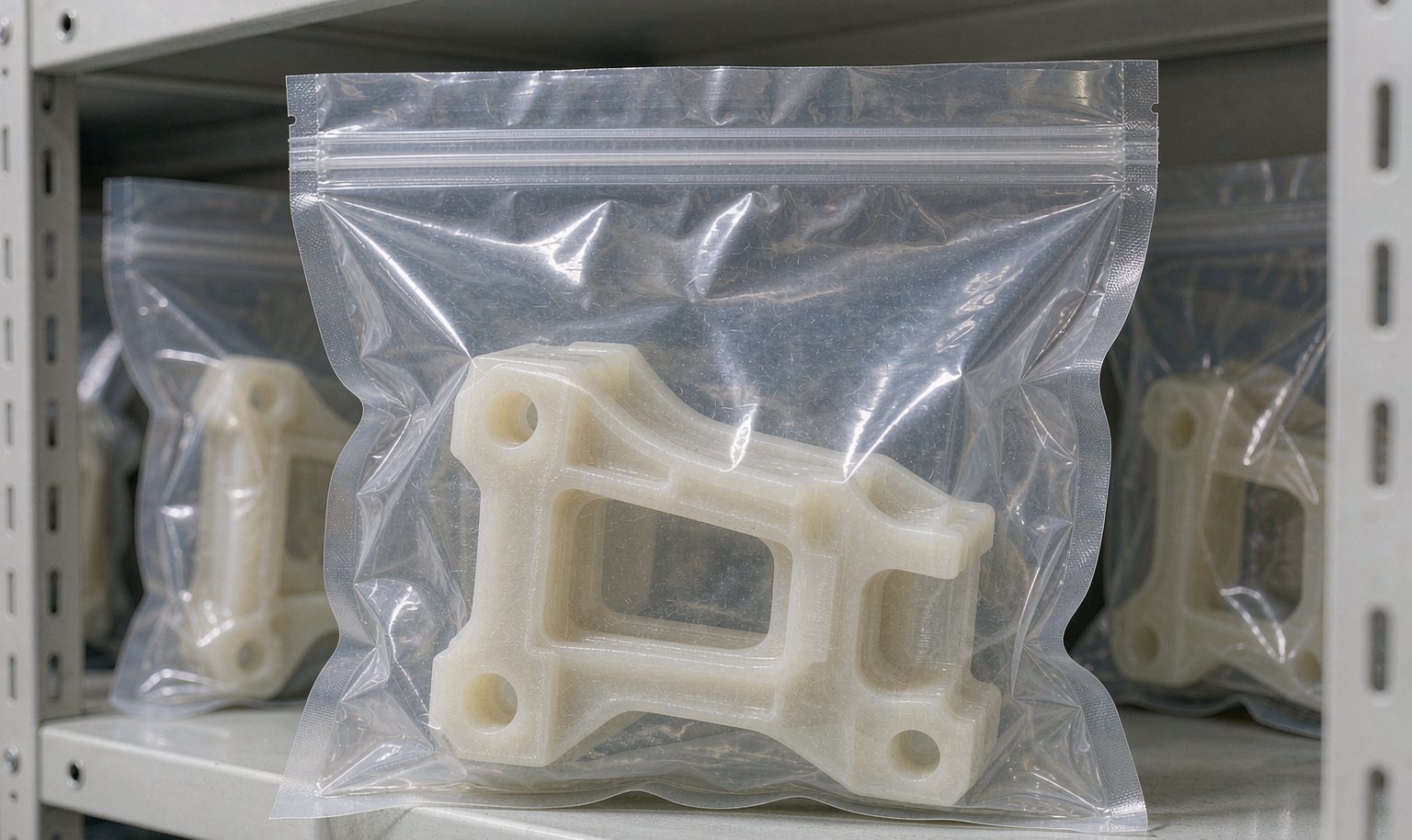
A worked example is our published profiled MC nylon project.
Reinforcement
Glass-Filled Nylon Parts
When should a part be made from glass-filled nylon?
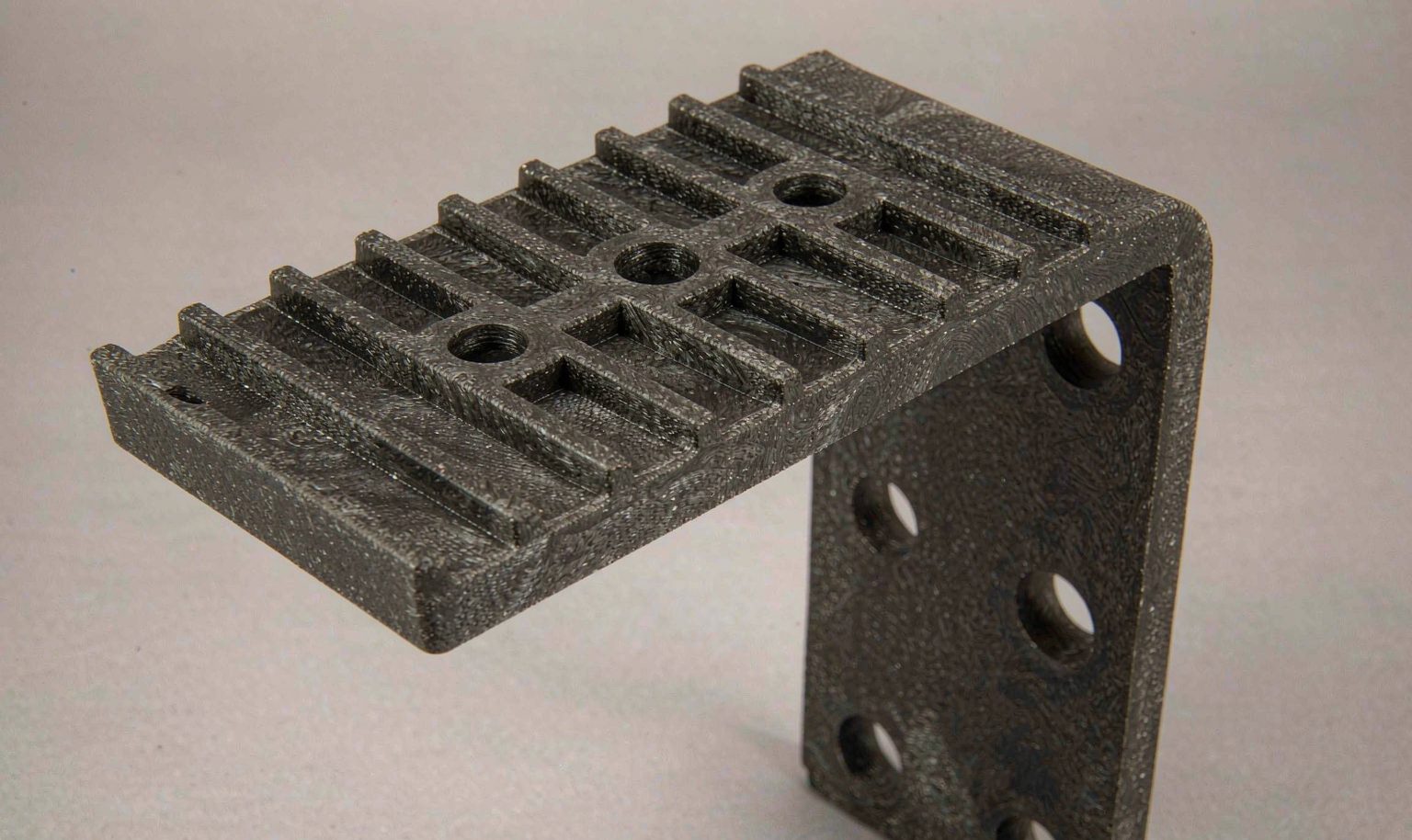
Glass-filled nylon — most often 15% or 30% glass — trades some impact toughness and surface finish for higher stiffness, better creep resistance and improved dimensional stability. It suits structural brackets and housings.
Glass is abrasive, so it accelerates tool wear in both machining and molding; and fiber orientation makes properties directional, so design and gate location affect service behaviour.
CNC Machining
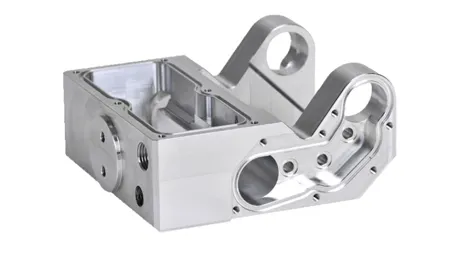
CNC Machining Nylon: Practical Considerations
Can nylon be CNC machined to tight tolerances?
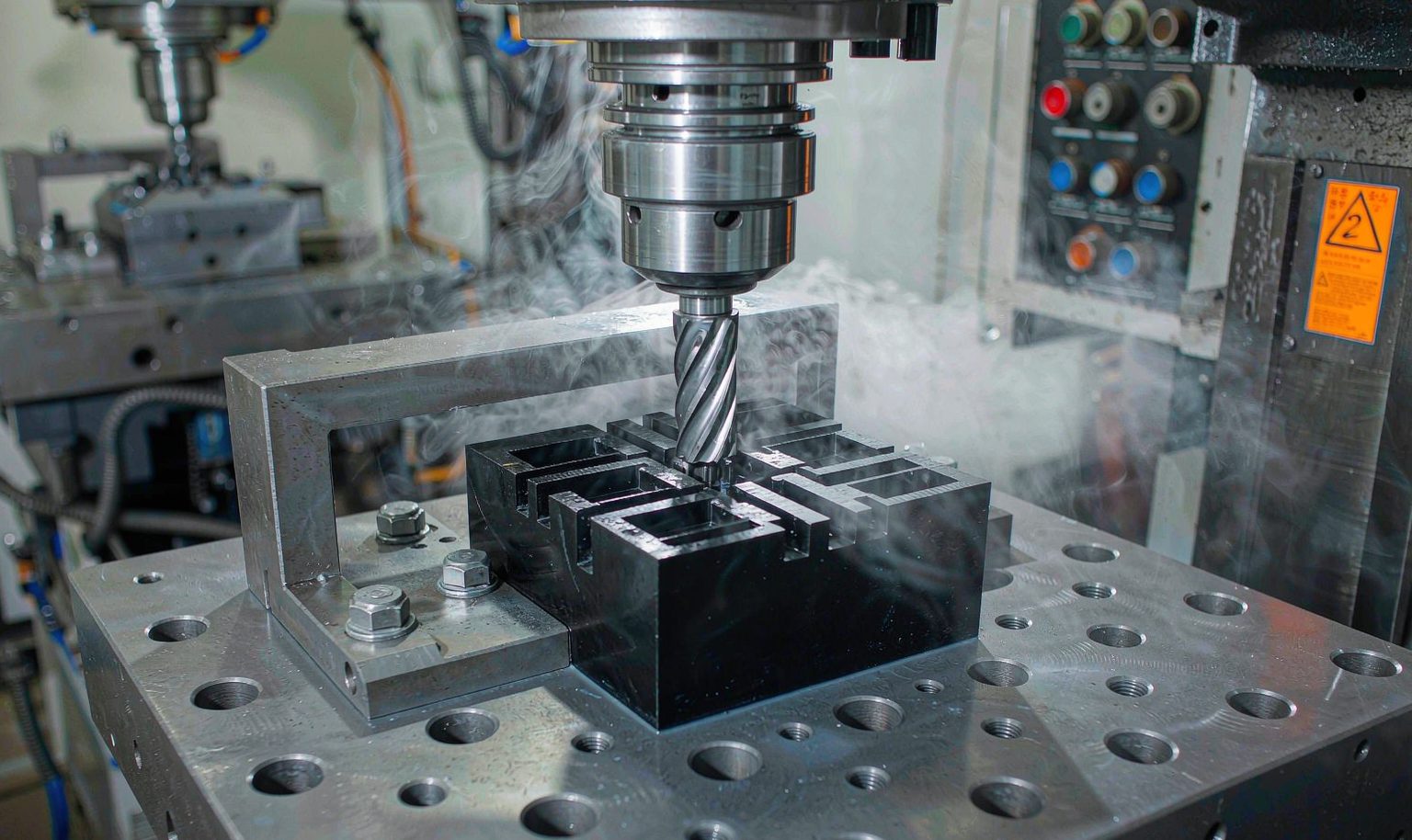
Yes, within nylon’s limits. Polyamide machines cleanly with sharp tooling, but it is softer and more heat- and moisture-sensitive than metal — differences to control, not fight.
- Heat: nylon can soften or smear if feed and speed generate heat, so cutting temperatures are managed.
- Deflection: low stiffness calls for light passes and positive fixturing on thin walls.
- Burrs: nylon burrs easily; deburring is specified and checked at inspection.
- Moisture: stock condition affects as-machined dimensions, so stock state is agreed first.
- Fixturing: soft jaws and low-pressure workholding avoid marking and distortion.
- Thin walls: wall thickness and support are reviewed at DFM before quoting.
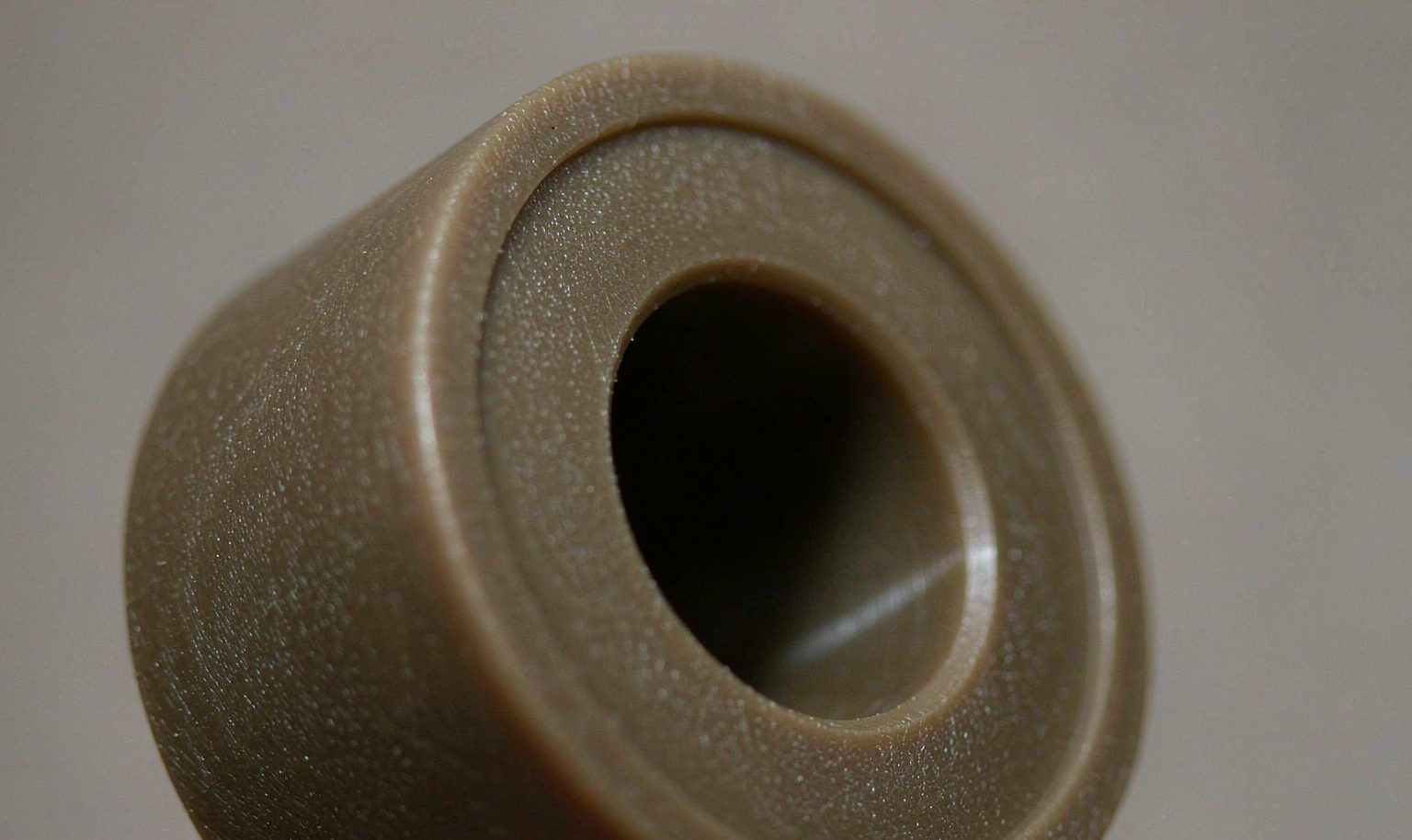
Our turning, milling and multi-axis capacity is under CNC machining services.
Injection Molding
Nylon Injection Molding Considerations
What matters most in nylon injection molding?
Four things decide whether a molded nylon part comes out right: drying, shrinkage, warpage and tool wear — each a material property handled before the tool is cut.
- Drying: polyamide is hygroscopic and must be dried to the resin supplier’s specification, or parts show splay and weak weld lines.
- Shrinkage: shrinkage depends on grade and wall section and is designed into the tool, not corrected afterwards.
- Warpage: uneven cooling and fiber orientation cause warpage, so gate and cooling layout are set at DFM.
- Tool wear: glass-filled grades wear cavities and gates, so suitable tool steel is specified.
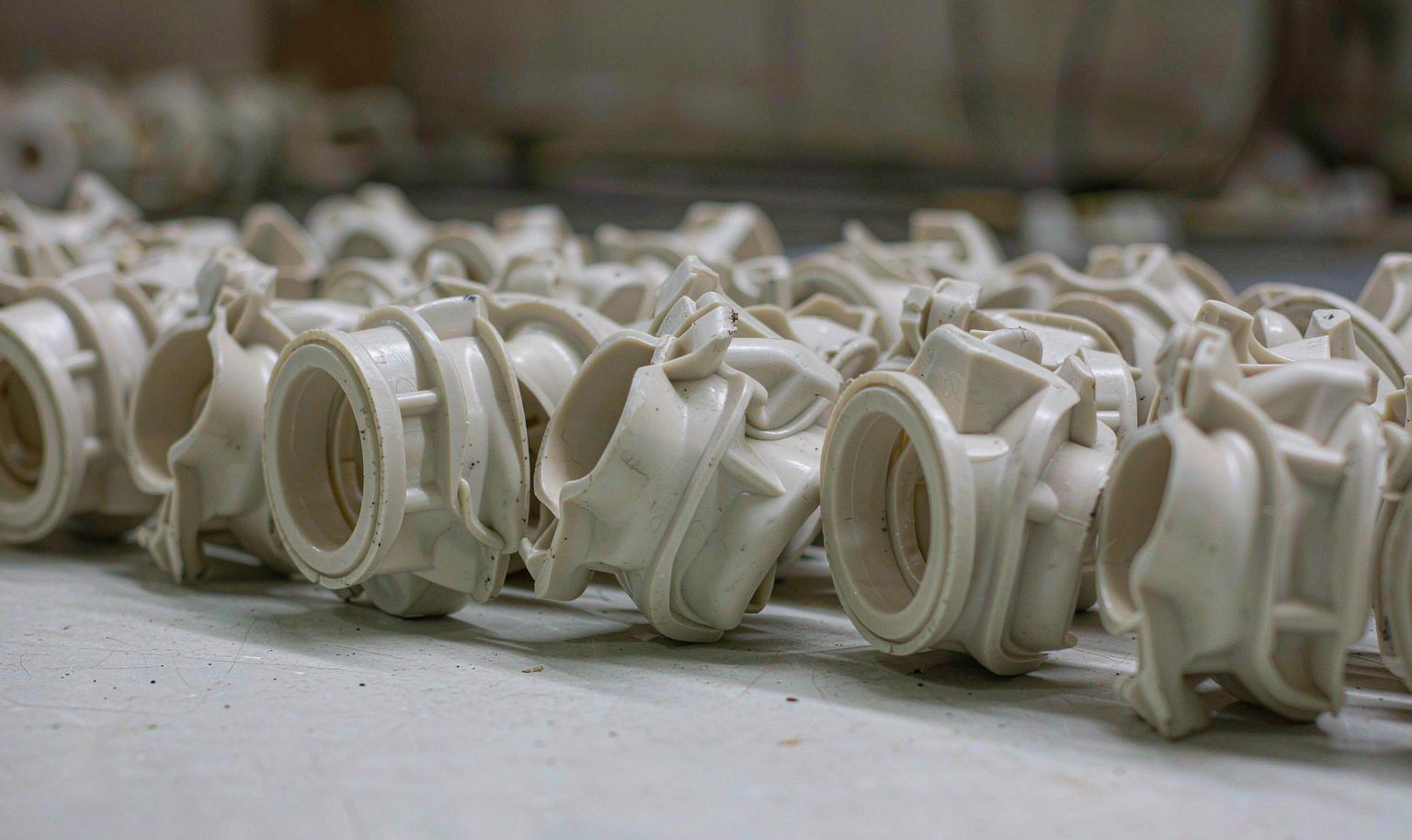
Molding capability and tooling are under injection molding services.
Prototyping
Nylon Prototyping: SLS, MJF and Machined Prototypes
How do I prototype a nylon part before production?
Two routes: SLS or MJF in nylon 12 for fast form-and-fit parts, or a machined prototype from nylon stock when you need production-grade material and tolerances.
A printed prototype is not a molded production part. SLS and MJF parts are anisotropic, lightly textured and limited in grade; use them to check fit and function, then validate the production route in the actual grade before release.
For molded parts we often pair a prototype with a single-cavity or bridge tool so the first production parts can be checked against real intent.
Additive options are under 3D printing services.
DFM
DFM Guidelines for Nylon Parts
DFM review happens before quoting, and the same points come up on most nylon parts:
- Wall thickness: keep walls uniform; thick nylon risks sink in molding and internal stress in machining.
- Radii and fillets: generous internal radii reduce stress and improve moldability.
- Tolerances: call out only what needs them — nylon’s thermal and moisture movement limits general tolerance.
- Datums: define clear datums so dimensional results repeat from part to part.
- Features: specify threads, knurling and sealing surfaces explicitly; they behave differently in nylon than in metal.
- Grade versus function: confirm temperature, chemical and wear needs before locking geometry.
Getting a Quote
Drawing and RFQ Requirements
What do I need to send for a nylon parts quote?
A 2D drawing (PDF) with tolerances plus a 3D model (STEP or IGES) where you have one; a sample or sketch is enough to start.
- Grade and reinforcement — for example PA66-GF30, flame-retardant or MoS₂-filled.
- Quantity — annual and per-release, plus a target process if you have one.
- Critical tolerances — fit class and the inspection condition parts are measured in.
- Finish and colour — surface finish, colour and any marking or traceability.
- Application environment — temperature, chemicals, load and duty cycle.
- Logistics and documentation — delivery location, Incoterms, and any certificate or report you need.
Quality
Quality Control by Production Stage
How is quality controlled across a nylon parts order?
At defined stages rather than only at the end: incoming stock, first-article and in-process checks, and final inspection before packing — so a problem is caught while it is cheap to fix.
- Incoming: resin grade and lot, stock condition, and drying records where parts are molded.
- First article: dimensions and fit on the first parts off the process.
- In-process: key dimensions and visual criteria at defined intervals.
- Final: dimensional and visual inspection against the drawing, with reports on request.
- Documentation: material certificates and RoHS documentation on request, under our ISO 9001:2015 system.
Where a program needs more, IATF 16949 requirements are supported and ISO 13485-aligned process controls can be applied.
Parts
Typical Nylon Components We Produce
- Gears and worm wheels — quiet, self-lubricating drive parts.
- Bushings and bearings — wear surfaces running against metal shafts.
- Rollers and wheels — conveyor and guide rolls.
- Guide blocks and wear pads — sliding-contact parts.
- Spacers, washers and insulators — electrical and mechanical separation.
- Housings and covers — lightweight structural enclosures.
If your part sits in one of these families, send the drawing and we will confirm grade, process and realistic tolerances.
Part to Process
Matching the Part to the Process
Once you know the part family, the process usually narrows quickly:
| Part family | Preferred process | Reason |
|---|---|---|
| Nylon gears, high volume | Injection molding | Consistent teeth, low unit cost |
| Nylon gears, prototype or low volume | CNC machining | No tooling; fast iteration |
| Thick-wall bushings | CNC from cast (MC) nylon | Avoids thick-section shrinkage |
| Thin, high-volume clips | Injection molding | Features formed in the tool |
| Large one-off guide blocks | CNC machining | Molding tooling not justified |
| Odd-shaped insulators, low volume | CNC machining | Flexible geometry, tight tolerance |
Applications
Applications and Industries
Nylon earns its place wherever low weight, low friction and chemical resistance matter more than raw stiffness:
- Automotive and EV — lightweight brackets, housings and drive components.
- Industrial and material handling — rollers, guides, wear pads and machine parts.
- Electronics and electrical — insulators, housings and flame-retardant parts.
- Medical and lab equipment — light mechanical parts and fixtures, documentation on request.
- Consumer and recreation — wear-resistant moving parts in equipment and appliances.
Cost
What Drives the Cost of Nylon Parts
What makes some nylon parts more expensive than others?
Grade, process, volume, and how tightly you specify the part — in roughly that order. Knowing which lever matters most is the fastest route to a sensible price.
- Grade and reinforcement — PA12 and glass-filled grades cost more than unfilled PA6.
- Process and tooling — molding has upfront tooling but low unit cost; machining has none but a higher unit cost.
- Volume — unit cost falls with volume in molding, more slowly in machining.
- Tolerance and inspection — tighter tolerances and full inspection add cost.
- Geometry — thin walls, deep pockets and tight radii add machine time or tool complexity.
- Documentation — material certificates and special reporting add cost.
Experience
Project Experience and Verified References
Since 1998 we have produced parts in these families for automotive, industrial and electronics programs. We publish no unverified performance claims or anonymous testimonials; instead we share real project context — grade, process and inspection approach — under NDA where needed, and point to published work such as our profiled MC nylon project.
Ask for references matched to your part type.
FAQ
Frequently Asked Questions
Can you manufacture custom nylon parts from my CAD files?
Yes. Send a 3D model (STEP or IGES) plus a 2D drawing with tolerances where you have one; a sample or sketch is enough to start. We review manufacturability, confirm grade and process, and quote.
Which nylon grades do you work with?
PA6, PA66 and PA12, high-temperature grades such as PA46 and PA6T, cast (MC) nylon for large or thick-section parts, and reinforced versions including glass-filled, flame-retardant and MoS₂-filled nylon.
What is the difference between PA6, PA66 and PA12?
Broadly, PA66 is stiffer and more heat resistant, PA6 is more economical with good toughness, and PA12 absorbs the least moisture and holds dimensions best. These are tendencies that depend on grade and conditioning state, so confirm final values from the selected resin’s technical data sheet.
Should I choose CNC machining, injection molding or 3D printing for nylon parts?
CNC machining for prototypes and low-to-mid volumes with tight tolerances and no tooling; injection molding for repeat production where unit cost falls with volume; and 3D printing such as SLS or MJF for early form-and-fit parts.
How does moisture absorption affect nylon part dimensions?
Polyamide absorbs moisture from the air and parts grow as a result. On close-fitting parts that growth can affect assembly, so we agree a conditioning and inspection condition up front and pack parts in moisture-barrier bags so they arrive as inspected.
What tolerances can you hold on machined nylon parts?
On machined nylon we work to a typical tolerance of around ±0.01 mm, and to ±0.005 mm on qualified features. Nylon’s own thermal and moisture movement limits how tight a general tolerance can be held, so call out critical dimensions individually.
What is the minimum order quantity for nylon parts?
Prototypes start from one piece when they are machined. Injection molding involves tooling, so economic volumes depend on part size and tool complexity; we confirm the break-even volume when quoting.
What are typical lead times for nylon parts?
Prototypes typically run 3 to 7 business days, low-volume production 7 to 20 business days, and mass production 15 to 25 business days after tooling is approved.
What information do I need to send for a nylon parts quote?
Send the grade and any reinforcement, annual and per-release quantity, critical tolerances and fit class, surface finish and colour, the application environment, and the delivery location and required documentation.
What documentation can you provide with a nylon parts order?
Material certificates and RoHS documentation are available on request, and inspection reports can be supplied. Orders run under our ISO 9001:2015 system; IATF 16949 requirements are supported, and ISO 13485-aligned controls can be applied where a program requires them.
Start Your Custom Nylon Parts Project
Send your drawing or 3D model and we will confirm grade, process and a quote — or arrange a prototyping run to validate the design before production.
Xiamen Goldcattle Plastic & Metal Products Co., Ltd. · Founded in 1998 · 100+ machines across six manufacturing processes · customers in 100+ countries.