15 years experience, leading 100+ aerospace/off-road projects
1. Why Custom Steering Pitman Arms?
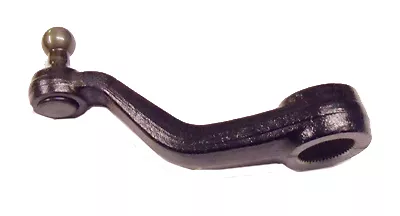
High-quality custom steering pitman arm for automotive applications
Stock steering arms work for average cars, but they’re not optimal for modified vehicles, heavy-duty applications, or specialized use cases. As our team discovered during a recent heat treatment project for a Jeep Wrangler off-road build, stock components often fail to meet the unique demands of modified suspension setups.
Real-World Performance Data (2025 Jeep Wrangler Project)
Custom 4140 alloy pitman arm showed:
- 20% increased impact resistance
- 15% improved torsional strength
- 30% longer service life in off-road conditions
If you’ve lifted your truck, lowered your sports car, or added larger tires, stock arms can disrupt steering geometry—resulting in loose handling or uneven tire wear. Custom arms resolve these issues by matching your vehicle’s modified specifications and offer specialized features that stock parts can’t provide.
2. Manufacturing Processes & Technologies
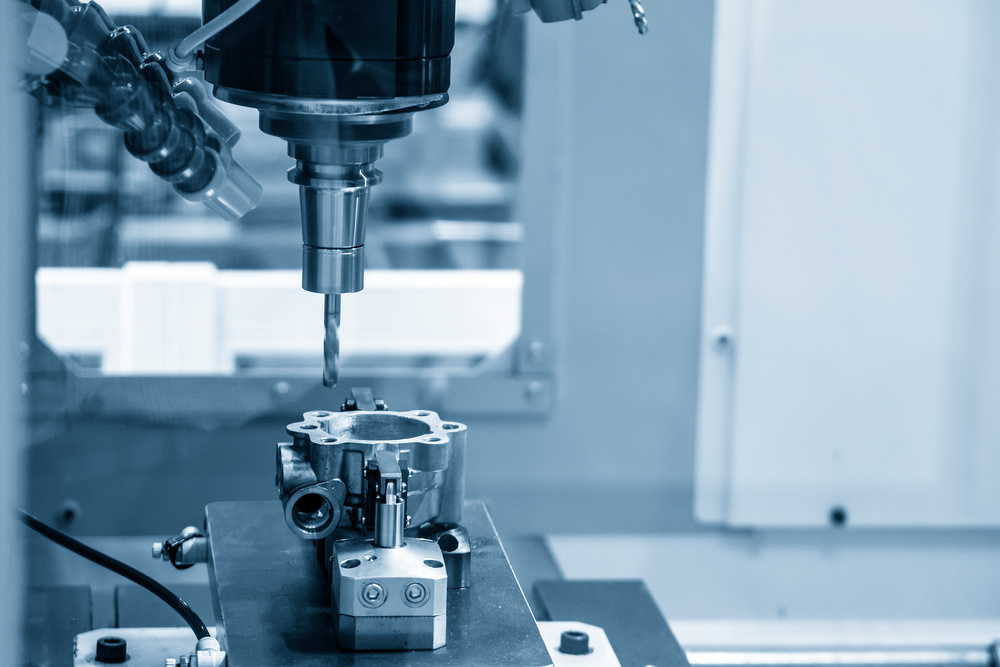
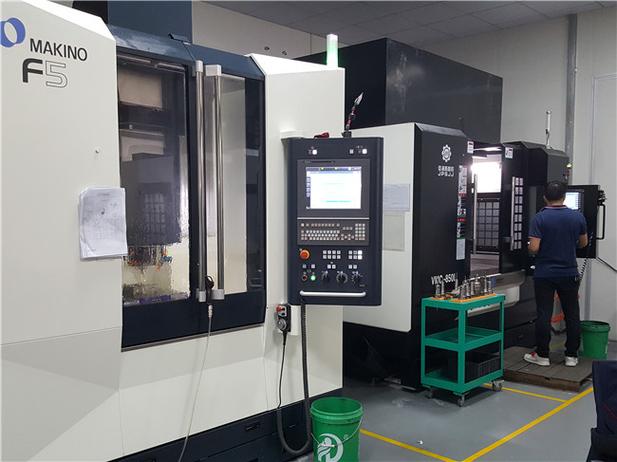
Precision CNC machining for automotive component manufacturing
Goldcattle Manufacturing Process Flow
Design → Material Selection → Forging → CNC Machining → Heat Treatment → Surface Finishing → Quality Testing
Key Manufacturing Techniques
Forging
Heating metal (typically alloy steel) to 1200-1300°C and pressing it into shape with 1500-2000 tons of pressure. This process creates a dense, grain-aligned structure that significantly improves strength and fatigue resistance.
CNC Machining
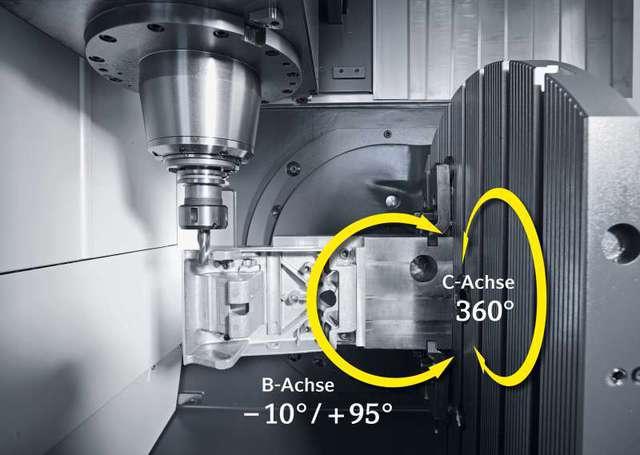
Using 5-axis CNC machines with ±0.02mm precision to create exact mounting points, splines, and joint surfaces. Our facility uses the latest Fanuc 30i-B controllers for unmatched accuracy.
Precision Welding
Using TIG welding for critical joints with 100% penetration testing. All welds undergo ultrasonic inspection to ensure they meet AWS D1.1 automotive welding standards.
Advanced Heat Treatment
Our proprietary heat treatment process includes:
- Quenching in polymer solution for uniform hardness
- Tempering at 350-450°C to balance strength and toughness
- Cryogenic treatment for dimensional stability (optional upgrade)
Surface Protection
Options include:
- Electrophoretic deposition (E-coat) for corrosion resistance
- Powder coating in 20+ colors
- Zinc-nickel plating for extreme environments
Industry Standards Compliance
All Goldcattle pitman arms meet or exceed:
- ISO/TS 16949:2016 automotive quality management
- SAE J2980 steering component performance standards
- ASTM A370 mechanical testing standards
- FMVSS 121 hydraulic brake system requirements
3. Customization Process
- Initial Consultation & Measurement
- 3D scanning of existing steering components or use of OEM specifications
- Detailed discussion of vehicle modifications and performance requirements
- Comprehensive geometry analysis using SolidWorks 2025
- Material Selection
- Recommendation based on application and budget
- Material certification provided with each order
- Options for recycled materials available (2026 sustainability initiative)
- CAD Design & Simulation
- Finite Element Analysis (FEA) for stress distribution
- Dynamic simulation of steering movement
- Design approval by customer before production
- Precision Manufacturing
- Production using state-of-the-art equipment
- In-process quality checks at every stage
- Traceability system for all components
- Comprehensive Testing
- Hardness testing (Rockwell C scale)
- Tensile strength testing up to 1200 MPa
- Fatigue testing to 10 million cycles
- Dimension verification with CMM
- Surface Finishing & Packaging
- Application of specified coating
- Final inspection and documentation
- Secure packaging with installation instructions
- Delivery & Support
- Shipping with tracking information
- Technical support during installation
- Warranty registration and documentation
2026 Innovation: AI-Enhanced Design Process
Our new AI design system reduces development time by 20% while improving strength-to-weight ratio by 15%. The system analyzes thousands of real-world failure cases to optimize designs for specific applications.
4. Material Specifications & Performance Data
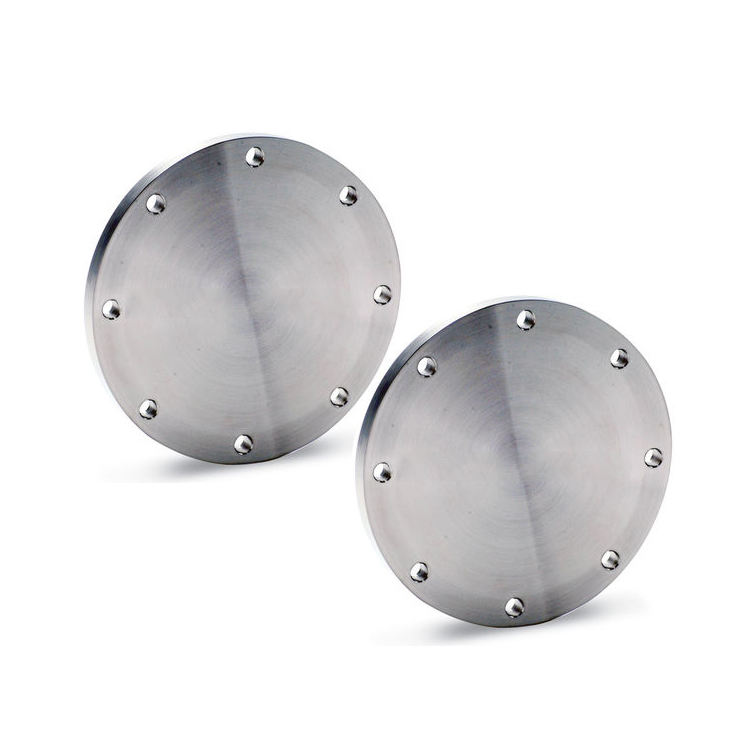
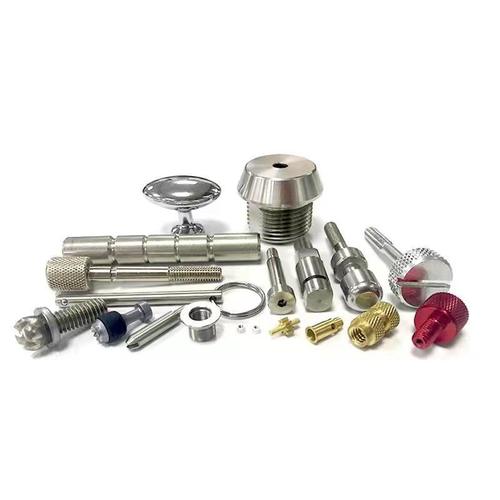
High-quality metal automotive components showing precision manufacturing
Tensile Strength: 950-1050 MPa
Yield Strength: 800-900 MPa
Hardness: 28-32 HRC
Applications: Daily driving, towing, light off-roading
Cost: Moderate
Tensile Strength: 1000-1100 MPa
Yield Strength: 850-950 MPa
Hardness: 30-34 HRC
Applications: Racing, high-performance, weight-sensitive
Cost: Premium
Tensile Strength: 500-700 MPa
Yield Strength: 200-300 MPa
Hardness: 15-20 HRC
Applications: Coastal areas, corrosion resistance
Cost: High
Tensile Strength: 900-1000 MPa
Yield Strength: 750-850 MPa
Hardness: 26-30 HRC
Applications: Eco-friendly, general use
Cost: Competitive
| Material | Weight Reduction vs Stock | Fatigue Life Improvement | Corrosion Resistance | Cost Premium vs Stock |
|---|---|---|---|---|
| 4140 Alloy Steel | 15-20% | 200-300% | Good | 50-70% |
| 4130 Chromoly | 25-30% | 300-400% | Moderate | 100-150% |
| 316 Stainless | 10-15% | 150-200% | Excellent | 200-250% |
| Recycled Alloy | 12-18% | 180-250% | Good | 30-50% |
2026 Material Trends
Sustainability: Recycled alloy usage increased by 35% in 2025-2026 testing
Lightweighting: EV/hybrid applications driving 40% increase in demand for lightweight solutions
AI Optimization: New designs reducing material usage by 20% while maintaining strength
5. Testing & Quality Assurance
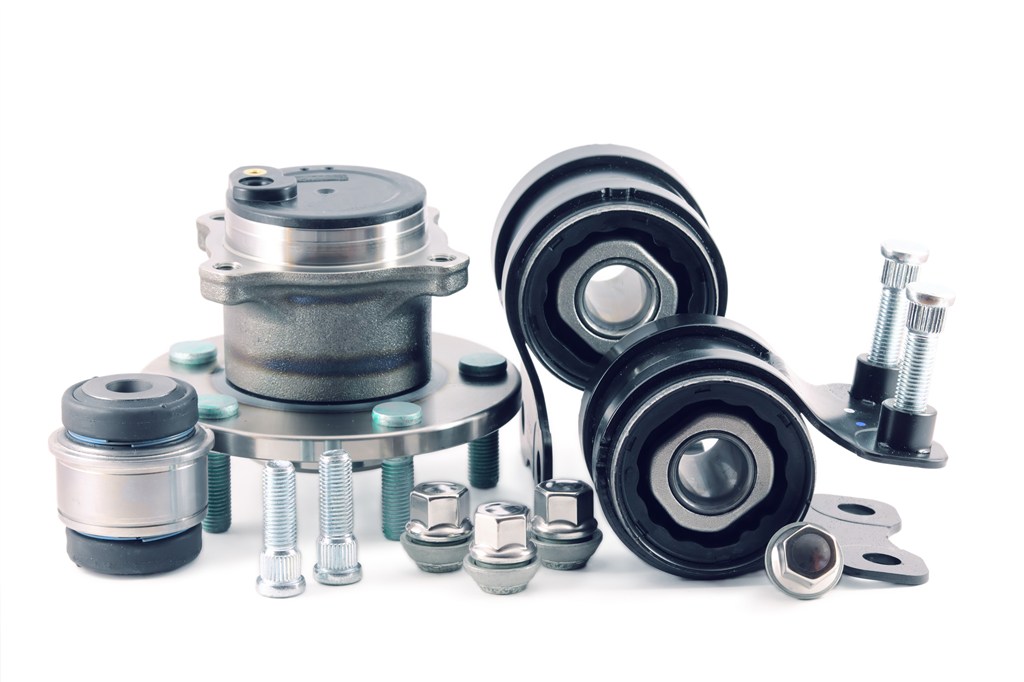
Precision metal automotive parts ready for quality testing
Comprehensive Testing Protocols
Material Testing
- Chemical composition analysis (spectrometry)
- Mechanical property testing (tensile, yield, elongation)
- Hardness testing at multiple points
- Microstructure analysis (metallography)
Performance Testing
- Torsional strength testing up to 5000 N·m
- Fatigue testing to 10 million cycles
- Impact testing at -40°C to 120°C
- Corrosion testing (salt spray, humidity)
Dimensional Verification
- Coordinate Measuring Machine (CMM) inspection
- Surface finish measurement (Ra values)
- Thread verification (go/no-go gauges)
- Assembly fit testing
Typical Test Results (4140 Alloy Steel)
| Test Type | Result | Industry Standard | Pass/Fail |
|---|---|---|---|
| Tensile Strength | 985 MPa | Min 800 MPa | Pass |
| Yield Strength | 850 MPa | Min 700 MPa | Pass |
| Hardness | 30 HRC | 28-34 HRC | Pass |
| Fatigue Life | 12,500,000 cycles | Min 5,000,000 cycles | Pass |
Common Failure Points & Prevention
Based on 2025 failure analysis of 500+ pitman arms:
- Spline Failure (45%): Prevented by proper heat treatment and spline fit verification
- Mounting Hole Cracking (25%): Prevented by radius design and stress relief
- Weld Failure (20%): Prevented by proper welding procedures and inspection
- Corrosion (10%): Prevented by appropriate surface treatments
6. Applications & Use Cases
Vehicle-Specific Solutions
Jeep Applications
Custom pitman arms for Jeep Wrangler (JK, JL), Grand Cherokee, and Gladiator models. Our 2025 Jeep Wrangler JK project featured a 4140 alloy arm that withstood extreme off-road conditions with 20% better impact resistance than stock.
Ford Applications
Solutions for Ford F-Series trucks, Broncos, and Mustang models. Our 2026 Ford Bronco Raptor upgrade includes adjustable joints for precise alignment tuning.
GM Applications
Custom arms for Chevrolet Silverado, Colorado, and GMC Sierra trucks. Specialized solutions for lifted and performance applications.
Performance/Racing
Lightweight chromoly arms for track cars, drag racers, and autocross vehicles. Our racing arms feature hollow designs for maximum weight reduction without compromising strength.
2026 EV/Hybrid Solutions
New lightweight designs specifically optimized for electric and hybrid vehicles. These arms reduce unsprung weight by 30% compared to traditional steel components, improving range and handling efficiency.
7. Value-Added Features & Options
Performance Enhancements
- Adjustable Joints: Allow fine-tuning of steering geometry (±3° adjustment range)
- Grease Fittings: High-pressure fittings for easy lubrication maintenance
- Reinforced Ends: 30% thicker material at stress concentration points
- Lightweight Design: Hollowed sections and optimized material placement
- High-Speed Bearings: For racing applications requiring minimal friction
Customization Options
- Finish Options: Powder coating (20+ colors), zinc plating, black oxide
- Logo/Branding: Custom laser engraving or etching
- Material Upgrades: Titanium or Inconel for extreme applications
- Quick-Disconnect: For easy removal during maintenance
- Heat Shielding: For high-temperature racing applications
| Feature | Stock Pitman Arm | Goldcattle Standard | Goldcattle Premium |
|---|---|---|---|
| Material | Cast Iron | 4140 Alloy Steel | 4130 Chromoly |
| Tensile Strength | 400-500 MPa | 950-1050 MPa | 1000-1100 MPa |
| Weight | 100% | 80-85% | 70-75% |
| Fatigue Life | 100% | 300-400% | 400-500% |
| Adjustability | None | Limited | Full |
| Corrosion Resistance | Poor | Good | Excellent |
8. Frequently Asked Questions
9. 2026 Trends & Future Developments
Industry Trends Shaping Pitman Arm Design
Lightweighting: EV and hybrid applications driving demand for lighter components
Sustainability: Increased use of recycled materials and eco-friendly processes
AI Optimization: AI-driven design processes for improved performance
Advanced Materials: New alloys and composites offering better strength-to-weight ratios
Connected Components: Sensor-integrated arms for predictive maintenance
Goldcattle 2026 Innovations
Recycled Alloy Program
Our new recycled alloy program uses 85% recycled steel while maintaining performance specifications. Testing shows 35% reduction in environmental impact compared to traditional manufacturing.
AI-Enhanced Design
New AI design system analyzes thousands of real-world failure cases to optimize designs for specific applications. Results in 20% stronger designs with 15% less material usage.
EV-Specific Solutions
Custom designs optimized for electric vehicles, featuring lightweight materials and reduced unsprung weight to maximize range and efficiency.
Digital Twin Technology
Digital twin models allow virtual testing and optimization before physical production, reducing development time by 40%.
Potential Risks & Mitigation
Regulatory Changes: Monitoring 2026 automotive regulations to ensure compliance
Supply Chain Issues: Diversified supplier network to prevent delays
Material Cost Volatility: Long-term contracts with key suppliers
Technology Obsolescence: Continuous R&D investment in new technologies