Best Metal for Die Casting? How Buyers Choose the Right Alloy
Compare aluminum, zinc, magnesium and copper alloys by cost, strength, weight, finish and production volume.
There Is No “Best” Metal — Only the Best Fit for Your Project
Choose your die casting material based on your specific project requirements:
- ✔ Strength requirements
- ✔ Weight targets
- ✔ Surface finish needs
- ✔ Production quantity
- ✔ Budget
- ✔ Corrosion environment
Die Casting Material Comparison Table
| Material | Best For | Strength | Weight | Cost | Finish | Typical Use |
|---|---|---|---|---|---|---|
| Aluminum | Structural parts | High | Light | Medium | Good | Auto / Housing |
| Zinc | Precision small parts | Medium | Heavy | Low-Med | Excellent | Handles / Electronics |
| Magnesium | Ultra-light parts | Medium | Very Light | High | Good | Aerospace / Devices |
| Copper/Brass | Conductive parts | High | Heavy | High | Good | Valves / Electrical |
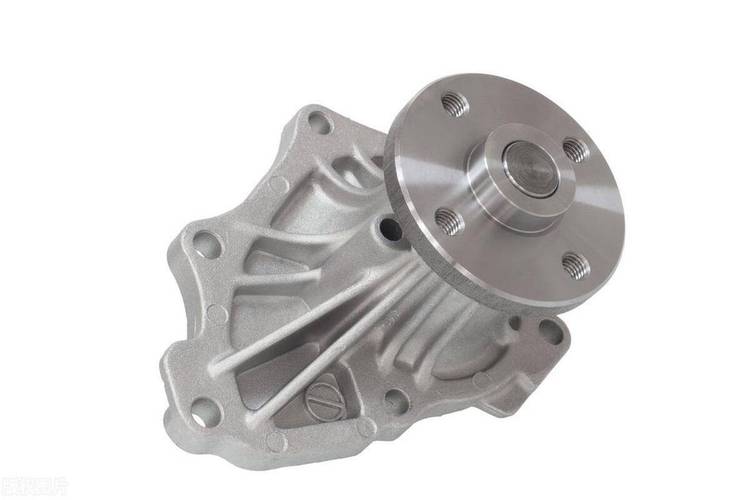
Aluminum alloys are one of the most common die casting materials for industrial procurement, balancing strength, weight, and corrosion resistance. Zinc alloys are ideal for small parts with high appearance requirements.
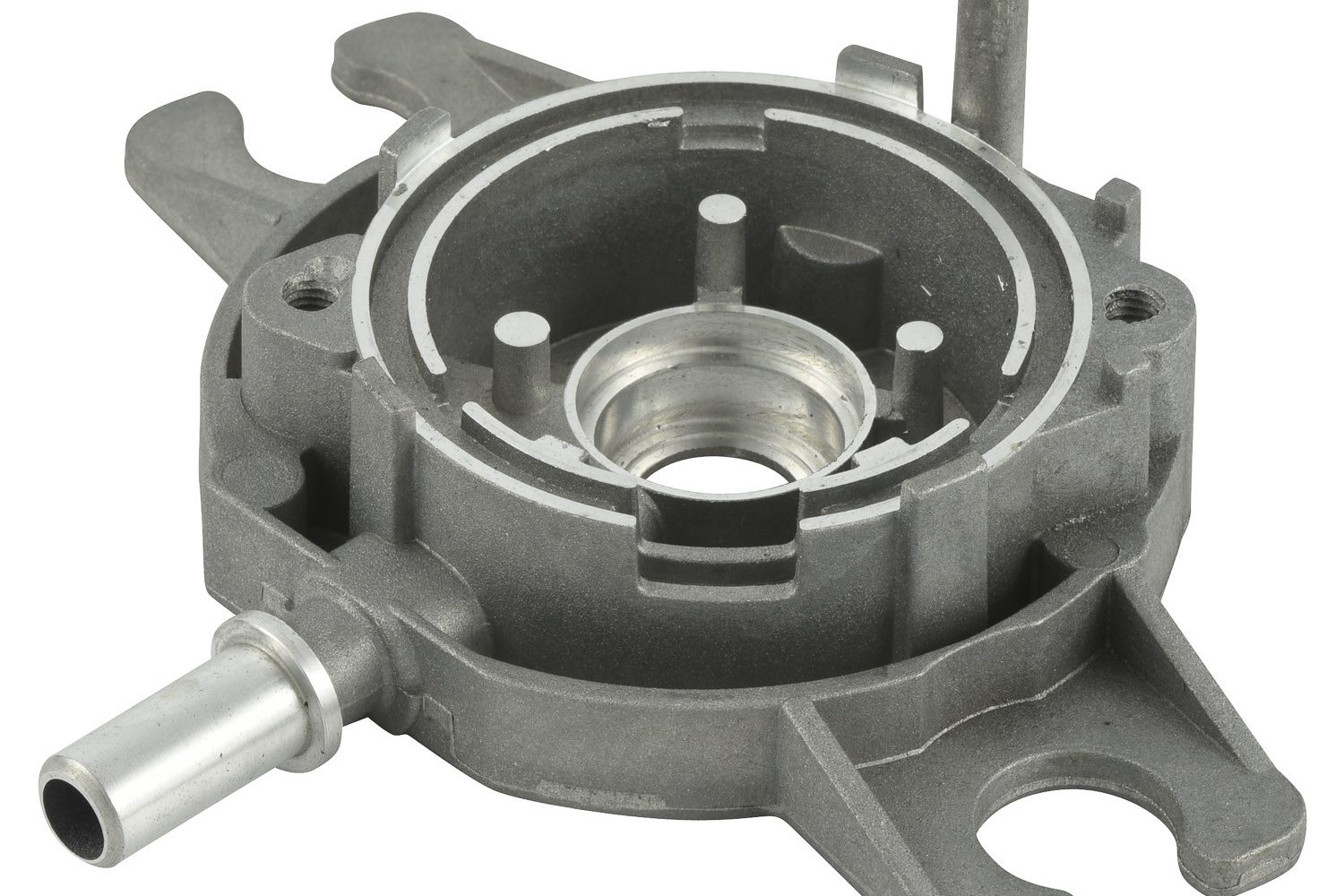
Choose Aluminum Die Casting If You Need:
- ✔ Lightweight parts
- ✔ Good strength-to-weight ratio
- ✔ Excellent heat dissipation
- ✔ Outdoor corrosion resistance
- ✔ Medium to large housings and structural components
Aluminum is the most widely used die casting alloy across industries. It offers an exceptional balance of mechanical properties, making it suitable for everything from automotive components to electronic housings. Its natural corrosion resistance eliminates the need for heavy coatings in many applications, while its thermal conductivity makes it ideal for heat management parts.
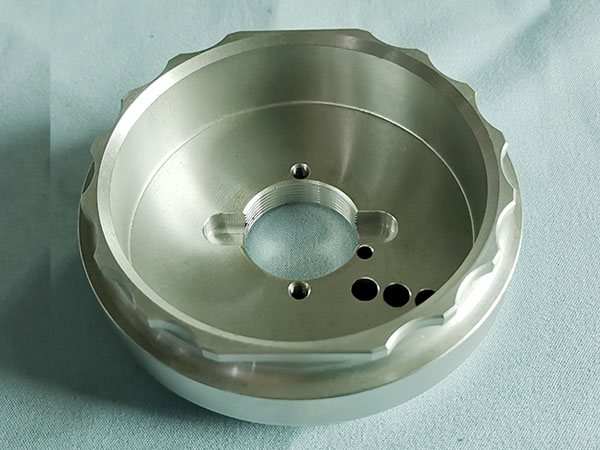
Choose Zinc Die Casting If You Need:
- ✔ Extremely tight tolerances
- ✔ Small, highly detailed parts
- ✔ Smooth plating and coating surface
- ✔ Premium decorative appearance
- ✔ Extended mold life for high-volume production
Zinc alloys excel at casting intricate details with ultra-precise dimensions. The low melting point of zinc allows for excellent fluidity, enabling the production of thin walls and complex geometries that other alloys cannot achieve. This makes zinc the top choice for decorative hardware, electronic connectors, and small precision components. Zinc also offers superior plating adhesion, resulting in flawless cosmetic finishes.
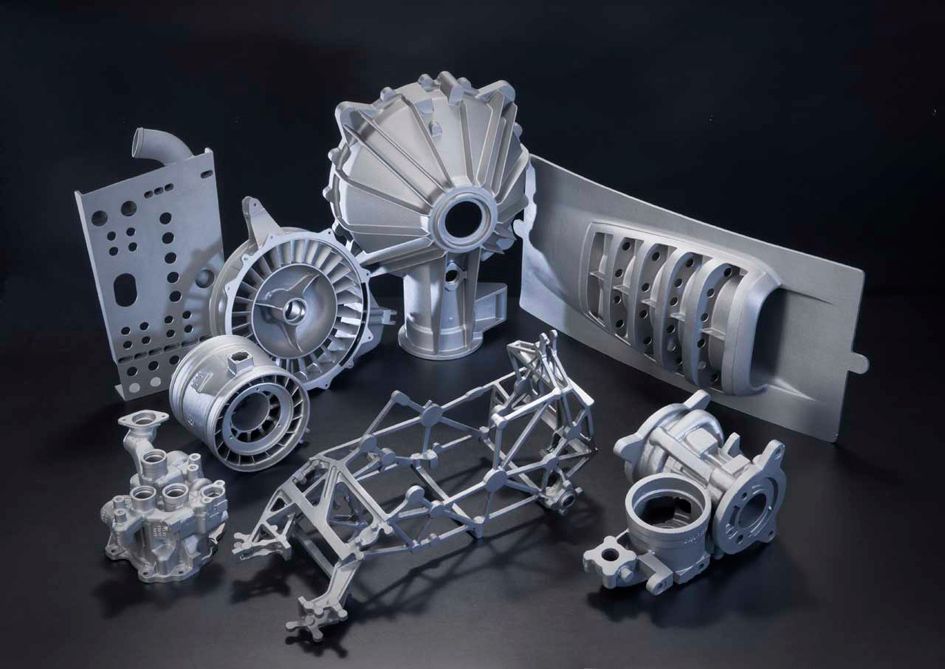
Choose Magnesium Die Casting If You Need:
- ✔ Extreme weight reduction targets
- ✔ Portable electronic devices
- ✔ High-end lightweight assemblies
- ✔ High stiffness-to-weight ratio
Magnesium is the lightest common structural metal, making it the perfect solution for weight-sensitive applications. With a density 35% lighter than aluminum, it allows engineers to reduce product weight significantly without sacrificing strength. While magnesium requires more specialized manufacturing expertise, it delivers unmatched performance for aerospace components, portable electronics, and high-end automotive parts.
Choose Copper/Brass Die Casting If You Need:
- ✔ Excellent electrical conductivity
- ✔ Superior corrosion resistance
- ✔ High wear resistance
- ✔ Antimicrobial properties
Copper and brass alloys are the go-to choice for electrical components and plumbing applications. Their exceptional conductivity makes them ideal for connectors and terminals, while their natural corrosion resistance ensures long-term performance in water and harsh environments. Brass also offers excellent machinability and a classic, attractive finish for decorative and functional parts.
Frequently Asked Questions
Is aluminum better than zinc for die casting?
Aluminum is better for structural strength and lightweight parts, making it ideal for larger components and applications where weight is a priority. Zinc is better for fine detail, tight tolerances, and premium surface finishes, making it the top choice for small, precision parts and decorative components. The right choice depends entirely on your project requirements.
What is the cheapest metal for die casting?
For small precision parts, zinc is often the most cost-efficient option due to its excellent material utilization and long mold life. For larger structural parts, aluminum typically offers better total cost, as its lightweight properties can reduce shipping and assembly costs over the product lifecycle. The cheapest option always depends on your part size, complexity, and production volume.
What metal is best for outdoor use?
Aluminum with proper coating or powder coating is commonly preferred for outdoor applications. Its natural oxide layer provides inherent corrosion resistance, and with additional protective finishes, it can withstand harsh weather conditions for decades. Aluminum’s resistance to rust and UV degradation makes it the standard choice for outdoor components.
What metal gives best surface finish?
Zinc usually delivers the best cosmetic finish and plating results. Its excellent fluidity allows it to replicate every detail of the mold surface, resulting in a smooth, flawless as-cast finish. Zinc also has superior adhesion for plating, painting, and other surface treatments, making it the ideal choice for visible, high-appearance parts.
Which alloy is best for automotive parts?
Aluminum is widely used for housings, brackets, and thermal components in automotive applications. Its combination of lightweight properties, strength, and heat dissipation helps automakers reduce vehicle weight and improve fuel efficiency. Aluminum die castings are commonly used for engine parts, transmission components, and structural brackets.
Quick Answer for Buyers
If you need one versatile all-around option:
➡ Aluminum is usually the best all-around die casting metal.
If you need appearance + precision for small parts:
➡ Zinc is usually best.
If weight reduction is your top priority:
➡ Magnesium is best.
Need Help Choosing the Right Die Casting Material?
Upload your drawing and get a comprehensive analysis for your project:
- ✔ Free alloy recommendation
- ✔ Cost comparison analysis
- ✔ DFM feedback
- ✔ Tooling cost estimate
- ✔ Prototype lead time