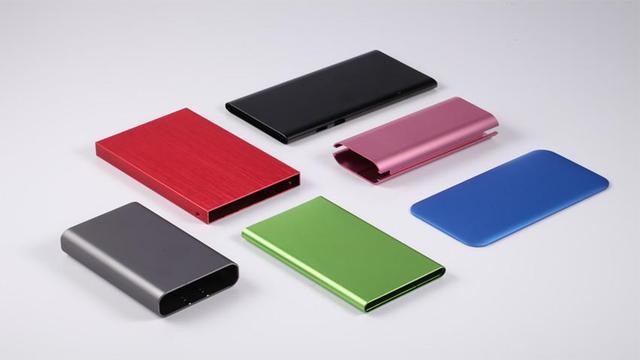
A comprehensive engineering guide to choosing the right materials for your CNC machining projects
What Materials Can Be Used in CNC Machining
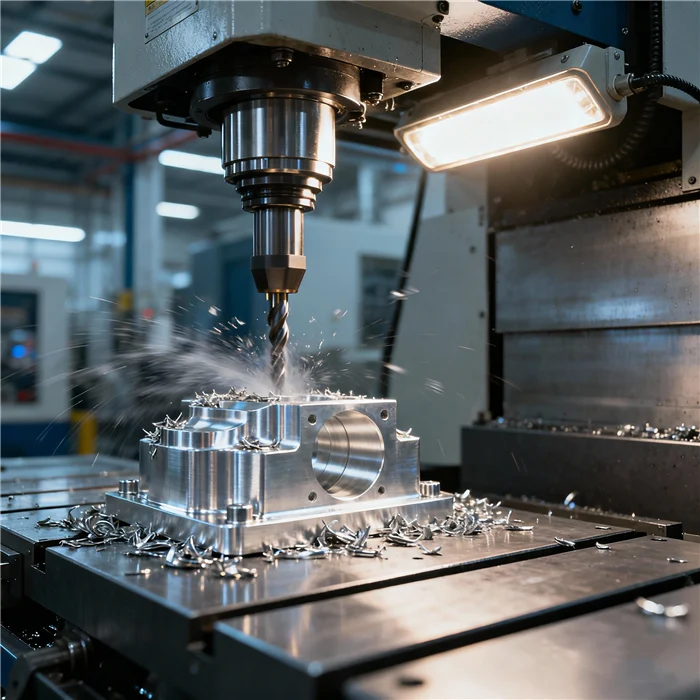
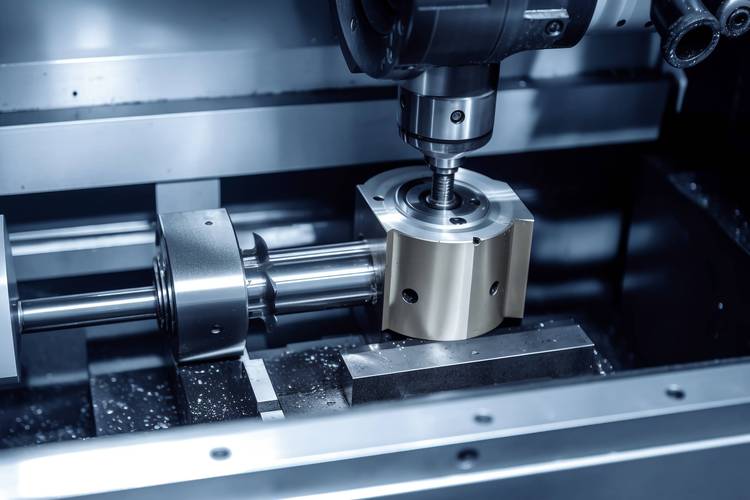
CNC machining is a versatile manufacturing process that can work with a wide range of materials, each offering unique properties and benefits. The choice of material significantly impacts the performance, cost, and quality of the final product.
Understanding the characteristics of different materials is crucial for making informed engineering decisions when selecting the best material for your CNC machining project.
Metals
Aluminum, steel, titanium, brass, copper and more
Most commonly used for structural components
Plastics
PEEK, nylon, ABS, POM, polycarbonate, PTFE
Ideal for lightweight and corrosion-resistant parts
Composites
Carbon fiber, fiberglass, G10, FR4
High strength-to-weight ratio materials
Best Metals for CNC Machining
Aluminum
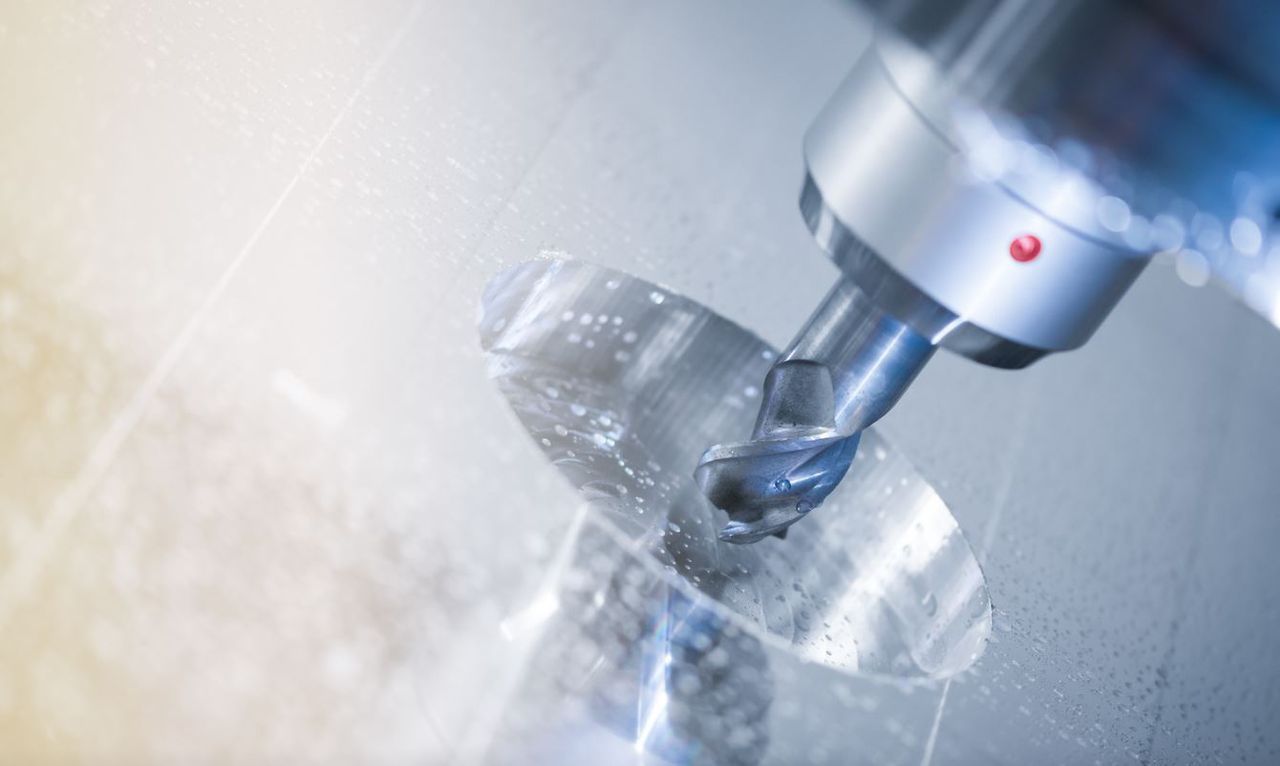
Key Characteristics
- Excellent machinability – Fast cutting speeds and minimal tool wear
- High strength-to-weight ratio – Strong yet lightweight
- Natural corrosion resistance – Forms protective oxide layer
- Good thermal conductivity – Ideal for heat dissipation applications
- Cost-effective – Lower material and machining costs
Common Grades
- 6061-T6 – Most versatile, good all-around properties
- 7075-T6 – High strength, aerospace grade
- 6063 – Excellent surface finish, architectural applications
- 5052 – Good corrosion resistance, marine applications
Typical Applications
- Aerospace components and aircraft parts
- Automotive parts and engine components
- Electronic enclosures and heat sinks
- Robotics and automation parts
- Medical devices and surgical instruments
Machining Tips: Use high-speed steel or carbide tools with cutting speeds between 300-1000 SFM. Use coolant to prevent work hardening and improve surface finish.
Stainless Steel
Key Characteristics
- Exceptional corrosion resistance – Resists rust and staining
- High strength and durability – Maintains strength at high temperatures
- Good hygiene properties – Easy to clean and sterilize
- Aesthetic appeal – Attractive surface finish
- Magnetic properties vary – Austenitic grades are non-magnetic
Common Grades
- 303 – Free-machining grade, best for CNC
- 304 – Most common, general purpose
- 316 – Improved corrosion resistance, marine grade
- 416 – Martensitic, magnetic, heat treatable
Typical Applications
- Medical instruments and surgical tools
- Food processing equipment
- Chemical processing components
- Marine hardware and boat fittings
- Architectural hardware and fixtures
Machining Tips: Use carbide tools with positive rake angles. Cutting speeds between 100-300 SFM. Use high-pressure coolant to manage heat and chip evacuation.
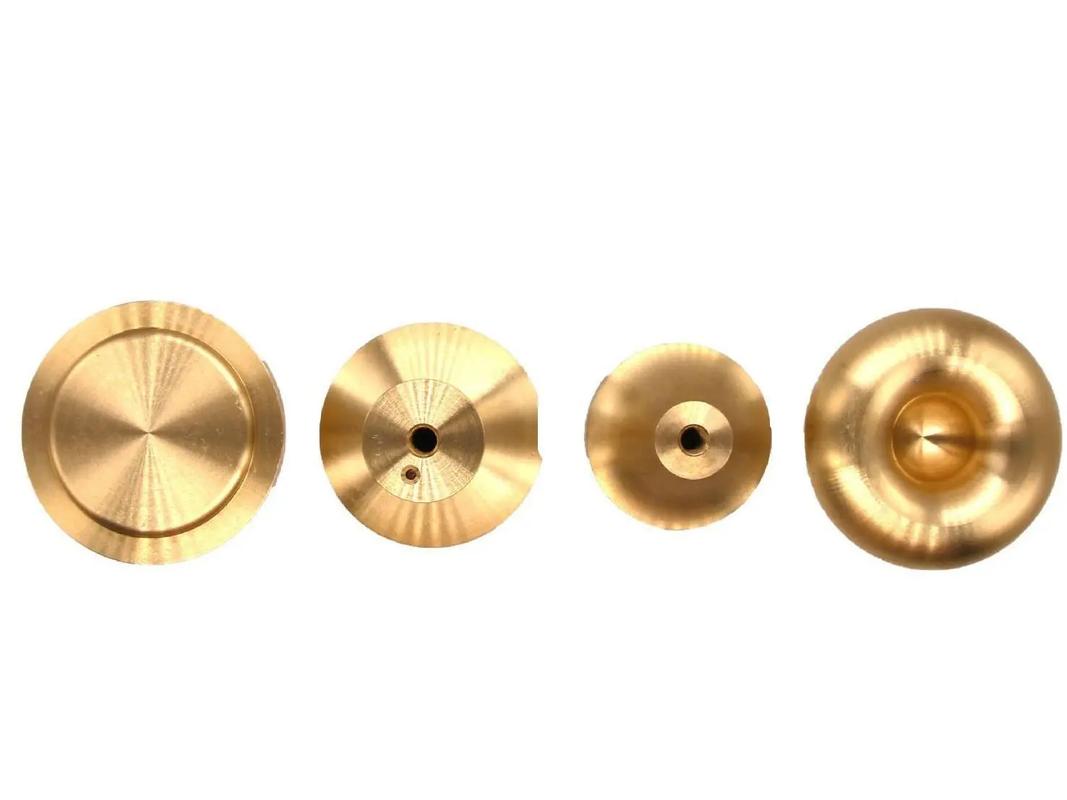
Brass
Key Characteristics
- Extremely machinable – Best machinability of all metals
- Excellent electrical conductivity – Ideal for electrical components
- Good corrosion resistance – Resists tarnishing and oxidation
- Attractive golden appearance – Aesthetic applications
- Low friction properties – Good for bearings and gears
Common Alloys
- Free-cutting brass (C36000) – Best for CNC machining
- Naval brass (C46400) – High corrosion resistance
- Red brass (C23000) – Excellent formability
- Yellow brass (C26000) – Good strength and conductivity
Typical Applications
- Electrical connectors and terminals
- Valves, fittings, and plumbing components
- Gears, bearings, and bushings
- Musical instruments and decorative items
- Hardware and fasteners
Machining Tips: Can be machined at high speeds (500-1500 SFM) with HSS or carbide tools. Produces fine chips that are easy to manage. Minimal tool wear compared to other metals.
Titanium
Key Characteristics
- Exceptional strength-to-weight ratio – Stronger than steel but 45% lighter
- Excellent corrosion resistance – Resists most acids and chemicals
- Biocompatibility – Used in medical implants
- High temperature resistance – Maintains strength up to 600°C
- Low thermal conductivity – Causes heat buildup during machining
Common Grades
- Ti-6Al-4V (Grade 5) – Most widely used, high strength
- Commercially Pure (Grade 2) – Good formability and corrosion resistance
- Ti-6Al-4V ELI (Grade 23) – Extra low interstitial, medical grade
- Ti-5Al-2.5Sn (Grade 6) – High temperature applications
Typical Applications
- Aerospace components and jet engine parts
- Medical implants and surgical instruments
- Marine components and offshore equipment
- High-performance automotive parts
- Sports equipment and military applications
Machining Tips: Use rigid setups and carbide tools with sharp edges. Low cutting speeds (50-150 SFM) with high feed rates. Use abundant coolant to manage heat and prevent work hardening.
Best Plastics for CNC Machining
PEEK (Polyether Ether Ketone)
Key Characteristics
- High temperature resistance – Continuous use up to 260°C
- Excellent chemical resistance – Resists most acids and solvents
- High strength and stiffness – Comparable to some metals
- Biocompatibility – FDA approved for medical applications
- Low moisture absorption – Excellent dimensional stability
Grades and Variations
- Unfilled PEEK – Best machinability
- 30% Glass filled PEEK – Improved stiffness and dimensional stability
- Carbon fiber filled PEEK – Highest strength and conductivity
- Medical grade PEEK – Sterilizable, biocompatible
Typical Applications
- Medical implants and surgical instruments
- Aerospace components and aircraft interiors
- Oil and gas downhole tools
- High-performance gears and bearings
- Semiconductor manufacturing equipment
Machining Tips: Use sharp carbide tools with high rake angles. Cutting speeds between 100-300 SFM. Use coolant to prevent melting and improve surface finish.
Nylon (Polyamide)
Key Characteristics
- Excellent wear resistance – Self-lubricating properties
- High impact strength – Tough and durable
- Good chemical resistance – Resists oils and solvents
- Low friction coefficient – Ideal for moving parts
- Moisture absorption – Can affect dimensional stability
Common Grades
- Nylon 6 – Most common, good balance of properties
- Nylon 6/6 – Higher temperature resistance
- Glass filled nylon – Improved stiffness and strength
- Moisture stabilized nylon – Reduced water absorption
Typical Applications
- Gears, sprockets, and pulleys
- Bearings, bushings, and wear pads
- Electrical insulators and components
- Automotive interior and exterior parts
- Packaging machinery components
Machining Tips: Use sharp HSS or carbide tools. Cutting speeds between 200-600 SFM. Dry machining is recommended to avoid moisture absorption issues.
Acetal (POM – Polyoxymethylene)
Key Characteristics
- Excellent dimensional stability – Low moisture absorption
- Very good machinability – Clean cutting, minimal burrs
- Low friction properties – Self-lubricating
- High strength and stiffness – Rigid material
- Good chemical resistance – Resists solvents and fuels
Common Types
- Homopolymer acetal – Higher strength and stiffness
- Copolymer acetal – Better chemical resistance
- Delrin – DuPont’s brand name for homopolymer acetal
- Glass filled acetal – Improved dimensional stability
Typical Applications
- Gears, cams, and precision mechanical parts
- Bearings, bushings, and sliding components
- Electrical connectors and insulators
- Medical devices and laboratory equipment
- Consumer goods and appliances
Machining Tips: One of the easiest plastics to machine. Use sharp HSS or carbide tools with high cutting speeds (400-1000 SFM). Dry machining works well.
Polycarbonate (PC)
Key Characteristics
- Exceptional impact resistance – Virtually unbreakable
- Excellent optical clarity – Transparent like glass
- Good heat resistance – Continuous use up to 130°C
- Flame retardant properties – Self-extinguishing
- Good electrical insulation – Ideal for electronic components
Common Grades
- General purpose polycarbonate – Clear, standard grade
- Flame retardant polycarbonate – UL 94 V-0 rated
- Glass filled polycarbonate – Improved stiffness
- Medical grade polycarbonate – Sterilizable
Typical Applications
- Medical devices and diagnostic equipment
- Electronic enclosures and components
- Optical lenses and transparent parts
- Safety shields and protective equipment
- Automotive lighting and interior parts
Machining Tips: Use sharp tools with positive rake angles. Cutting speeds between 200-600 SFM. Use coolant to prevent melting and reduce stress.
CNC Machining Material Comparison
Machinability Ranking
| Material | Machinability Rating | Relative Cutting Speed | Tool Wear Rate |
|---|---|---|---|
| Brass | ⭐⭐⭐⭐⭐ | 100% | Very Low |
| Aluminum | ⭐⭐⭐⭐ | 80-90% | Low |
| Acetal (POM) | ⭐⭐⭐⭐ | 75-85% | Low |
| Nylon | ⭐⭐⭐ | 60-70% | Medium |
| Steel | ⭐⭐⭐ | 30-40% | Medium |
| Polycarbonate | ⭐⭐⭐ | 50-60% | Medium |
| PEEK | ⭐⭐ | 25-35% | High |
| Titanium | ⭐⭐ | 10-20% | Very High |
Note: Machinability ratings are relative, with brass being the easiest to machine (100% reference point).
Material Properties Comparison
| Material | Tensile Strength (MPa) | Density (g/cm³) | Max Temp (°C) | Corrosion Resistance |
|---|---|---|---|---|
| Aluminum 6061-T6 | 310 | 2.7 | 150 | Good |
| Stainless Steel 304 | 505 | 8.0 | 650 | Excellent |
| Brass C360 | 345 | 8.5 | 200 | Good |
| Titanium Ti-6Al-4V | 895 | 4.43 | 400 | Excellent |
| PEEK | 90 | 1.3 | 260 | Excellent |
| Nylon 6/6 | 83 | 1.14 | 150 | Good |
Note: All values are approximate and may vary depending on specific grade and processing conditions. Data for reference only.
How to Choose the Best CNC Machining Material
Selecting the right material for your CNC machining project requires careful consideration of several key factors. Follow this engineering decision process to make the optimal choice:
1. Define Performance Requirements
- Strength and stiffness requirements
- Operating temperature range
- Environmental conditions (corrosion, chemicals)
- Wear and friction considerations
- Electrical and thermal conductivity needs
2. Consider Design Constraints
- Weight limitations
- Size and dimensional accuracy requirements
- Surface finish specifications
- Assembly requirements
- Regulatory compliance (FDA, UL, etc.)
3. Evaluate Manufacturing Factors
- Machinability and tooling costs
- Available equipment and capabilities
- Lead time requirements
- Finishing and post-processing needs
- Scalability for production volumes
4. Analyze Cost Considerations
- Raw material costs
- Machining time and labor costs
- Tool wear and replacement costs
- Finishing and testing costs
- Total cost of ownership
Expert Selection Tips
For Prototyping
Choose aluminum 6061 or ABS for fast, cost-effective prototyping. These materials are easy to machine and provide good feedback on design functionality.
For High Volume Production
Prioritize machinability and tool life. Brass, aluminum, and acetal are excellent choices for high-volume production due to their good machinability and consistent quality.
For High Temperature Applications
Consider titanium, stainless steel, or high-performance plastics like PEEK. These materials maintain their properties at elevated temperatures.
For Corrosive Environments
Select stainless steel, titanium, or PTFE. These materials offer excellent corrosion resistance and can withstand harsh chemical environments.
CNC Machining Material Applications
Aerospace
Common Materials
- Aluminum 7075-T6 (airframe components)
- Titanium Ti-6Al-4V (engine parts)
- Stainless Steel 316 (fasteners)
- PEEK (interior components)
Key Requirements
- High strength-to-weight ratio
- Excellent fatigue resistance
- Ability to withstand extreme temperatures
- Compliance with aerospace standards (FAA, AS9100)
Medical Devices
Common Materials
- Titanium Ti-6Al-4V ELI (implants)
- Stainless Steel 316L (surgical instruments)
- PEEK (medical devices)
- Acetal (disposable components)
Key Requirements
- Biocompatibility and sterilizability
- High precision and accuracy
- Excellent corrosion resistance
- Compliance with FDA regulations
Automotive
Common Materials
- Aluminum 6061 (engine parts)
- Steel 1018 (structural components)
- Brass (valves and fittings)
- Nylon (interior parts)
Key Requirements
- High strength and durability
- Good wear resistance
- Ability to withstand temperature fluctuations
- Cost-effectiveness for high-volume production
Electronics
Common Materials
- Aluminum 6061 (heat sinks)
- Brass (connectors and terminals)
- Polycarbonate (enclosures)
- PTFE (insulators)
Key Requirements
- Good thermal conductivity
- Excellent electrical insulation properties
- Precision tolerances
- EMI shielding capabilities
CNC Machining vs 3D Printing Material Choice
CNC Machining
Best Materials for CNC
- All metals (aluminum, steel, titanium, brass)
- Engineering plastics (PEEK, POM, nylon, PC)
- Composites (carbon fiber, fiberglass)
- Wood and other natural materials
Advantages
- Excellent surface finish
- Tight tolerances (±0.001mm)
- Wide range of material options
- Good for high-volume production
3D Printing
Best Materials for 3D Printing
- PLA (prototyping)
- ABS (functional parts)
- PETG (durable parts)
- TPU (flexible parts)
- Specialty filaments (carbon fiber, metal-filled)
Advantages
- Complex geometries and internal structures
- Fast prototyping turnaround
- Low setup costs
- Good for small production runs
When to Choose CNC vs 3D Printing
Choose CNC Machining when:
- You need high precision and tight tolerances
- You require specific engineering materials
- Surface finish is critical
- Production volumes are high
- You need metal parts
Choose 3D Printing when:
- You have complex geometries
- You need rapid prototyping
- Production volumes are small
- You want to reduce material waste
- You need customized parts
Industry Standards and Testing
Key Standards
Aerospace
- FAA (Federal Aviation Administration)
- AS9100 (Quality Management System)
- MIL-STD (Military Standards)
- NADCAP (National Aerospace and Defense Contractors Accreditation Program)
Medical
- FDA (Food and Drug Administration)
- ISO 13485 (Medical Devices Quality Management)
- USP Class VI (Plastics for Medical Devices)
- ASTM F136 (Titanium Implants)
General Manufacturing
- ANSI (American National Standards Institute)
- ASME (American Society of Mechanical Engineers)
- ISO 9001 (Quality Management)
- RoHS (Restriction of Hazardous Substances)
Testing Methods
Mechanical Testing
- Tensile strength testing (ASTM E8)
- Hardness testing (Rockwell, Brinell)
- Fatigue testing (ASTM E466)
- Impact testing (Charpy, Izod)
Example Data: Aluminum 6061-T6 has a tensile strength of 310 MPa and yield strength of 276 MPa (tested per ASTM E8 standards).
Environmental Testing
- Corrosion testing (salt spray, ASTM B117)
- Thermal cycling testing
- Humidity testing
- Chemical resistance testing
Example Data: Stainless Steel 316 shows no significant corrosion after 1000 hours of salt spray testing per ASTM B117.
Conclusion
Choosing the right material for CNC machining is a critical engineering decision that impacts performance, cost, and quality. By understanding the properties, applications, and machinability of different materials, you can make informed choices that optimize your manufacturing processes.
Remember to consider your specific application requirements, design constraints, and cost factors when selecting materials. For complex projects, consult with experienced CNC machining professionals to ensure the best material choice.
Ready to start your CNC machining project?
Professional CNC machining services can help optimize material selection and manufacturing efficiency