National High-Tech Enterprise
Custom 3D Printing Services
Rapid Prototyping · Low-Volume Manufacturing · Engineering-Grade Materials
The Goldcattle Advantage
Goldcattle delivers engineering-driven 3D printing solutions across FDM, SLA, SLS, and MJF technologies. From concept validation and functional prototyping to low-volume production, we help product teams accelerate time-to-market, reduce tooling costs, and iterate designs with confidence.
3D Printing Capability Snapshot
Materials:PLA · ABS · Nylon · Resin · TPU
Accuracy:Up to ±0.1mm
Lead Time:1–7 Days
MOQ:From 1 Piece
Support:DFM Review
Problems We Help Product Teams Solve
Real development challenges — and how additive manufacturing removes them.
⏱️ Prototype Development Delays
Problem: Traditional tooling takes weeks. Solution: 3D printing delivers functional prototypes in days. Result: Faster design validation and shorter development cycles.
💰 High Tooling Cost
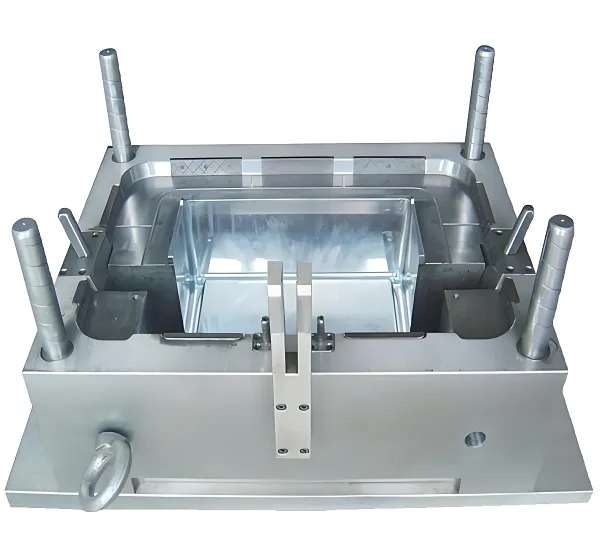
Problem: Injection molding is cost-prohibitive for small batches. Solution: Print directly without tooling. Result: Low upfront investment for prototypes and low-volume production.
🔄 Frequent Design Changes
Problem: Iterating designs with traditional methods is slow and expensive. Solution: Update CAD and reprint immediately. Result: Agile product development with rapid iteration.
🔧 Complex Geometry Manufacturing
Problem: CNC and molding cannot produce certain internal structures. Solution: Additive manufacturing builds complex geometries layer by layer. Result: Unlock designs previously impossible to manufacture.
Which 3D Printing Technology Should You Choose?
FDM, SLA, SLS, and MJF — each optimized for different applications, budgets, and production volumes.
FDM (Fused Deposition Modeling)
Best for: Concept models, functional prototypes, jigs & fixtures
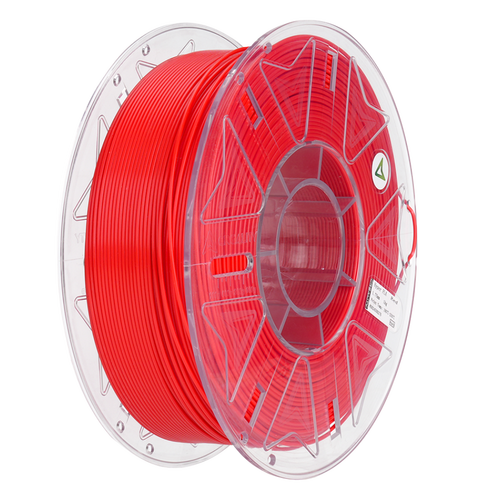
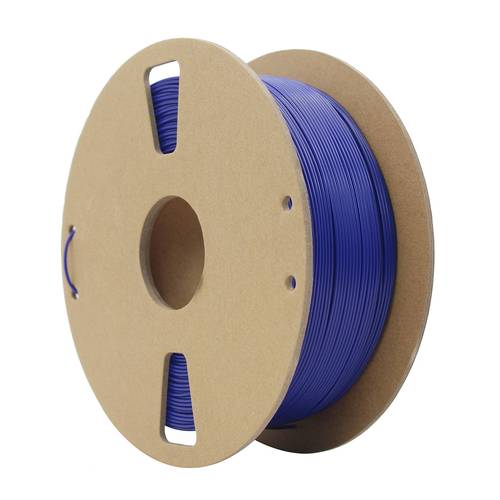
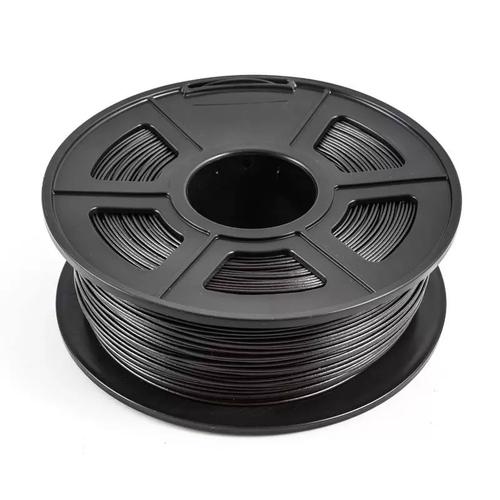
Materials: PLA, ABS, PETG, Nylon, TPU
Key insight: Low cost per part and wide material selection — ideal for early-stage validation.
SLA (Stereolithography)
Best for: High-detail models, dental/medical models, visual prototypes
Materials: Standard resin, flexible resin, high-temp resin
Key insight: Excellent surface finish and fine details — smooth surfaces with minimal layer lines.[reference:0]
SLS (Selective Laser Sintering)
Best for: Functional parts, durable prototypes, complex geometries
Materials: Nylon PA12, glass-filled nylon
Key insight: No support structures required — ideal for complex internal features and moving assemblies.
MJF (Multi Jet Fusion)
Best for: Low-volume production, functional parts, batch consistency
Materials: Nylon PA12, PA11
Key insight: Excellent part-to-part consistency — suitable for production runs of 100–10,000 units.[reference:1]
3D Printing Material Selection Guide
Match the right material to your application — from concept models to end-use parts.
| Material | Strength | Accuracy | Heat Resistance | Cost | Best Use |
|---|---|---|---|---|---|
| PLA | Medium | Good | ~60°C | Low | Concept models, prototypes |
| ABS | Good | Good | ~100°C | Low | Functional prototypes, enclosures |
| Nylon PA12 | High | High | ~180°C | Medium | Engineering parts, functional components |
| TPU | Flexible | Medium | ~80°C | Medium | Flexible components, seals, grips |
| Resin | Medium | Excellent | ~80–200°C | Medium | High-detail models, dental, jewelry |
* Nylon PA12 offers the best balance of strength, heat resistance, and durability for functional parts. Resin provides the highest surface quality for visual prototypes.[reference:2]

Production Process & Critical Control Points
From CAD file to finished part — every stage is engineered for precision and quality.
CAD Design & File Preparation
STL/OBJ/3MF file preparation. Slicing with optimized layer height (50–200μm).
Key insight: DFM review catches design issues before printing — reducing rework by up to 40%.
Material Loading & Calibration
Material-specific temperature settings (FDM: 180–260°C; SLS: 170–190°C chamber).
Key insight: Proper calibration ensures first-layer adhesion and dimensional accuracy.
Printing & Layer Deposition
Layer-by-layer additive process. Accuracy: ±0.1mm (FDM) to ±0.05mm (SLA/SLS).
Key insight: SLA offers superior surface finish, while SLS provides the highest strength for functional parts.[reference:3]
Post-Processing
Support removal, sanding, polishing, painting, assembly.
Key insight: Post-processing transforms printed parts into production-ready components with desired surface finish.
Quality Inspection
Dimensional inspection, strength testing, surface quality check.
Key insight: 100% inspection of critical dimensions ensures consistent quality across all printed parts.
Packaging & Global Delivery
Protective packaging for fragile parts. International shipping available.
Key insight: Lead time: 1–7 days for prototypes, 5–15 days for low-volume production.
When to Choose 3D Printing vs. Traditional Manufacturing
A decision framework for product teams evaluating prototyping and production options.
| Process | Best Volume | Lead Time | Tooling Cost | Complexity | Best Use |
|---|---|---|---|---|---|
| 3D Printing | 1–10,000 units | 1–7 days | Zero | Very High | Prototypes, low-volume |
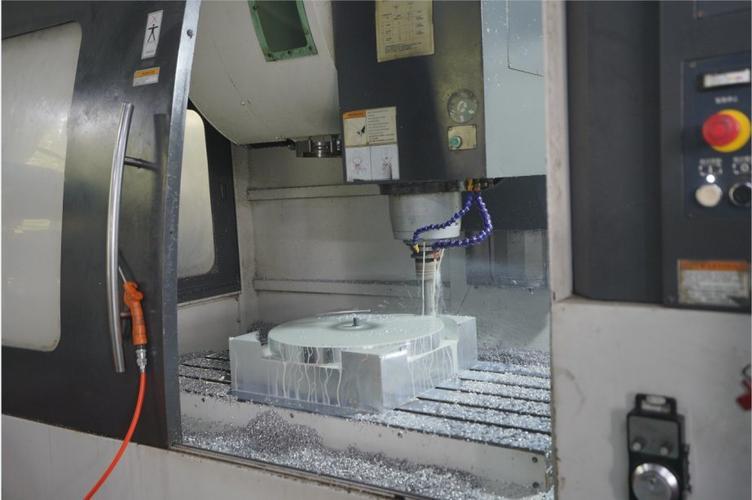
| CNC Machining | 1–1,000+ units | 3–15 days | Low–Medium | Medium | Precision metal parts |
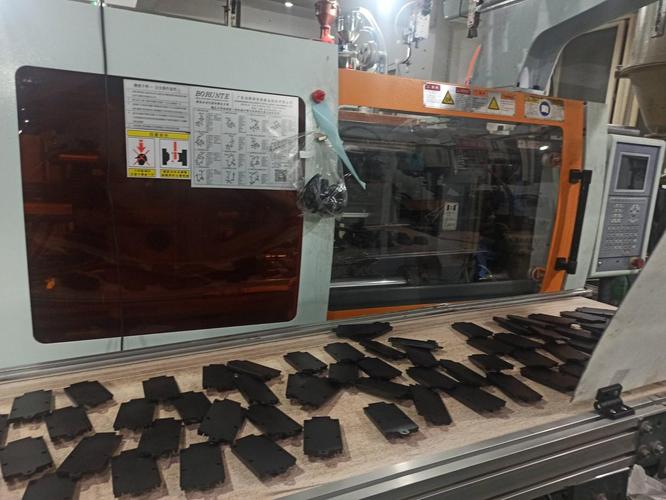
| Injection Molding | 10,000+ units | 15–45 days | High ($5k–50k) | Limited | High-volume production |
| Vacuum Casting | 5–100 units | 7–15 days | Medium | Medium | Bridge production |
* 3D printing is the only process with zero tooling cost, making it ideal for iterative prototyping and low-volume production runs.[reference:4]
3D Printing Applications by Industry
How Goldcattle serves diverse sectors with custom additive manufacturing solutions.
Automotive
Prototypes, fixtures, housings
Aerospace
Lightweight structures, testing
Medical
Surgical models, devices
Robotics
Housings, lightweight parts
Consumer Electronics
Product development
Industrial Equipment
Custom fixtures, tooling
Common 3D Printing Challenges & Solutions
Real manufacturing expertise — problems we have solved for global product teams.
Cause: Material shrinkage during cooling. Solution: Optimized print parameters and heated build chambers.
Cause: Insufficient layer adhesion. Solution: Process optimization and material selection (Nylon PA12 for high strength).
Cause: Visible layer lines. Solution: SLA technology for smooth surfaces or post-processing (sanding, polishing).
Cause: Design not optimized for additive manufacturing. Solution: DFM review before printing ensures proper tolerances.
Case Studies: Real OEM Projects
How Goldcattle delivered 3D printing solutions for global product teams.
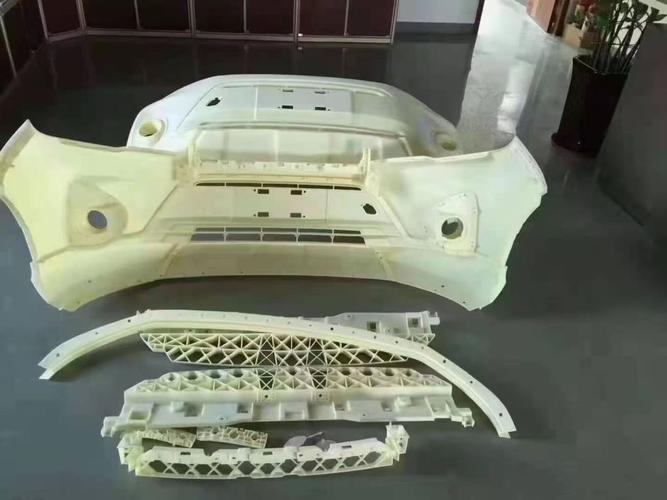
Automotive Prototype Housing
Material: ABS | Technology: FDM
Challenge: Rapid design validation for new vehicle component.
Result: 3-day prototype delivery — accelerated testing by 3 weeks.
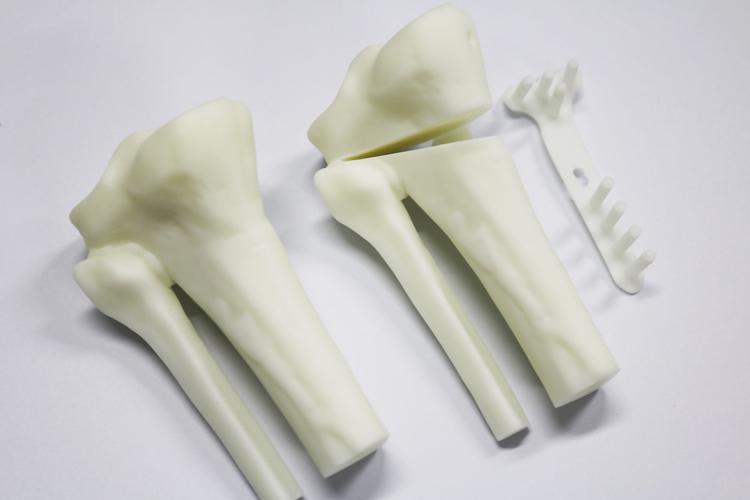
Medical Device Prototype
Material: Resin | Technology: SLA
Challenge: High-detail surgical instrument prototype for testing.
Result: ±0.05mm accuracy with smooth surface finish — cleared for clinical validation.
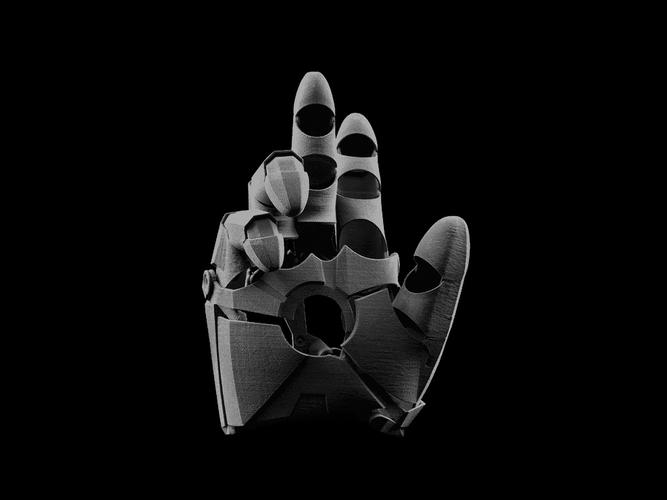
Robotics Functional Part
Material: Nylon PA12 | Technology: SLS
Challenge: Durable structural component with complex geometry.
Result: Passed functional testing — transitioned to low-volume production.
3D Printing Decision Tree
Quickly identify the right technology and material for your project.
→ FDM + PLA (low cost, fast)
→ SLA + Resin (smooth finish)
→ SLS + Nylon PA12 (high strength)
→ MJF + Nylon (batch consistency)
Frequently Asked Questions
Common questions from engineers, product managers, and procurement professionals.
Materials: PLA · ABS · Nylon · Resin · TPU
Capability: Prototype → Low-Volume
Lead Time: 1–7 Days