
Engineering Materials for Precision Manufacturing
Source metals, engineering plastics and advanced ceramics for CNC machining, injection molding, die casting and custom manufacturing — with the traceability, certifications and speed that EU & US procurement teams require. Compare material properties, then get a free DFM review and quote from our engineers.
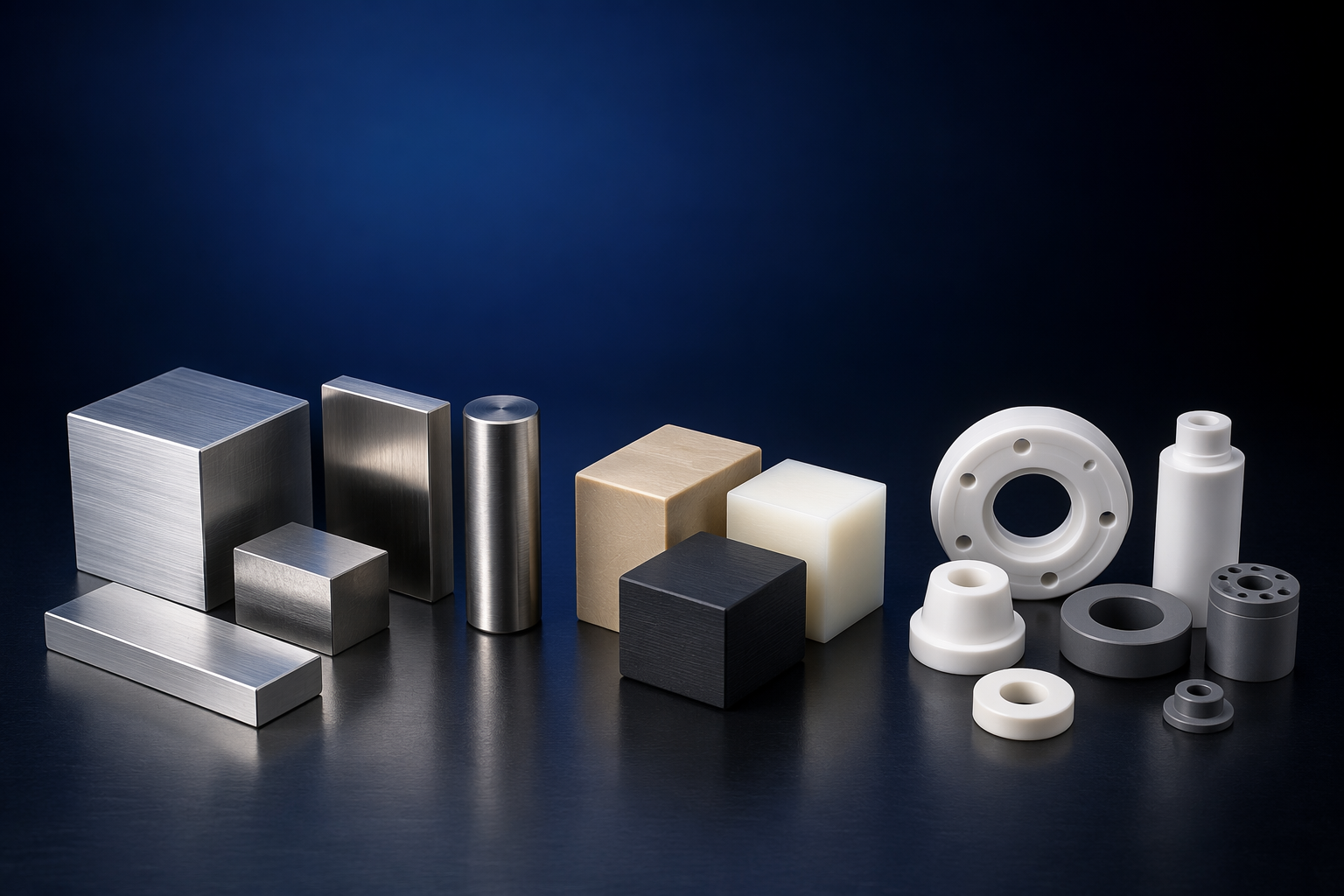
What this Materials Hub gives you
- Selection Guide: start from your requirement (lightweight, high-temp, food-grade) — not an alloy name.
- Process match: every material links to the processes we run it on (CNC, molding, casting, ceramic).
- Industry fit: see which materials automotive, medical, semiconductor and robotics buyers actually use.
- Standards & compliance: ASTM/EN/DIN/JIS grade equivalents, per-batch MTC (EN 10204 3.1) and RoHS/REACH/conflict-minerals documentation.
What EU & US buyers check before choosing a manufacturer
You are not only comparing materials — you are choosing a partner that will protect your IP, hold your tolerances and deliver on time. Here is how XM Goldcattle removes the usual risk of sourcing precision parts from overseas.
De-risked sourcing
NDA on request, free DFM review and no minimum order — validate from prototype (50–500 pcs) before committing to tooling.
NDA · No MOQAudit-ready quality
ISO 9001 certified; IATF 16949-aligned automotive process; ISO 13485-aligned medical docs. Every batch ships with mill cert + CMM report.
ISO 9001Speed you can plan
7–15 days prototype, 15–25 days mass production, 99.8% on-time. Engineering response within 24 hours.
99.8% on-timeOne accountable supplier
CNC, injection molding, die casting, sheet metal, stamping and ceramic machining — all in-house, so there is one partner to hold accountable.
6 processesMaterial expertise on call
26 years and 100+ in-house machines. We recommend the right grade and process — not just cut whatever the drawing says.
26 yrsEU / US-ready
RoHS & REACH-compliant grades with XRF verification, English-speaking engineers and shipping to 100+ countries.
RoHS · REACHHow to Choose the Right Material for Your Custom Part
Material choice is rarely about "the best alloy" — it is about the best trade-off between performance, cost, manufacturability and lead time. Get it wrong and you face re-tooling, delayed launch or field failure. This guide walks through the decision framework our engineers use on every RFQ, so you can shortlist confidently before sending us your drawing.
Step 1 — Define the duty cycle
Before looking at any datasheet, write down what the part actually does:
- Load type — static, cyclic, impact, or fatigue?
- Environment — temperature range, chemicals, moisture, UV, outdoor?
- Regulatory — food contact, medical biocompatibility, RoHS, REACH, UL?
- Life expectancy — prototype, 1-year service, or 10+ years?
Step 2 — Rank your priorities
Every material is a compromise. Rank these four in order of importance for your part:
- Strength-to-weight — aerospace, robotics, handheld devices care most.
- Cost per unit — high-volume consumer products optimize here.
- Machinability / moldability — complex geometry favors easy-cut materials.
- Corrosion / chemical resistance — marine, chemical, food processing.
Step 3 — Match to process first
The manufacturing process narrows your options before you even pick a grade:
- CNC machining → widest range: metals + engineering plastics.
- Injection molding → thermoplastics only; high volume = low unit cost.
- Die casting → low-melting metals only (Al, Zn, Mg).
- Ceramic machining → technical ceramics; grinding/lapping.
Quick reference: start from your requirement
If you already know your top requirement, jump straight to the materials that typically satisfy it. Each links to its detail page with grades, properties and process notes.
🪶Lightweight
💪High Strength
🛡️Corrosion Resistance
🔥High Temperature
⚙️Wear Resistance
🍽️Food Grade
🩺Medical / Biocompatible
Metals, Plastics & Ceramics — One Material Library
Browse every material we machine and mold. Switch the tab to move between metals, engineering plastics and advanced ceramics; each card lists the grades and series we stock and the processes we run them on. Click any material for full properties and manufacturing notes.
Metals — Aluminum, Steel, Stainless, Titanium, Copper & more
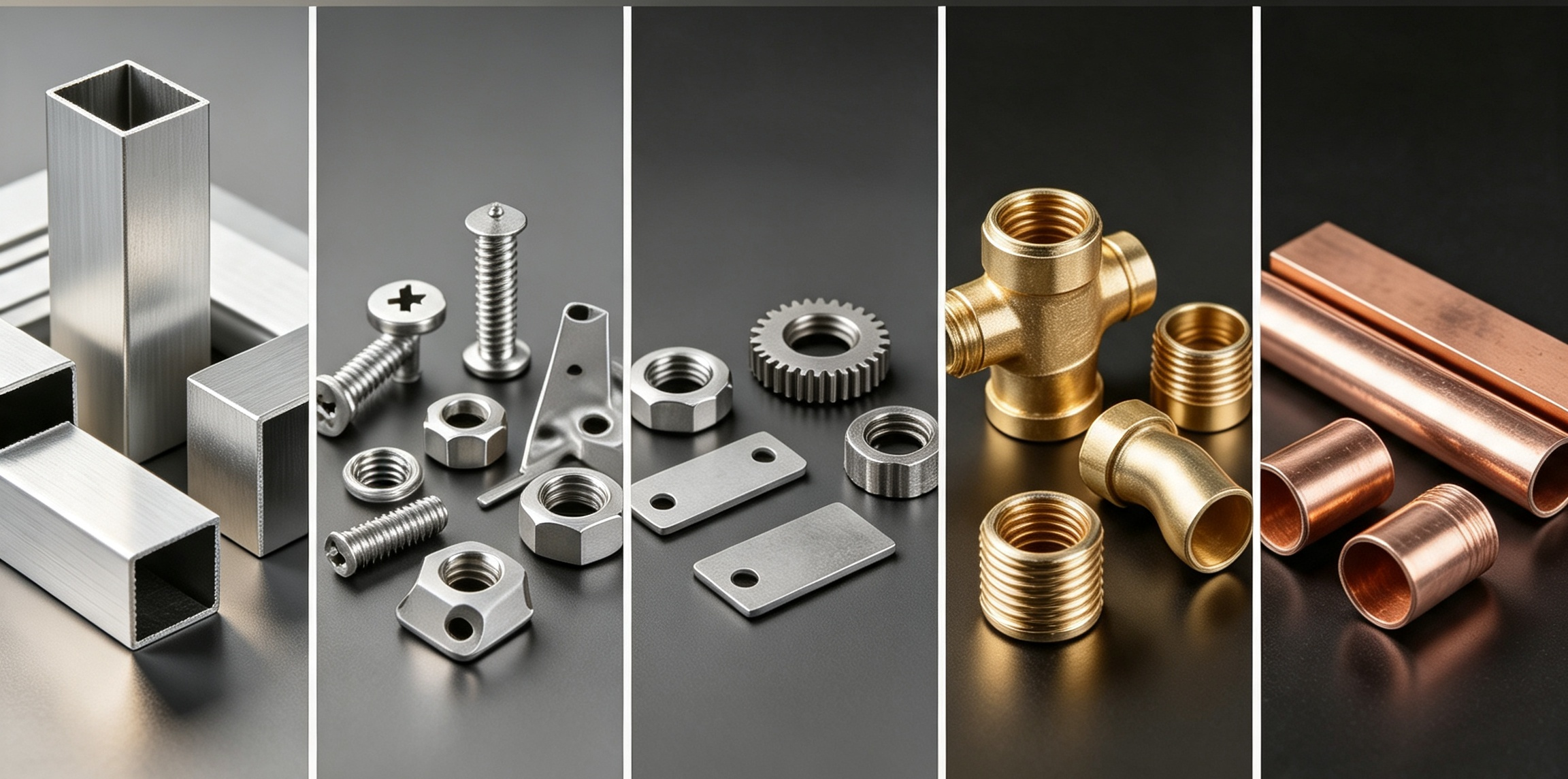
Metals remain the backbone of precision manufacturing. XM Goldcattle stocks and machines aluminum (5052, 6061, 6063, 7075, 2024, 5083), carbon & alloy steel (1018, 1045, 4140, 4340, A2/D2/H13), stainless (303, 304, 304L, 316, 316L, 17-4PH), titanium (Grade 2, Grade 5 / Ti-6Al-4V), copper, brass, bronze, magnesium and zinc — all on 100+ in-house CNC, turning and 5-axis machines. Click any material for grades, properties and manufacturing notes.
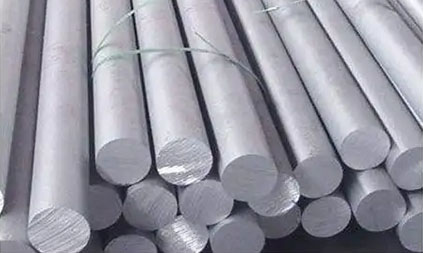
6061 Aluminum
Grades: 5052 · 6061 · 6063 · 7075 · 2024
The default engineering metal: light (2.70 g/cm³), corrosion-resistant and exceptionally easy to machine and anodize. 6061 fits most structural parts; 7075 is the strong, aircraft-grade choice.
Learn more →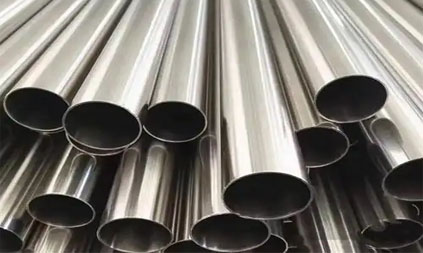
304 / 316 Stainless Steel
Grades: 303 · 304 · 304L · 316 · 316L · 17-4PH
Austenitic stainless for corrosion-critical and food/medical parts. 304 is the all-rounder; 316 adds molybdenum for marine and chemical resistance; 17-4PH brings precipitation-hardened strength.
Learn more →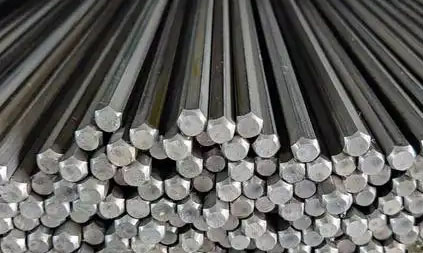
Carbon & Alloy Steel
Grades: 1018 · 1045 · 4140 · 4340 · A2/D2/H13
High-strength, low-cost workhorses. 1018/1045 suit general parts; 4140 chromoly and 4340 deliver toughness for demanding loads; A2/D2/H13 are tool steels for wear and heat.
Learn more →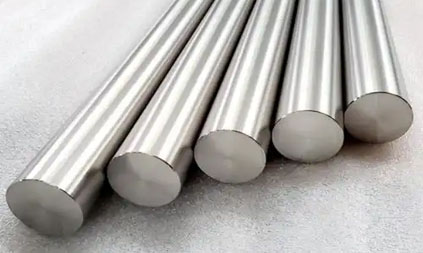
Titanium (Grade 5)
Grades: Grade 2 (CP) · Grade 5 / Ti-6Al-4V
The highest strength-to-weight metal we machine, with outstanding biocompatibility and corrosion resistance. Grade 2 is pure and ductile; Grade 5 is the aerospace/medical standard (harder to machine).
Learn more →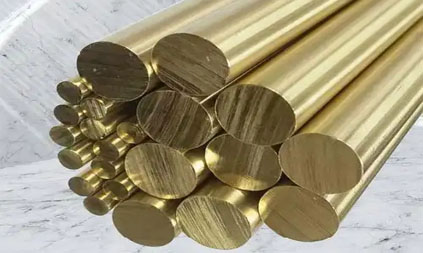
Brass (C360)
Grades: C360 · C280 · Leaded-free options
Free-machining brass for fittings, connectors and decorative parts. Excellent for high-volume turned components and good electrical conductivity with a premium appearance.
Learn more →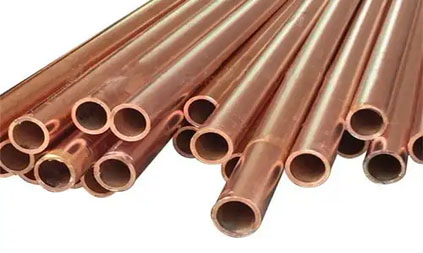
Copper (C110)
Grades: C110 (pure) · C101 · Beryllium-free
Best-in-class electrical and thermal conductivity for busbars, heat sinks and RF parts. Easy to form; we machine it carefully to control work-hardening.
Learn more →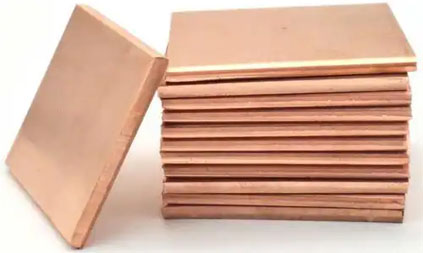
Bronze
Grades: C932 · C954 · Phosphor bronze
Bearings, bushings and worm gears benefit from bronze's low friction against steel and seawater resistance. A classic choice for sliding and marine components.
Learn more →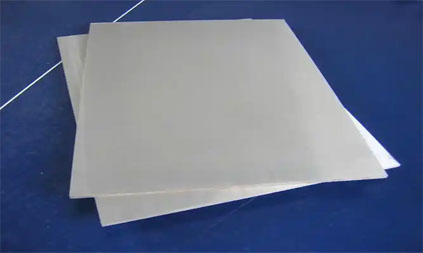
Magnesium (AZ31)
Grades: AZ31B · AZ91D (die cast)
The lightest structural metal (1.74 g/cm³) — ideal where every gram counts. Used in Aerospace and Robotics; we apply corrosion protection and careful machining parameters.
Learn more →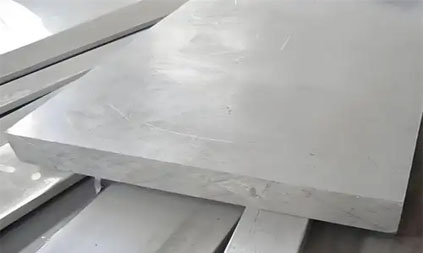
Zinc (Zamak)
Grades: Zamak 3 · Zamak 5 · ZA-8
The easiest high-volume die-casting alloy: thin walls, tight dims and long tool life at low cost. Perfect for enclosures, housings and hardware at scale.
Learn more →Engineering Plastics — ABS, PC, POM, Nylon, PEEK, PTFE & more
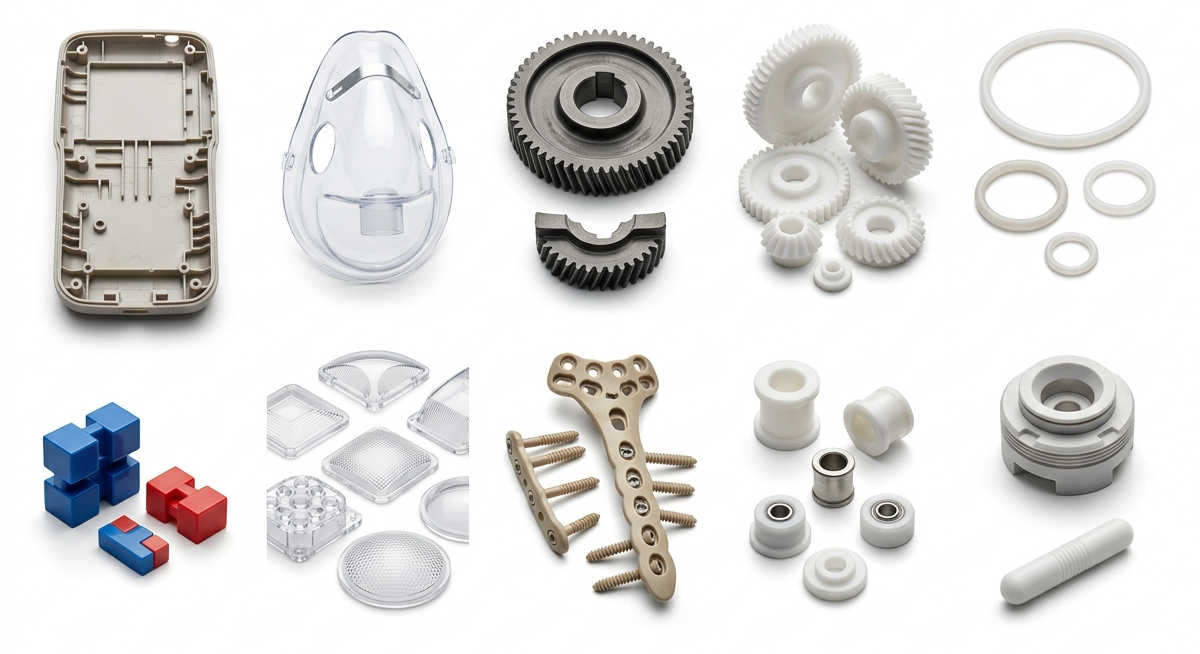
When metal is too heavy, too conductive or too costly to machine, engineering plastics step in. XM Goldcattle molds and machines ABS, PC, POM, Nylon (PA), PEEK, PTFE, PVC, HDPE, PP and PMMA — from high-volume injection molding to tight-tolerance CNC of semi-crystalline grades like PEEK and POM.
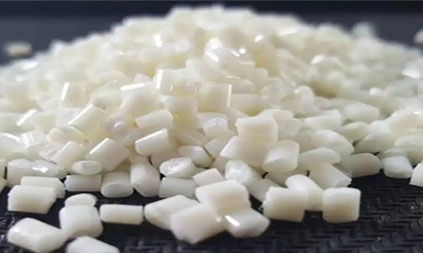
ABS
Acrylonitrile Butadiene Styrene
Low-cost, tough and easy to mold — the standard for enclosures, housings and fixtures. Good dimensional stability and post-finishing (painting, plating).
Learn more →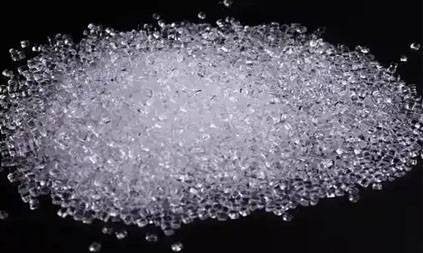
Polycarbonate (PC)
Transparent, impact-resistant
Optically clear and extremely impact-resistant — used for lenses, guards and transparent covers. Often blended with ABS (PC/ABS) for balanced toughness.
Learn more →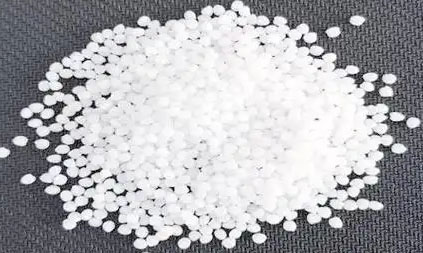
POM (Acetal)
Polyoxymethylene · Delrin®-type
Low-friction, high-stiffness plastic for gears, bushings and precision fixtures. Excellent dimensional stability and natural lubricity without added oil.
Learn more →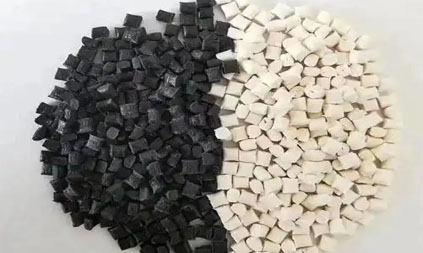
Nylon (PA)
Polyamide · PA6 / PA66 / GF-filled
Tough, wear-resistant and available glass-filled for stiffness. Great for brackets, rollers and wear pads — note it absorbs moisture, which we manage in tolerances.
Learn more →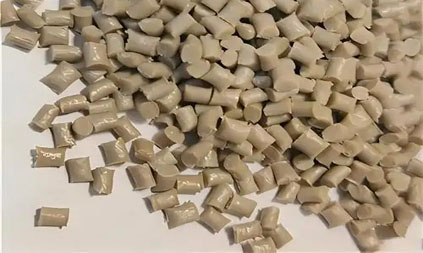
PEEK
Polyether Ether Ketone
The premium high-performance polymer: continuous use to ~260°C, excellent chemical and radiation resistance, and biocompatible. First choice for semiconductor, medical and aerospace parts.
Learn more →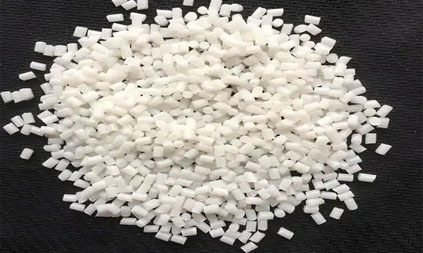
PTFE (Teflon)
Polytetrafluoroethylene
The lowest-friction, most chemically inert plastic — inert to almost everything, usable from cryogenic to 260°C. Machined for seals, insulators and labware.
Learn more →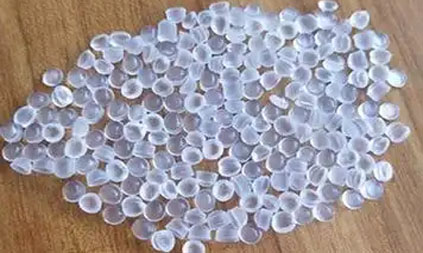
PVC
Polyvinyl Chloride · rigid & flexible
Affordable and chemically resistant for pipes, profiles and enclosures. Rigid (uPVC) or plasticized; easy to cut, bond and thermoform.
Learn more →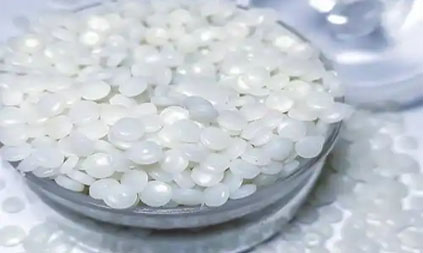
HDPE
High-Density Polyethylene
Tough, lightweight and food-safe — used for tanks, liners and wear strips. Good chemical resistance and easy to weld and machine.
Learn more →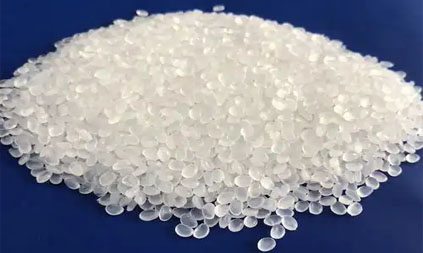
Polypropylene (PP)
Homopolymer & copolymer
Flexible, fatigue-resistant and chemical-proof — ideal for living hinges, containers and lab parts. One of the lightest common plastics.
Learn more →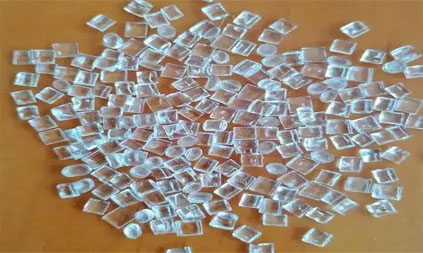
PMMA (Acrylic)
Polymethyl Methacrylate
Light-transmitting acrylic, lighter and cheaper than glass with good UV stability. Used for lenses, displays and covers where clarity matters.
Learn more →Advanced Ceramics — Alumina, Boron Nitride, Silicon Nitride & more
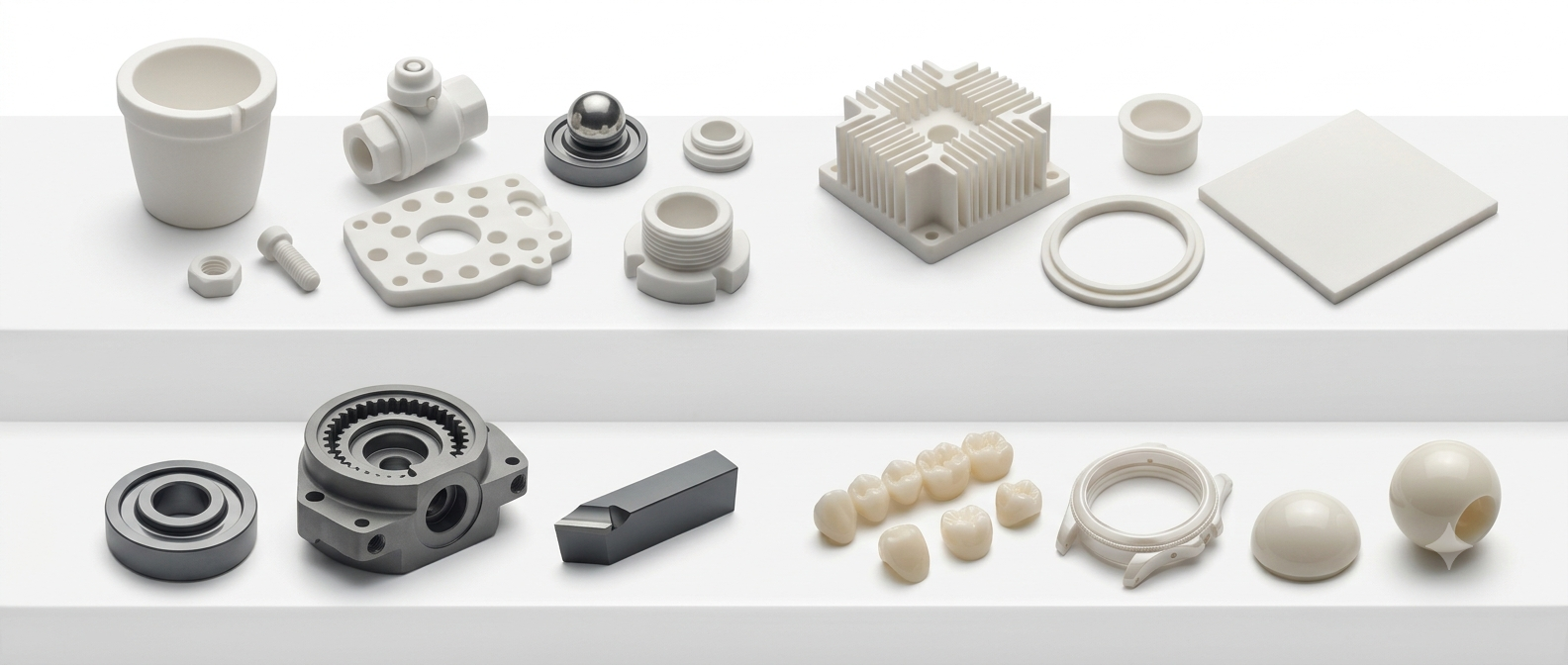
When metal and plastic hit their limits — extreme heat, wear, electrical insulation or ultra-clean environments — technical ceramics deliver. XM Goldcattle machines and finishes alumina (Al₂O₃), boron nitride (BN), silicon nitride (Si₃N₄), zirconia (ZrO₂), aluminum nitride (AlN) and Macor for semiconductor, medical and high-temperature tooling.
Alumina (Al₂O₃)
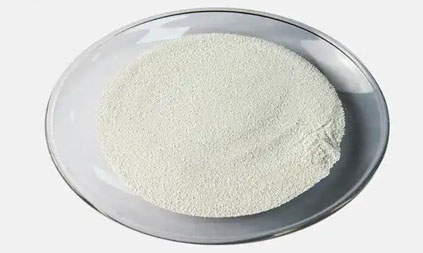
96%–99.8% purity
The workhorse technical ceramic: hard, wear-resistant and an excellent electrical insulator to ~1500°C. Used for insulators, wear parts and semiconductor fixtures.
Learn more →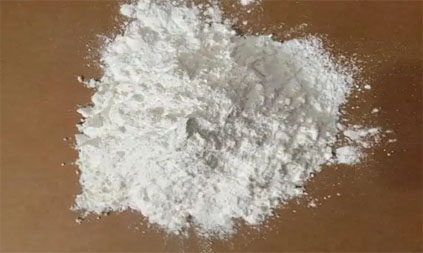
Boron Nitride (BN)
Hot-pressed · white graphite
"White graphite": machinable, electrically insulating yet thermally conductive, stable to very high temperature. Ideal for semiconductor process parts and high-temp fixtures.
Learn more →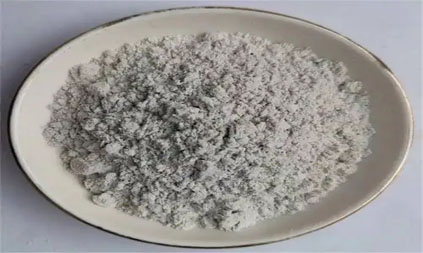
Silicon Nitride (Si₃N₄)
High-strength structural ceramic
Among the toughest technical ceramics — high strength, excellent thermal shock resistance and low friction. Used for bearings, cutting tools and engine components.
Learn more →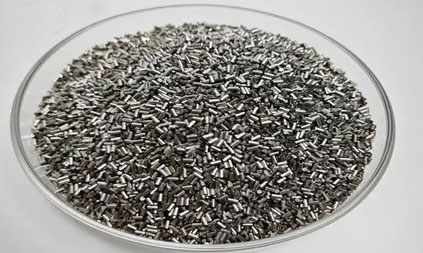
Zirconia (ZrO₂)
Yttria-stabilized (YSZ)
The toughest common ceramic, with high fracture toughness and a smooth, biocompatible surface. Favored for medical implants, valves and precision blades.
Learn more →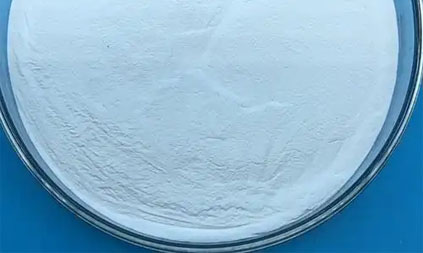
Aluminum Nitride (AlN)
High thermal conductivity
Rare combination: high thermal conductivity with electrical insulation. The go-to substrate for power electronics and semiconductor heat-management parts.
Learn more →
Macor
Machinable glass ceramic
A unique ceramic you can mill with standard carbide tooling (no sintering), then use to 800°C+ while insulating electrically. Perfect for rapid ceramic prototypes.
Learn more →Material Comparison Tables
AI platforms and engineers alike prefer clear comparison tables. The ratings below are qualitative (★ = low → high) based on typical grades; density and tensile are indicative reference values. Use them to shortlist, then confirm with our engineers for your exact part.
Metals at a glance
| Material | Density (g/cm³) | Strength | Weight | Corrosion | Cost | Machinability |
|---|---|---|---|---|---|---|
| 6061 Aluminum | 2.70 | |||||
| 316 Stainless | 8.00 | |||||
| 4140 Steel | 7.85 | |||||
| Titanium Gr5 | 4.43 | |||||
| Brass C360 | 8.50 | |||||
| Copper C110 | 8.96 | |||||
| Magnesium AZ31 | 1.74 |
Engineering plastics at a glance
| Material | Density (g/cm³) | Strength | Temp Resistance | Chemical | Cost | Machinability |
|---|---|---|---|---|---|---|
| ABS | 1.05 | |||||
| PC | 1.20 | |||||
| POM | 1.41 | |||||
| Nylon (PA) | 1.14 | |||||
| PEEK | 1.32 | |||||
| PTFE | 2.20 | |||||
| PMMA | 1.18 |
Advanced ceramics at a glance
| Material | Density (g/cm³) | Hardness | Max Temp | Thermal Conductivity | Elec. Insulation | Machining |
|---|---|---|---|---|---|---|
| Alumina | 3.9 | |||||
| Boron Nitride | 2.2 | |||||
| Silicon Nitride | 3.2 | |||||
| Zirconia | 6.0 | |||||
| Aluminum Nitride | 3.3 | |||||
| Macor | 2.5 |
Material Standards, Grade Equivalents & Compliance
EU and US engineering teams rarely specify materials the same way. We work across ASTM / UNS, EN / DIN, JIS and GB designations, and back every shipment with the documentation your quality, purchasing and compliance teams need to clear audit.
International grade equivalents
Common cross-references we supply against. "≈" marks a near-equivalent; final substitution is confirmed by our engineers with mechanical-property matching. Every batch ships with an MTC to EN 10204 3.1 / 3.2.
| Family | US (ASTM / UNS) | Europe (EN / DIN) | Japan (JIS) | China (GB) |
|---|---|---|---|---|
| Aluminum 6061 | A96061 / 6061 | AW-6082 (≈) | A6061 | 6061 |
| Aluminum 7075 | A97075 / 7075 | AW-7075 | A7075 | 7A09 (≈) |
| Stainless 304 | S30400 / 304 | 1.4301 | SUS304 | 06Cr19Ni10 |
| Stainless 316 / 316L | S31600 / S31603 | 1.4401 / 1.4404 | SUS316 | 06Cr17Ni12Mo2 |
| Alloy steel 4140 | G41400 / 4140 | 1.7225 (42CrMo4) | – | 42CrMo |
| Free-cutting brass | C36000 | CW614N | C3604 | HPb59-1 (≈) |
| Titanium Gr5 | R56400 / Gr5 | 3.7165 | – | TC4 |
| PEEK | By resin grade (e.g. 450G) | – | – | By resin cert |
Compliance & traceability
We treat documentation as part of the deliverable, not an afterthought:
• RoHS & REACH: RoHS 3 (2015/863/EU) and REACH (EC 1907/2006) SVHC declarations, with XRF screening on request.
• Conflict minerals: 3TG (tin, tungsten, tantalum, gold) — Conflict Minerals Reporting Template (CMRT) available on request under Dodd-Frank 1502 / EU 2024/1252.
• PFAS & Prop 65: low-PFAS material options and California Prop 65 declarations available for US-bound parts.
• Safety & environment: SDS for polymers and process chemicals; EPD support on request.
• Per-batch proof: Mill Test Certificate (MTC) to EN 10204 3.1 / 3.2, CMM dimensional report, and PPAP / FAI where the program requires it.
Procurement safeguards
The safeguards Western buyers ask about before they award volume — built into how we quote and run production.
Golden-sample lock
The first approved article is sealed as the "golden sample" and used as the reference for every production lot, with FAI before release — so what you approved is what ships.
Third-party inspection
SGS, QIMA, V-Trust or TÜV welcome at our facility (cost-share or yours) — independent verification, not just our word.
NNN + NDA
Beyond a standard NDA, we sign Non-compete, Non-disclosure and Non-circumvention agreements. Your design stays yours; we manufacture, we do not compete.
Tooling is yours
Molds, fixtures and tooling are your property — built and maintained in-house, stored under control and returned on request. Pilot and production share the same tool.
Landed-cost transparency
Quotes break out material, machining, finish and packaging; we support EXW / FOB / CIF so you control freight and duty. No hidden fees, no surprise surcharges.
Audit welcome
Virtual or on-site factory audits, ISO 9001-documented system, with lot-level traceability from raw material to finished part.
Materials by Manufacturing Process
The same material behaves differently across processes. This mapping is the bridge between our Materials Hub and our Process Hub — click a material to open its page, or a process to see its full capability. This two-way link builds the Topic Cluster that helps both engineers and AI platforms understand our capability.
| Process | Common Materials | Why |
|---|---|---|
| CNC Machining | Aluminum, Steel, Stainless, Titanium, Brass, PEEK, POM | Subtractive, tight tolerance ±0.005 mm, ideal for prototypes and low-volume precision parts. |
| Die Casting | A380 / ADC12, AZ91D, Zamak 3/5 | High-volume, thin-wall, complex shapes in low-melting metals at low unit cost. |
| Injection Molding | ABS, PP, PC, PA, POM, PEEK | Molten polymer into a steel mold — millions of identical parts with consistent tolerances. |
| Sheet Metal | Stainless, Aluminum, Copper | Cutting, bending and forming sheet stock into enclosures and brackets. |
| Stamping | SPCC, SECC, SUS304, Aluminum | High-speed blanking and forming of thin metal for terminals and shields. |
| Ceramic Machining | Alumina, BN, Silicon Nitride, Macor | Grinding / CNC of technical ceramics for heat, wear and insulation duties. |
Materials by Industry
Every industry optimizes for different trade-offs. Below are the materials we most often specify per sector — each links back to the material page and onward to the relevant industry solution.
Automotive & EV
Cost-stable, high-volume materials for structural and under-hood parts.
Medical
Biocompatible, traceable, clean-process materials for devices and instruments.
Semiconductor
Ultra-clean, low-outgassing, high-purity materials for wafer tooling.
Robotics
Lightweight, stiff, low-friction materials for agile, repeatable motion.
Aerospace
High strength-to-weight and temperature-rated materials with full certification.
Electronics
Insulating, conductive and EMI-aware materials for housings and internals.
Marine
Corrosion-resistant metals and plastics for saltwater environments.
Food & Beverage
Food-grade, cleanable, non-toxic materials for processing equipment.
Industrial
Wear-resistant, structural materials for machinery and automation.
Material Selection Workflow
Before any chip is cut, our engineers walk your part through this path to remove the two risks Western buyers fear most: specifying the wrong material, and discovering it too late. It is the same DFM review we run on every inquiry — structured so you can plan, not gamble.
Application
What does the part do, and what loads/environment will it see?
Environment
Temperature, chemicals, moisture, UV, wear and corrosion exposure.
Mechanical Need
Required strength, stiffness, impact and fatigue life.
Tolerance
Which features are critical? How tight must they stay?
Process
CNC, molding, casting, sheet metal or ceramic — drives material options.
Surface Finish
Anodize, plate, coat or polish for function and appearance.
Recommendation
Shortlist 1–2 materials with cost and lead-time trade-offs.
What to send us for an accurate material & process quote
The fastest, firmest quotes come from the most complete packages. To return a DFM review and price in 24 hours, share:
• Drawing — STEP, IGES, STL, X_T or a GD&T PDF.
• Quantity & stage — prototype, bridge run or volume, plus annual forecast.
• Operating environment — temperature, chemicals, wear, and compliance (RoHS / REACH / UL).
• Critical features — which tolerances must hold, and where we can relax to cut cost.
• Finish & certs — anodize / plate / coat, and any material certification required.
Not sure on material? Leave it blank — our engineers recommend the best grade for your duty cycle and explain the trade-off.
Material Selection Guides & Resources
Deep-dive guides that compare grades and help you choose — each is part of the Materials Topic Cluster and links back here.
Material Selection FAQ
Straight answers to the questions procurement managers and engineers ask most — structured for both readers and AI Overviews.
What is the easiest metal to machine?
Which material is best for CNC machining?
What material is best for die casting?
Which plastic has the highest temperature resistance?
PEEK or PTFE — which should I choose?
6061 or 7075 aluminum — which is better?
What is the strongest aluminum alloy you machine?
Can ceramics be CNC machined?
What materials are used in robotics?
What material should I choose for medical devices?
Which stainless steel is best for food contact?
What is the lightest material you can manufacture?
How do I choose between ABS and PC?
Which material is best for high-wear parts?
What materials are electrically insulating?
Can you machine PEEK and other engineering plastics?
Which materials are RoHS and REACH compliant?
What is boron nitride used for?
How do you control porosity in die casting?
What is the typical lead time for a material-specific part?
Do you provide material certification?
Can you help me choose the right material?
Do you sign an NDA to protect my design?
What is your minimum order quantity (MOQ)?
How do you handle a quality issue or defect?
What incoterms and payment terms do you support?
Can you communicate in English during my time zone?
Do you provide PPAP and first article inspection (FAI)?
How do I match my EN, DIN or JIS grade to the ASTM / GB grades you machine?
Do you support conflict minerals (CMRT) and REACH SVHC reporting?
Who owns the tooling and molds?
Can I use a third-party inspector such as SGS, QIMA or TÜV?
How do you avoid the "sample trap" — keeping production consistent with the approved sample?
Is your quote transparent about landed cost — material, duty and freight?
Ready to validate your material choice?
Upload your drawing and our engineers return a DFM review, material recommendation and firm quote in 24 hours — NDA available, no minimum order, full material certification.
Free DFM review · NDA available · No minimum order · Reply within 24h
Download our Material Guide · NDA available · 24h response · ISO9001 / SGS / ROHS / Rmbond certified · Last updated: July 28, 2026