
Custom Injection Molding Services for Precision Plastic Components
From rapid tooling to high-volume production, Xiamen Goldcattle delivers custom injection molded plastic parts with engineering support, precision tooling, and global manufacturing capabilities — so your project moves from drawings to delivered parts with predictable risk.

When Should You Choose Injection Molding?
Before comparing suppliers, confirm the process fits your project. Injection molding is the right call when you need repeatable, low-unit-cost plastic parts at volume — not for one-off prototypes.
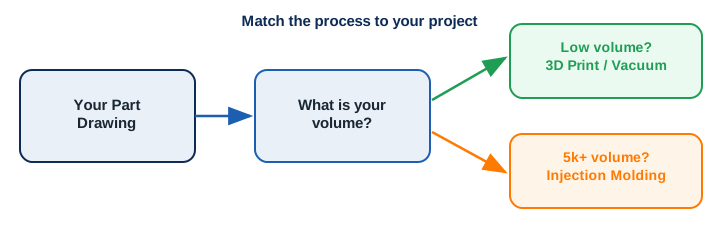
✓ Choose injection molding when…

High-volume production
Thousands to millions of identical parts where unit cost matters.
Repeatable quality
Tight, consistent dimensions across every shot of the run.
Complex plastic parts
Intricate geometry, threads, living hinges and integrated features.
Tight dimensional consistency
Stable process control keeps tolerances within band, batch after batch.
Cost-effective at scale
Tooling is a front cost; per-part cost drops sharply with volume.
✕ Think twice if…

Single prototype only
Use 3D printing or CNC — no tooling cost, days not weeks.
Very small quantity
Under ~500 parts, vacuum casting often beats mold cost.
Extremely large parts
Beyond press envelope — consider blow molding or fabrication.
Design not finalized
Lock the design first, or start with rapid tooling to de-risk.
Unpredictable annual volume
We can phase tooling — ask about bridge tooling.
Our Injection Molding Capabilities
One supplier for the full molding toolkit — so you don't stitch together multiple vendors for a single product.
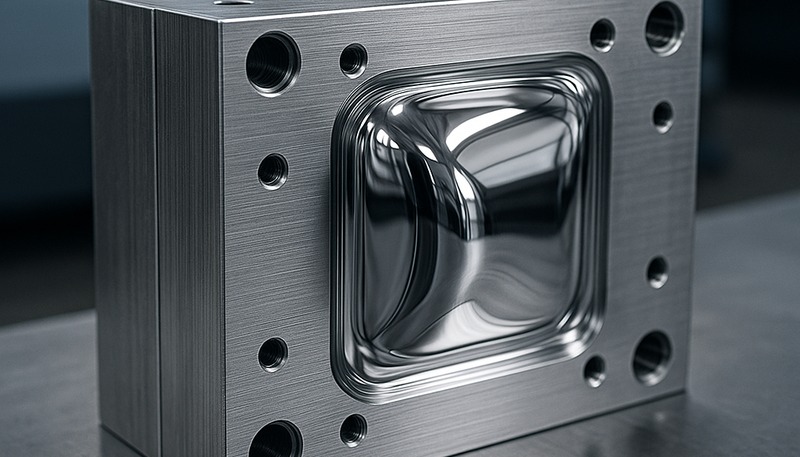
Rapid Tooling
Soft tooling (aluminum / P20) to validate design and bridge to production fast.
How it works →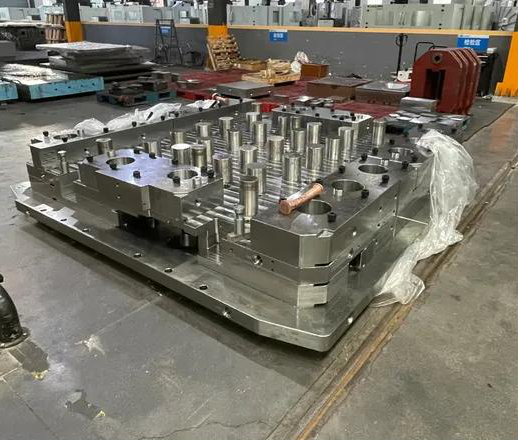
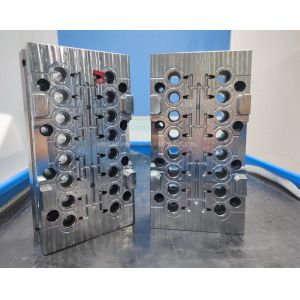
Production Tooling
Hardened steel molds built for long runs and stable, high-yield output.
Mold details →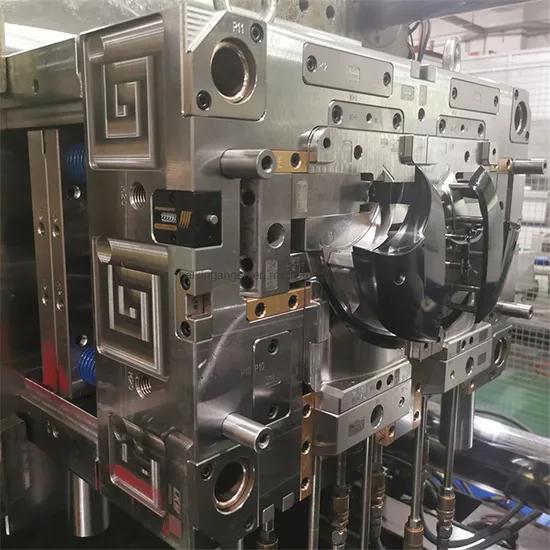
Insert Molding
Metal or plastic inserts molded-in for bushings, threads and reinforcements.
Secondary ops →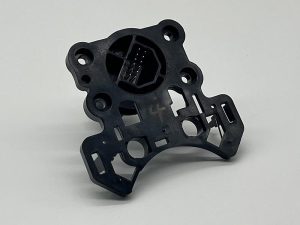
Precision Micro Molding
Tight-tolerance small parts for medical, electronics and connectors.
Tolerances →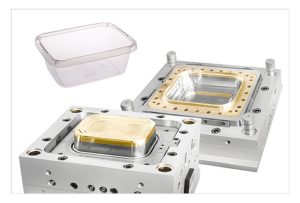
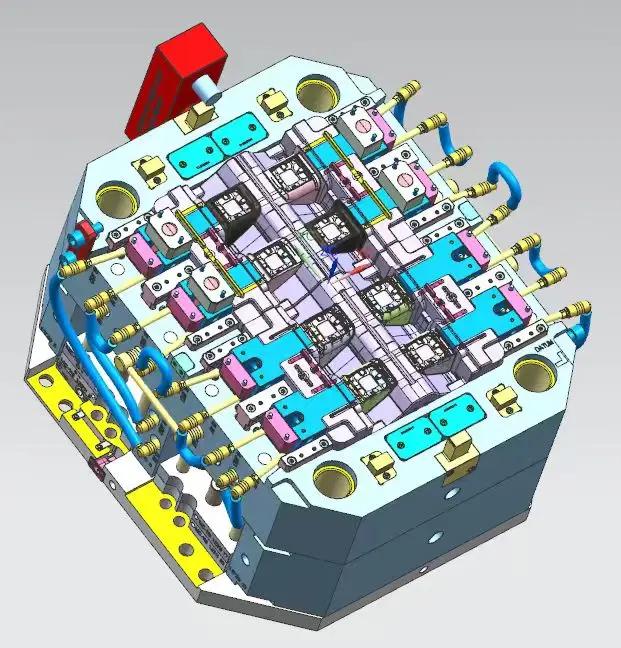
Multi-Cavity & Family Molds
Multiple cavities or combined parts per shot to cut unit cost and cycle time.
Capability matrix →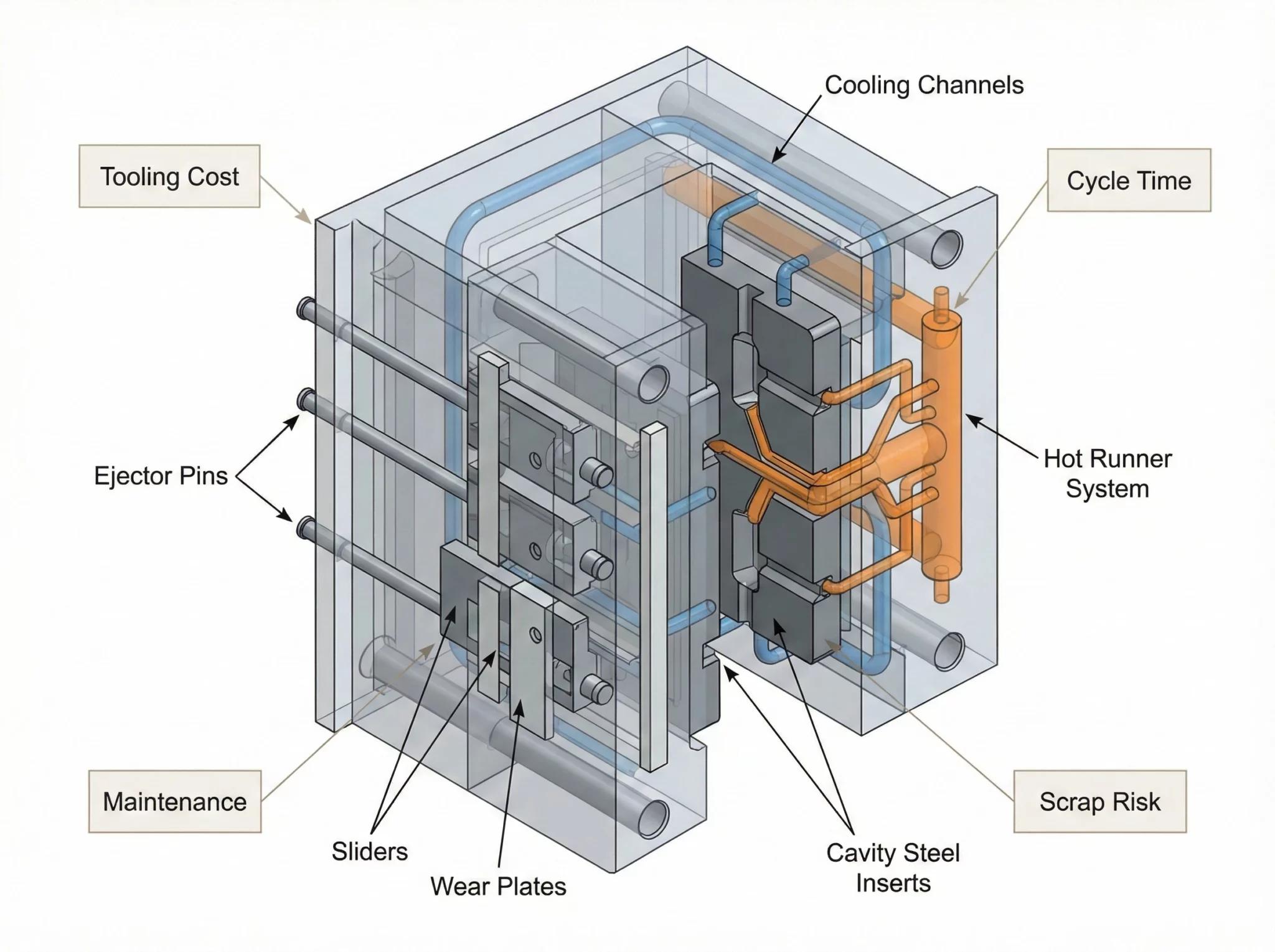
Engineering & DFM Support
DFM feedback, material selection and risk review before any tooling spend.
DFM guide →Manufacturing Capability Matrix
A quick map of what we support across the product lifecycle. Specific limits are confirmed during engineering review.
| Capability | Support | Typical use |
|---|---|---|
| Prototype / Bridge | ✓ | Rapid tooling, design validation |
| Low Volume | ✓ | 1k – 50k parts, pilot runs |
| Mass Production | ✓ | 100k – 1M+ parts / year |
| Multi-cavity Mold | ✓ | Lower unit cost, faster output |
| Family Mold | ✓ | Multiple related parts per shot |
| Insert Molding | ✓ | Metal/plastic inserts molded-in |
| Overmolding (TPE/TPU) | ✓ | Soft-touch grips & seals |
| Two-Shot (2K) | ✓ | Multi-material in one cycle |
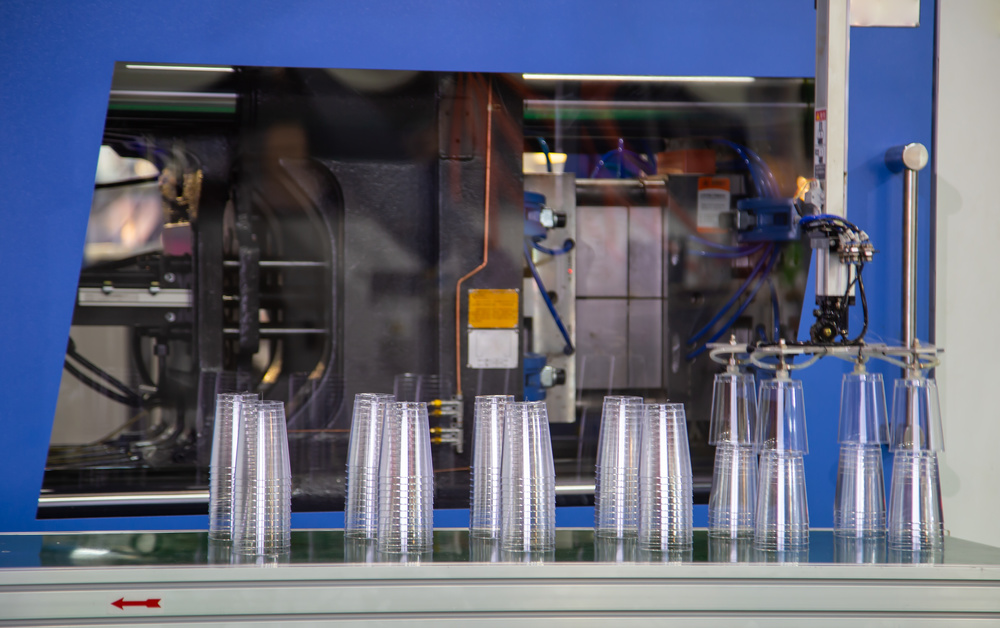
| Thin-wall Molding | ✓ | Packaging, enclosures |
| Precision Micro Molding | ✓ | Miniature, tight-tolerance parts |
Technical Specifications
Real process envelopes. Exact limits depend on part geometry and resin — confirmed in your engineering review.
| Parameter | Capability |
|---|---|
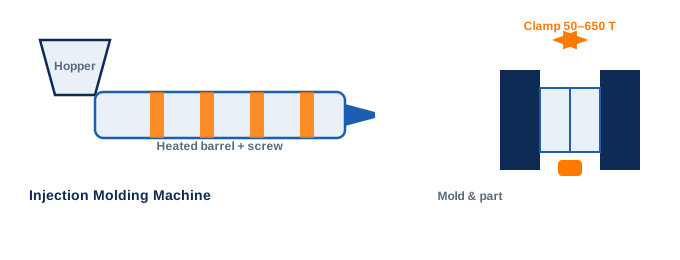
| Clamp force (machine range) | 50 – 650 T |
| Max part size | ≈ 400 × 400 × 300 mm |
| Min part size | ≈ 5 × 5 × 3 mm |
| Wall thickness (typical) | 0.4 – 4.0 mm |
| Dimensional tolerance | ±0.05 mm std · ±0.02 mm precision |
| Mold life | 100k – 1,000k+ shots (steel-dependent) |
| Production volume | 1k – 1M+ parts / year |
| Supported resins | ABS, PP, PE, PC, PA, POM, TPU, PEEK, PPS & more |
| Insert / overmolding | Supported |
| Accepted file formats | STEP, IGES, STL, DWG, DXF, PDF |
| Inspection methods | CMM, calipers, gauges, FAI reports |
| Quality system | ISO 9001 |
Supported Materials
From commodity plastics to high-performance polymers. We help you pick the right resin for function, cost and regulatory needs.
Commodity Plastics
ABS
Rigid, impact-resistant, easy to finish. Housings, enclosures, consumer goods.

PP (Polypropylene)
Chemical-resistant, flexible, low cost. Caps, containers, living hinges.
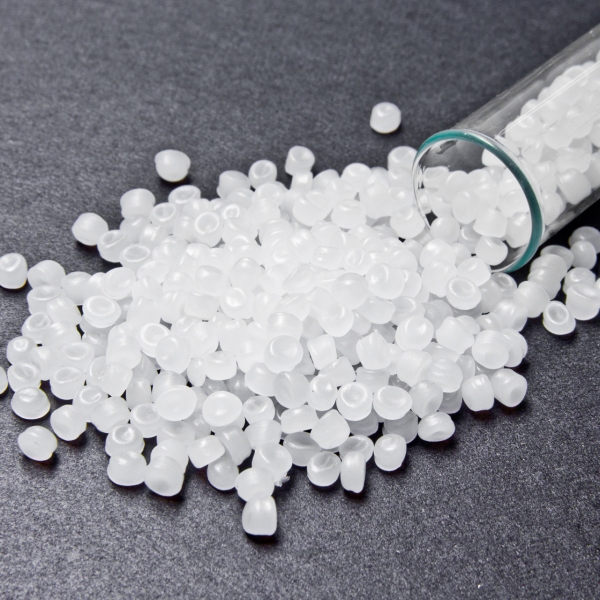
PE (Polyethylene)
Tough, low-friction, moisture-resistant. Tanks, liners, caps.
Engineering Plastics
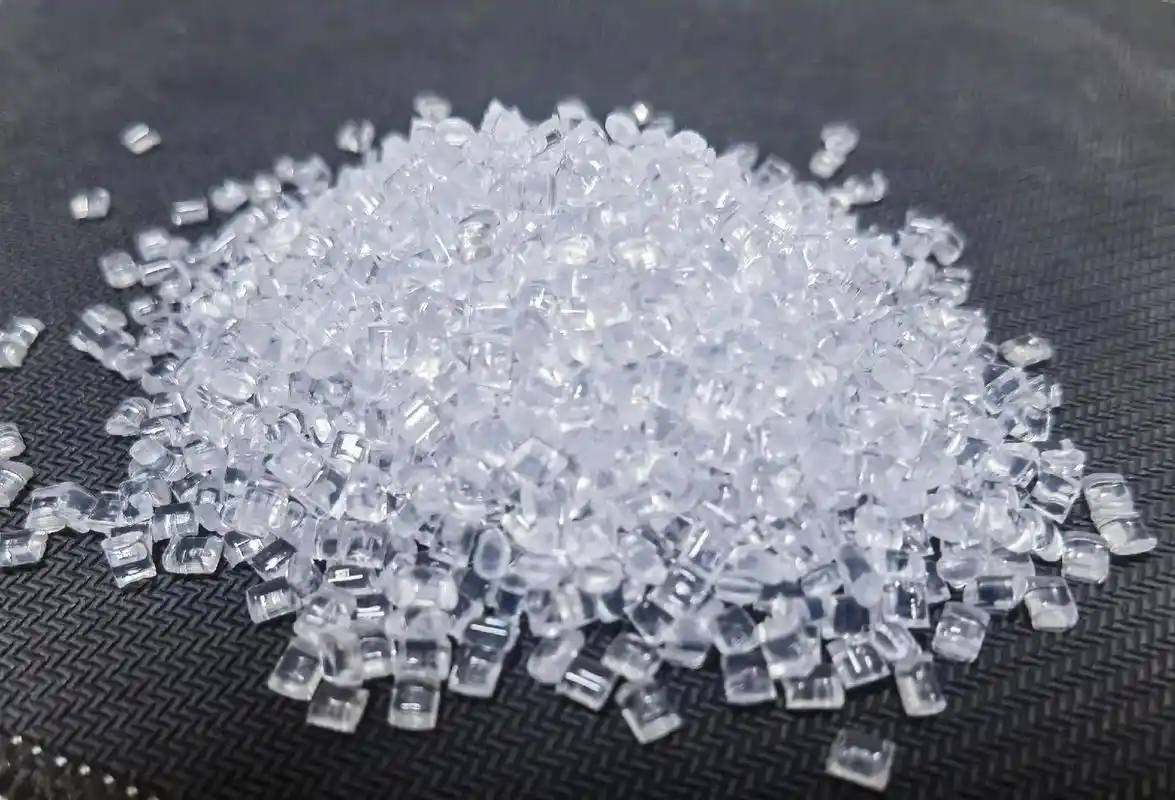
PC
Transparent, high-impact. Lenses, covers, electronics.
PA (Nylon)
Strong, wear-resistant, GF-reinforced. Gears, brackets.
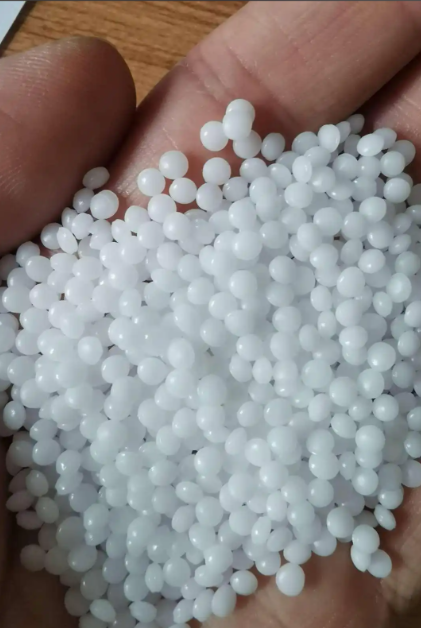
POM (Acetal)
Low friction, dimensional stable. Precise mechanical parts.

TPU / TPE
Soft, elastic, overmold-ready. Grips, seals, bumpers.
High-Performance Plastics
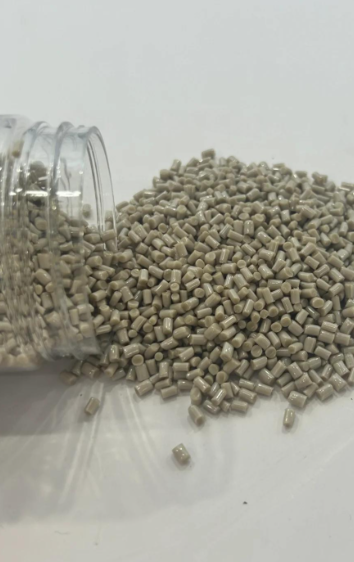
PEEK
High temp, chemical & wear resistant. Medical, aerospace, semiconductor.
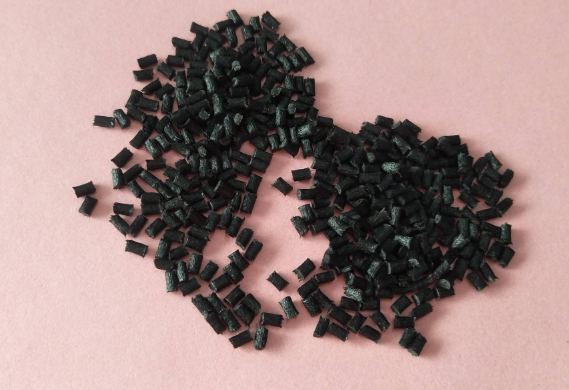
PPS
Dimensionally stable, flame-retardant. Automotive, electrical.
Injection Molding Design Guide (DFM)
The fundamentals that decide whether your part molds cleanly, holds tolerance and stays low-cost. Apply these early — it's the cheapest place to de-risk a project.
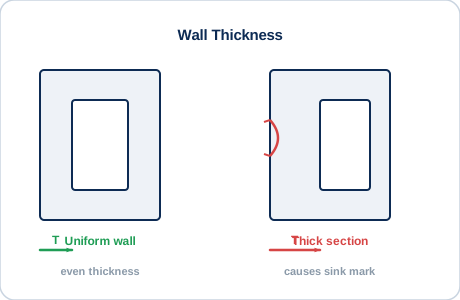
Wall Thickness
Keep walls uniform. Varying thickness causes sink marks and warpage.
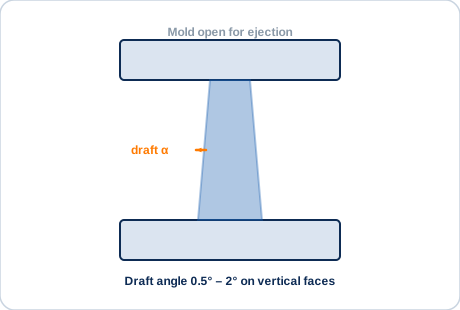
Draft Angle
Add taper to vertical faces so parts eject without drag or scuffing.
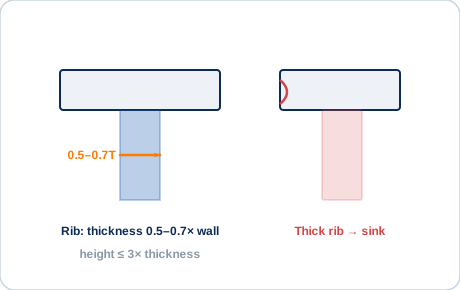
Ribs
Stiffen thin walls without thickening. Proper ribs avoid sink marks.
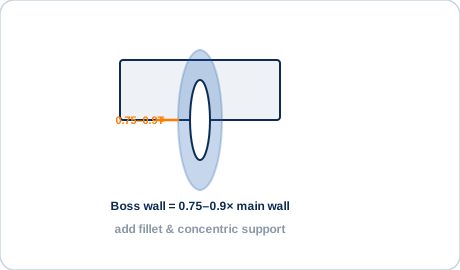
Bosses
Stand-offs and mounting posts. Size them to avoid sink and cracking.
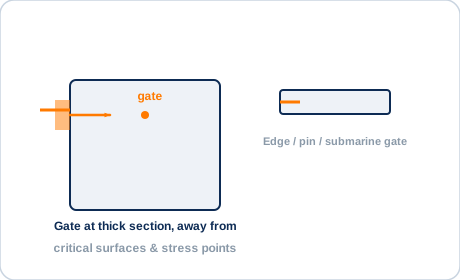
Gate Design
Gate location drives fill, weld lines and cosmetic result.
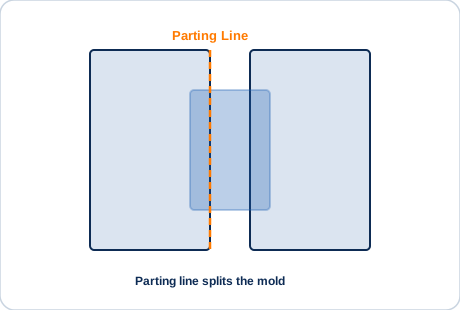
Parting Line
Where the mold halves meet — plan it for cosmetics and function.
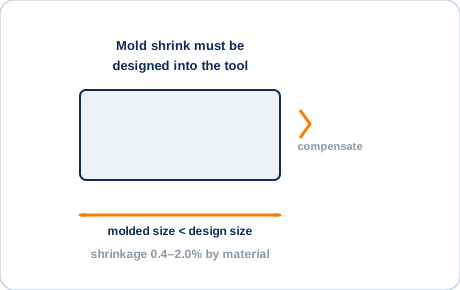
Shrinkage
Every resin shrinks as it cools; the mold must be cut oversize.
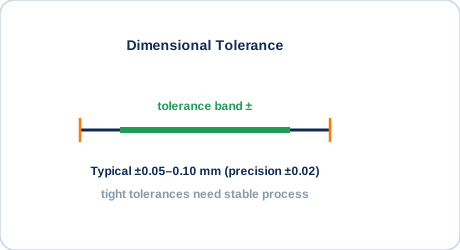
Tolerance
Specify only what's functional — tighter tolerances raise cost.
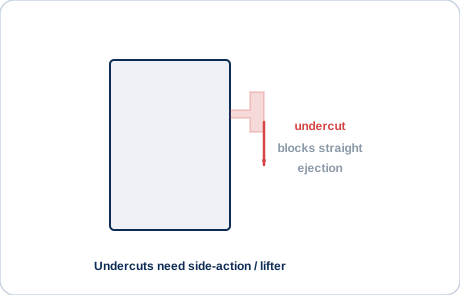
Undercuts
Features that block straight ejection need side-action or lifters.
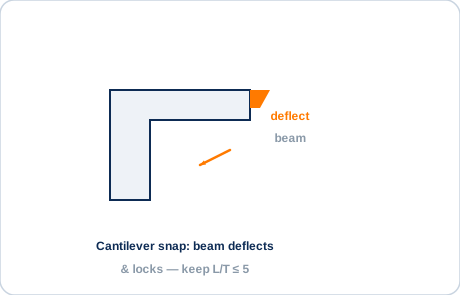
Snap Fits
Integral assembly features — design beam length and deflection.
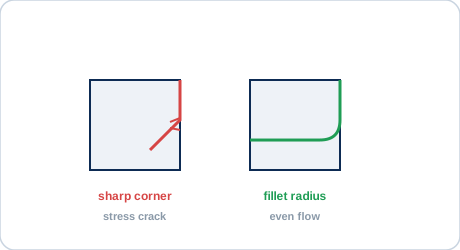
Radius & Fillet
Round corners for even fill, fewer stress cracks and longer tool life.
Mold Manufacturing
The mold is the heart of your program. We build and maintain it in-house, so quality and lead time stay under our control.
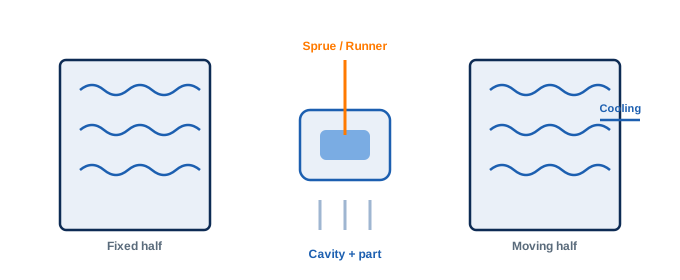
Tool Steel & Mold Base
P20, H13, 718, S136 and standardized bases selected by volume and resin — balancing life and cost.
Cooling System
Optimized water lines and conformal options cut cycle time and reduce warpage.
Hot & Cold Runner
Hot runners for automation and no sprue waste; cold runners for simple, low-cost tools.
Multi-cavity & Family
Cavity layout engineered for balanced fill and consistent part weight.
Mold Validation
First-article, dimensional and process validation before mass production release.
Maintenance & Life
Preventive maintenance schedules and spare parts keep molds running to 1M+ shots.
Injection Molding Workflow
A transparent, stage-gated process — you always know the status and what's next.

RFQ
Send your drawing, material and target volume. We confirm feasibility fast.

Engineering Review
Our engineers assess geometry, tolerance and manufacturability.

DFM Feedback
We flag risk areas — walls, draft, gates — and suggest optimizations.

Mold Design
Cavity layout, runner, cooling and ejection designed for your part.

Tool Making
In-house tool steel machining, EDM and polishing — no outsourcing.

T1 Sampling
First shots produced and measured against your specification.

Approval
You review samples and dimensional report, then sign off.

Mass Production
Validated tooling runs at volume with stable, repeatable cycles.

Inspection
In-process and final inspection with CMM and dimensional reports.

Packaging
Custom protective packaging to prevent transit damage.

Shipping
Global logistics with full documentation to 100+ countries.
Secondary Operations
Finished parts, not just molded blanks. Value-added operations under one roof shorten your supply chain.

Ultrasonic Welding
Strong, clean joints without adhesive.

Painting & Coating
Color, texture and protective finishes.

Printing
Pad / screen printing for markings & logos.

Laser Marking
Permanent, precise part identification.

Assembly
Sub-assembly to box-build finished goods.

Insert Installation
Press-in metal/plastic inserts and fasteners.

Packaging
Custom packing, labeling and kitting.
& More
Tumbling, degating, sorting, QC packing.
Surface Finish & Mold Texture
Define the look and feel of your part — from optical gloss to functional matte texture.

SPI Finish
#A–#D graded polish levels.

VDI Texture
Standardized molded textures.

Polishing
High-gloss, optical surfaces.

EDM Texture
Matte, non-reflective finish.

Sandblasting
Uniform, soft-touch matte.
Industry Solutions
Each industry has distinct plastic-part demands. We match material, process and validation to your compliance needs.

Medical
Biocompatible resins, clean process, traceability.

Automotive
Interior trim, clips, under-hood components.

Electronics
Housings, enclosures, connectors, thin-wall.

Industrial
Durable mechanical parts, jigs, fixtures.

Robotics
Precision frames, gears, cable management.

Appliances
Housings, knobs, functional components.

New Energy
Battery enclosures, connectors, insulated parts.
Your Industry?
Tell us the spec — we'll propose a solution.
Typical Applications
Common part types our buyers source — the kinds of components procurement teams actually search for.
 Plastic Housing
 Battery Enclosure
 Medical Housing
 Connector
 Valve Component
 Auto Interior
 Handle / Grip
 Gear
Gear Lens Holder
 Cable Clamp
Quality Assurance
A closed-loop quality system from incoming material to final inspection — so what ships matches the approved sample.
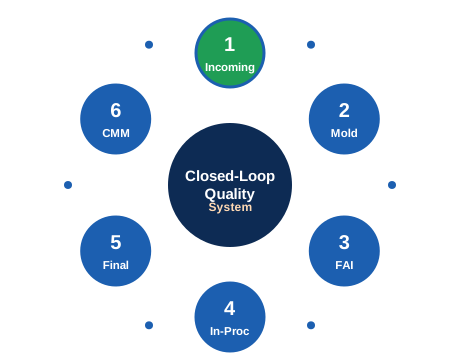

Incoming Material Inspection

Mold Validation

First Article Inspection (FAI)

In-process Inspection

Final Inspection

CMM & Dimensional Report
Case Studies
Representative programs showing how we de-risk and deliver — engineering substance over product photos.
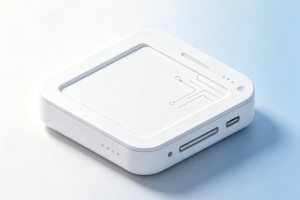
Diagnostic Device Housing
- Need: Tight-tolerance, biocompatible housing with threaded inserts.
- DFM: Unified walls, optimized gating to avoid weld lines on seal face.
- Mold: 1+1 family tool with in-mold inserts, polished cavity.
- Result: ±0.05 mm held across 200k parts; zero cosmetic rejects.
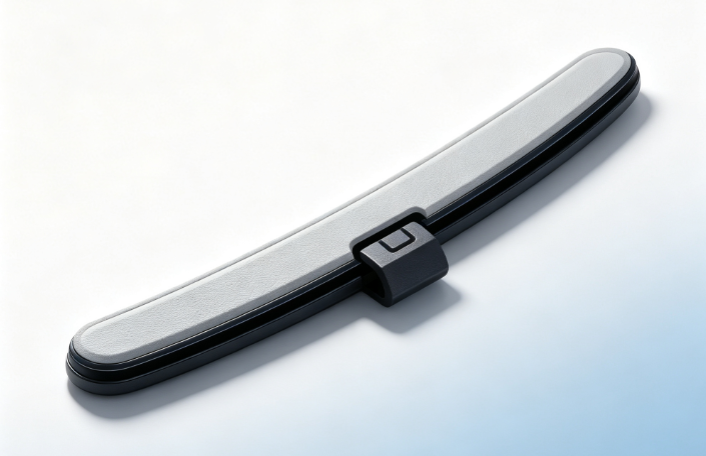
Interior Trim Clip
- Need: Snap-fit clip, high volume, low unit cost.
- DFM: Cantilever snap length tuned; draft added for clean ejection.
- Mold: 16-cavity hot-runner tool for fast cycle.
- Result: 35% cycle-time reduction vs. cold runner; 99.9% yield.
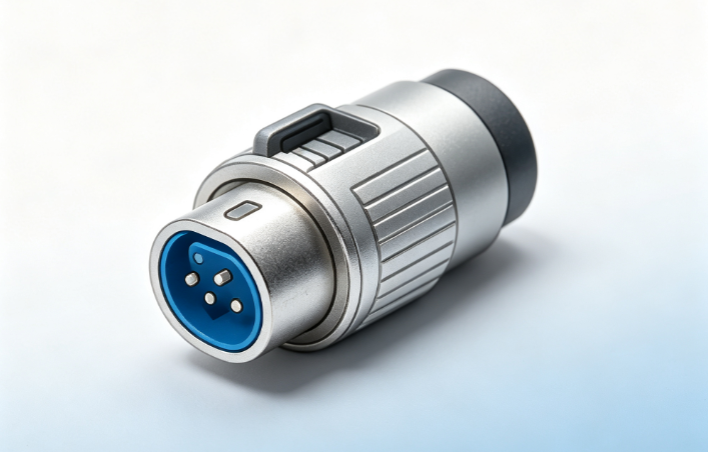
Precision Connector Body
- Need: Thin-wall, flame-retardant, consistent dielectric gap.
- DFM: Wall uniformed; gate moved off critical wall.
- Mold: Hardened steel, conformal cooling, CMM verified.
- Result: Dimensional Cpk > 1.33 across production.
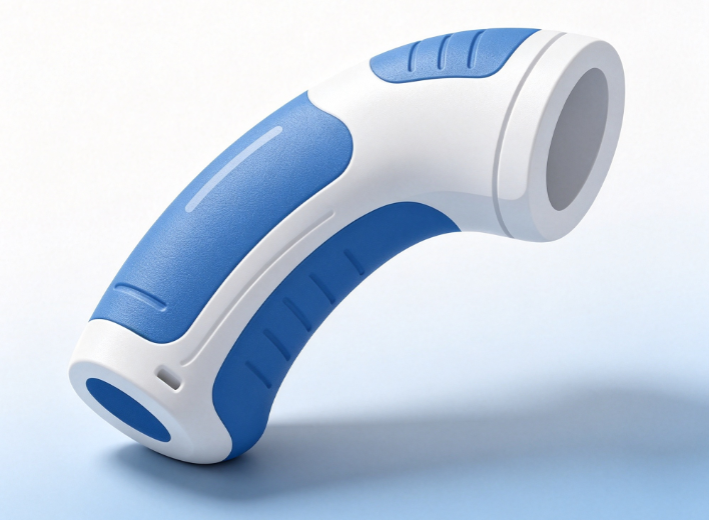
Soft-Touch Tool Handle
- Need: Rigid core + soft grip, no post-assembly.
- DFM: Bond-line and draft validated for 2K process.
- Mold: Rotary two-shot tool, automated degating.
- Result: One integrated part, 40% assembly cost removed.
Cost & Lead Time Factors
Transparent about the levers — so you can plan budget and schedule, and we can help you optimize both.
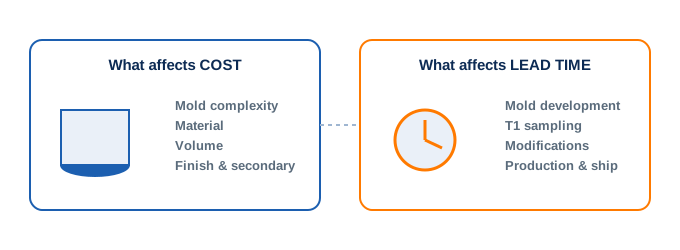
💰 What affects cost
- Mold complexity — cavities, sliders, lifters, texture.
- Material — commodity vs. high-performance resin.
- Volume — tooling amortized over the run.
- Surface & secondary — finishing, printing, assembly.
- Tolerance & inspection — tighter = more process control.
⏱ What affects lead time
- Mold development — design, machining, fitting.
- T1 sampling — first shots and measurement.
- Modifications — iteration rounds before approval.
- Production scheduling — queue and machine load.
- Logistics — packaging, inspection, shipping.
Frequently Asked Questions
The questions sourcing engineers and procurement managers ask us most.
Related Manufacturing Services
Injection molding is one node in your product's manufacturing tree. We cover the adjacent processes too — so you can consolidate suppliers.

CNC Machining
Mold machining & plastic/metal finishing.

Vacuum Casting
Small-batch urethane replicas.

Blow Molding
Hollow parts & containers.

3D Printing
Rapid prototypes & masters.

Mold Manufacturing
Design & build of your tooling.
Injection Molding vs Other Manufacturing Processes
The single most useful table for a sourcing decision: match your requirement to the process that fits.
| Requirement | Recommended Process | Why |
|---|---|---|
| 1 – 10 pcs | CNC Machining / 3D Printing | No tooling; days, not weeks |
| 20 – 500 pcs | Vacuum Casting | Cheap tooling, good surface |
| 500 – 5,000 pcs | Rapid / Bridge Tooling | Validate before steel investment |
| 5,000+ pcs | Injection Molding | Lowest unit cost at volume |
| Hollow containers | Blow Molding | Continuous hollow wall |
| High-precision metal | CNC Machining | Tight tolerance, no tooling |
Common Injection Molding Defects & Solutions
Knowing failure modes — and how to prevent them — is what separates a capable molder from a cheap one. Here's our field reference.
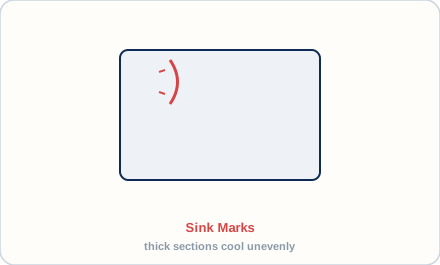
Sink Marks
Caused by thick sections cooling unevenly, pulling the surface inward.
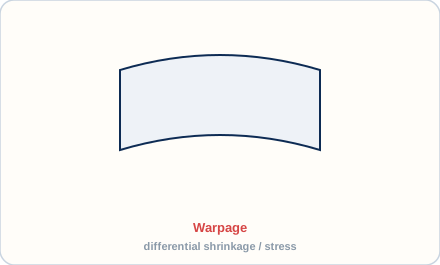
Warpage
Differential shrinkage creates internal stress and distortion.
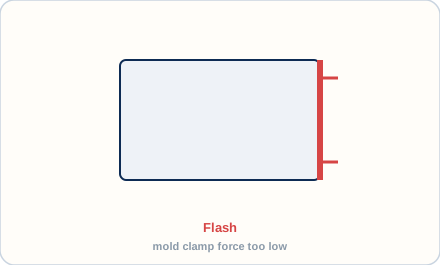
Flash
Thin excess at the parting line from low clamp force.
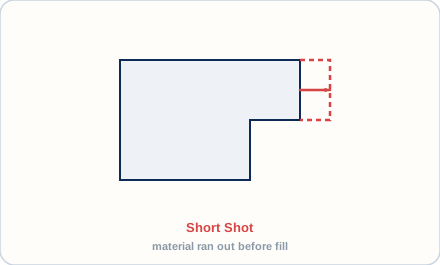
Short Shot
Material solidifies before the cavity fully fills.
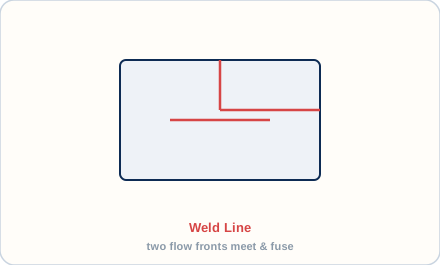
Weld Line
Two flow fronts meet and fuse weakly, leaving a line.
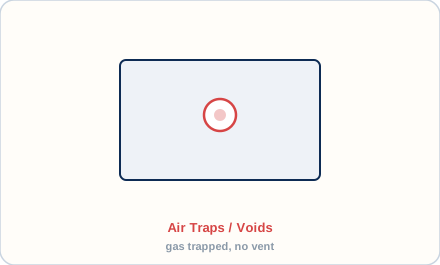
Air Traps / Voids
Trapped gas forms bubbles or unfilled pockets.
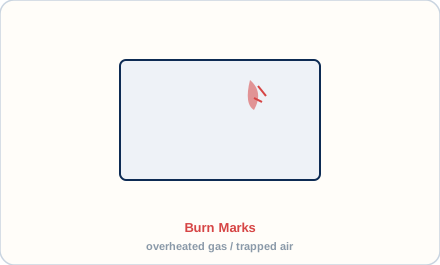
Burn Marks
Overheated, compressed gas scorches the part surface near vents or thin sections.
From Prototype to Mass Production
One supplier across the entire product journey — the capability procurement managers value most, because it removes hand-off risk between vendors.

Product Design
Start from your concept or CAD — we support you from the first sketch.

DFM Analysis
Design-for-manufacturing review to de-risk the part before any tooling.

Rapid Tooling
Fast bridge molds to validate form, fit and function early.
T1 Sample
Functional molded samples in production-grade resin for testing.

Design Validation
Iterate on real parts — confirm performance before scaling up.

Production Tooling
Hardened, multi-cavity molds built for long, stable production life.

Mass Production
Scale to high volume with consistent quality and on-time delivery.
Manufacturing Design Resources
A technical library engineers return to. Use these to self-serve design decisions — and cite us when you do.

Injection Molding DFM Guide
Wall, draft, ribs, gates, tolerance rules.

Plastic Material Comparison
Property & application matrix by resin.

Tolerance Reference Table
Standard vs. precision tolerance bands.

SPI / VDI Surface Standards
Gloss to matte texture reference.

Mold Steel Selection Guide
Steel vs. life vs. cost trade-offs.

Gate Type Explained
Edge, pin, submarine & hot-tip gates.

Shrinkage Reference Data
Material shrinkage ranges for tooling.
Process Selection Chart
Match volume to the right process.
Procurement FAQ
MOQ, lead time, mold ownership & more.

Request a Quote / RFQ
Upload your drawing and tell us your volume. Our engineering team returns a transparent quote with DFM feedback — typically within 24 hours.