
Advanced 3D Printing Services
Rapid Prototyping & Low-Volume Production
Goldcattle provides industrial 3D printing — SLA, SLS, FDM, and MJF — for rapid prototyping, functional testing, and low-volume manufacturing. Engineering-grade materials. Free DFM review. Global delivery. Prototype in as fast as 24 hours.
When Should You Choose 3D Printing?
Industrial 3D printing (additive manufacturing) builds parts layer by layer from digital CAD files — without tooling, molds, or setup costs. It is the fastest path from design to physical part, making it the default choice for prototyping, design verification, functional testing, and low-volume production of complex geometries that would be impossible or prohibitively expensive to manufacture traditionally.
3D Printing Is Best For
Rapid prototypes · Design iterations · Complex geometries · Functional testing · Low-volume production (1–1,000+ units) · Custom tooling & jigs · Visual models · Medical models
Consider Other Processes When
Very high volume (10,000+) · Tightest CNC tolerances (<±0.01mm) · Specific metal alloys · Lowest per-unit cost · Large flat surfaces requiring optical finish
3D Printing Advantages Over Traditional Manufacturing
Additive manufacturing delivers multidimensional technical breakthroughs compared to conventional subtractive and formative processes.
Tool-Free Custom Production
No fixtures, jigs, or molds required. Produce custom parts directly from CAD, supporting flexible design iterations that shorten product development cycles by 40%+ compared to traditional tooling-dependent methods.
Integrated Complex Structure Forming
Produce topology-optimized structures, lattice fills, and lightweight designs impossible with subtractive methods. This is essential for aerospace and medical applications requiring maximum strength at minimum weight.
Maximum Material Utilization
"Deposit-on-demand" forming logic achieves up to 95% material utilization — reducing material waste by 60%+ versus subtractive manufacturing. Un-sintered powder in SLS/MJF is fully recyclable for subsequent builds.
Rapid Full-Function Prototyping
Produce full-scale prototypes with real mechanical properties — supporting simultaneous design, dimensional, and functional validation. Accelerate R&D iteration without waiting for tooling or sacrificing material fidelity.
Cost-Effective Small Batch Production
Eliminate mold costs entirely — for batches of 1–100 units, total cost is 30–50% lower than injection molding. Ideal for bridge production, market testing, and initial product launches before mass production commitment.
Accelerated Time-to-Market
On-demand production with standardized workflows reduces lead times by 50% versus traditional manufacturing. No tooling queue. No setup delays. Parts ship within 3–5 business days globally.
Our 3D Printing Capabilities
Each technology serves a distinct purpose. Choose based on your required material properties, surface finish, accuracy, and production volume.
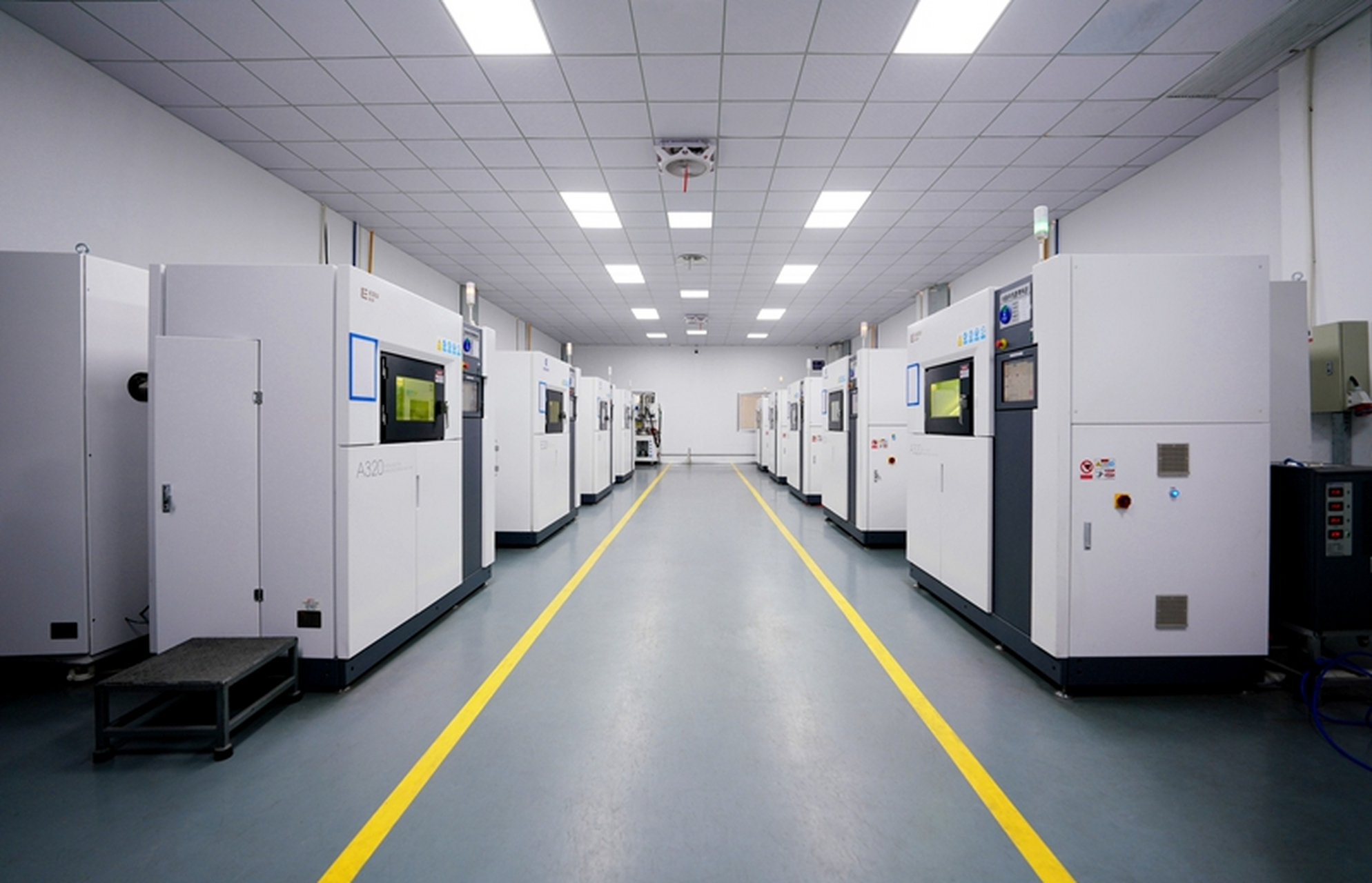
SLA — Stereolithography
How it works: UV laser cures liquid photopolymer resin layer by layer, producing parts with exceptional surface finish and fine detail.
Advantages: Highest resolution (±0.1mm), smooth surface finish, transparent parts possible, fine features.
Limitations: Brittle compared to SLS, UV-sensitive, not suited for load-bearing or outdoor use.
Materials: Standard resin, tough resin, high-temp resin, castable resin, clear resin, dental resin.
Best for: Visual prototypes, concept models, master patterns for casting, dental/medical models, detailed cosmetic parts.
SLS — Selective Laser Sintering
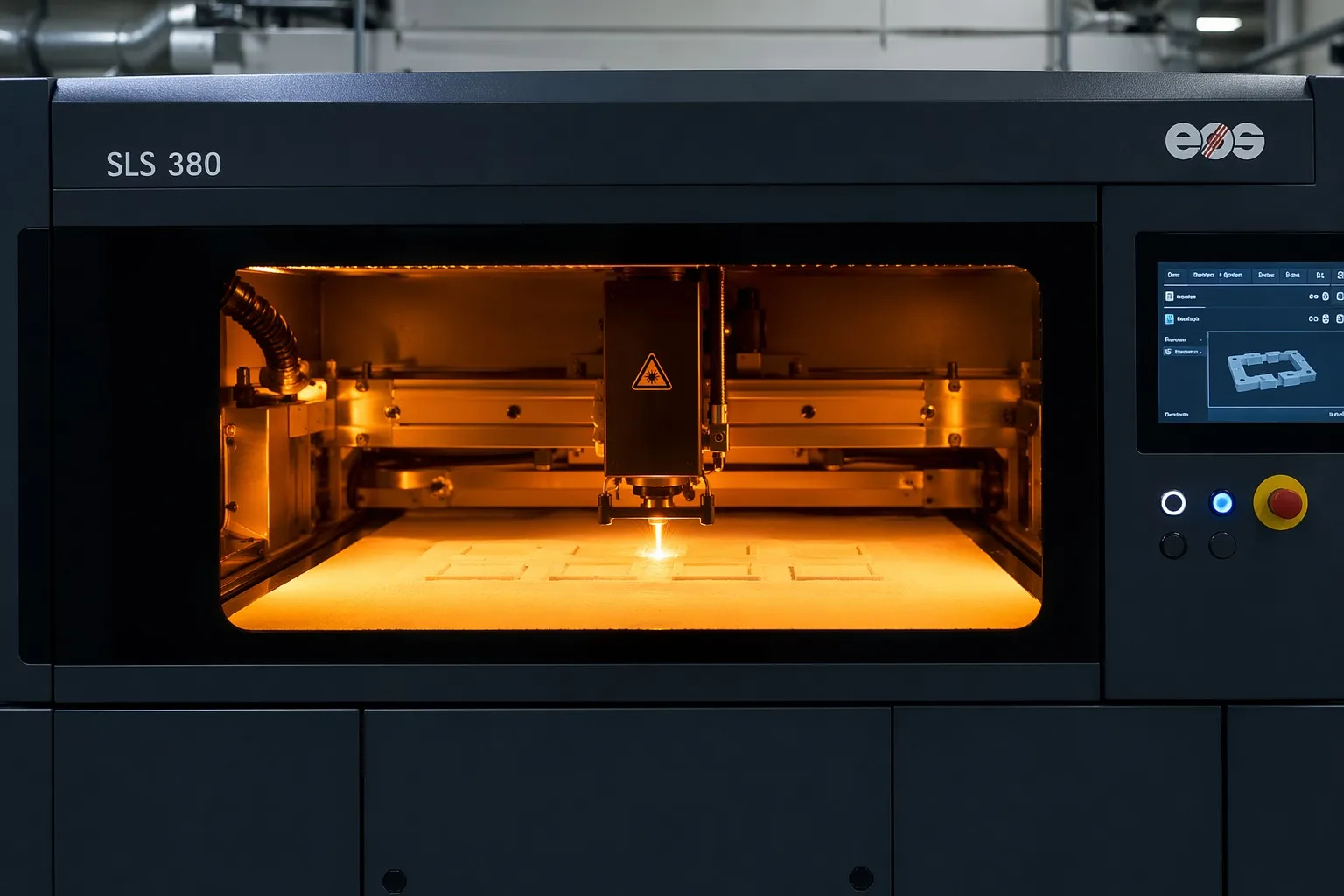
How it works: High-power laser fuses nylon powder particles together, building durable functional parts without support structures.
Advantages: Functional nylon parts (±0.15mm), no supports needed, good mechanical properties, complex assemblies possible.
Limitations: Grainy surface finish, limited color options, minimum wall thickness 0.8mm, powder removal required for hollow parts.
Materials: PA12 (Nylon), PA12 GF (glass-filled), PA11, TPU (flexible), PP.
Best for: Functional prototypes, end-use parts, living hinges, complex ductwork, snap-fit assemblies, low-volume production.
FDM — Fused Deposition Modeling
How it works: Thermoplastic filament is melted and extruded through a nozzle, depositing material layer by layer to build the part.
Advantages: Wide material range, large build volumes, real thermoplastic parts (±0.2mm), cost-effective for large prototypes.
Limitations: Visible layer lines, anisotropic strength (weaker in Z-direction), may require supports for overhangs.
Materials: ABS, PLA, PETG, PC, ASA, TPU, Nylon, carbon-fiber reinforced, PEEK, PEKK, ULTEM.
Best for: Large functional prototypes, jigs & fixtures, tooling aids, end-use parts with engineering thermoplastics, low-cost functional testing.
MJF — Multi Jet Fusion
How it works: Fusing agent is jetted onto a nylon powder bed and heated to fuse particles, producing parts with isotropic mechanical properties at high speed.
Advantages: Fast production speed, isotropic strength (±0.2mm), consistent mechanical properties, good for production quantities.
Limitations: Gray/black color only, surface is slightly grainy, requires post-processing for smooth finish.
Materials: PA12, PA12 GB (glass bead), TPU, PP.
Best for: End-use production parts, functional prototypes requiring isotropic strength, low-volume manufacturing, complex assemblies.
3D Printing Technology Comparison
Quick-reference table to help you choose the right technology for your project.
| Criteria | SLA | SLS | FDM | MJF |
|---|---|---|---|---|
| Accuracy | ±0.1mm | ±0.15mm | ±0.2mm | ±0.2mm |
| Surface Finish | Smooth (Ra 1-3μm) | Grainy (Ra 5-10μm) | Visible layers | Grainy (Ra 5-8μm) |
| Strength | Moderate, brittle | Good, isotropic | Good (anisotropic) | Excellent, isotropic |
| Max Build Size | 800×800×550mm | 350×350×420mm | 1000×1000×1000mm | 380×284×380mm |
| Best Application | Visual models, patterns | Functional prototypes | Large parts, tools | Production parts |
Engineering-Grade 3D Printing Materials
From visual prototypes to functional production parts — select the material that matches your application requirements.
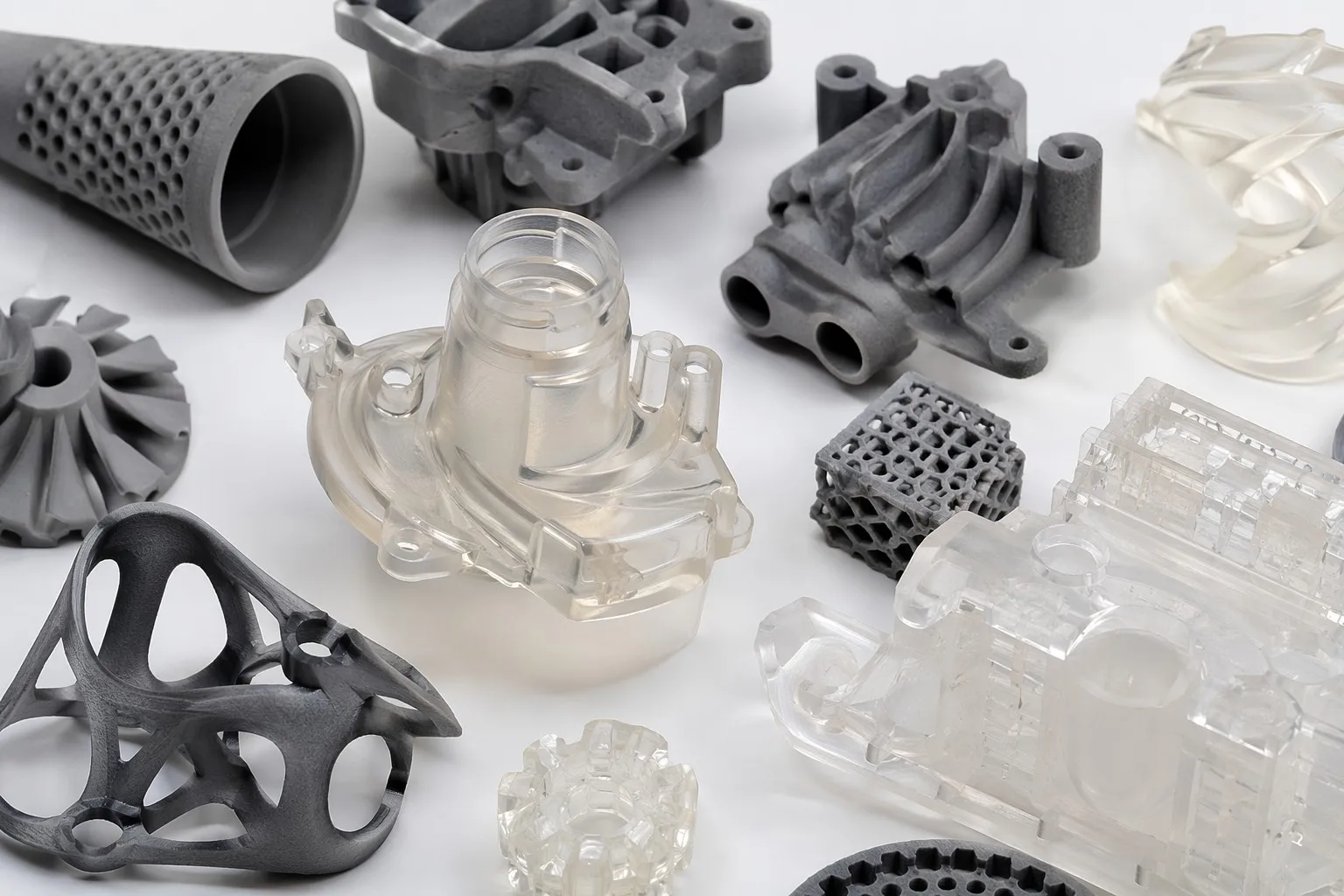
Plastics & Composites
ABS
Tough, impact-resistant. Functional prototypes, enclosures.
PA12 (Nylon)
SLS/MJF standard. Durable, chemical-resistant, functional parts.
PETG
Easy to print, durable. Mechanical parts, jigs, fixtures.
TPU
Flexible elastomer. Gaskets, seals, wearable parts, grips.
PC
High-strength, transparent. Engineering applications, lenses.
ASA
UV-resistant ABS alternative. Outdoor, automotive exterior.
PLA
Easy, affordable. Concept models, visual prototypes, display.
Resin (SLA)
High detail, smooth. Standard, tough, castable, dental grades.
High-Performance & Specialty
PA12 GF
Glass-filled nylon. High stiffness, thermal resistance, SLS.
PP
Chemical-resistant, lightweight. Packaging, living hinges.
PEEK
250°C continuous. Aerospace, medical implants, chemical.
PEKK
Similar to PEEK. Lower processing temperature, FDM capable.
ULTEM
Flame-retardant, FST certified. Aerospace interiors, rail.
PA12 GB
Glass bead-filled MJF. Stiff, dimensionally stable production.
Carbon-Fiber
CF-filled filaments. High stiffness-to-weight, tooling, jigs.
Castable Resin
Burnout clean for investment casting. Jewelry, dental, fine metal.
3D Printing Design Guidelines
Understanding these parameters ensures your parts print successfully the first time — reducing iterations and cost.
| Parameter | SLA | SLS | FDM | MJF |
|---|---|---|---|---|
| Min Wall Thickness | 0.5mm | 0.8mm | 1.0mm | 1.0mm |
| Min Hole Diameter | 0.5mm | 1.0mm | 2.0mm | 1.0mm |
| Layer Thickness | 25–100μm | 100–120μm | 100–300μm | 80μm |
| Support Required? | Yes | No | Depends | No |
| Max Overhang | 45° (with support) | Unlimited | 45° (without) | Unlimited |
| Typical Tolerance | ±0.1mm | ±0.15mm | ±0.2mm | ±0.2mm |
| Surface Roughness | Ra 1–3μm | Ra 5–10μm | Ra 8–20μm | Ra 5–8μm |
| Part Orientation | Orient to minimize support contact on critical surfaces. For SLS/MJF, pack parts densely to maximize build volume utilization. | |||
DFM review included free with every order. Our engineering team reviews your CAD for printability — wall thickness, overhangs, support requirements, and optimal orientation — before printing begins. This catches issues upstream and ensures first-pass success.
3D Printing Technical Specifications
| Specification | Details |
|---|---|
| Technologies | SLA, SLS, FDM, MJF |
| Max Build Size | 1000×1000×1000mm (FDM) | 800×800×550mm (SLA) | 350×350×420mm (SLS) | 380×284×380mm (MJF) |
| Accuracy | ±0.1mm (SLA) | ±0.15mm (SLS) | ±0.2mm (FDM/MJF) |
| Layer Height | 25–100μm (SLA) | 100–120μm (SLS) | 100–300μm (FDM) | 80μm (MJF) |
| Material Types | ABS, PLA, PETG, PC, ASA, PA12, PA12 GF, PA12 GB, PA11, TPU, PP, PEEK, PEKK, ULTEM, Resin (Standard/Tough/High-Temp/Castable) |
| MOQ | 1 unit (no minimum) |
| Lead Time | Standard: 3–5 business days | Rush: 1–2 business days | Expedited: 24 hours |
| File Formats | STL, STEP, IGES, OBJ, 3MF, SolidWorks, CATIA |
| Surface Finishing | Sanding, painting, vapor smoothing, polishing, dyeing, CNC secondary machining, plating-ready |
| Quality Control | Dimensional inspection, material verification, visual inspection, functional testing |
Surface Finishing for 3D Printed Parts
Post-processing transforms raw 3D printed parts into production-ready components — improving aesthetics, mechanical properties, and dimensional accuracy.
Sanding & Bead Blasting
Mechanical smoothing to reduce layer lines and surface roughness. Available for all technologies. Delivers uniform matte finish suitable for painting or as final surface.
Painting & Coating
Professional spray painting in custom colors with primer and clear coat options. UV-resistant and chemical-resistant coatings available for functional outdoor applications.
Vapor Smoothing
Chemical vapor process that melts and re-flows the surface layer of SLS and MJF nylon parts. Produces a smooth, sealed, watertight surface — ideal for fluid-handling applications.
CNC Secondary Machining
Critical surfaces machined to precise tolerances on our 5-axis CNC centers. Achieve ±0.01mm on bore diameters, mating surfaces, and threaded features that exceed 3D printing capability.
Rapid Prototyping Workflow
From CAD to delivered part — our streamlined process gets prototypes in your hands fast.
Upload CAD
Submit your 3D file (STL/STEP/IGES). Instant preliminary assessment of printability.
Engineering Review
Our team analyzes geometry, material requirements, and application. Technology recommendation.
DFM Check
Design for additive manufacturing review: wall thickness, overhangs, orientation, support strategy.
Printing
Optimized print parameters for your chosen technology and material. In-process monitoring.
Post-Processing
Support removal, cleaning, surface finishing, painting, or CNC machining as specified.
QC Inspection
Dimensional verification against CAD. Visual and functional inspection. Defect sorting.
Packaging
Custom packaging per part geometry. Protective wrapping for delicate features. Documentation enclosed.
Delivery
DHL/FedEx/UPS worldwide. Tracking provided. Standard: 3-5 days. Rush: 1-2 days. Expedited: 24 hours.
When Should You Choose 3D Printing?
A practical decision framework to help you select the right manufacturing process for your project.
1
Need fastest prototype?
Under 1,000 units? Complex geometry?
→ 3D Printing
100+
Need 100+ plastic parts?
Medium volume? Silicone mold acceptable?
→ Vacuum Casting
Metal
Need high-precision metal?
Tight tolerances? Specific alloy required?
→ CNC Machining
10K+
Need 10,000+ plastic parts?
High volume? Lowest per-unit cost?
→ Injection Molding
3D Printing Across Industries
From rapid design verification to end-use production parts — each industry leverages 3D printing differently, with unique material, certification, and performance requirements.
Medical
Patient-specific implants, surgical guides, anatomical models, diagnostic device housings. ISO 13485-aligned. Biocompatible PEEK and PA12 materials.
ISO 13485-aligned
Aerospace
Lightweight brackets, ducting, interior components, UAV airframes. FST-certified ULTEM and PEEK. AS9100-aligned documentation.
AS9100-aligned
Automotive
Functional prototypes, custom jigs & fixtures, under-hood ducting, interior mockups. -50°C to 150°C operating range with PA12/ABS/ASA.
IATF 16949
Electronics
Enclosure prototypes, connector housings, EMI shielding test fixtures, thermal validation parts. UL94 V-0 flame-retardant materials.
UL-recognized
Industrial
End-of-arm tooling, assembly fixtures, replacement parts, custom tooling, wear-resistant jigs. On-demand spare parts reduce equipment downtime 30%.
ISO 9001
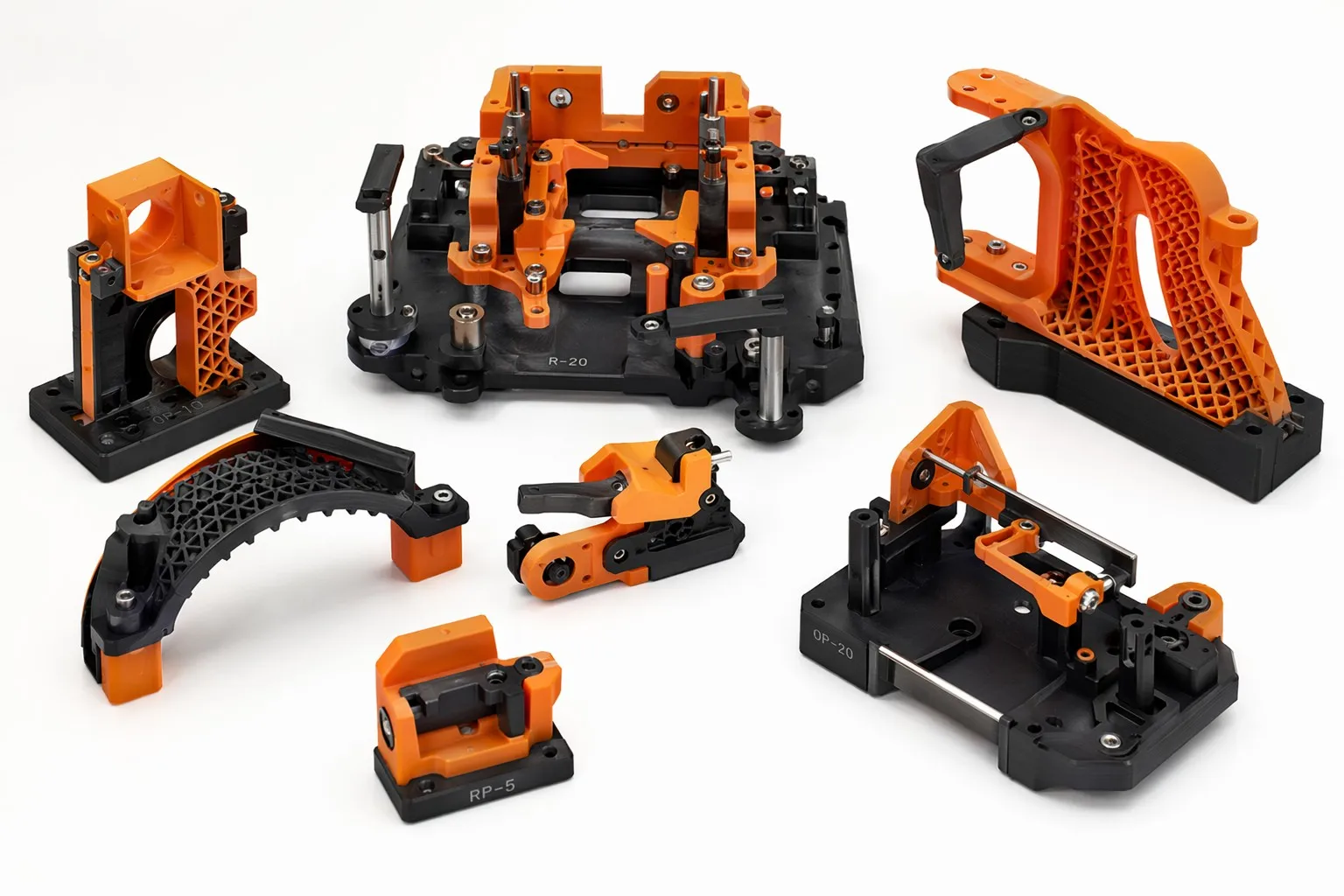
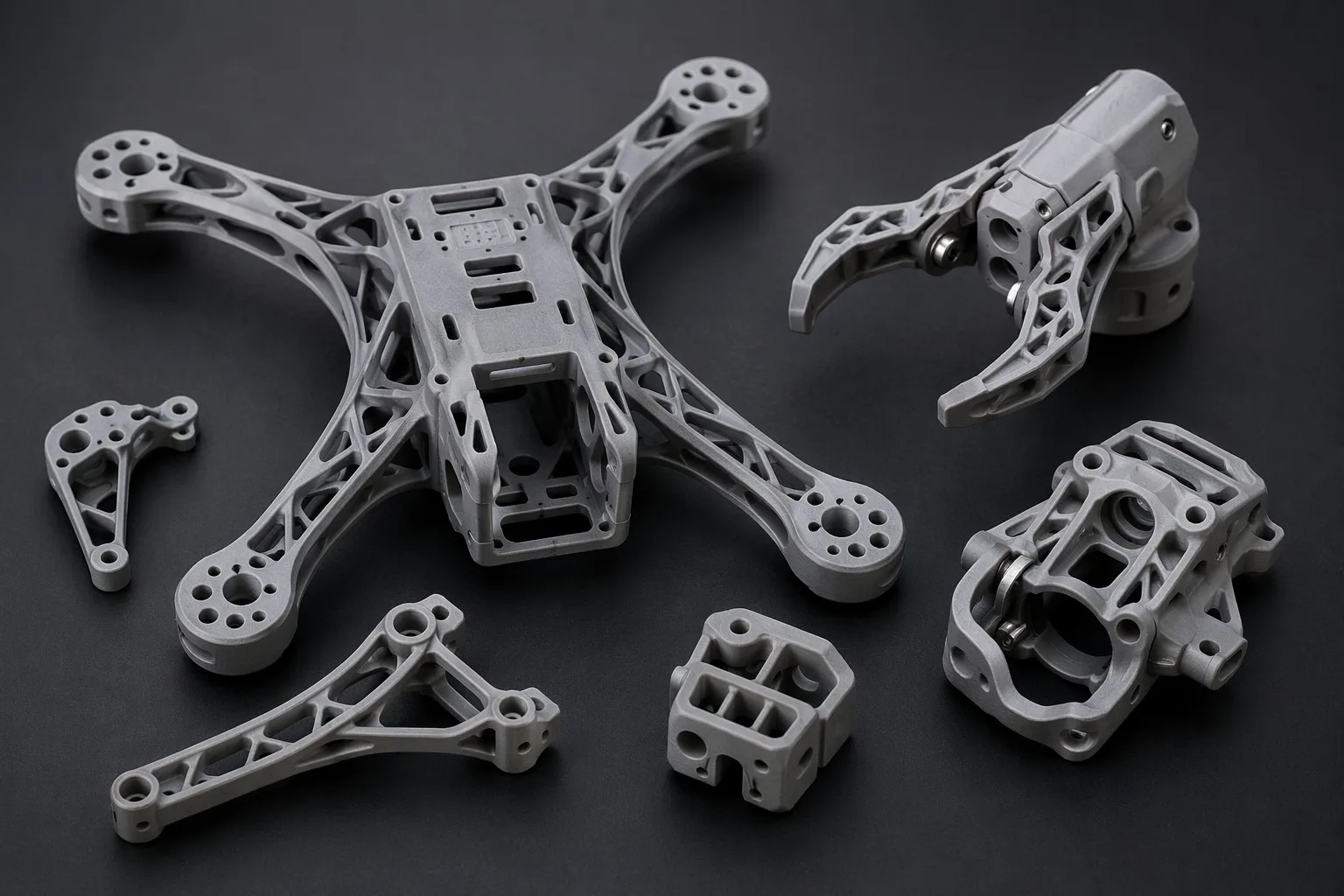
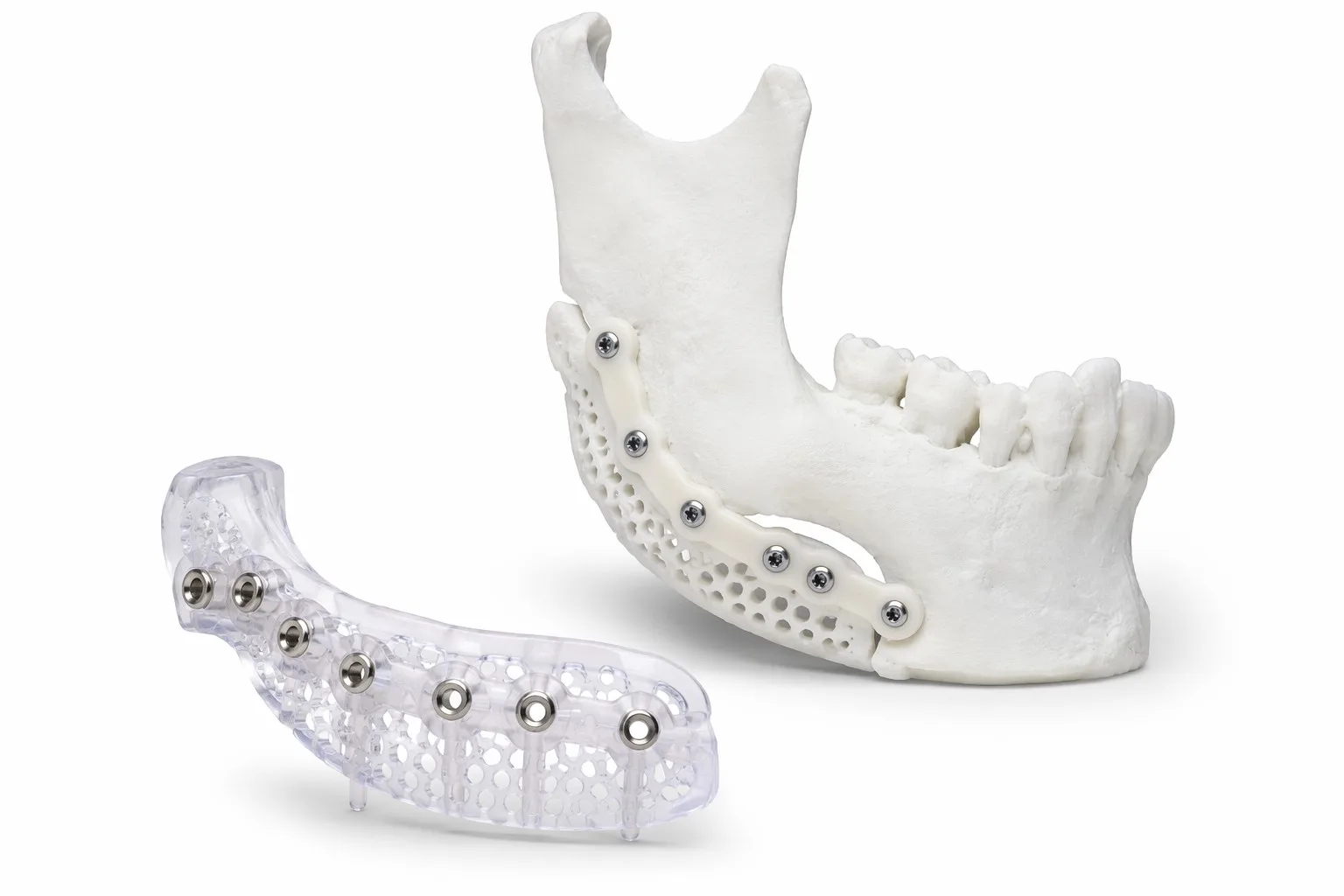
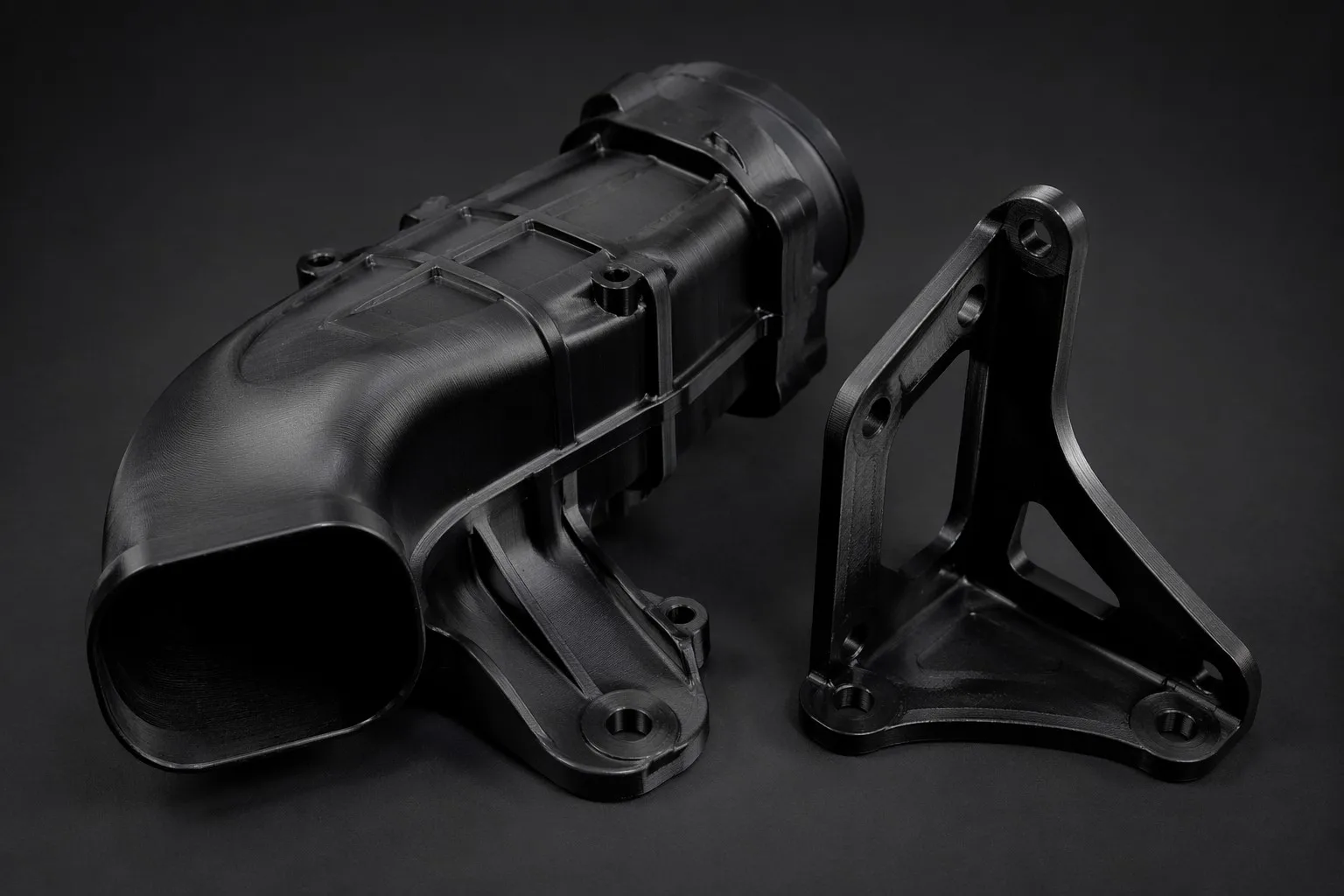
3D Printed Parts We Deliver Every Day
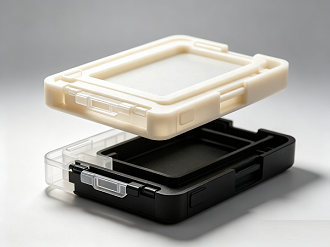
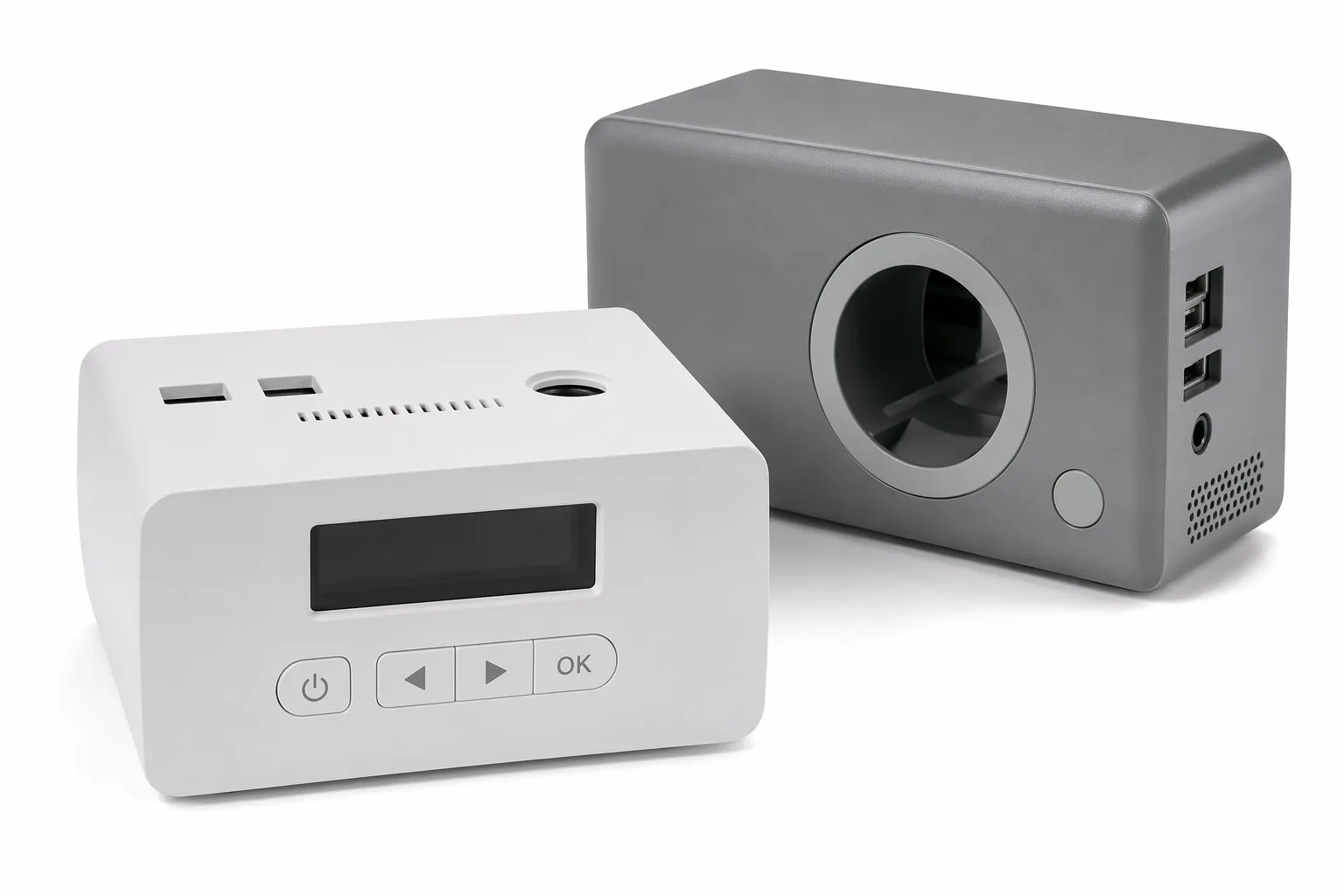
Real examples of parts we produce for clients across industries — each with specific characteristics that make 3D printing the right choice.
Quality Assurance for 3D Printed Parts
Every part is verified against your CAD model and specifications before shipment.
Dimensional Inspection
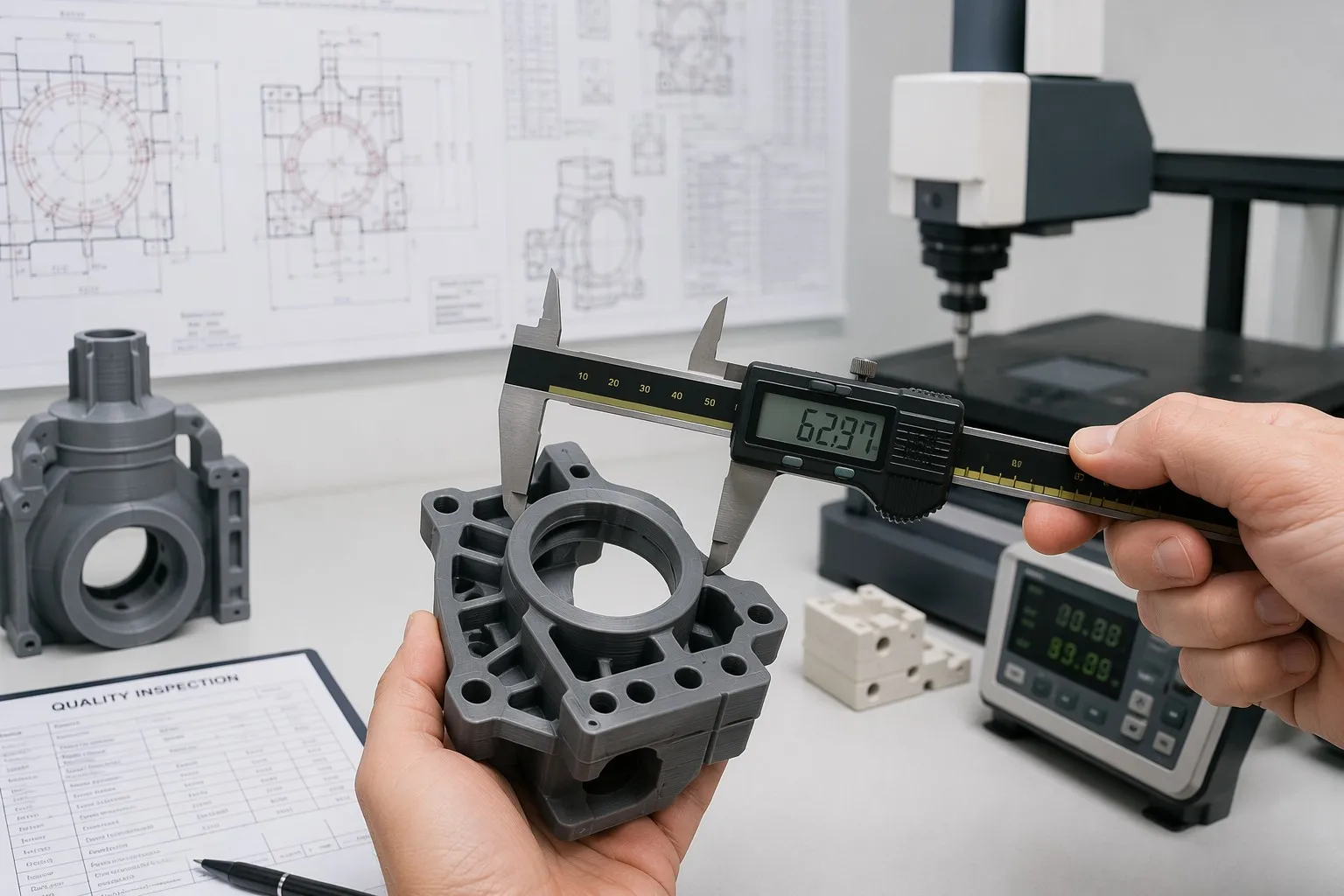
Critical dimensions verified against your CAD model using calipers, micrometers, and CMM for precision requirements. Dimensional report available on request.
Material Verification
Material lot traceability and certification. Mechanical property verification for functional parts requiring documented strength and durability.
Surface Quality Inspection
Visual inspection under controlled lighting. Surface roughness measurement where specified. Finish quality verified against your requirements.
Functional Testing
Fit, form, and function verification for assemblies. Go/no-go gauge testing. Assembly validation for multi-part orders.
From Prototype to Production — Your Complete Manufacturing Partner
Goldcattle is not just a 3D printing service. We guide your project from concept through validation to mass production — with the right process at every stage.
Concept
CAD design & engineering review
3D Print Prototype
Fast iteration in 24-72 hours
Validate
Functional test & design freeze
Bridge Production
3DP / Vacuum Casting / CNC
Injection Mold
Steel tooling, DFM, mold trial
Mass Production
Injection molding at scale
Why this matters: Many 3D printing vendors can only print. When your project is ready to scale beyond prototyping, you're forced to find a new supplier, transfer knowledge, and re-qualify. With Goldcattle, the same engineering team that prototyped your part can manufacture it at production volumes — using the optimal process at each stage. No handoff. No knowledge loss. No re-qualification.
Manufacturing Process Selection Guide
Not sure which process fits your project? This table maps your requirements to the optimal manufacturing technology.
| Your Requirement | Recommended Process | Why |
|---|---|---|
| One prototype within days, any geometry | 3D Printing | No tooling. Direct from CAD. Fastest path to physical part. |
| 10-100 functional prototypes in real material | 3D Printing (SLS/MJF) | Functional nylon parts. No support removal. Consistent properties. |
| 100-1,000 plastic parts, rubber-like feel | Vacuum Casting | Silicone molds. Production-grade material. Low per-unit cost. |
| High-precision metal component, any quantity | CNC Machining | Tightest tolerances. Any metal alloy. Superior surface finish. |
| 1,000-5,000 plastic parts, moderate precision | Vacuum Casting or Bridge Tooling | Cost-effective bridge before full injection mold investment. |
| 10,000+ identical plastic parts, tight budget | Injection Molding | Lowest per-unit cost at scale. High repeatability. Any resin. |
| Complex internal geometry, low volume | 3D Printing (SLS) | Only additive manufacturing can produce enclosed internal channels. |
| Large flat panels or enclosures, sheet metal | Sheet Metal Fabrication | Cost-effective for large bent/welded metal structures. |
3D Printing vs Traditional Manufacturing
Understanding when to use additive vs subtractive manufacturing is critical for cost and timeline optimization.
3D Printing vs CNC Machining
| Factor | 3D Printing | CNC Machining |
|---|---|---|
| Setup | No tooling, no fixturing | CAM + fixturing required |
| Geometry | Any shape, internal channels | Limited by tool access |
| Tolerance | ±0.1-0.2mm | ±0.005-0.01mm |
| Materials | Plastics, limited metals | Any machinable material |
| Surface | Layer lines (post-process) | Machined finish (Ra 0.8) |
| Speed (1pc) | Hours | Days (setup + machine) |
| Cost (1pc) | Low | Medium-High |
3D Printing vs Injection Molding
| Factor | 3D Printing | Injection Molding |
|---|---|---|
| Tooling Cost | $0 | $3,000-$50,000+ |
| Per-Unit Cost | High, flat | Very low at volume |
| Lead Time | 1-5 days | 15-30 days (tooling) |
| MOQ | 1 unit | Typically 500+ |
| Material Range | Limited thermoplastics | Any injection-grade resin |
| Design Changes | Instant, no cost | Expensive mold modification |
| Best For | 1-1,000 units | 5,000+ units |
Frequently Asked Questions — 3D Printing Services
3D Printing Services — Complete Data Summary
| Service | Industrial 3D Printing — Rapid Prototyping & Low-Volume Production |
| Technologies | SLA, SLS, FDM, MJF |
| Materials | ABS, PLA, PETG, PC, ASA, PA12, PA12 GF/GB, PA11, TPU, PP, PEEK, PEKK, ULTEM, SLA Resins |
| Max Build Size | 1000×1000×1000mm (FDM) | 800×800×550mm (SLA) | 350×350×420mm (SLS) | 380×284×380mm (MJF) |
| Accuracy | ±0.1mm (SLA) | ±0.15mm (SLS) | ±0.2mm (FDM/MJF) |
| MOQ | 1 Unit — No Minimum |
| Lead Time | Standard: 3–5 Days | Rush: 1–2 Days | Expedited: 24 Hours |
| Surface Finishing | Sanding, Painting, Vapor Smoothing, Polishing, Dyeing, CNC Secondary Machining |
| Quality | ISO 9001:2015 | Dimensional Inspection | Material Verification | Functional Testing |
| DFM Review | Free with Every Order — Printability Analysis, Material Recommendation, Orientation Optimization |
| File Formats | STL, STEP, IGES, OBJ, 3MF, SolidWorks, CATIA |
| Industries | Medical, Automotive, Electronics, Industrial Equipment, Aerospace, Consumer Products, R&D |
| Global Delivery | 50+ Countries | DHL / FedEx / UPS |
Ready to Get Your Parts Printed?
Upload your 3D CAD file for a free engineering review, technology and material recommendation, and transparent quotation — typically within 24 hours.
Upload CAD / Request Quote →Free DFM review included | 24-hour response | No obligation | No MOQ
Related Manufacturing Services
When 3D printing is not the optimal process, these technologies may better serve your project requirements.
CNC Machining
When you need tight tolerances (±0.005mm), specific metal alloys, or superior surface finish that 3D printing cannot achieve. Ideal for functional metal prototypes and production parts.
Learn More ↗Vacuum Casting
When you need 10-100 production-grade parts in polyurethane with rubber-like or rigid properties. Faster and cheaper than injection molding for bridge production and market testing.
Coming SoonInjection Molding
When your 3D printed prototype is validated and you need 5,000+ identical parts at the lowest per-unit cost. Our mold manufacturing team can build your production tooling.
Learn More ↗Sheet Metal Fabrication
When you need enclosures, brackets, panels, or structural components in sheet metal. Laser cutting, bending, welding, and finishing for prototypes and production.
Learn More ↗