
Custom Aluminum & Zinc Die Casting Services for Global OEM Manufacturers
Precision pressure die cast components — from prototype to high-volume production. In-house tooling, CNC finishing, and full PPAP documentation, built for OEMs in North America and Europe.
We work on your time zone (EST / CET) — engineering reply within 4 working hours.
Goldcattle is a national high-tech enterprise and custom aluminum & zinc die casting manufacturer in Xiamen, China. Since 1998 it has supplied precision die cast components (0.01–8 kg) to OEMs in North America and Europe, operating 100+ machines in-house, holding ISO 9001, and holding dimensional tolerances to ±0.05 mm per ISO 8062 (CT5–CT6).
How Goldcattle Supports Your Die Casting Program
From the first drawing to a delivered, production-ready part — here is what runs in-house, and the production problems it takes off your desk.
Precision you can measure
When a component's function depends on dimensions your current supplier can't hold, Goldcattle closes the gap with in-house CNC. Cast features hold ±0.05 mm per ISO 8062 (CT5–CT6); critical faces, bores and threads are machined to ±0.005 mm on 3/4/5-axis centers — so the part that arrives is the part on your drawing. For thin-wall and pressure-tight parts, controlled high-pressure fill with a vacuum option keeps porosity out of load-bearing sections, and X-ray plus first-article inspection verify it before shipment.
One source, from drawing to delivered part
Most die casting programs touch five or six shops — tooling, casting, machining, finishing, assembly. Every hand-off is a chance for tolerances and schedules to slip. Goldcattle runs all of it under one roof and one purchase order: tool design and maintenance, high-pressure casting of aluminum, zinc and magnesium, CNC finishing, anodize / powder / plating, and sub-assembly. A 500-piece bridge run and a 100,000-piece annual contract share the same line, so you can prove the design before you commit to volume.
Quality and delivery you can audit
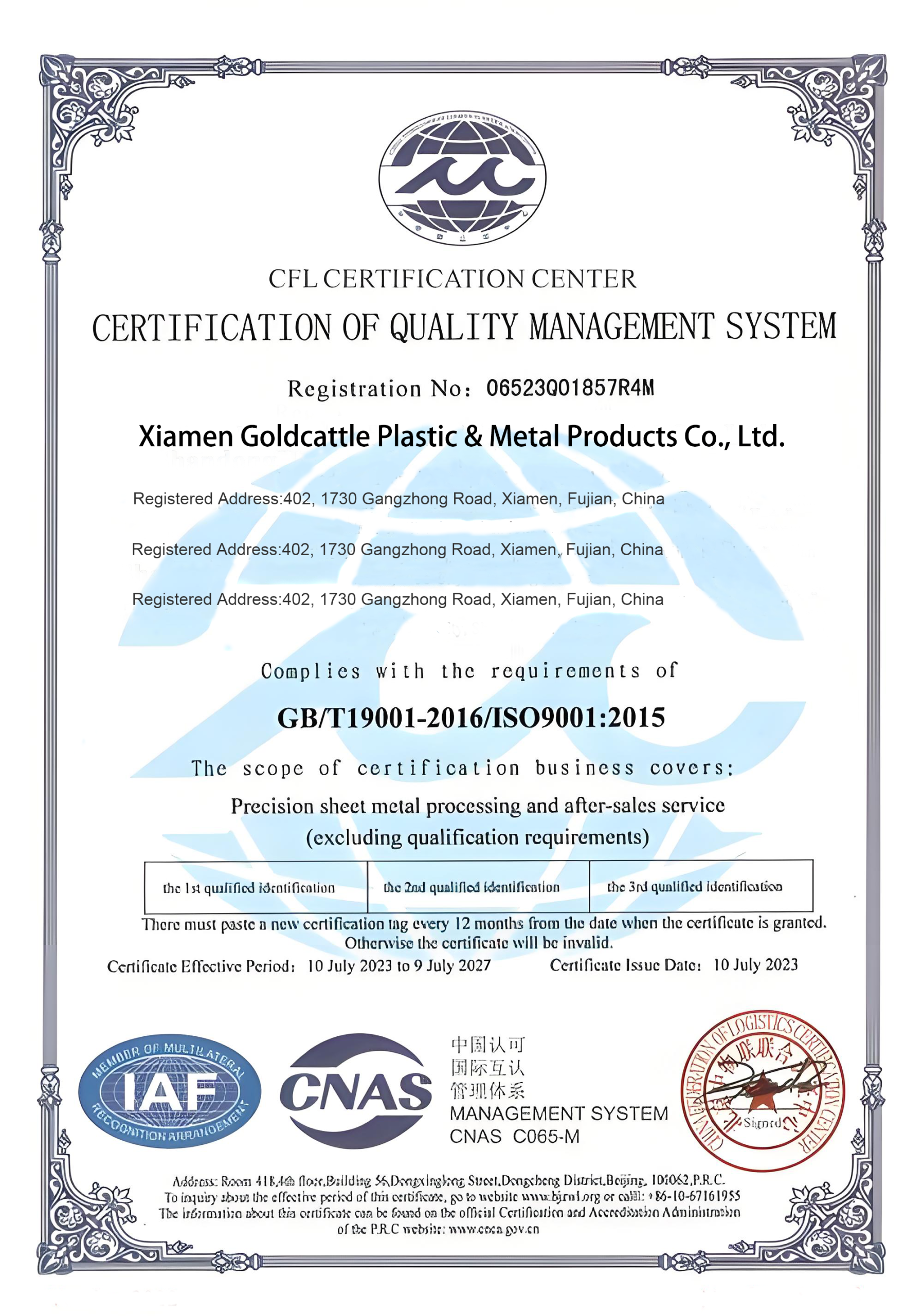
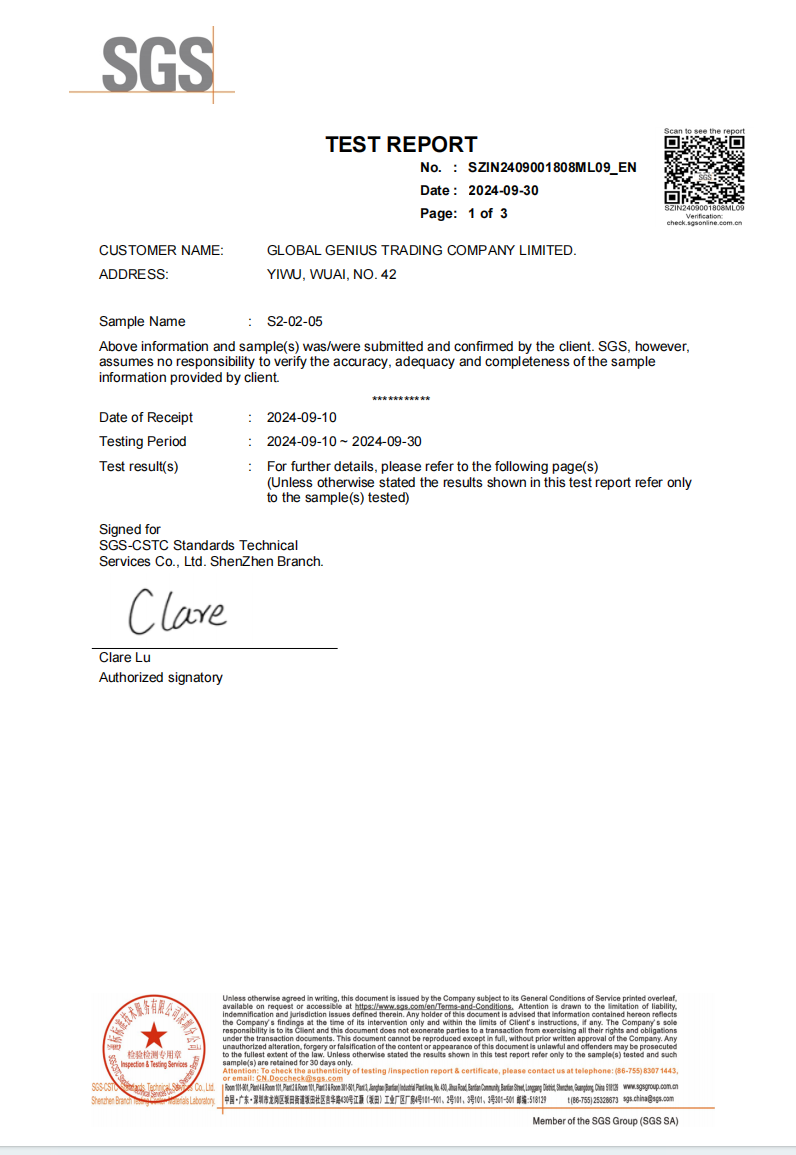
For automotive, medical and electronics supply chains a claim isn't enough — you need evidence. Goldcattle is ISO 9001 and SGS audited, ships PPAP and FAI documentation with every production batch, and protects your design under NDA on request. Quotes return within 24 hours of a complete drawing package, tooling runs 20–35 days, and an on-time delivery rate above 99% keeps your line running.
Order Assurance — How We De-risk Your Order
The practical commitments engineering and operations teams ask about before working with a new manufacturer.
What Is Die Casting?
Die casting is a metal casting process that forces molten metal under high pressure into a reusable steel mold (the die) to produce precise, repeatable components with tight tolerances and good surface finish.
How the process works
- Melt — alloy is heated to liquid state in a furnace.
- Inject — molten metal is forced into the die cavity at high pressure (HPDC: 1,000–20,000 psi).
- Solidify — the part cools and takes the die's shape within seconds.
- Eject — the die opens and the finished part is pushed out; the cycle repeats.
Process types we run
High-pressure die casting (HPDC) is our core process for aluminum, zinc and magnesium — best for high-volume, thin-wall, net-shape parts. Low-pressure and gravity die casting are used for larger structural sections where needed.
Advantages
- Excellent dimensional repeatability
- Thin walls (0.5–0.8 mm) possible
- Good as-cast surface finish (Ra 1.6–3.2 μm)
- Less secondary machining than sand casting
- High-volume cost efficiency
- Recyclable aluminum / zinc feedstock
Limitations to plan for
- Tooling cost is high — best above ~500 pcs
- Very large or low-volume parts favor CNC
- Some features need machined after casting
- Porosity must be controlled for pressure-tight parts
Process and design references follow NADCA Product Specification Standards and ISO 8062 dimensional tolerances.
Manufacturing Process — Step by Step
Every order moves through the same controlled path, with a defined input, output and quality check at each stage.
RFQ & Drawing Review
In: STEP/IGES/PDF · Out: quote & DFM feedback · QC: feasibility check
DFM Review
In: 3D model · Out: design risks & revisions · QC: wall/draft/parting check
Mold Design
In: approved model · Out: die layout · QC: gating & cooling review
Tool Manufacturing
In: die design · Out: steel mold · QC: CMM of cavity
Trial & First Article
In: mold · Out: samples · QC: FAI dimensional report
Mass Production
In: approved FAI · Out: cast parts · QC: IPQC in-process
Deburring & Trimming
In: raw castings · Out: clean parts · QC: gate/flash inspection
CNC Machining
In: trimmed parts · Out: features to print · QC: ±0.005 mm check
Surface Finish
In: machined parts · Out: finished surface · QC: coating thickness
Inspection
In: finished parts · Out: AQL report · QC: CMM / XRF / salt spray
Packing & Shipping
In: passed parts · Out: exported shipment · QC: CoC & traceability
Die Casting Material Hub
Common alloys we cast, with typical reference properties. Final composition and mechanical values are confirmed per your drawing and process validation.
| Material | Standard | Density (g/cm³ · lb/in³) | Tensile (MPa · ksi) | Typical Applications |
|---|---|---|---|---|
| ADC12 | JIS H 5302 (≈ A380) | 2.74 (0.099) | 228 (33) | Auto & electronics housings, brackets |
| A380 | ASTM B85 | 2.74 (0.099) | 320 (46) | General-purpose enclosures, frames |
| A360 | ASTM B85 | 2.68 (0.097) | 317 (46) | Corrosion-resistant, more ductile parts |
| Zamak 3 | ASTM B86 / EN 1774 | 6.60 (0.238) | 283 (41) | Hardware, electronics, best castability |
| Zamak 5 | ASTM B86 | 6.70 (0.242) | 328 (48) | Automotive & mechanical components |
| AZ91D (Mg) | ASTM B93 / EN 1753 | 1.81 (0.065) | 230 (33) | Lightweight electronics & aerospace |
Values are typical reference ranges from ASTM and EN standards; actual properties depend on process parameters, section thickness and heat treatment. RoHS / REACH compliant alloys available on request.
Die Casting Design Guidelines (DFM)
Following these rules at the drawing stage prevents scrap, reduces tooling cost and shortens lead time. Guidance aligns with NADCA design recommendations.
Wall Thickness
Keep uniform: 0.8–4.0 mm for aluminum, 0.5–3.0 mm for zinc. Variation causes sink marks and porosity.
Draft Angle
Add 1–3° on walls and cores so parts eject cleanly without sticking or drag marks.
Fillet Radius
Use R0.5–1.5 mm at corners to reduce stress concentration and improve metal flow.
Rib Design
Rib thickness 0.6–0.8× wall; height ≤ 3× thickness to avoid sink on the opposite face.
Boss Design
For threaded inserts, keep boss wall ≈ 0.8× adjacent wall and add draft for clean ejection.
Undercuts
Avoid where possible. Slides add cost and cycle time — design for straight pull when you can.
Holes
Cast holes ≥ 2 mm diameter; smaller or tight-tolerance holes are drilled after casting.
Parting Line
Place at the largest cross-section so the cavity splits cleanly and flash is minimized.
Shrinkage
Allow 0.5–0.7% (aluminum) and 0.5–0.6% (zinc); the die is sized to compensate.
Tolerance
General ±0.05 mm per ISO 8062 CT5–CT6; tighter features are held by CNC machining.
Tolerance & Capability Matrix
Concrete numbers engineers use to qualify a manufacturer against their drawing.
| Capability | Metric | Imperial | Note |
|---|---|---|---|
| Machine tonnage (HPDC) | 160 – 1,250 t | 176 – 1,378 US t | Aluminum, zinc, magnesium |
| Max part weight | Al ≤ 8 kg · Zn ≤ 5 kg | Al ≤ 17.6 lb · Zn ≤ 11.0 lb | Larger on request |
| Min wall thickness | Al 0.8 mm · Zn 0.5 mm | Al 0.031 in · Zn 0.020 in | Uniform section preferred |
| Dimensional tolerance | ±0.05 mm | ±0.002 in | ISO 8062 CT5–CT6 |
| Surface roughness | Ra 1.6–3.2 μm | Ra 63–125 µin | As-cast, before finishing |
| Mold life | Al 50,000–100,000 shots · Zn 500,000+ | — | Depends on alloy & care |
| Production volume | 500 pcs – 1,000,000+ pcs | — | Prototype to high volume |
| Insert casting | Yes | — | Steel bushings, threaded inserts |
| CNC finishing | In-house 3/4/5-axis · ±0.005 mm | ±0.0002 in | Tighter features on request |
| Max part size | ≈ 600 × 600 mm | Per machine window |
Die Casting Capabilities
Beyond standard high-pressure die casting, we offer a full spectrum of pressure casting processes and advanced techniques to match your part's geometry, volume and performance requirements.
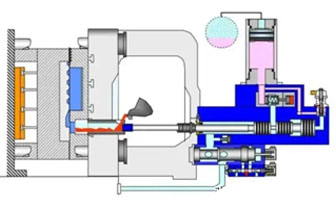
High-Pressure Die Casting
Our core process. Molten metal injected at 1,000–20,000 psi into steel dies for thin-wall, high-volume aluminum and zinc parts with excellent dimensional repeatability.
160 – 1,250 T machines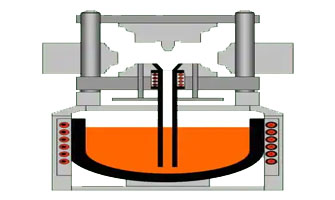
Low-Pressure Die Casting
Air pressure (6–15 psi) pushes molten metal upward into the die. Produces denser castings with less porosity — ideal for structural and pressure-tight components.
A356 / AlSi9Cu3 alloys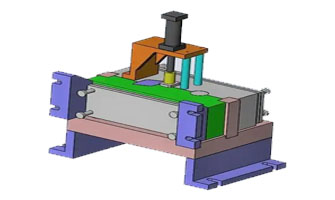
Gravity Die Casting
Metal fills the die by gravity alone. Lower tooling cost, excellent for medium volumes and larger parts where HPDC economics don't apply.
Up to 50 kg per part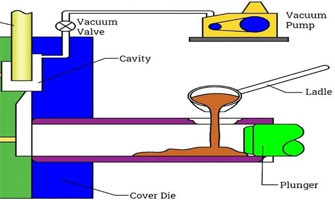
Vacuum-Assisted Die Casting
Vacuum evacuates air from the die cavity before injection. Reduces gas porosity dramatically for aerospace-grade and heat-treatable parts.
<0.1 ml/100g gas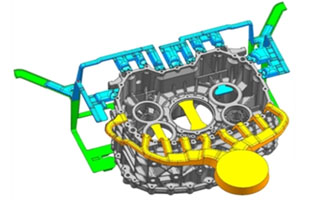
Multi-Slide Die Casting
Multiple sliding cores enable complex undercuts and side features in a single shot. Reduces secondary machining for connectors, housings and precision hardware.
Net-shape undercuts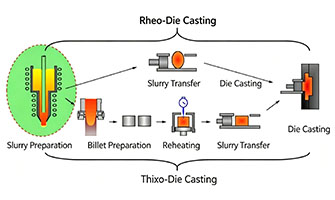
Semi-Solid Die Casting
Thixotropic semi-solid alloy is injected at lower temperature and velocity. Delivers superior mechanical properties and near-zero porosity for safety-critical applications.
Thixomolding® capableIndustries We Serve
Die cast components are deployed across eight major sectors. Each industry carries distinct compliance frameworks, tolerance requirements and material specifications — all of which our engineering team addresses in the DFM stage.
Automotive & EV
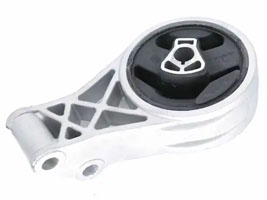
Key parts: Engine brackets, transmission housings, ECU enclosures, motor end-bells, battery tray components, charging-pile housings, structural reinforcement nodes.
Compliance: PPAP Level 3–5, IATF 16949-aligned process control, CMM inspection per drawing GD&T.
Electronics & Consumer
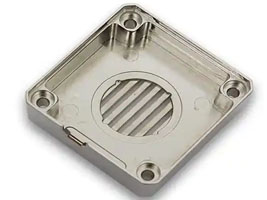
Key parts: EMI shielding enclosures, heat-sink housings, RF connector bodies, power-supply chassis, smart-home device shells, LED driver housings.
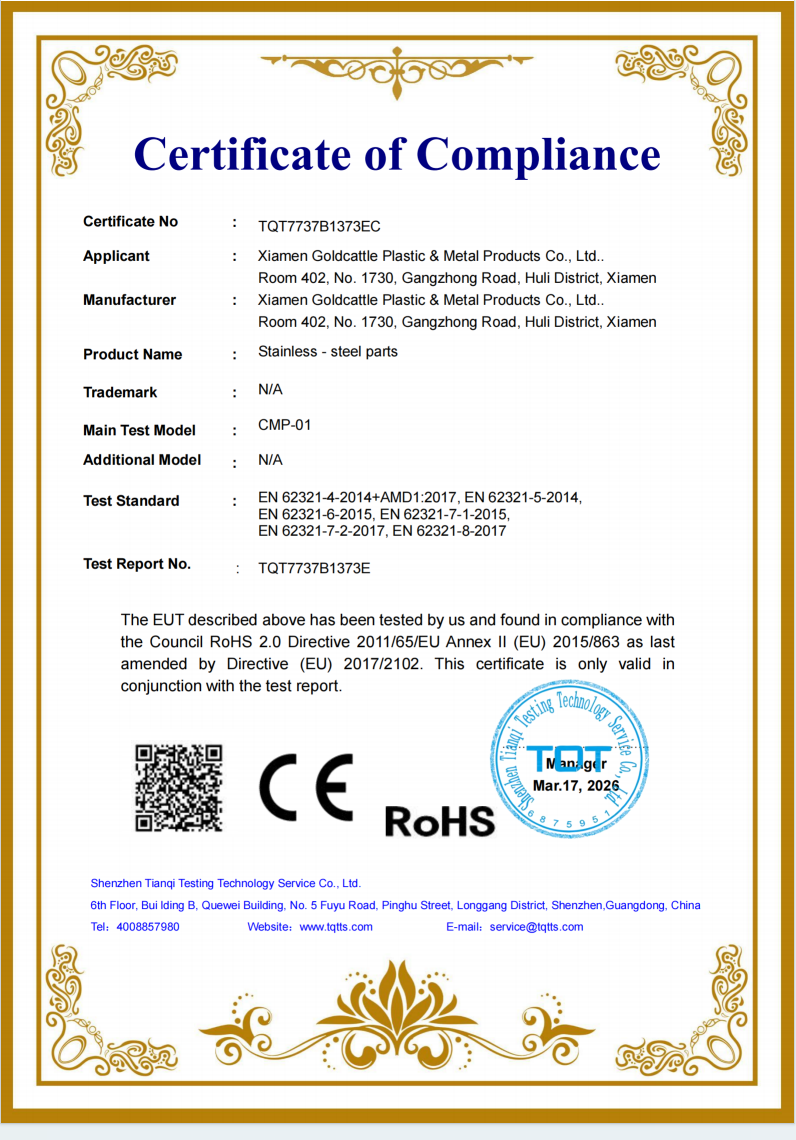
Compliance: RoHS / REACH certified alloys, XRF material verification, salt-spray testing for coastal deployments.
Telecommunications
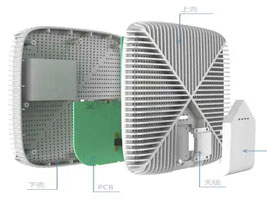
Key parts: 5G base-station antenna frames, RF filter housings, waveguide components, outdoor cabinet structural castings, grounding brackets.
Compliance: IP65/IP67 sealing validation, corrosion resistance per ASTM B117 (salt spray), dimensional stability across −40°C to +85°C.
Industrial Equipment
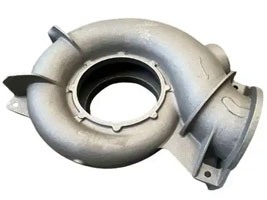
Key parts: Pump housings (hydraulic / coolant), valve bodies, motor frames, gear-box casings, pneumatic manifold blocks, machine-tool bases.
Compliance: Pressure-test certification (leak rate <1×10⁻⁶ mbar·l/s), hardness testing, ultrasonic porosity scan on critical sections.
Medical Devices
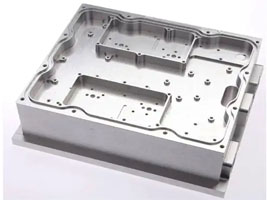
Key parts: Diagnostic instrument housings, surgical tool handles, imaging equipment frames, patient-monitor enclosures, laboratory device chassis.
Compliance: ISO 13485-aligned documentation, biocompatible surface finishes, full material traceability (batch / lot), clean-room packaging available.
Robotics & Automation

Key parts: Joint housings, robotic arm linkages, gripper fingers, servo-motor end-bells, precision gearbox cases, sensor mounting brackets.
Compliance: Repeated-load fatigue validation (10⁶+ cycles), tight CNC-machined bore tolerances (±0.005 mm), dynamic balancing where required.
New Energy (EV / Solar)
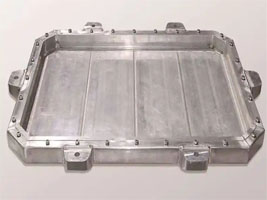
Key parts: Battery-module enclosure trays, inverter housing covers, PV junction-box bases, charger-shell castings, thermal-management plates.
Compliance: UL 94 V-0 flame-retardant grades, IEC 62109 electrical safety, thermal-cycle qualification (−40°C / +125°C).
LED Lighting
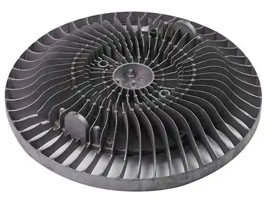
Key parts: Integrated heat-sink lamp bodies, street-light housing assemblies, downlight cups, track-light fixtures, horticultural grow-light chassis.
Compliance: Thermal conductivity verification (≥150 W/m·K path), powder-coat or anodize finish per LM-80 lumen maintenance context.
Example Projects
Representative part types we produce. Specifications are illustrative of typical programs — share your drawing for an exact quote.
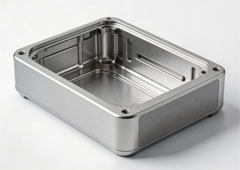
Aluminum Enclosure
- Material: A380
- Tolerance: ±0.05 mm
- Weight: 0.32 kg
- Process: HPDC + CNC
- Secondary: Powder coat
- Industry: Electronics
- Challenge: Thin 1.0 mm walls, EMI sealing
- Result: 15-day samples, zero porosity at X-ray
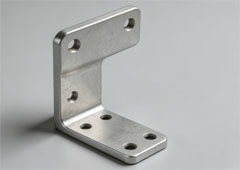
Zinc Bracket
- Material: Zamak 3
- Tolerance: ±0.06 mm
- Weight: 0.12 kg
- Process: HPDC + tapping
- Secondary: Chrome plate
- Industry: Automotive
- Challenge: M4 threaded inserts, no leak
- Result: 500,000+ shot mold life
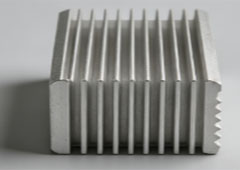
Heat Sink
- Material: ADC12
- Tolerance: ±0.08 mm
- Weight: 0.21 kg
- Process: HPDC
- Secondary: Deburr + anodize
- Industry: LED Lighting
- Challenge: Fins 1.2 mm, high thermal path
- Result: Net-shape, minimal machining
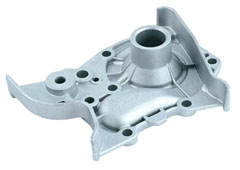
Pump Housing
- Material: A360
- Tolerance: ±0.05 mm
- Weight: 0.85 kg
- Process: HPDC + CNC bores
- Secondary: Pressure test
- Industry: Industrial
- Challenge: Pressure-tight, porosity control
- Result: 100% leak-tested, PPAP delivered
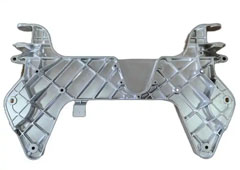
Mg Frame
- Material: AZ91D
- Tolerance: ±0.10 mm
- Weight: 0.18 kg
- Process: HPDC
- Secondary: Chromate
- Industry: Robotics
- Challenge: Lightweight, stiff structure
- Result: 40% lighter than Al equivalent
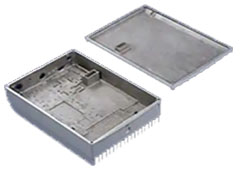
RF Shield
- Material: A380
- Tolerance: ±0.05 mm
- Weight: 0.09 kg
- Process: HPDC + CNC
- Secondary: Conductive coat
- Industry: Telecom
- Challenge: Tight flatness for sealing
- Result: Flatness held by machining
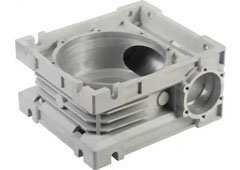
Device Housing
- Material: A380
- Tolerance: ±0.05 mm
- Weight: 0.27 kg
- Process: HPDC + CNC
- Secondary: Painting
- Industry: Medical
- Challenge: Clean surface, traceability
- Result: FAI + material cert per batch
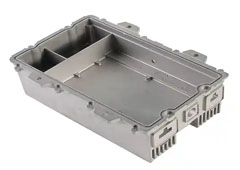
Charger Body
- Material: ADC12
- Tolerance: ±0.06 mm
- Weight: 0.15 kg
- Process: HPDC + CNC
- Secondary: Anodize
- Industry: New Energy
- Challenge: Heat dissipation + looks
- Result: One supplier, 20-day tooling
Quality Control & Compliance
A four-gate inspection system with documented evidence for every batch you receive.
Incoming material certificate + spectrometer check of alloy.
In-process CMM and first-article control on the line.
100% visual plus dimensional check against the print.
AQL sampling, salt spray and final audit before ship.
Documentation we provide
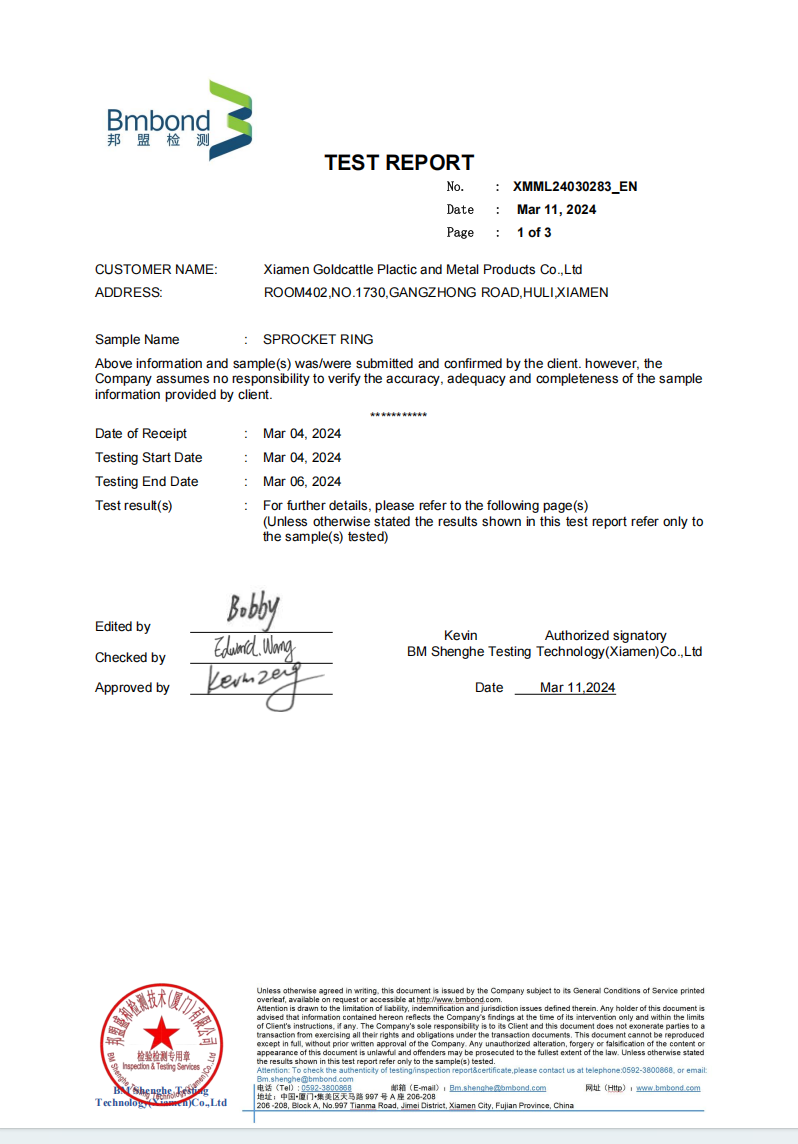
- PPAP (Production Part Approval Process)
- FAI (First Article Inspection) report
- Material certificate (mill test report)
- Dimensional inspection report
- Certificate of Conformance (CoC)
- XRF RoHS verification, salt-spray test on request
What Customers Say About Working With Us
Feedback themes from ongoing OEM programs in our main markets.
"Goldcattle reviewed our drawing before tooling and caught a draft-angle issue that would have scrapped the first run. Samples came in 12 days."
"One purchase order covered casting, machining and anodizing. The PPAP package passed our quality gate on the first submission."
"Low MOQ let us bridge a 600-piece pilot while our volume tool was being built. Communication was same-day across the time zone."
Representative feedback from verified OEM programs in our main markets. Named references and company approvals are available under NDA.
Frequently Asked Questions
The questions engineers and customers ask most when choosing a die casting partner.
What is die casting?
What is high-pressure die casting (HPDC)?
What is the difference between die casting and sand casting?
Aluminum vs zinc die casting — which should I choose?
Die casting vs CNC machining — when to use which?
What tolerance can die casting achieve?
What is the minimum wall thickness for die casting?
How long does die casting tooling take?
How much does die casting cost?
What materials are available for die casting?
Upload Your CAD — Get a DFM Review & Quote in 24 Hours
Send your drawing and our engineering team returns manufacturability feedback and a quote, typically within one business day.

Technical Author: Zhang Wei (张伟)
Senior Die Casting Engineer · Goldcattle Engineering Team
Background: 18+ years in aluminum & zinc die casting process engineering; specializes in HPDC tooling design, porosity control and IATF 16949-aligned quality systems. Led die-cast programs for automotive Tier-2 and industrial OEM customers across North America and Europe.
Last updated: July 2026
Explore Our Full Manufacturing Capabilities
Beyond die casting, Goldcattle offers a complete range of precision manufacturing processes — all under one roof with integrated quality control.
CNC Precision Machining
5-axis CNC milling and turning to ±0.005 mm / Ra0.4 μm. Aluminum, steel, stainless, brass, plastics.
±0.005 mm · Ra0.4μmInjection Molding
Custom plastic injection molding in ABS, PC, POM, PA, PEEK. From prototype tooling to mass production.
ABS · PC · PEEK · PADie & Mold Making
In-house mold design and fabrication for die casting, injection molding and stamping. Tool life optimization.
In-house Tooling3D Printing
Rapid prototyping with FDM, SLA and SLS. Functional prototypes in 3–7 days for design validation.
FDM · SLA · SLSSheet Metal Stamping
Precision metal stamping and forming for brackets, enclosures and chassis. Progressive die capability.
Progressive DieDie Casting
High-pressure aluminum and zinc die casting. You are here — HPDC, LPDC, gravity and vacuum options.
Current Page ✓