Custom Thermoforming Solutions for OEM Plastic Components
Heavy-Gauge, Large-Format Parts with Precision CNC Finishing
Complex Plastic Parts, Simplified Manufacturing
Low-Risk Thermoforming from Prototype to Production
We provide a complete engineering-to-production solution that bridges the gap between design intent and repeatable manufacturing.
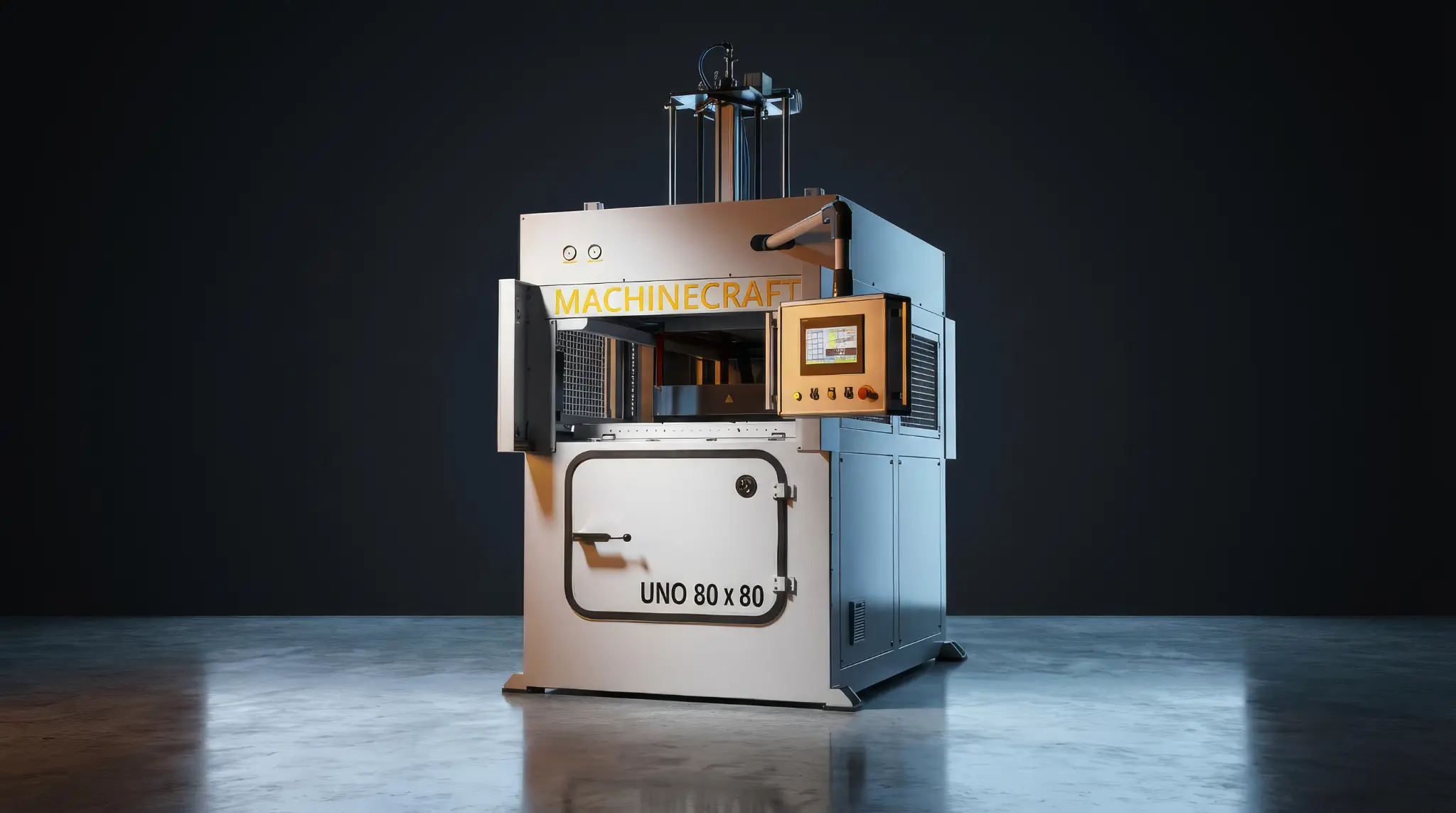
- Processes: Vacuum Forming, Pressure Forming, Twin-Sheet Forming
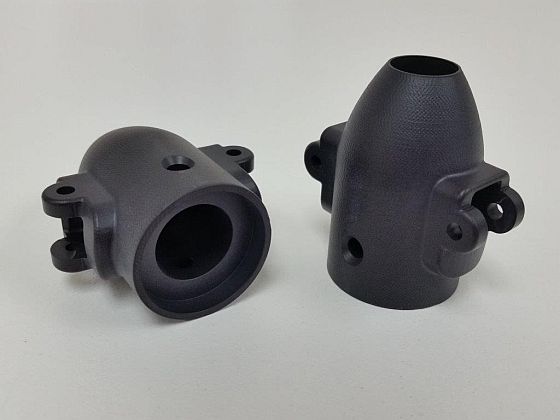
- Integration: In-house 5-axis CNC Trimming, Drilling & Assembly
- Materials: ABS, HDPE, PETG, PC, Acrylic, HIPS & Engineering Blends
- Economy: Tooling costs up to 70% lower than injection molds
Why OEM Procurement Teams Choose Our Thermoforming Process
We understand that purchasing decisions hinge on risk mitigation, not just unit price. This section addresses the core trade-offs engineers and buyers make when selecting a manufacturing process.
| Your Project Requirement | How Thermoforming Solves It | Our Engineering Advantage |
|---|---|---|
| Large Parts on a Budget | Tooling is single-sided & aluminum-based, drastically lowering NRE costs. | We optimize parting lines and draft to maximize tool life, even for low-volume runs. |
| Low-to-Medium Volumes | Perfect for 100–20,000 units/year where an injection mold ROI doesn’t close. | We design cell-based production that scales elastically with your inventory needs. |
| Faster Development Cycles | Prototype tooling can be produced in days, not months. | We use CAD-integrated trimming to verify dimensional accuracy before hard tooling. |
| Lightweight Structures | Thin-wall, ribbed geometries replace heavy fiberglass or metal. | Structural FEA consulting available to ensure rigidity without overspecifying gauge. |
| Cosmetic A-Class Surfaces | Pressure forming achieves injection-mold levels of surface finish and texture. | Temperature-controlled tooling eliminates webbing and flow lines on show surfaces. |
Engineering Capabilities: Precision in Every Part
The following specifications are not theoretical; they represent our everyday production envelope, verified by a CNC-driven quality system.
| Forming Processes | Single-sheet vacuum, pressure forming, twin-sheet (structural hollow parts) |
| Max Forming Envelope | 2,500 mm x 1,500 mm x 600 mm draw depth (customizable to your dimensions) |
| Sheet Gauge Range | 1.5 mm to 12 mm (thin-gauge packaging to heavy-gauge structural components) |
| Trim Tolerance | ±0.25 mm on trimmed perimeters and bores (5-axis CNC, probing verified) |
| Formed Feature Tolerance | ±0.8 mm per 250 mm of linear dimension, depending on geometry and material shrinkage |
| Tooling Material Options | Cast aluminum (production), machined aluminum (high detail), composite tooling board (fast prototypes) |
| Production Volume Suitability | 50-piece prototypes, 1,000-piece bridge tooling, 50,000+ piece production programs |
| In-House Secondary Ops | 5-axis CNC trimming, drilling, tapping, routing, solvent bonding, assembly, and silk screening |
| Quality Certifications | ISO 9001:2015 compliant, PPAP Level 3 available, First Article Inspection (FAI) standard |
Material Engineering: Selecting the Right Polymer
Material choice drives both cost and performance. We stock and process a broad range of thermoplastics and provide application-specific guidance.
ABS (Acrylonitrile Butadiene Styrene)
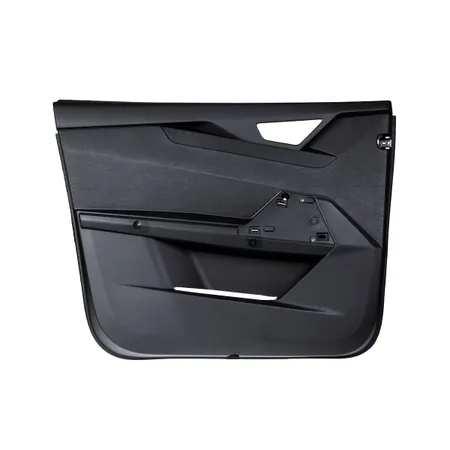
Best for: Equipment enclosures, automotive interior panels, durable consumer housings.
Why we recommend it: Outstanding impact resistance, excellent surface finish in pressure forming, cost-effective for mid-volume programs.
HDPE (High-Density Polyethylene)
Best for: Industrial liners, agricultural bins, marine applications.
Why we recommend it: Superior chemical resistance, naturally lubricious surface for material flow, ideal for outdoor UV-stabilized formulations.
PETG & HIPS
Best for: Medical device housings, retail displays, food packaging trays.
Why we recommend it: FDA-compliant grades available, excellent clarity (PETG), reliable high-volume repeatability with low internal stress.
PC (Polycarbonate) & Acrylic (PMMA)
Best for: Transparent machine guards, aircraft cabin components, light diffusers.
Why we recommend it: High optical clarity, flame-retardant PC grades, we optimize heating cycles to minimize haze and surface defects.
TPO & High-Performance Blends
Best for: Automotive bumpers, outdoor equipment, paintable surfaces.
Why we recommend it: Direct paintability without primer, cold-temperature impact resistance, lighter than equivalent metal parts.
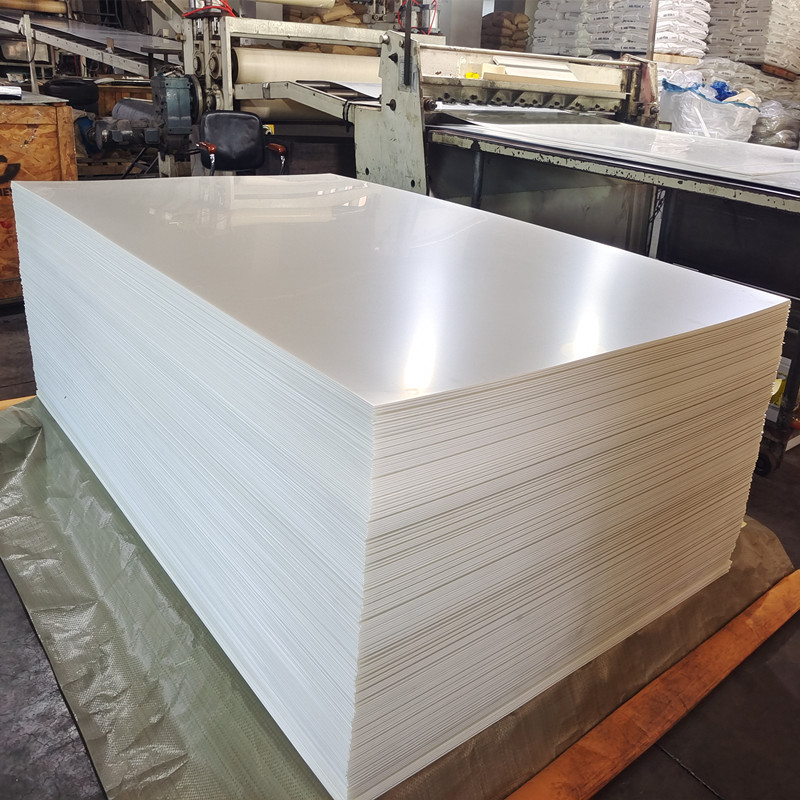
Thermoforming vs. Injection Molding: A Decision-Making Framework
This is one of the most common engineering comparisons. Use this table to quickly determine which process aligns with your budget, timeline, and part geometry.
| Technical Factor | Thermoforming (Our Core) | Injection Molding | When to Switch |
|---|---|---|---|
| Tooling Cost | $3,000–$15,000 (aluminum) | $25,000–$100,000+ (steel) | Volumes exceed 30k units annually, tooling amortization overrides part cost. |
| Part Size Feasibility | Large-part capable up to 2.5m | Typically limited by clamp tonnage | Panels > 1.5m in length are almost always a thermoforming decision. |
| Lead Time to Samples | 2–4 weeks (prototype tooling) | 8–16 weeks | Tight launch timelines favor thermoforming. |
| Dimensional Precision | Nominal ±0.5 mm on formed features | ±0.1 mm achievable | Need for precise snap-fits or gear teeth necessitates injection molding. |
| Material Selection | Extruded sheet, broad color/texture options | Pellets, extensive engineering grades | Unique high-heat polymers may dictate injection molding. |
Design Guidelines for Manufacturable Thermoformed Parts
Applying these rules early reduces tooling iterations and part cost. Share your draft design; our DFM engineers will return a marked-up report.
Draft Angles & Radii
- A minimum of 3° on male tools, 1° on female tools.
- For textured surfaces, add 1° of draft per 0.025 mm of texture depth.
- Inside corner radii should be at least 1x the material thickness to prevent thinning.
Undercuts & Wall Thickness
- Undercuts possible with collapsing or loose core tools.
- Expect up to 40% thinning on deep-draw male features.
- We can compensate via pre-stretch plug adjustments or starting gauge optimization.
Ribs & Bosses
- Achievable via pressure forming or twin-sheet forming.
- We recommend rib width ≥ 2x material thickness and generous draft to fully form.
Hole Placement
- Trim profiles and bores are CNC-machined after forming to maintain precision.
- Avoid locating critical holes on sharply contoured surfaces; minimum 3mm flat land around bores.
Secondary Operations: Your Single-Source, Finished Part
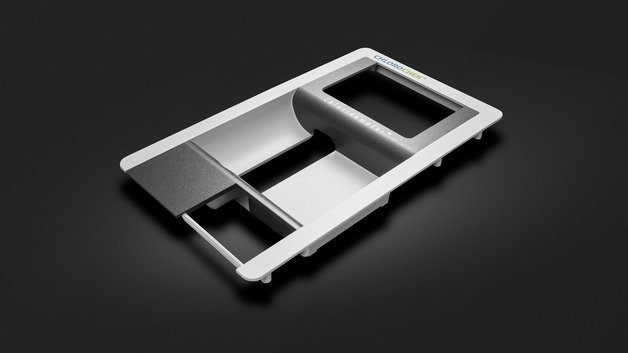
We don’t just form plastic sheets; we deliver ready-to-install components. Our in-house CNC machining department—equipped with 5-axis and 3-axis machines—ensures precise post-processing without moving parts between different vendors.
5-Axis CNC Trimming
Eliminates die-cut fixtures for prototypes; allows complex, curved trim lines with ±0.25 mm precision.
Precision Boring & Tapping
Threaded inserts (heat-stake or press-in) and tapped holes for mounting hardware.
Bonding & Welding
Solvent bonding for clear acrylic parts, ultrasonic welding for structural bonds, and adhesive assembly.
Painting & Finishing
Wet paint, hard-coat, EMI/RFI shielding, and silk screening for controlled cosmetics and functional marking.
Quality Assurance: Verified at Every Stage
Our quality control is not an afterthought—it’s the backbone of our OEM supply chain reliability.
First Article Inspection (FAI)
Full dimensional layout on the first part from every production tool, using CMM and laser scanning, reported to AS9102 format if required.
Material Certification
Lot traceability on sheet stock, Incoming QC for resin type and gauge verification.
In-Process Control
Monitor sheet surface temperature, sag, and vacuum/pressure gradients on every cycle. Trim stations use tool probes to detect wear.
Final Audit
AQL sampling per ISO 2859-1, visual inspection for surface defects, and functional gauge checks. Packaging and labeling verification before shipment.
Application-Driven Solutions
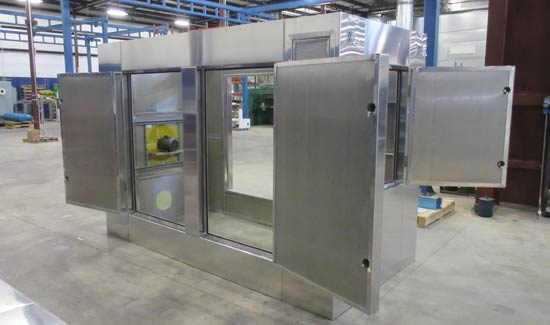
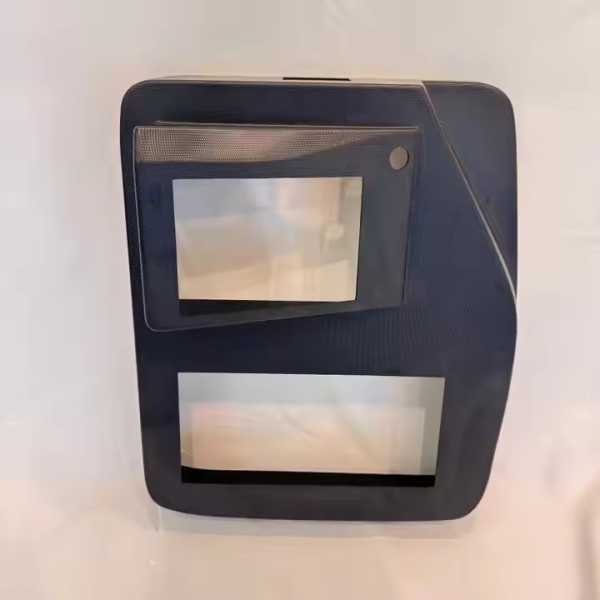
We’ve refined our process across demanding industries. Chances are, your project has parallels here.
Engineering Support: Your Virtual Manufacturing Team
Our North American and European OEM clients treat us as an extension of their engineering department. We provide actionable data, not just quotes.
What You Get with a DFM Review:
- Material Recommendation: Best-fit polymer considering mechanical, thermal, and regulatory requirements.
- Feasibility Analysis: A part model review identifying risk areas (deep draws, sharp corners, excessive thinning).
- Tooling Cost Estimation: Broken down by tool material, number of cavities, and trim fixture design.
- Production Lead Time: Milestone-based schedule from tooling kickoff to PPAP submission.
- Cost Optimization Options: Suggestions on gauge reduction, nesting, or part consolidation for ROI maximization.
Frequently Asked Questions by Procurement & Engineers
What is the typical tooling lead time?
For prototype aluminum tools, 10–15 working days. Production tooling with a textured finish and complex trim jigs typically takes 3–5 weeks.
How does thermoforming compare cost-wise to fiberglass or sheet metal?
For large 3D enclosures, thermoforming eliminates the manual layup labor of fiberglass and the multi-stage stamping/welding of sheet metal, reducing total part cost while maintaining structural integrity.
Can thermoformed parts be recycled?
Yes. We plane and densify excess edge trim from production and return it to the material stream. Most thermoplastics we use, like ABS and HDPE, are widely recyclable.
Is it possible to create an aesthetic, durable surface on large parts?
Absolutely. Pressure forming with aluminum molds imparts texture and high gloss, mimicking injection molding. We also offer post-process hard-coating for scratch resistance.
What file formats do you accept for DFM and quoting?
Native SolidWorks (.sldprt), Inventor (.ipt), STEP (.stp), IGES (.igs), or a dimensioned PDF. A 3D CAD model dramatically speeds up our analysis.
Do I need to design the tooling, or will you?
You don’t need to. Our in-house tooling engineers handle the mold design, including shrinkage compensation, cooling channels, and part ejection strategy, based on your final-part CAD.
Can you do food-safe or medical parts?
Yes. We run FDA-compliant HIPS and PETG on dedicated production cells. Material certificates and lot traceability documents are provided with every shipment.
What is heavy-gauge vs. thin-gauge thermoforming?
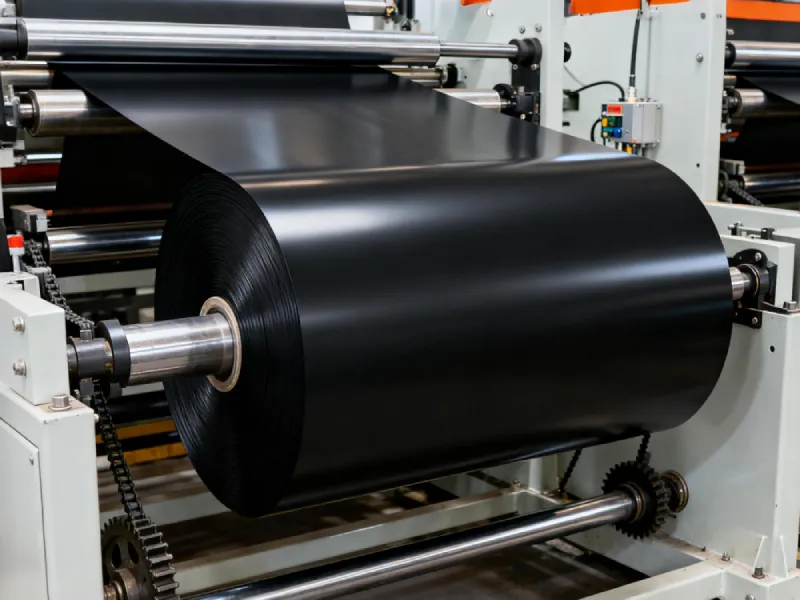
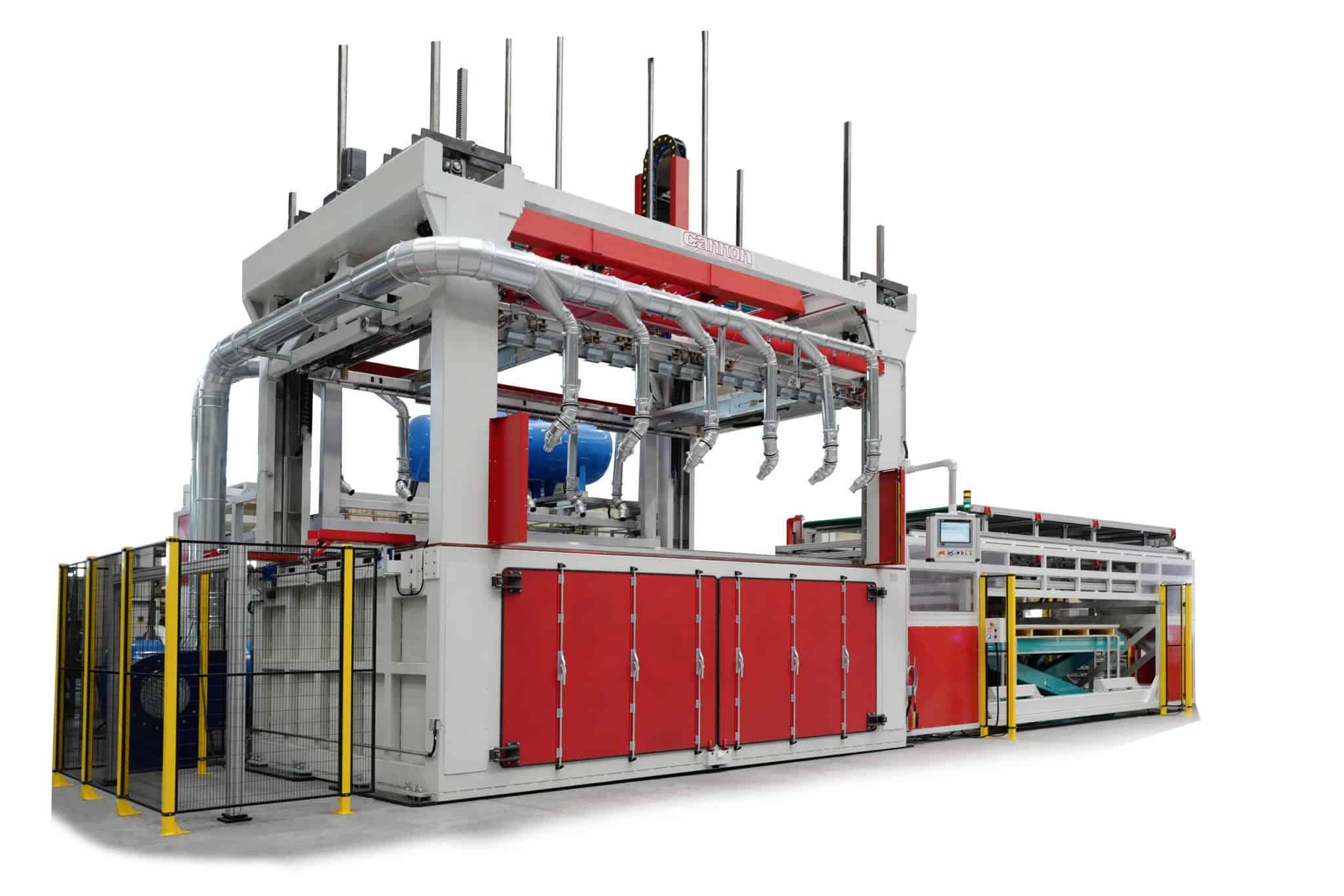
Thin-gauge (<1.5 mm) is typically high-speed roll-fed for packaging. Heavy-gauge (1.5–12 mm) is sheet-fed, used for durable, structural end-use parts—our specialization.
Ready to Turn Your Plastic Panel Design into a Production-Ready Part?
Skip the factory search uncertainty. Our engineering-first approach means you receive a thorough project assessment addressing material, manufacturability, and cost before you commit.
Upload your CAD file or 2D sketch securely.
Receive a material & tooling strategy within 1–2 business days.
Approve the first-article sample and begin production.