What is Powder Coating for CNC Parts?
Powder coating for CNC parts is a dry finishing process where electrostatically charged powder (a mixture of resins, pigments, and additives) is sprayed onto the part surface, then cured under…

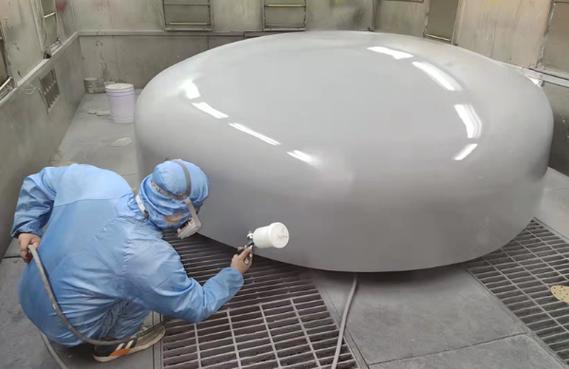
Powder coating for CNC parts is a dry finishing process where electrostatically charged powder (a mixture of resins, pigments, and additives) is sprayed onto the part surface, then cured under…
Sandblasting CNC parts is a process that propels abrasive materials at high speed onto the part surface using compressed air. It removes oxide layers, oil, burrs, or creates a uniform…

Deburring CNC parts is a process that removes excess burrs generated after machining using mechanical, chemical, thermal, or other means. Its purpose is to ensure the dimensional accuracy, assembly performance,…
Anodizing CNC parts is an electrochemical process that forms a protective oxide layer on metal surfaces (primarily aluminum and its alloys). It involves cleaning the CNC-machined part, immersing it in…
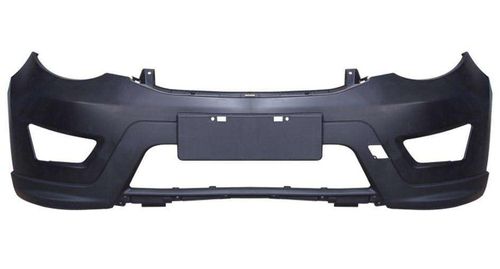
Enhancing the toughness of automotive plastic bumpers involves selecting flexible base resins, adding impact modifiers, optimizing processing to reduce internal stress, and designing energy-absorbing structures. These measures improve resistance to…
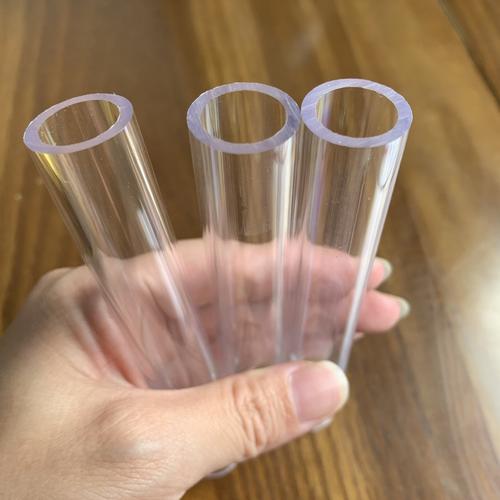
Improving the hardness of plastic parts involves selecting rigid base resins, adding reinforcing fillers, optimizing processing to enhance molecular packing, and applying surface treatments. These methods increase resistance to indentation,…
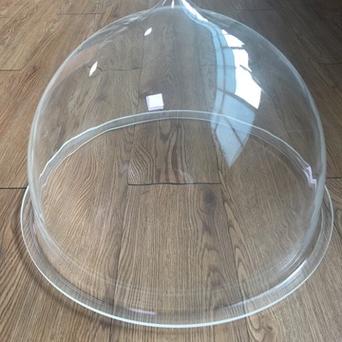
Improving the transparency of plastic parts primarily involves selecting high-purity transparent resins, optimizing processing parameters to minimize defects, controlling impurities, and refining structural design. These measures reduce light scattering and…
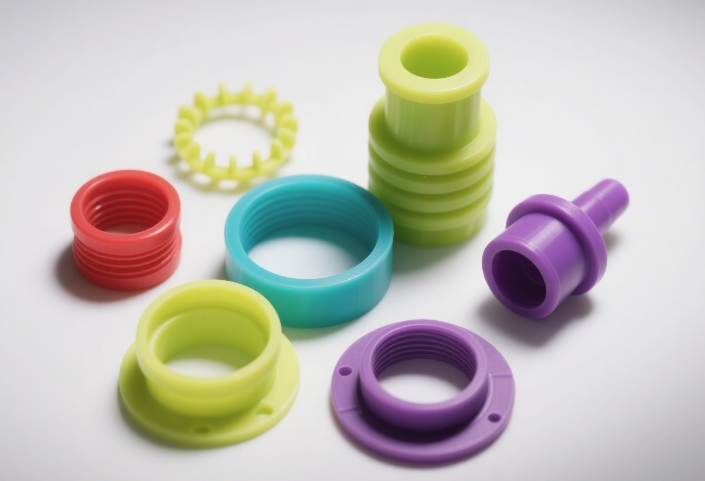
Improving the high-temperature resistance of plastic parts involves selecting heat-resistant base materials, modifying formulations with additives, optimizing processing parameters, and designing appropriate structures. These measures enhance the plastic’s ability to…
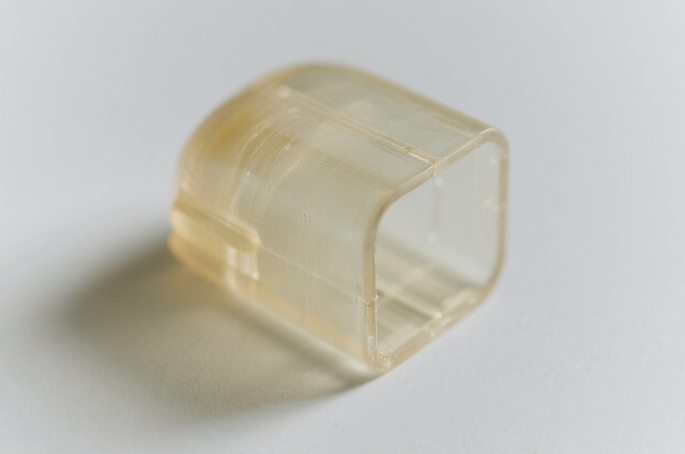
Yellowing of plastic parts is a common aging or degradation phenomenon, primarily caused by damage to the polymer molecular structure or changes in chemical composition. This leads to increased absorption…
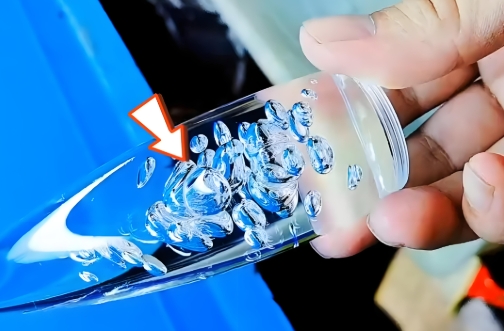
Bubbles in plastic parts primarily form when gases (air, moisture, or volatile substances) become trapped inside the plastic during molding, expand when heated, and create cavities or bulges. These gases…