After 20 years running my own CNC machining shop, I’ve seen hundreds of customers walk in confused about their quotes. Most of them had no idea how much small design choices, material picks, or even order size can swing the final cost. It’s no wonder so many people overpay by 30% or more—they just don’t know what to look for.
That’s why we put together this guide. We’re breaking down exactly how CNC machining costs work, what drives the price, and how you can save money without cutting corners. Whether you’re ordering your first prototype or a 10,000-part production run, this will help you get a fair, accurate estimate every time.
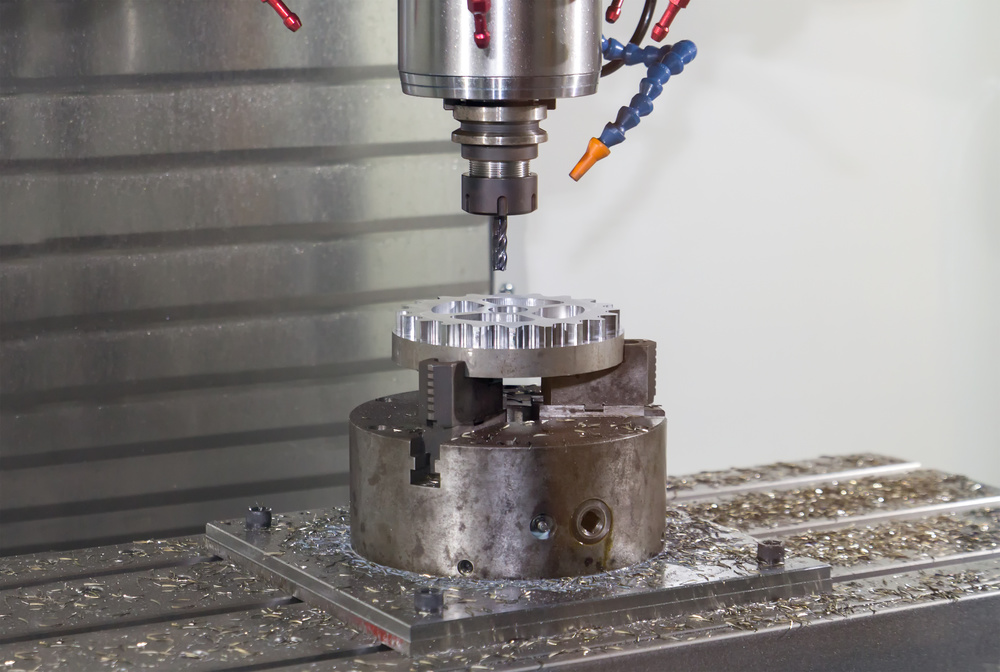
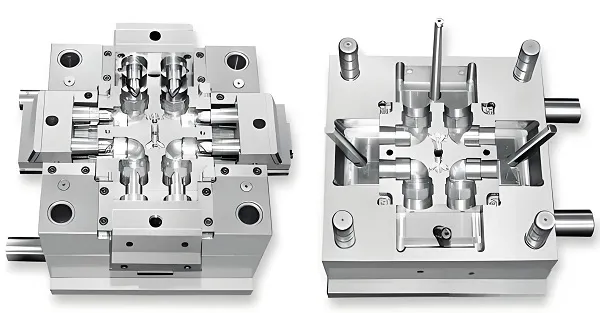
CNC milling machine in operation, cutting a custom aluminum part
Quick Answer: How Much Does CNC Machining Cost?
As a procurement manager who’s sourced thousands of CNC parts over 12 years, I know how frustrating it is to get wildly different quotes for the same part. To cut through the noise, here’s the quick baseline you need:
- Hourly machine rates: $50 to $300 per hour, depending on the machine type (3-axis is cheapest, 5-axis is most expensive)
- Per-part cost: $100 to $1,500 for most small to medium parts, for small production runs
- Most teams can cut their costs by 25-35% with simple design tweaks—no quality loss required
The Key Factors That Change Your CNC Cost Estimate
1. Part Complexity (The Biggest Cost Driver)
When I first started as a design engineer, I thought tighter tolerances and fancy internal features made my design “better.” I specified ±0.001mm for every single feature, even the ones that just held a cover on. My quote came back twice what I’d budgeted for. I was shocked!
Turns out, complexity is the single biggest thing that raises CNC costs. Intricate 3D shapes, tight tolerances, and deep internal cavities mean:
- Longer machining time to get every detail right
- More tool changes to reach tight spots
- Extra inspection time to hit those super-tight tolerances
Simple 2D parts can be done in an hour, but a complex 3D part with tight tolerances can take 10x longer. That adds up fast!
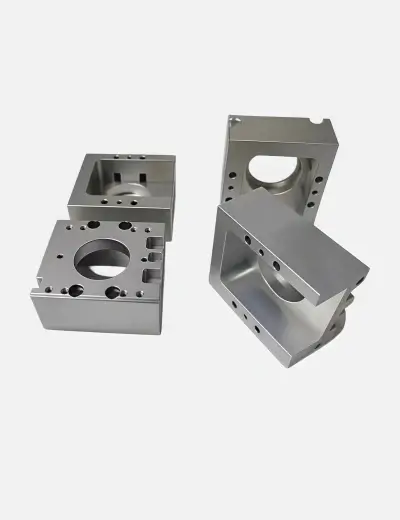
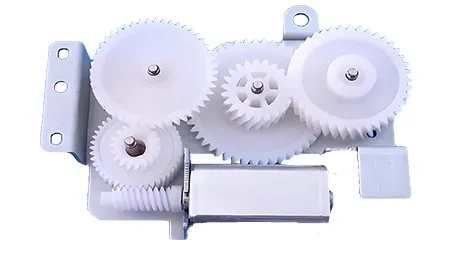
Complex custom CNC prototype parts that require extra machining time
2. Material Selection
I was so shocked when I got my first quote for a small titanium part. I thought it’d be just a little more expensive than aluminum… nope, it was 5x the price! I had no idea how much materials change the total cost.
It’s not just the raw material cost, either. Harder materials like titanium or stainless steel wear out tools way faster, and you have to run the machine slower to avoid breaking tools. That means more machining time, more tool replacements, and a higher bill.
Here’s a quick breakdown of common material costs:
| Material | Raw Cost per kg | Relative Total Cost |
|---|---|---|
| Aluminum 6061 | $5-$15 | 1.0x (Baseline) |
| Brass C360 | $15-$25 | 1.0x |
| Stainless Steel 304 | $10-$25 | 2.3x |
| Titanium Ti-6Al-4V | $80-$150 | 5.4x |
| Plastics (ABS/PEEK) | $10-$30 | 1.7x |
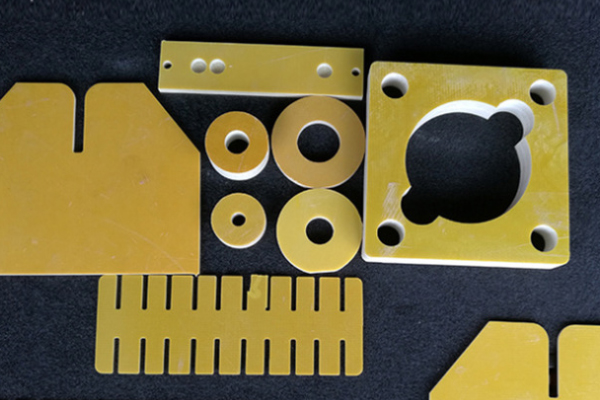
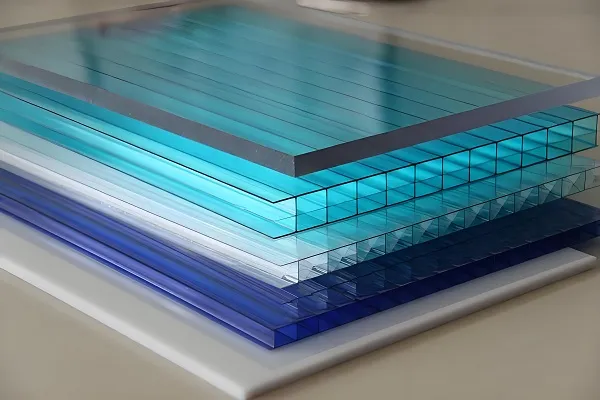
Various CNC machined material samples, from plastics to metals
3. Machine Type & Time
Not all CNC machines are the same. A basic 3-axis mill is cheap to run, but a 5-axis machine that can do complex shapes in one setup costs 3x as much per hour.
Here’s the standard hourly rate breakdown:
- CNC Lathes: $40-$80 per hour
- 3-axis Mills: $50-$100 per hour
- 4-axis Mills: $100-$150 per hour
- 5-axis Mills: $150-$300 per hour
Setup time also matters! Most shops charge a flat setup fee of $100-$300 per job, no matter how many parts you order. That’s why order size makes such a big difference.
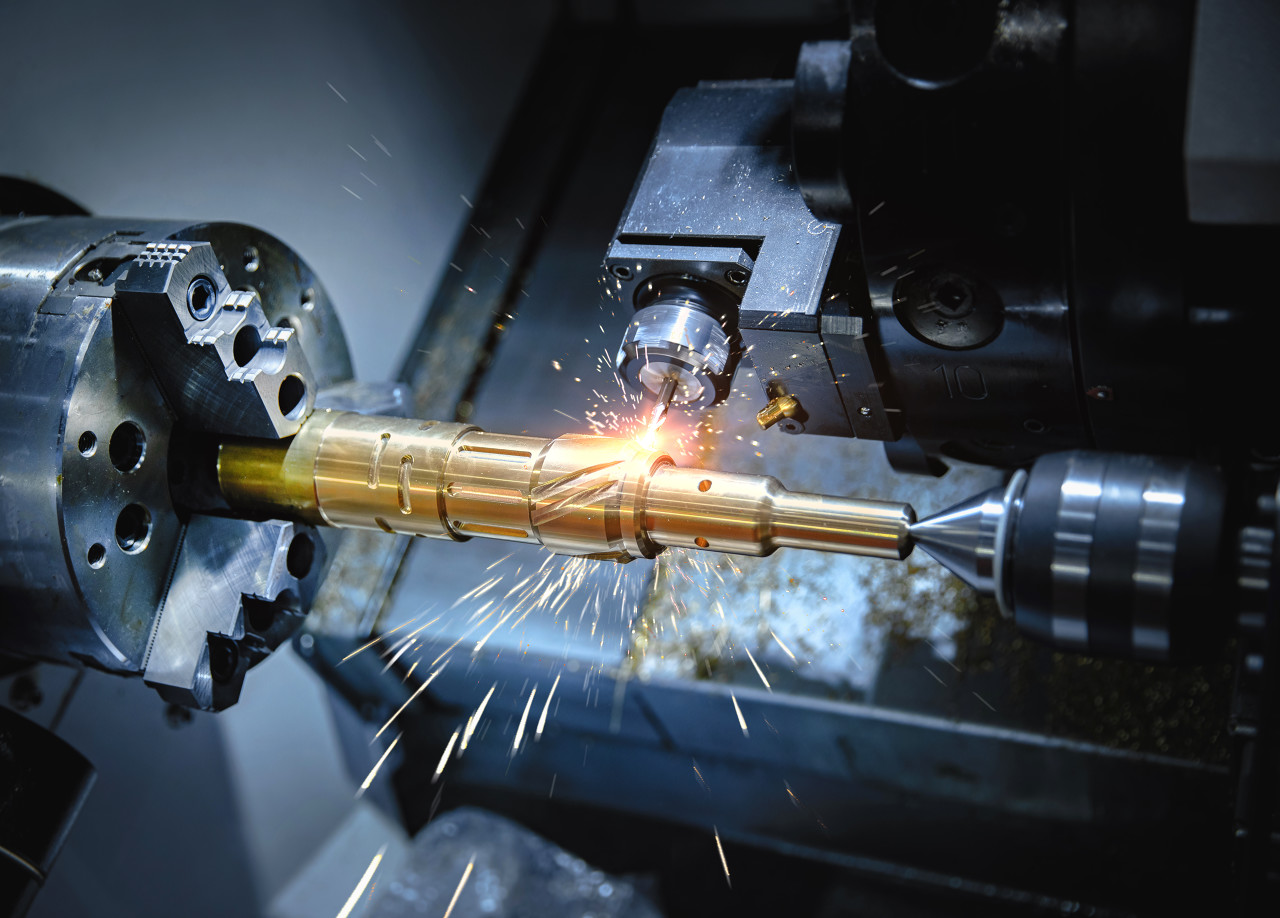
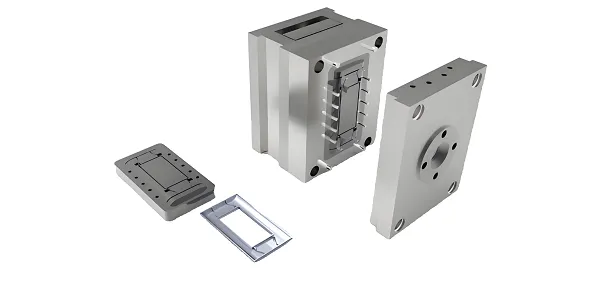
CNC turning machine in operation, producing a custom metal shaft
4. Production Volume
Looking at CNC industry data over the last 20 years, I’ve seen how economies of scale have gotten even more impactful. Back in the 2000s, a 100-part run only saved you 20% compared to a single part. Now, shops have optimized their setup and tooling processes so much that you can save up to 60% on unit costs when you order more parts.
Why? Because that flat setup fee gets spread across more parts. And once the shop has the tooling and program set up, they can run parts faster and more efficiently.
For example:
- 1 part: $350 total (setup cost is 100% of the part cost)
- 10 parts: $165 per part (setup cost is spread out)
- 100 parts: $127 per part
- 1000 parts: $105 per part
That’s a 70% drop in unit cost just from ordering more parts at once! If you know you’ll need more parts later, ordering them together can save you a ton.
5. Surface Finishing
Most parts come out of the machine with a standard “as-machined” finish for free. But if you need something nicer or more durable, that adds cost:
- As-machined: $0 extra, minor tool marks visible
- Deburring: +5-10% cost, just removing sharp edges
- Anodizing: +15-25% cost, adds color and corrosion resistance
- Powder coating: +20-30% cost, adds a durable, colored coating
- Polishing: +30-50% cost, for a mirror-smooth finish
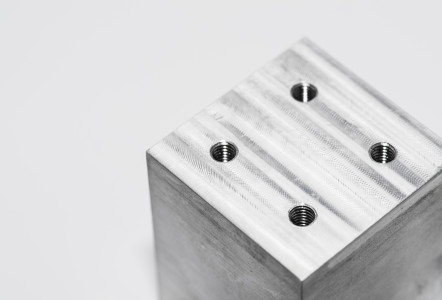
As-machined aluminum finish
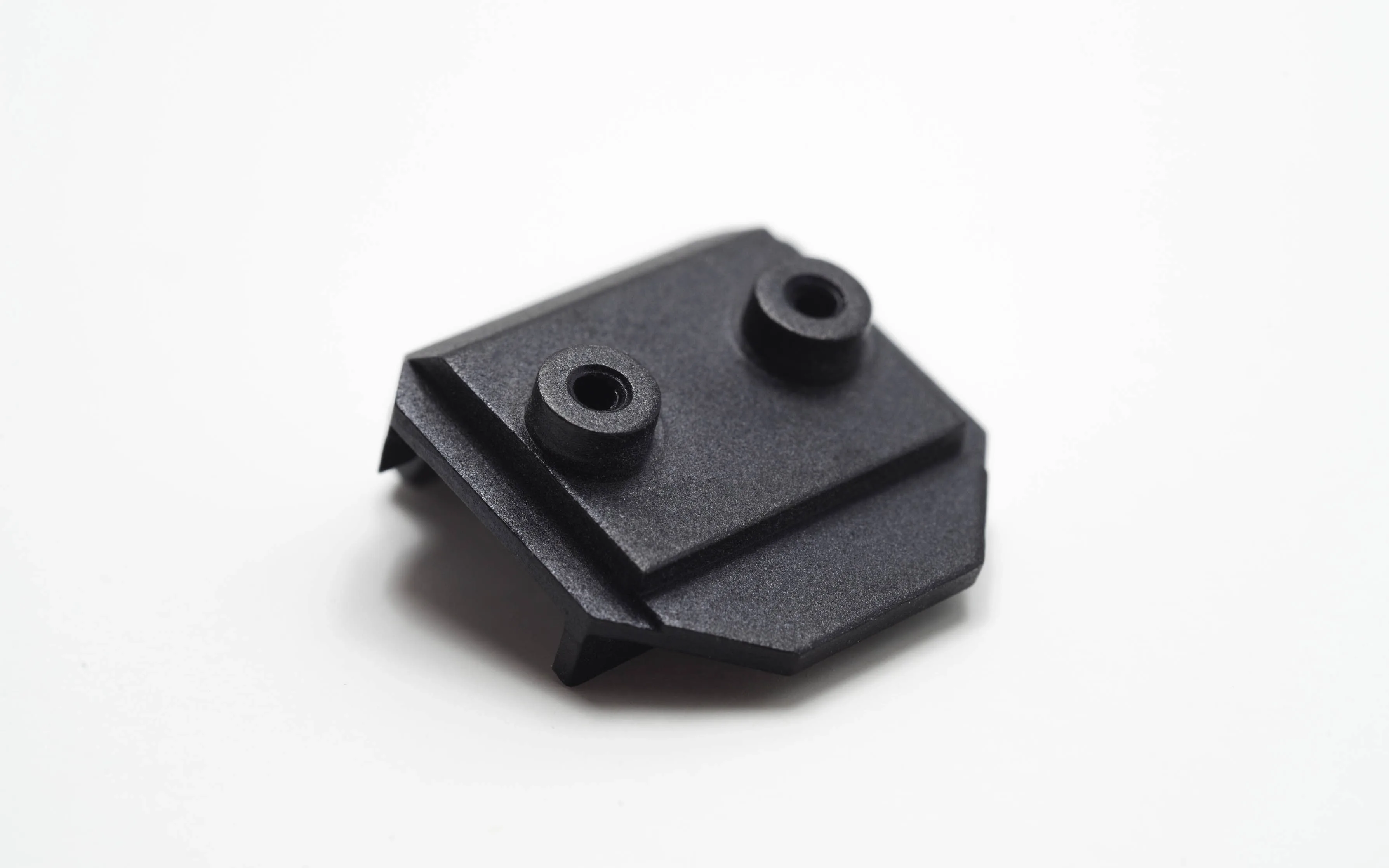
Black anodized aluminum finish
How to Cut Your CNC Machining Costs (Without Sacrificing Quality)
I’ve helped over 200 clients cut their CNC costs by 30% on average, and most of the changes are super simple. You don’t have to use cheaper materials or skip quality checks—you just need to know what to tweak.
My Top Cost-Saving Tips:
- Simplify your design: Cut out unnecessary features, and use standard fillet radii that work with standard tools. This can save you 25-40%!
- Loosen tolerances where you can: Only specify tight tolerances for the parts that actually need it. Loosening a tolerance from ±0.005mm to ±0.05mm can cut your cost in half!
- Use standard materials: Stick to common materials like Aluminum 6061 unless you really need something fancy. They’re cheaper and faster to machine.
- Order more parts at once: Spread that setup cost across more parts to get huge unit cost savings.
- Work with an experienced shop: A good shop will catch design issues early and give you DFM feedback to save you money before you even start machining.
Most of these changes take 10 minutes to make to your CAD file, but they can save you hundreds or even thousands of dollars on your order. It’s 100% worth it!
Frequently Asked Questions
How do I get an accurate CNC cost estimate?
Send your full CAD file (STEP, STL, or SolidWorks works best), tell us your material, tolerance needs, surface finish, and how many parts you need. The more info you give, the more accurate your quote will be!
Is CNC machining cheaper than 3D printing?
For prototypes (1-10 parts), 3D printing is usually cheaper. But for 100+ parts, CNC is way cheaper because of economies of scale. CNC also gives you better material strength and accuracy for functional parts.
What’s the cheapest material for CNC machining?
Aluminum 6061 is almost always the cheapest. It’s cheap to buy, easy to machine, and works for most applications. If you need something even cheaper, low-carbon steel is a good option too.
Why are my quotes so different from different shops?
Shops use different pricing models, and some include setup or finishing costs in their hourly rate, while others charge them separately. Always ask for a full breakdown of costs to compare apples to apples!
Ready to Get Your CNC Cost Estimate?
At the end of the day, getting a fair CNC cost estimate is all about understanding what drives the price, and optimizing your design to cut unnecessary costs. With the tips in this guide, you can save 25-35% on your next order, no strings attached.
If you’re ready to get a free, no-obligation quote for your CNC parts, send us your CAD file today. Our team of experts will review your design, give you a full cost breakdown, and even share design tips to help you save even more money.