From a Single Screw to Vehicle Performance: A Journey of Craftsmanship
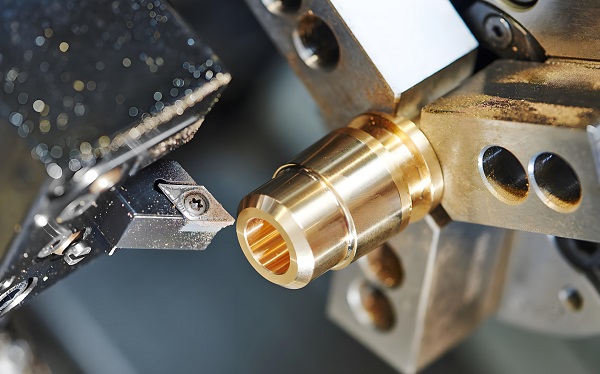
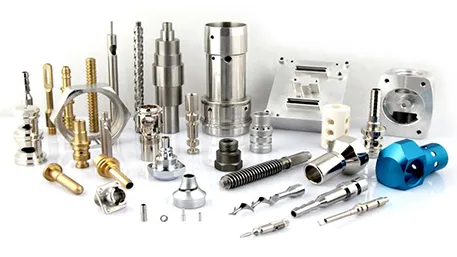
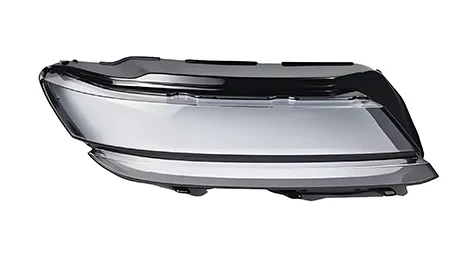
Hello everyone, I’m the Technical Director of Xiamen Gold Cattle. Today, I want to share our story in the field of custom CNC automotive metal parts manufacturing. With 26 years of technical accumulation, we have grown from simple parts machining to a professional service provider capable of delivering core precision components for new energy vehicles. Every machining process is a commitment to quality; every part carries our understanding of the future of the automotive industry.
Industry Transformation and Opportunities Behind the Data
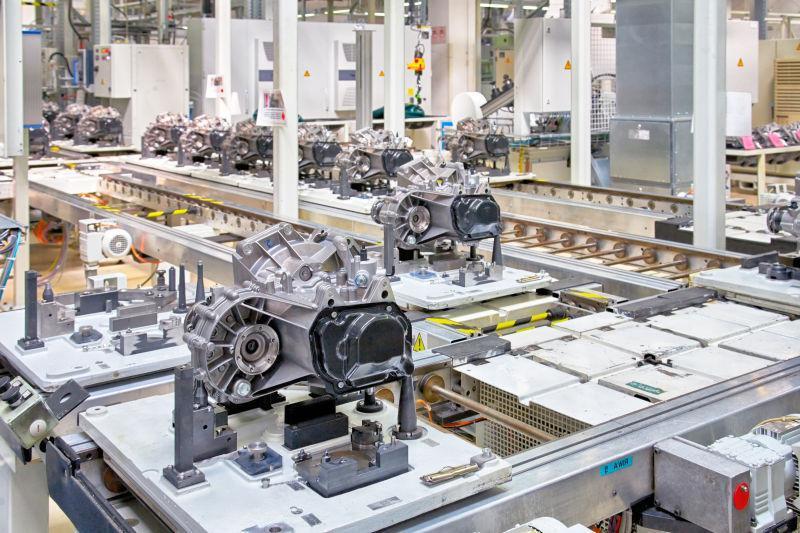
Before sharing our technical insights, let me present some industry data that reflects the profound transformation in the automotive metal parts machining industry:
- Global Market Size: The global automotive metal precision parts market reached (286 billion in 2024 and is expected to exceed )310 billion by 2025, with a CAGR of 6.8% (Source: OICA – International Organization of Motor Vehicle Manufacturers)
- China Market Performance: The Chinese market exceeded RMB 840 billion in 2024 and is projected to approach RMB 1.4 trillion by 2030, with an annual growth rate of approximately 7.2% (Source: CAAM – China Association of Automobile Manufacturers)
- New Energy Transformation: The market share of new energy vehicle-related parts will rapidly increase from 34% in 2024 to over 58% by 2030 (Source: Deloitte Automotive Industry Report)
- Production Growth: China’s automobile production exceeded 32 million units in 2024, with new energy vehicles accounting for 35% of total production (Source: National Bureau of Statistics)
These figures tell us that the automotive industry is undergoing unprecedented technological transformation, and CNC machining technology is the core driving force behind this revolution.
Core Technologies: Our Four Major Processing Advantages
1. 5-Axis Simultaneous Precision Machining Technology
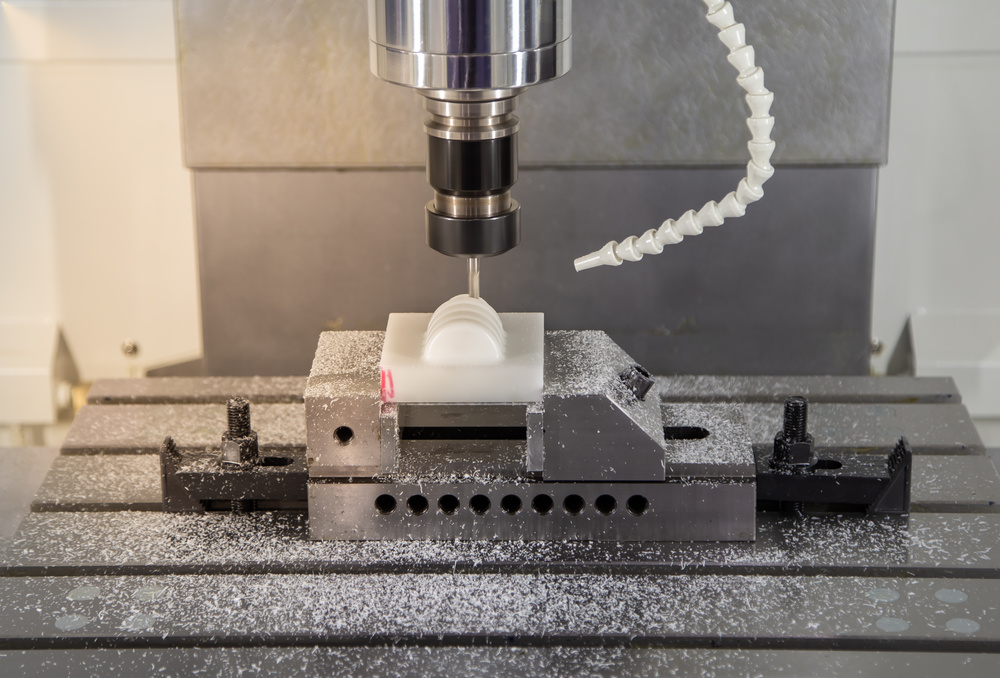
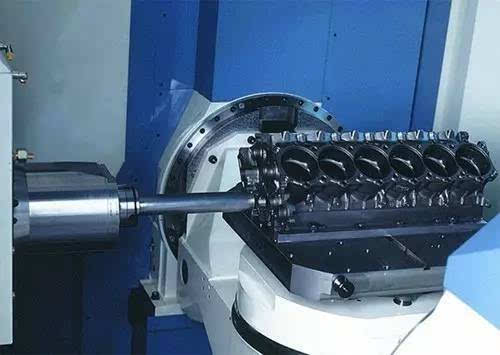
5-axis simultaneous machining is our core competitiveness, strictly adhering to ISO 230-2:2014 “Test code for machine tools – Part 2: Determination of accuracy and repeatability of positioning of numerically controlled axes” standard.
- One-time Forming of Complex Surfaces: Complex structures such as spiral oil cooling channels inside motor housings and inclined mounting surfaces
- Ultra-high Precision Control: According to ISO 230-2 standard, our positioning accuracy A ≤ 0.005mm, repeatability R ≤ 0.002mm
- Multi-process Integration: Completing milling, drilling, tapping and other processes in one setup, reducing clamping errors
2. Lightweight Material Processing Technology
We strictly follow ASTM International Standards and IAI (International Aluminum Institute) technical specifications:
- Aluminum Alloy Processing: The average aluminum usage per new energy vehicle in China reached 168kg in 2023, a 42% increase compared to 2020 (Source: IAI – International Aluminum Institute)
- Material Performance Optimization: Enhancing aluminum alloy strength to over 480MPa through ASTM standard heat treatment processes (T6, T7)
- Thin-walled Part Processing: Dimensional stability control for complex thin-walled structural parts, internal porosity controlled below 0.1%, complying with ASTM B970 cleanliness standard
3. Core Component Processing for Electric Drive Systems
Our processing technology fully complies with the technical requirements of “Technology Roadmap for Energy Saving and New Energy Vehicles 3.0”:
- Motor Rotor Shaft: Dynamic balance accuracy controlled within 0.5g·mm, surface roughness Ra ≤ 0.4μm, meeting operational requirements for high-speed motors above 20,000 rpm
- Motor Housing: Internal integration of complex oil/water cooling circulation channels, deep hole machining accuracy ±0.01mm, coaxiality ≤ 0.005mm
- Planetary Gear Assembly: Achieving ISO 1328-1 Grade 4-5 accuracy, with some reaching Grade 2, meeting high reliability requirements for transmission systems
4. Intelligent Processing System
We actively promote intelligent manufacturing upgrades, strictly implementing IATF 16949:2016 and VDA 6.1 standards:
- MES System Integration: Equipment connectivity rate reaching 82%, real-time yield monitoring coverage 91%, complying with IATF 16949 process approach requirements
- Digital Twin Technology: New product trial production cycle reduced by 28%, yield rate improved to over 98.6%, based on VDA 6.3 process audit standards
- AI Quality Inspection: Inspection efficiency improved by over 5 times, full-size automatic collection and SPC analysis, meeting IATF 16949 continuous improvement requirements
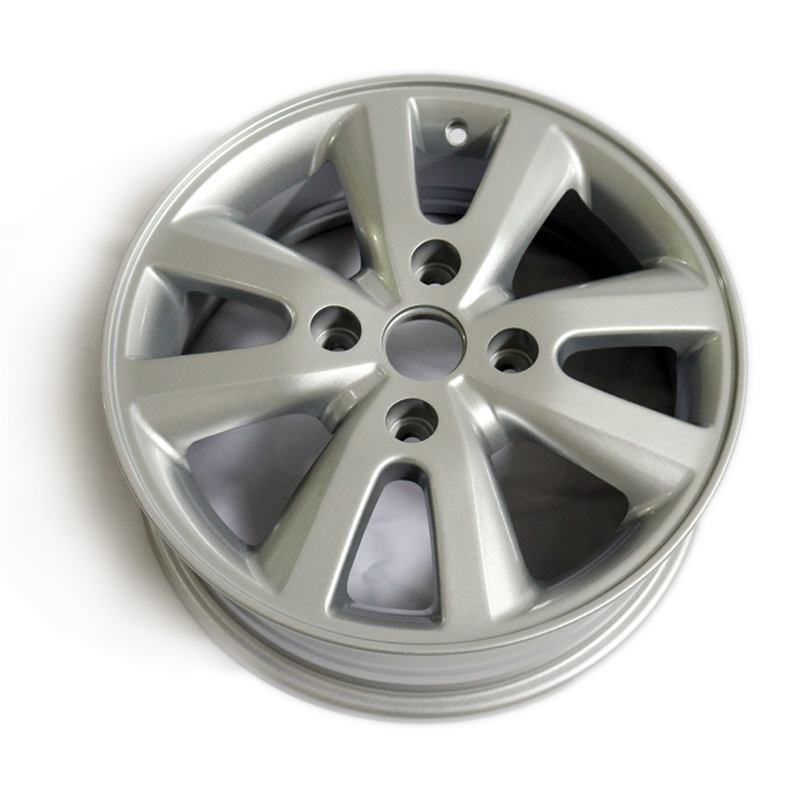
Service Areas: Covering the Entire Automotive Industry Chain
Powertrain Components
- Motor housing and end cover (complying with ISO 230-2 accuracy standard)
- Motor rotor shaft (meeting ASTM balance requirements)
- Reducer gear assembly (achieving ISO 1328-1 accuracy grade)
- Inverter housing (complying with IP6K9K protection rating)
- Battery tray and casing (meeting lightweight and strength requirements)
Chassis System Components
- Aluminum alloy steering knuckle (ASTM B438 powder metallurgy standard)
- Control arm (ISO 9001 quality system guarantee)
- Shock absorber bracket (IATF 16949 process control)
- Subframe (VDA 6.1 audit standard)
- Brake system components (meeting safety-critical part requirements)
Thermal Management System Components
- Battery cooling plate (leakage rate ≤ 0.1g/year, complying with ASTM sealing standard)
- Refrigerant line connector (meeting high-voltage system requirements)
- Electronic expansion valve body (precision machining accuracy ±0.005mm)
- Radiator microchannel structure (maximizing heat dissipation area design)
Intelligent Driving System Components
- LiDAR metal bracket (dimensional tolerance ±5μm, geometric tolerance ≤ 0.01mm)
- Millimeter-wave radar housing (electromagnetic shielding effectiveness ≥ 80dB)
- Sensor mounting base (high-precision positioning requirements)
- Autonomous driving actuator (high reliability requirements)
Typical Case Study: In-depth Cooperation with New Energy Vehicle Manufacturers
Let me share a cooperation case with a leading new energy vehicle manufacturer, fully implemented according to IATF 16949:2016 and VDA 6.3 standards:
Project Background: The customer needed custom high-precision motor rotor shafts for their new-generation electric drive system
Technical Requirements:
- Material: High-strength alloy steel (complying with ASTM A370 mechanical property testing standard)
- Diameter: Φ30mm, roundness ≤ 0.002mm (ISO 230-2 standard)
- Length: 250mm, straightness ≤ 0.005mm
- Dynamic balance accuracy: ≤ 0.5g·mm (ASTM balance standard)
- Surface roughness: Ra ≤ 0.4μm (ISO surface roughness standard)
- Production volume: 100,000 pieces/year, PPM ≤ 10 (IATF 16949 quality target)
Our Solution:
- Material Selection: Using high-strength alloy steel compliant with ASTM standards, quenched and tempered through VDA 6.4 certified heat treatment furnace
- Processing Technology: 5-axis turn-mill compound machining center equipped with online dynamic balance detection system, complying with ISO 230-2 testing standards
- Precision Control: Using German Heidenhain linear scales, positioning accuracy 0.001mm, repeatability 0.0005mm
- Quality Inspection: CMM, roundness tester, roughness tester and other inspection equipment, implementing SPC statistical process control
After 3 months of technical research and sample verification, we successfully met the customer’s technical requirements and passed their VDA 6.3 process audit. Currently, the project is in stable mass production, with product quality highly recognized by the customer, providing reliable component support for their new-generation electric drive system.
Quality System: Strict Automotive Industry Standards
IATF 16949:2016 Certification
We have obtained IATF 16949:2016 automotive industry quality management system certification, recognized as the highest quality standard in the global automotive industry. This standard particularly focuses on:
- Five Core Tools: APQP, FMEA, MSA, SPC, PPAP
- Process Approach: Using turtle diagrams for process definition and management
- Continuous Improvement: PDCA cycle-based continuous improvement mechanism
- Customer Orientation: Customer satisfaction as the ultimate goal
VDA Series Standards
We also meet the strict requirements of the German Association of the Automotive Industry (VDA):
- VDA 6.1: Quality management system audit, ensuring system integrity
- VDA 6.3: Process audit, ensuring production process stability
- VDA 6.5: Product audit, ensuring final product quality
- VDA 4.2: FMEA failure mode and effects analysis
ISO 9001:2015 Certification
As the fundamental quality management system, ISO 9001:2015 provides us with:
- Risk Management: Risk-based thinking approach
- Leadership: Top management’s quality commitment
- Resource Management: Ensuring adequate human and equipment resources
- Performance Evaluation: Regular internal audits and management reviews
Full-process Quality Control
- 100% Inspection: Each batch undergoes CMM, X-ray tomography and other inspections
- Traceability: Complete data chain of material composition, heat treatment curves, and key process parameters
- Continuous Improvement: Data analysis-based continuous improvement mechanism
- Customer-specific Requirements: Meeting exclusive quality agreement requirements of major OEMs
Comparative Advantages: Why Choose Us?
Technical Advantage Comparison
|
Comparison Item
|
Industry Average
|
Our Level
|
Advantage Description
|
|
Positioning Accuracy
|
±0.01mm
|
±0.005mm
|
Exceeds ISO 230-2 standard requirements
|
|
Repeatability
|
±0.005mm
|
±0.002mm
|
Reaching international advanced level
|
|
Processing Efficiency
|
Standard
|
40% improvement
|
One-time forming with 5-axis machining
|
|
Product Qualification Rate
|
95%
|
99.5%
|
Strict quality control system
|
|
Delivery Cycle
|
15-20 days
|
7-10 days
|
Intelligent production management
|
Certification Advantages
- International Certifications: IATF 16949, ISO 9001, VDA 6.x series
- Customer Recognition: Qualified supplier for multiple renowned automotive manufacturers
- Technical Capability: 26 years of professional experience, stable technical team
- Equipment Advantage: Imported high-end equipment with high precision and stability
Service Advantages
- Rapid Response: Quotation within 24 hours, samples within 72 hours
- Technical Support: Professional engineering team providing technical consultation
- Customization Capability: Customized development according to customer requirements
- After-sales Service: Comprehensive after-sales service system
Future Outlook: Growing Together with the Automotive Industry
With the release of “Technology Roadmap for Energy Saving and New Energy Vehicles 3.0”, we see broader development prospects:
- Technology Upgrade: Moving towards higher performance, lighter weight, and higher integration
- Market Opportunities: The automotive CNC machining market is expected to exceed RMB 85 billion by 2025
- Domestic Substitution: Local enterprises’ share in global Tier 2+ supply systems will increase from 21% to 35%
We will continue to increase R&D investment, focusing on:
- Integrated Die Casting Post-processing Technology: Meeting precision machining requirements for large structural parts
- SiC Power Module Heat Sink Processing: Adapting to 800V high-voltage system development trends
- Carbon Fiber Composite Material Processing: Further promoting automotive lightweighting
- More Intelligent Production System: Achieving Industry 4.0 intelligent manufacturing
Conclusion: Looking Forward to Technical Dialogue with You
Our 26 years of technical accumulation have made us deeply understand that in this era of rapid automotive industry transformation, only continuous technological innovation and relentless pursuit of quality can maintain an unbeatable position in fierce market competition.
We strictly follow international authoritative standards such as IATF 16949, VDA 6.x, and ISO 230-2 to ensure every product meets the highest quality requirements of the automotive industry. Our goal is to become your most reliable CNC automotive metal parts partner, jointly driving the development of China’s automotive industry.
If you have any technical needs or cooperation intentions in automotive metal parts processing, we look forward to in-depth technical exchanges with you. Let us work together with craftsmanship spirit to contribute to the development of China’s automotive industry.
Contact Us:
- Visit our website: https://www.xmgoldcattle.com/
Looking forward to every technical collaboration with you, let’s jointly drive the bright future of the automotive industry!