Table of Contents
- Overview of CNC Wood Processing
- Common CNC Processable Wood Types
- Wood Properties and Processing Considerations
- CNC Woodworking Equipment
- Processing Techniques and Parameters
- Application Areas
- Technical Advantages and Challenges
Overview of CNC Wood Processing
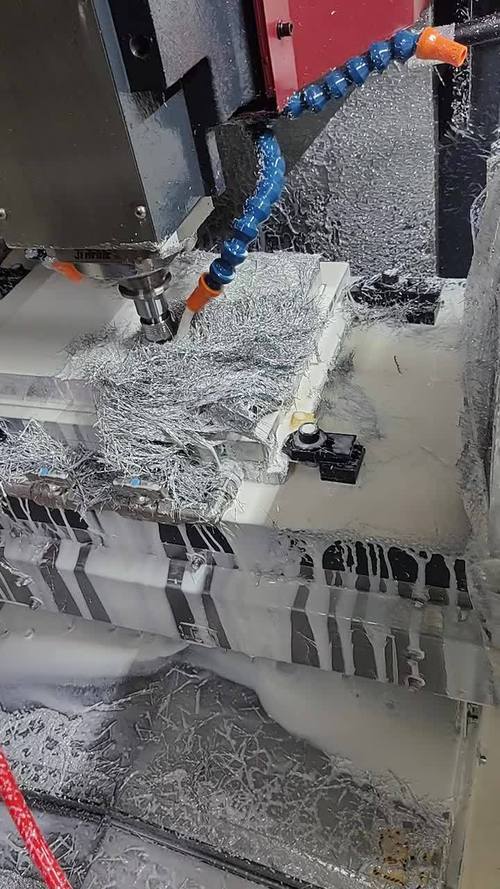
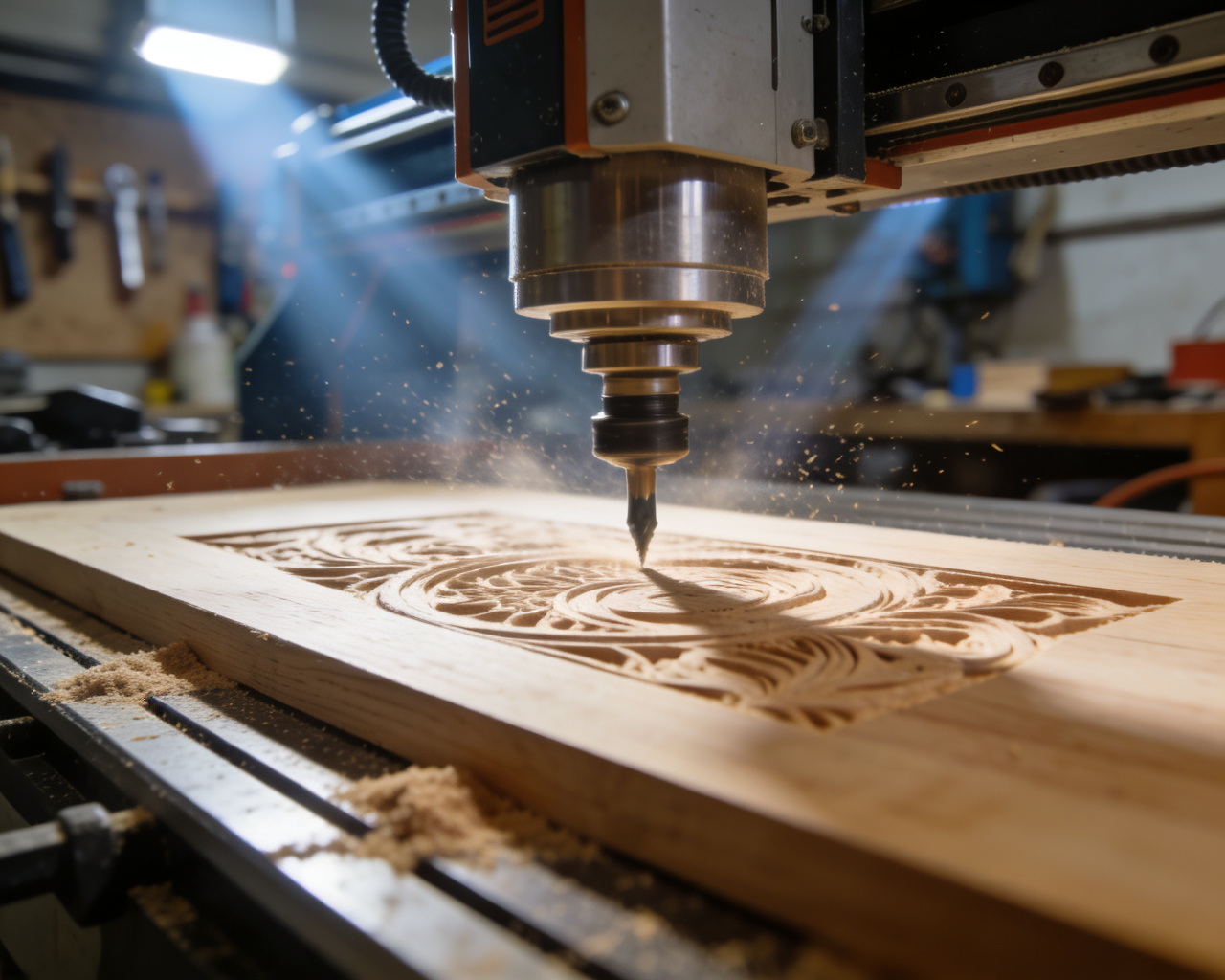
The application of CNC (Computer Numerical Control) technology in wood processing has significantly improved processing precision, efficiency, and complexity. Through computer program control, CNC equipment can achieve precise cutting, carving, milling, and other complex processing operations on wood.
Basic Principles
CNC wood processing is achieved through the following steps:
- Design Modeling: Create 3D models using CAD software
- Path Generation: Generate processing paths through CAM software
- Equipment Setup: Set processing parameters according to wood characteristics
- Automatic Processing: CNC equipment completes processing automatically according to the program
- Quality Inspection: Verify processing precision and quality
Common CNC Processable Wood Types
Hardwoods
Hardwoods come from deciduous trees and have higher density and durability, suitable for making high-end furniture and decorations.
Main Types:
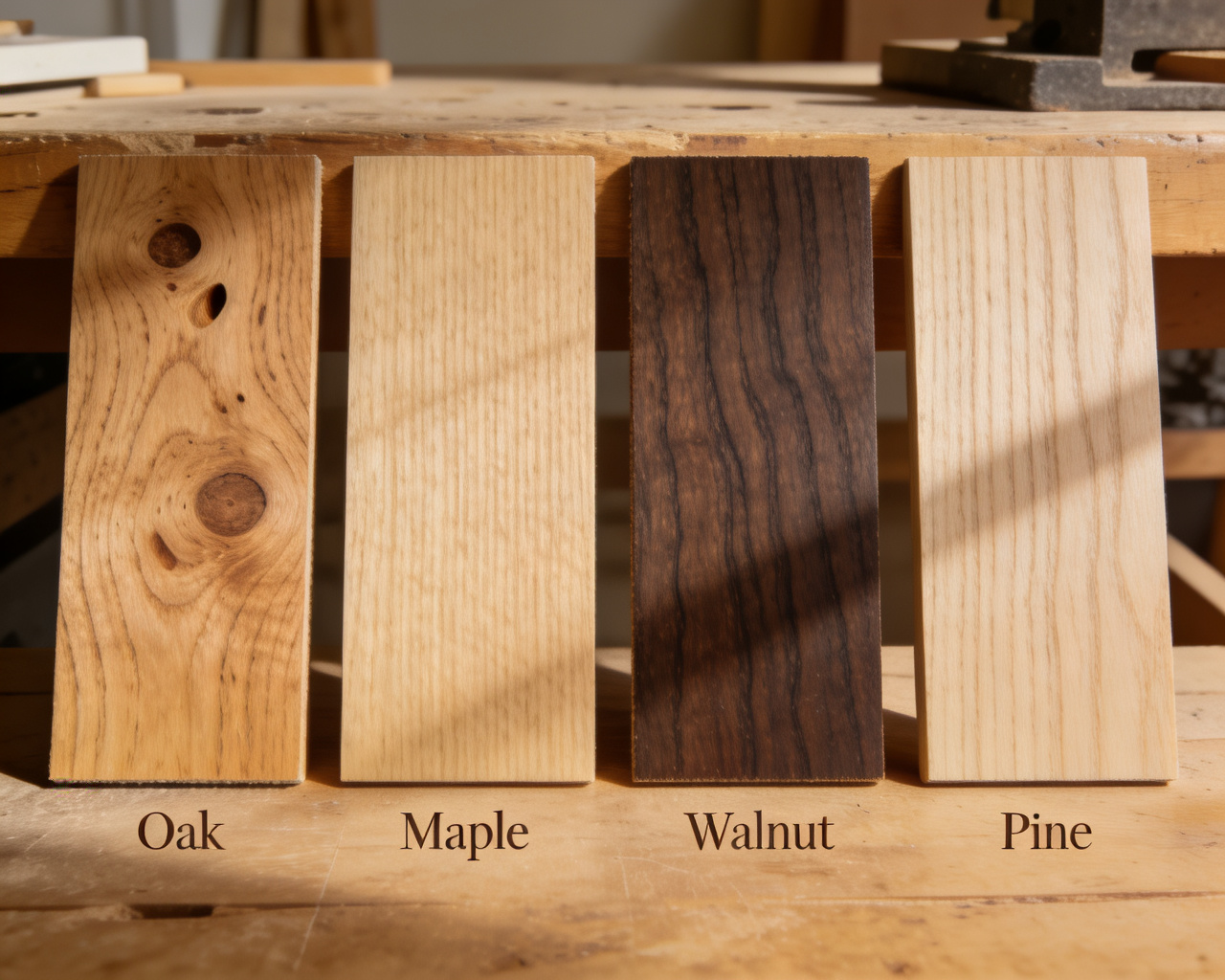
- Oak: Hardness 1360, beautiful grain, strong corrosion resistance
- Maple: Hardness 1450, hard texture, fine grain
- Walnut: Hardness 1010, elegant color, good processing performance
- Cherry: Hardness 950, beautiful color, suitable for fine carving
- Birch: Hardness 760, uniform texture, good stability
Softwoods
Softwoods come from coniferous trees, have lower density, are easy to process, and relatively low cost.
Main Types:
- Pine: Hardness 380-560, clear grain, good processing performance
- Cedar: Hardness 900, natural preservative, aromatic scent
- Fir: Hardness 600, light and soft texture, suitable for large-scale processing
- Spruce: Uniform texture, suitable for making musical instruments
Engineered Woods
Engineered woods are composite materials made from wood fibers, particles, or veneers through adhesives.
Main Types:
- Plywood: Multi-layer veneer bonding, good stability
- Medium Density Fiberboard (MDF): Uniform density, suitable for fine carving
- Particleboard: Low cost, suitable for basic structures
- Oriented Strand Board (OSB): High strength, suitable for construction applications
Wood Properties and Processing Considerations
Key Property Parameters
|
Wood Type
|
Janka Hardness
|
Density (g/cm³)
|
Processing Difficulty
|
Main Applications
|
|
Oak
|
1360
|
0.75
|
Medium
|
Furniture, Flooring
|
|
Maple
|
1450
|
0.70
|
High
|
High-end Furniture, Musical Instruments
|
|
Walnut
|
1010
|
0.64
|
Medium
|
Decoration, Crafts
|
|
Pine
|
380-560
|
0.45
|
Low
|
Construction, Furniture
|
|
MDF
|
–
|
0.70
|
Low
|
Carving, Decoration
|
Processing Considerations
Density Impact:
- High-density woods require greater cutting force
- Low-density woods can be processed at faster speeds
- Tool selection needs to be adjusted according to wood hardness
Moisture Content Control:
- Ideal processing moisture content: 8-12%
- Excessively high moisture content reduces processing precision
- Excessively low moisture content It is prone to cracking.
Grain Direction:
- Processing along the grain is smoother
- Cross-grain processing requires reduced feed rate
- Special attention to tool wear in knot areas
CNC Woodworking Equipment
Equipment Types
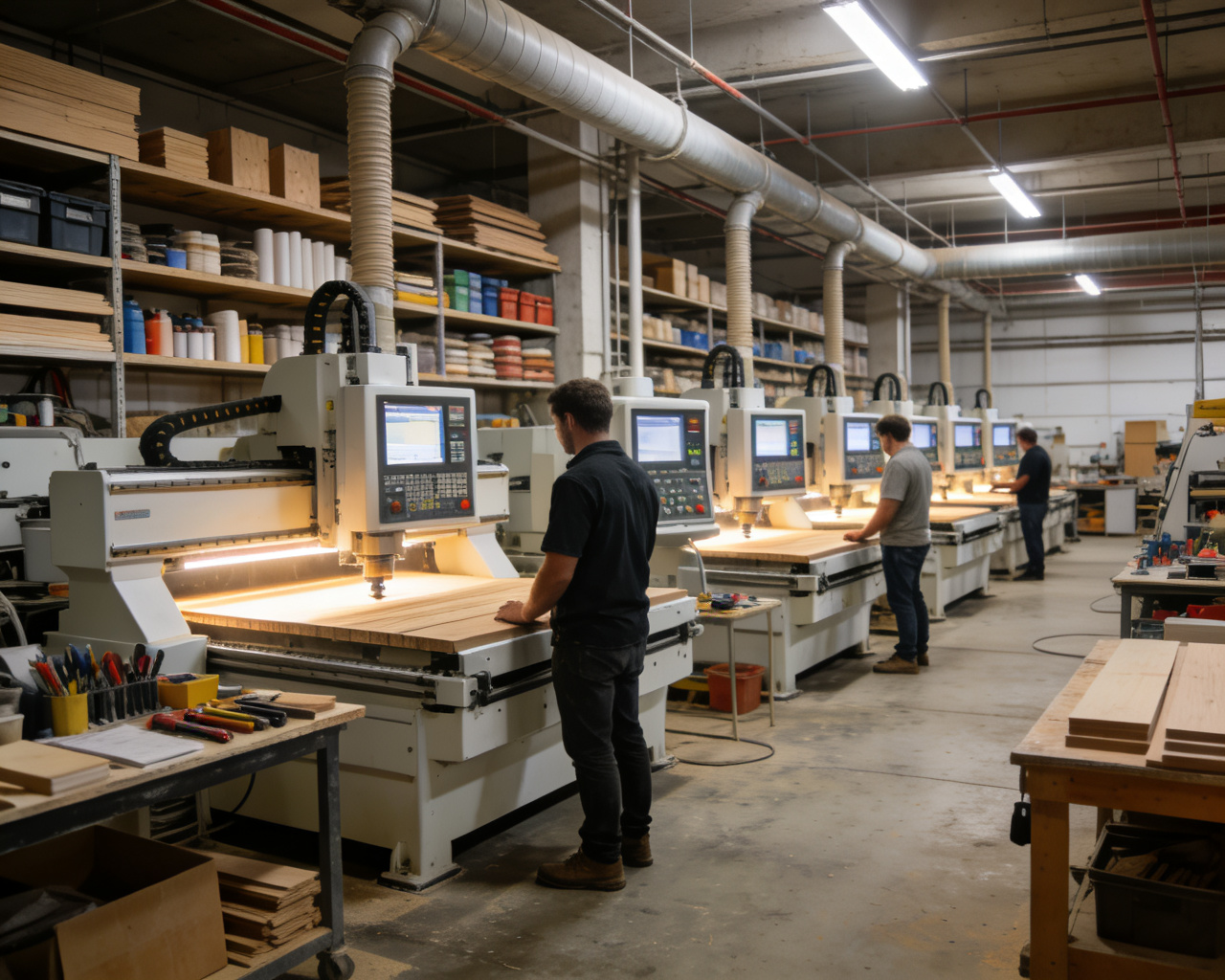
CNC Router:
- Suitable for flat engraving and 3D modeling
- Equipped with automatic tool change system
- Working area ranges from desktop to industrial grade
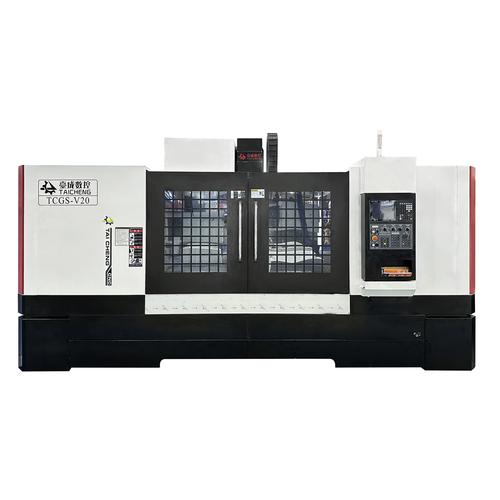
CNC Machining Center:
- Multi-axis linkage, complex curved surface processing
- Automatic loading/unloading system
- High-precision positioning system
Laser Engraving Machine:
- Non-contact processing, extremely high precision
- Suitable for fine patterns and text engraving
- Small heat-affected zone
Tool Selection
High-Speed Steel (HSS) Tools:
- Low cost, suitable for softwood processing
- General wear resistance, frequent replacement needed
Carbide Tools:
- High hardness, good wear resistance
- Suitable for hardwoods and engineered woods
- Long service life
Diamond Tools:
- Extremely high hardness, suitable for special materials
- Higher cost, used for high-precision processing
Processing Techniques and Parameters
Processing Parameter Settings
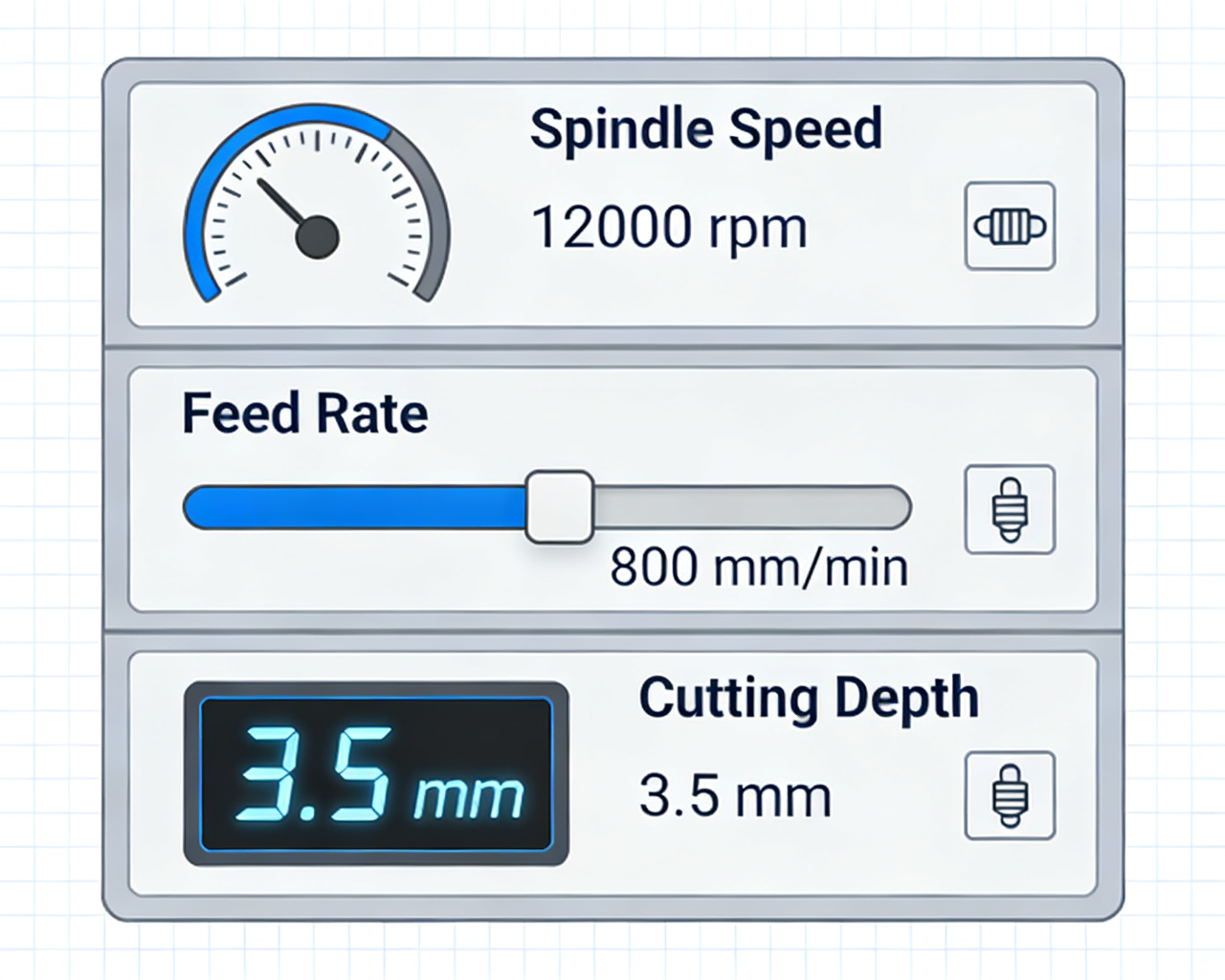
Cutting Speed:
- Softwoods: 10-15 m/min
- Hardwoods: 5-10 m/min
- Engineered woods: 8-12 m/min
Feed Rate:
- Along grain: 8-12 m/min
- Cross grain: 4-6 m/min
- Engraving processing: 2-5 m/min
Spindle Speed:
- Softwoods: 10,000-15,000 rpm
- Hardwoods: 8,000-12,000 rpm
- Fine processing: 15,000-24,000 rpm
Process Optimization
Path Optimization:
- Reduce empty travel time
- Optimize tool path sequence
- Adopt layered processing strategy
Cooling System:
- Compressed air cooling
- Cutting fluid cooling (suitable for hardwoods)
- Dust removal system to prevent wood chip accumulation
Application Areas
Furniture Manufacturing
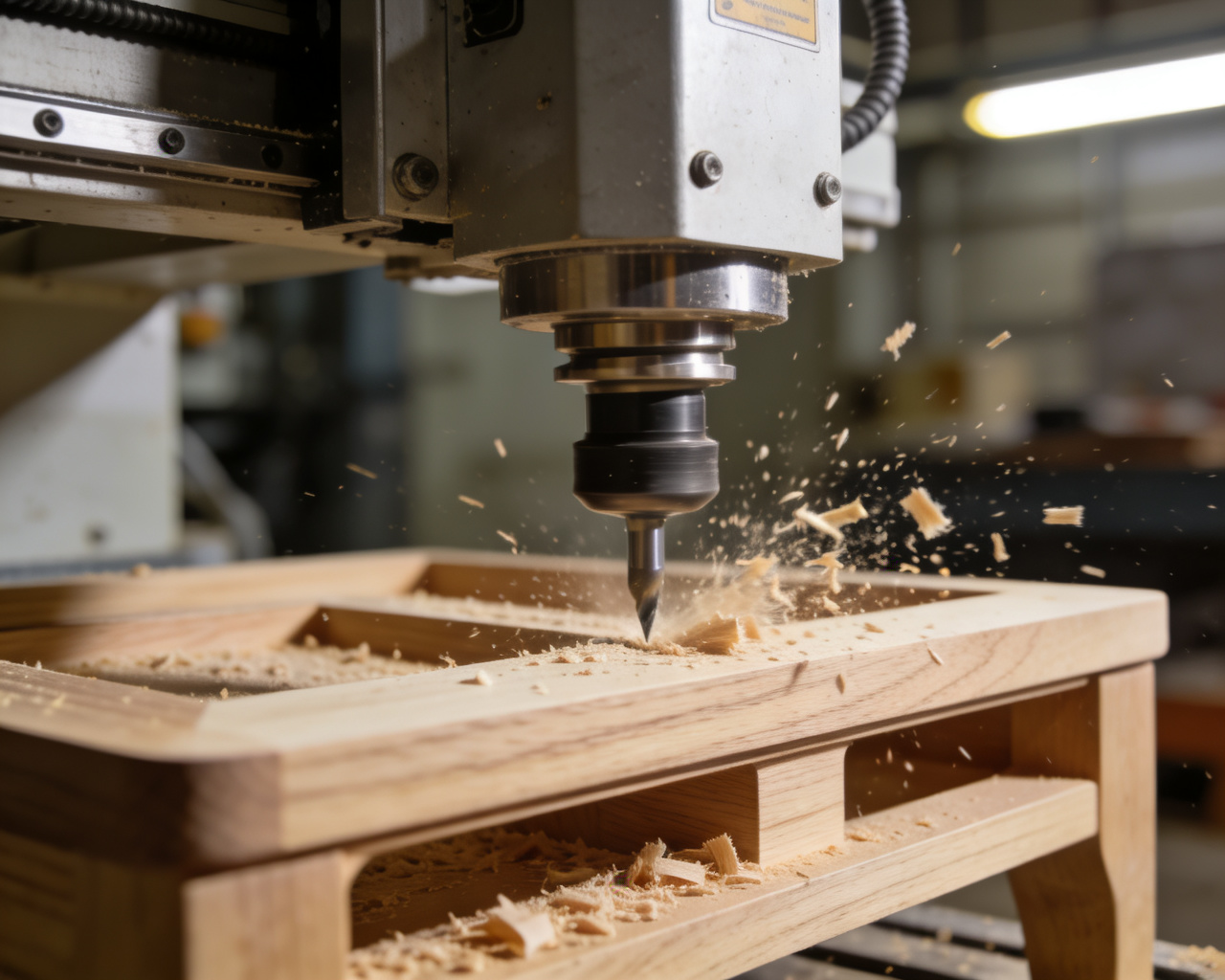
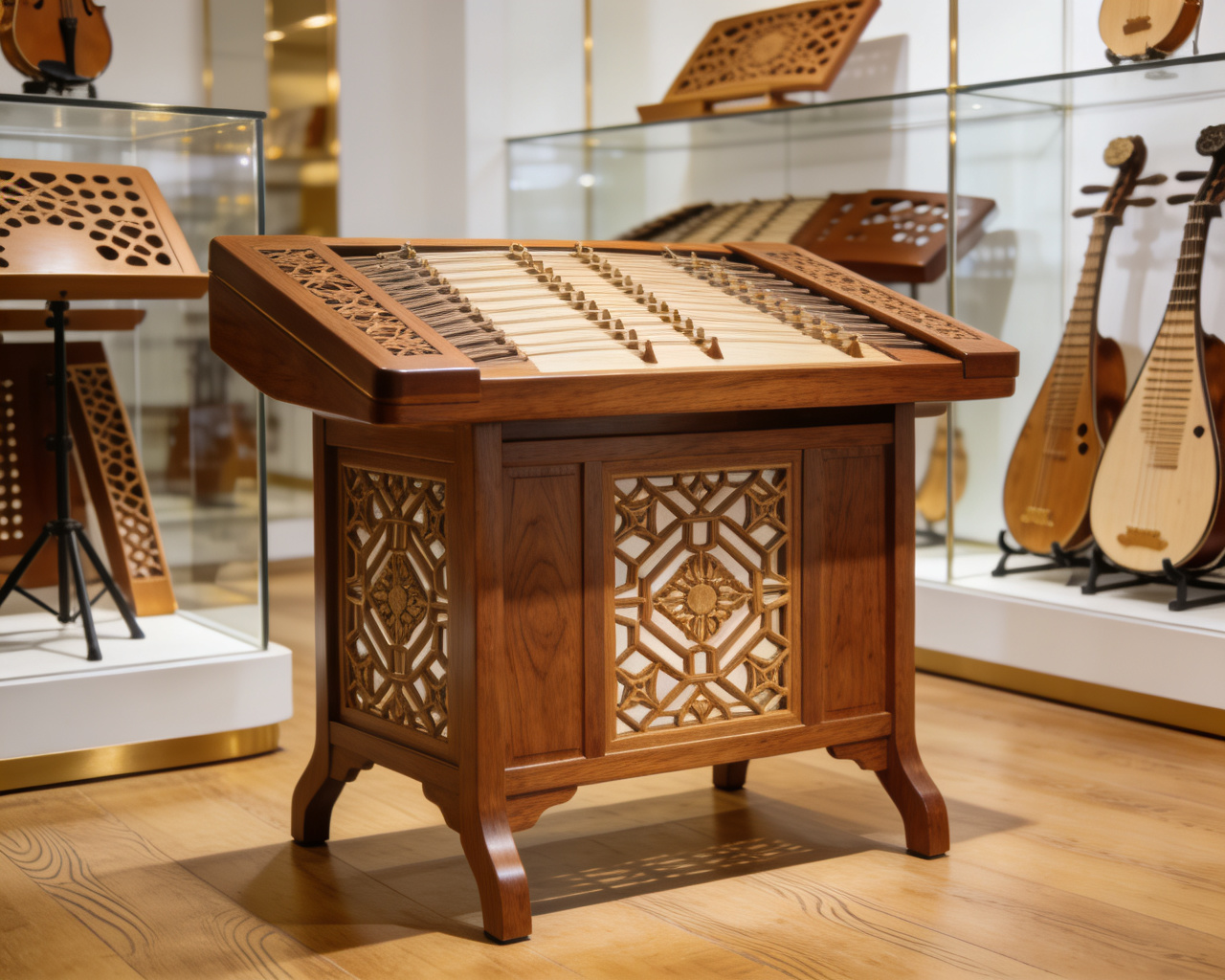
Custom Furniture:
- Personalized design implementation
- Complex shape processing
- Batch production consistency
Cabinet Manufacturing:
- Precise dimension control
- Complex joining structures
- Surface decoration engraving
Architectural Decoration
Interior Decoration:
- Wall decorative panels
- Ceiling modeling
- Decorative moldings
Outdoor Landscaping:
- Wooden sculptures
- Landscape features
- Outdoor furniture
Craft Production
Wood Carving Art:
- Fine carving techniques
- Complex pattern implementation
- Personalized customization
Musical Instrument Making:
- High-precision soundboard processing
- Complex curved surface modeling
- Sound quality optimization design
Technical Advantages and Challenges
Main Advantages
High-Precision Processing:
- Sub-millimeter precision control
- Accurate implementation of complex shapes
- Good consistency in batch production
High-Efficiency Production:
- Automated processing flow
- 24-hour continuous production
- Significant reduction in labor costs
Design Freedom:
- Easy implementation of complex shapes
- Strong personalized customization capability
- Rapid prototype development
Challenges
Equipment Investment Cost:
- High-end CNC equipment is expensive
- Relatively high maintenance costs
- Technical personnel training requirements
Material Property Variations:
- Natural wood properties are unstable
- Moisture content changes affect precision
- Complex knot and defect handling
Environmental Protection Requirements:
- Wood chip dust treatment
- Noise control
- Adhesive environmental requirements
Development Trends
Intelligent Upgrading
AI-Assisted Processing:
- Automatic identification of wood properties
- Intelligent parameter optimization
- Predictive maintenance
IoT Integration:
- Remote monitoring and management
- Data collection and analysis
- Equipment networking collaboration
Green Manufacturing
Sustainable Materials:
- Recycled wood utilization
- Environmentally friendly adhesives
- Low-carbon processing techniques
Clean Production:
- High-efficiency dust removal systems
- Noise control technology
- Waste recycling and utilization
Report Summary: CNC processing technology has brought revolutionary changes to the wood processing industry, moving from traditional manual processing to digital and intelligent development. By selecting appropriate wood types, optimizing processing parameters, and adopting advanced equipment, high-precision and high-efficiency wood processing can be achieved, meeting the modern manufacturing industry’s demand for personalized and customized products.
Technical Recommendations: In practical applications, appropriate wood types should be selected according to specific product requirements, processing parameters should be set reasonably, appropriate tools and equipment should be equipped, while focusing on environmental protection and sustainable development.