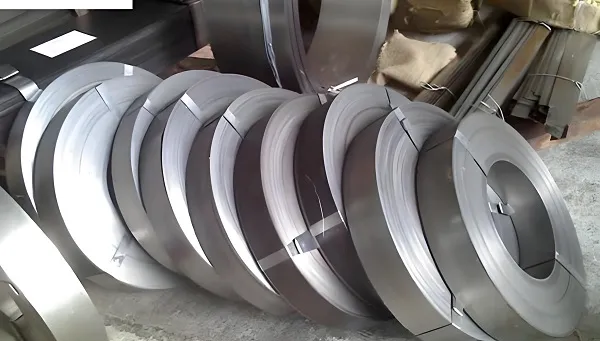
"Why Customize Plastic Shells?"
- Standard parts cannot meet special functional requirements
- Customization enhances product competitiveness and brand value
- More cost-effective for mass production
- Professional customization ensures product quality and consistency
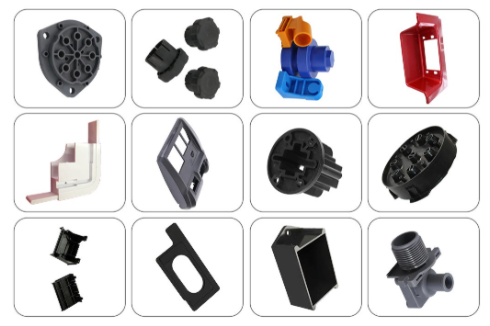
I. Do You Need Custom Plastic Shell Components?
When Do You Need Custom Plastic Shells?
Core Application Scenarios
- Product Differentiation Needs: When standard parts cannot meet unique design requirements
- Functional Requirements: Specific strength, temperature resistance, chemical resistance needed
- Mass Production: Custom molds more cost-effective for >500 unit production runs
- Brand Consistency: Unified appearance design and quality standards
Cost-Benefit Analysis
- Small Batch (<100 units): 3D printing for rapid prototyping verification
- Medium Batch (100-500 units): Consider 3D printing or simple molds
- Large Batch (>500 units): Injection molding with custom molds more economical
II. Custom Plastic Shell Component Process
Custom Plastic Shell Manufacturing Process
Standard Customization Process
- Requirements Analysis and Design
-
- In-depth communication with customers about functional requirements
-
- 3D modeling and structural design
-
- Material selection and performance evaluation
- Prototype Production
-
- 3D printing for rapid prototype verification
-
- Functional testing and design optimization
-
- Customer confirmation and feedback
- Mold Design and Manufacturing
-
- Professional mold engineer design
-
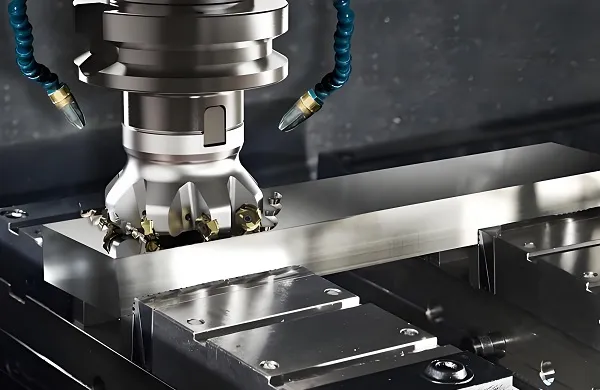
- CNC machining and precision manufacturing
-
- Mold testing and adjustment
- Injection Molding
-
- Material preparation and process parameter setting
-
- Mass production and quality monitoring
-
- Post-processing and surface finishing
- Quality Inspection and Delivery
-
- Dimensional accuracy testing
-
- Appearance quality inspection
-
- Packaging and logistics distribution
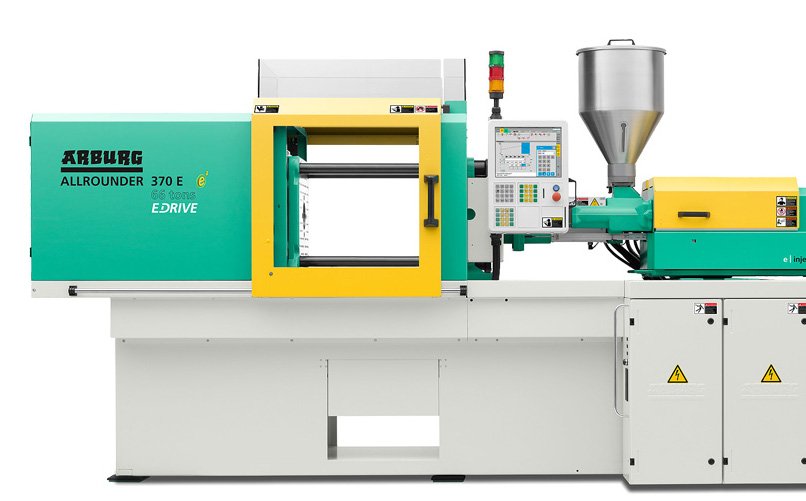
III. Plastic Shell Materials
Plastic Material Selection Guide
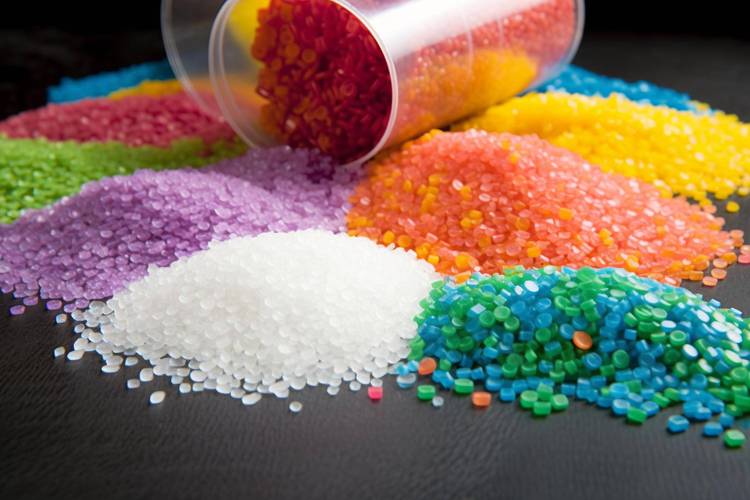
Common Plastic Material Properties
|
Material
|
Properties
|
Application Areas
|
|
ABS
|
High strength, impact resistant, easy to process
|
Electronic product housings, toys, home appliances
|
|
PC
|
High transparency, heat resistant, impact resistant
|
Optical components, safety protection, lighting
|
|
PP
|
Chemical resistant, heat resistant, lightweight
|
Food packaging, medical devices, automotive parts
|
|
PE
|
Chemical resistant, good flexibility
|
Containers, pipes, packaging materials
|
|
PA
|
High strength, wear resistant, oil resistant
|
Mechanical parts, gears, bearings
|
|
PVC
|
Chemical resistant, flame retardant
|
Pipes, wire sheaths, industrial equipment
|
Material Selection Key Points
- Functional Requirements: Strength, heat resistance, chemical resistance
- Cost Considerations: Material price, processing difficulty
- Environmental Requirements: Food grade, medical grade certifications
- Appearance Requirements: Transparency, color stability
IV. Plastic Shell Characteristics
Key Characteristics of Plastic Shells
Main Physical Properties
- Mechanical Strength: Tensile strength, flexural strength, impact strength
- Thermal Properties: Heat resistance temperature, heat distortion temperature, thermal conductivity
- Electrical Properties: Insulation resistance, dielectric strength, arc resistance
- Chemical Properties: Corrosion resistance, solvent resistance, weather resistance
Processing Characteristics
- Flowability: Material flow ability in molds
- Shrinkage Rate: Dimensional changes during cooling
- Demoldability: Ease of removal from molds
- Machinability: Ease of cutting, drilling, surface treatment
Environmental Adaptability
- Weather Resistance: Durability for outdoor use
- Flame Retardancy: Fire resistance rating requirements
- UV Resistance: Prevention of aging and discoloration
Biocompatibility: For medical and food contact applications
V. Injection Molding vs. 3D Printing: Which is Better?
Injection Molding vs. 3D Printing: Which is Better?
Technical Comparison Analysis
|
Comparison Item
|
Injection Molding
|
3D Printing
|
|
Production Volume
|
High volume (>500 units)
|
Low volume (<100 units)
|
|
Cost Structure
|
High mold cost, low unit cost
|
No mold cost, fixed unit cost
|
|
Production Speed
|
High efficiency for mass production
|
Fast for single unit production
|
|
Design Complexity
|
Limited by mold constraints
|
Freedom for complex structures
|
|
Material Selection
|
Wide range of materials
|
Limited material selection
|
|
Surface Quality
|
High surface finish
|
Requires post-processing improvement
|
|
Precision Control
|
High dimensional accuracy
|
Layer thickness affects precision
|
Selection Recommendations
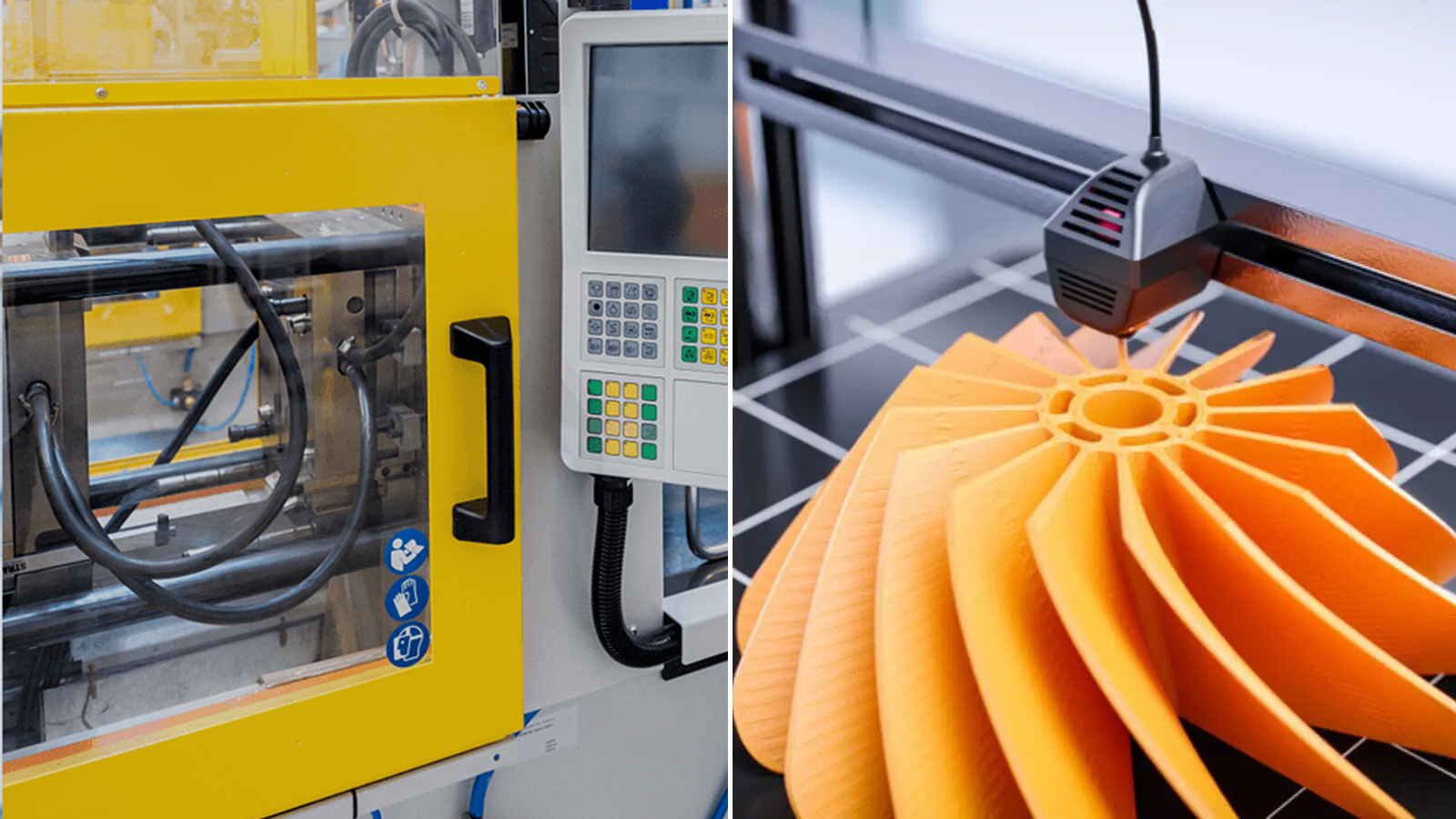
- Product Development Stage: 3D printing for rapid prototype verification
- Small Batch Production: 3D printing or simple molds
- Mass Production: Injection molding
- Complex Structures: 3D printing has obvious advantages
- Functional Testing: Both processes are suitable
VI. Plastic Shell Surface Processing
Plastic Surface Treatment Technologies
Main Surface Treatment Processes
1. Painting Technology
- Process Features: Rich colors, mature technology
- Applicable Materials: ABS, PC, PP, etc.
- Advantages: High surface finish, uniform color
- Disadvantages: Higher cost, relatively lower yield rate
2. Plating Treatment
- Process Features: Metallic appearance, good conductivity
- Applicable Materials: ABS, PC, etc.
- Advantages: High-end appearance, good wear resistance
- Disadvantages: Strict environmental requirements, higher cost
3. In-Mold Decoration (IMD/IML)
- Process Features: Patterns embedded, not easily worn
- Applicable Materials: ABS, PC, etc.
- Advantages: Long-lasting patterns, advanced technology
- Disadvantages: High mold cost, difficult design changes
4. Laser Engraving
- Process Features: Permanent marking, high precision
- Applicable Materials: Various plastic materials
- Advantages: Ink-free, environmentally friendly and durable
Disadvantages: Limited to single-color contrast effects
VII. Plastic Shell Feature Processing
Special Feature Processing for Plastic Shells
Functional Feature Processing
1. Strengthening Treatment
- Chemical Strengthening: Improve surface hardness and scratch resistance
- Physical Strengthening: Improve material properties through heat treatment
- Composite Strengthening: Multi-layer structure enhances overall performance
2. Functional Coatings
- Anti-Fingerprint Coating: Reduce fingerprint residue, easy to clean
- Antibacterial Coating: Inhibit bacterial growth, suitable for medical equipment
- Conductive Coating: Achieve electromagnetic shielding function
- Hydrophobic Coating: Waterproof and moisture-proof, protect internal components
3. Structural Optimization
- Reinforcement Rib Design: Improve structural strength
- Weight Reduction Design: Optimize material distribution, reduce weight
- Heat Dissipation Design: Improve thermal conductivity
Safety Features
- Flame Retardant Treatment: Improve fire resistance rating
- Impact Resistance Design: Absorb impact energy
- Environmental Certification: Meet RoHS, REACH and other standards
VIII. Plastic Shell Color Processing
Plastic Color Processing Techniques
Color Processing Methods
1. Masterbatch Coloring
- Process Features: Good uniformity, stable color
- Applicable Scope: Mass production
- Advantages: High color consistency, relatively low cost
- Disadvantages: Long color change time, not economical for small batches
2. Surface Painting
- Process Features: Rich color selection, can achieve gradient effects
- Applicable Scope: Various production volumes
- Advantages: Diverse color effects, can be partially colored
- Disadvantages: Coating may peel off, need to pay attention to adhesion
3. In-Mold Coloring
- Process Features: Color integrated with substrate, never fades
- Applicable Scope: Products with special color requirements
- Advantages: Long-lasting color, good wear resistance
- Disadvantages: Limited material selection, higher cost
4. Two-Color Injection Molding
- Process Features: Two colors integrated molding
- Applicable Scope: Products requiring two-color effects
- Advantages: Strong structure, exquisite appearance
- Disadvantages: Complex molds, higher cost
Color Management
- Color Difference Control: Use color difference meter for precise control
- Batch Management: Ensure color consistency across different batches
- Environmental Testing: Verify color stability
IX. How to Choose the Right Plastic Shell?
How to Choose the Right Plastic Shell?
Selection Consideration Factors
1. Functional Requirements Analysis
- Usage Environment: Temperature, humidity, chemical contact
- Mechanical Requirements: Strength, rigidity, impact resistance
- Electrical Requirements: Insulation, electromagnetic shielding
- Appearance Requirements: Transparency, color, surface texture
2. Cost-Benefit Evaluation
- Material Cost: Price differences between different materials
- Processing Cost: Injection molding vs. 3D printing
- Mold Cost: Mold opening costs vs. production volume
- Maintenance Cost: Long-term usage maintenance costs
3. Quality Standard Considerations
- Dimensional Accuracy: Tolerance requirements and measurement methods
- Surface Quality: Finish, flatness requirements
- Performance Testing: Meet relevant industry standards
- Reliability: Service life and failure rate
4. Supply Chain Evaluation
- Supplier Capability: Technical level, equipment conditions
- Delivery Cycle: Time from design to delivery
- Service Quality: Technical support and after-sales service
- Sustainability: Environmental protection measures and social responsibility
Professional Recommendations
- Prototype Verification: Make samples for testing first
- Multi-Solution Comparison: Evaluate different design options
- Long-Term Cooperation: Choose reliable suppliers for long-term partnerships
X. Common Plastic Shell Processing Issues
Common Plastic Shell Processing Issues
Injection Molding Issues
1. Surface Defects
- Sink Marks: Depressions caused by uneven material shrinkage
- Air Bubbles: Moisture in material or poor venting
- Flow Marks: Streaks formed by uneven melt flow
- Burn Marks: Material decomposition due to local overheating
2. Dimensional Issues
- Dimensional Deviation: Improper mold precision or process parameters
- Warping: Uneven cooling or structural design issues
- Flash: Poor mold clamping or excessive injection pressure
3. Structural Issues
- Short Shots: Insufficient injection volume or poor flowability
- Weld Lines: Reduced strength at melt merge areas
- Distortion: Uneven cooling shrinkage
3D Printing Issues
- Poor Layer Adhesion: Affects overall strength
- Surface Roughness: Requires post-processing improvement
- Dimensional Accuracy: Affected by equipment and materials
Solutions
- Process Optimization: Adjust temperature, pressure, speed parameters
- Mold Improvement: Optimize gate, cooling system design
- Material Selection: Replace with more suitable materials
- Equipment Maintenance: Regular maintenance to ensure equipment precision
Professional Service Recommendation
Xiamen Goldcattle – Your Trusted Plastic Solution Partner
As a national high-tech enterprise with 26 years of professional experience, Xiamen Goldcattle specializes in high-precision injection molding parts, CNC machined parts, stamping parts and other customized services. We provide one-stop solutions from mold design and manufacturing to mass production.
Core Advantages
- Technical Strength: ±0.005mm ultra-high precision control
- Advanced Equipment: Over 100 precision processing machines
- Quality Assurance: International certifications including SGS, RoHS, CE
- Service Scope: Multiple industries including automotive, machinery, electronics, medical
Service Process
- Requirements Communication: Understand your specific requirements
- Solution Design: Provide professional technical solutions
- Prototype Production: Rapid prototype production to verify design
- Mass Production: Efficient and high-quality production services
- Quality Inspection: Strict quality control system
- Delivery Service: On-time delivery and after-sales service
Contact Us Now for Professional Solutions!
Ready to Start Your Project?
Whether you need custom plastic shell components, mold design and manufacturing, or 3D printing services, we can provide you with professional technical support and high-quality product services.
Contact Information
- Technical Consultation: One-on-one service from professional engineers
- Quick Quotation: Detailed quotation within 24 hours
- Sample Production: Rapid sample production to verify design
- Mass Production: Efficient and high-quality mass production capabilities
Contact us now to get the best plastic solutions for your products!
Xiamen Goldcattle – Precision Manufacturing Excellence Since 1999