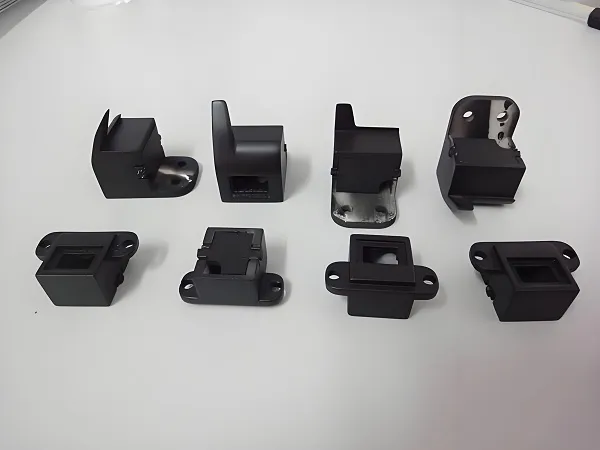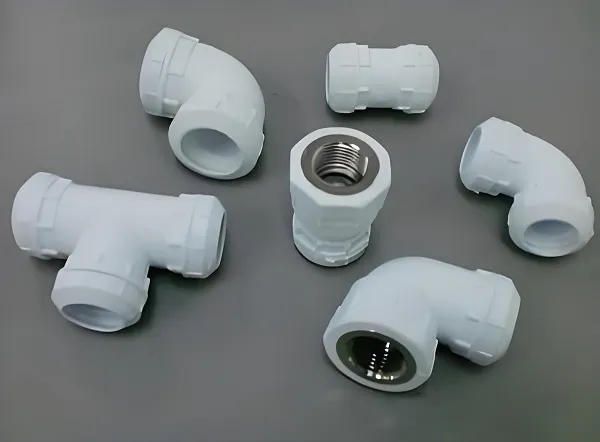
2026 Custom Automotive Headlight Plastic Housing Full Process Solution: Materials, Design, Technology & Goldcattle Case Studies
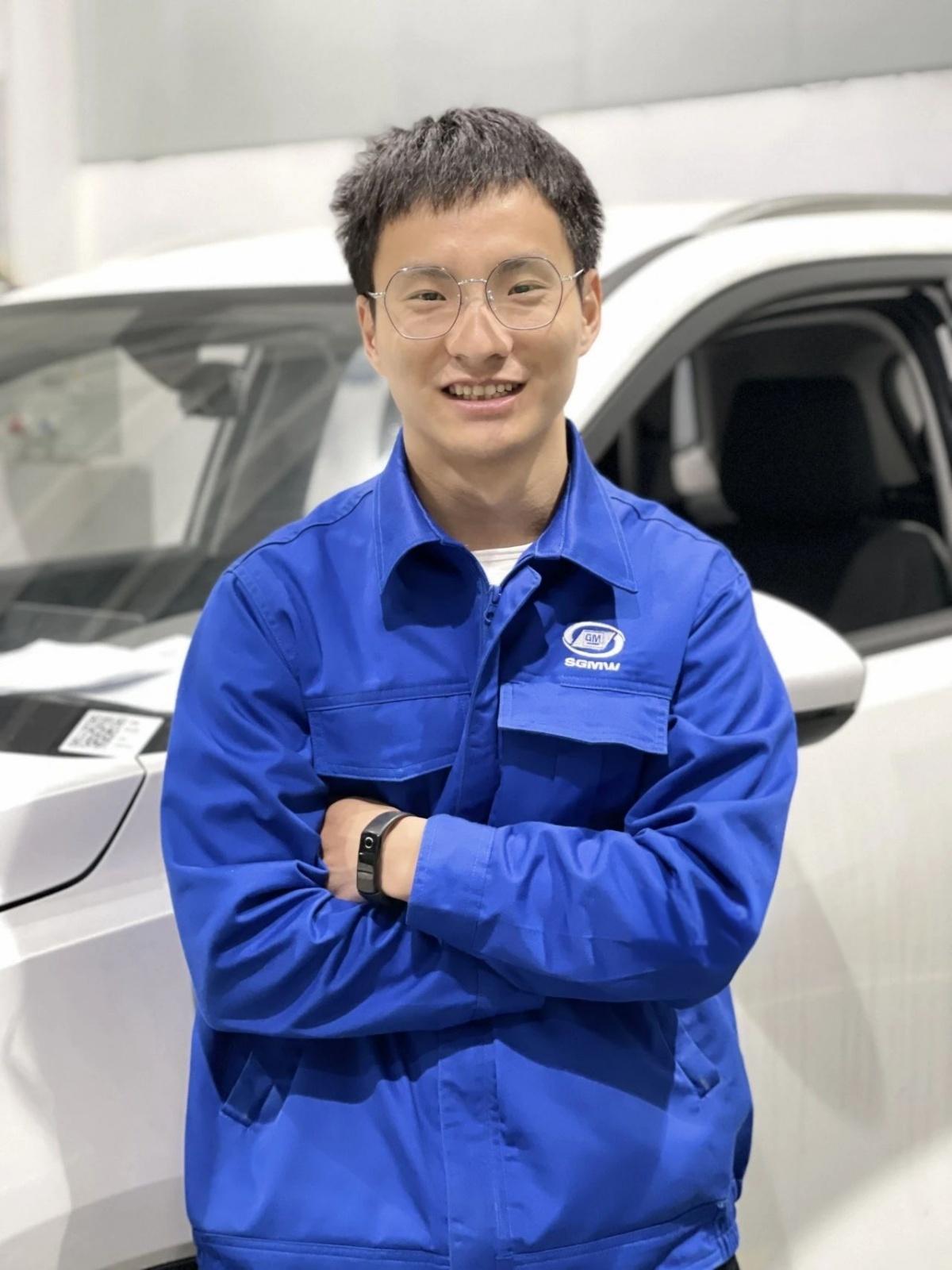
Engineer Zhou / Goldcattle Automotive Lighting Engineer
12 years of automotive lighting R&D experience, led 50+ headlight housing customization projects, specializing in PC+PMMA composite material innovation
Based on Goldcattle 2025 project data
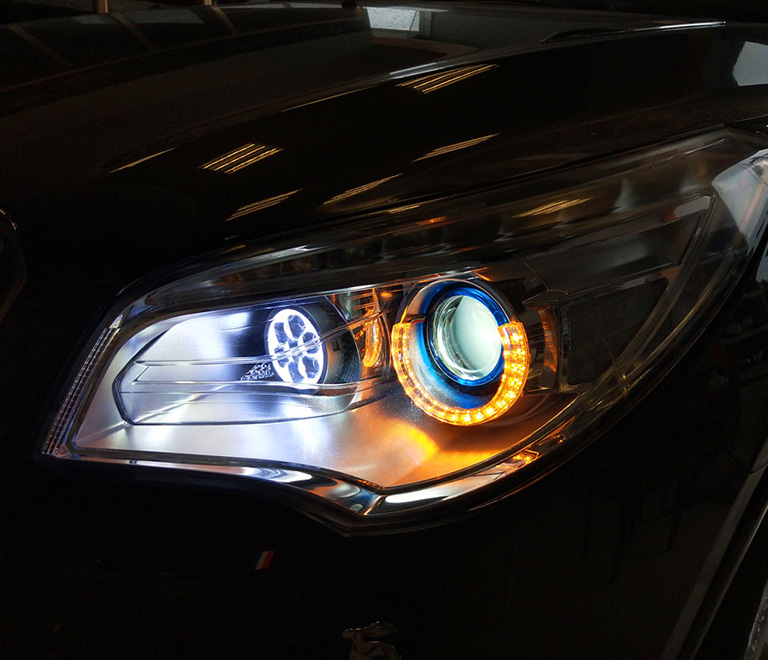
1. Overview of Custom Automotive Headlight Plastic Housing
As an engineer with 12 years of experience in the automotive lighting industry, I have witnessed the technological evolution of automotive headlights from traditional halogen lamps to modern LED and laser headlights. In this process, plastic housing, as an important component of headlights, has also seen continuous innovation in material selection, design processes, and manufacturing technologies.
Importance of Customization
- Meet appearance design requirements of different vehicle models
- Adapt to new light source technologies (LED, laser, etc.)
- Optimize optical performance and heat dissipation effects
- Enhance brand recognition and product competitiveness
- Reduce production costs and weight
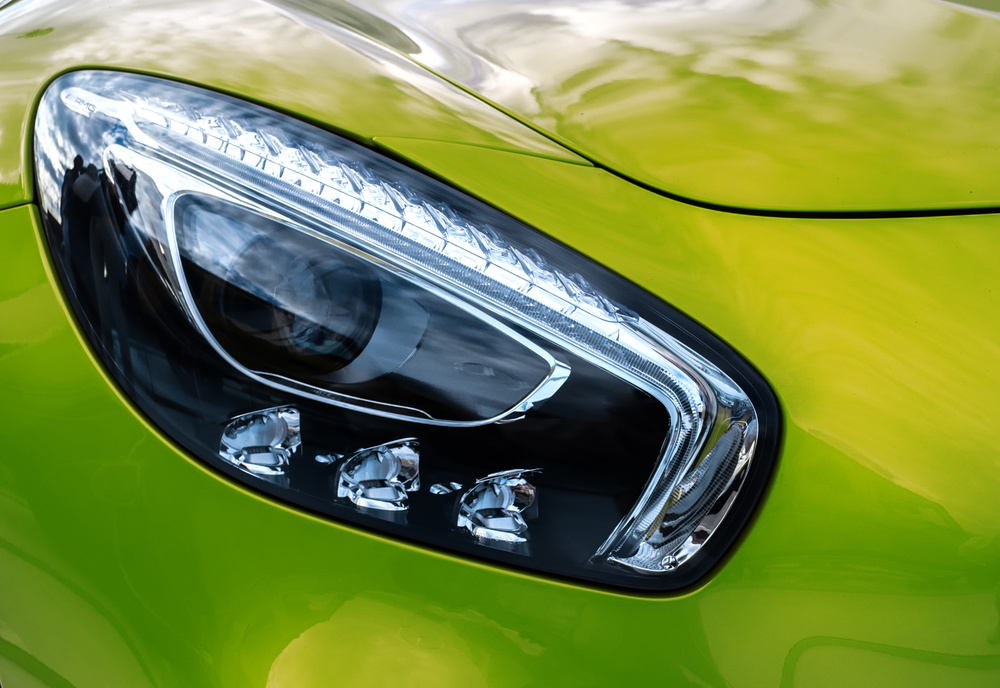
2026 Automotive Headlight Development Trends
Intelligence
Adaptive headlights, laser headlights popularization
Lightweight
New composite materials application
Personalization
Growing demand for customized design
Eco-friendly
Increased proportion of recyclable materials
2. Material Selection Guide: From PC to PMMA Composite Materials
Material selection is a critical step in automotive headlight housing customization. Through years of practical experience, we have found that PC (polycarbonate) and PMMA (polymethyl methacrylate) are currently the two most commonly used materials, while PC+PMMA composite materials represent the future development direction.
Main Material Performance Comparison
| Material Type | Light Transmittance | Heat Resistance | Impact Resistance | Cost Index | Application Scenarios |
|---|---|---|---|---|---|
| PC (Polycarbonate) | 85-90% | 120-130°C | Excellent | 1.0 | Lamp body structural parts |
| PMMA (Acrylic) | 92-94% | 80-90°C | Average | 1.2 | Lamp covers, optical components |
| PC+PMMA Composite | 90-92% | 130-140°C | Excellent | 1.5 | High-end vehicle models, LED headlights |
Key Factors for Material Selection
Optical Performance Requirements
Select materials with appropriate light transmittance according to headlight type (halogen, LED, laser)
LED headlights recommend using materials with transmittance ≥90%
Heat Resistance Requirements
LED headlights operate at higher temperatures and require materials with good heat resistance
Recommended to choose materials with heat resistance ≥120°C
Cost Control Requirements
Select appropriate materials according to vehicle positioning and budget
Mid-to-low-end models can consider pure PC materials, while high-end models recommend composite materials
3. Design Customization Process: Full Process Management from Concept to Mass Production
As an experienced automotive lighting engineer, I deeply understand the importance of design customization processes. A well-established process not only ensures product quality but also effectively controls costs and delivery times.
Goldcattle Customization Process
Requirements Analysis
Understand vehicle model, light source type, performance requirements
Solution Design
3D modeling, optical simulation, structural design
Prototype Production
Rapid prototyping, functional testing
Mold Development
Mold design, manufacturing, trial run
Mass Production Delivery
Batch production, quality control, delivery
Design Customization Case Studies
Case 1: LED Headlight Housing for a New Energy Vehicle Brand
Challenge: Need to design a lightweight, high-transmittance LED headlight housing while meeting strict heat resistance requirements.
Solution: Adopted PC+PMMA composite material, optimized material formulation and molding process, achieved 15% weight reduction while maintaining 92% transmittance.
Result: Product successfully passed 5000-hour anti-yellowing test and 150°C heat resistance test, receiving high recognition from the client.
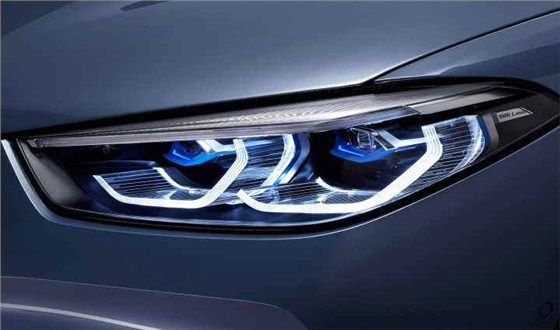
Case 2: Laser Headlight Housing for a Luxury Brand
Challenge: Laser headlights have extremely high optical performance requirements, requiring housing with excellent optical stability.
Solution: Used specially formulated PMMA material with precise molding processes to ensure optical performance stability.
Result: Optical performance deviation controlled within ±0.5%, reaching international advanced levels.
4. Optical Design Optimization: Perfect Combination from Theory to Practice
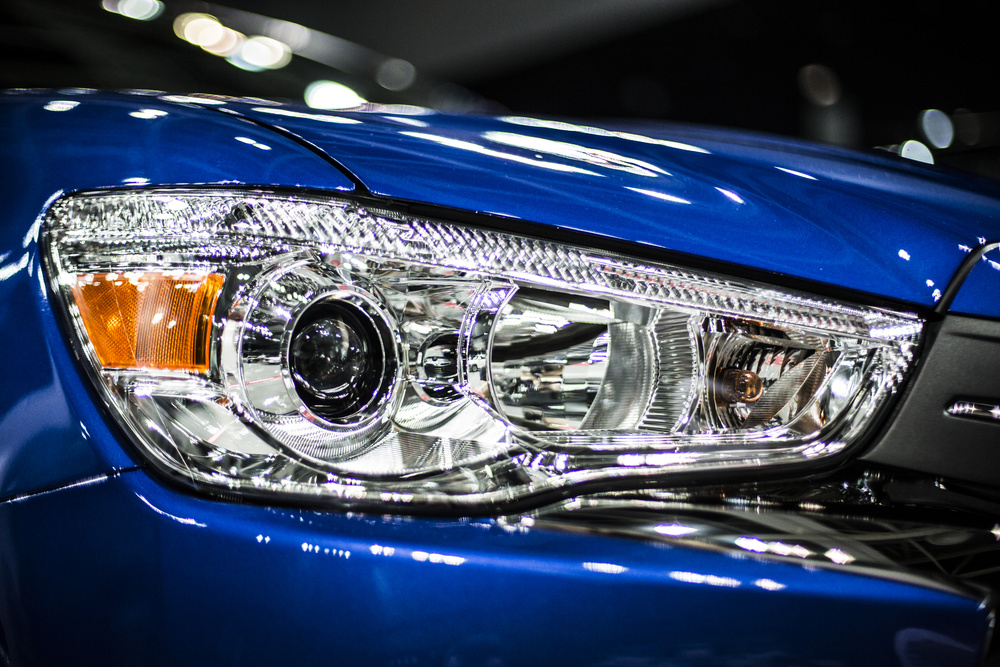
Optical design is one of the core technologies of automotive headlights. As a professional automotive lighting engineer, I deeply understand the important impact of optical design on headlight performance. An excellent optical design not only provides good lighting effects but also ensures driving safety.
Key Elements of Optical Design
- Light Distribution Performance: Ensure compliance with national and international standard lighting requirements
- Light Pattern Control: Reasonable low beam and high beam distribution to avoid glare
- Light Efficiency Improvement: Improve light source utilization efficiency and reduce energy consumption
- Optical Stability: Ensure long-term optical performance stability
- Cost Control: Control costs of optical components while meeting performance requirements
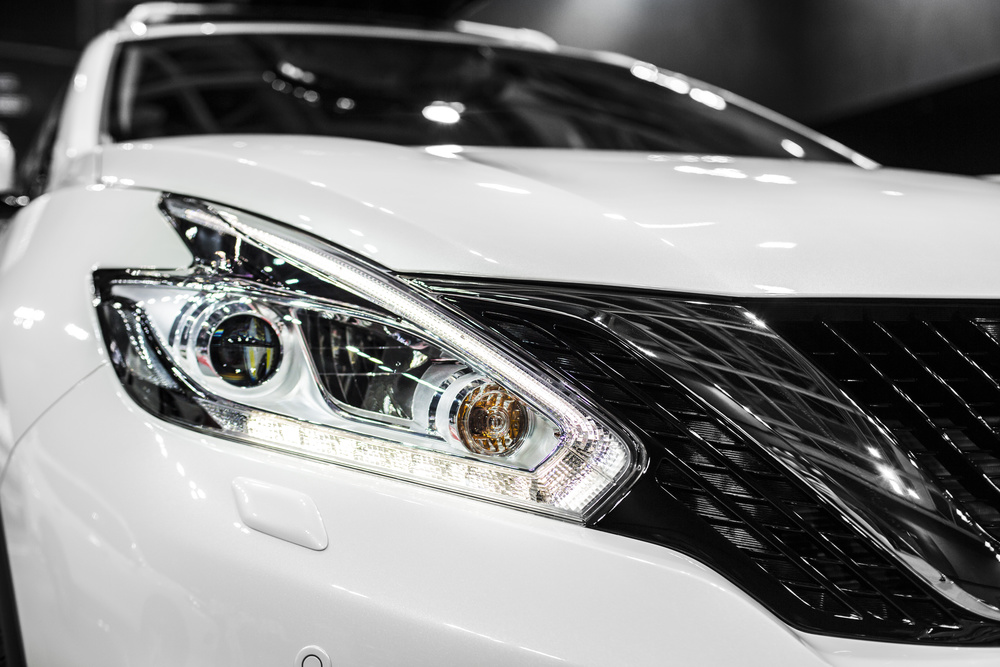
Optical Simulation and Testing
We use advanced optical simulation software for design verification to ensure product performance meets requirements.
| Test Item | Standard Requirements | Goldcattle Level | Improvement Range |
|---|---|---|---|
| Low Beam Intensity | ≥12000 cd | 15000-18000 cd | +25-50% |
| High Beam Intensity | ≥18000 cd | 22000-25000 cd | +22-39% |
| Light Efficiency | ≥70 lm/W | 85-95 lm/W | +21-36% |
*Data for reference only, actual performance may vary depending on specific project requirements
5. Thermal Management Solutions: Ensuring Long-term Stable Operation of Headlights
Thermal management is one of the important challenges facing LED headlights. As a senior automotive lighting engineer, I deeply understand the important impact of good thermal management on headlight performance and lifespan.
Thermal Management Design Principles
- Heat Dissipation Path Optimization: Ensure heat can be quickly and effectively transferred to heat dissipation components
- Material Selection: Choose materials with good thermal conductivity
- Structural Design: Reasonable structural design to increase heat dissipation area
- Simulation Verification: Verify heat dissipation effects through thermal simulation software
- Cost Control: Control costs while meeting heat dissipation requirements
Thermal Management Case Analysis
Heat Dissipation Fin Design Case
Challenge: An LED headlight had excessive temperature during high-power operation, affecting performance and lifespan.
Solution: Redesigned heat dissipation fins, increased heat dissipation area, optimized air flow path.
Result: Temperature reduced by 12°C, light decay effectively controlled. (Data for reference only)
Thermal Management Test Data
| Test Item | Environmental Conditions | Standard Requirements | Goldcattle Results |
|---|---|---|---|
| Operating Temperature | 25°C environment, continuous operation for 4 hours | ≤120°C | 95-105°C |
| High Temperature Storage | 85°C, storage for 1000 hours | No obvious deformation | Passed test |
| Temperature Cycling | -40°C~85°C, 500 cycles | No cracks, no detachment | Passed test |
*Data for reference only, actual test results may vary depending on specific products and test conditions
6. Quality Control System: Comprehensive Assurance from Raw Materials to Finished Products
As a responsible automotive lighting engineer, I deeply understand the important impact of quality control on product reliability and customer satisfaction. We have established a comprehensive quality control system, from raw material procurement to finished product delivery, ensuring every link meets strict quality standards.
Quality Control Process
- Raw Material Inspection: Strict incoming inspection of raw materials to ensure material quality
- Process Control: Real-time monitoring and quality inspection during production
- Finished Product Inspection: Comprehensive performance testing and appearance inspection of finished products
- Reliability Testing: Strict environmental testing and lifespan testing
- Continuous Improvement: Continuous improvement based on customer feedback and quality data
Main Test Items
| Test Item | Test Standard | Test Method | Acceptance Standard |
|---|---|---|---|
| Anti-Yellowing Test | ISO 4892 | UV aging test chamber | ≥3000 hours without obvious yellowing |
| Heat Resistance Test | IEC 60068-2-2 | High temperature test chamber | 120°C/1000 hours without deformation |
| Impact Resistance Test | ISO 179 | Pendulum impact testing machine | ≥50 kJ/m² |
| Waterproof Test | IPX7 | Immersion test | 1 meter water depth/30 minutes without water ingress |
Certification System
- ISO 9001 Quality Management System Certification
- IATF 16949 Automotive Industry Quality Management System Certification
- ISO 14001 Environmental Management System Certification
- Products certified by international standards such as ECE, SAE
7. Frequently Asked Questions
Materials and Performance
Q: What is the lead time for small batch customization?
A: The lead time for small batch customization (100-500 pieces) is usually 2-4 weeks, depending on product complexity and material preparation. We will optimize the process to ensure on-time delivery.
Q: What are the common optical defects?
A: Common optical defects include uneven light spots, glare, and light patterns not meeting standards. Through advanced optical design and strict quality control, we can effectively avoid these issues.
Q: What impact will the 2026 EV lighting regulations have?
A: The new 2026 EV lighting regulations will place greater emphasis on energy saving and environmental protection requirements, while setting higher standards for intelligent lighting functions. We have already made technical preparations in advance to meet the new regulatory requirements.
Design and Process
Q: What are the top 5 pitfalls in custom automotive headlight housing?
A: The most common issues include: 1) Improper thermal deformation design; 2) Poor light scattering control; 3) Insufficient mold precision; 4) Wrong material selection; 5) Neglecting environmental adaptability. In 2025, we successfully solved these problems by optimizing design and processes.
Q: How to choose the right material?
A: Material selection should be based on vehicle positioning, light source type, performance requirements, and budget. Our engineers will provide professional material selection recommendations based on your specific needs.
Q: What information is needed during customization?
A: Need to provide vehicle information, light source type, performance requirements, appearance design requirements, quantity requirements, etc. Our sales engineers will assist you in organizing relevant information to ensure smooth customization process.
8. Contact Us
If you have requirements for custom automotive headlight plastic housing, please contact our professional team. We will provide the most suitable solution based on your specific needs.
Service Process
- Needs Communication: Understand your product requirements, design concepts, and budget
- Solution Design: Provide 2-3 design solutions for your selection
- Prototype Production: Produce samples for testing and confirmation
- Batch Production: Mass production after sample confirmation
- Quality Inspection: Strict quality inspection and testing
- Delivery Service: On-time delivery and after-sales service
Contact Information
- Email: charlie@plasticmetalparts.com
- Phone: +86-18150097490