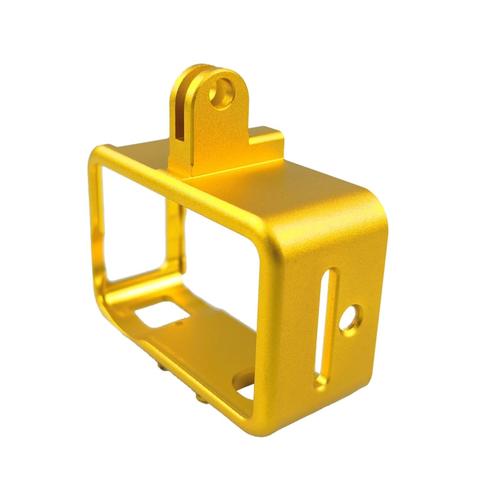
How hard is it to machine brass Parts?
Machining brass is generally easy due to its excellent machinability, stemming from low hardness (50–100 HB), high ductility, and ability

Machining brass is generally easy due to its excellent machinability, stemming from low hardness (50–100 HB), high ductility, and ability
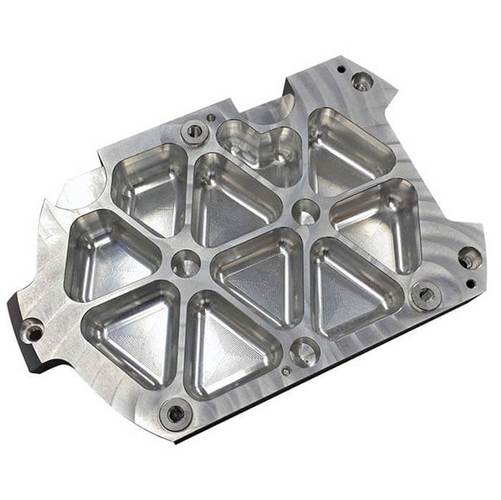
Li CNC Aerospace Specialist | 15+ Years Experience | Led 100+ Aerospace/UAV Projects Last Updated: January 15, 2026 | Based
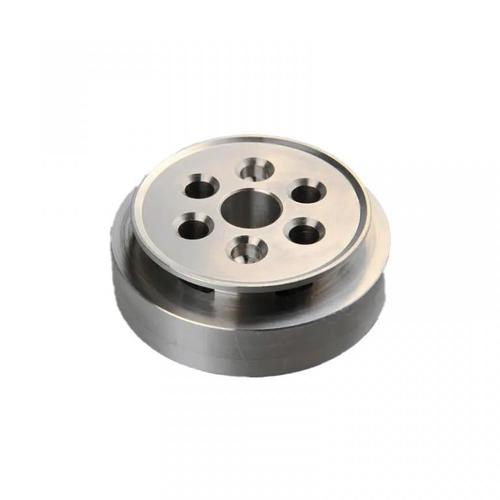
Improving CNC part precision involves optimizing machine calibration, refining cutting parameters, enhancing fixturing rigidity, controlling material stability, and implementing strict
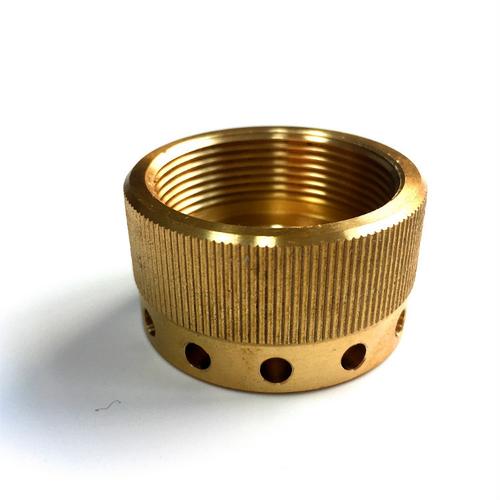
Increasing CNC part hardness involves heat treatments (quenching, tempering), surface hardening (carburizing, nitriding), material selection (high-alloy steels, tool steels), and
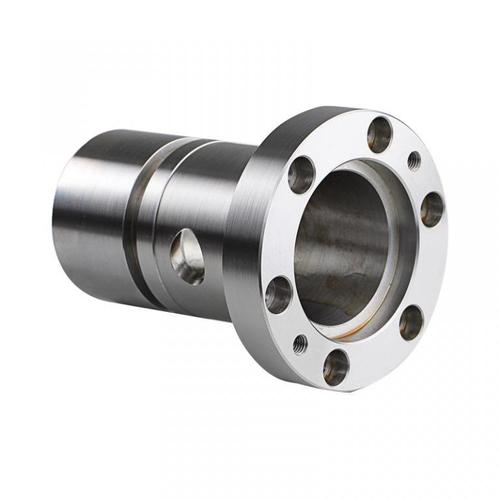
Preventing rust on CNC stainless steel parts involves maintaining their passive oxide layer through material selection (e.g., 316 with molybdenum),
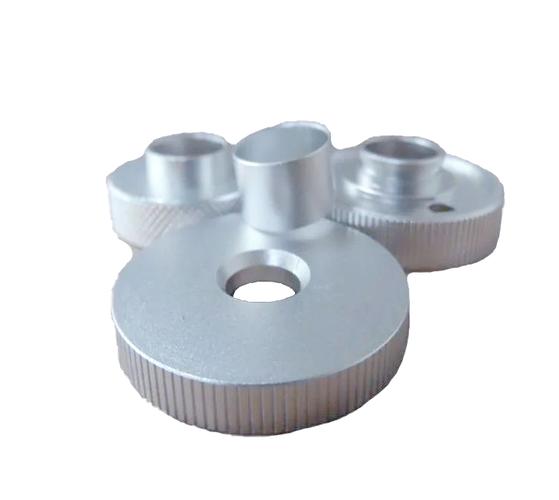
Chatter marks on CNC parts, caused by vibration between tool, workpiece, or machine, can be fixed by optimizing cutting parameters
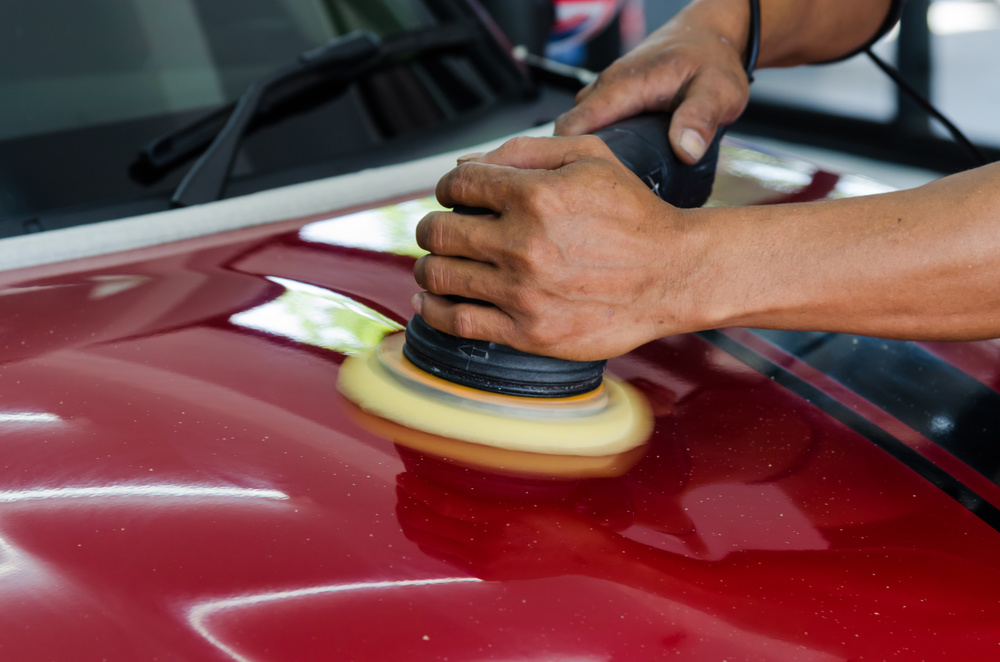
Let’s Talk Scratches Professional polishing of CNC machined parts Bro, I get it. You just spent hours machining that perfect
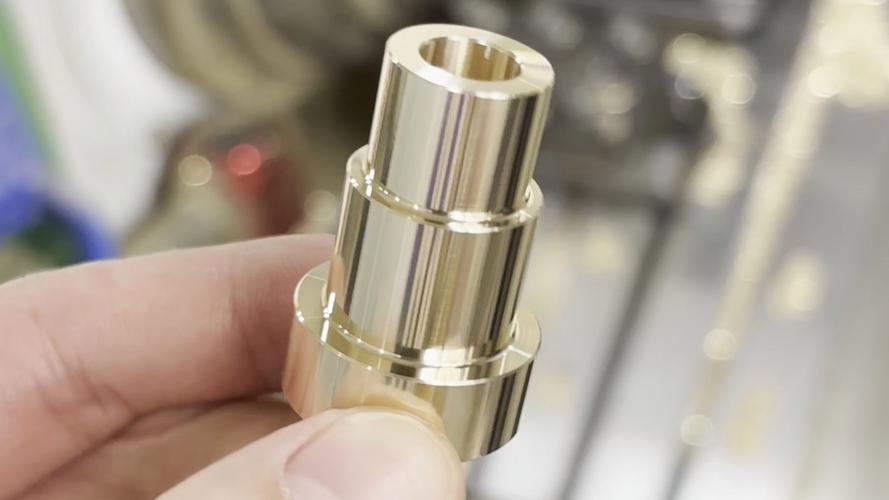
Updated: January 23, 2026 | Author: Zhang Gong, Goldcattle Surface Finish Expert (15+ years experience) Example of a high-quality CNC
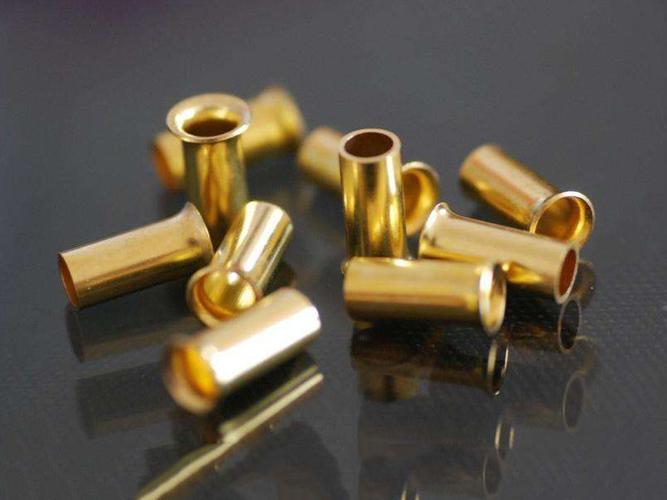
Poor dimensional accuracy in CNC parts can be resolved by calibrating equipment, optimizing processes, controlling material stability, improving fixturing, and
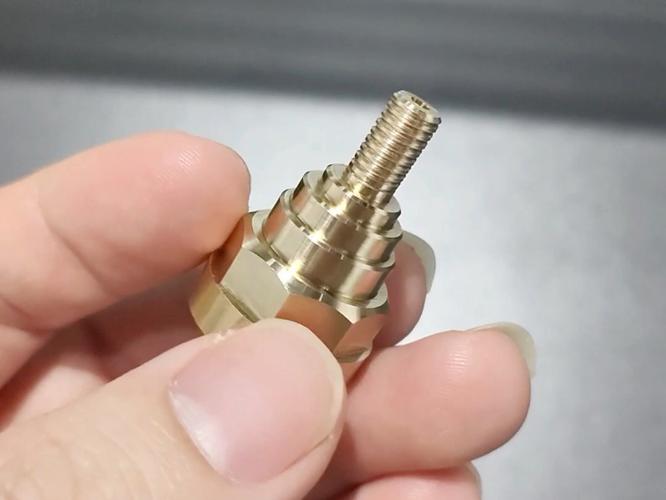
Brass machining is a manufacturing process that shapes brass alloys into precise parts via cutting, drilling, milling, or turning. Leveraging
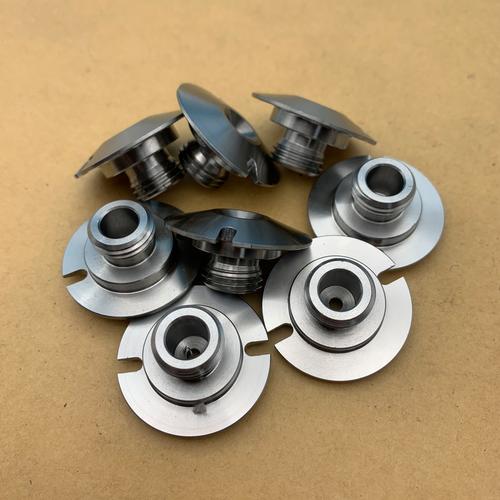
Goldcattle, with 26 years in integrated machining expertise, specializes in custom CNC turn-mill complex parts—covering multi-functional shafts, integrated housings, precision
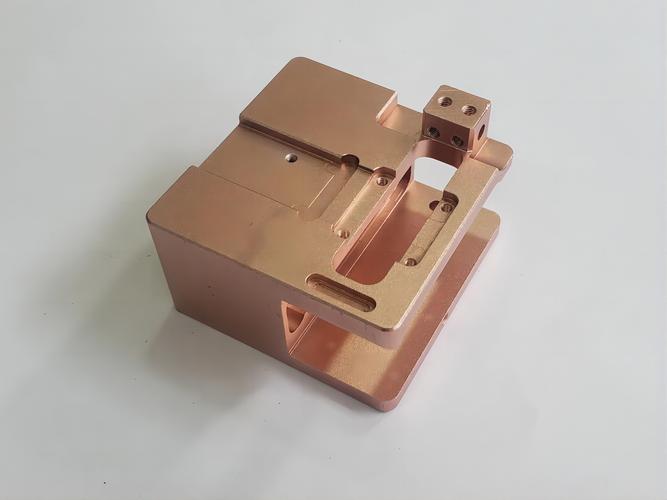
Goldcattle, with 26 years in precision brass machining, specializes in custom CNC brass parts—covering plumbing fittings, electrical connectors, valve components,