What is CNC Face Milling?
PRECISION MACHINING TECHNOLOGY What is CNC Face Milling? The Definitive Guide to High-Precision Surface Machining Achieving flatness tolerances down to ±0.01 mm and surface finishes as fine as Ra 0.8…

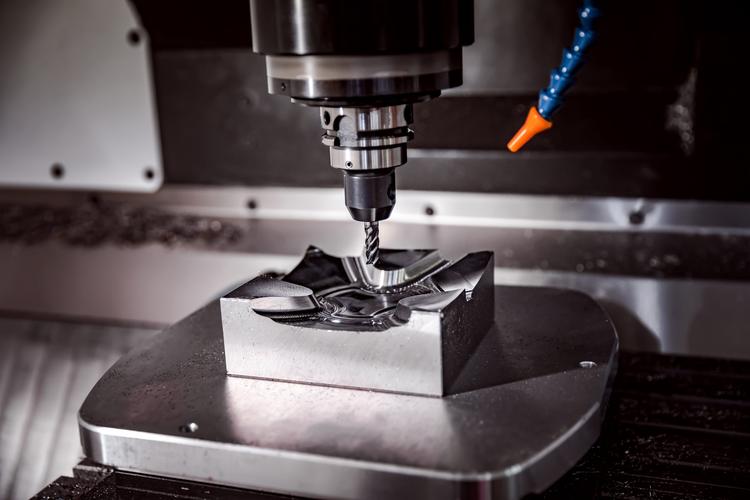
PRECISION MACHINING TECHNOLOGY What is CNC Face Milling? The Definitive Guide to High-Precision Surface Machining Achieving flatness tolerances down to ±0.01 mm and surface finishes as fine as Ra 0.8…
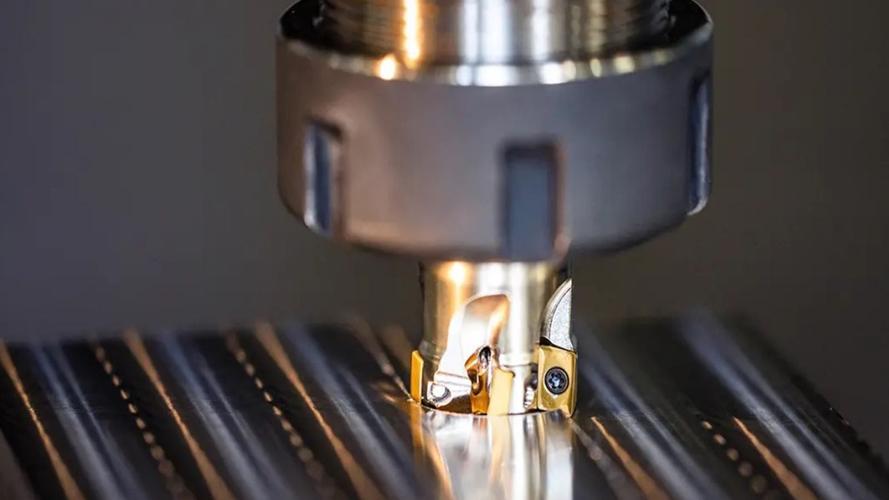
Answer CNC side milling is a machining process that uses a Computer Numerical Control (CNC) system to control a milling cutter, where the side edges of the cutter are used…
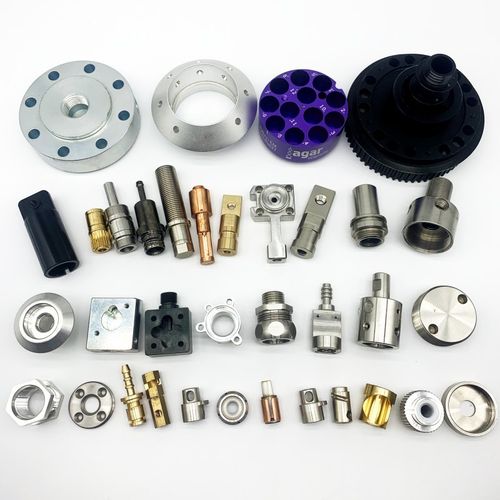
In industries such as aerospace, new – energy vehicles, and 3C electronics, which pursue extreme lightweighting, magnesium alloy has become a key material due to its low density (only 1.74g/cm³),…
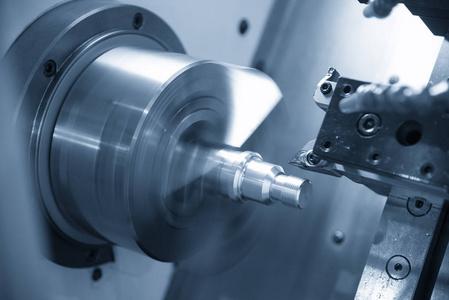
I. What is Angle Milling? Angle milling is a crucial branch of milling processing technology. It refers to the machining method of using milling cutters with specific angles to create…
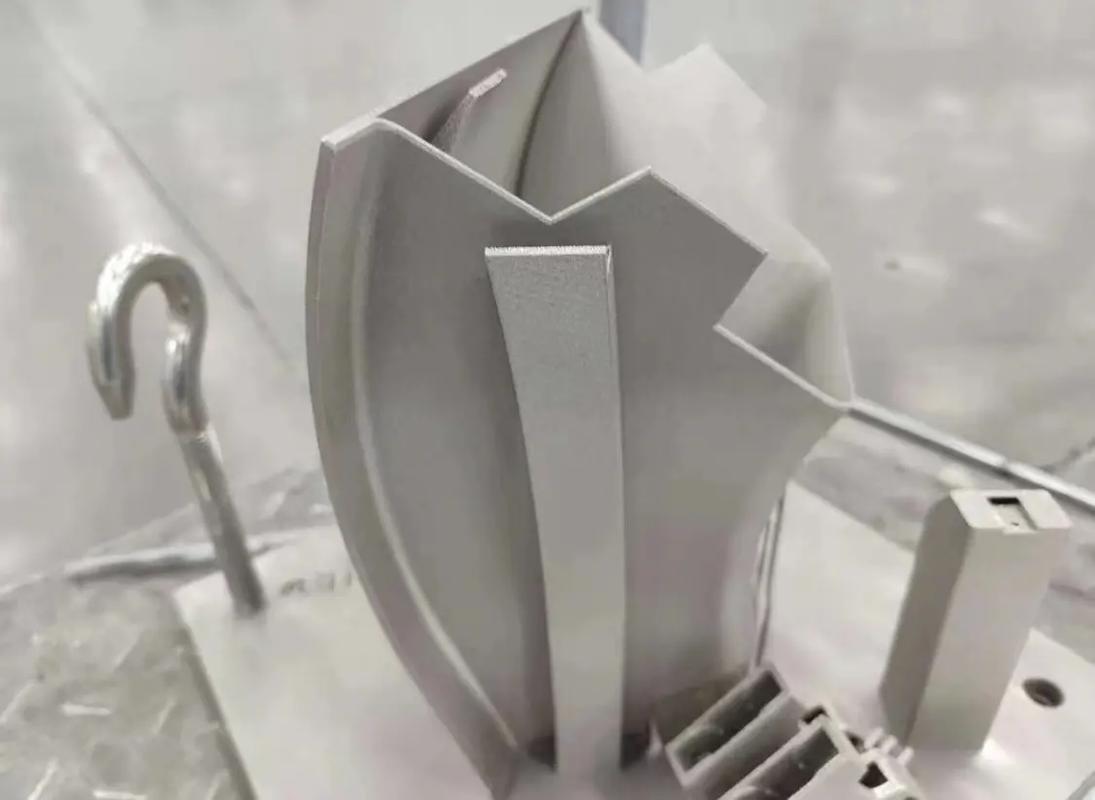
Author: Mr. Li Metal Manufacturing Expert | 15 Years of Experience | Led 100+ Aerospace/Medical Projects Last Updated: January 8, 2026 | Based on 2025 Project Data 1. Technology Principles…
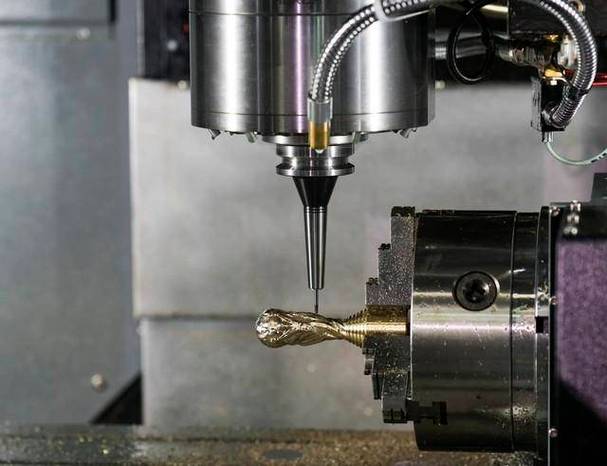
Answer: The strength of parts after CNC machining and forging cannot be simply generalized. Forging improves the internal structure of metals through plastic deformation, enhancing strength and toughness, and is…
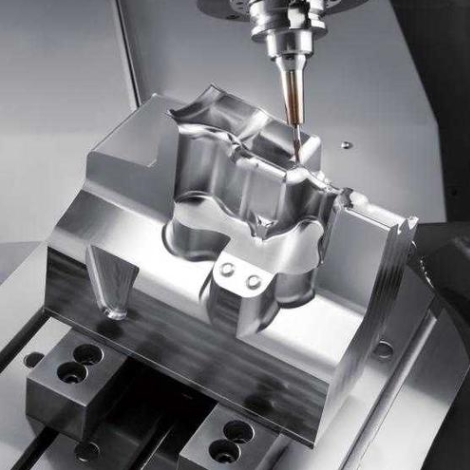
Answer: There is no fixed value for the time required for CNC milling. It mainly depends on factors such as the complexity of the part, the hardness of the material,…
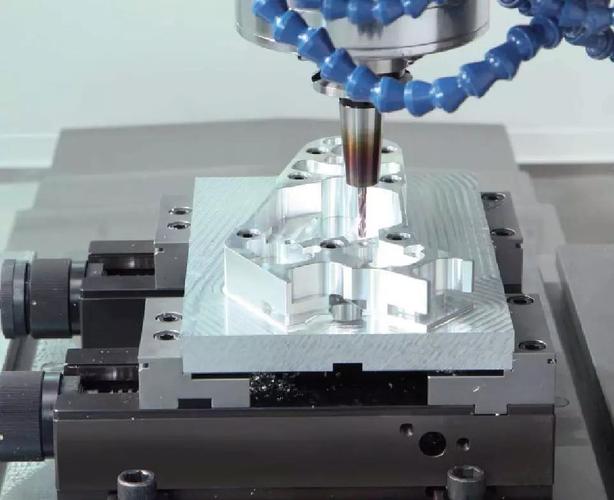
Answer CNC (Computer Numerical Control) is a technology that controls the movement of machine tools through computer programs, while machining is a processing method that removes materials through cutting, grinding,…
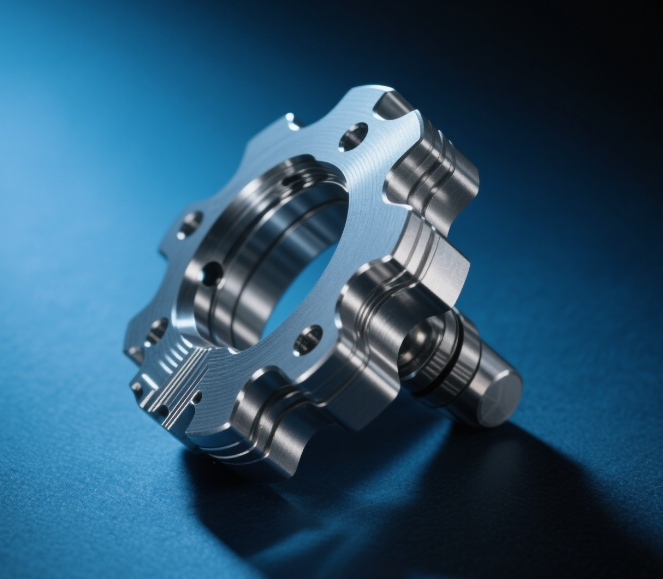
Answer Computer Numerical Control (CNC) is an automated technology that controls machine tool movements and processing via computer program instructions. It uses G-code/M-code to achieve high-precision, repeatable material removal or…
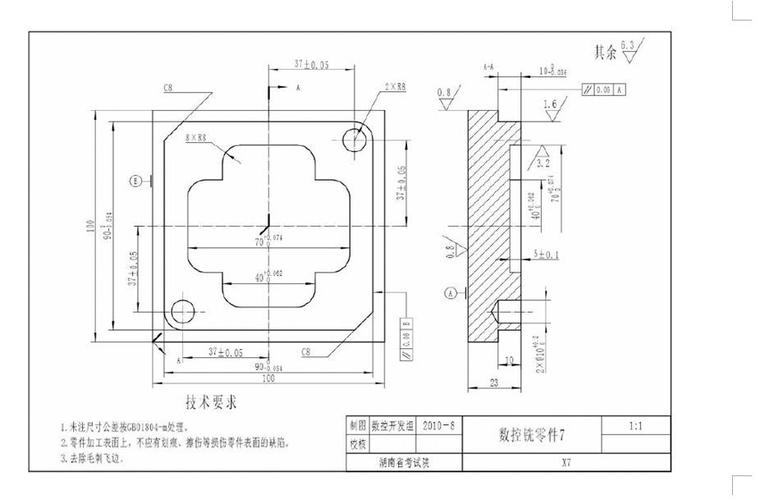
Answer When designing CNC – machined parts, one should follow the principles of “manufacturability, precision adaptation, and cost control”. The process includes requirements analysis → 3D modeling → process planning…