Introduction
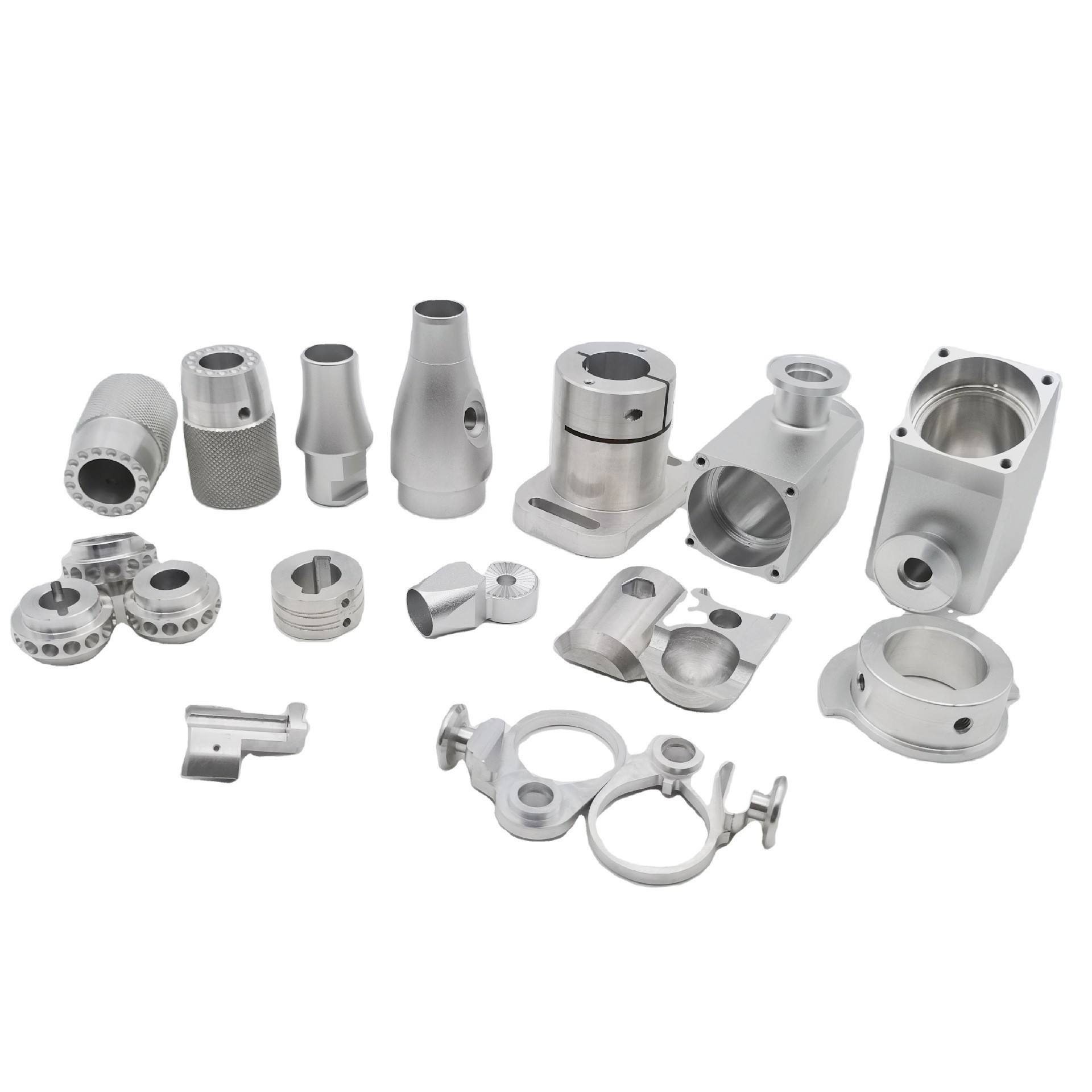
In the world of precision manufacturing, CNC machining accuracy is everything. A small deviation of just 0.01mm can mean the difference between a perfectly functional part and a costly scrap. For engineers and production managers, accuracy issues can lead to assembly failures, rejected parts, increased material waste, and ultimately, higher production costs that eat into profit margins.
Whether you’re working on aerospace components that require micron-level precision, medical devices that demand absolute reliability, or automotive parts that need to fit perfectly every time, achieving and maintaining high accuracy in CNC machining is critical to your success.
Over the past 20 years, we’ve helped hundreds of clients solve their precision machining challenges. In this comprehensive guide, we’ll share the proven methods and advanced techniques that have helped us achieve consistent accuracy down to ±0.005mm for our most demanding customers. These aren’t just theoretical concepts—they’re practical, actionable strategies that we use every day in our own manufacturing facility.
If you’re struggling with accuracy issues in your CNC operations, or if you’re looking to take your precision capabilities to the next level, this guide will show you exactly how to do it. We’ll cover everything from machine setup and tool selection to advanced quality control methods that ensure every part meets your exact specifications.
What is CNC Machining Accuracy?
Before we dive into the methods for improving accuracy, it’s important to understand what we’re actually talking about. CNC machining accuracy isn’t just a single measurement—it’s a combination of several critical factors that work together to determine how precisely your machine can produce parts.
Tolerance
Tolerance refers to the allowable deviation from the nominal dimension specified in your CAD drawing. For example, if a dimension is specified as 10mm ±0.005mm, that means the part is acceptable if it measures anywhere between 9.995mm and 10.005mm. Achieving tight tolerances consistently is the ultimate goal of precision machining.
Repeatability
Repeatability measures how consistently your machine can return to the same position over multiple operations. A machine with excellent repeatability will produce identical parts time after time, even after thousands of cycles. This is crucial for mass production where every part must be identical.
Surface Finish
While not strictly an accuracy measurement, surface finish is closely related. A smooth surface finish indicates that your cutting tools are working properly and that your machine is stable. Poor surface finish often indicates underlying accuracy issues that need to be addressed.
Why Accuracy Matters in CNC Machining
The importance of accuracy in CNC machining goes far beyond just meeting drawing specifications. It has a direct impact on every aspect of your manufacturing operation and your bottom line.
Cost Reduction
Accurate machining reduces scrap rates, rework, and material waste. When every part comes out right the first time, you save money on materials, labor, and machine time.
Assembly Success
Accurate parts fit together perfectly on the first try. No more struggling with ill-fitting components or spending hours adjusting parts during assembly.
Quality Assurance
Consistent accuracy means fewer quality issues and less inspection time. Your customers receive parts that meet their expectations every single time.
Competitive Advantage
The ability to produce high-precision parts opens doors to new industries and customers who require tight tolerances that your competitors can’t meet.
Key Factors Affecting CNC Accuracy
Understanding what affects accuracy is the first step toward improving it. Many different factors can influence how precise your machining operations are, and it’s important to address all of them systematically.
Machine Rigidity
The structural rigidity of your CNC machine determines how well it can resist vibration and deflection during cutting operations. More rigid machines maintain better accuracy, especially at high cutting forces.
Tool Wear
As cutting tools wear down over time, their geometry changes, which affects the accuracy of the cuts they make. Regular tool monitoring and replacement is essential for maintaining consistent accuracy.
Thermal Deformation
Heat generated during cutting causes materials and machine components to expand. This thermal expansion can lead to dimensional changes that affect accuracy if not properly controlled.
Programming Errors
Even the best machine can’t compensate for poor programming. Errors in your CNC program, such as incorrect tool offsets or coordinate systems, can lead to significant accuracy issues.
Material Properties
Different materials behave differently during machining. Factors like hardness, thermal conductivity, and work hardening can all affect how accurately you can machine a part.
Environmental Factors
Temperature fluctuations, vibration from other machines, and even air currents can affect precision machining, especially when working with extremely tight tolerances.
12 Proven Ways to Improve CNC Machining Accuracy
Now that we understand the factors that affect accuracy, let’s look at the specific methods we use to improve CNC machining accuracy. These are the same techniques that have helped us achieve consistent precision for our customers over the years.
1. Invest in High Precision Machine Tools
The foundation of accurate machining is having the right equipment. High-precision CNC machines are built with better components, tighter assembly tolerances, and more advanced control systems. While they require a larger initial investment, they pay for themselves through improved accuracy, reduced scrap, and higher productivity. Look for machines with linear guideways, high-resolution encoders, and rigid machine frames that can minimize vibration.
2. Optimize Tool Selection
Choosing the right cutting tools is critical for accuracy. For precision work, we recommend using solid carbide tools with specialized coatings that reduce friction and wear. The tool geometry should be optimized for the specific material you’re machining. For example, when working with aluminum, you need tools with higher rake angles to prevent built-up edge, while for hard steels, you need more rigid, negative rake tools that can handle the cutting forces.
3. Implement Tool Wear Control
Tool wear is one of the most common causes of accuracy degradation over time. We implement a strict tool life management system that tracks how long each tool has been in use and replaces it before it starts to wear excessively. We also use tool length and radius measurement probes to automatically update tool offsets, compensating for any wear that does occur. This ensures that every cut is made with the same accuracy, regardless of tool condition.
4. Optimize Cutting Parameters
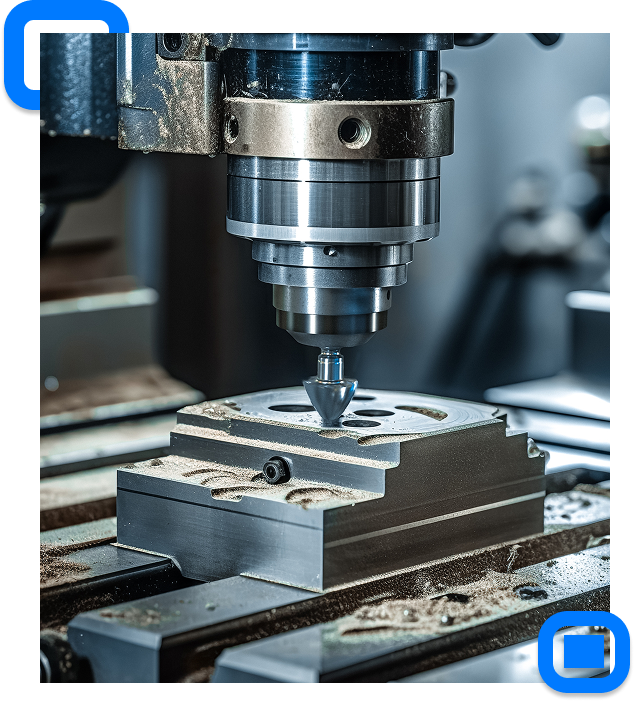
The cutting parameters you choose have a huge impact on accuracy. Spindle speed, feed rate, and depth of cut all affect cutting forces, heat generation, and tool wear. For precision work, we often use slightly lower feed rates and higher spindle speeds to minimize cutting forces and achieve better surface finishes. We also use dynamic machining strategies that maintain consistent chip loads, which helps prevent tool deflection and maintains accuracy throughout the cut.
5. Use Stable Fixturing Solutions
If your workpiece moves during machining, you’re guaranteed to have accuracy issues. That’s why we invest in high-quality fixturing solutions that hold parts securely without causing deformation. For precision work, we often use custom fixtures that are designed specifically for each part, ensuring perfect alignment and stability. We also use workholding that distributes clamping forces evenly to prevent part distortion, especially when working with thin or delicate materials.
6. Implement Thermal Control Systems
Thermal expansion is one of the biggest challenges in precision machining. Even small temperature changes can cause significant dimensional changes. We address this in several ways: first, we use temperature-controlled coolant systems that maintain a consistent temperature throughout the machining process. Second, we implement thermal compensation in our machine controls that adjusts for temperature changes in real-time. Third, we allow parts to reach thermal equilibrium before starting critical operations.
7. Optimize CNC Programming
Good programming is essential for accuracy. We use advanced CAM software that generates optimized toolpaths with smooth transitions and consistent cutting conditions. We also implement rigorous program verification processes, including simulation and dry runs, to catch any errors before they cause problems. We pay special attention to tool offsets, work coordinate systems, and probing cycles to ensure that the machine knows exactly where everything is at all times.
8. Select the Right Materials
Material selection plays a crucial role in achievable accuracy. Some materials are simply easier to machine accurately than others. For example, materials with good machinability ratings produce less tool wear, less heat, and less work hardening, all of which contribute to better accuracy. When working with materials that are difficult to machine, we adjust our processes accordingly, using specialized tools and techniques to maintain the required precision.
9. Optimize Coolant Management
Proper coolant management is more important than many people realize. The right coolant not only cools the cutting zone but also lubricates the tool-workpiece interface, reducing friction and heat. We use high-quality coolant with the correct concentration, and we maintain it properly to prevent bacterial growth and contamination. We also use high-pressure coolant systems that deliver coolant directly to the cutting zone, ensuring effective cooling even at high cutting speeds.
10. Invest in Skilled Operators
Even the best machines and tools can’t compensate for untrained operators. Our operators undergo extensive training in precision machining techniques, machine setup, and quality control. They know how to identify potential accuracy issues before they become problems, and they have the skills to make the small adjustments that can make a big difference in the final part quality. We also implement regular training programs to keep our team updated on the latest techniques and technologies.
11. Control Environmental Conditions
For ultra-precision machining, environmental control becomes critical. Our precision machining facility is temperature-controlled to within ±0.5°C, which prevents thermal expansion of both the machine and the workpiece. We also isolate our precision machines from vibration using special foundation systems that prevent disturbances from other equipment in the facility. This level of environmental control allows us to achieve and maintain micron-level accuracy consistently.
12. Implement Rigorous Quality Inspection
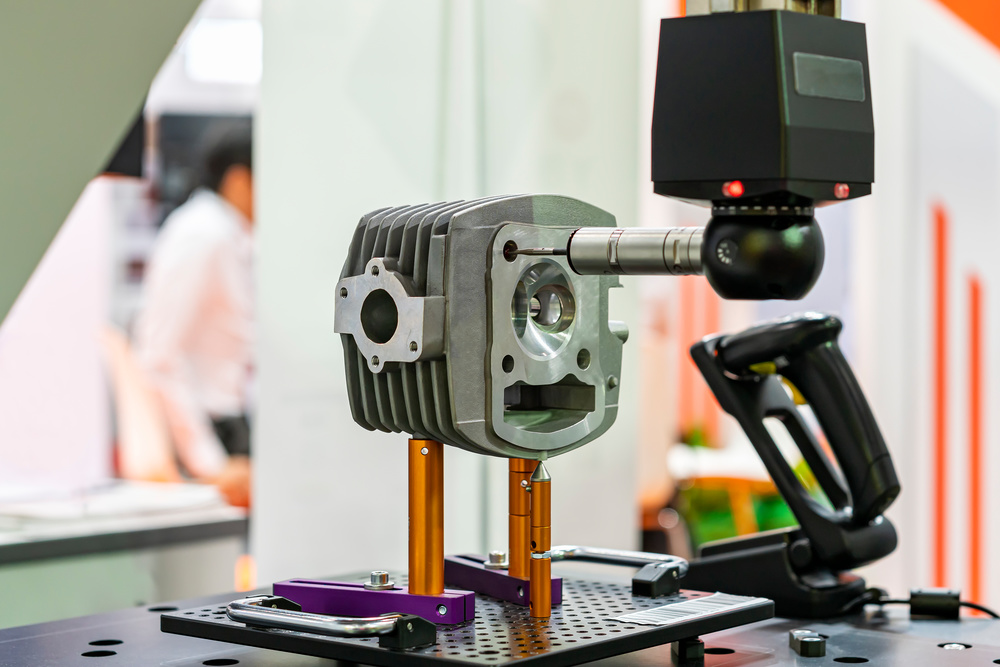
You can’t improve what you don’t measure. That’s why we have a comprehensive quality inspection process that verifies the accuracy of every part we produce. We use advanced measurement equipment like coordinate measuring machines (CMM) to verify critical dimensions with micron-level accuracy. We also use statistical process control (SPC) to monitor our processes over time, identifying trends and making adjustments before accuracy starts to drift.
Advanced Techniques for High Precision CNC Machining
While the 12 methods above will get you most of the way there, when you need to achieve truly exceptional accuracy, you need to go beyond the basics. These advanced techniques are what separate true precision machining shops from the rest of the pack.
5-Axis Machining
5-axis machining allows us to machine complex parts from multiple angles in a single setup. This eliminates the errors that can occur when re-fixturing parts multiple times, and it allows us to achieve much better accuracy on complex geometries. By maintaining a consistent cutting angle, we also reduce tool wear and improve surface finish quality.
Precision Grinding Finishing
For the most demanding applications, we use precision grinding as a finishing operation. Grinding can achieve much tighter tolerances and better surface finishes than milling alone. We use CNC grinding machines that can achieve accuracy down to ±0.001mm, perfect for parts that require the ultimate in precision.
In-Process Measurement
Our machines are equipped with probing systems that can measure parts during the machining process. This allows us to check dimensions in real-time and make automatic adjustments to compensate for any errors. It’s like having a quality inspector working right on the machine, ensuring accuracy throughout the process.
Adaptive Machining
Adaptive machining technology allows our machines to automatically adjust cutting parameters based on actual cutting conditions. If the machine detects higher than expected cutting forces, it can reduce the feed rate to prevent tool deflection. This ensures consistent accuracy even when material properties vary slightly.
Common Mistakes That Reduce CNC Accuracy
Even with the best intentions, it’s easy to make mistakes that can compromise your machining accuracy. Here are some of the most common mistakes we see, and how to avoid them:
Ignoring Tool Wear
Many shops run tools until they break, but by that point, they’ve already been causing accuracy problems for a long time. Implement proper tool life management and replace tools before they start to wear excessively.
Poor Clamping Practices
Over-clamping can distort parts, while under-clamping allows them to move. Use the right clamping force for your material and part geometry, and ensure that your fixturing is properly aligned.
Using Wrong Parameters
Using the same cutting parameters for every material and operation is a recipe for disaster. Take the time to optimize your parameters for each specific job to ensure the best possible accuracy.
Skipping Machine Calibration
Even the best machines drift over time. Regular calibration of your machine’s positioning accuracy, backlash compensation, and thermal expansion coefficients is essential for maintaining accuracy.
Ignoring Environmental Factors
Many shops don’t realize how much temperature changes affect their accuracy. Even a 5°C temperature change can cause a 0.06mm change in a 1-meter steel part. Environmental control matters.
Rushing Setup
Taking shortcuts during machine setup is one of the biggest causes of accuracy issues. Take the time to properly set up your work offsets, tool offsets, and fixturing. The few minutes you save aren’t worth the scrap parts.
How We Ensure High Precision CNC Machining
At our facility, we’ve implemented all of these methods and more to ensure that we can consistently deliver the highest precision parts to our customers. Here’s what that means for you:
Tolerance up to ±0.005 mm
We consistently achieve precision down to 5 microns, even for complex parts and difficult materials.
CMM Inspection
Every critical dimension is verified using our coordinate measuring machine for absolute accuracy.
Advanced CNC Machines
Our fleet of high-precision CNC machines includes 3-axis, 5-axis, and grinding centers.
Strict Quality Control
Our ISO 9001:2015 certified quality system ensures consistent quality for every part.
Experienced Engineers
Our team of engineers has over 20 years of experience in precision machining.
Temperature Controlled Facility
Our precision machining area maintains temperature within ±0.5°C for ultimate stability.
Frequently Asked Questions
What tolerance can CNC machining achieve?
Standard CNC machining can typically achieve tolerances of ±0.025mm, while precision CNC machining can achieve tolerances as tight as ±0.005mm or even better with specialized equipment and processes. The exact tolerance depends on the part geometry, material, and specific machining operations used.
How to improve machining accuracy?
Improving machining accuracy requires a systematic approach that includes using high-precision machines, proper tool selection, optimized cutting parameters, stable fixturing, thermal control, and rigorous quality inspection. It also requires skilled operators and proper environmental conditions for the most demanding applications.
What affects CNC machining precision?
Many factors affect CNC machining precision, including machine rigidity, tool wear, thermal deformation, programming errors, material properties, fixturing stability, cutting parameters, environmental conditions, and operator skill. Addressing all of these factors is necessary to achieve consistent high precision.
How to reduce CNC machining errors?
Reducing CNC machining errors involves implementing proper machine calibration, tool offset management, program verification, in-process inspection, and statistical process control. It also means avoiding common mistakes like ignoring tool wear, poor fixturing, and improper cutting parameters.
What is the difference between accuracy and repeatability?
Accuracy refers to how close a measurement is to the true or target value, while repeatability refers to how consistently the machine can achieve the same result over multiple attempts. A machine can have good repeatability but poor accuracy, meaning it’s consistently off by the same amount.
How important is temperature control for precision machining?
Temperature control is extremely important for precision machining. Even small temperature changes can cause thermal expansion of both the machine and the workpiece, leading to dimensional errors. For ultra-precision work, maintaining a stable temperature within ±0.5°C is often necessary.
Ready for Precision CNC Machining?
If you require high precision CNC machining with tight tolerances for your critical applications, our engineering team can provide professional solutions based on your design and requirements. We have the expertise, equipment, and processes to deliver the accuracy and quality you need.