Bro, Let Me Explain This Game-Changer!
A CNC tool holder is like the super-strong grip that holds your cutting tools in place while they’re spinning at insane speeds! It connects end mills, drills, or reamers to the CNC machine’s spindle.
This thing isn’t just a simple clamp—it’s a precision component that makes sure your tool is perfectly aligned, doesn’t vibrate, and can handle all the forces from cutting metal at 10,000+ RPM!
Trust me, a bad tool holder can ruin your entire project. I’ve seen it happen—wobbly tools = bad parts = wasted money!
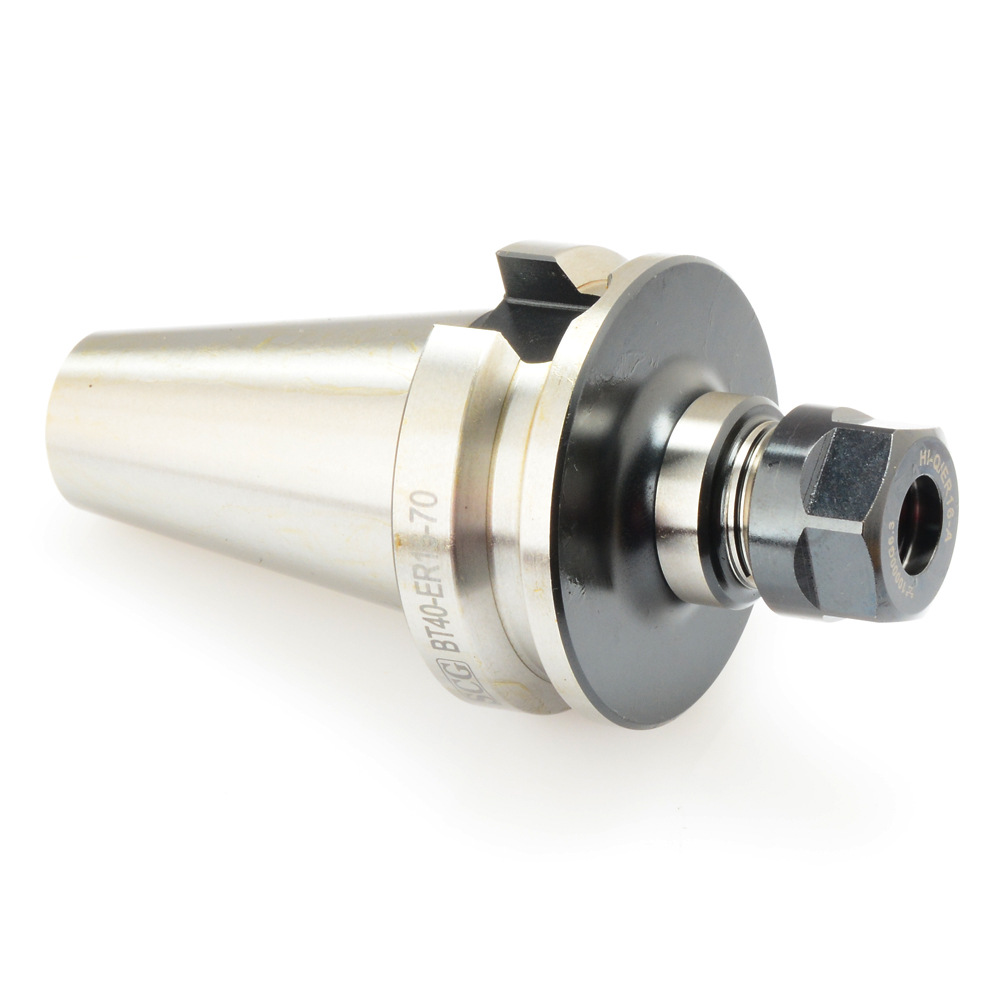
Check out this BT40 tool holder—this is what keeps your cutting tools secure at high speeds!
What These Bad Boys Actually Do (Key Functions)
Super Secure Clamping
These things grip tools so tight they won’t slip even at 10,000+ RPM!
- Prevents slippage or vibration that could damage tools/workpieces
- Absolutely critical at high spindle speeds (over 10,000 RPM)
- Some can handle up to 40,000 RPM (insane!)
- Clamping force measured in kN (kilonewtons)
Test Data (For Reference Only):
Clamping force: 15-30 kN for standard holders
Vibration reduction: Up to 80% compared to basic holders
Laser-Precise Alignment
Perfect alignment means perfect parts—no wobble, no errors!
- Ensures tool axis is perfectly concentric with spindle rotation
- Misalignment causes uneven tool wear and poor surface finishes
- Runout typically less than 0.002 mm at tool tip
- Some high-precision holders have runout < 0.001 mm!
Execution Standards:
ISO 7388-1: Tool holders for CNC machines
DIN 69871: BT tool holder standard
ANSI B5.50: CAT tool holder standard
Lightning-Fast Tool Changes
Automated tool changers love standardized holders—swap tools in seconds!
- Standardized designs allow quick, repeatable tool swapping
- Minimizes downtime between operations
- Tool change time: Typically 2-5 seconds
- Some systems can do it in under 1 second!
Heat & Force Management
These things absorb heat and forces like a pro!
- Dissipates heat generated during cutting operations
- Absorbs axial and radial forces
- Protects both spindle and tool from excessive stress
- Can withstand forces up to 5000 N
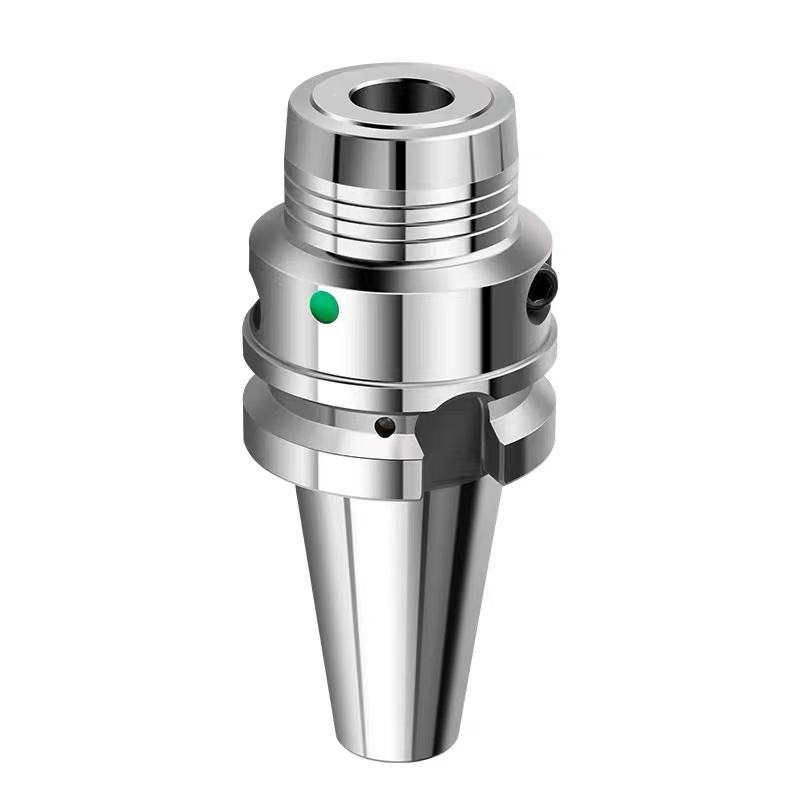
This precision hydraulic tool holder is built for extreme accuracy and clamping force!
Different Types (Which One Should You Use?)
CAT (V-Flange) Holders
The old-school standard—cheap but not great for high speeds!
- Legacy standard with flanged design
- Common in older CNC machines
- Cost-effective but less rigid at high speeds
- Typical speed limit: 8,000-12,000 RPM
My Take:
Use these for basic machines or low-speed work. Not recommended for high-precision stuff!
BT Holders
Similar to CAT but more robust—great for Asian machines!
- Similar to CAT but with more robust taper
- Popular in Asian-made machines (Fanuc, Mitsubishi)
- Better balance and rigidity than CAT
- Good for high-speed machining up to 20,000 RPM
Test Data (For Reference Only):
Runout at 10,000 RPM: 0.003-0.005 mm
Weight: 1.5-3 kg depending on size
HSK (Hollow Shank Taper) Holders
The modern king—insane rigidity for high-speed work!
- Modern hollow design with both taper and flange clamping
- Exceptional rigidity and concentricity
- Ideal for high-speed machining (up to 40,000 RPM!)
- Perfect for aerospace and precision applications
Pro Tip:
HSK is worth the extra cost for high-precision work—game-changer!
ER Collet Holders
The versatile workhorse—grips tools of different sizes!
- Use flexible sleeves (collets) to grip tools of varying diameters
- Widely used for drills, end mills, small-diameter tools
- Available in sizes from ER8 to ER40
- Excellent for general-purpose machining
Execution Standards:
DIN 6499: ER collet standard
ISO 15488: HSK tool holder standard
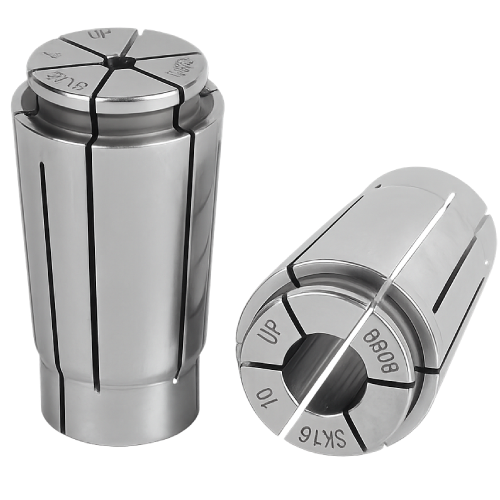
These ER collets are what make tool holders so versatile—they grip different tool sizes!
Tool Holder Comparison Chart (For Reference Only)
| Type | Max RPM | Runout (mm) | Cost | Best For |
|---|---|---|---|---|
| CAT | 8,000-12,000 | 0.005-0.010 | Low | Basic machines |
| BT | 15,000-20,000 | 0.003-0.005 | Medium | General machining |
| HSK | 25,000-40,000 | 0.001-0.002 | High | High-speed precision |
| ER Collet | 10,000-25,000 | 0.002-0.008 | Low-Medium | Small tools |
Materials & Manufacturing (The Good Stuff Inside)
Materials That Matter
These things are built tough—usually from high-quality steel!
- High-carbon steel: Most common, good balance of strength and cost
- Alloy steel: Better strength and wear resistance
- Tool steel: Premium option for extreme durability
- Surface treatments: Black oxide, chrome plating, TiN coating
Test Data (For Reference Only):
Hardness: 58-62 HRC after heat treatment
Tensile strength: 1,200-1,500 MPa
Fatigue life: 10,000+ cycles
Manufacturing Process
These things are machined with insane precision!
- CNC turning: Creates basic shape and taper
- CNC milling: Adds flanges, slots, and features
- Grinding: Achieves final precision (micron-level!)
- Heat treatment: Hardens the material
- Surface finishing: Adds protective coatings
Precision Levels:
Taper accuracy: ±0.001 mm per 100 mm length
Dimensional tolerances: ±0.002 mm
Surface finish: Ra 0.4-0.8 μm
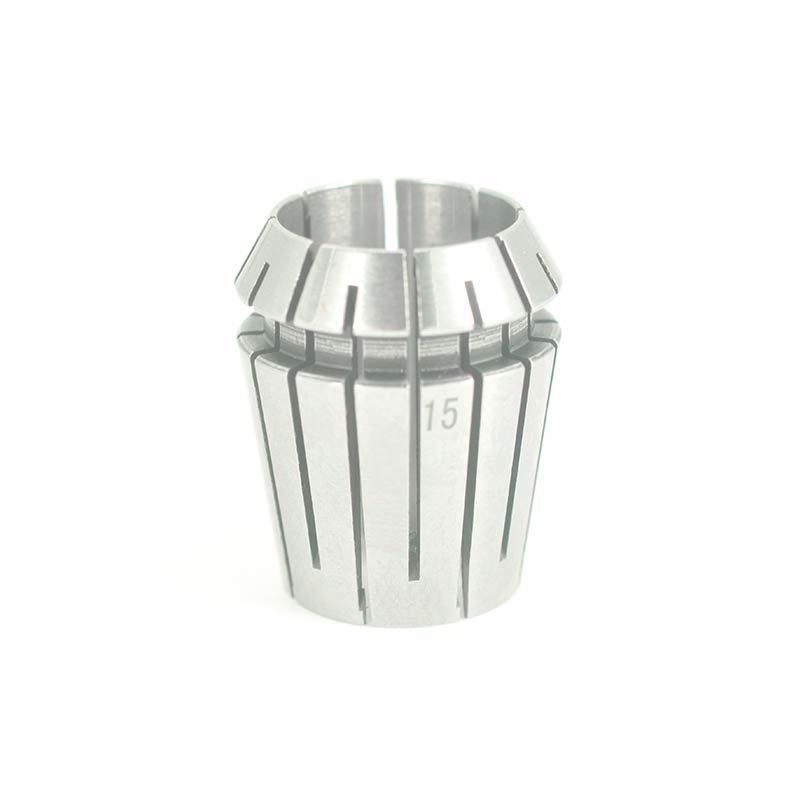
This precision ER collet shows the amazing detail possible with modern manufacturing!
How to Choose the Right One (My Pro Tips)
Check Your Spindle Type First!
Dude, this is non-negotiable! The holder must match your machine’s spindle interface.
- CAT40: Common in older American machines
- BT40: Standard on most new machines
- HSK63: Modern high-speed machines
- Measure your spindle if you’re not sure!
Consider Machining Conditions
High-speed needs different holders than heavy-duty cutting!
- High-speed (10,000+ RPM): Use HSK or balanced BT holders
- Heavy-duty cutting: Rigid BT or CAT holders
- Precision work: HSK for best accuracy
- General purpose: BT40 is usually safe
Tool Size Matters!
Small tools need different holders than big ones!
- Small tools (1-16mm): ER collet holders
- Medium tools (16-32mm): End mill holders
- Large tools (32mm+): Face mill holders
- Specialized tools: Get the right holder for the job
Accuracy Requirements
Tight tolerances mean you need better holders!
- Medical/aerospace: HSK with <0.001mm runout
- General machining: BT with <0.005mm runout
- Prototyping: CAT or basic BT is fine
- Always check runout specs before buying!
Important Notice
All technical data and recommendations above are for reference only. Always consult your machine’s manual and test with actual cutting conditions before full production runs.
Why Quality Matters (Cheap Holders = Expensive Problems!)
Poor Surface Finish
Wobbly holders leave chatter marks—your parts will look terrible!
- Vibration causes chatter marks on workpiece
- Poor surface finish requires extra polishing
- Visible tool marks ruin the appearance
- Scrap rate increases significantly
Cost Impact:
Scrap parts: $50-$500 each depending on material
Rework time: 20-60 minutes per part
Premature Tool Failure
Bad holders ruin expensive cutting tools!
- Uneven force distribution accelerates tool wear
- Tools break unexpectedly
- Tool life reduced by 50-80%
- Constant tool changes waste time
Cost Impact:
Carbide end mill: $50-$200 each
Tool change time: 2-5 minutes each
Spindle Damage
This is the worst—spindle repairs cost thousands!
- Excessive vibration wears down spindle bearings
- Misalignment causes uneven wear
- Spindle replacement: $5,000-$20,000+
- Downtime costs: $100-$500 per hour
My Warning:
Buying cheap holders to save $50 can cost you $10,000 in spindle repairs!
FAQs (You’re Probably Wondering These Things)
Q: Can I use a CAT40 holder in a BT40 spindle?
A: Technically yes, but I don’t recommend it! The tapers are similar but not identical. You’ll get worse accuracy and potentially damage your spindle. Spend the extra money on the right holder—it’s worth it!
Q: How often should I replace my tool holders?
A: Good quality holders can last 5-10 years with proper care! Check for wear on the taper, runout, and clamping mechanism. If runout exceeds 0.01 mm at the tool tip, it’s time to replace them.
Q: Are expensive holders really worth it?
A: Absolutely! A $200 HSK holder will save you thousands in tool costs, scrap parts, and spindle repairs. Cheap holders might save you money upfront, but they’ll cost you way more in the long run.
Q: How do I check runout on my tool holder?
A: Use a dial indicator! Mount it on your machine, insert a test bar in the holder, and spin the spindle. The indicator will show how much runout you have. Anything over 0.005 mm is too much for precision work.
Q: What’s the best way to store tool holders?
A: Use a proper tool holder rack! Keep them clean, dry, and organized. Never stack them or store them with other tools that could damage the taper. A good storage system will extend the life of your holders significantly.
Ready to Get the Right Tool Holders?
Don’t risk expensive tools and spindle damage with cheap holders. Get high-quality, precision tool holders that will save you money in the long run!