Introduction
Have you ever wondered how the precision parts of the smartphones, cars, and airplanes we use every day are manufactured? The answer is – CNC machining technology. Simply put, CNC machining is like an extremely intelligent “robot craftsman” that can precisely transform raw materials into various complex parts according to our design drawings. Today, we will use the simplest language to take you through a comprehensive understanding of this “magic weapon” of modern manufacturing.
1. What is CNC Machining?
1.1 Basic Concept of CNC Machining
CNC machining, simply put, means “using computers to control machines to do work”. Its full name is Computer Numerical Control machining. Imagine that instead of skilled workers manually operating machine tools, computers now control them, making the process not only more precise but also capable of working 24 hours a day without interruption.
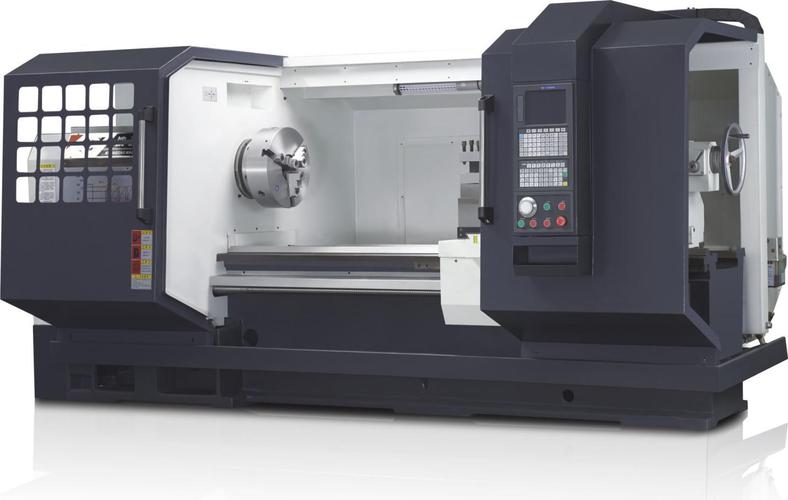
Core Characteristics of CNC Machining:
- Computer Control: Using program code instead of manual operation
- Automatic Operation: Machines automatically complete processing according to programs
- Ultra-Precision: Errors can be controlled within a fraction of a human hair
- Consistency: All mass-produced parts are identical
1.2 Differences Between CNC Machining and Traditional Machining
|
Aspect
|
CNC Machining
|
Traditional Machining
|
|
Operator
|
Computer program control
|
Manual operation by skilled workers
|
|
Precision Level
|
Ultra-precise (0.001mm)
|
Relatively precise (0.01mm)
|
|
Part Consistency
|
All parts are identical
|
Each part may have slight differences
|
|
Capabilities
|
Can easily handle complex shapes
|
Mainly for simple shapes
|
|
Product Changeover
|
Just modify the program
|
Need to readjust the machine
|
|
Skill Requirements
|
Programming and computer operation
|
Manual craftsmanship and experience
|
1.3 Development History of CNC Machining
CNC machining technology has gone through five generations of development since its birth:
- 1952: The first CNC machine tool was born in the United States, controlled by vacuum tubes
- 1959: Transistors were adopted, making it smaller and more reliable
- 1965: Integrated circuits began to be used
- 1970: Minicomputers began to be applied
- 1974-present: Microprocessor era, which is the CNC system we use now
2. How Does CNC Machining Work?
2.1 Basic Working Principle
The working process of CNC machining is actually very simple and can be summarized in “three steps”:
Step 1: Design the Drawing
- Engineers draw 3D models of parts using computer software (such as SolidWorks)
- This model contains all information about the part’s shape, size, material, etc.
Step 2: Write the Program
- Import the designed 3D model into another software (CAM software)
- The software calculates the tool path based on the part shape
- Finally, generate code that the machine can understand (G-code)
Step 3: Machine Processing
- Input the program into the CNC machine
- The machine automatically controls the tool movement according to program instructions
- Gradually transforms the raw material into the desired part shape
2.2 Detailed Workflow
1. Design Stage (Drawing)
- Like drawing the “construction blueprint” for the part
- Using specialized design software, precise to every detail
- Save in a file format recognizable by computers
2. Programming Stage (Making Processing Plans)
- Telling the machine “how to make” this part
- Selecting appropriate tools and processing methods
- Calculating tool movement routes and speeds
- Generating executable code for the machine
3. Preparation Stage (Machine Preparation)
- Fixing raw materials on the machine workbench
- Installing the required tools
- Telling the machine where the part is located
- Transferring the programmed code to the machine
4. Processing Stage (Machine Working)
- First run a trial to ensure no problems
- Start formal processing
- The machine automatically works according to the program
- The operator only needs to monitor the process
5. Inspection Stage (Quality Control)
- After processing is completed, check the part dimensions
- Ensure compliance with design requirements
- Remove burrs and perform surface treatment
- Qualified parts are ready for use
2.3 The “Language” Machines Understand – G-code
G-code is like the “common language” of machines, which is the instruction that CNC machine tools can understand and execute.
Common G-code Instructions:
|
G-code
|
Function Description
|
Simple Understanding
|
|
G00
|
Rapid Positioning
|
Tool moves quickly to specified position
|
|
G01
|
Linear Interpolation
|
Tool moves along a straight line
|
|
G02/G03
|
Circular Interpolation
|
Tool moves along an arc
|
|
G04
|
Dwell
|
Tool pauses for a period of time
|
|
G28
|
Return to Origin
|
Tool returns to initial position
|
3. What Components Make Up a CNC Machine?
3.1 “Body Structure” of CNC Machines
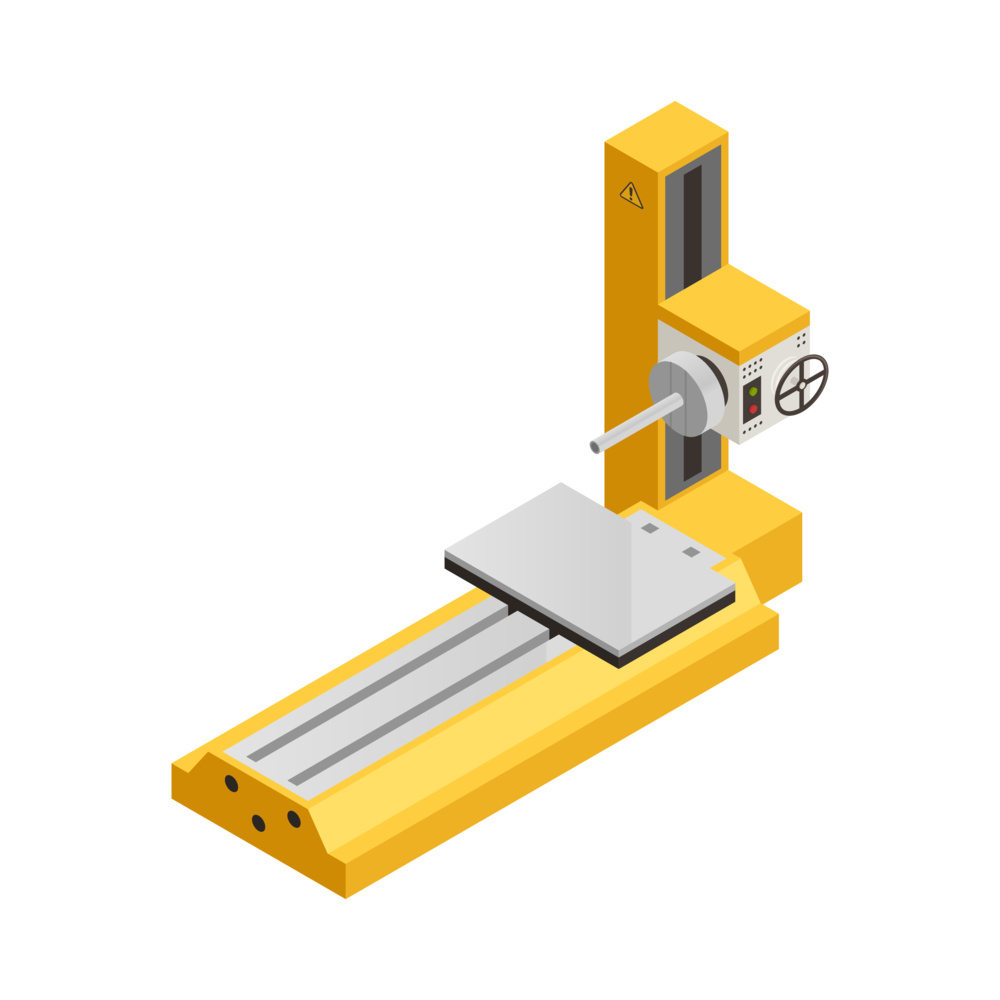
1. Machine Tool Body (Body)
- Bed and Column: Like the human skeleton, supporting the entire machine
- Spindle: The part that drives the tool or workpiece to rotate
- Worktable: The place where raw materials are placed, which can move
- Guideways: Ensuring precision and stability of movement
2. CNC System (Brain)
- Control Panel: The human-machine interface where operators work
- Display Screen: Showing programs and processing status
- Processor: Like a computer’s CPU, processing various instructions
3. Servo System (Muscles)
- Servo Motors: Providing power to make the machine move
- Ball Screws: Converting rotational motion into linear motion
- Reducers: Controlling motion speed and torque
3.2 “Nervous System” of CNC Machines
1. Detection and Feedback System
- Encoders: Detecting motor speed and position
- Linear Scales: Detecting the precise position of the worktable
- Sensors: Monitoring various parameters during processing
2. Closed-Loop Control System
This is the secret weapon that enables CNC machines to guarantee high precision:
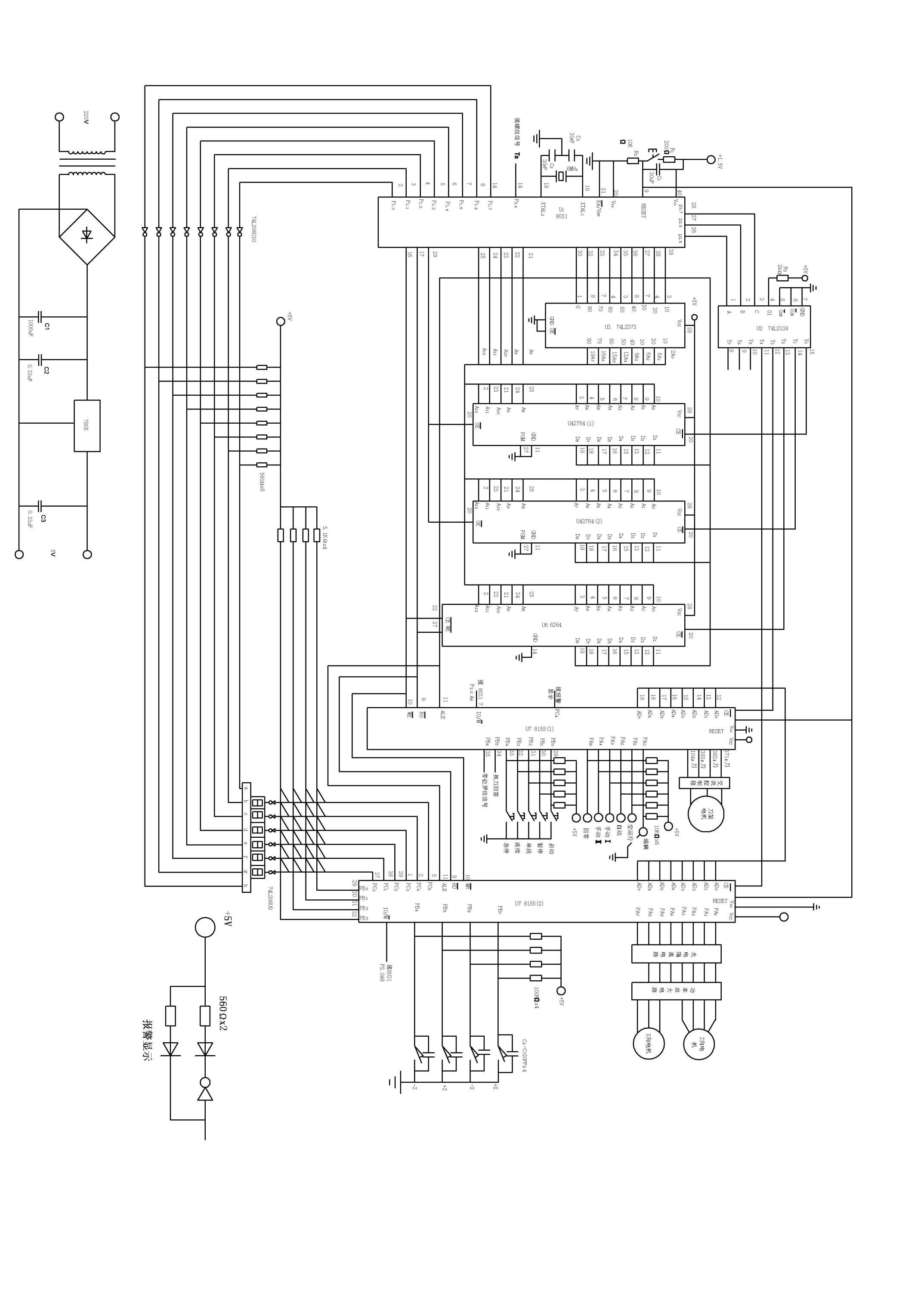
Working Process:
- The computer issues an instruction to “move to position 100mm”
- The motor drives the worktable to start moving
- Sensors real-time detect the actual position
- If it finds that only 99.99mm has been moved, it will continue adjusting
- It stops only when it accurately reaches the 100mm position
4. What Types of CNC Machining Are There?
4.1 Classification by Processing Method
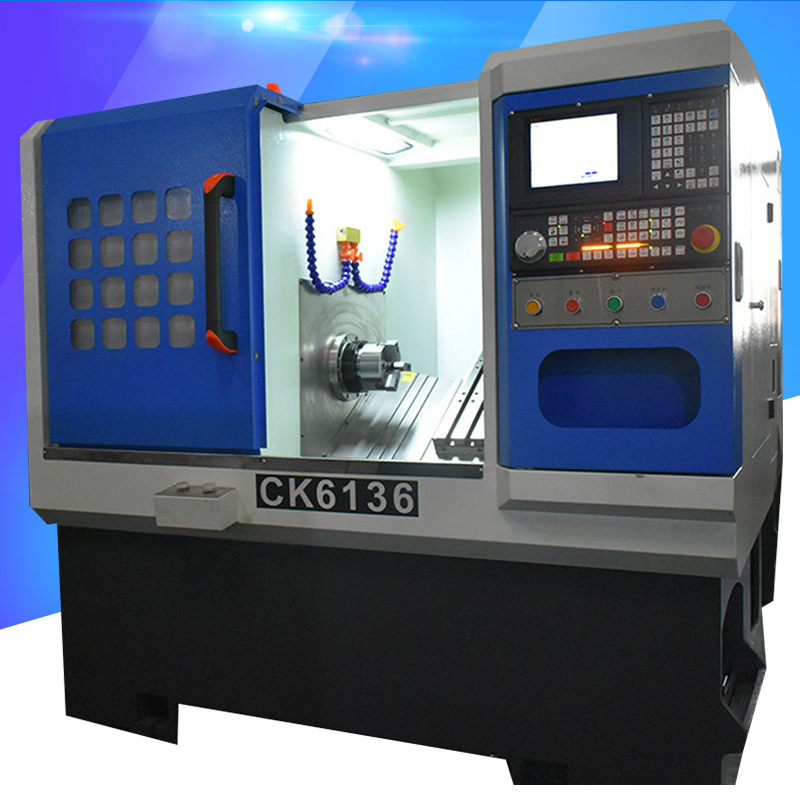
1. CNC Turning (Lathe)
- Working Method: Workpiece rotates, tool moves
- Processed Parts: Shafts, discs (such as transmission shafts, flanges)
- Characteristics: Specialized in processing round parts
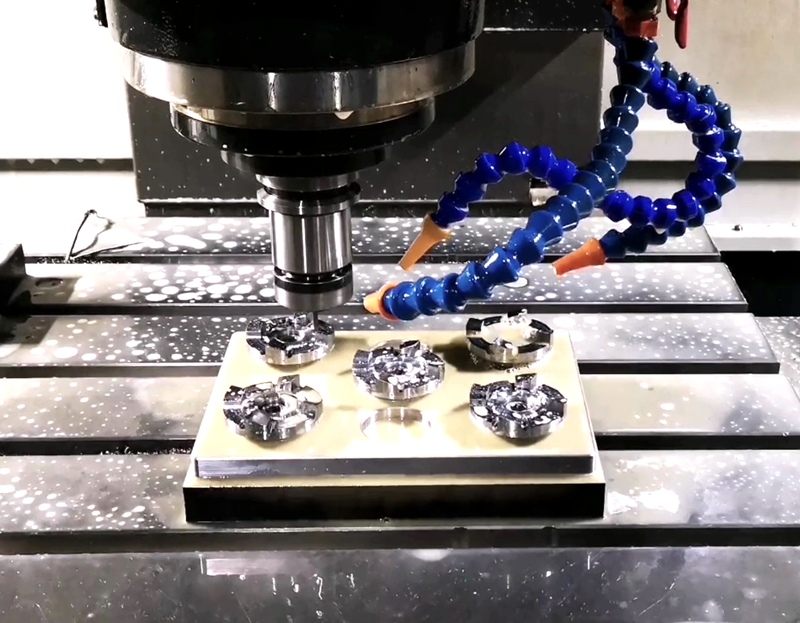
2. CNC Milling (Milling Machine)
- Working Method: Tool rotates, workpiece moves
- Processed Parts: Complex-shaped parts (such as boxes, brackets)
- Characteristics: Can process planes, grooves, complex curved surfaces
3. Other Processing Types
- CNC Drilling Machines: Specialized machines for drilling holes
- Machining Centers: Comprehensive processing equipment with more complete functions
- EDM (Electrical Discharge Machining): Special method for processing hard materials
4.2 Classification by Number of Axes
1. 3-Axis CNC Machines
- Axis Configuration: X, Y, Z directions (front-back, left-right, up-down)
- Capability: Can process most common parts
- Application: General mechanical manufacturing
2. 4-Axis CNC Machines
- Axis Configuration: Three linear axes + one rotational axis
- Capability: Can process more complex 3D shapes
- Application: Mold manufacturing, aviation parts
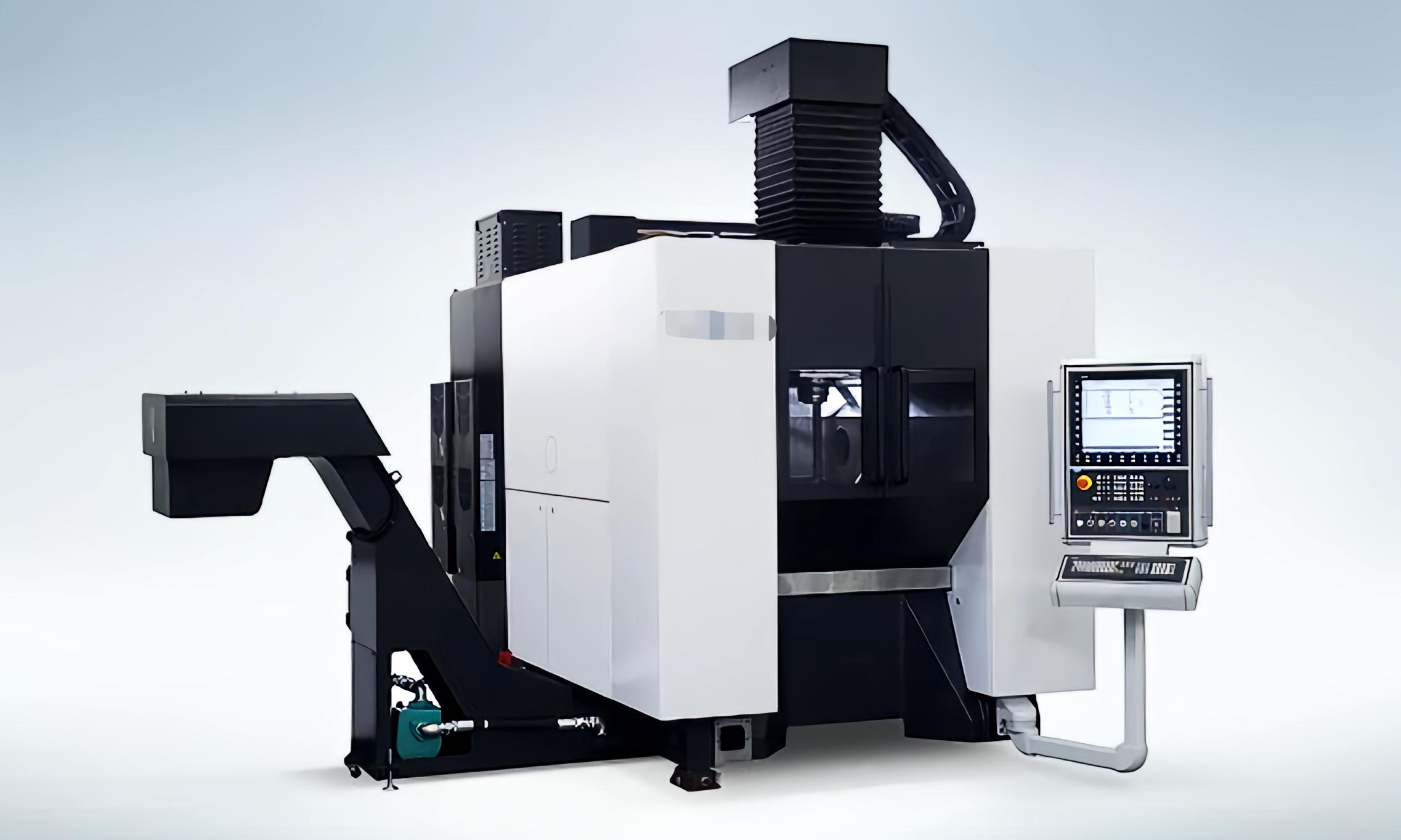
3. 5-Axis CNC Machines
- Axis Configuration: Three linear axes + two rotational axes
- Capability: Can process all surfaces of a part in one clamping
- Application: Aerospace, precision molds
5. What Are the Advantages and Disadvantages of CNC Machining?
5.1 “Superpowers” of CNC Machining
1. Ultra-High Precision
- Processing errors can be controlled within 0.001mm
- Much finer than a human hair
- All mass-produced parts are identical
2. High Efficiency
- Can work 24 hours a day without interruption
- Multiple processing steps can be completed in one clamping
- Changing products only requires program modification, very flexible
3. Super Strong Capability
- Can process complex parts that traditional machine tools cannot
- Can process various materials (metals, plastics, composite materials)
- Can handle both large and small parts
4. High Level of Intelligence
- Controlled by software, relatively simple to operate
- Can be remotely monitored and managed
- Processing process data can be completely recorded
5.2 “Minor Disadvantages” of CNC Machining
1. Relatively Expensive
- High equipment investment cost
- Maintenance costs are also not low
- Software purchase is also needed
2. High Technical Requirements
- Requires professional operators
- Programming also requires specialized knowledge
- Maintenance also requires technical personnel
3. Relatively More Material Waste
- Belongs to “subtractive manufacturing”, generates a lot of chips
- For precious materials, the waste cost is high
5.3 Where is CNC Machining Used?
1. Aerospace Industry
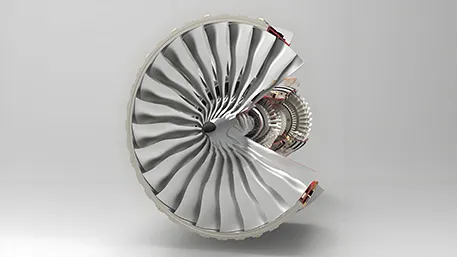
- Processed Parts: Aircraft engine blades, fuselage structural parts
- Requirements: High precision, high strength, complex shapes
- Characteristics: Small batch, high value
2. Automotive Manufacturing Industry
- Processed Parts: Engine blocks, transmission parts
- Requirements: Large batch, high efficiency, good consistency
- Characteristics: High degree of production line automation
3. Medical Equipment Industry
- Processed Parts: Artificial joints, surgical instruments
- Requirements: Ultra-high precision, smooth surface, good biocompatibility
- Characteristics: Small batch customization
4. Electronic Communication Industry
- Processed Parts: Mobile phone cases, connectors, heat sinks
- Requirements: High precision, good appearance, fast updates
- Characteristics: Mass production
6. How to Choose the Right Processing Method?
6.1 Basic Selection Principles
1. Look at Production Volume
- Small batch (below 1000 pieces): Suitable for CNC machining
- Medium batch (1000-10000 pieces): Need to comprehensively consider costs
- Large batch (above 10000 pieces): Other methods like stamping may be more cost-effective
2. Look at Part Complexity
- Simple parts: Traditional processing may be more economical
- Complex parts: Must use CNC machining
- Precision parts: CNC machining is the first choice
3. Look at Precision Requirements
- General precision: Traditional processing can meet requirements
- High precision: Must use CNC machining
6.2 Recommendations for Enterprises
1. Equipment Investment Suggestions
- Choose suitable equipment according to your own processing needs
- Consider future development and reserve expansion space
- Choose brands with reliable quality and good service
2. Talent Training Suggestions
- Strengthen skill training for operators
- Cultivate technical personnel who understand programming
- Establish a professional technical team
3. Quality Control Suggestions
- Strictly implement the first article inspection system
- Real-time monitoring of processing processes
- Regular maintenance and calibration of equipment
7. Future Development of CNC Machining
7.1 Technology Development Trends
1. Becoming Smarter
- Artificial Intelligence Application: Machines can optimize processing parameters by themselves
- Digital Twin: Establishing virtual machine models to simulate processing in advance
- Autonomous Decision Making: Machines can make decisions by themselves based on conditions
2. Increasing Precision
- Developing towards nanoscale precision
- Processing surfaces becoming smoother and smoother
- More advanced online measurement and compensation technology
3. Becoming More Environmentally Friendly
- More energy-efficient equipment
- Reducing the use of cutting fluids
- Chip recycling and reuse
7.2 Application Field Expansion
1. Emerging Industry Applications
- New Energy Vehicles: Battery casings, motor parts
- 3D Printing Combination: Hybrid manufacturing of CNC machining and 3D printing
- Personalized Customization: Production of small-batch personalized products
2. Service Model Innovation
- Remote Services: Manufacturers remotely monitor and maintain equipment
- Cloud Manufacturing: Internet-based manufacturing service platforms
- Smart Manufacturing: Factory automation and intelligence
Conclusion
As the core technology of modern manufacturing, CNC machining technology is changing our production methods and lives. From the mobile phones we use every day to the airplanes flying in the sky, from life-saving medical equipment to high-speed cars, all rely on the support of CNC machining technology.
Although CNC machining technology still has some shortcomings, such as high equipment investment and high technical requirements, its advantages are obvious: high precision, high efficiency, and high flexibility. With the continuous development of technology, these shortcomings will gradually be improved.
For friends in the manufacturing industry, mastering CNC machining technology has become an essential skill. Whether it is operating equipment, writing programs, or process design and quality control, we all need to continuously learn and progress.