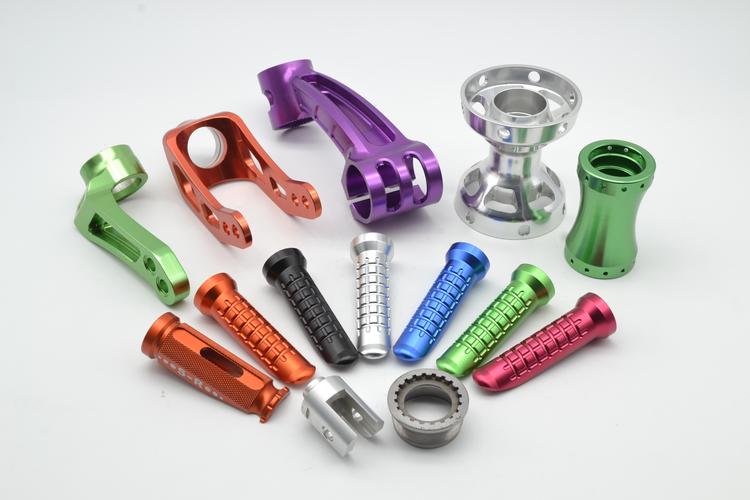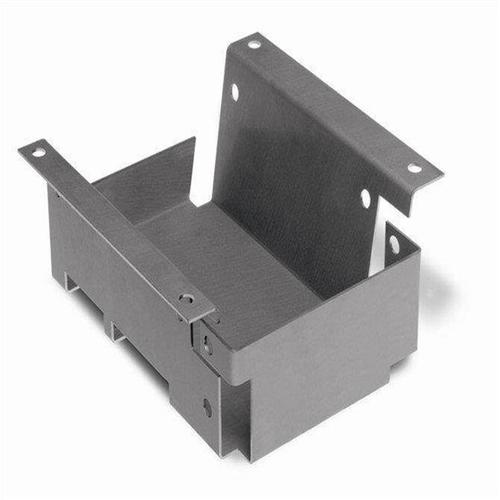
Dude, this is the ultimate guide to the precision manufacturing game-changer!
Bro, Let Me Explain This Game-Changer!
CNC precision machining is like the superhero of manufacturing! We use computer numerical control technology to remove material with super high-precision machine tools, getting parts that are accurate to within ±0.01mm and have surface finishes as smooth as Ra≤0.8μm.
This stuff is everywhere—from aerospace parts to medical devices, precision molds, and way more! If you need parts that fit perfectly every time, this is the way to go.
Trust me, I’ve seen what happens when you don’t use precision machining—parts don’t fit, everything is messed up, and you end up wasting tons of time and money!
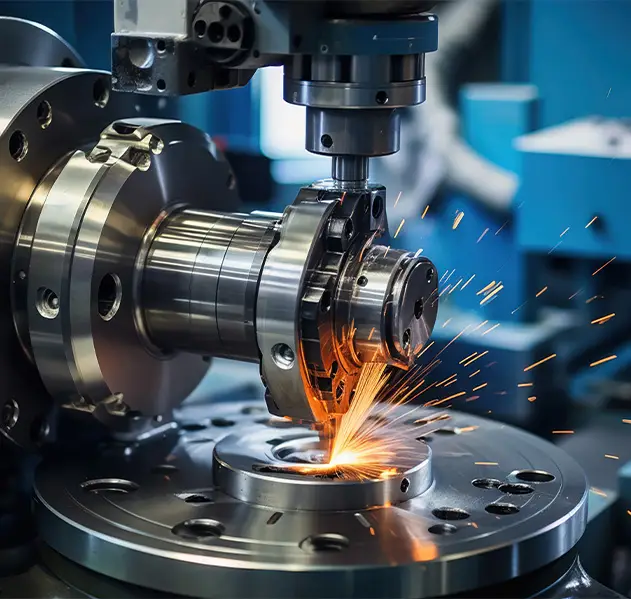
Check out this CNC precision machining process—look at those sparks flying! This is next-level manufacturing!
Precision Grading (We Don’t Mess Around With Accuracy!)
General Precision (The Basic Level)
This is your everyday precision for basic mechanical parts. Still way better than regular machining!
- Dimensional tolerance: ±0.1mm
- Surface roughness: Ra1.6-3.2μm
- Perfect for general mechanical parts
- Great for parts that don’t need super tight fits
Precision Grade (The Good Stuff)
This is where things get serious! We’re talking automotive engine crankshaft level precision here.
- Tolerance: ±0.01-0.05mm
- Surface roughness: Ra0.4-0.8μm
- Used for automotive engine crankshafts
- Perfect for parts that need to fit just right
Ultra-Precision Grade (The Holy Grail)
This is next-level stuff! We’re talking optical lens mold precision here—super tight tolerances!
- Tolerance: ≤±0.001mm (that’s 1 micron!)
- Surface roughness: Ra≤0.025μm
- Used for optical lens molds
- For parts that need to be absolutely perfect
Pro Tip:
CNC precision machining usually refers to processes that meet or exceed precision-grade standards. Don’t overspec unless you really need to—ultra-precision costs way more!
Key Technical Elements (The Secret Sauce)
High-Precision Machine Tools
These machines are the backbone of precision machining. They’re like the Ferraris of manufacturing!
- Spindle system: Electro-spindles with speed ≥20,000rpm
- Runout ≤0.001mm (super important for accuracy!)
- Guideways and lead screws: Hydrostatic guideways or linear motor drives
- Positioning accuracy: ±0.003mm
- Bed structure: Marble/cast iron beds for vibration suppression
Test Data (For Reference Only):
Thermal expansion coefficient: ≤10^-6/°C
Vibration suppression: ≥90% reduction
Precision Tools and Fixtures
You can’t make precision parts with cheap tools! We use the best tools and fixtures available.
- Tool materials: PCD for aluminum mirror machining, CBN for hardened steel
- Tool geometry: Micro-milling cutters ≤0.1mm diameter
- Edge sharpness: ≤0.5μm (super sharp!)
- Fixture systems: Hydraulic/pneumatic fixtures with repeat positioning accuracy ±0.002mm
Tool Life Test Data (For Reference Only):
PCD tools: 10-20 times longer life than carbide tools
CBN tools: Can machine hardened steel up to HRC≥55
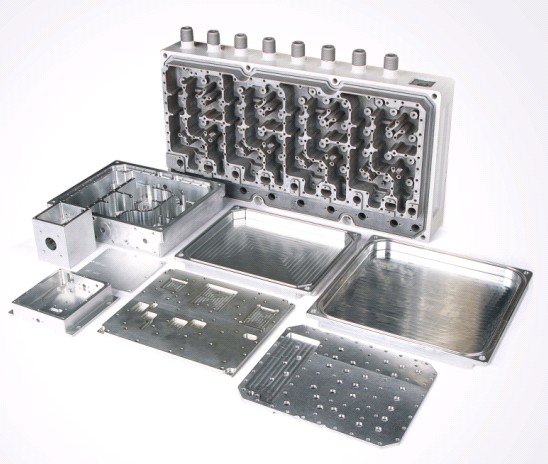
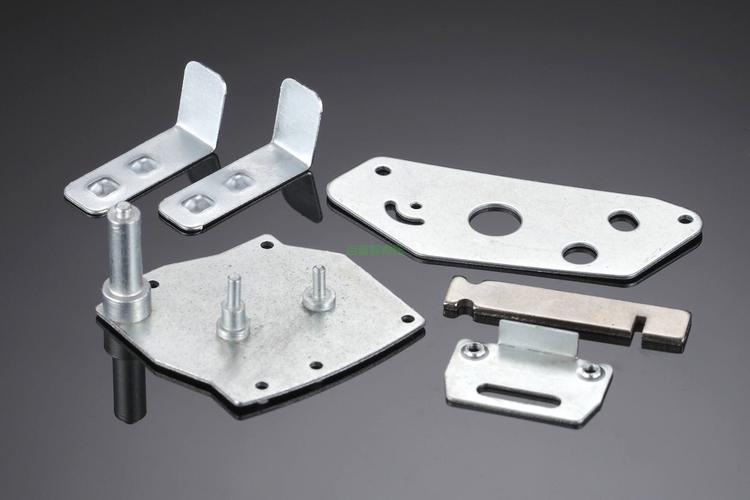
These precision CNC machined parts show the amazing accuracy possible with modern machining technology!
Process Optimization Strategies (We Make It Perfect!)
Cutting Parameters (The Sweet Spot)
We don’t just guess—we use the perfect cutting parameters for each material!
- Aluminum alloys: Cutting speed 3,000-5,000m/min, feed 0.01-0.05mm/tooth
- Titanium alloys: Cutting speed 50-100m/min, depth of cut ≤0.5mm (to avoid chatter!)
- Steel: Cutting speed 100-300m/min, depending on hardness
- We optimize for both speed and quality
Toolpath Design (Smart Paths = Better Parts)
We don’t just cut randomly—we use smart toolpaths to get the best results!
- Contour machining replaces reciprocating milling to reduce tool marks
- Perfect for mold cavity machining
- We use CAM software to optimize every path
- Reduces cycle time while improving quality
Cooling Methods (Keep It Cool, Keep It Precise)
Heat is the enemy of precision! We use advanced cooling methods to keep everything under control.
- Cryogenic air (-30°C) for titanium alloys suppresses tool wear
- Tool life increased by 40% with cryogenic cooling!
- High-pressure coolant for deep hole drilling
- Mist cooling for high-speed machining
Typical Application Fields (Where We Use This Magic)
Aerospace (The Sky’s the Limit!)
Aerospace parts need to be perfect—one mistake and it’s a disaster! We’ve got this covered.
- Key components: Turbine blades (nickel-based alloys, profile tolerance ±0.05mm)
- Satellite frames (aluminum alloys, wall thickness 0.5mm)
- Technical challenges: Low material removal rate for titanium alloys
- Requires multi-axis linkage to avoid tool interference
Medical Devices (Saving Lives!)
Medical parts need to be super precise and safe—no room for error here!
- Typical products: Joint prostheses (titanium alloys, surface roughness Ra≤0.2μm)
- Insulin pump precision gears (POM material, module 0.3mm)
- Special requirements: Compliance with ISO 13485 medical device certification
- Metal residue-free processing (we use dry cutting!)
Electronics & 3C (Your Phone Has This!)
Your smartphone and other electronics use precision CNC parts—we make them!
- Representative parts: Smartphone mid-frames (magnesium-aluminum alloys, flatness ≤0.008mm)
- Camera brackets (plastic + stainless steel inserts)
- Trend: Moving toward “micron-level” precision
- 5G base station filter cavities with machining accuracy ±0.002mm
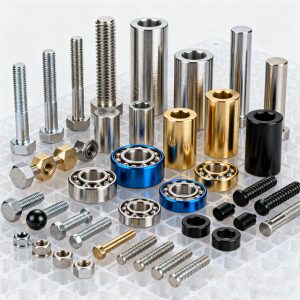
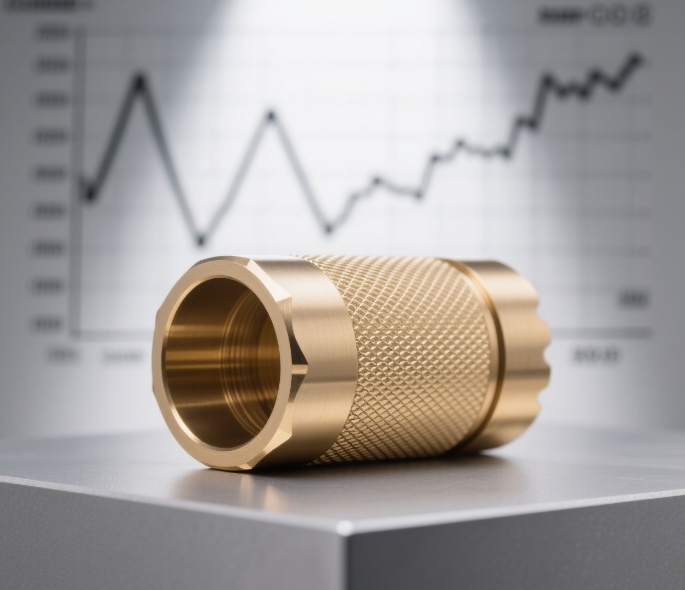
These ultra-precision CNC components are used in everything from aerospace to medical devices—precision at its finest!
Quality Control System (We Check Everything!)
On-line Inspection Technologies
We don’t wait until the end to check—we inspect while we’re machining!
- Laser scanning: German ZEISS O-INSPECT composite measuring instruments
- Detect dimensions and geometric tolerances simultaneously
- Cylindricity ≤0.001mm measurement capability
- Contact measurement: Renishaw probes for real-time correction
Error Compensation Strategies
We don’t just accept errors—we compensate for them!
- Thermal error compensation: Establish machine thermal models, adjust coordinates via temperature sensor feedback
- Geometric error compensation: Laser interferometers detect 21 geometric errors
- Automatically corrected by CNC systems
- Can reduce errors by up to 80%!
Process Capability Analysis
We measure everything to make sure we’re consistently perfect!
- CPK value: Critical dimensions CPK≥1.67 (defect rate <0.006%)
- Used for automotive engine cylinder bore machining
- SPC control: Real-time collection of processing data
- Automatic alarm when dimension fluctuations exceed ±3σ
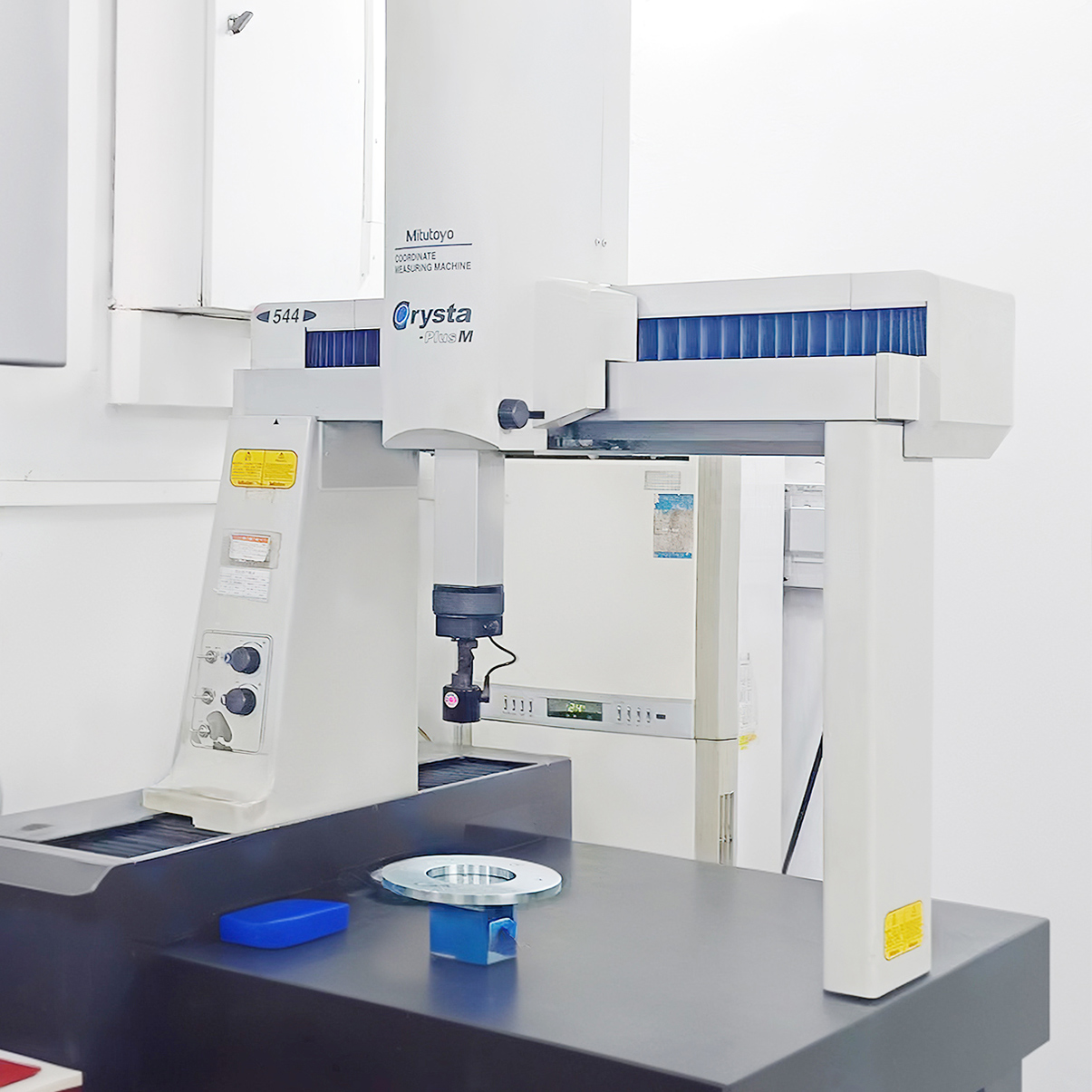
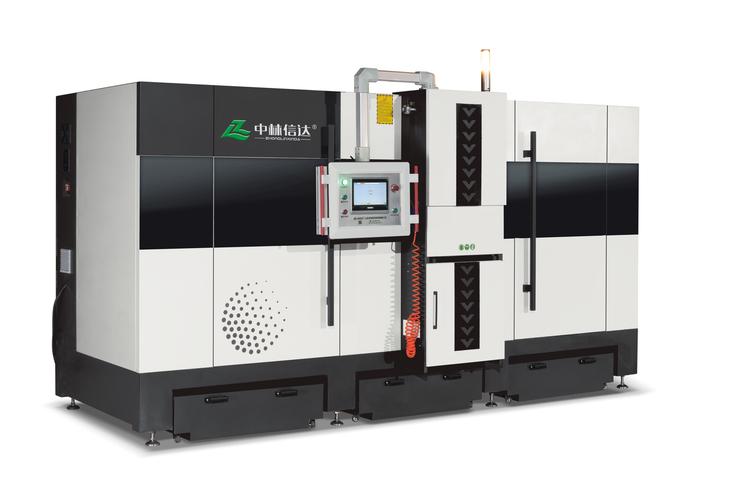
This CMM (Coordinate Measuring Machine) is how we ensure every part meets our strict quality standards!
Quality Standards We Follow
ISO 9001:2015
Quality management systems
ISO 13485:2016
Medical device quality
AS9100D
Aerospace quality standards
IATF 16949:2016
Automotive quality management
Comparison with Other Processes (Spoiler: CNC Wins!)
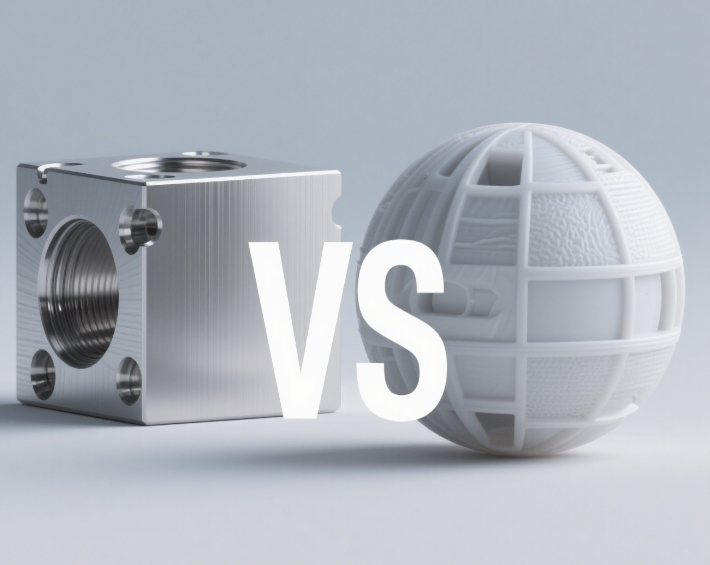
| Process Type | Dimensional Precision | Surface Roughness | Complex Structure Adaptability | Unit Cost |
|---|---|---|---|---|
| CNC precision machining | ≤±0.001mm | Ra≤0.025μm | Tool accessibility required | Medium-high |
| 3D printing (metal SLM) | ±0.05mm | Ra5-10μm | No restrictions | High |
| Precision casting | ±0.1mm | Ra3.2-6.3μm | Complex internal cavities | Low |
Our Recommendation:
CNC precision machining is the best choice when you need high accuracy and good surface finish. 3D printing is great for complex geometries that can’t be machined, and precision casting is good for high-volume production when you don’t need super tight tolerances.
Industry Development Trends (The Future Is Here!)
Intelligence and Automation
The future is smart! We’re using AI and automation to make machining even better.
- AI-assisted programming: Siemens Sinumerik ONE system optimizes cutting parameters via deep learning
- Increases processing efficiency by 20%!
- Unmanned production lines: Robot loading/unloading + on-line inspection
- GF Machining Solutions’ Mikron HSM 500U LP enables 24/7 continuous processing
Breakthroughs in Ultra-Precision Machining
We’re pushing the limits of what’s possible with ultra-precision machining!
- Nanometer-level machining: Toshiba Machine’s NANO-UNITE achieves Ra≤0.005μm mirror finishing
- Used for optical prisms and other super-precise parts
- Hybrid machining: Turn-mill composite centers complete multi-processes in one setup
- Geometric tolerance ≤±0.003mm
Green Manufacturing
We’re not just making parts—we’re doing it in an environmentally friendly way!
- Dry cutting: Air static pressure bearings replace lubricating oil to avoid pollution
- Hemle C40U DryCut is a great example
- Cutting fluid recycling: Filtration systems achieve 95% recycling rate
- Blaser Swisslube EcoCool is leading the way in green cooling
Challenges and Solutions (We’ve Seen It All!)
Technical Challenges
We face some tough challenges, but we always find solutions!
- Difficult materials: Machining Inconel 718 superalloy generates cutting temperatures >1,000°C
- Solution: Ceramic tools + high-pressure cooling (10MPa)
- Micro-structure machining: Deburring in 0.05mm-wide slots is super tough
- Solution: Ultrasonic vibration cutting (20kHz frequency)
Cost Control
Precision machining isn’t cheap, but we know how to keep costs under control!
- Tool management: Adopt tool life management systems like Sandvik Coromant’s CoroPlus
- Reduces tool consumption by 30%!
- Process optimization: Merge multi-parts into integral machining
- Reduces assembly errors and processes
Pro Tip from the Shop Floor:
Always work with experienced machinists who have dealt with similar parts before. They’ll know the tricks to avoid common problems and get the job done right the first time!
FAQs (You’re Probably Wondering These Things)
Q: What’s the difference between CNC machining and CNC precision machining?
A: Great question! Regular CNC machining usually has tolerances around ±0.1mm, while precision CNC machining has tolerances of ±0.01mm or better. Precision machining also requires better equipment, tools, and processes.
Q: How tight of tolerances can you actually achieve?
A: With our best equipment, we can achieve tolerances as tight as ±0.001mm (that’s 1 micron!). Most parts don’t need that level of precision though—we’ll help you figure out what’s actually necessary for your application.
Q: What materials can you machine with precision CNC?
A: We can machine just about anything! Aluminum, steel, titanium, plastics, composites—you name it. Each material has its own challenges, but we’ve got the experience to handle them all.
Q: How long does precision CNC machining take?
A: It depends on how complex the part is! Simple parts might take a few hours, while complex parts with tight tolerances can take days or even weeks. We’ll give you a realistic lead time before we start.
Q: Is precision CNC machining expensive?
A: It’s definitely more expensive than regular machining, but you get what you pay for! The good news is that we’ll help you optimize your design to get the precision you need without paying for more than you need. And remember—cheap parts that don’t fit end up being more expensive in the long run!
Ready to Get Your Precision Parts Machined?
Don’t trust your critical parts to just anyone. Get precision CNC machining from experts who know what they’re doing!
Important Notice
All technical data and recommendations above are for reference only. Always consult with experienced engineers and test with actual production conditions before full production runs. Results may vary depending on specific materials, equipment, and process parameters.