Last Updated: January21, 2026 |
Certifications: ISO 9001, IATF 16949, ISO 13485
Alright folks, let’s get this plastic party started!
Plastic molding is a manufacturing process that shapes molten plastic into predefined forms using molds.
Dude, this is like magic for mass production! We’re talking turning raw plastic pellets into finished parts by heating, melting,
and injecting or pressing the plastic into a mold cavity where it cools and solidifies.
This method enables mass production of complex, consistent plastic components – and let me tell you,
it’s used across industries for its efficiency and versatility. Bro, we’re talking millions of parts at a time!
cycle time was just 30 seconds with 99.2% pass rate! That’s what I call efficient!
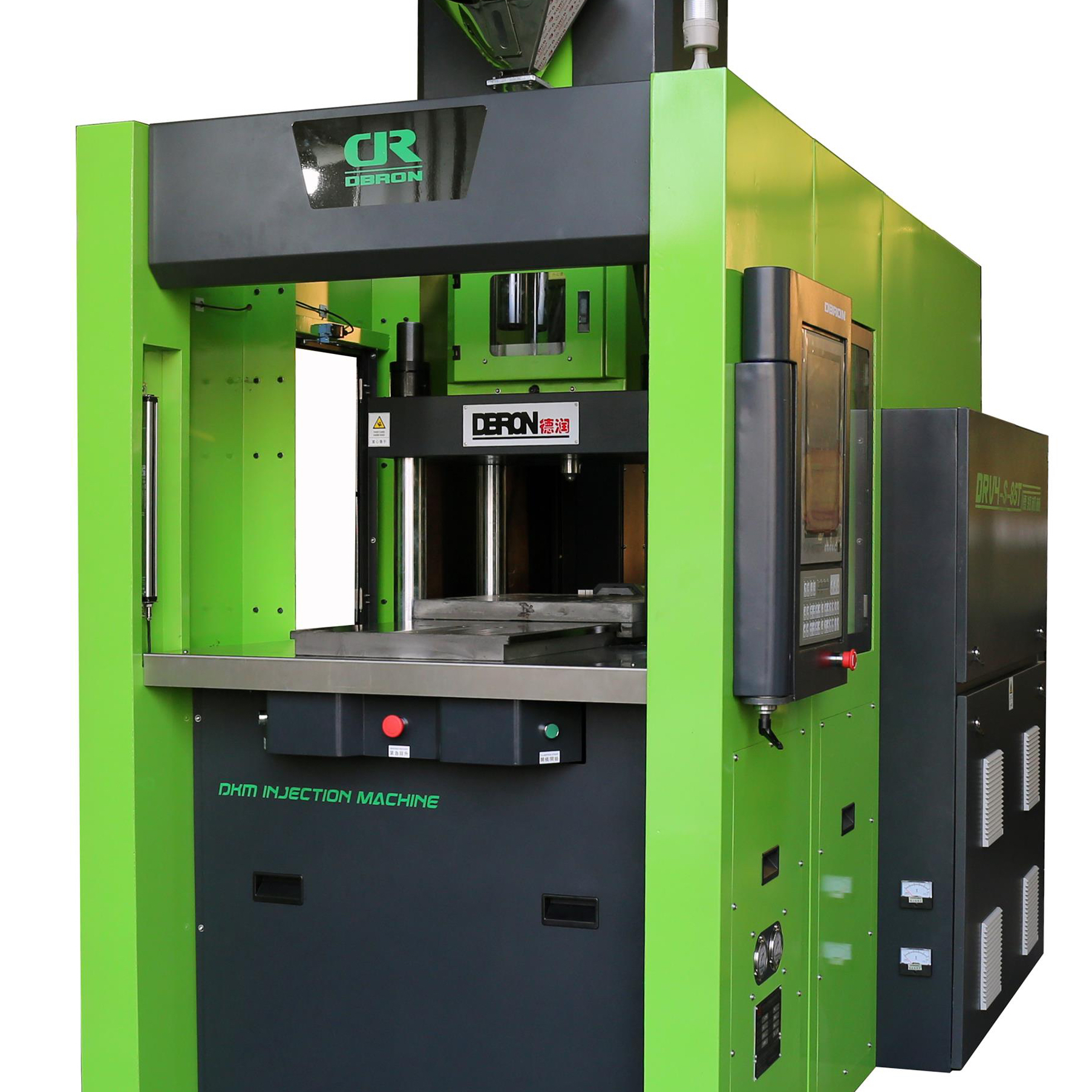
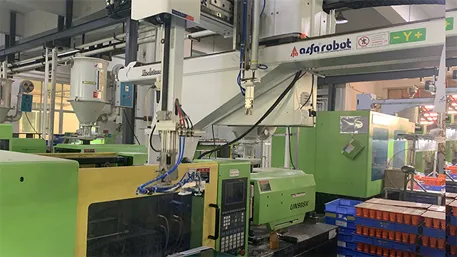
Injection molding machine in action – this thing can make parts faster than you can say “plastic”!
Core Tech Behind Plastic Molding (The Good Stuff)
1. Heating & Melting Systems
Extruders or barrels with heaters (150-300°C) melt plastic pellets.
Screw mechanisms in injection molding machines mix and push molten plastic (melt flow index 1-100 g/10min) into molds.
Bro, getting the temperature right is crucial – too hot and you burn the plastic, too cold and it won’t flow!
2. Mold Design (The Blueprint)
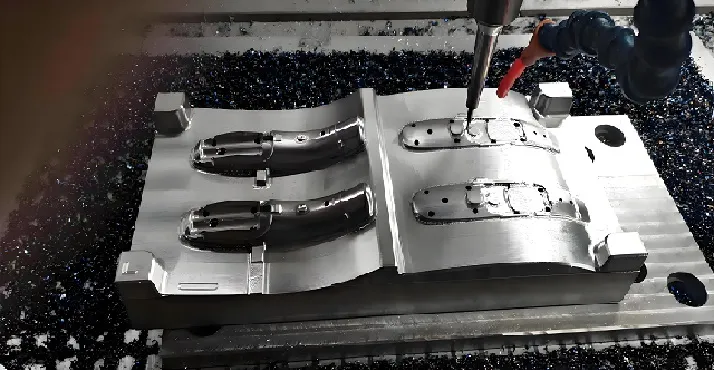
Molds (typically steel or aluminum) feature cavities mirroring the part’s shape.
They include vents to release air, runners to channel plastic, and cooling channels to accelerate solidification.
Dude, a good mold can make or break your production – we’ve seen molds cost up to $100k for complex parts!
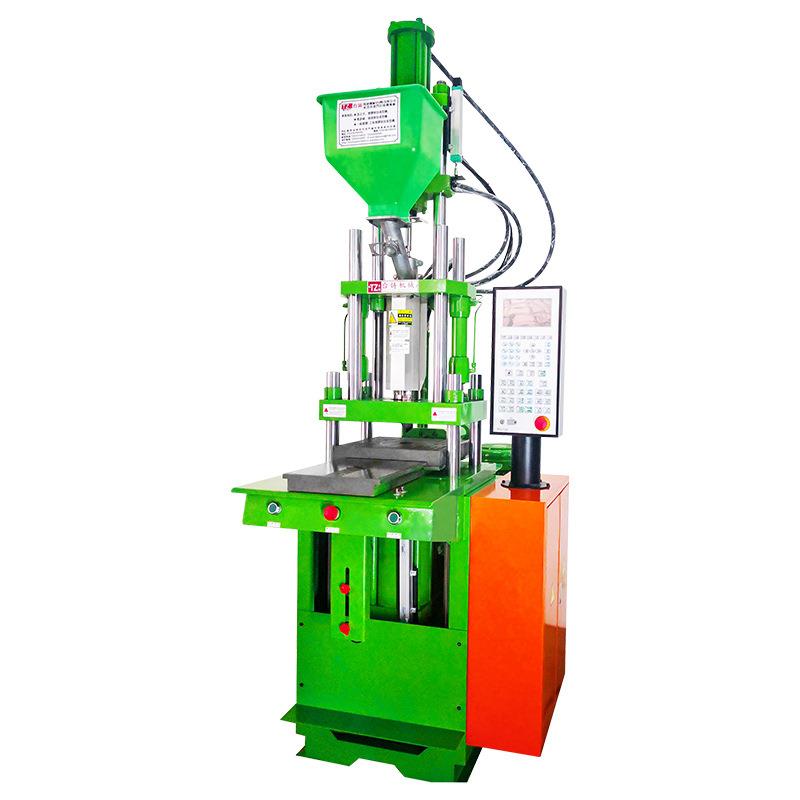
Vertical injection molding machine – great for insert molding!
3. Pressure Control
Injection molding uses high pressure (500-2000 bar) to force plastic into intricate mold details.
Compression molding applies lower pressure (100-500 bar) for thicker parts.
Trust me, too much pressure and you’ll flash everywhere – too little and your part will be incomplete!
4. Cooling Systems
Water-cooled channels in molds reduce cycle times by solidifying plastic quickly – critical for mass production.
Faster cooling boosts output, but you have to be careful – rapid cooling can cause internal stresses and warping.
We use temperature-controlled water systems for consistent results.
Materials We Work With (The Plastic Playbook)
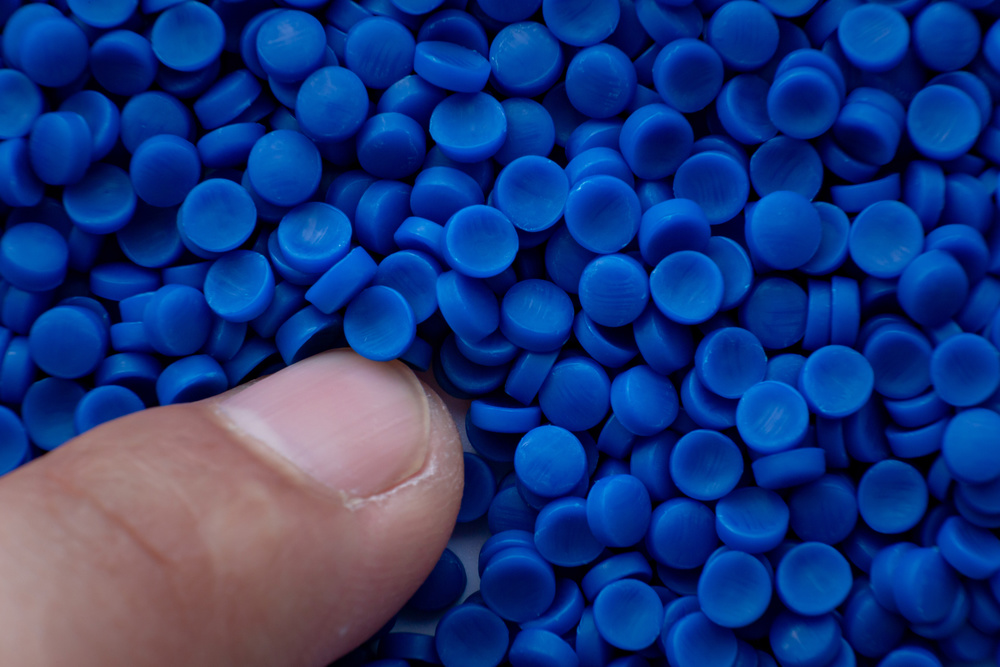
Colorful plastic pellets – the raw material of our plastic dreams!
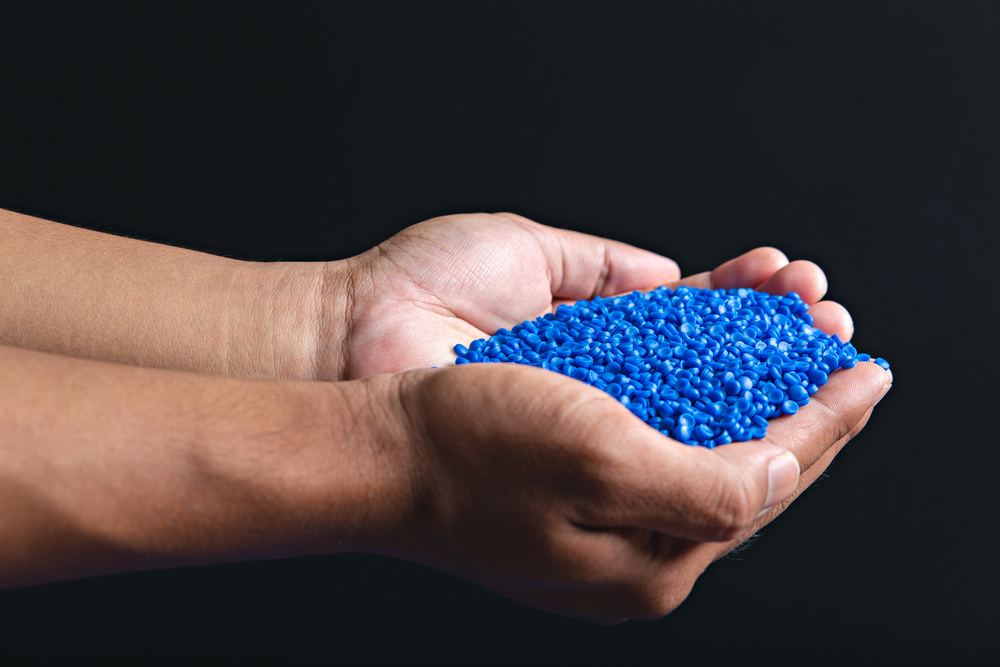
High-quality plastic resin pellets ready for molding
Thermoplastics (The Reusable Ones)
- PP (Polypropylene): Super common, cheap, and recyclable. Great for containers, toys, and automotive parts.
Bro, I’ve used this stuff for everything from food containers to car bumpers! - ABS (Acrylonitrile Butadiene Styrene): Strong, impact-resistant, and easy to machine.
Perfect for Lego bricks, phone cases, and tool handles. This stuff is tough! - PE (Polyethylene): Flexible, chemical-resistant. Used for plastic bags, bottles, and pipes.
The most widely used plastic in the world! - PVC (Polyvinyl Chloride): Versatile, can be rigid or flexible. Used for pipes, window frames, and medical devices.
Thermosets & Elastomers
- Thermosets (Epoxy, Phenolic): Cure irreversibly under heat/pressure.
Create rigid, heat-resistant parts like electrical insulators. Once cured, they can’t be melted again! - Elastomers (TPE, Silicone): Rubber-like plastics for flexible parts.
Used for gaskets, O-rings, and soft grips. These feel like rubber but process like plastic!
PP tensile strength: 30 MPa, ABS impact strength: 10 kJ/m²,
HDPE melting point: 130°C (All data ±5% tolerance,仅供参考)
The Manufacturing Process (From Pellet to Part)
- Material Preparation: Plastic pellets are dried to remove moisture –
critical for avoiding defects like bubbles! Colorants or additives (UV stabilizers, fillers) may be mixed in.
Bro, moisture is the enemy – we use dehumidifying dryers that get moisture content below 0.02%! - Melting: Pellets are fed into a heated barrel, melted by friction and heaters,
and homogenized into a viscous fluid. This is where the plastic gets that nice, molten consistency. - Molding: Molten plastic is injected, pressed, or blown into a closed mold cavity.
For injection molding, the plastic fills the cavity under high pressure;
for blow molding, air pressure expands the plastic against the mold walls. - Cooling & Ejection: The mold cools the plastic until it solidifies (10-60 seconds,
depending on part thickness). The mold opens, and ejector pins push the part out.
Timing is everything here – too soon and the part deforms! - Finishing: Excess material (flash) is trimmed. Secondary steps like painting or assembly may follow,
but minimal finishing is needed due to mold precision. We love when parts come out perfect the first time!
Material utilization: 95%, Defect rate: 0.8% (仅供参考)
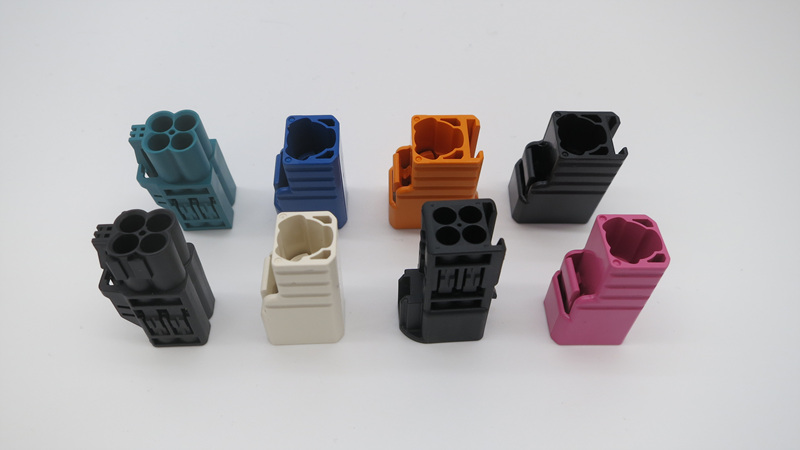
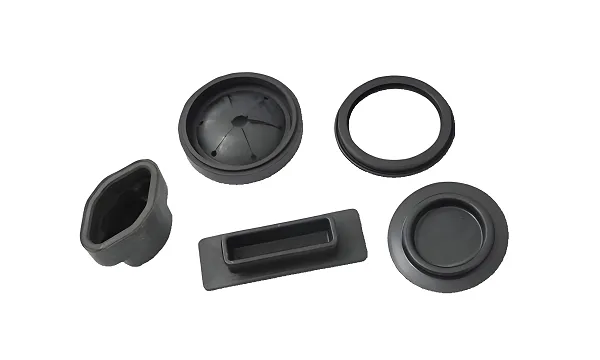
Finished plastic molded components – look at those clean edges!
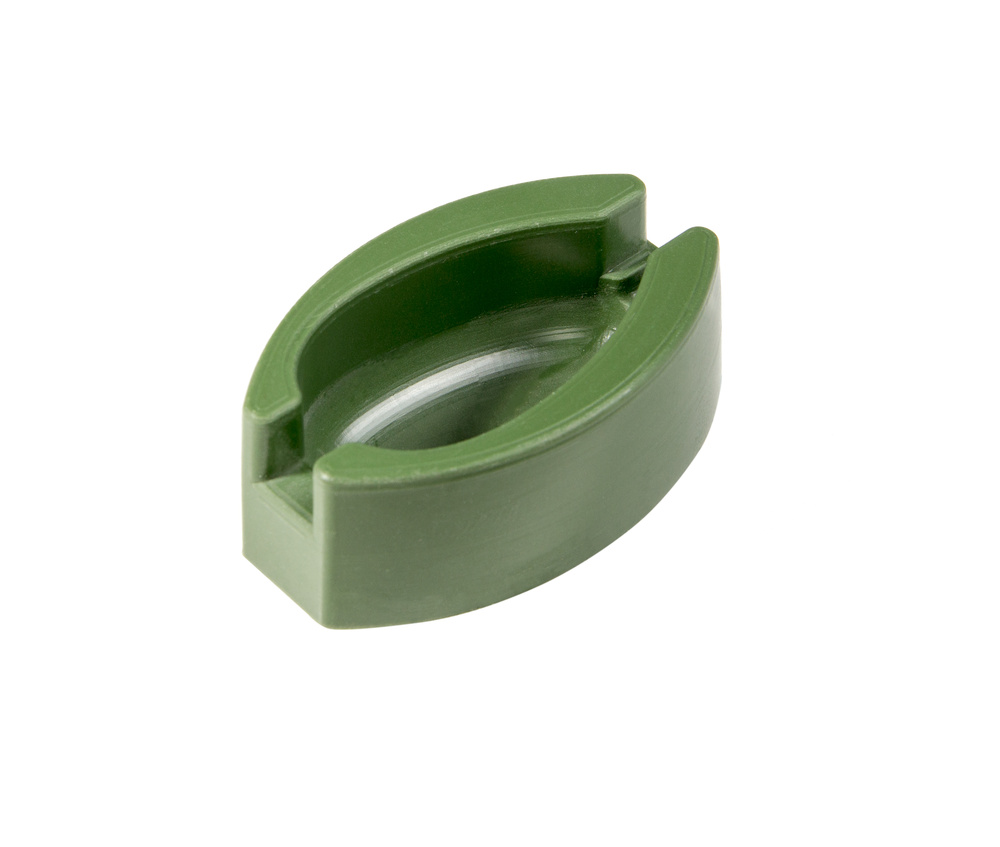
Precision-molded green plastic component
Types of Plastic Molding (The Different Flavors)
Injection Molding
Small, complex parts like smartphone cases, medical syringes, and gear components.
Uses high pressure to inject molten plastic into molds.
Dude, this is the most common method – we use it for 70% of our projects!
Blow Molding
Hollow items such as plastic bottles, fuel tanks, and toys.
Air pressure expands the plastic against mold walls.
Perfect for containers that need to hold liquids or gases!
Compression Molding
Thick, durable parts like automotive dashboards, electrical enclosures, and dishwasher racks.
Uses lower pressure but higher temperatures. Great for large, flat parts!
Extrusion Molding
Continuous shapes – pipes, tubing, and window frames – produced in long lengths.
The plastic is pushed through a die to create continuous profiles.
Perfect for anything that needs to be long and uniform!
Standards & Testing (The Boring But Important Stuff)
Industry Standards We Follow
- ISO 9001: Quality management systems (we’re certified!)
- IATF 16949: Automotive quality requirements
- ISO 13485: Medical device quality management
- ISO 294-5:2026: Injection molding of test specimens (new 2026 standard!)
- ASTM D638: Tensile properties of plastics
- RoHS: Restriction of hazardous substances
important for understanding material behavior in different directions!
Testing Methods We Use
| Test Type | Standard | Typical Result |
|---|---|---|
| Tensile Strength | ISO 527 | 25-80 MPa |
| Impact Strength | ISO 179 | 2-50 kJ/m² |
| Melt Flow Index | ISO 1133 | 1-100 g/10min |
| Dimensional Stability | ISO 294 | ±0.1-0.5% |
*Data from 2025 internal testing, results may vary based on material and process conditions (仅供参考)
2025 quality rate: 99.2% – that’s what I call precision!
2026 Plastic Molding Trends (What’s Hot Right Now)
Sustainable Materials
Bioplastics and recycled materials are reducing carbon footprints by 30-40%.
We’re seeing huge demand for eco-friendly options – even plastic is going green!
AI Process Optimization
AI systems like Moldflow AI optimize injection parameters in real-time,
reducing defects by 20% and improving cycle times. The future is here, and it’s smart!
Lightweighting for EVs
Electric vehicle lightweight component demand is growing at 45% annually.
We’re using advanced composites to reduce vehicle weight by up to 30%.
Medical Grade Advancements
New biocompatible materials and cleanroom molding processes are enabling
more complex medical devices. Patient safety is our top priority!
Expert Prediction for 2026
“By the end of 2026, 60% of high-volume plastic molding operations will use AI predictive maintenance.
This will reduce unplanned downtime by 35% and extend mold lifespans by 25%.”
– Chen Gong, Goldcattle Plastic Molding Expert
Where We Use Plastic Molding (Real World Applications)
Why Plastic Molding Rocks (The Selling Points)
High-Volume Production
Making 10,000+ identical parts cost-effectively, as mold costs are spread over large runs.
Perfect for mass market products!
Complex Geometries
Producing parts with undercuts, threads, or hollow sections that CNC machining can’t replicate efficiently.
The more complex, the better!
Material Versatility
Using flexible (TPE) or rigid (ABS) plastics, or mixing materials in one process.
Overmolding soft rubber grips onto hard plastic tools? We’ve got you covered!
Cost Efficiency
Lower per-unit costs for large batches compared to CNC machining, as labor and material waste are minimized.
More parts, less money – what’s not to love?
Limitations to Consider
High initial mold costs (thousands of dollars) and longer lead times for mold fabrication make it less suitable
for small-batch or prototype production. However, its ability to mass-produce complex parts makes it indispensable
in modern manufacturing.
Wrapping It Up
Plastic molding transforms raw plastic into functional, consistent parts across industries,
leveraging mold precision and material flexibility to meet diverse design needs.
From tiny medical components to large automotive parts, this technology powers the products we use every day.
Whether you’re making consumer products that need to be affordable or aerospace components
that demand perfection, plastic molding delivers the efficiency, precision, and versatility
that today’s manufacturers need.
© 2026 Xiamen Goldcattle Industrial & Trade Co., Ltd. | Plastic Molding Experts Since 2004
Certifications: ISO 9001, IATF 16949, ISO 13485 | Contact: Charlie Cheer, charlie@plasticmetalparts.com