Custom Metal Components for Fuel Tank Applications
Goldcattle machines and fabricates the discrete metal parts that make up a fuel-tank system — brackets, flanges, fittings, baffles, mounting plates and sensor interfaces — to your drawing. This page explains what we make, the manufacturing route, the technical requirements we work to, and the engineering boundary of what we supply.
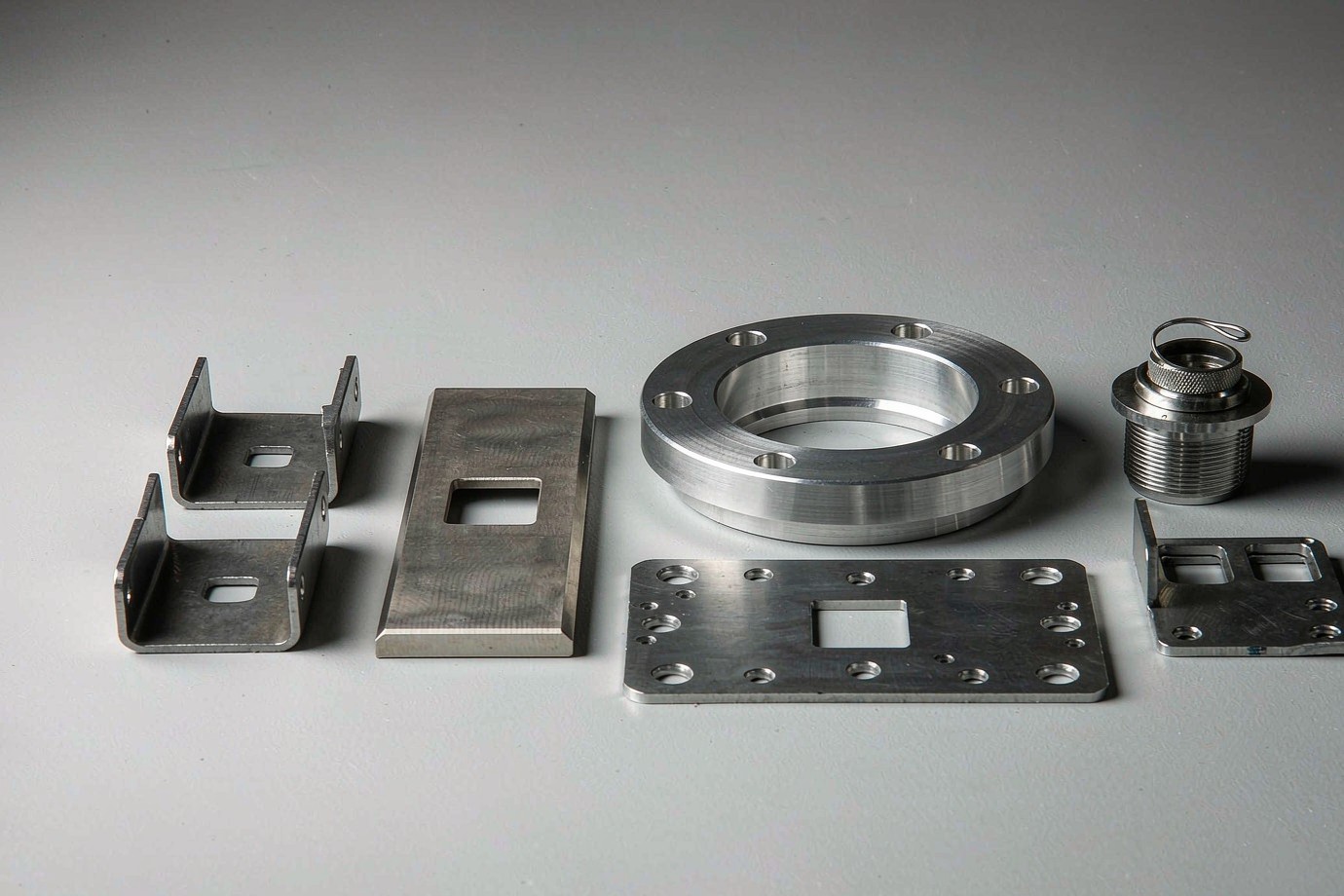
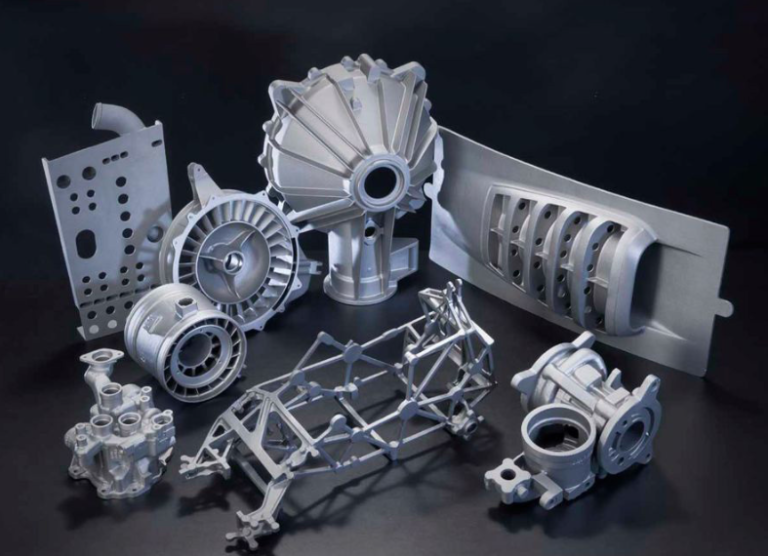
Goldcattle machines and fabricates individual fuel-tank components — mounting brackets and plates, flanges, filler-neck and pickup fittings, baffles, sensor and vent bosses, and hardware — to customer drawings using sheet metal and CNC. We do not design complete fuel tanks, perform fuel-system sealing or leakage validation, or certify regulatory compliance for a finished tank. The parts are supplied as discrete machined or fabricated components that the buyer or a tank assembler integrates into the finished system.
At a glance
What We Make for Fuel Tank Systems
A fuel-tank system is an assembly of a shell, seams, sealing, venting and a set of mounting and interface parts. Many of those interface parts are standard sheet-metal and machined components, which is where Goldcattle's work sits. Our role is to produce those individual parts accurately and repeatably — to drawing, in the specified material, with the inspection the function requires.
The key distinction for a buyer is between a fabricated component and a finished, sealed fuel tank. We supply the former. The latter combines shell forming, seam joining, sealing, venting and validation, which sits outside the work described here. Stating this boundary up front keeps procurement decisions clean and avoids implying capabilities that are not performed.
Common Component Types
The table groups the fuel-tank components we most often fabricate and the features that matter when you define them. It is a typical scope list, not a claim that every item has been produced — confirm specific capability against your drawing.
| Component | Typical features | What to define |
|---|---|---|
| Mounting brackets / plates | Bend form, holes, slots, weld tabs | Hole pattern, bend angle, position, thickness |
| Flanges | Bolt circle, pilot, face, lightening pockets | Bolt pattern, pilot dia, face position, flatness |
| Filler-neck fittings | Tube, flange, thread, clamp interface | Bore, thread, flange face, weld prep |
| Pickup / sender fittings | Boss, thread, seat, o-ring groove | Boss height, thread, seat, sealing feature |
| Baffle plates | Perforation, bend, weld edge | Pattern, bend, edge condition, fit |
| Sensor / vent bosses | Raised boss, thread, internal bore | Boss height, thread, bore, relation to face |
Scope note: these are representative component categories. Actual manufacturability depends on geometry, material and quantity. Send the drawing for a like-for-like assessment rather than assuming a category is auto-qualified.
Engineering Boundaries — What We Do and Don't Supply
Being explicit about scope protects the buyer. The following statements are deliberately conservative and reflect how the work is actually performed.
Discrete machined and fabricated components to your drawing — brackets, plates, flanges, fittings, baffles, sensor and vent bosses, hardware.
Complete fuel tanks, shell seam joining and sealing, vent-system integration, or leakage validation of a finished tank.
Your specified dimensions, material, finish and inspection plan, with ISO 9001:2015 process control.
Regulatory compliance of a complete fuel system (FMVSS, EPA, motorsport or market-specific) or performance ratings of a finished tank. Those belong to the assembly or integration stage.
If your requirement is a finished, sealed and validated fuel tank, the appropriate supplier is a tank fabricator or assembler; Goldcattle can be the source for the precision-machined and fabricated components within it. This separation is the honest way to source the parts without implying capabilities that are not performed.
Design Inputs Buyers Should Prepare
A model alone rarely carries the full requirement. For a fuel-tank component, the inputs that let a supplier plan the route and quote like-for-like are:
- Overall envelope and available installation space for the component
- Intended fuel type and any additive considerations
- Target capacity or mounting relationship the part must satisfy
- Mounting interfaces — bolt pattern, bracket location, weld or fasten method
- Fuel-system connections — filler, pickup, return, sensor, vent
- Operating environment — temperature range, corrosion exposure, vibration
- Applicable customer or market requirements to be confirmed
Defining these before requesting a quote shortens the review and prevents mismatched assumptions about what the component must achieve in the finished system.
Material Selection Framework
Fuel-tank components are often discussed as if a single material were "best" for a vehicle category. In practice, material choice is a trade-off across fuel compatibility, temperature range, permeation, stiffness, joining method, corrosion exposure and mass. The table frames the evaluation; it deliberately avoids naming one material as the universal answer for a use case.
| Material family | Factors to evaluate | What cannot be concluded |
|---|---|---|
| Aluminum alloys | Alloy/condition, thickness, formability, weldability, mass, corrosion | That light weight alone qualifies it for every off-road, racing or heavy-duty use |
| Carbon / stainless steel | Grade, corrosion protection, weldability, mass, interface | That stainless steel is automatically free of all compatibility concerns |
| Engineering plastics | Resin type, fuel permeation, temperature, joining, exposure | That all fuel-contact plastics share one compatibility or life profile |
| Composites | Resin, liner or barrier, bonding, fuel contact, validation | That "lightweight composite" alone equals a safe, complete fuel container |
For the metal components Goldcattle machines, aluminum, carbon steel and stainless steel are the practical choices; the grade and condition should be specified on the drawing. Material suitability for the finished tank — including fuel contact, permeation and environment — should be confirmed by the responsible engineering party for the complete system, not assumed from the part alone.
For grade-level detail and stock options, see the materials hub.
Component Features We Fabricate
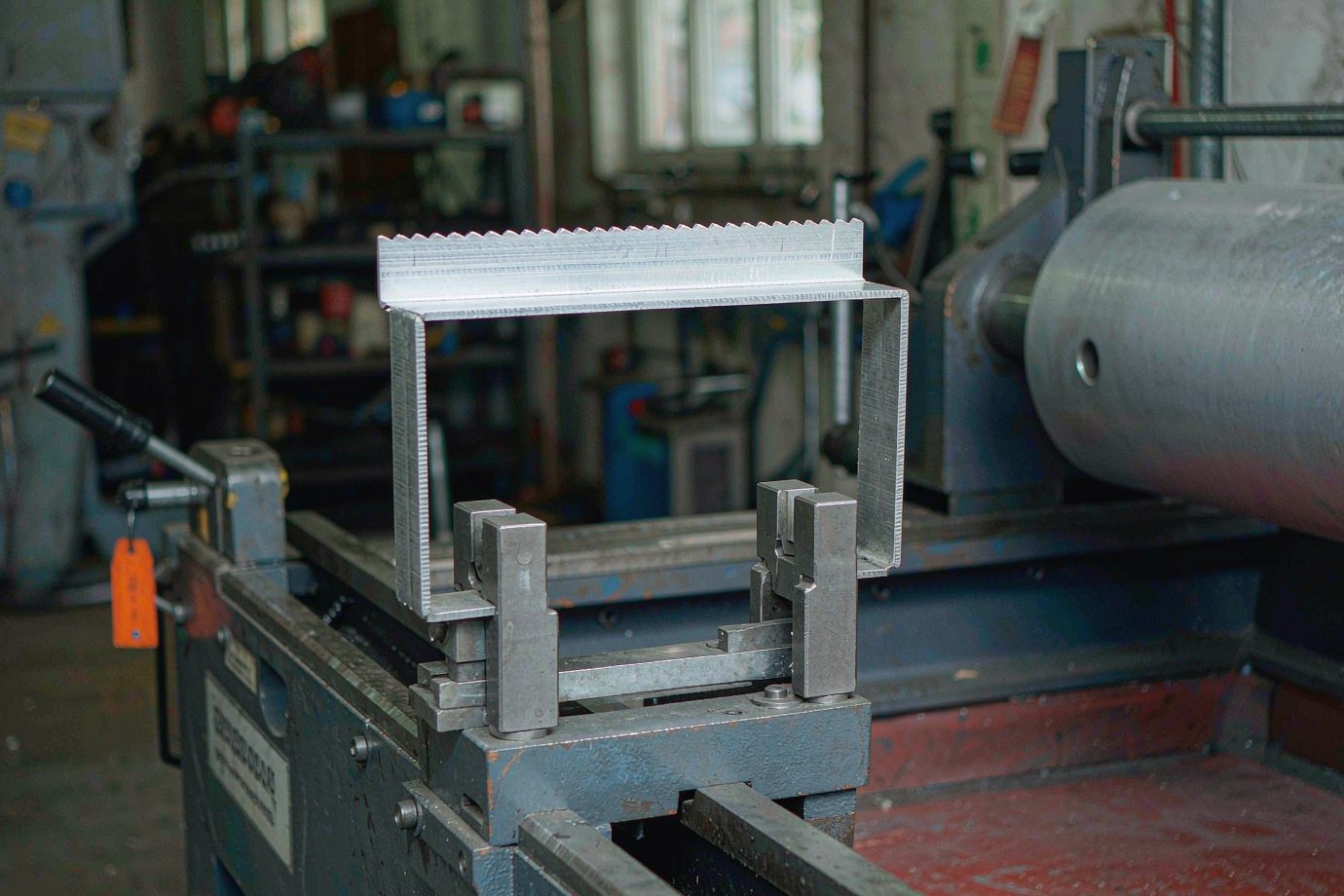
The diagram marks the interfaces a manufacturing review covers on a typical fabricated bracket-and-flange part.
- Flange and bolt circle set how the part mates to the tank or adjacent structure.
- Bore and pilot control location and sealing of a connection.
- Threaded boss carries a sensor, sender or fitting thread.
- Bracket base and bend define the mounting and stiffness relationship.
Manufacturing Scope
Fuel-tank components combine formed sheet metal and machined interfaces, so the work is usually a mix of forming and CNC. The diagram above marks the features a reviewer checks; the process below describes what Goldcattle actually performs.
- Sheet-metal forming creates brackets, plates and flanges — cuts, bends and holes.
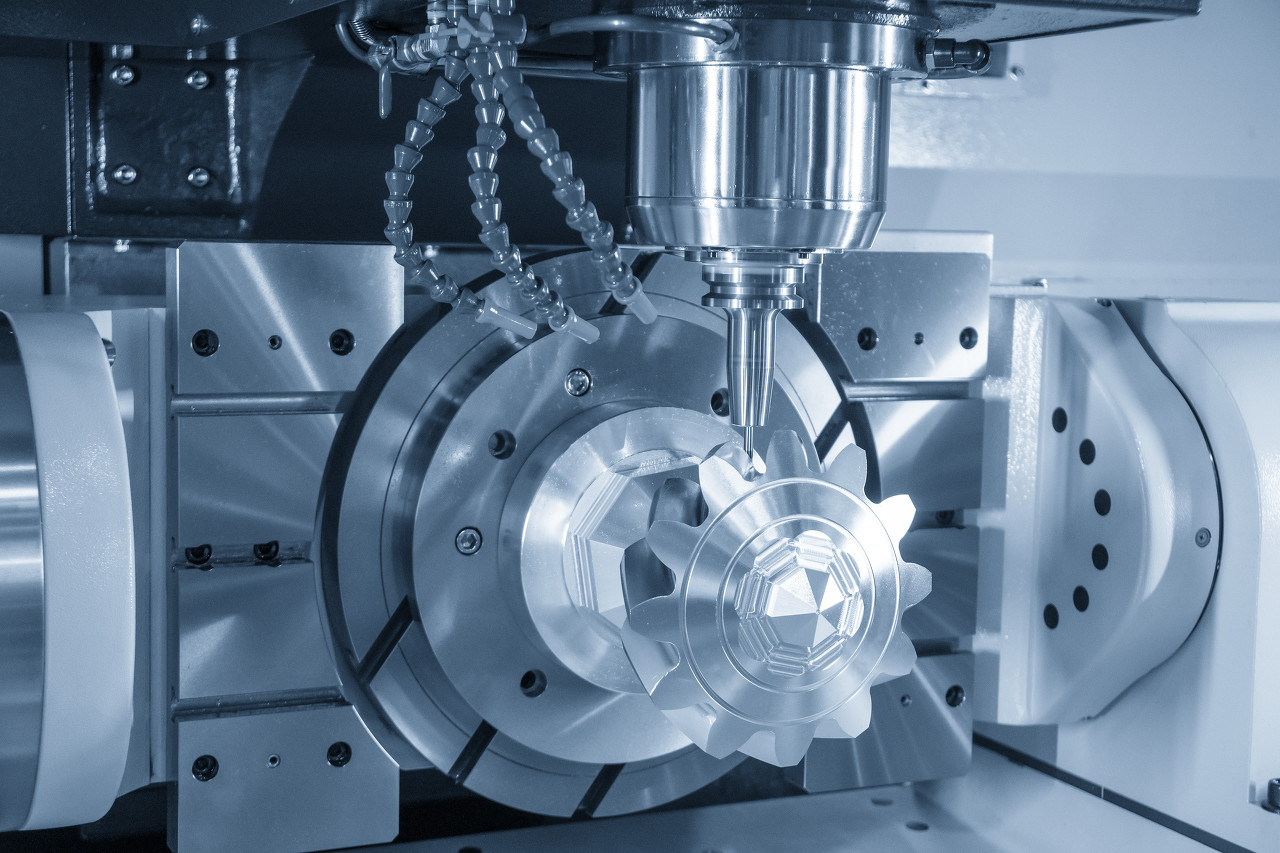
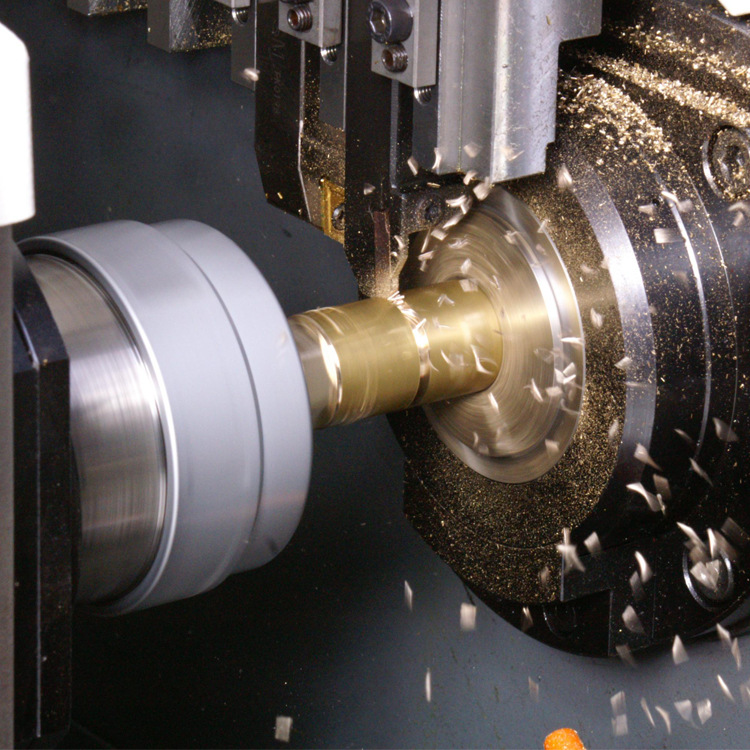
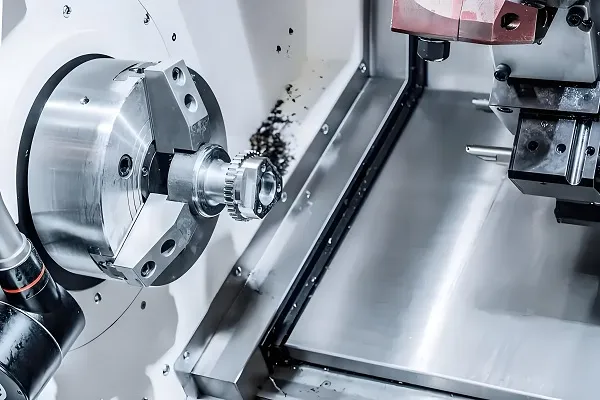
- CNC machining forms threaded bosses, bores, pilot faces and precise interfaces.
- Joining of structural components is performed where a controlled procedure and inspection apply; the specific weld or join scope is confirmed per drawing.
- Finishing — deburring, surface treatment and coating — is specified per requirement.
A weld procedure name is not itself a quality proof. For fuel-system parts, what matters is whether the joint meets the design, whether the verification method is appropriate, and whether results are traceable — which is why we tie inspection to the drawing rather than to a generic "fully welded" claim.
Quality Control & Documentation
Inspection follows the drawing, not a generic claim. What gets checked is driven by the features you marked as critical.
| Inspection object | What the buyer should specify |
|---|---|
| Hole pattern & position | Locations, tolerances, measurement basis |
| Bend angle & flatness | Angle, springback allowance, face condition |
| Boss & thread | Height, thread standard, class, seat |
| Bore & pilot | ID, depth, relation to mounting face |
| Weld / joint | Procedure, acceptance, traceability where applicable |
| Material | Grade, condition, certificate requirement |
| Documentation | Material cert, dimensional report, FAI per AS9102 on request |
Goldcattle operates under an ISO 9001:2015 quality system and can supply material certificates, dimensional inspection reports and First Article Inspection per AS9102 on request. State the documentation requirement when you request a quote so it is built into the production plan rather than added afterwards.
Fuel Tank Safety & Application-Specific Requirements
Fuel tanks involve fuel, vapour, fire risk, crash integrity, material compatibility and vehicle fitment. A complete fuel system is a safety-critical assembly, and its requirements depend on the vehicle or equipment category, intended fuel, installation configuration and destination market. Road-going vehicles, off-road equipment, marine applications and motorsport vehicles may be subject to different technical and regulatory requirements.
As a component supplier, Goldcattle does not determine or certify the compliance of a finished fuel system. Examples of where requirements may apply — and must be confirmed per product — include fuel-system integrity rules for road vehicles (such as FMVSS No. 301 in the United States), evaporative-emission controls for certain nonroad equipment (such as 40 CFR Part 1060 in the United States), and motorsport fuel-cell material specifications defined by the relevant sanctioning body and event rules. A material specification or a generic leak-test result alone does not establish that a complete fuel system is suitable for every application.
Any claim of regulatory compliance, homologation or certification should refer to the specific product, configuration, applicable requirements and supporting documentation. The responsible parties for the finished assembly should identify and agree on the required verification before design approval or production release.
Safety note: tanks that have contained fuel can retain flammable vapour. Cleaning, purging and any hot work must be carried out by qualified personnel under applicable hazardous-operations procedures. This page does not provide do-it-yourself repair guidance for fuel-containing tanks; such work is outside the scope described here.
RFQ Checklist for Fuel Tank Components
Send enough that the supplier can plan the route and quote like-for-like:
- 3D CAD model and 2D engineering drawing
- Material grade and condition
- Critical dimensions, hole patterns and datums
- Thread, boss and fitting specifications
- Surface roughness and finish requirements
- Bend angles, flatness and form tolerances
- Prototype quantity and production forecast
- Material certificates or inspection reports required
- Packaging, marking and destination
Do not send only a STEP file without marking the functional dimensions, datum, thread standard and key interfaces. The model shows geometry; it does not state material, final tolerance, finish or inspection. When your specification is ready, you can start a quote through the online CNC quote or the project form.
Goldcattle Services
Xiamen Goldcattle Plastic & Metal Products Co., Ltd. (Founded in 1998) performs sheet-metal fabrication and CNC machining as part of its six in-house core processes — CNC machining, injection molding, mold making, 3D printing, die casting and sheet metal fabrication — under one ISO 9001:2015 quality system. For fuel-tank applications, the relevant capability is drawing-based fabrication of discrete metal components; complete-tank assembly, sealing and validation work is outside this scope. For the broader sheet-metal capability, see the dedicated sheet metal fabrication services page, or the CNC machining services page. Grade-level material options are listed in the materials hub.
Discuss Your Fuel Tank Component Project
Send your drawing and requirements. Our engineering team will review geometry, materials and critical features, then propose a fabrication route and a like-for-like quote for the machined or fabricated components.
Discuss Your Fuel Tank Component Project Review full sheet metal capabilities