A comprehensive resource for engineers, designers, and procurement professionals seeking expert guidance on CNC aluminum machining processes, materials, and applications.
What Is CNC Aluminum Machining
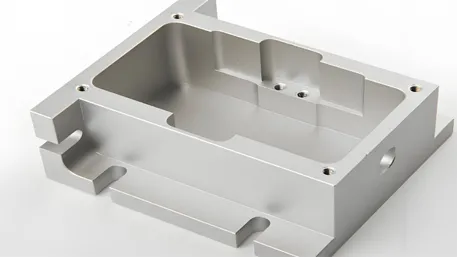
CNC aluminum machining is a precision manufacturing process that uses computer numerical control (CNC) machines to shape aluminum materials into complex components with tight tolerances. The process involves removing material from aluminum billets, sheets, or extrusions through various cutting operations including milling, turning, drilling, and tapping.
Aluminum’s unique properties make it particularly suitable for CNC machining:
- Excellent Machinability: Aluminum has low cutting resistance, allowing for high-speed machining with minimal tool wear
- Lightweight: Density of only 2.7 g/cm³, making it ideal for weight-sensitive applications
- Corrosion Resistance: Natural oxide layer provides inherent protection against rust and corrosion
- Thermal Conductivity: Excellent heat dissipation properties for thermal management applications
Advantages of CNC Aluminum Machining Parts
Lightweight but Strong
Aluminum offers an exceptional strength-to-weight ratio, with 6061-T6 aluminum providing tensile strength of 310 MPa while being 3 times lighter than steel. This makes it ideal for aerospace, automotive, and portable equipment applications where weight reduction is critical.
Excellent Machinability
Aluminum can be machined at cutting speeds up to 600 m/min with feed rates of 1000-3000 mm/min, significantly reducing production time compared to other metals. This allows for faster turnaround times and lower manufacturing costs.
Good Corrosion Resistance
Aluminum naturally forms a protective oxide layer (Al₂O₃) that prevents rust and corrosion. This can be further enhanced through anodizing, providing excellent durability in harsh environments.
High Precision Machining
CNC aluminum machining can achieve tolerances as tight as ±0.005 mm, with surface finishes down to Ra 0.4 μm. This level of precision meets the requirements for critical components in medical devices, optics, and electronics.
Common Aluminum Grades for CNC Machining
Selecting the right aluminum grade is critical for achieving optimal performance and cost-effectiveness. Here are the most commonly used aluminum alloys in CNC machining:
| Grade | Tensile Strength (MPa) | Characteristics | Applications |
|---|---|---|---|
| 6061-T6 | 310 | Excellent machinability, good weldability, moderate strength, good corrosion resistance | General structural parts, electronic enclosures, automotive components, bicycle frames |
| 7075-T6 | 560 | Highest strength aluminum alloy, good fatigue resistance, poor weldability | Aerospace components, high-performance automotive parts, climbing equipment, military hardware |
| 2024-T3 | 480 | High strength, excellent fatigue resistance, good machinability | Aircraft structures, wing panels, fuselage components, truck wheels |
| 5052-H32 | 230 | Excellent corrosion resistance, good formability, moderate strength | Marine applications, fuel tanks, heat exchangers, decorative panels |
| 6082-T6 | 340 | High strength, good machinability, excellent weldability | Heavy-duty structural parts, railway components, hydraulic systems, marine hardware |
Material Selection Guidelines
- For general-purpose applications: 6061-T6 is the most cost-effective choice
- For high-strength requirements: 7075-T6 offers the highest strength-to-weight ratio
- For corrosion-resistant applications: 5052-H32 provides excellent marine-grade protection
- For welded structures: 6082-T6 offers the best combination of strength and weldability

CNC Aluminum Machining Processes
CNC Milling Aluminum
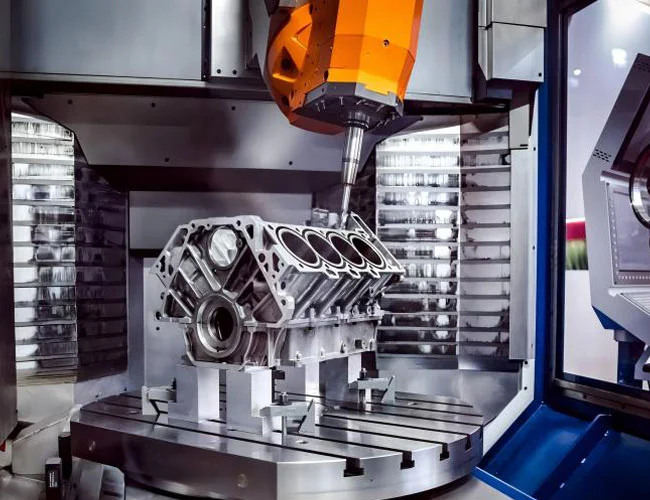
CNC milling is the most common process for aluminum machining, using rotating cutting tools to remove material from the workpiece. It can produce complex 3D geometries, slots, pockets, and contours with high precision.
Key Parameters:
- Cutting speed: 200-600 m/min (depending on alloy grade)
- Feed rate: 1000-3000 mm/min
- Depth of cut: 0.5-2.0 mm per pass
- Tool material: Carbide with TiN or TiCN coating for optimal performance
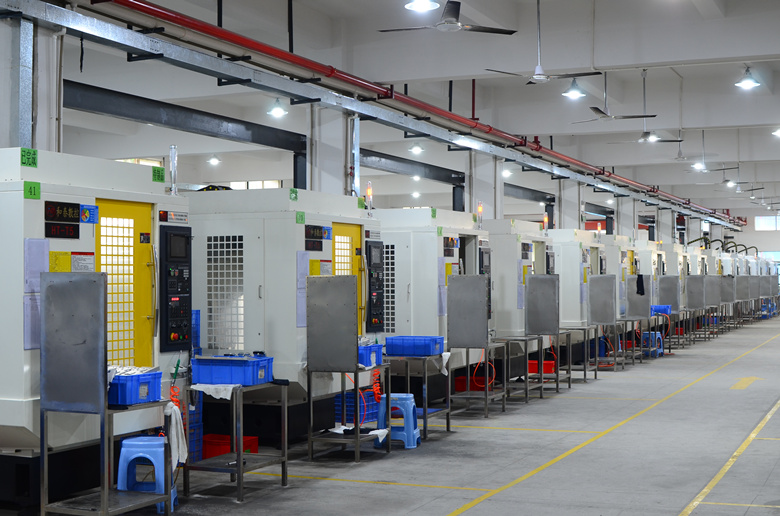
CNC milling is ideal for producing complex parts such as engine blocks, electronic housings, and structural components. 3-axis, 4-axis, and 5-axis milling centers are available to handle different levels of complexity.
CNC Turning Aluminum
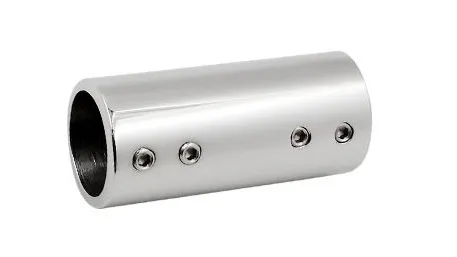
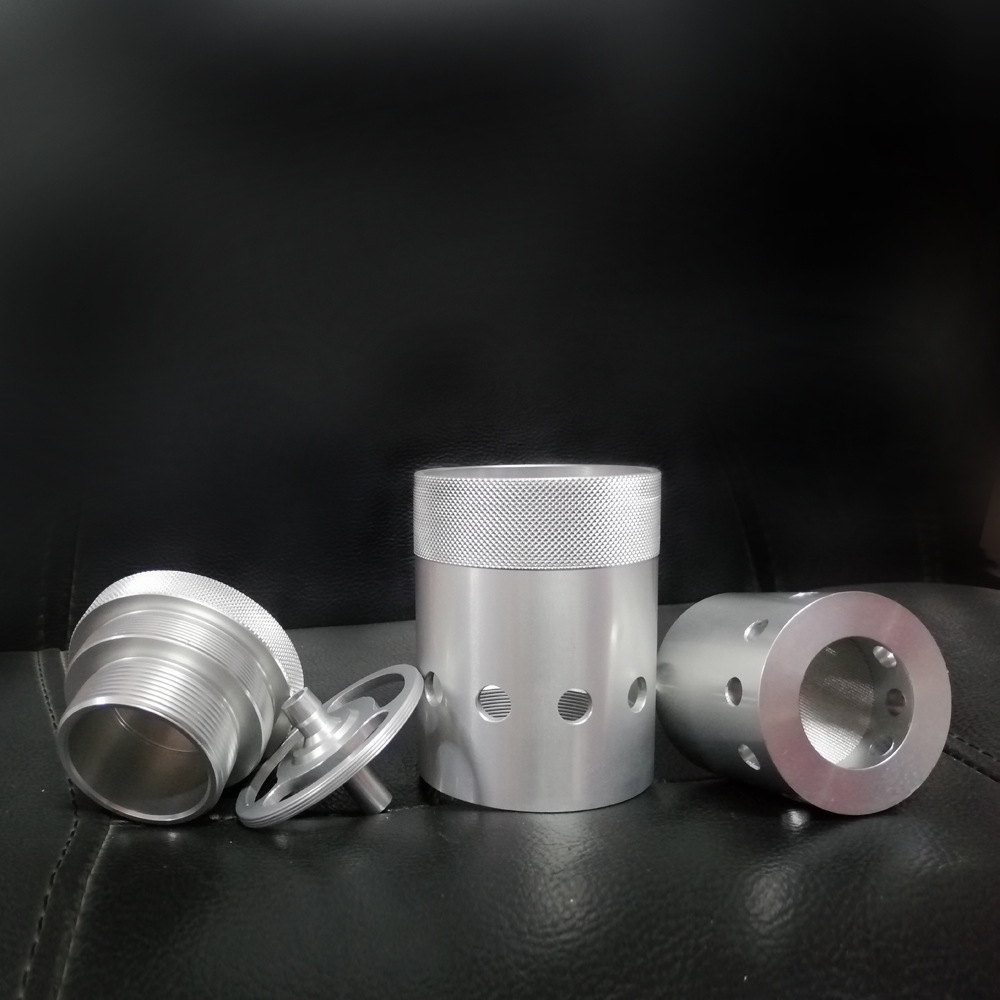
CNC turning uses a stationary cutting tool against a rotating workpiece to produce cylindrical parts. This process is ideal for creating shafts, bushings, connectors, and other round components.
Process Advantages:
- Excellent surface finish (Ra 0.4-1.6 μm)
- Tight tolerances (±0.005 mm)
- High production efficiency for cylindrical parts
- Ability to create complex internal and external features
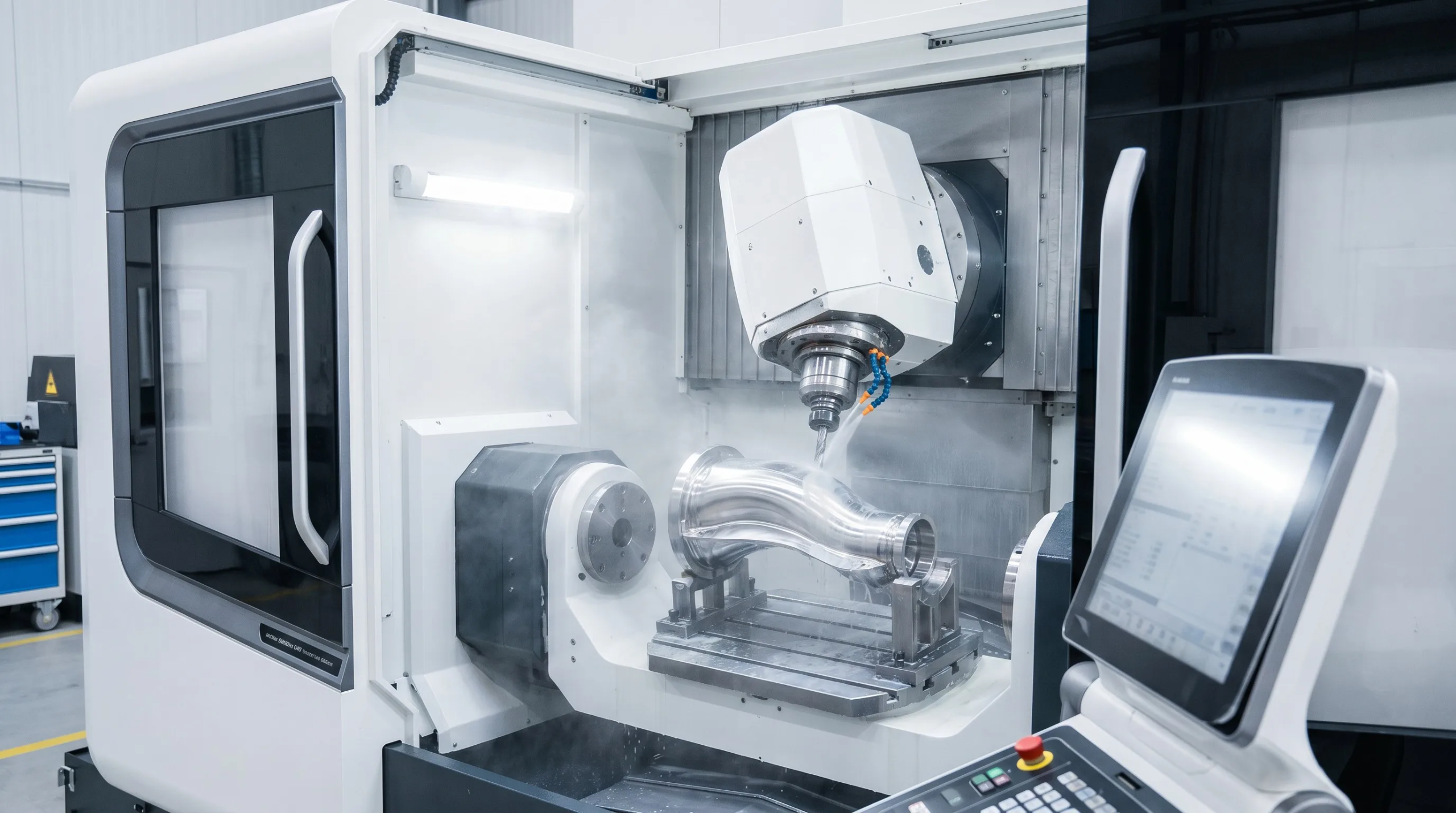
5 Axis Aluminum Machining
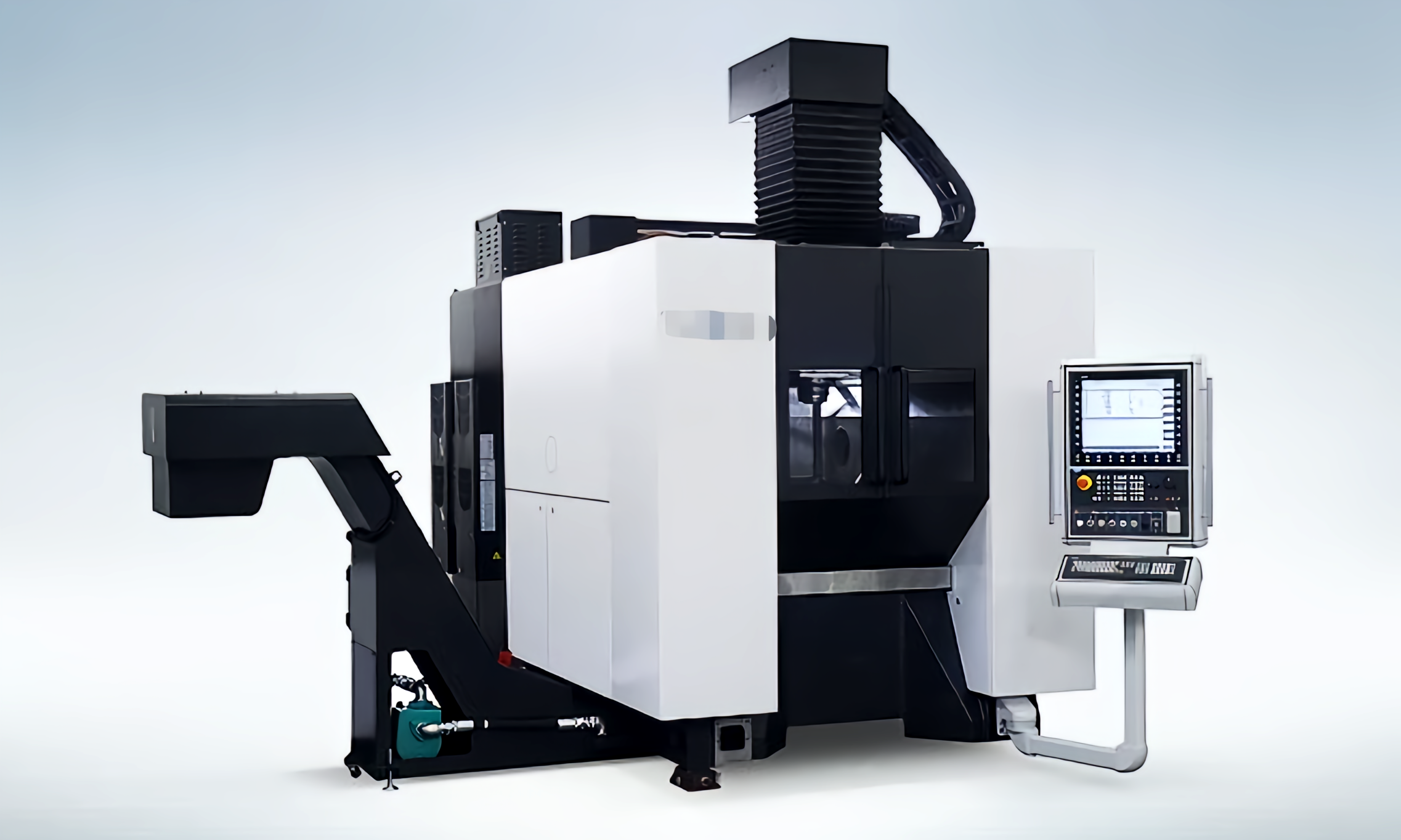
5-axis CNC machining provides simultaneous movement along five different axes, allowing for the production of highly complex geometries in a single setup.
Benefits of 5-axis machining:
Reduced setup time and improved accuracy
Ability to machine complex contours and undercuts
Better surface quality and finish consistency
Increased productivity for complex parts
Applications of CNC Aluminum Machined Parts
Automotive
Engine components, transmission housings, suspension parts, battery trays, interior trim
Aerospace
Aircraft frames, wing panels, fuselage components, engine mounts, cabin parts
Electronics
Smartphone frames, laptop chassis, server components, heat sinks, device enclosures
Medical
Surgical instruments, diagnostic equipment, prosthetics, implant devices, medical tools
Industrial
Robotic arms, conveyor systems, hydraulic manifolds, pump housings, machine tools
Architectural
Building facades, window frames, structural components, decorative elements, cladding
Ready to Start Your CNC Aluminum Machining Project?
Our team of experienced engineers and technicians is ready to help you with all your CNC aluminum machining needs. From prototyping to full production, we deliver high-quality parts on time and within budget.