Precision Manufacturing, Materials, Compliance & Supplier Selection Guide
Medical device companies require precision parts, documented quality systems, and reliable delivery. This guide explains how CNC machining supports medical devices, what certifications matter, and how to choose the right manufacturing partner.
Why CNC Machining Is Used for Medical Devices
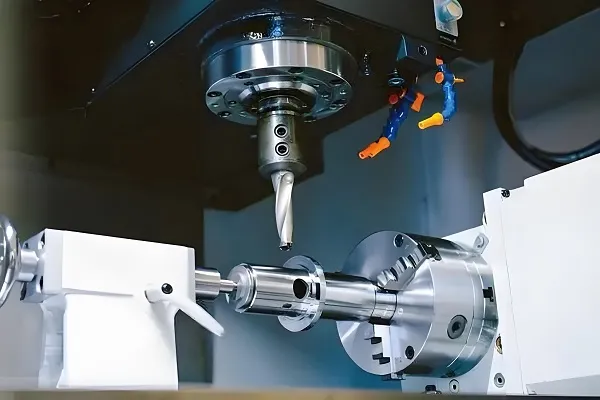
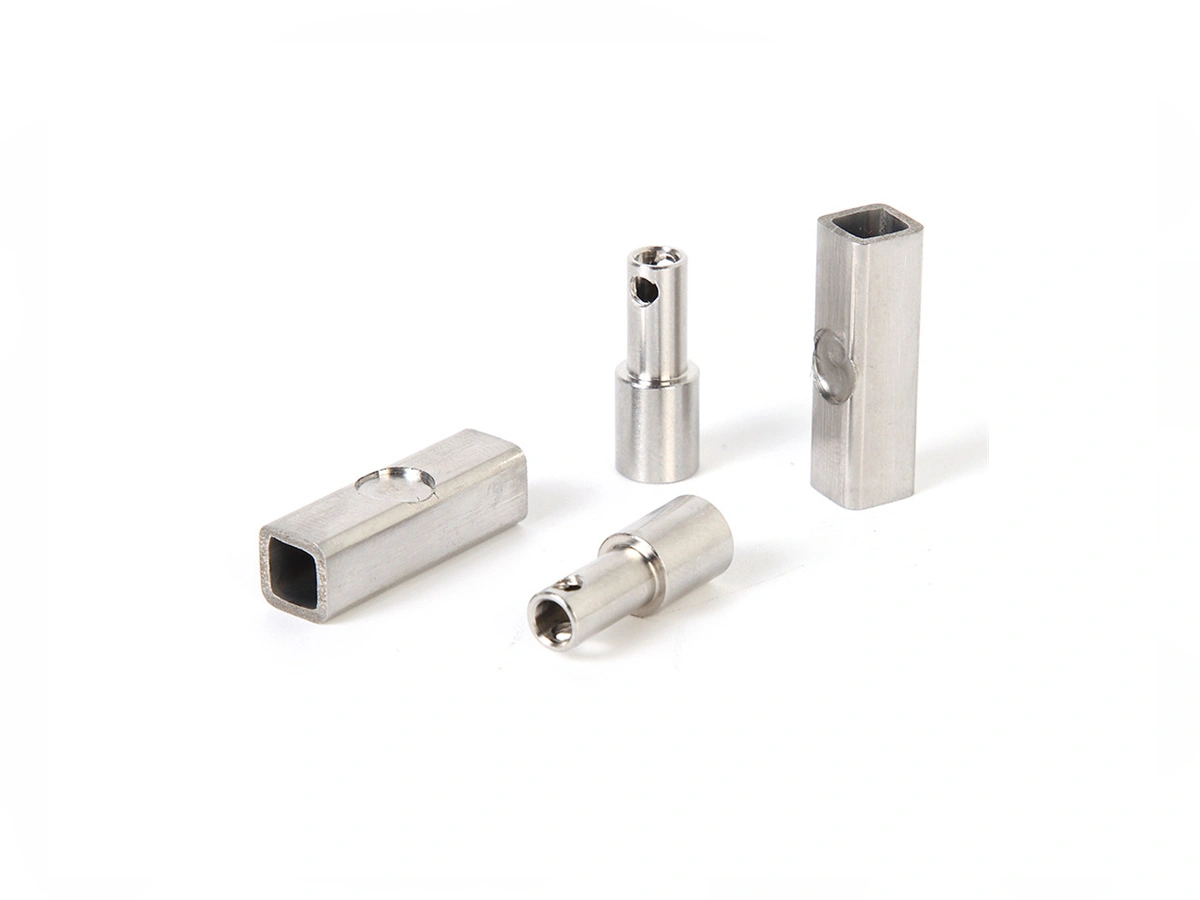
CNC machining is widely used in medical manufacturing because it offers high precision, repeatability, and compatibility with metals and engineering plastics used in regulated devices.
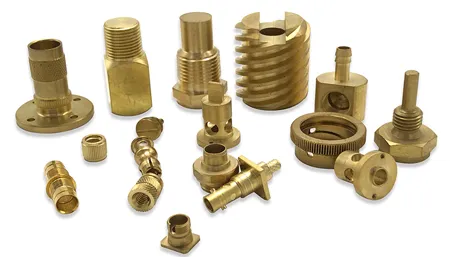
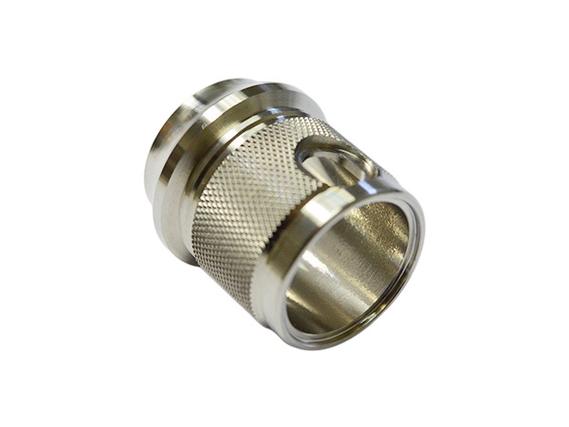
Medical suppliers commonly machine implants, instruments, housings, and fixtures. Unlike traditional manufacturing methods, CNC machining can produce complex geometries with tight tolerances that are critical for medical device functionality and patient safety.
Common Medical CNC Applications
| Application | Typical Components |
|---|---|
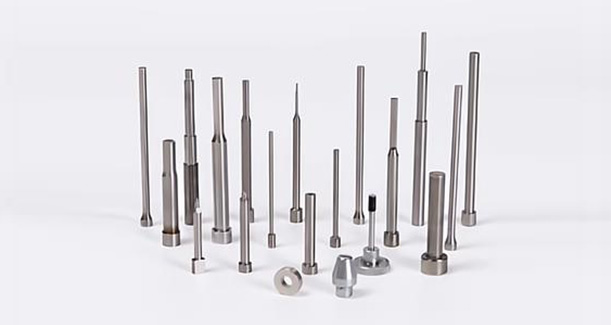
| Surgical Instruments | Handles, clamps, cutters |
| Orthopedic Systems | Trial parts, tools, implant accessories |
| Diagnostics | Sensor housings, brackets |
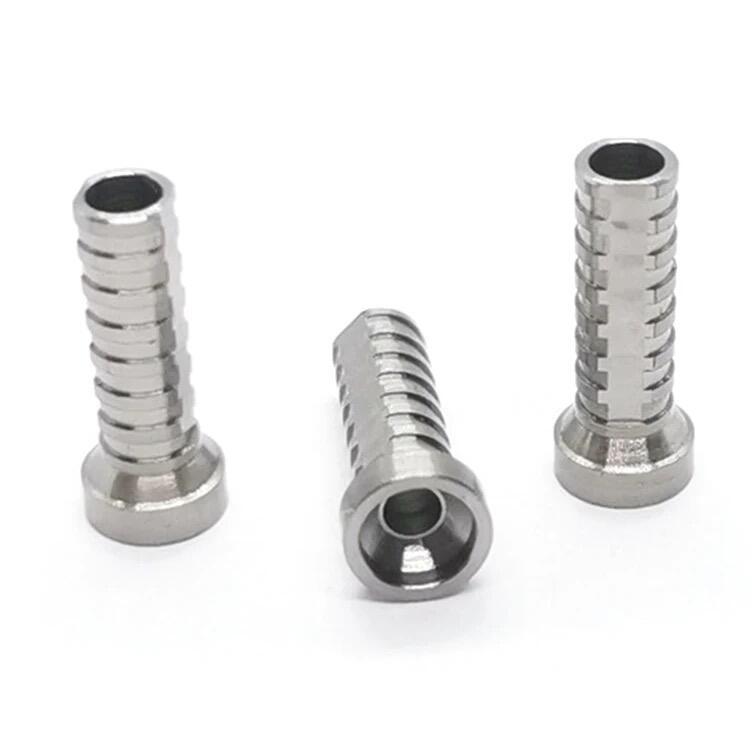
| Dental Devices | Fixtures, handpiece parts |
| Lab Equipment | Fluid blocks, frames |
Best Materials for Medical Machining
| Material | Why Used |
|---|---|
| 316L Stainless Steel | Corrosion resistance |
| Titanium Grade 5 / 23 | Strength + biocompatibility |
| PEEK | Lightweight high-performance polymer |
| Ultem / PPSU | Sterilization capable plastics |
| Aluminum | Non-patient-contact housings |
What Certifications Matter?
| Standard | Why Buyers Ask |
|---|---|
| ISO 9001 | General QMS foundation |
| ISO 13485 | Medical device manufacturing QMS |
| FDA Registration | Regulatory compliance context |
| Material Traceability | Full compliance documentation support |
Does ISO 13485 Guarantee Perfect Parts?
No. ISO 13485 does not guarantee zero defects. It indicates the supplier operates under a documented quality system emphasizing control, traceability, risk management, and corrective actions.
What Buyers Evaluate Beyond Certification
On-time delivery history
Consistent delivery to keep your production on track
First article inspection
Detailed dimensional reports for production validation
Cleaning & packaging
Medical-grade cleaning and export-ready packaging
Material documentation
Full material certificates for compliance records
Communication speed
Responsive engineering support for your project
Capacity scaling
Flexible production from prototype to mass volume
Prototype to Production Workflow
1
NDA + Drawing Review
2
DFM Feedback
3
Prototype Machining
4
First Article Inspection
5
Validation Build
6
Low Volume Production
7
Scaled Production Support
Tolerances & Surface Requirements
Critical Features Often Requested
Why Work With XMGoldcattle
XMGoldcattle supports global OEM buyers with precision CNC machining for regulated and quality-sensitive industries. With 26+ years of manufacturing experience, we understand the strict requirements of medical device production.
Drawing confidentiality
Full NDA support to protect your IP
Material cert requests
Complete documentation for compliance
Dimensional reports
Detailed inspection reports for every batch
Prototype to production
Flexible runs from 1 piece to 100,000+
Multi-material machining
Metals, plastics, and medical-grade materials
Export packaging
Secure, compliant packaging for global shipping
Frequently Asked Questions
Can CNC machining be used for medical devices?
Yes. CNC machining is commonly used for instruments, housings, fixtures, and precision components. It offers the high precision and repeatability required for medical applications, supporting both prototype and production volumes.
Do all medical parts require ISO 13485 suppliers?
Not always. Requirements depend on product classification, intended use, and customer controls. However, ISO 13485 is the standard quality management system for medical device manufacturing and is commonly required for regulated products.
What materials are common for medical CNC parts?
316L stainless steel, titanium, and PEEK are frequently used for patient-contact parts. For non-contact components, aluminum, Ultem, and PPSU are also common options depending on sterilization and performance requirements.
Can you support prototypes for medical startups?
Yes, prototype and low-volume builds are common in medical development. We support small batch production for clinical trials and validation, with the ability to scale to mass production as your product launches.
Ready to Start Your Medical Device Project?
Get a free quote for your custom medical components. Upload your CAD drawing and our engineering team will provide DFM feedback and a detailed quote within 24 hours.