About Xiamen Goldcattle
Xiamen Goldcattle is a leading manufacturer specializing in precision plastic CNC machining and custom injection molding solutions for global industrial clients. With over 10 years of experience serving North American and European engineering teams, we bridge the gap between product development and full-scale production. Our expertise in rapid tooling, low-volume manufacturing, and prototype validation helps businesses reduce time-to-market while maintaining strict quality standards. Whether you need functional prototypes, bridge production parts, or transition to mass production tooling, we deliver tailored solutions that align with your project timelines and budget.
How Long Do 3D Printed Injection Molds Last? A Practical Engineering Guide
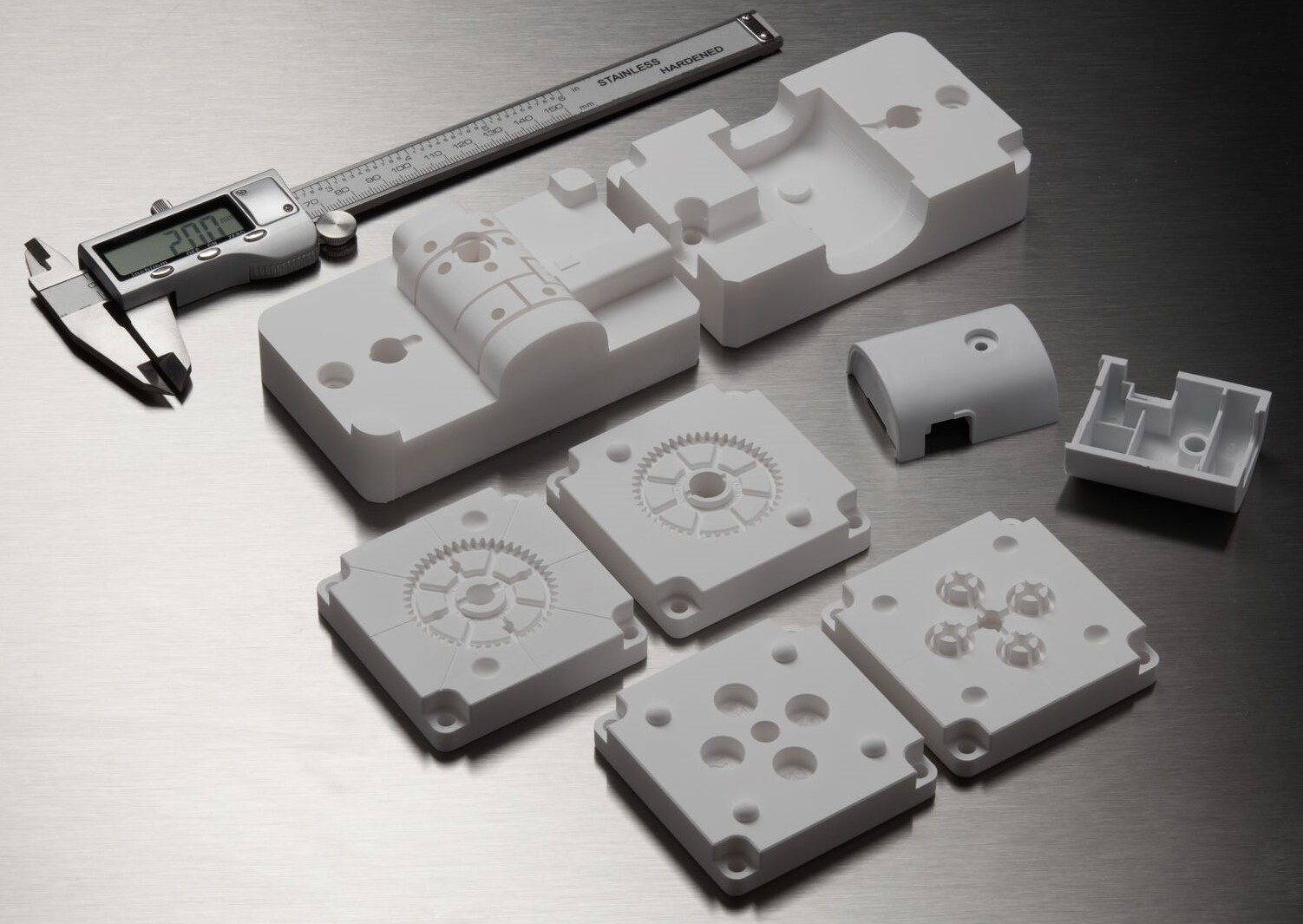
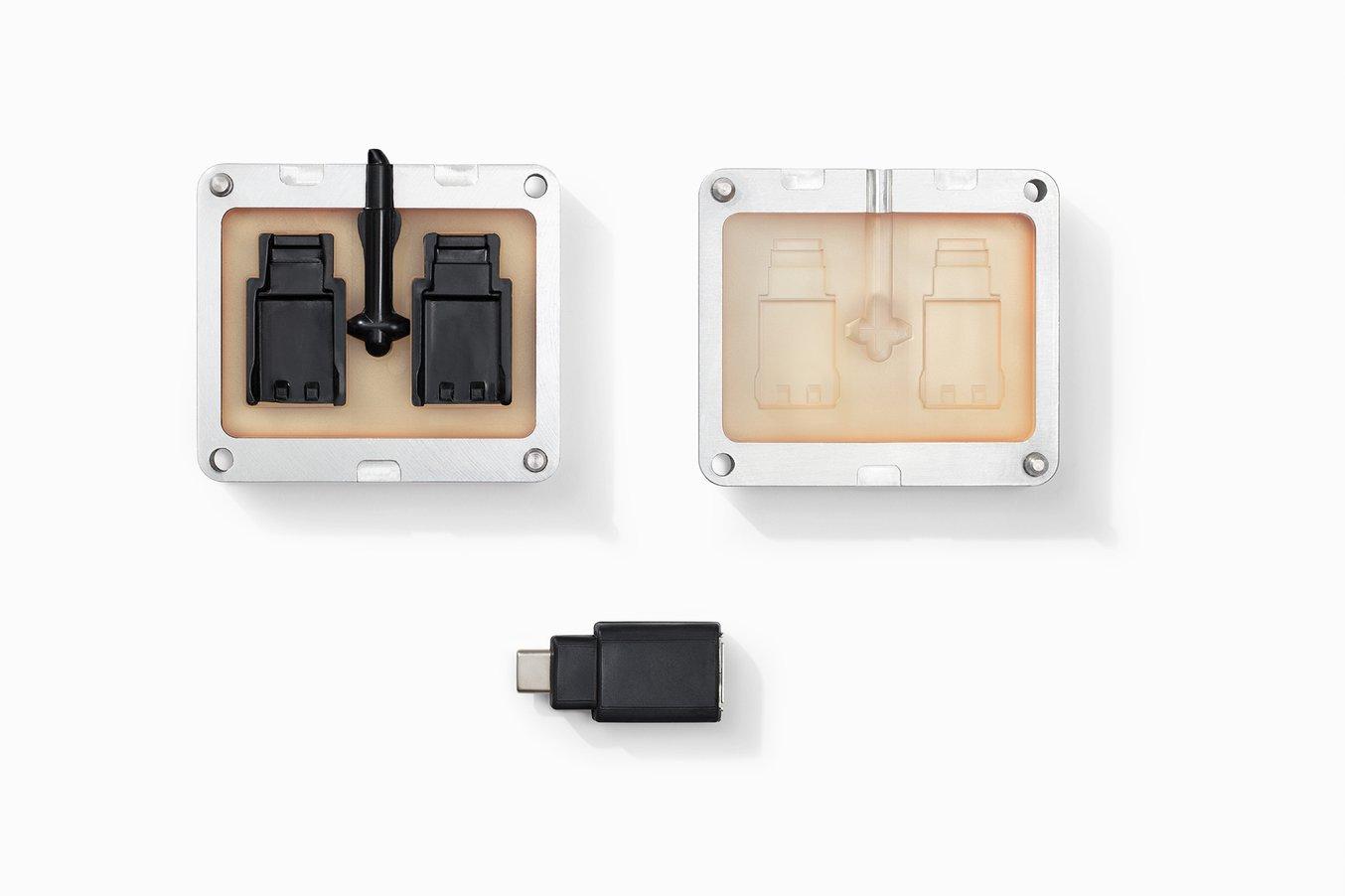
The lifespan of a 3D printed mold depends on the printing material, molding process, injection pressure and part geometry. For low-volume injection molding, most 3D printed molds typically produce between 10 and 500 parts, while high-performance metal-filled or industrial-grade printed molds may achieve higher production runs under controlled conditions.
Typical Lifespan of Different 3D Printed Molds
What Affects the Lifespan of a 3D Printed Mold?
Mold Material
High-temperature engineered resins outperform standard consumer resins by 3-4x in lifespan, thanks to their improved heat resistance and mechanical strength.
Injection Pressure
Most printed tools can safely handle up to 8,000 psi. Pressures beyond this threshold increase mechanical stress, accelerating wear or even tool breakage.
Part Geometry
Complex features with sharp corners or thin walls create localized stress concentrations, which can lead to premature cracking in printed tooling.
Plastic Resin
Soft materials like PP and ABS cause minimal abrasion, supporting longer mold life. In contrast, glass-filled nylons can wear mold surfaces 2-3 times faster.
Cooling Conditions
Rapid temperature cycles (from 200°C injection to room temperature cooling) can trigger thermal cracking over repeated production cycles.
Why Do 3D Printed Molds Wear Out Faster?
Thermal Fatigue
Polymer tools have lower thermal conductivity than metal, leading to uneven heat distribution. Repeated heating and cooling cycles cause material expansion and contraction, gradually weakening the mold structure over time.
Surface Abrasion
The surface hardness of printed resins is significantly lower than aluminum or steel. Abrasive plastic materials or high flow rates can scratch and erode the mold cavity surface with each shot.
Mechanical Stress
Injection molding exerts significant force on the mold core and cavity. While metal tools easily withstand this pressure, polymer tools can deform or crack under high clamping or injection forces.
Layer Delamination
Common in FDM printed tools, where layer adhesion weakens under repeated thermal and mechanical stress. This can cause the printed layers to separate, ruining the mold surface and part quality.
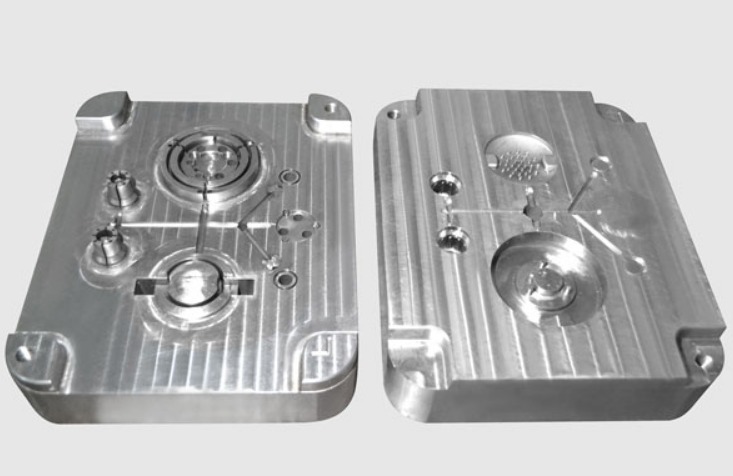
3D Printed Molds vs Aluminum Molds
When Should You Use a 3D Printed Mold?
✅ Ideal For
- Production runs of 10–500 parts
- Functional product validation testing
- Engineering material testing
- Rapid design iterations
- Bridge production
Temporary production while waiting for full tools
❌ Not Recommended For
- Mass production over 5,000 parts
- Long-term production with glass-filled materials
- High-temperature engineering plastics
- Tight tolerance requirements over 0.005″
- Complex undercuts with high ejection forces
3D Printed Molds for Low-Volume Injection Molding
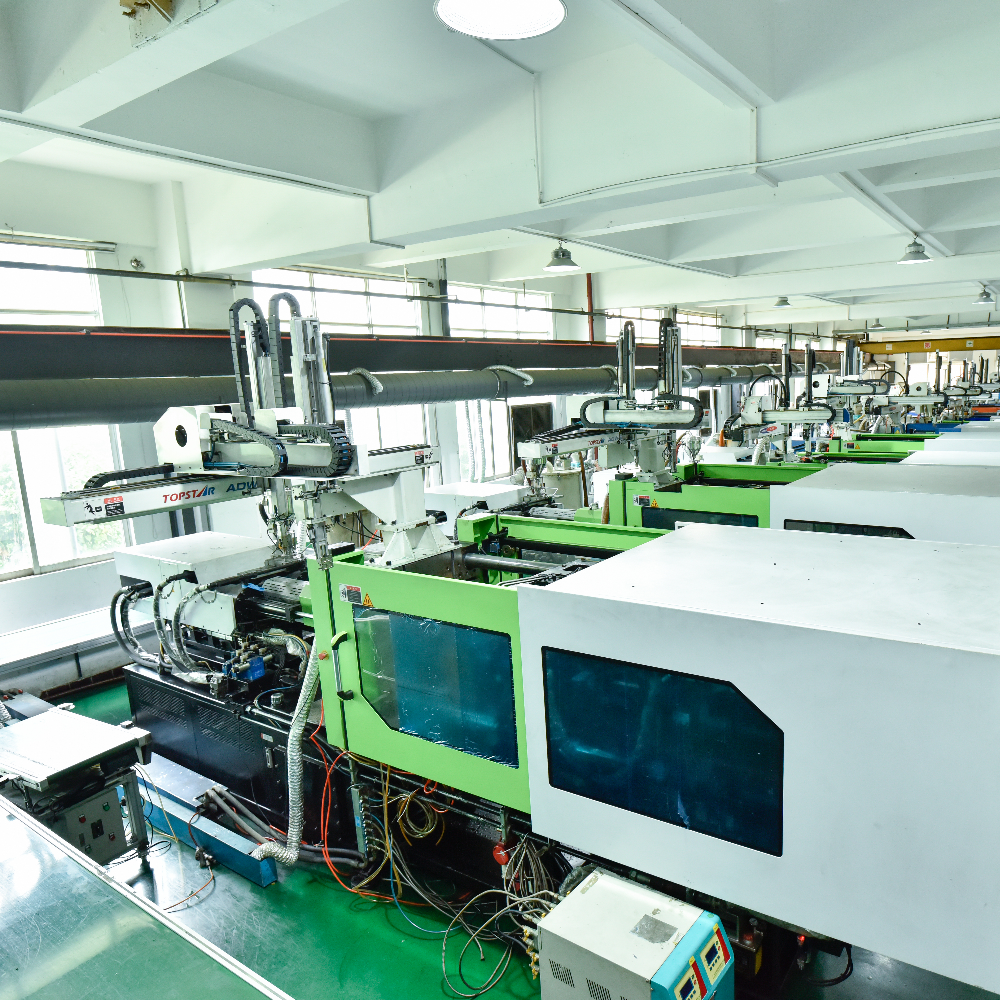
At Xiamen Goldcattle, we help engineering teams leverage rapid tooling to accelerate product development without compromising on part quality. Our prototype injection molding solutions are designed to deliver production-grade parts in days, not weeks.
We offer a full range of solutions to support your project at every stage:
- 3D Printed Tooling – Fast, cost-effective mold inserts for short runs
- Prototype Injection Molding – Functional parts using production materials
- Low Volume Production – Bridge production to fill market demand
- Bridge Tooling – Temporary tooling to keep your project on track
- Production Mold Transition – Smooth handoff to full-scale aluminum or steel tooling
Case Studies
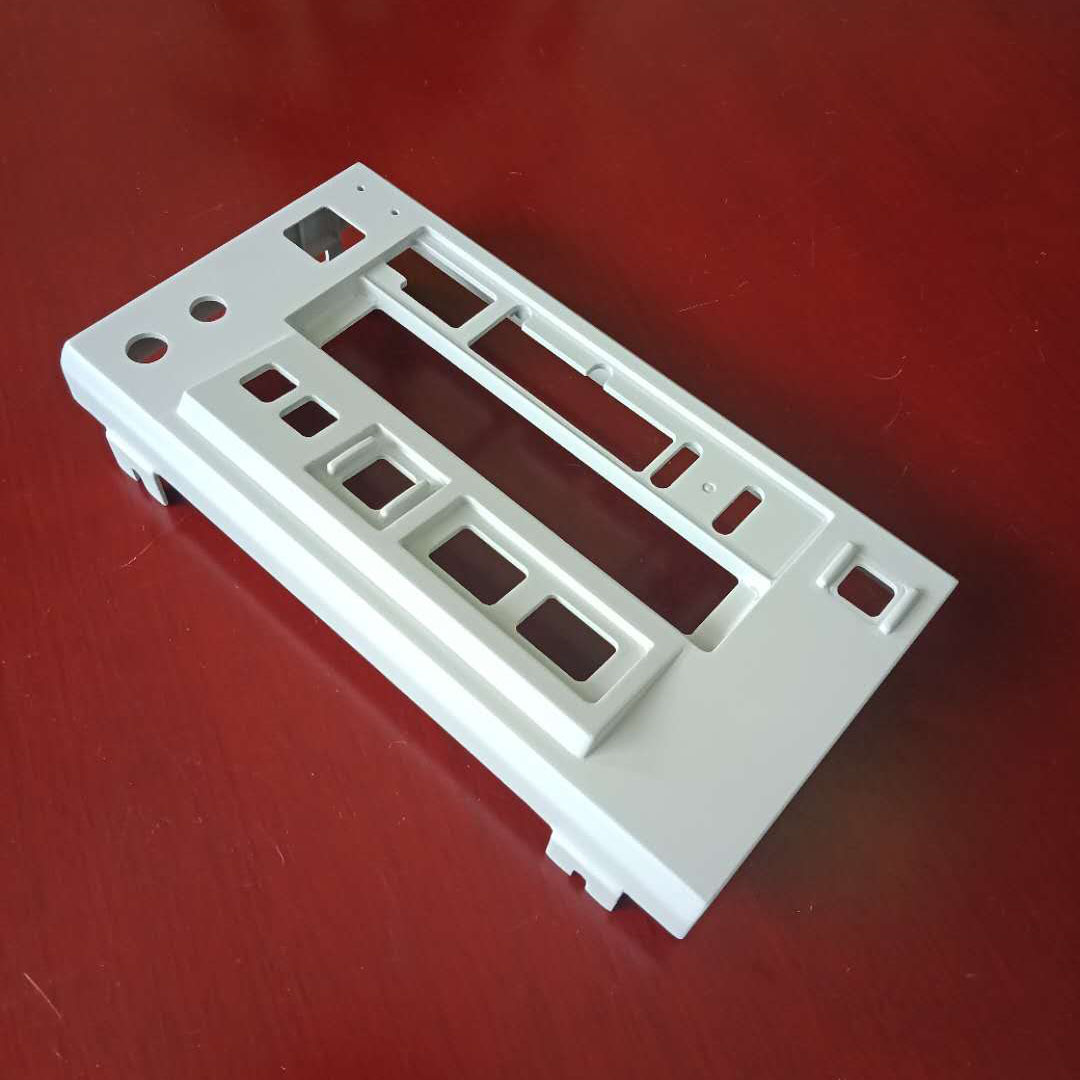
ABS Electronics Housing Prototype
Challenge:
A startup electronics company needed 100 functional ABS housing parts to conduct user testing, but aluminum tooling would take 4 weeks and cost $8,000, delaying their product launch.
Solution:
We produced a high-temperature SLA printed mold in 3 days, allowing them to start injection molding immediately with their production-grade ABS material.
Result:
Delivered 100 functional parts in 7 days, 3 weeks faster than traditional tooling, and reduced tooling cost by 75%. The client completed user testing on schedule and launched their product 1 month ahead of plan.
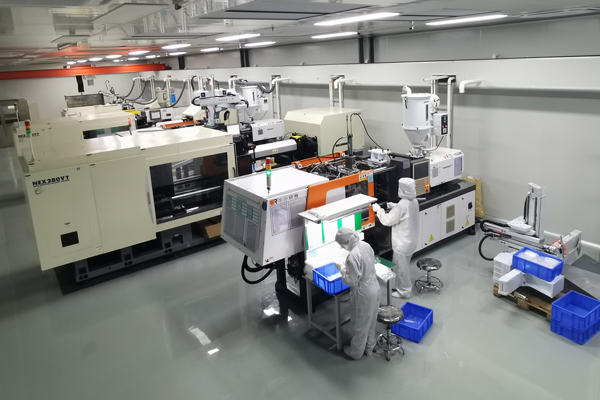
Medical Device Validation
Challenge:
A medical device manufacturer needed to validate their design with clinical testing, but the design was still evolving, with 2 planned iterations before finalization. Traditional tooling would require rework and high costs.
Solution:
We implemented rapid tooling with 3D printed mold inserts, allowing the client to update the mold design between test batches without rebuilding the entire tool base.
Result:
Reduced development lead time by 40% while allowing 2 full design iterations during validation. The client completed clinical testing on time and saved over $12,000 in tooling rework costs.
Frequently Asked Questions
How many shots can a 3D printed mold produce?
Most standard 3D printed molds can produce 10-50 parts, while high-performance industrial options can reach up to 500+ shots depending on materials and process conditions.
Can 3D printed molds be used for injection molding?
Yes, industrial-grade 3D printed molds are widely used for low-volume injection molding. They allow you to produce functional parts using production plastic materials, rather than 3D printed prototypes.
What materials work best with printed molds?
Non-abrasive thermoplastics like PP, ABS, and PE work best with printed molds. These materials have lower melting temperatures and cause minimal wear on the polymer tooling.
Are SLA molds better than FDM molds?
Yes, SLA molds generally outperform FDM molds for injection molding. SLA produces smoother surfaces, stronger layer adhesion, and can use high-temperature engineered resins that better withstand injection molding conditions.
When should I switch to aluminum tooling?
We recommend switching to aluminum tooling once you need more than 500 parts, or if you are working with abrasive materials like glass-filled nylons that wear out printed tools too quickly.
What is bridge tooling?
Bridge tooling refers to temporary tooling that bridges the gap between prototyping and full production. It allows you to start selling parts or filling orders while you wait for your permanent production tooling to be completed.
Can 3D printed molds handle ABS?
Yes, high-temperature 3D printed molds can easily handle ABS injection molding. ABS has a relatively low melting temperature and is non-abrasive, making it an ideal material for printed tooling applications.
Can glass-filled materials be molded with printed molds?
While it is possible for very short runs, glass-filled materials are highly abrasive and will wear out printed mold surfaces very quickly. For glass-filled materials, we recommend aluminum tooling for the best results.
What are the limitations of printed molds?
Printed molds have limited lifespan, lower heat resistance, and cannot handle the same pressures as metal molds. They are not suitable for high-volume production, abrasive materials, or extremely tight tolerance requirements.
How much can printed molds reduce tooling costs?
3D printed tooling can reduce initial tooling costs by 70-90% compared to aluminum tooling. This makes it an extremely cost-effective option for prototyping and low-volume production projects.
Key Takeaway
3D printed molds are primarily used for prototyping, bridge tooling and low-volume production. While their lifespan is significantly shorter than aluminum or steel molds, they can dramatically reduce tooling costs and lead times when producing tens to hundreds of parts during product development.