Is Casting Cheaper Than Injection Molding? Cost Comparison by Production Volume
Casting is often more economical for low-volume production and metal components because tooling costs can be lower. Injection molding usually becomes more cost-effective for medium- to high-volume plastic parts because the initial mold investment is spread across a large number of units, dramatically reducing per-part cost. The most economical process depends on material, production volume, tooling cost and required precision.
Casting vs Injection Molding Cost Comparison
| Factor | Casting | Injection Molding |
|---|---|---|
| Tooling Cost | Low–Medium | Medium–High |
| Material Type | Metals | Plastics |
| Prototype Cost | Lower | Higher |
| High-Volume Cost | Higher | Lower |
| Part Consistency | Moderate | Excellent |
| Production Speed | Moderate | High |
| Best Volume Range | Low–Medium | Medium–High |
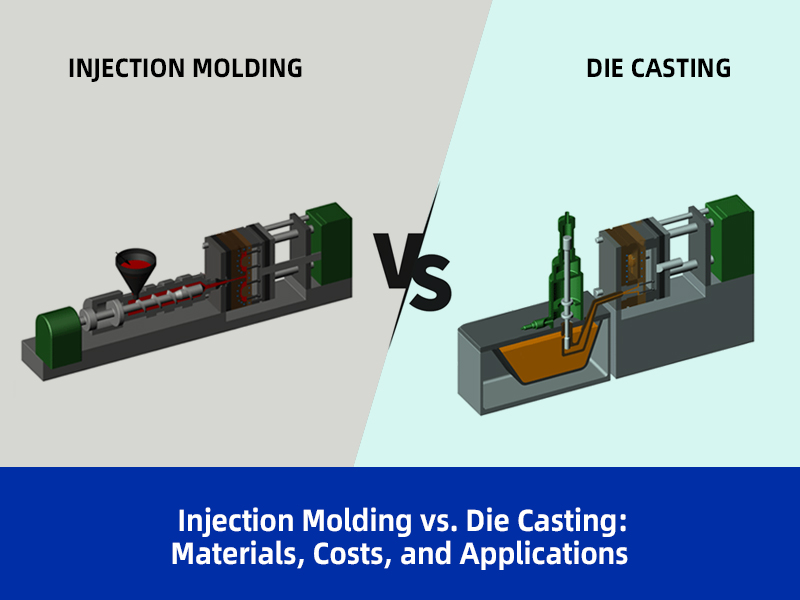
When Is Casting Cheaper?
Casting becomes the more cost-effective choice under specific project conditions, especially when the upfront tooling investment needs to be minimized. This process is particularly well-suited for:
- 50–500 units of production volume, where the low tooling cost offsets higher per-unit pricing
- Metal components such as aluminum, zinc or magnesium parts that cannot be produced with plastic injection molding
- Large size parts where injection mold tooling would become prohibitively expensive
- Complex internal structures that can be achieved with casting without additional assembly
- Frequently changing designs where you don’t want to invest in expensive permanent tooling
Key insight: For low-volume metal projects, casting tooling can cost 50-70% less than comparable injection mold tooling, making it the clear economic choice.
When Is Injection Molding Cheaper?
Injection molding takes over as the more economical option when production volumes increase enough to amortize the higher initial tooling investment. This process excels in scenarios including:
- 5000+ units of annual production, where the per-unit cost drops dramatically
- Plastic components for consumer products, medical devices and industrial equipment
- Consumer electronics where tight tolerances and consistent quality are critical
- Medical consumables that require high-volume, low-cost production
- High consistency products where every part needs to be identical for assembly
Key insight: At volumes above 10,000 units, injection molding can reduce per-part cost by 30-60% compared to casting, thanks to faster cycle times and automation.
What Is the Break-Even Point?
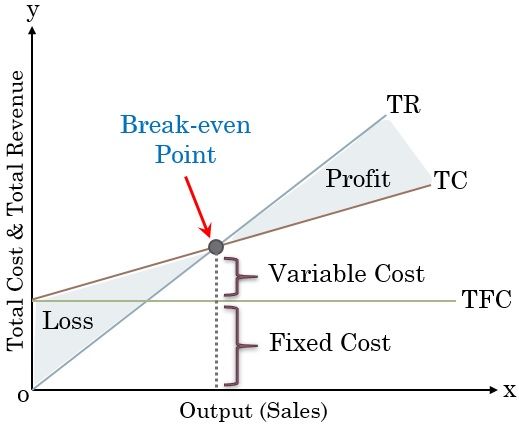
The break-even point is where the total cost of casting equals the total cost of injection molding. Below this volume, casting is cheaper. Above this volume, injection molding becomes more economical.
| Annual Volume | Recommended Process |
|---|---|
| < 100 units | Casting |
| 100–1000 units | Depends on Complexity |
| 1000–5000 units | Case-by-Case Analysis |
| 5000+ units | Injection Molding Usually Wins |
| 10000+ units | Injection Molding Strong Advantage |
Why Injection Molding Has Higher Upfront Costs
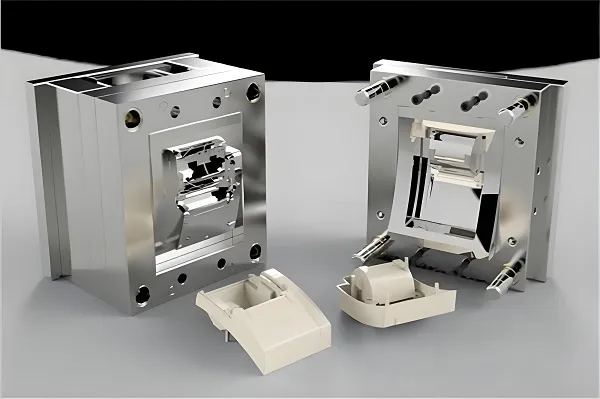
The primary reason injection molding has higher initial costs is the complexity of the mold tooling. A standard injection mold requires several precision-engineered components that add to the cost:
Mold Design
Engineering the mold to ensure proper material flow, cooling and ejection requires specialized expertise.
Precision Machining
Mold cavities are machined from solid steel with tight tolerances, often within ±0.001mm.
Mold Steel
High-quality tool steel is required to withstand millions of injection cycles without wear.
Cooling Systems
Custom cooling channels are integrated into the mold to reduce cycle time and ensure part quality.
Ejection Systems
Mechanisms to automatically eject finished parts from the mold cavity.
Multi-Cavity Structures
High-volume molds often include multiple cavities to produce several parts per cycle.
Real Project Examples
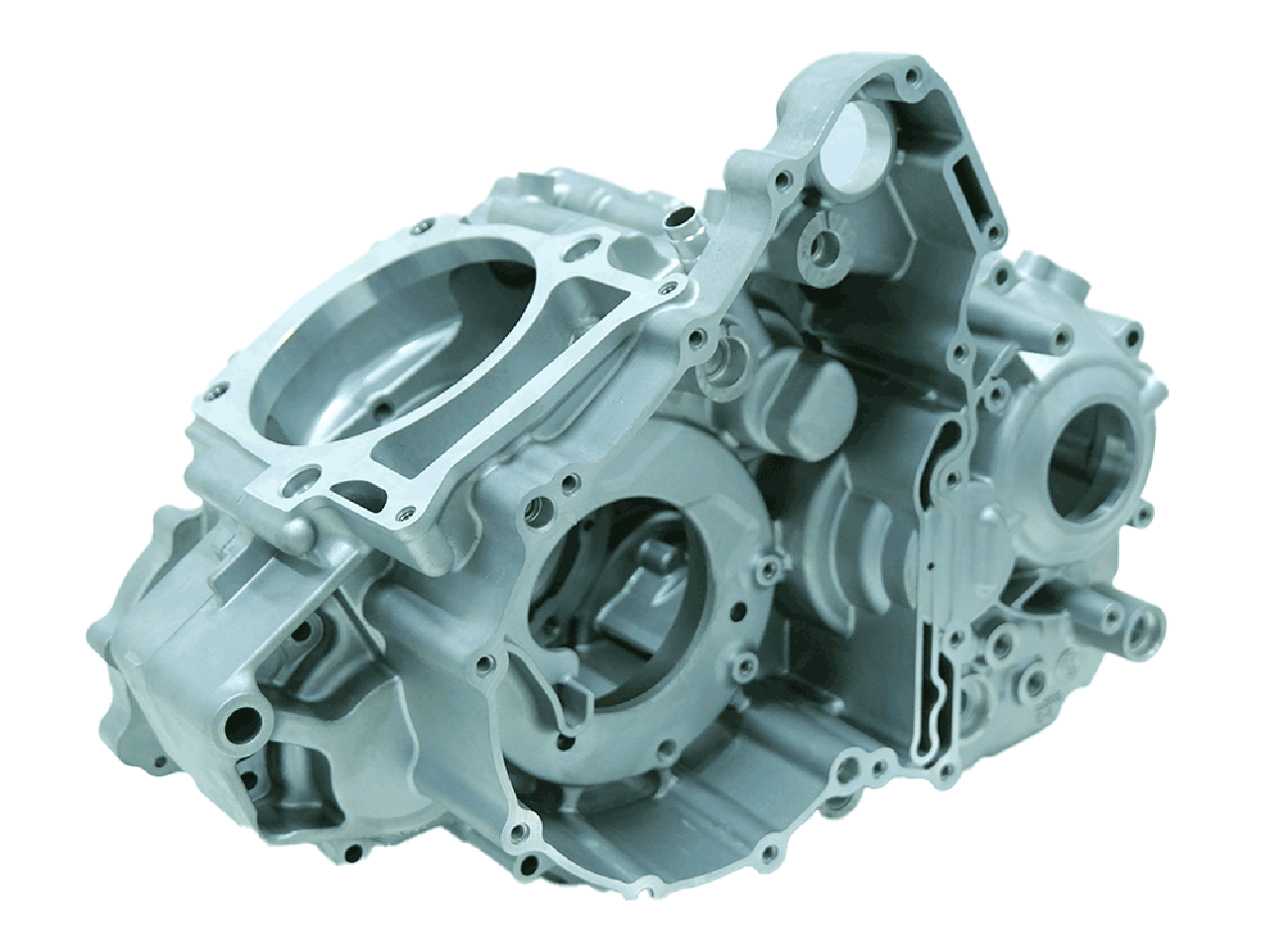
Example 1: Aluminum Transmission Housing
Project Requirements:
- 200 units of production
- Aluminum material for strength and weight
- Large part size, 250mm x 180mm
Result: Casting was significantly more economical. The low volume meant the lower tooling cost of casting ($3,500) was far more attractive than the injection mold cost of $18,000. Total project cost was 65% lower with casting.
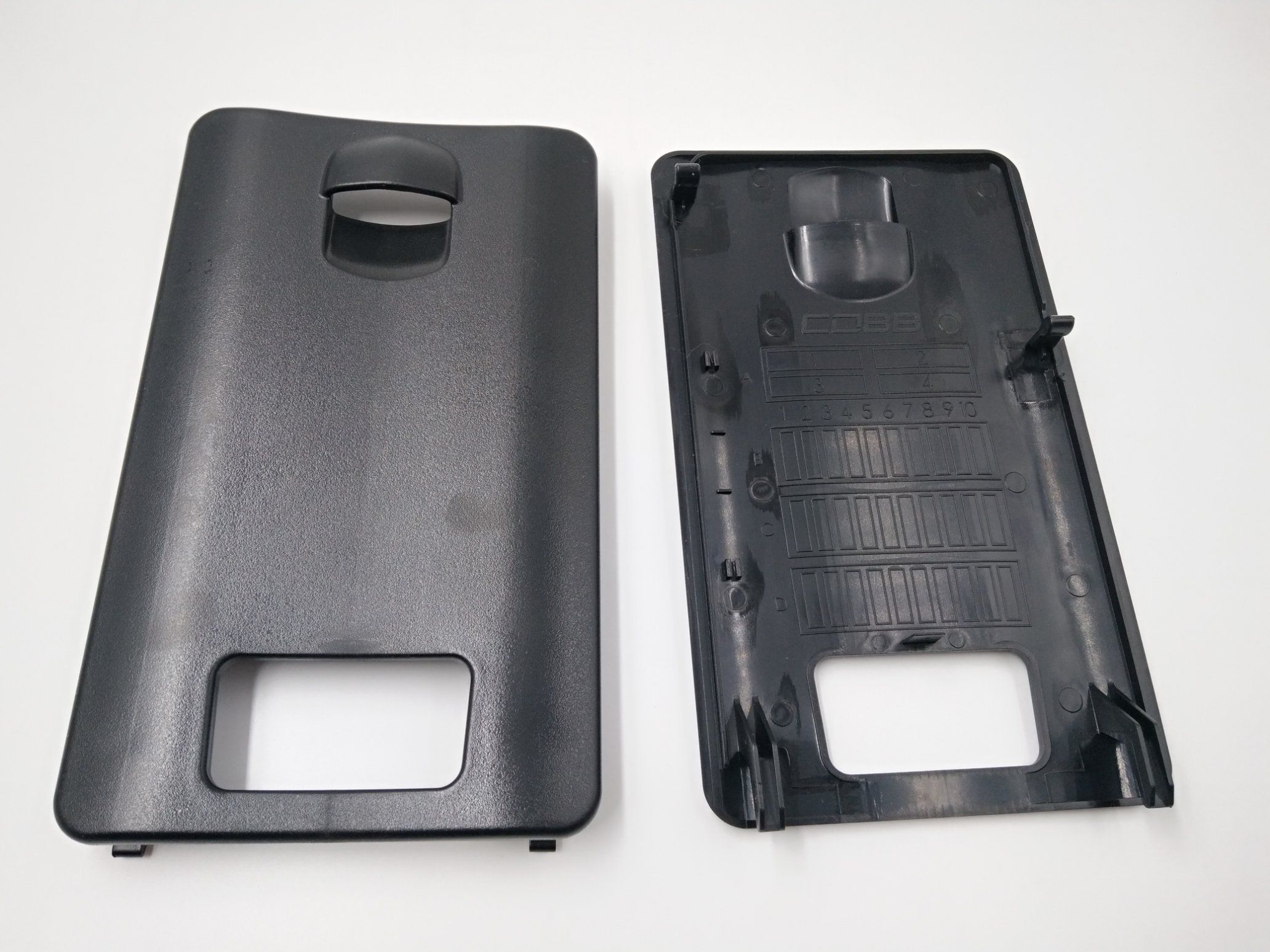
Example 2: Consumer Electronics Remote Shell
Project Requirements:
- 50,000 units of annual production
- ABS plastic material
- High consistency and tight tolerances
Result: Injection molding delivered significant cost savings. The $12,000 mold investment was amortized across 50,000 units, reducing the per-part cost from $2.80 with casting to just $0.85 with injection molding. Total annual savings exceeded $97,500.
Total Cost of Ownership (TCO)
When comparing these two processes, smart procurement managers don’t just look at the upfront tooling cost or the unit price. They look at the Total Cost of Ownership (TCO) over the entire product lifecycle:
TCO = Tooling Cost + Production Cost + Maintenance + Scrap Rate + Post-Processing
This holistic view helps you understand the true cost of your manufacturing choice. For example, while casting might have lower tooling costs, it often has higher scrap rates and more required post-processing, which can add to the total cost over time. Injection molding, on the other hand, has higher upfront costs but lower long-term costs for high-volume production.
Frequently Asked Questions
Is casting always cheaper than injection molding?
No, casting is only cheaper for low-volume production or metal parts. For high-volume plastic parts, injection molding becomes significantly more cost-effective.
At what volume does injection molding become cheaper?
For most standard plastic parts, injection molding becomes cheaper at around 5,000 units. For more complex parts, this break-even point can be higher.
Is aluminum casting cheaper than injection molding?
For low volumes, yes. Aluminum casting has lower tooling costs. But for high volumes, injection molding for plastic parts can be cheaper, though they serve different material needs.
Can casting achieve the same precision?
Modern casting can achieve good precision, but injection molding typically offers better consistency and tighter tolerances, especially for high-volume production.
What affects tooling cost the most?
Part size, complexity, required precision and material are the biggest factors. Larger, more complex parts require more expensive tooling for both processes.
Which process is better for prototypes?
Casting is usually better for prototypes because of the lower tooling cost and faster turnaround, especially if you need metal prototype parts.
Which process is faster?
For prototypes, casting is faster. For high-volume production, injection molding is much faster, with cycle times often measured in seconds rather than minutes.
Is die casting different from traditional casting?
Yes, die casting is a type of metal casting that uses high pressure, allowing for higher precision and better surface finish, closer to injection molding quality.
What is the break-even volume for injection molding?
The typical break-even volume ranges from 1,000 to 10,000 units, depending on part complexity, material and required precision.
How do I choose the right manufacturing process?
Consider your material, production volume, required precision, lead time and total budget. If you’re unsure, we can help you analyze your specific project.
Need Help Choosing Between Casting and Injection Molding?
Xiamen Goldcattle is your trusted precision manufacturing partner, specializing in custom plastic CNC machining, injection molding and metal casting solutions for North American and European industrial clients. With over 25 years of experience, we help engineering teams select the right manufacturing process to optimize cost, quality and lead time for their projects.
Every project is unique, and the right choice depends on your specific requirements. At Xiamen Goldcattle, we can help you evaluate your project and select the optimal manufacturing process. Share your project details with us:
- Material requirements
- Annual production volume
- CAD files for your part
- Target cost per unit
- Application requirements
- Required lead time