Automotive Stamping Processes, Materials and Properties: Complete Guide for OEM Parts Manufacturing
How Automotive Manufacturers Select Materials, Processes and Suppliers for Precision Stamped Components
Automotive Stamping Capabilities at Goldcattle
Materials: Steel, Stainless Steel, Aluminum, Copper
Material Thickness: 0.3-8mm
Precision Tolerance: ±0.05mm (Meets IATF 16949 standards)
Production Scope: Prototype to Mass Production
Surface Finishes: Powder Coating, E-coating, Zinc Plating, Anodizing
Core Applications: EV Components, Brackets, Battery Trays, Motor Housings, Seat Parts
Automotive Stamping Process Overview
Choosing the right forming process is critical for balancing cost, precision, and production efficiency in automotive part manufacturing. At Goldcattle, we select processes based on your part design, material, and volume requirements to deliver optimal results.
| Process | Best For | Production Volume |
|---|---|---|
| Blanking | Flat, simple components | High |
| Piercing | Creating precision holes/cutouts | Any |
| Bending | Angled structural brackets | Medium |
| Deep Drawing | Hollow enclosures (battery cases) | High |
| Progressive Die | Complex, high-volume parts | Very High |
| Transfer Die | Large, heavy components | High |
 Progressive die stamping line for high-volume precision parts
Automotive Stamping Materials Comparison
Material selection directly impacts part performance, weight, cost, and manufacturability. Our engineers help you balance strength, lightweighting, and budget to meet your specific automotive application requirements.
| Material | Strength | Weight | Corrosion Resistance | Typical Application |
|---|---|---|---|---|
| Mild Steel | Medium | Heavy | Medium | General Brackets |
| HSLA Steel | High | Heavy | Medium | Chassis Parts |
| AHSS | Very High | Heavy | Medium | Crash Components |
| Aluminum 5052 | Medium | Light | High | Battery Enclosures |
| Aluminum 6061 | High | Light | Good | Structural Parts |
| Stainless 304 | High | Heavy | Excellent | Exhaust Components |
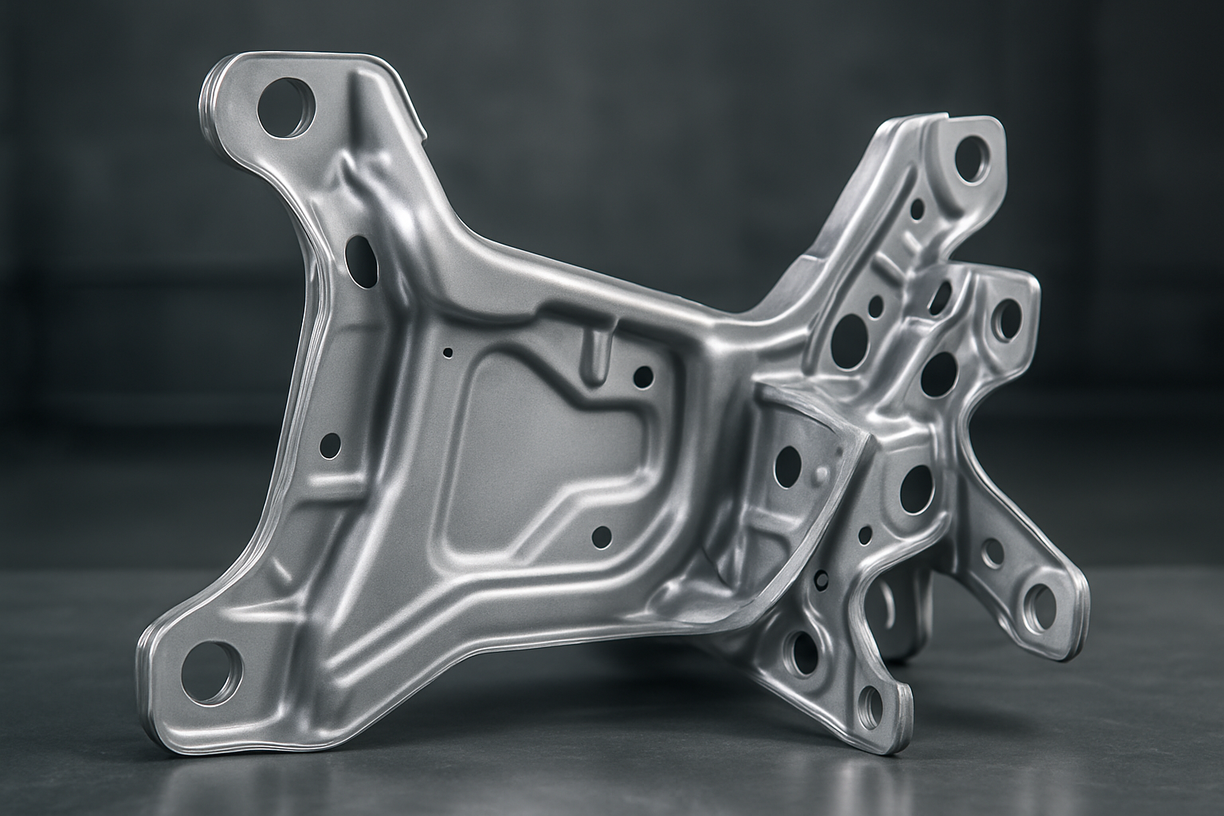
High-strength AHSS stamping part for crash safety components
Automotive Stamping Applications
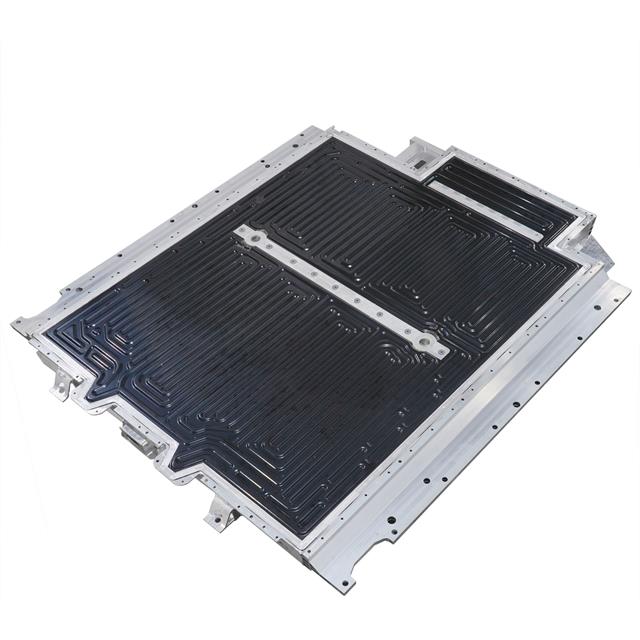
EV Battery Trays
Lightweight aluminum stamped trays that protect battery modules while reducing overall vehicle weight. We deliver tight sealing and structural integrity for EV safety requirements.
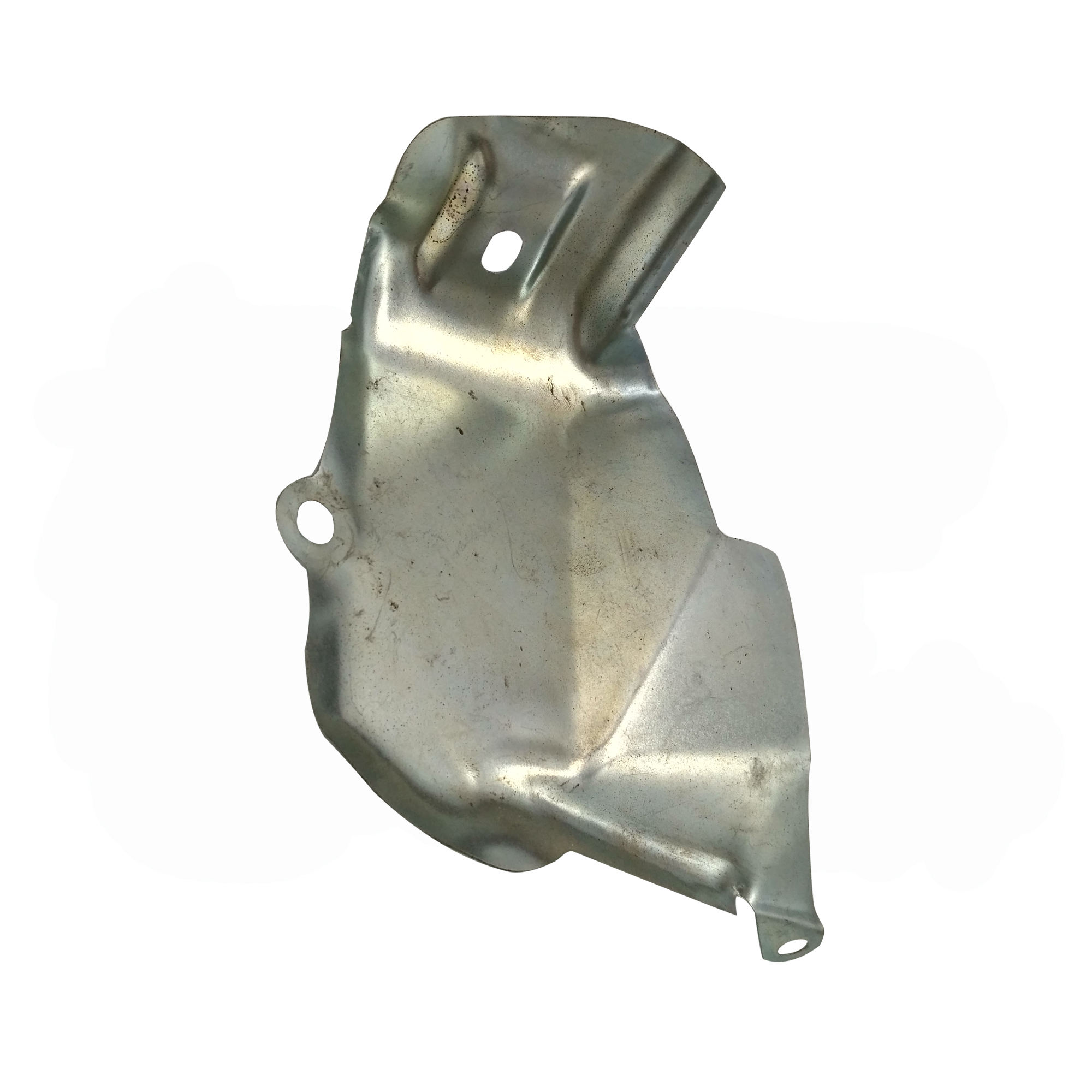
Motor Housings
Precision deep-drawn aluminum housings for electric motors, offering excellent heat dissipation and dimensional stability for high-performance EV drivetrains.
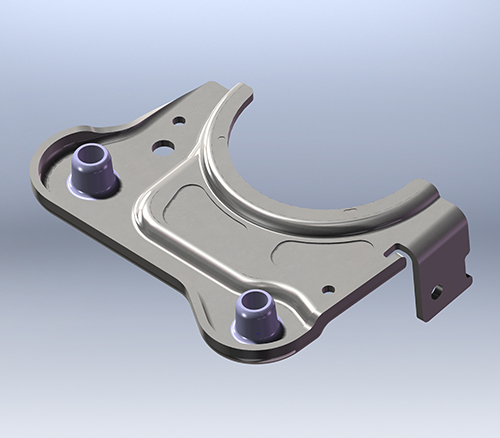
Seat Brackets
High-strength steel stamped brackets that support seat adjustment mechanisms, meeting strict crash test requirements while maintaining cost-efficiency for mass production.
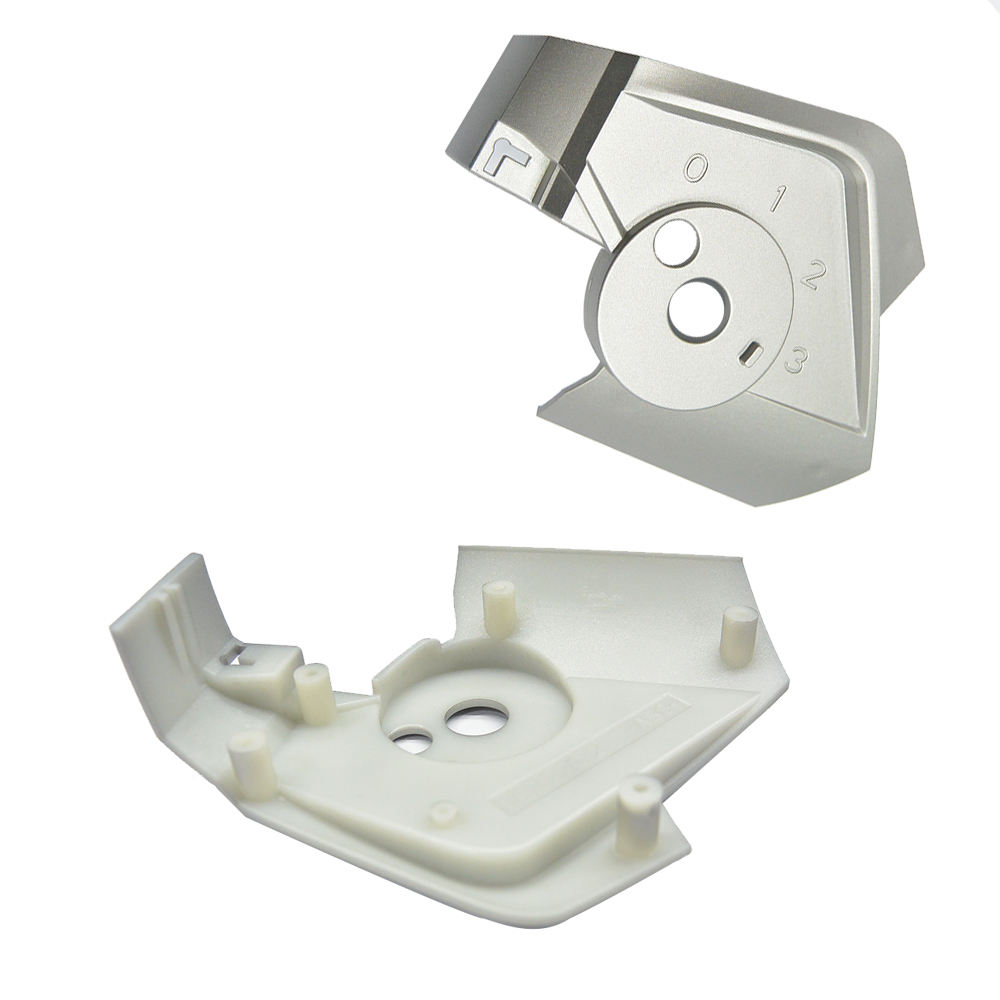
Heat Shields
Thin-gauge stainless steel stamped shields that protect sensitive components from exhaust heat, with custom forming to fit complex underbody geometries.
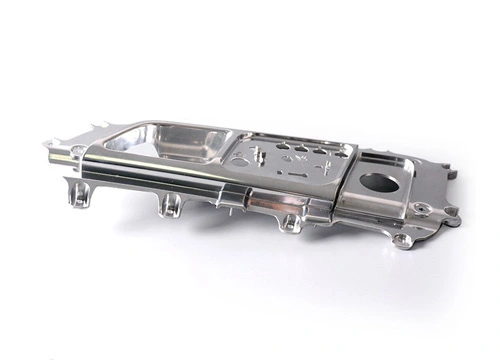
Structural Reinforcements
AHSS stamped reinforcements for doors and pillars, enhancing vehicle crash safety without adding excess weight, supporting modern lightweight design goals.
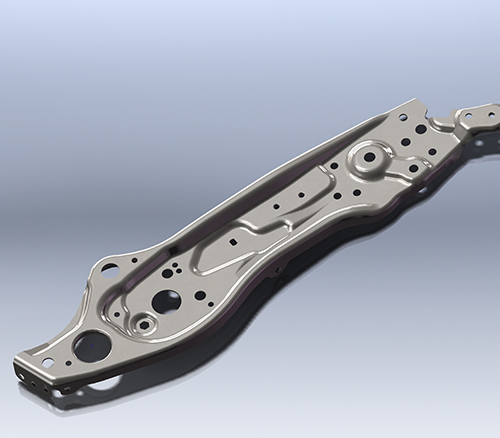
Sensor Mounting Brackets
High-precision stamped brackets for ADAS sensors, ensuring consistent positioning and stability for advanced driver assistance system reliability.
Common Manufacturing Challenges and Solutions
With 26 years of automotive stamping experience, Goldcattle has developed proven solutions to overcome the most common manufacturing issues, ensuring consistent part quality even for complex designs.
Springback
Challenge: Material elasticity causing dimensional deviations after bending.
Our Solution: Advanced simulation and compensated mold design to pre-adjust for springback, ensuring final parts meet tight tolerance requirements.
Cracking
Challenge: Material elongation limits causing fractures during deep drawing.
Our Solution: Material optimization (e.g., switching to 5052 aluminum) and stamping speed adjustment to improve formability and prevent part failure.
Wrinkling
Challenge: Insufficient blank holder force causing material wrinkles in deep drawn parts.
Our Solution: Custom die structure optimization and precision blank holder force tuning to eliminate wrinkles while maintaining material flow.

Our precision stamping workshop equipped with advanced forming equipment
Automotive Stamping Case Studies
EV Battery Bracket
Client: German New Energy Enterprise
Material: 5052 Aluminum
Challenge: Reduce part weight by 20% while maintaining strength
Solution: Optimized deep drawing stamping process
Result: 25% weight reduction, passed salt spray test, 10% faster delivery
Seat Reinforcement Plate
Client: North American Auto Supplier
Material: AHSS Steel
Challenge: Meet strict crash impact strength requirements
Solution: Springback compensation and process tuning
Result: Passed client crash validation, full PPAP documentation provided
Exhaust Heat Shield
Client: European Exhaust System Maker
Material: 304 Stainless Steel
Challenge: High temperature corrosion resistance
Solution: Precision stamping with surface polishing
Result: Passed 1000-hour salt spray test, stable mass production
Frequently Asked Questions
What materials are commonly used for automotive stamping?
We work with mild steel, HSLA/AHSS steel, aluminum alloys (5052, 6061), stainless steel, and copper to meet different performance requirements.
What is the tolerance for automotive stamped parts?
We can achieve precision tolerances as tight as ±0.05mm, meeting the strict requirements of IATF 16949 automotive quality standards.
What is the tooling lead time?
Typical tooling lead time is 2-4 weeks, depending on part complexity. We can offer expedited options for urgent projects.
Is aluminum suitable for automotive stamping?
Yes, aluminum is ideal for lightweight automotive parts. We have extensive experience stamping aluminum for EV components and structural parts.
Can you support prototype and mass production?
Absolutely. We support the full production cycle from rapid prototyping to high-volume mass production, with consistent quality across all stages.
Do you provide PPAP documents?
Yes, we provide full PPAP documentation for automotive projects, including material certificates, inspection reports, and process validation data.
Can you support EV component manufacturing?
We specialize in EV components, including battery trays, motor housings, busbars, and other lightweight stamped parts for electric vehicles.
What is the minimum order quantity?
We accept MOQ as low as 100 pieces for prototypes, and support mass production orders up to millions of parts per year.
Can you provide custom surface treatments?
Yes, we offer a full range of surface treatments including powder coating, e-coating, zinc plating, anodizing, and passivation.
How do you ensure high-volume quality?
We implement in-process inspection, SPC monitoring, and automated testing to ensure consistent quality across large production runs.
What is the typical mass production lead time?
Standard mass production lead time is 4-6 weeks after tooling approval, depending on order quantity and part complexity.
Can you help with material selection?
Our engineering team will work with you to select the optimal material based on your performance requirements, budget, and manufacturability.
Do you offer assembly services?
Yes, we provide full assembly services for stamped components, including welding, fastening, and sub-assembly to reduce your supply chain complexity.
What quality certifications do you hold?
We are certified to ISO 9001 and IATF 16949, ensuring our processes meet the highest automotive industry quality standards.
Automotive Stamping Manufacturer Snapshot
Company: Xiamen Goldcattle
Location: Xiamen, China
Manufacturing Experience: 26 Years
Core Capabilities: Metal Stamping, CNC Machining, Injection Molding
Precision Tolerance: ±0.05mm
Production Range: Prototype to Mass Production
Served Industries: Automotive, EV, Industrial Equipment
Quality System: ISO 9001, IATF 16949