What are metal turnings?
Understanding CNC Turning and Turned Metal Parts Metal turnings generally refer to metal chips or shaped components produced during the turning process. In manufacturing, metal turning is a CNC machining…

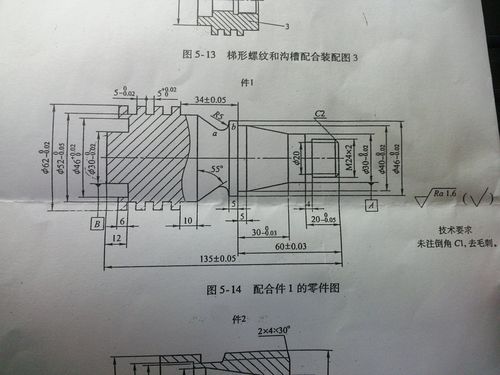
Understanding CNC Turning and Turned Metal Parts Metal turnings generally refer to metal chips or shaped components produced during the turning process. In manufacturing, metal turning is a CNC machining…
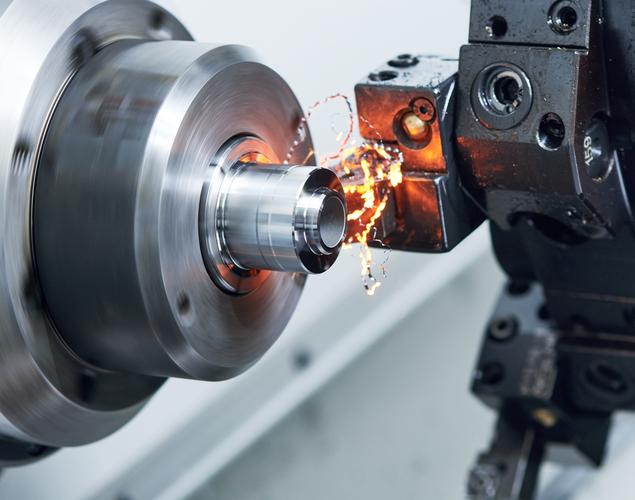
Answer: The main steps of turning include: Firstly, clamp the workpiece and the tool to ensure accurate positioning and firm clamping. Then, adjust the lathe parameters such as rotational speed…
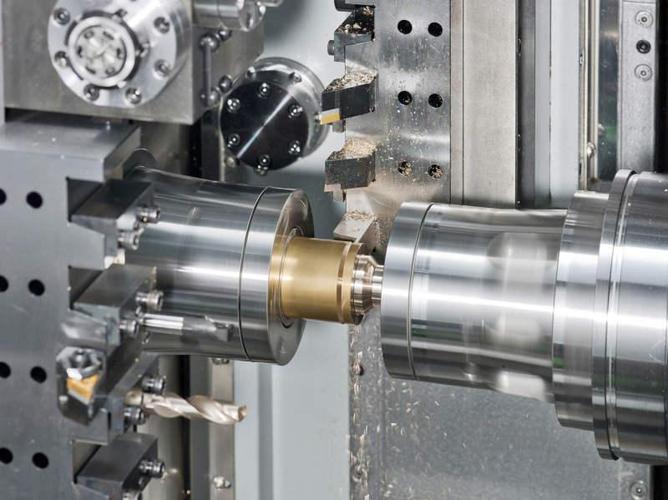
Answer: In turning, the workpiece rotates while the tool feeds, and it is used to process the outer diameter, inner hole, etc. of rotational parts. In milling, the tool rotates…
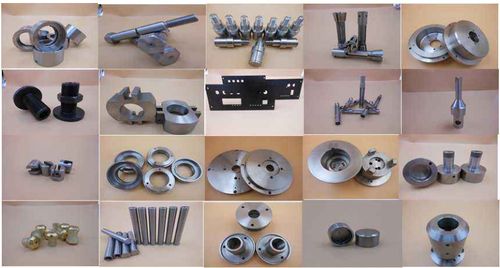
Answer: The parts processed by turning mainly include shaft – type parts (such as motor shafts, lead screws), disk – sleeve – type parts (like gear blanks, bearing sleeves), special…
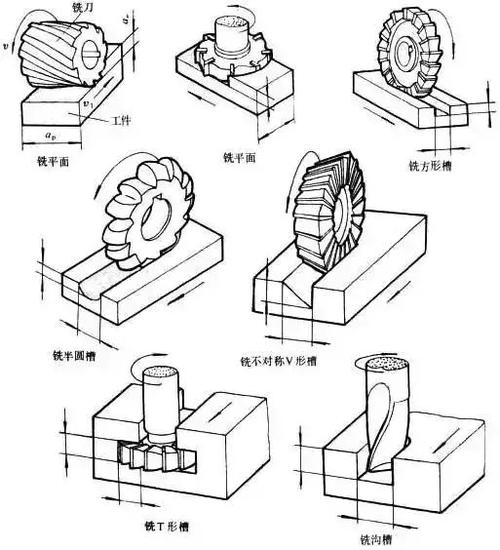
Answer: There is no absolute answer as to whether milling or turning is more difficult. The difficulty of the two varies depending on the specific application scenarios. Turning is mainly…
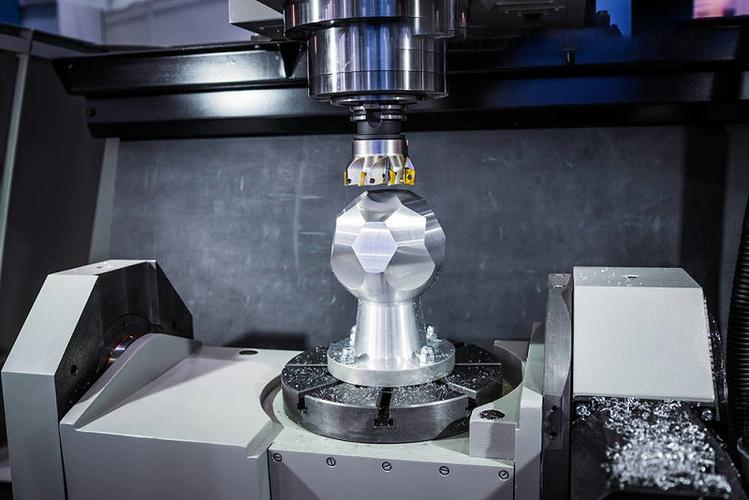
Answer: Grinding and milling are two different processes in CNC machining. Their main differences lie in processing tools, machining accuracy, processing methods, and application scenarios. Grinding uses abrasive tools such…
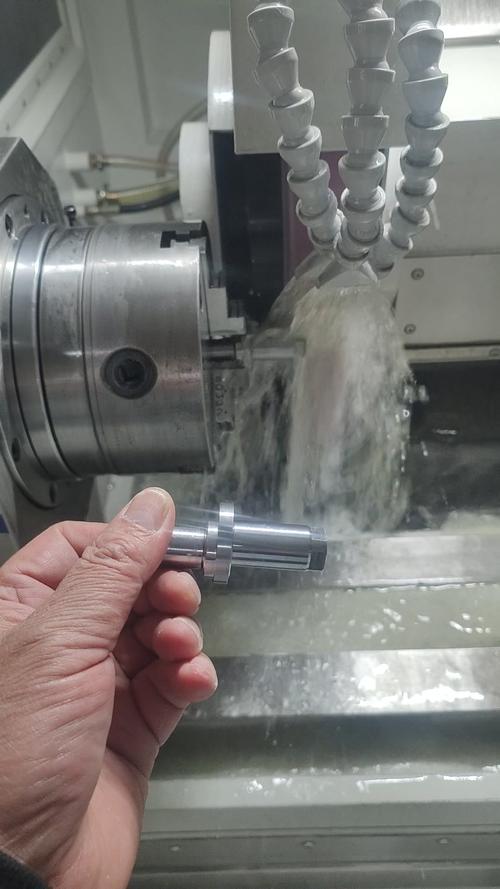
Answer: In CNC machining, grinding is a processing method that uses a high – speed rotating grinding wheel and other abrasive tools to cut and polish the surface of the…
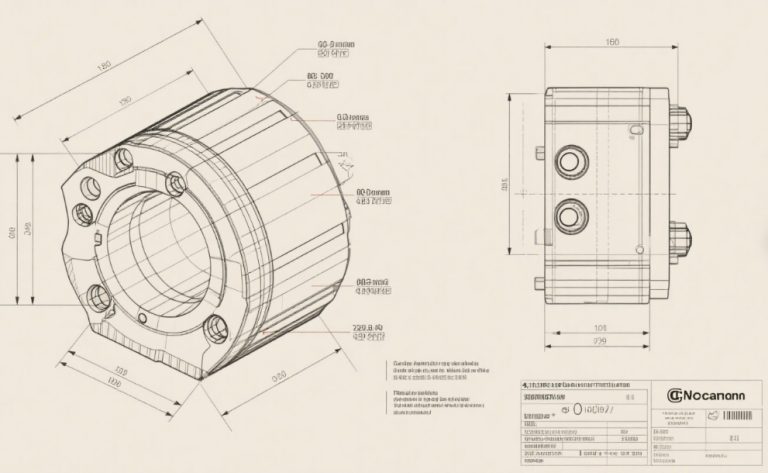
Answer: CNC machining, namely Computer Numerical Control machining, is mainly based on three key aspects: numerical control equipment, machining programs, and machining processes. Numerical control equipment serves as the hardware…
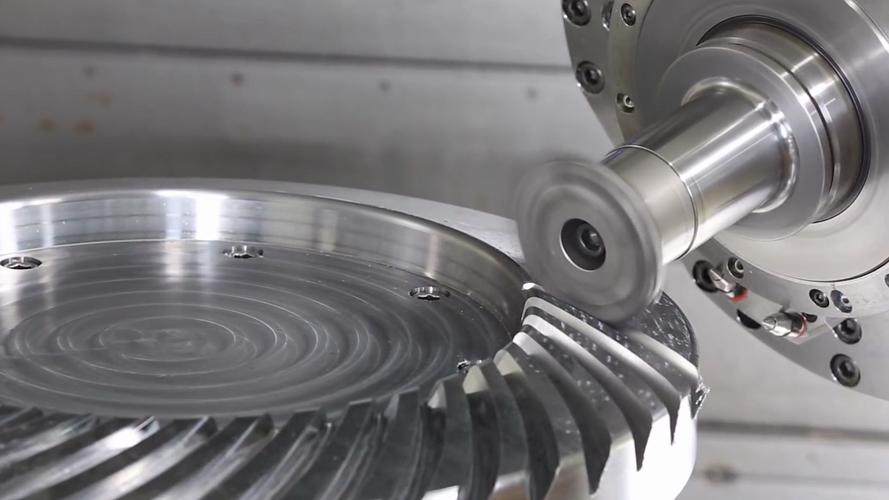
AnswerThe five core steps in the milling process usually include: programming and program preparation, workpiece clamping and positioning, tool setting and coordinate system establishment, automatic machining execution, machining inspection and…
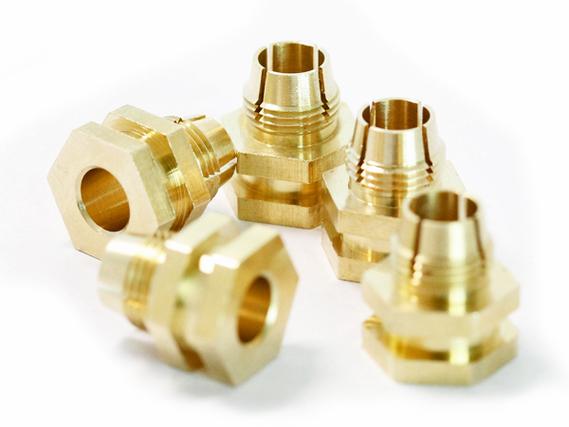
Answer A CNC router can cut: Metals: Aluminum alloy, brass, low-carbon steel (typically <10mm thick); Non-metals: Wood, plastics (ABS, acrylic), composites (carbon fiber), stone, glass, foam; Special materials: PCB,…