What is the most common material used for CNC tooling?
Engineering Reference · 2026 Edition What Is the Most Common Material Used for CNC Tooling? A complete selection guide covering carbide grades, high-speed steel, tool steels (H13 / D2 /…

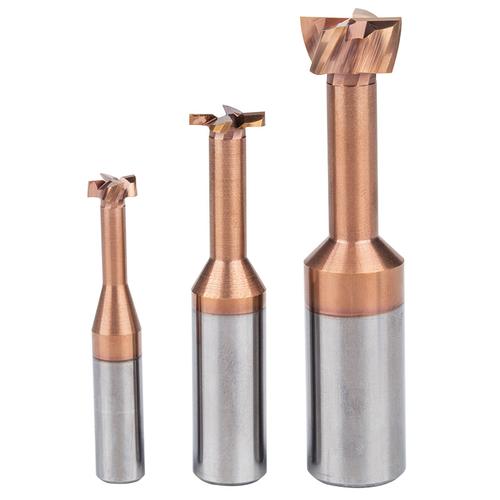
Engineering Reference · 2026 Edition What Is the Most Common Material Used for CNC Tooling? A complete selection guide covering carbide grades, high-speed steel, tool steels (H13 / D2 /…
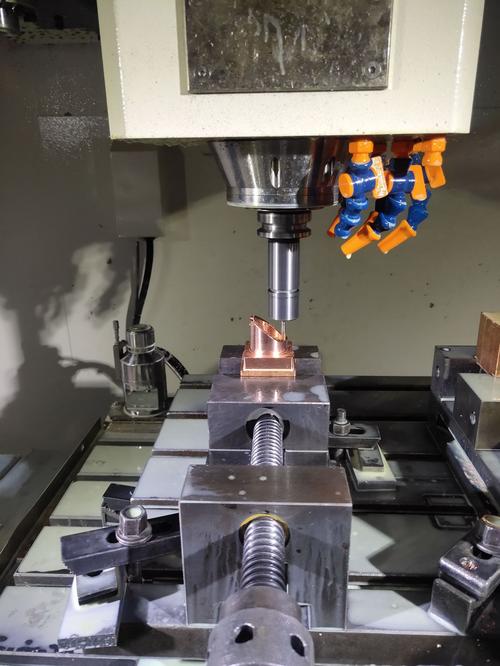
Answer Industries requiring CNC machining include aerospace, automotive manufacturing, electronics, medical devices, mold making, energy, precision instruments, home appliances, jewelry, food packaging, military, shipbuilding, rail transportation, general machinery, etc. Extended…
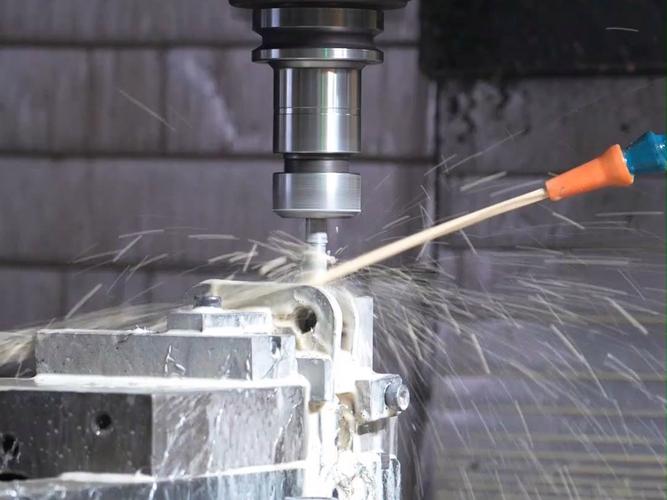
Answer CNC (Computer Numerical Control) is not limited to metal processing. It can precisely machine various materials, including plastics, woods, composites, ceramics, foams, stones, etc., covering multiple fields such as…
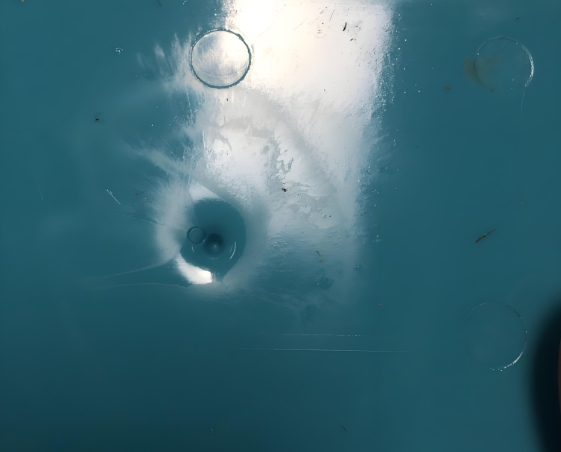
What is Sink Mark in Plastic Injection Molding 2026? Causes, Prevention, Solutions & Goldcattle Cases Bro, if you’ve ever dealt with plastic injection parts, you know sink marks are the…
Is Casting Cheaper Than Injection Molding? Cost Comparison by Production Volume Casting is often more economical for low-volume production and metal components because tooling costs can be lower. Injection molding…
Answer The lifespan of injection – molding molds varies greatly and there is no fixed value. Simple molds with low requirements may only be used for tens of thousands of…
Injection Mold Cost Guide (2026): Pricing, Factors & How to Reduce Tooling Cost Injection mold cost typically ranges from $1,000 to $100,000+, depending on part complexity, mold material, and production…
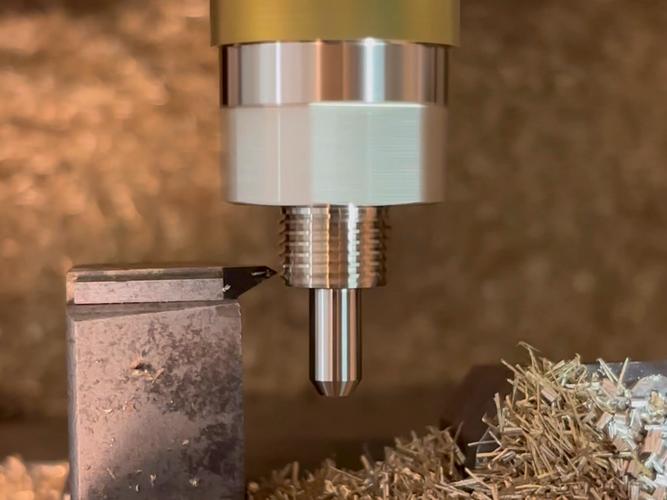
Answer Brass is generally more suitable for machining than bronze. Brass has a lower hardness (e.g., C36000 has a hardness of 63 – 126 HB), and lead – containing grades…

Answer Machining brass is relatively easy. Brass has a low hardness. The commonly used free – cutting brass C36000 has a hardness of 63 – 126HB, and the lead in…

Answer Yes, brass is excellent for machining. Its combination of softness, high ductility, and self-lubricating properties (due to lead content in alloys like C36000) makes it ideal for precision machining….