Injection Mold Cost Guide (2026): Pricing, Factors & How to Reduce Tooling Cost
Injection mold cost typically ranges from $1,000 to $100,000+, depending on part complexity, mold material, and production volume.
This guide will help you understand the full cost breakdown, how to choose the right mold for your volume, and actionable ways to reduce your tooling cost.
Injection Mold Cost Breakdown
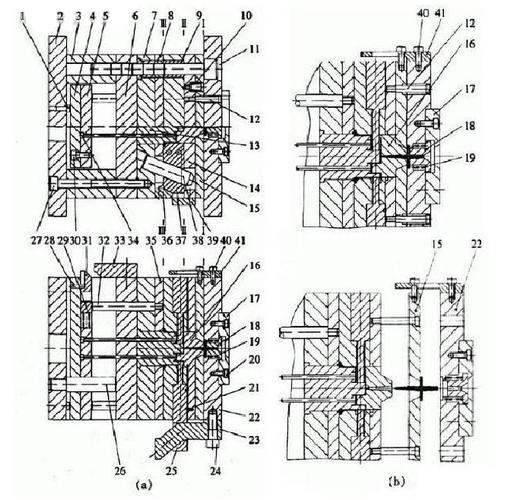
The total injection mold cost is made up of 4 core components, with clear proportion standards in the industry:
- 🔹 Design & Engineering (10–20%): Including DFM analysis, mold flow simulation, and mold structure design.
- 🔹 Mold Steel Material (20–30%): The cost of mold base, cavity/core steel, and standard components, varies by steel grade.
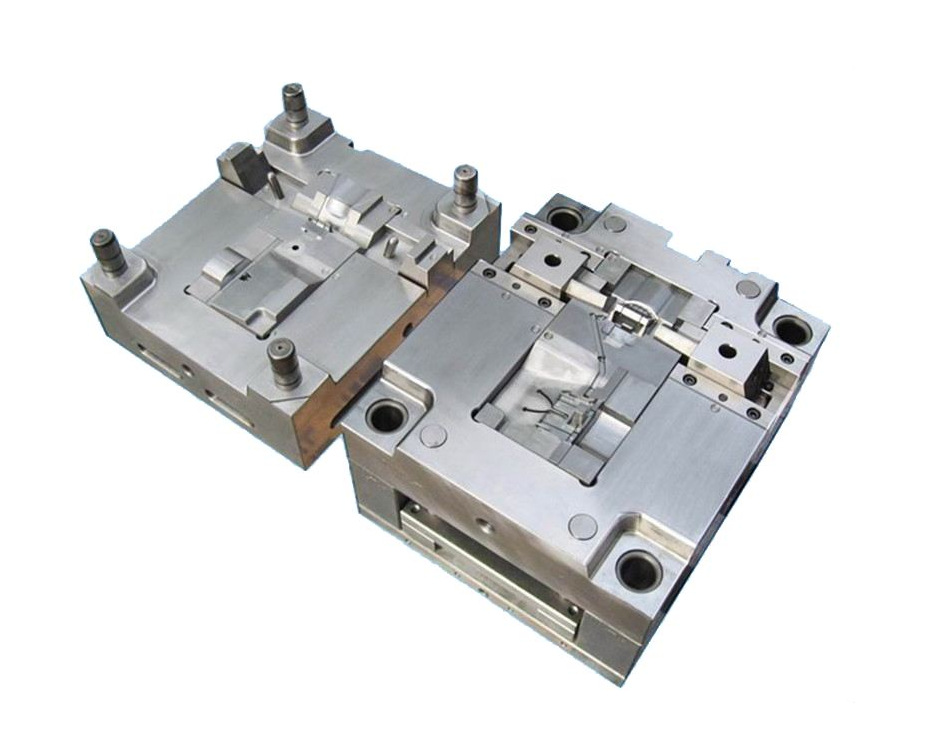
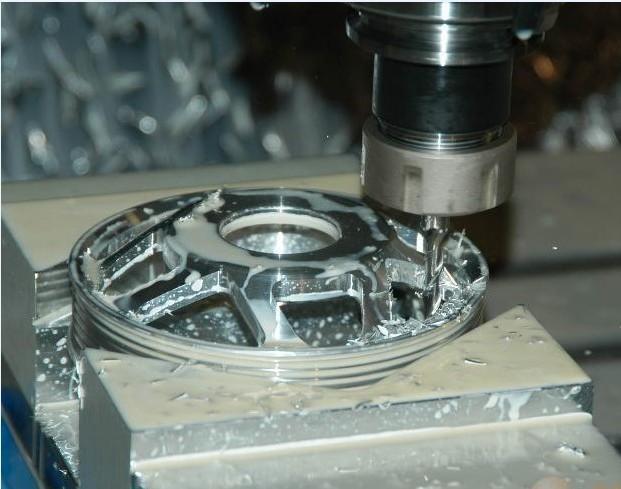
- 🔹 CNC & EDM Machining (40–60%): The largest part, including rough machining, precision CNC, micro EDM, and surface polishing.
- 🔹 Assembly & Testing (10–20%): Mold assembly, trial runs, part testing, and final inspection before delivery.
*This proportion is industry standard data for reference only.
Injection Mold Cost by Mold Type
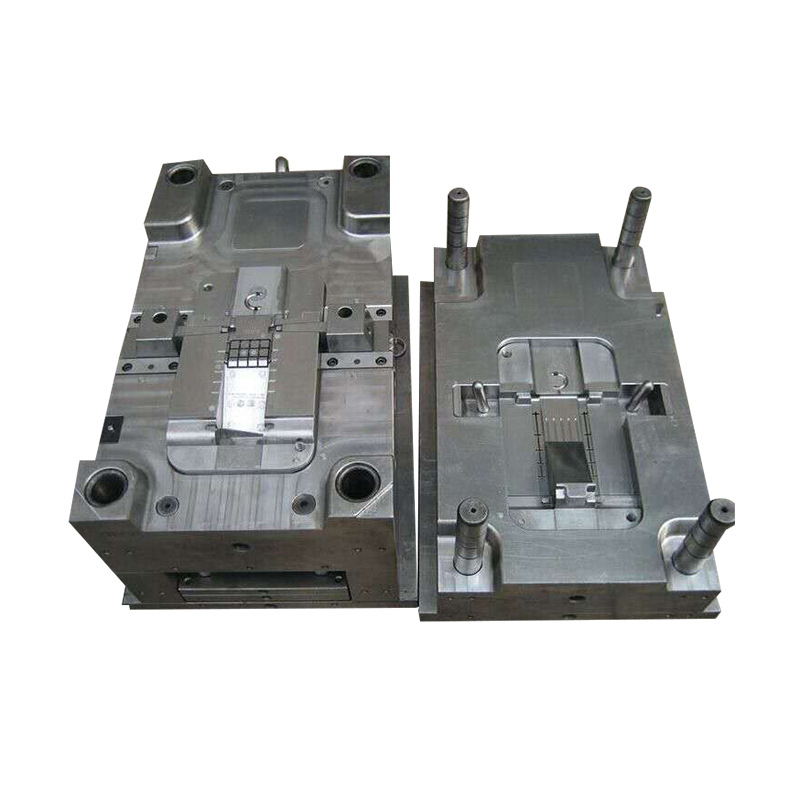
Different mold types have totally different cost and life, matching different production volume:
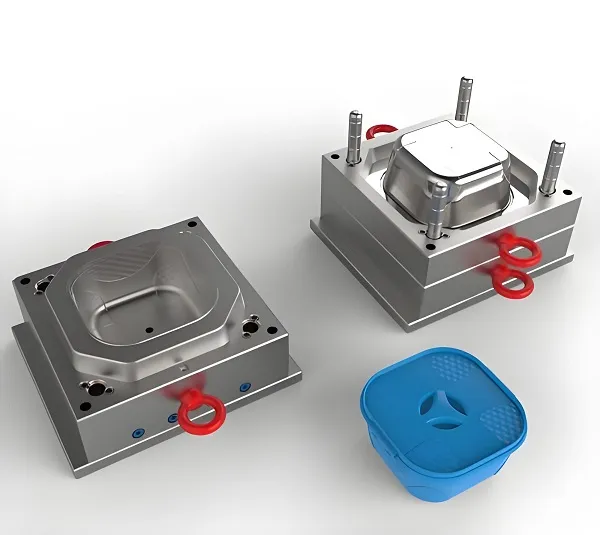
Prototype Mold
Price: $1,000–$5,000 | Life: 1,000–10,000 shots
Best for: Low volume testing, product prototyping, fast launch
Low-volume Production Mold
Price: $5,000–$15,000 | Life: 100,000–300,000 shots
Best for: Small batch production, mid-term market testing
Standard Production Mold
Price: $15,000–$50,000 | Life: 300,000–500,000 shots
Best for: Mass production, standard consumer parts
High-precision Multi-cavity Mold
Price: $50,000–$100,000+ | Life: 500,000–1,000,000+ shots
Best for: High volume small parts, automotive/medical parts
What Drives Injection Mold Cost?
Part & Mold Complexity
Undercuts, sliders or lifters can increase mold cost by 10–30% due to additional machining and assembly. Complex internal structure also adds extra processing time.
Cavity Quantity
More cavities mean higher mold cost, but lower per-part cost. 2-cavity mold cost is ~1.6x of single cavity, 4-cavity is ~2.2x, which brings 2x/4x production efficiency.
Tolerance Requirement
Standard tolerance (±0.01mm) has base cost, while ultra-precision tolerance (±0.002mm) will bring exponential cost increase, due to higher precision machining and testing.
Mold Material
Aluminum is the cheapest, while P20/718 is mid-range, H13/S136 for high wear/heat resistance is more expensive, but brings much longer mold life.
ROI Strategy: Choose Right Mold for Your Volume
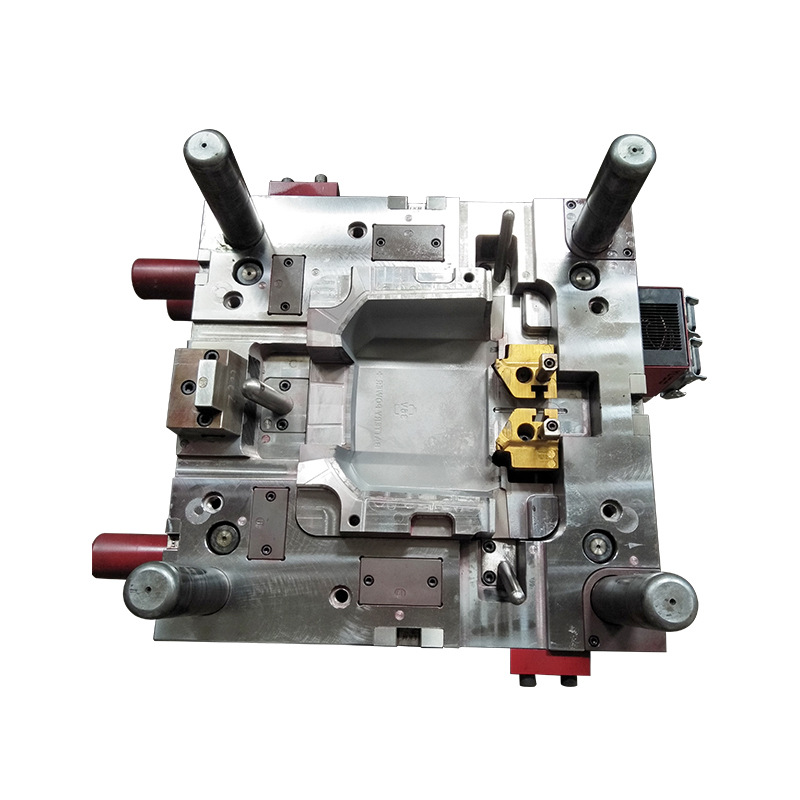
The biggest mistake we see is customers choose the wrong mold type for their production volume, which leads to extra cost or unstable quality. Here is our standard recommendation:
- Low volume (<5,000 pcs): Choose aluminum prototype mold. It’s the cheapest option, and enough for your small batch testing.
- Mid volume (5,000 – 100,000 pcs): Choose single cavity soft steel mold. It balances the tooling cost and part cost, perfect for mid-term production.
- High volume (>100,000 pcs): Choose multi-cavity hard steel mold. The higher upfront tooling cost will be offset by lower per-part cost and higher production efficiency, saving you 30%+ total cost in long run *Data for reference only.
How to Reduce Your Injection Mold Cost
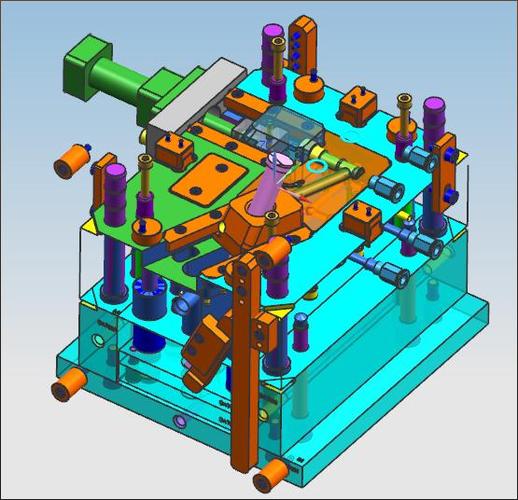
We have helped hundreds of customers reduce their mold cost by 15-30% with these actionable methods:
- Free DFM Analysis: Our engineering team will review your part design for free, optimize the structure to remove unnecessary complexity, which can reduce cost by up to 20%.
- Remove unnecessary tight tolerance: Many customers add tighter tolerance than they actually need, which increases machining cost. We will help you set the proper tolerance.
- Choose proper mold material: Don’t choose high-end steel if you only need low volume. We will suggest the most cost-effective material for your production volume.
- Start with single cavity first: If you are not sure about the market, start with single cavity first, you can upgrade to multi-cavity later when the product is validated.
*Our customers’ average cost reduction rate is 22% after DFM optimization, data for reference only.
Case Study
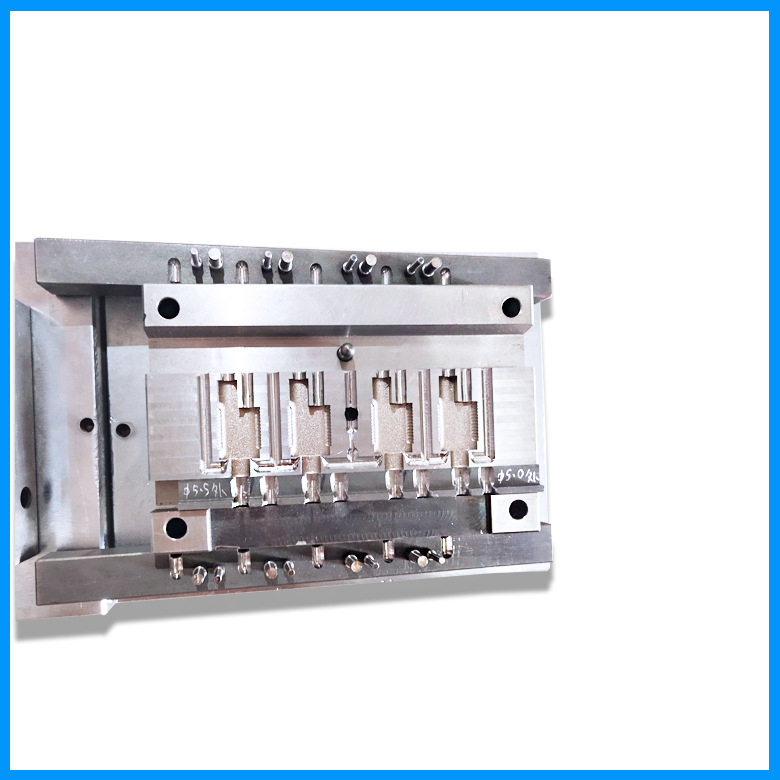
Consumer Electronics Housing Mold Cost Optimization
Client’s Original Plan: A consumer electronics client came to us with a design for a 4-cavity S136 steel mold, with an initial estimated cost of $18,000, and they planned to produce 100,000 parts first.
Our Optimization: We conducted free DFM analysis, found that they didn’t need 4 cavities for the initial 100k volume, and the standard P20 steel was enough instead of S136. We also optimized the part design to remove an unnecessary undercut.
Optimization Result
- Final mold cost reduced from $18,000 to $13,500, 25% cost reduction
- The mold still reached 300k+ shots life, enough for their production
- Lead time shortened by 1 week, helped them launch the product faster
- They saved $4,500 upfront cost without any quality loss
*All project data is for reference only.
Frequently Asked Questions
Q: Why is injection mold so expensive?
Injection mold is a custom precision tool, it requires professional engineering design, high-precision CNC/EDM machining, and multiple trial runs to ensure the quality. The cost is determined by the complexity and precision requirement of your part.
Q: How long does an injection mold last?
It depends on the mold material and part material. Aluminum mold can last 1-10k shots, P20 steel can last 300-500k shots, H13 and S136 can last 500k-1M+ shots for high volume production.
Q: Can I reduce my injection mold cost?
Yes, you can. We provide free DFM analysis to optimize your part design, remove unnecessary complexity or tight tolerance, and suggest the proper mold material for your volume, which can reduce cost by 15-30%.
Q: What is the cheapest injection mold type?
Aluminum prototype mold is the cheapest option, it costs $1,000-$5,000, perfect for low volume testing and prototyping. But it has shorter life, not suitable for mass production.
Q: Is aluminum mold worth it?
If you only need less than 10,000 parts for testing, yes, aluminum mold is much cheaper and faster than steel mold. But if you need mass production, steel mold will be more cost-effective in long run.
Ready to Get Your Custom Mold Cost Estimate?
Upload your part drawing now, we will provide you a free detailed cost estimate and free DFM analysis within 24 hours. We support NDA protection for your confidential design.