Engineering Reference · 2026 Edition
What Is the Most Common Material Used for CNC Tooling?
A complete selection guide covering carbide grades, high-speed steel, tool steels (H13 / D2 / SKD11), and workpiece-specific recommendations for aerospace, medical, robotics and automotive buyers.

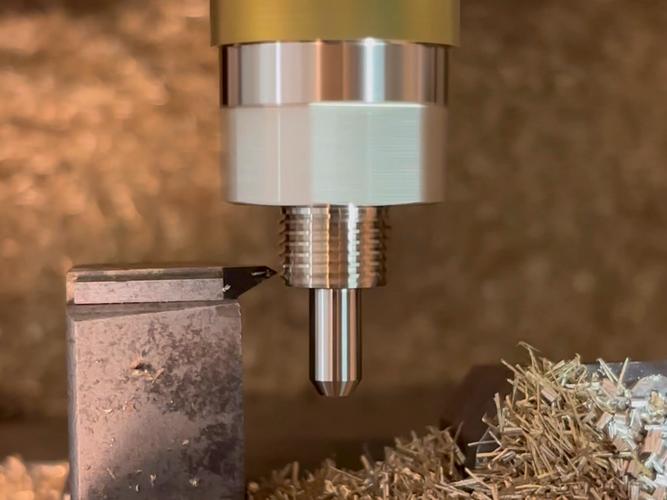
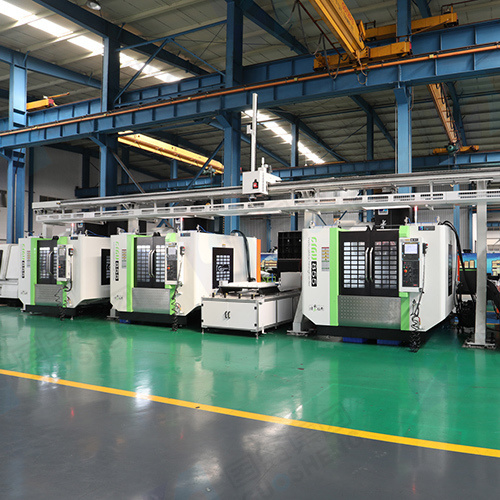
5-axis CNC cell running a carbide end mill on 7075 aluminum stock
For engineers and procurement teams
The most frequently specified option depends on the tooling category:
Dominates 70%+ of modern end mills, drills and inserts thanks to wear resistance and thermal stability.
H13, D2 and SKD11 are the workhorses for jigs, stamping dies and injection molds.
The default workpiece stock for CNC-machined components across most industries.
CNC Tooling Material Comparison
Side-by-side benchmark of the six most-specified substances in production tooling.
| Substance | Hardness | Wear Resistance | Max Service Temp | Cost Tier | Typical Use |
|---|---|---|---|---|---|
| Tungsten Carbide | 89–93 HRA | Excellent | ~1000 °C | Medium | End mills, drills, inserts |
| HSS (M2 / M42) | 62–68 HRC | Good | ~600 °C | Low | Taps, hand drills, reamers |
| Cermet | 91–94 HRA | Very Good | ~1200 °C | Medium-High | High-speed finishing |
| H13 Tool Steel | 38–52 HRC | Excellent | ~540 °C | Medium | Die-casting dies, molds |
| D2 Tool Steel | 60–62 HRC | Excellent | ~425 °C | Medium | Stamping & blanking dies |
| SKD11 | 58–62 HRC | Excellent | ~450 °C | Medium | Precision tooling, gauges |
Values reflect typical industrial ranges; specific grades and heat-treatment routes alter final properties.
Process & Manufacturing
How Carbide Cutting Tools Are Made
Powder metallurgy route — from tungsten ore to coated insert in seven stages.
Sintering furnace running WC-Co blanks at 1450 °C under vacuum
Tungsten carbide grains (1–3 µm) blended with 6–12% cobalt binder and paraffin wax. Particle size directly dictates final toughness vs. wear balance.
Cold isostatic pressing compacts the blend at 150–200 MPa into “green” inserts — about 60% theoretical density at this stage.
Vacuum furnace at 1380–1450 °C for 12–18 h. Cobalt melts and infiltrates the WC matrix, shrinking the part ~20% and reaching 99.5% density.
Hot Isostatic Pressing at 1100 °C / 100 MPa eliminates residual porosity, lifting transverse rupture strength above 3000 MPa.
Diamond wheel grinding achieves ±5 µm geometry tolerances and edge sharpness below 5 µm radius.
TiAlN or AlTiN layers (2–4 µm) deposited at 450–1000 °C, pushing service temperature to 1000 °C and reducing cutting forces 15–30%.
Brushed hone 10–40 µm to prevent micro-chipping; CMM and visual inspection complete the route.
Tooling Materials
Three Families Engineers Specify Every Day
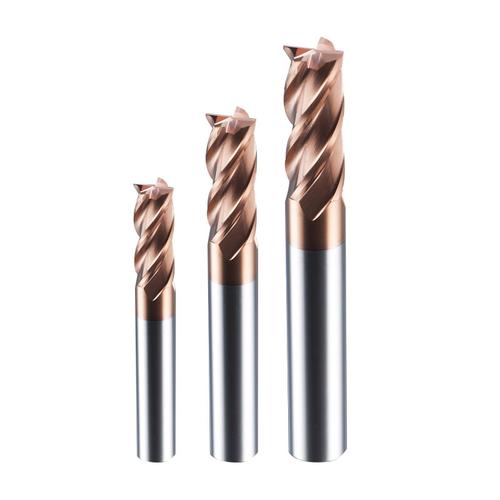
Tungsten Carbide (WC-Co)
A powder-metallurgy composite of tungsten carbide particles in a cobalt binder. Currently occupies roughly 70% of the global cutting tool market because it sustains cutting edges at temperatures above 800 °C where HSS loses hardness.
Best for: Production milling, turning and drilling of steels, stainless, cast iron and superalloys.
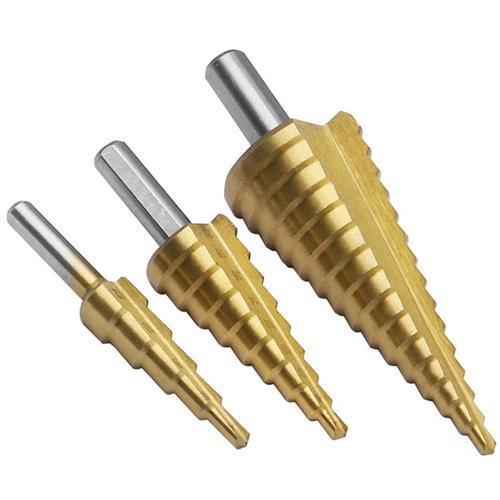
High-Speed Steel (HSS)
An alloyed tool steel containing tungsten, molybdenum, vanadium and chromium. Retains hardness up to 600 °C — far cheaper than carbide and far tougher, which makes it the default choice for fragile geometries like taps and small-diameter drills.
Best for: Low-volume shops, hand tools, taps, reamers, complex form cutters.
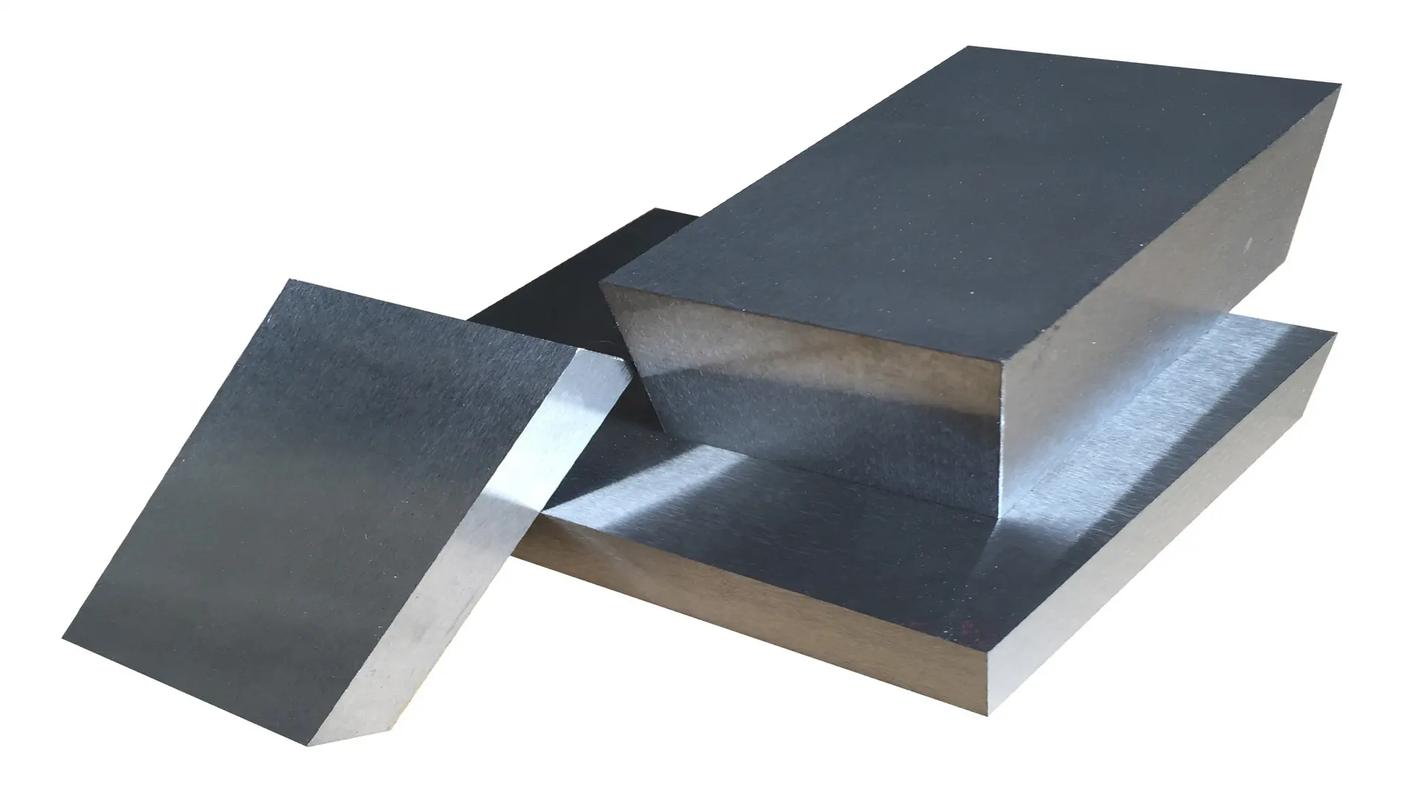
Tool Steel (H13 · D2 · SKD11)
Carbon-alloy steels engineered to hold an edge at elevated temperature while resisting thermal fatigue. These grades are not used for cutting chips — they form jigs, fixtures, stamps and molds that themselves shape other metals.
Best for: Stamp dies, injection molds, die-casting cavities, precision fixtures.
Decision Framework
Which Tool Should You Choose?
Recommendations based on the workpiece alloy being machined.
Deep Comparison
H13 vs D2 vs SKD11: Which Tool Steel?
A question engineers ask on every new die project — answered with data.
H13 (Hot-Work)
5% Cr, 1.5% Mo, 1% V. Designed for elevated-temperature service. Withstands thermal cycling to 540 °C without softening — that’s why every die-casting cavity you’ve ever seen is H13.
D2 (Cold-Work)
1.55% C, 12% Cr, 0.8% Mo. High carbon + high chromium = massive carbide volume and outstanding wear resistance. The trade-off is brittleness; D2 shatters if shocked.
SKD11 (JIS D2 Variant)
Compositionally close to D2 but with tighter vanadium and slightly lower carbon. Result: finer carbide distribution, better polishability — the default for Japanese-precision mold shops.
Selection rule of thumb: H13 when the die runs hot; D2 when the die runs cold and wear dominates; SKD11 when you need D2 performance plus mirror finish or Japanese-grade consistency.
Industry Scenarios
Where Each Substance Earns Its Place
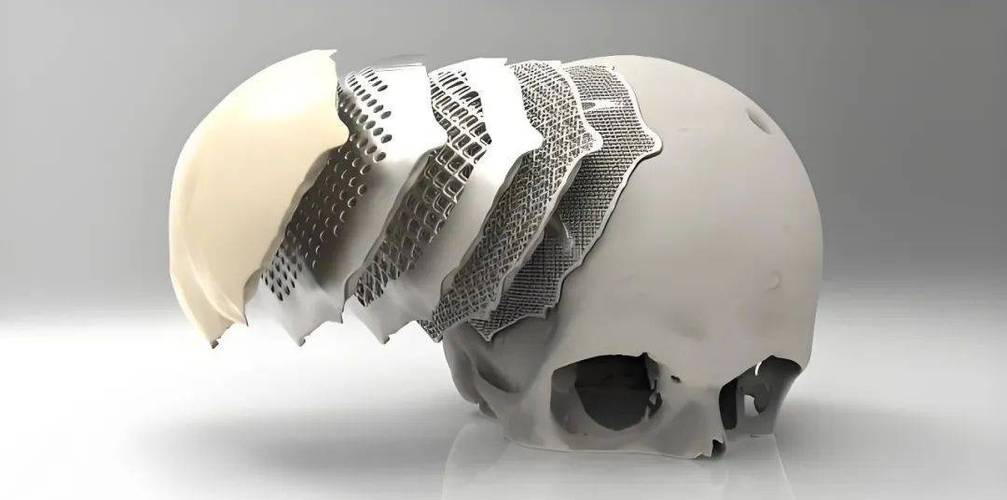
Real-world pairings of workpiece stock and tooling across four demanding sectors.


Lessons from the Shop Floor
Common CNC Tooling Mistakes
Field errors observed across 200+ projects — and what to do instead.
Using HSS for High-Speed Production
Result: Edge softens above 600 °C; tool life drops below 30 minutes.
Fix: Switch to coated carbide; expect 10–20× tool life at 3× spindle speed.
Choosing Tool Steel for Aluminum Machining
Result: Built-up edge forms within seconds; surface finish deteriorates.
Fix: Use polished, uncoated carbide; aluminum loves a sharp, smooth edge.
Uncoated Tools on Titanium
Result: Heat concentrates at the edge; catastrophic failure in 2 minutes.
Fix: TiAlN-coated carbide + through-tool coolant; keep SFM below 200.
Over-Specifying Expensive Grades
Result: PCD on 500-part runs burns budget with no ROI.
Fix: Match tool cost to volume: HSS <1k, carbide 1k–50k, PCD >50k.
Case Studies
Real Projects, Real Decisions
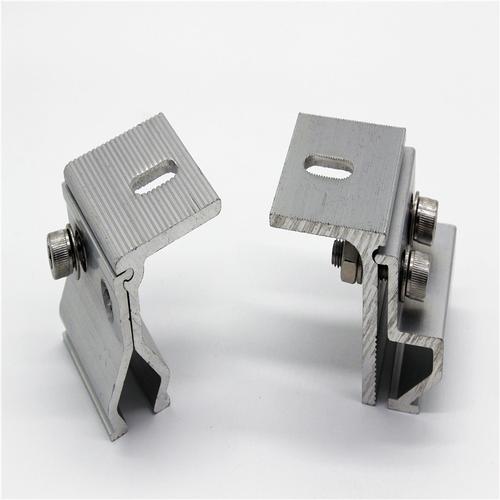
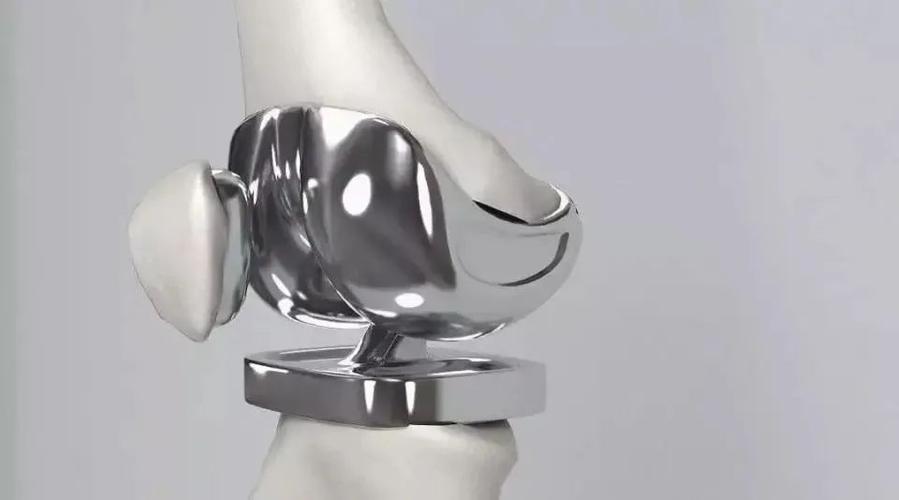
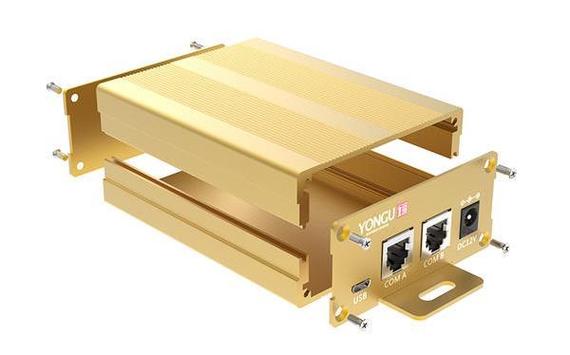
Three recent builds where the right tooling choice drove the outcome.
Partner with Goldcattle
Custom CNC Tooling & Precision Parts — Built to Your Drawing
Xiamen Goldcattle is an ISO 9001 certified CNC machining manufacturer based in Xiamen, China. We support OEMs and contract manufacturers across the United States, Germany, the UK and the Netherlands with carbide tooling, custom fixtures, stamping dies and finished production parts — all from one 6,000 m² facility.
5-Step Order Flow
1
2
3
4
5
FAQ
Frequently Asked Questions
What is the most common CNC cutting tool substance?
Tungsten carbide. It holds roughly 70% of the global cutting tool market thanks to its balance of hardness (89–93 HRA), wear resistance and acceptable cost.
Why is carbide preferred over HSS?
Carbide runs 3–5× faster, lasts 10–20× longer in production, and tolerates 1000 °C edge temperatures. HSS wins only on toughness, price and small-lot flexibility.
What tool is best for aluminum machining?
Polished, uncoated carbide with 2–3 flutes and high helix. PCD is justified above 10,000 parts per run.
What tooling is recommended for titanium?
TiAlN-coated carbide with through-tool coolant, sharp positive geometry, and SFM kept between 80 and 200.
Which tool steel is used for stamping dies?
D2 and SKD11 dominate cold-work stamping. Their 12% chromium carbide network delivers wear resistance at 60+ HRC.
H13 vs D2: which is better?
Neither — they serve different jobs. H13 for hot dies (die-casting, extrusion); D2 for cold stamping and blanking where wear dominates over shock.
What affects CNC tool life?
Cutting speed, feed per tooth, depth of cut, coating condition, coolant delivery, workpiece hardness, rigidity of the setup, and spindle runout — in roughly that order.
How do tooling substances impact machining cost?
Tooling is typically 3–8% of total part cost, but a wrong choice doubles cycle time. Coated carbide costs more per insert yet reduces cost-per-part by 20–40% in volume.
What tooling is best for high-volume production?
PCD-tipped inserts for non-ferrous; CBN for hardened steel; TiAlN-coated carbide for everything in between. The rule: amortize higher tool cost over more parts.
How do I choose tooling for a new project?
Start with workpiece hardness → set SFM accordingly → pick coating → validate with a 10-piece sample run. Goldcattle provides free DFM advice at quote stage.
Need a tooling recommendation for your next build?
Send your drawing — get a DFM report, fixed quote and tooling plan within 24 hours.
© 2026 Xiamen Goldcattle Technology Co., Ltd. · ISO 9001 Certified CNC Manufacturer · Serving OEMs in the US, EU and UK since 2009.