Understanding CNC Turning and Turned Metal Parts
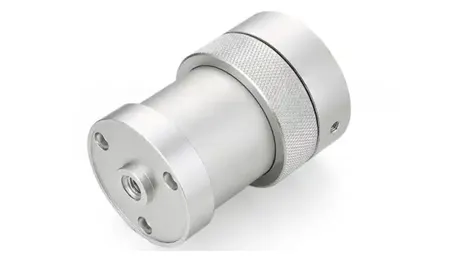
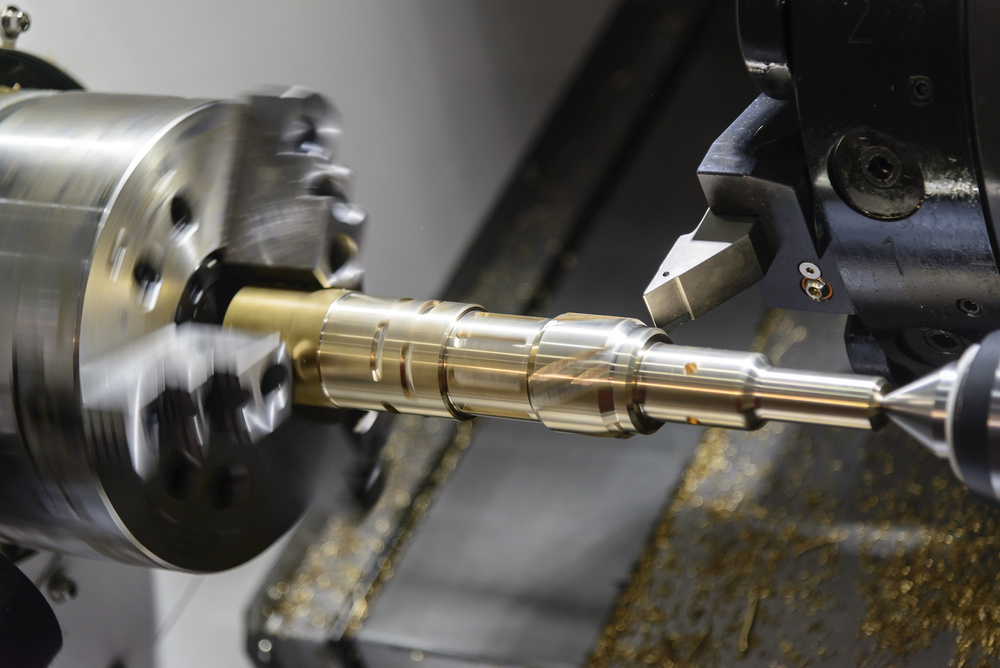
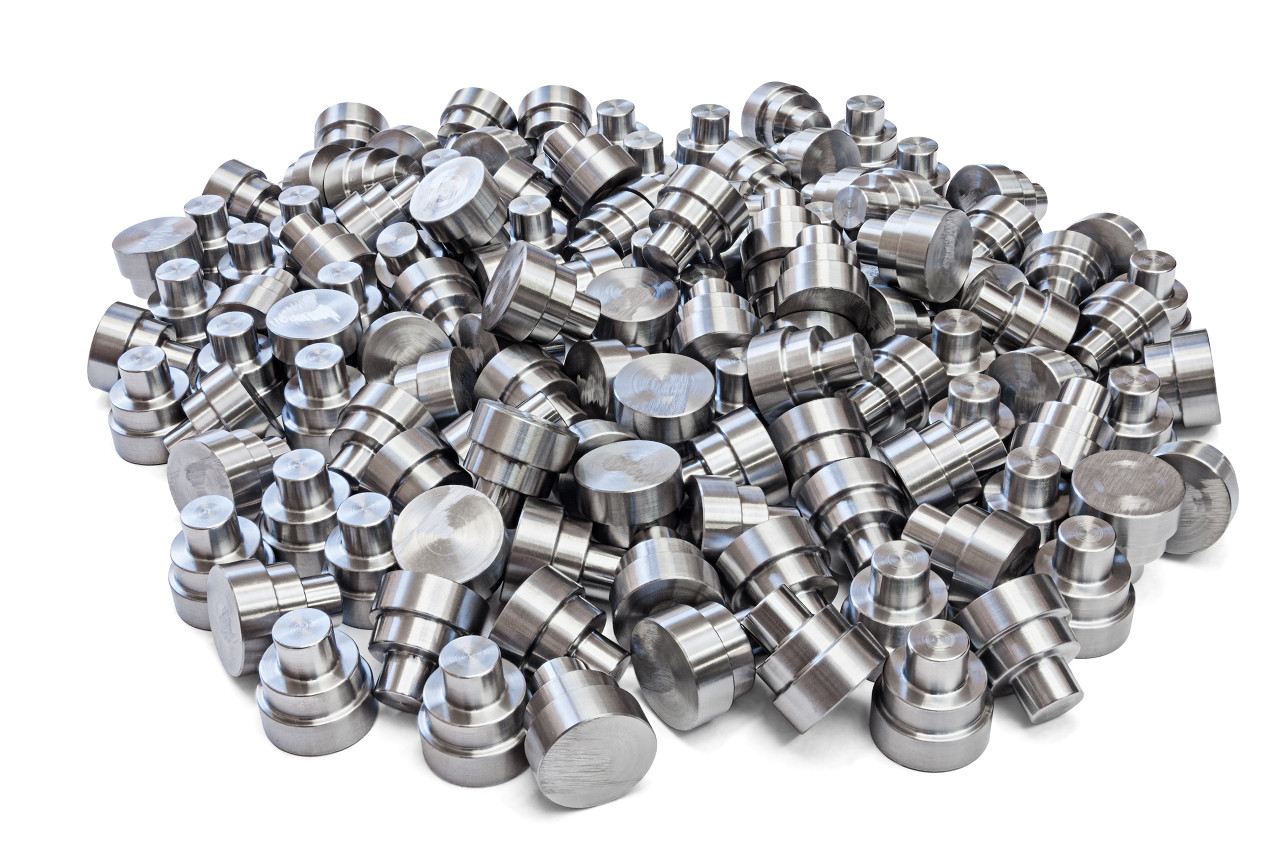
Metal turnings generally refer to metal chips or shaped components produced during the turning process. In manufacturing, metal turning is a CNC machining method where a rotating workpiece is cut by stationary tools to create cylindrical or rotational parts such as shafts, pins, bushings, and connectors.
✅ Rotational precision machining
✅ Creates cylindrical parts
✅ High efficiency for mass production
✅ Chips vs finished parts clarification
Metal Turnings vs Metal Chips: Understanding the Difference
The term “metal turnings” has two common meanings in manufacturing, which can cause confusion. We clarify the difference to help you understand the context:
What Is Metal Turning?
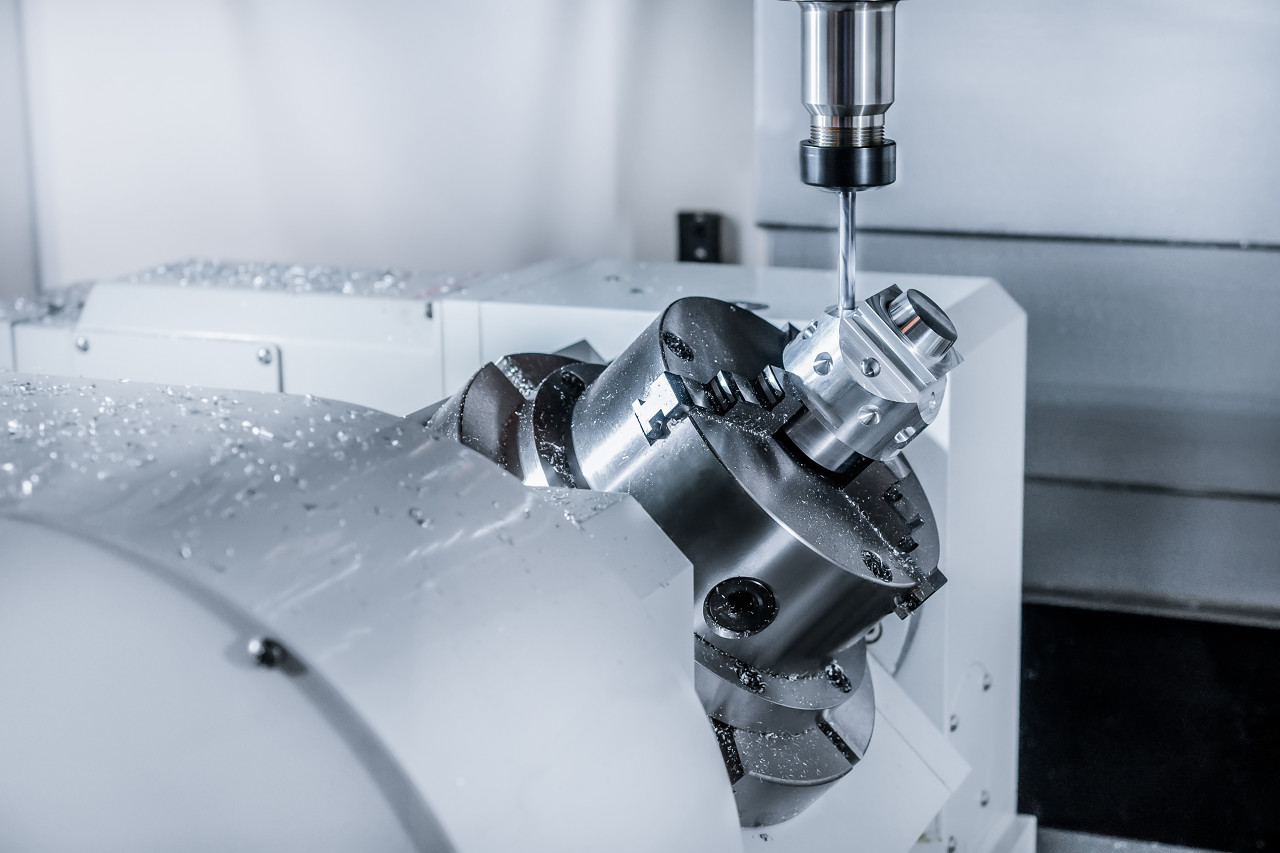
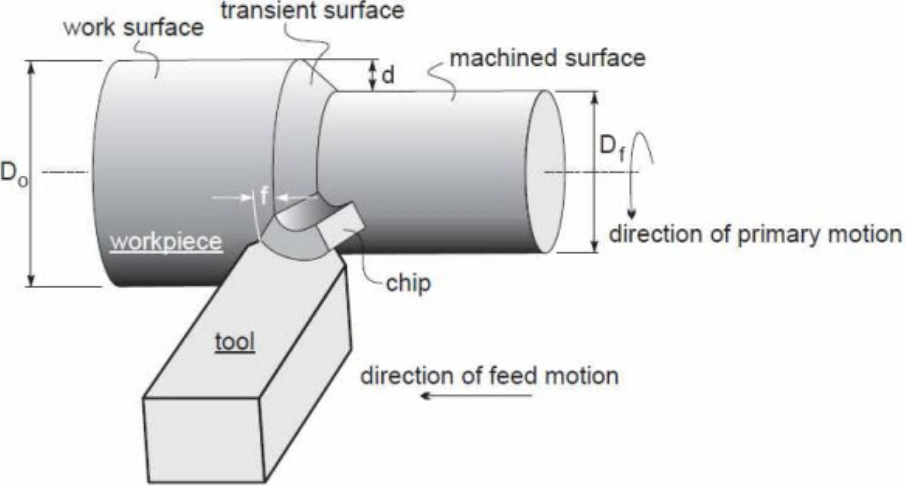
Metal turning is a subtractive CNC machining process where a workpiece is rotated at high speed, while stationary cutting tools move linearly to remove material and shape the part. This process is ideal for creating rotationally symmetric parts, and can produce a wide range of features including:
External Turning
Reducing the outer diameter of the workpiece to create cylindrical shapes.
Facing
Creating flat, perpendicular surfaces on the end of the workpiece.
Boring
Enlarging pre-drilled holes to create precise internal diameters.
Threading
Creating external or internal threads for fasteners and connections.
How CNC Turning Works
CNC turning follows a standardized, repeatable workflow to deliver precision parts with consistent quality:
Common Types of Turned Metal Parts
CNC turning is used to manufacture a wide range of precision parts for different industries. Here are the most common types of turned metal parts:
Shafts
Power transmission components for motors and machinery
Pins
Precision alignment and positioning components
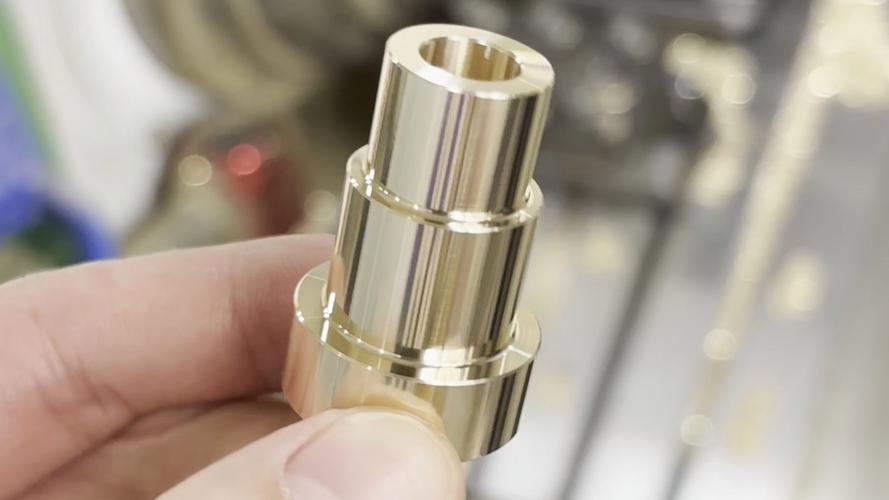
Bushings
Wear-resistant bearing and spacer components
Fasteners
Custom bolts, screws, and threaded fasteners
Connectors
Electrical and fluid connection components
Valve Parts
Precision spools and bodies for hydraulic systems
CNC Turning vs Milling: What’s the Difference?
Turning and milling are both CNC machining processes, but they work in completely different ways, making them suitable for different types of parts:
Materials Commonly Used for Metal Turning
We support CNC turning on a wide range of metal materials, each with unique properties for different applications:
Common Challenges in Metal Turning
Our engineering team has years of experience addressing the common challenges in metal turning, ensuring we deliver high-quality parts even for the most demanding projects:
Chatter Vibration
Long slender shafts may experience chatter due to insufficient rigidity. We optimize tool path and use follow rests to eliminate this issue.
Tool Wear
Hard materials can cause rapid tool wear. We use coated carbide tools and optimize cutting parameters to extend tool life.
Heat Generation
High-speed cutting generates significant heat. We use high-pressure coolant systems to control temperature and prevent part deformation.
Chip Control
Long continuous chips can damage parts. We use chip-breaking tools and optimized parameters to manage chip evacuation.
Goldcattle’s CNC Turning Capabilities
As a professional precision CNC manufacturer, we have full in-house capabilities to deliver custom turned parts from prototype to mass production, with strict quality control:
Advanced Production Equipment
- 3-axis/4-axis CNC lathes with live tooling for complex parts
- Swiss turning machines for micro precision small parts
- Automated part handling system for consistent production quality
- Precision measurement equipment for dimensional verification
Engineering & Technical Expertise
- Precision tolerance control down to ±0.005mm for critical parts
- 10+ years of DFM analysis experience, reducing production cost
- Support for hard turning, hard milling, and precision threading
- Flexible capacity: from 1 prototype to 1,000,000+ mass units
Global Quality Certifications
- ISO 9001:2015 Quality Management System
- ISO 13485:2016 Medical Device Quality Management
- IATF 16949:2016 Automotive Quality Management
- RoHS, REACH material compliance for global market access
What Information Do We Need for Your CNC Turning Quote?
To provide you with an accurate, fast quote for your CNC turning project, we recommend preparing the following information. This helps us avoid back-and-forth communication and deliver your quote within 24 hours:
3D CAD File
Your part’s 3D model, preferably in STEP or IGES format, for CNC machining.
Material Specification
The material of your part, such as aluminum, stainless steel, brass, etc.
Tolerance & Finish
Critical dimensional tolerances and surface finish requirements.
Production Volume
Your expected production quantity, to optimize our process and pricing.
Frequently Asked Questions
What are metal turnings?
Metal turnings can refer to two things: the small cutting chips produced during turning, or the finished precision parts manufactured by the CNC turning process. In manufacturing, it most commonly refers to turned metal parts.
Are metal turnings waste or finished parts?
It depends on the context. In waste management, metal turnings are the scrap chips that are recycled. In manufacturing procurement, metal turnings refer to the finished turned parts that are used in products.
What parts are made by turning?
Turning is used to make rotationally symmetric parts, such as shafts, pins, bushings, fasteners, connectors, valve parts, and other cylindrical components.
What’s the difference between turning and milling?
Turning uses a rotating workpiece and stationary tool to make cylindrical parts, while milling uses a rotating tool on a stationary workpiece to make complex shapes. Turning is faster for round parts, while milling is more versatile.
How accurate is CNC turning?
Our CNC turning can achieve precision tolerances down to ±0.005mm, making it suitable for even the most demanding precision engineering applications.
What metals can be turned?
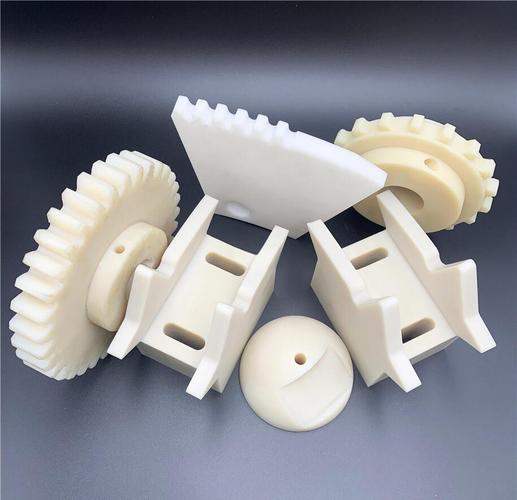
We can turn most common metals, including aluminum, stainless steel, brass, titanium, steel, and copper, as well as many plastics.