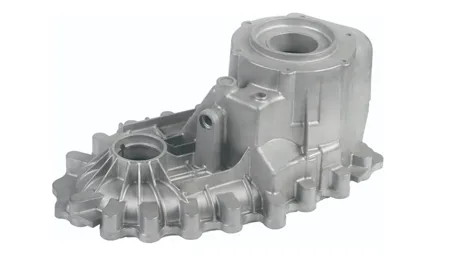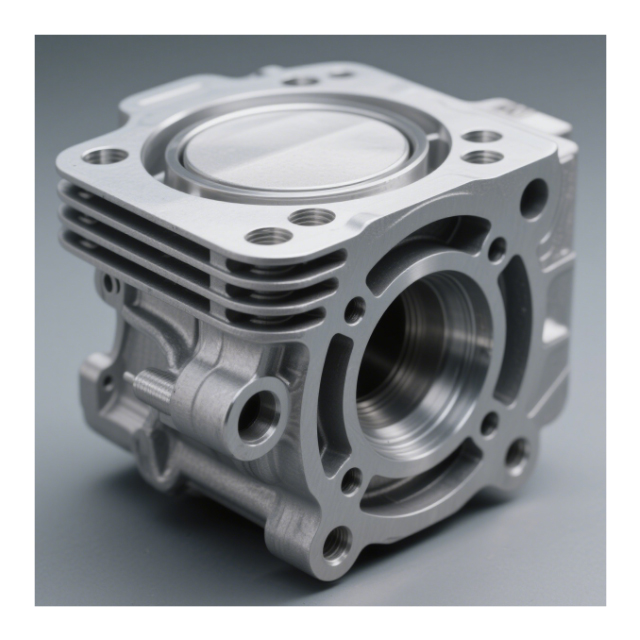
CNC aluminum machining is a precision manufacturing process that uses computer numerical control (CNC) machines to shape aluminum alloys into complex components with exceptional accuracy.
Aluminum is the most commonly used material in CNC machining due to its excellent strength-to-weight ratio, corrosion resistance, and machinability.
This comprehensive guide covers everything you need to know about CNC aluminum machining, including materials, processes, applications, surface finishing, tolerances, cost factors, and design considerations.
What Is CNC Aluminum Machining
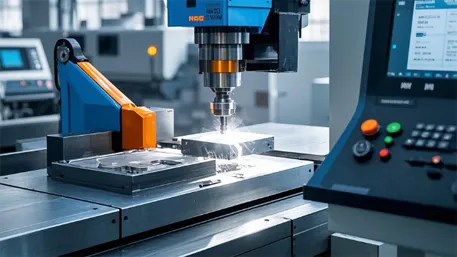
CNC aluminum machining is a subtractive manufacturing process where aluminum billets, plates, or extrusions are precisely cut using CNC-controlled tools to produce finished components.
The process involves programming CNC machines with G-code and M-code instructions to automate cutting operations.
Key Characteristics of Aluminum for CNC Machining:
- Machinability: Aluminum has excellent machinability ratings (85-90% compared to 100% for free-cutting brass)
- Lightweight: Density of 2.7 g/cm³, 65% lighter than steel
- Corrosion Resistance: Naturally forms a protective oxide layer
- Thermal Conductivity: 205 W/m·K, excellent for heat dissipation
- Electrical Conductivity: 61% IACS, ideal for electrical components
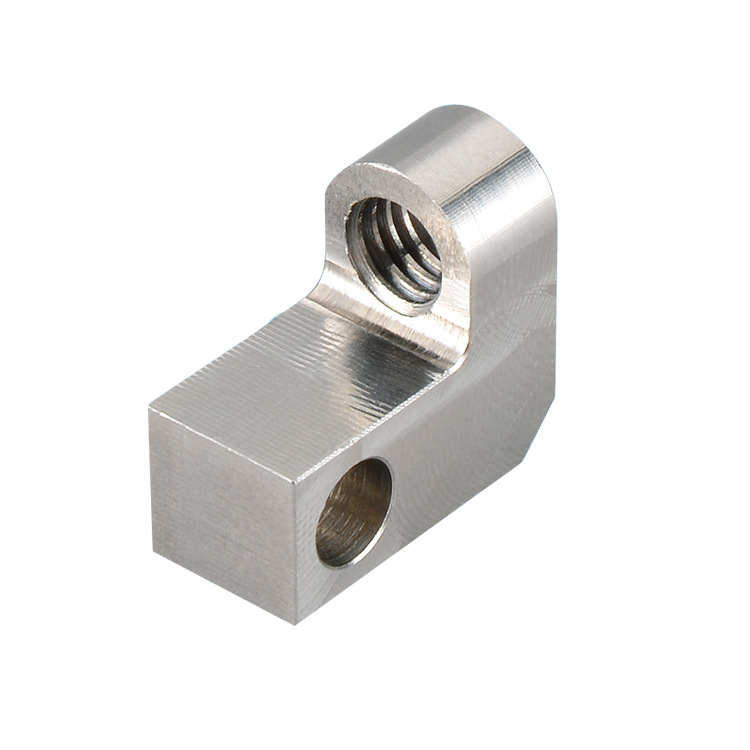
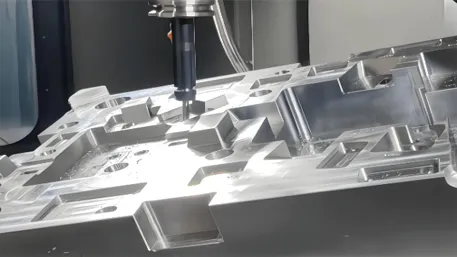
Precision CNC machined aluminum component showing complex geometry
Advantages of CNC Aluminum Machining Parts
Lightweight but Strong
Aluminum offers an exceptional strength-to-weight ratio, making it ideal for applications where weight reduction is critical without compromising structural integrity.
6061-T6 aluminum has a tensile strength of 310 MPa while weighing only 2.7 g/cm³.
Excellent Machinability
Aluminum can be machined at high speeds (up to 4x faster than steel) with minimal tool wear. This results in shorter production cycles and lower manufacturing costs.
Good Corrosion Resistance
Aluminum naturally forms a thin, protective oxide layer that resists corrosion. This makes it suitable for outdoor, marine, and chemical environments.
High Precision Machining
Aluminum’s stable dimensional characteristics allow for tight tolerances up to ±0.005 mm, making it ideal for precision components.
Cost-effective Production
Lower material costs compared to titanium or stainless steel, combined with faster machining speeds, result in overall lower production costs. Aluminum is also 100% recyclable without losing its properties.
Common Aluminum Grades for CNC Machining
Choosing the right aluminum grade is crucial for achieving optimal performance and cost-effectiveness. Below are the most commonly used aluminum alloys in CNC machining:
| Grade | Alloy System | Tensile Strength (MPa) | Yield Strength (MPa) | Key Characteristics | Typical Applications |
|---|---|---|---|---|---|
| 6061-T6 | Al-Mg-Si | 310 | 276 | Good strength, excellent weldability, corrosion resistance | General parts, automotive components, bicycle frames, electronic enclosures |
| 7075-T6 | Al-Zn-Mg-Cu | 572 | 503 | Highest strength aluminum, good fatigue resistance | Aerospace components, high-performance parts, mold tools, sports equipment |
| 2024-T3 | Al-Cu | 470 | 325 | High strength, excellent fatigue resistance | Aircraft structures, military components, fasteners |
| 5052-H32 | Al-Mg | 232 | 195 | Excellent corrosion resistance, good formability | Marine applications, fuel tanks, heat exchangers, chemical equipment |
| 6082-T6 | Al-Mg-Si | 350 | 310 | Higher strength than 6061, good machinability | Heavy-duty structural parts, automotive chassis, industrial machinery |
CNC Aluminum Machining Processes
CNC Milling Aluminum
CNC milling is the most common process for aluminum parts, using rotating cutting tools to remove material from a workpiece.
It’s ideal for creating complex shapes, slots, holes, and 3D surfaces.
- Suitable for: Complex geometries, cavities, pockets
- Typical tolerances: ±0.01 mm to ±0.05 mm
- Surface finish: Ra 1.6-3.2 μm as-machined
CNC Turning Aluminum
CNC turning uses a lathe with a cutting tool that removes material from a rotating workpiece.
It’s perfect for cylindrical parts like shafts, bushings, and connectors.
- Suitable for: Round parts, shafts, threads
- Typical tolerances: ±0.005 mm to ±0.02 mm
- Surface finish: Ra 0.8-1.6 μm as-machined
5 Axis Aluminum Machining
5-axis machining allows tools to move along five different axes simultaneously, enabling the production of highly complex parts with minimal setup changes.
- Suitable for: Complex aerospace components, medical devices
- Typical tolerances: ±0.002 mm to ±0.01 mm
- Reduced setup time for complex parts
Process Parameters
Recommended Cutting Speeds:
- Roughing: 1500-3000 SFM (457-914 m/min)
- Finishing: 3000-6000 SFM (914-1829 m/min)
- Drilling: 1000-2000 SFM (305-610 m/min)
Applications of CNC Aluminum Machined Parts
Automotive
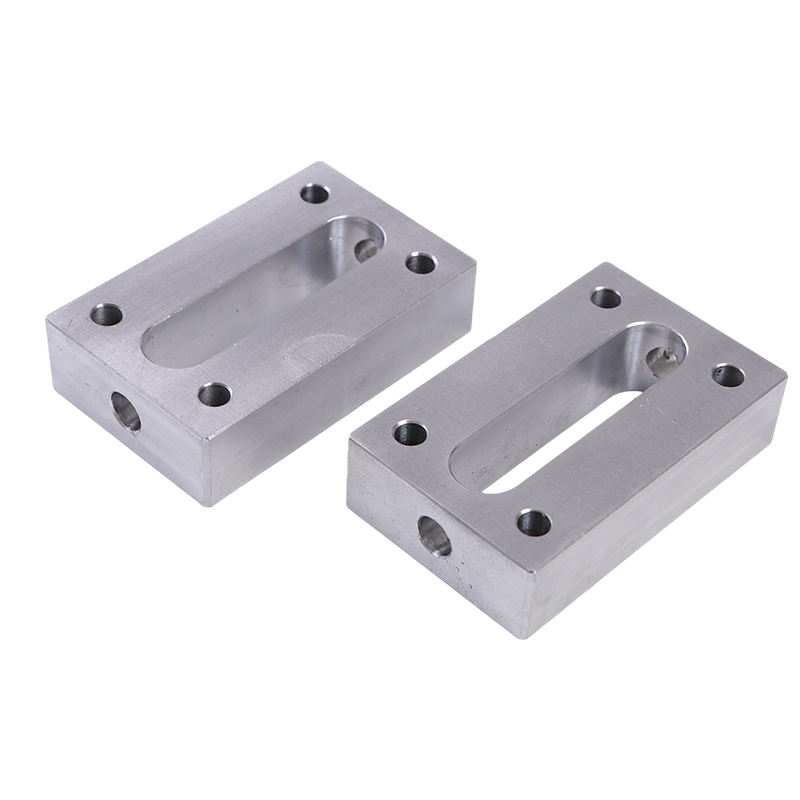
- Engine components
- Transmission housings
- Suspension parts
- Brake system components
Aerospace
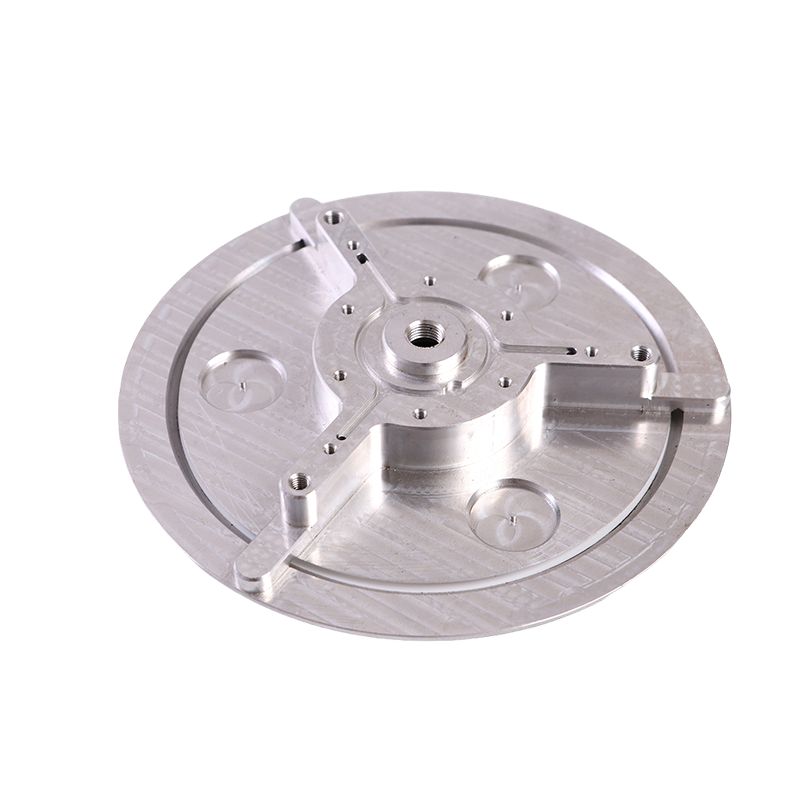
- Aircraft structural parts
- Engine mounts
- Avionics enclosures
- Hydraulic system components
Electronics
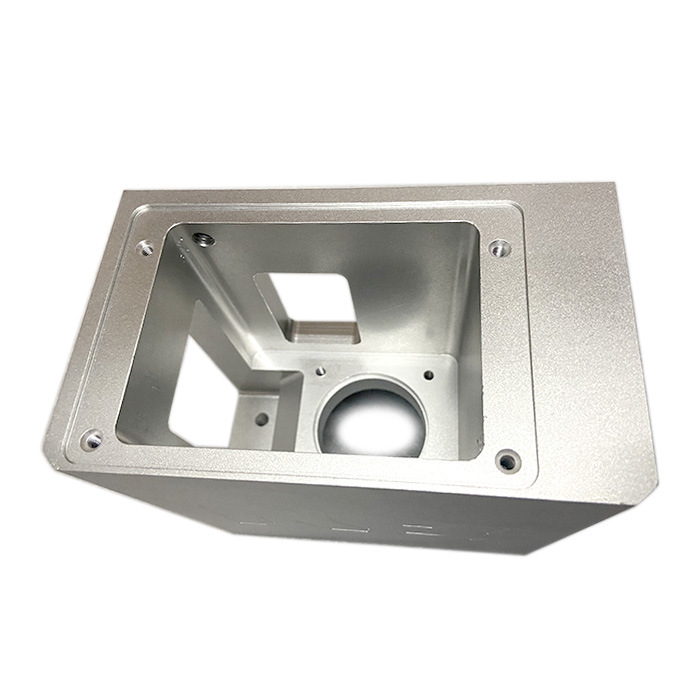
- Computer chassis
- Heat sinks
- Connector housings
- RF shielding components
Medical
- Surgical instruments
- Medical device housings
- Imaging equipment components
- Laboratory apparatus
Industrial Equipment
- Machine tool components
- Hydraulic manifolds
- Gearboxes
- Robotic arms
Consumer Products
- Camera lenses and bodies
- Bicycle components
- Sports equipment
- Audio equipment enclosures
Surface Finishing for CNC Aluminum Parts
Surface finishing is essential for enhancing the performance, durability, and appearance of CNC aluminum parts.
The choice of finishing process depends on the application requirements and desired aesthetic.
| Finish Type | Process Description | Key Benefits | Typical Applications |
|---|---|---|---|
| Anodizing | Electrochemical process that creates a protective oxide layer | Excellent corrosion resistance, increased hardness, decorative coloring | Electronic enclosures, aerospace components, architectural parts |
| Sandblasting | High-pressure abrasive cleaning to create uniform surface texture | Removes tool marks, improves adhesion for painting, matte finish | Preparation for other finishes, decorative applications |
| Powder Coating | Electrostatic application of dry powder followed by curing | Durable, scratch-resistant, wide color range, environmentally friendly | Outdoor equipment, automotive parts, consumer products |
| Polishing | Mechanical or chemical process to create smooth, shiny surface | Excellent aesthetic appearance, reduced friction, easy cleaning | Decorative parts, food processing equipment, optical components |
| Chromate Conversion | Chemical treatment to create protective chromate layer | Corrosion protection, excellent paint adhesion, electrical conductivity | Electrical components, aerospace parts, fasteners |
Anodizing Types and Specifications
Type I (Chromic Acid)
- Thickness: 0.5-2.5 μm
- Good corrosion resistance
- Used for aerospace parts
Type II (Sulfuric Acid)
- Thickness: 5-25 μm
- Can be dyed various colors
- Most common type
Type III (Hardcoat)
- Thickness: 25-100 μm
- Excellent wear resistance
- Used for high-wear applications
CNC Aluminum Machining Tolerances
Tolerance control is critical for ensuring proper fit and function of CNC machined aluminum parts.
Aluminum’s stable dimensional characteristics allow for very tight tolerances compared to other materials.
Standard Tolerance Levels
| Feature Type | Standard Tolerance | Precision Tolerance |
|---|---|---|
| General dimensions | ±0.05 mm | ±0.02 mm |
| Precision fits | ±0.02 mm | ±0.01 mm |
| Bearing seats | ±0.01 mm | ±0.005 mm |
| High-precision bores | ±0.005 mm | ±0.002 mm |
Factors Affecting Tolerance
- Machine Type: 5-axis machines offer better precision than 3-axis machines
- Part Geometry: Long, thin parts are more prone to deflection
- Tool Selection: Rigid tools reduce vibration and improve accuracy
- Cutting Parameters: Optimal feeds and speeds minimize heat-induced distortion
- Workholding: Proper fixturing prevents part movement during machining
- Environmental Conditions: Temperature control is critical for tight tolerances
Tolerance Standards
ISO 2768-m: Medium tolerance class for general applications
ISO 2768-f: Fine tolerance class for precision applications
ASME Y14.5: American standard for geometric dimensioning and tolerancing
Aluminum CNC Machining Cost Factors
Understanding the factors that influence CNC aluminum machining costs is essential for effective budgeting and cost optimization.
The total cost is determined by a combination of material, labor, equipment, and overhead factors.
Material Costs (20-30% of total)
- Aluminum grade: 7075 costs ~30% more than 6061
- Material form: Billets cost more than plates or extrusions
- Material waste: Complex parts may have 50-70% material waste
- Material price trends: Subject to global market fluctuations
Part Complexity (30-40% of total)
- Number of operations: Each additional operation increases cost
- Feature complexity: Deep holes, thin walls, and tight radii increase time
- Number of setups: Multiple setups require additional time and labor
- Tool access: Difficult-to-reach features require specialized tools
Machining Time (25-35% of total)
- Cutting volume: More material removal increases cycle time
- Feed rates and speeds: Precision machining requires slower speeds
- Tool changes: Frequent tool changes increase non-cutting time
- Machine type: 5-axis machines have higher hourly rates
Surface Finish (10-15% of total)
- As-machined: Lowest cost (Ra 1.6-3.2 μm)
- Polished: Requires additional finishing operations
- Anodizing: Adds $0.50-$2.00 per square foot
- Special coatings: Powder coating, plating, etc.
Cost Impact of Tolerance Requirements
Standard Tolerance
±0.1 mm
Base cost: 100%
Precision Tolerance
±0.05 mm
Cost increase: 15-30%
High Precision
±0.01 mm
Cost increase: 50-100%
Ultra Precision
±0.005 mm
Cost increase: 100-200%
Design Tips for CNC Aluminum Parts
Proper design for manufacturability (DFM) is essential for optimizing CNC aluminum machining processes, reducing costs, and improving quality.
These design guidelines help ensure your parts can be produced efficiently and economically.
Wall Thickness
- Minimum wall thickness: 1.5 mm for aluminum
- Recommended minimum: 2.0 mm for better stability
- Avoid thin walls longer than 10x their thickness
- Add fillets and radii to reduce stress concentrations
Hole Depth
- Maximum recommended depth: 5x hole diameter
- For deeper holes, use step drilling or gun drilling
- Add relief features at the bottom of deep holes
- Consider using standard drill sizes to reduce tooling costs
Corner Radius
- Internal corners must have a radius matching tool size
- Minimum radius: 0.5 mm for small tools
- Larger radii allow faster machining and better tool life
- Use dog-bone features for sharp internal corners if required
Thread Design
- Use standard thread sizes (metric or imperial)
- Minimum thread depth: 1.5x thread diameter
- Add a relief at the end of threaded holes
- Consider using inserts for high-load thread applications
Advanced Design Considerations
Draft Angles
Include 1-3° draft angles for easier part ejection from fixtures and better surface finish.
Uniform Wall Thickness
Maintain uniform wall thickness to prevent warping and ensure consistent machining.
Tool Access
Ensure all features are accessible from standard tool angles to avoid complex setups.
How to Order Custom CNC Aluminum Parts
1. Upload CAD
Submit your 3D CAD file in STEP, IGES, or SolidWorks format
2. Engineering Review
Our engineers review your design for manufacturability
3. Quotation
Receive detailed pricing and lead time within 24 hours
4. Production
CNC machining, quality inspection, and surface finishing
5. Shipping
Secure packaging and worldwide delivery
Required Information for Quotation
- Material specification (alloy grade and temper)
- Quantity required
- Tolerance requirements
- Surface finish specifications
- Heat treatment requirements
- Testing and inspection requirements
- Delivery deadline
- Special packaging requirements
Frequently Asked Questions
Why is aluminum widely used in CNC machining?
Aluminum is widely used due to its excellent combination of properties: lightweight, good strength-to-weight ratio, excellent machinability, corrosion resistance, and relatively low cost. It can be machined at high speeds with minimal tool wear, making it very cost-effective for production.
What aluminum grade is best for CNC machining?
The best aluminum grade depends on the application. 6061-T6 is the most versatile and commonly used grade for general applications. 7075-T6 offers the highest strength for demanding applications. 5052-H32 provides excellent corrosion resistance for marine environments.
How accurate is aluminum CNC machining?
CNC aluminum machining can achieve very tight tolerances. Standard tolerances are ±0.05 mm, precision tolerances can be ±0.01 mm, and ultra-precision tolerances down to ±0.002 mm are possible with specialized equipment and processes.
Is aluminum cheaper than steel in machining?
Yes, aluminum is generally cheaper than steel in machining. While material costs are comparable, aluminum can be machined 3-4 times faster than steel, significantly reducing labor and machine time costs. Aluminum also produces less tool wear.
What industries use aluminum CNC parts?
Aluminum CNC parts are used in almost every industry, including aerospace, automotive, electronics, medical, industrial equipment, consumer products, and construction. Its versatility makes it suitable for a wide range of applications.
Can aluminum parts be anodized?
Yes, aluminum parts can be anodized to improve corrosion resistance, increase surface hardness, and add decorative color. Anodizing is an electrochemical process that creates a protective oxide layer on the aluminum surface.
Ready to Start Your CNC Aluminum Machining Project?