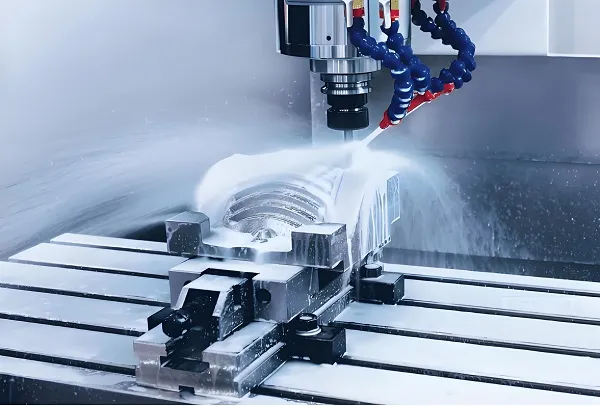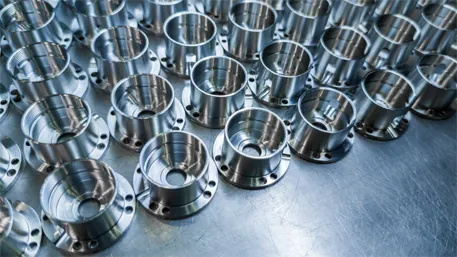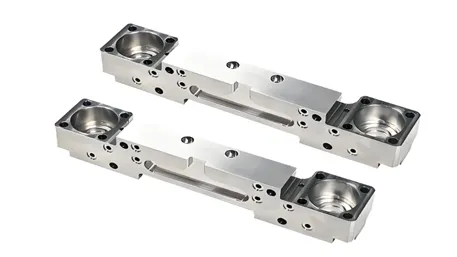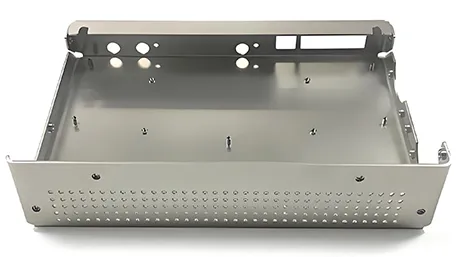
We manufacture custom stainless steel springs for various industries, helping engineers and sourcing managers select the right spring type, material, and performance specifications. With 26 years of spring manufacturing experience, we provide full engineering support to ensure your spring works perfectly for your application. Note: CNC machining is used as secondary operation for precision end processing, while the core spring manufacturing relies on precision coiling and heat treatment.
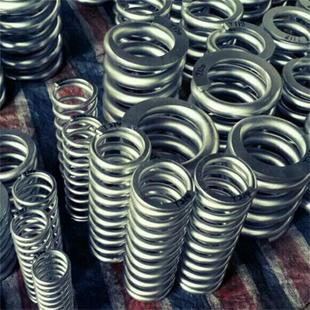
Spring Types & Selection Guide
Choosing the right spring type is the first step of your project. Below are the common types and their application scenarios:
Compression Springs
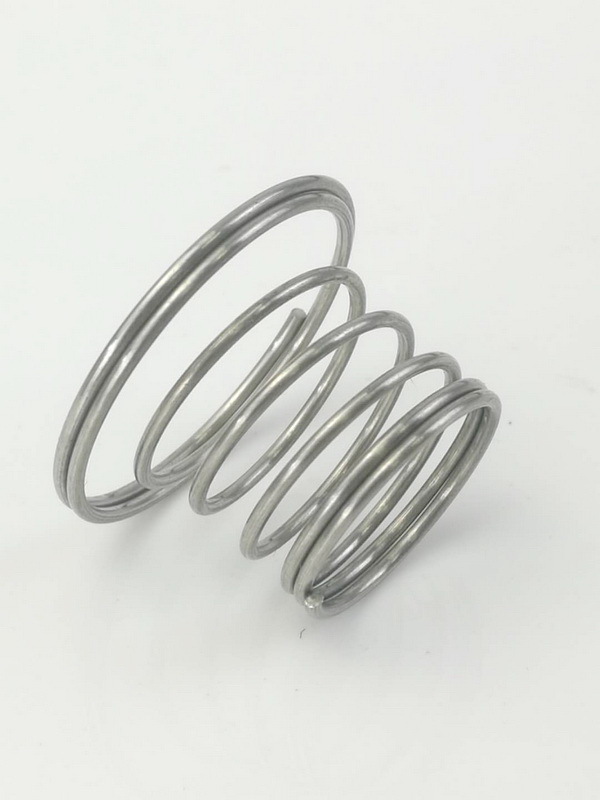
- Resist compressive load force
- Return to original length after load release
- Most common spring type
- Ideal for: Automotive valves, industrial equipment, consumer electronics
Extension Springs
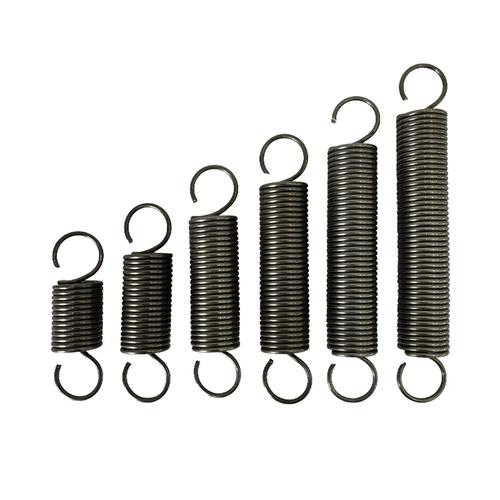 Custom extension springs with hooks/loops
- Resist tensile tension force
- Keep components pulled together
- With custom hooks or loops for installation
- Ideal for: Garage doors, farm equipment, medical devices
Torsion Springs
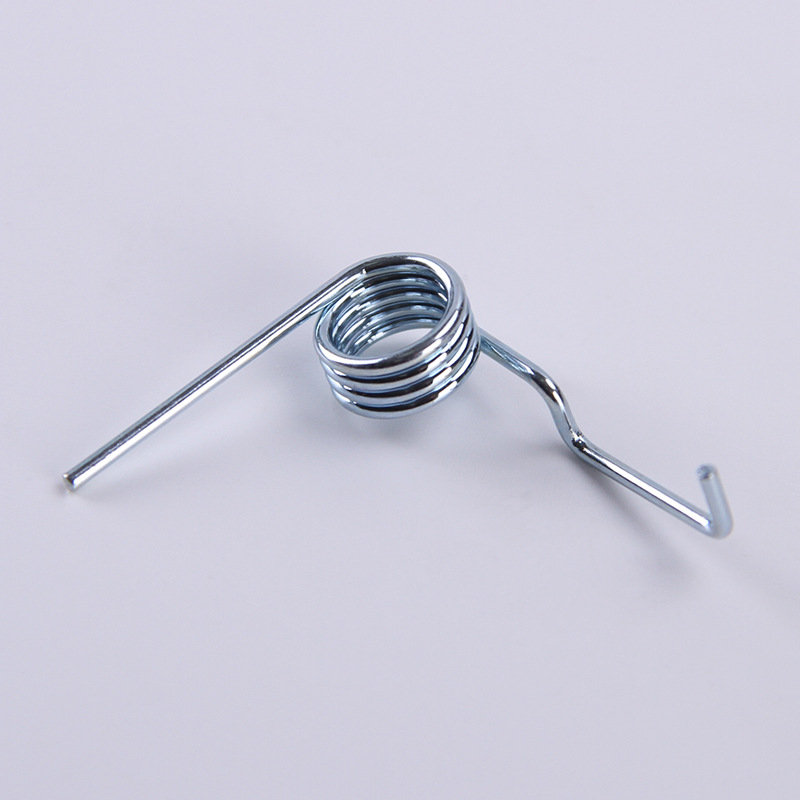
- Work with rotational force
- Store rotational energy to return parts to position
- Custom torque performance available
- Ideal for: Hinges, clips, switches, automotive mechanisms
How to Choose the Right Spring?
- Identify your load type: Compression? Tension? Rotation?
- Check your space constraints: What is the maximum installation size?
- Define your performance requirement: What load do you need? What is the working stroke?
- Consider your working environment: Temperature? Corrosion?
Stainless Steel Material Selection
Material selection directly affects the performance, lifespan and cost of your spring. Below are the most common options:
304 Stainless Steel
- General purpose material, cost effective
- Good corrosion resistance for normal environment
- Maximum working temperature: 300°C
- Best for: Most general industrial and consumer applications
316 Stainless Steel
- Superior corrosion resistance, with molybdenum additive
- Resistant to salt water and chemical corrosion
- Medical and food grade available
- Best for: Marine, medical, chemical, outdoor applications
17-7PH Stainless Steel
- Precipitation hardening material, ultra high strength
- High fatigue resistance for high stress applications
- Maximum working temperature: 350°C
- Best for: High load, high precision, aerospace applications
Key Engineering Parameters
These are the core parameters we need to design and manufacture your custom spring, ensuring it meets your performance requirement:
Wire Diameter
0.1mm to 10mm, custom available
Coil Diameter
0.5mm to 100mm, precision control
Spring Rate
Customized based on your load requirement
Load Capacity
From 0.1N to 10000N, full range support
Test Data (For Reference Only): Our spring rate tolerance can reach ±5% for precision springs, which is much better than the industry standard of ±10%.
Our Manufacturing Process
With 20 years of experience, we have a mature process to ensure high quality and consistency:
Material Preparation
Precision Coiling
Stress Relief Heat Treatment
CNC Secondary Machining
Surface Finishing
Note: CNC machining is used as secondary operation for end grinding, hole drilling and other precision processing, to ensure the dimensional accuracy of your spring, not the core coiling process.
Quality Control & Testing
We implement full process testing to ensure every spring meets your requirement:
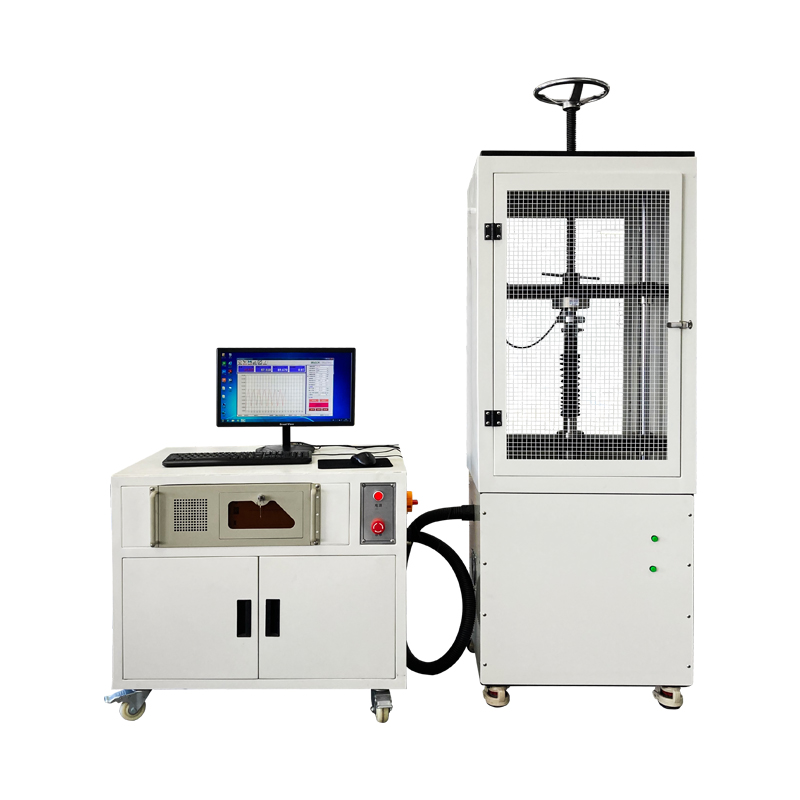
- Load Testing: Verify the spring rate and load capacity to match your design
- Fatigue Testing: Test the lifespan of spring under repeated load, our standard springs reach ≥500,000 cycle life
- Dimensional Inspection: Full inspection of wire diameter, coil diameter, free length to ensure tolerance
- Corrosion Testing: Salt spray test for corrosion resistant materials to verify the performance
Test Data (For Reference Only): Our 17-7PH springs can reach 1,000,000+ cycle life in fatigue test, 40% higher than normal 304 springs.
Common Application Scenarios
Automotive Industry
Engine valves, sealing components, brake system parts, with high temperature and fatigue resistance
Medical Device
Surgical instruments, implant components, medical devices, with biocompatible material
Industrial Equipment
Automation equipment, hydraulic system, valves, with high load and precision performance
Aerospace
Aerospace components, high strength and light weight, with strict quality requirement
Success Case Study
Automotive Valve Spring Project
Customer Challenge
The customer’s original 304 stainless steel spring had fatigue failure after 300,000 cycles, which could not meet the 500,000 cycle lifespan requirement of the automotive engine.
Our Solution
We analyzed the working condition, suggested upgrading the material to 17-7PH stainless steel, optimized the coiling process and heat treatment to improve the fatigue resistance.
Final Result
The new spring passed the fatigue test with 700,000+ cycle life, which is 40% higher than before, fully met the customer’s requirement, and we successfully delivered 500k mass production parts on time.
Relevant Industry Standards
- ISO 6931-1:2020: Stainless steel wire for springs, material specification standard
- ISO 10243: Tooling components, standard for compression and extension springs
- DIN 17224: Spring steel material technical specification
- GB/T 4357-2015: Cold drawn spring wire standard
- Our Internal Standard: 100% load test for custom springs, full traceable quality system
Frequently Asked Questions
Q: What type of spring should I choose for my project?
It depends on your load type: choose compression spring for compressive load, extension spring for tension load, and torsion spring for rotational force. Our engineers can help you confirm based on your application.
Q: What material is best for corrosion resistance?
316 stainless steel is the best choice for corrosion resistance, it can resist salt water and chemical corrosion, ideal for marine and outdoor applications. For normal environment, 304 is cost effective.
Q: Can springs be CNC machined?
The core spring coiling process is not done by CNC, but we use CNC machining as secondary operation, for end grinding, hole drilling and other precision processing to ensure the dimensional accuracy of the spring.
Q: How to calculate spring load?
Spring load can be calculated based on spring rate and deformation: F = k * x, where k is spring rate, x is the deformation. Our engineering team can help you calculate and optimize the spring parameters for free.
Get Your Custom Spring Solution Quote
Our 20-year experienced engineering team can help you select the right spring type and material, optimize your design to get the best cost-effective solution.
Upload your drawing or contact us today to discuss your custom stainless steel spring project!
* All test data mentioned in this page is for reference only, actual results may vary based on specific part geometry and application environment.