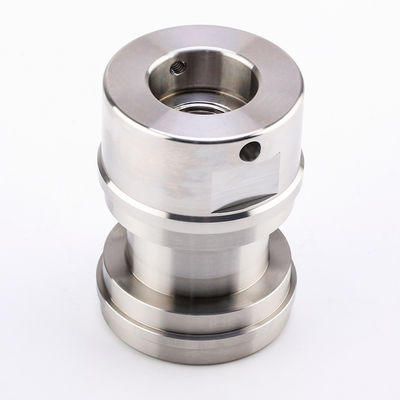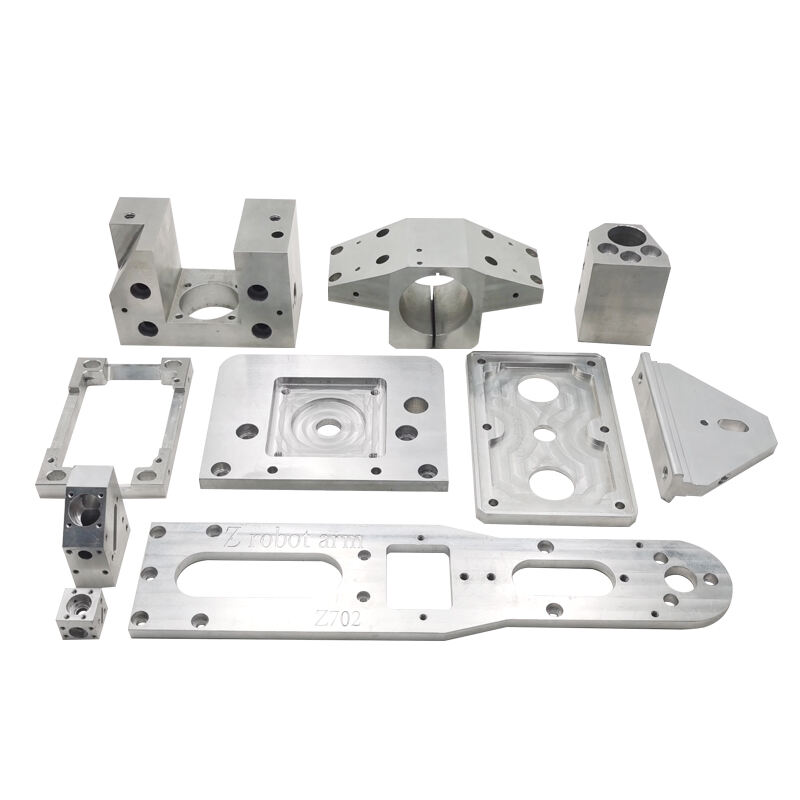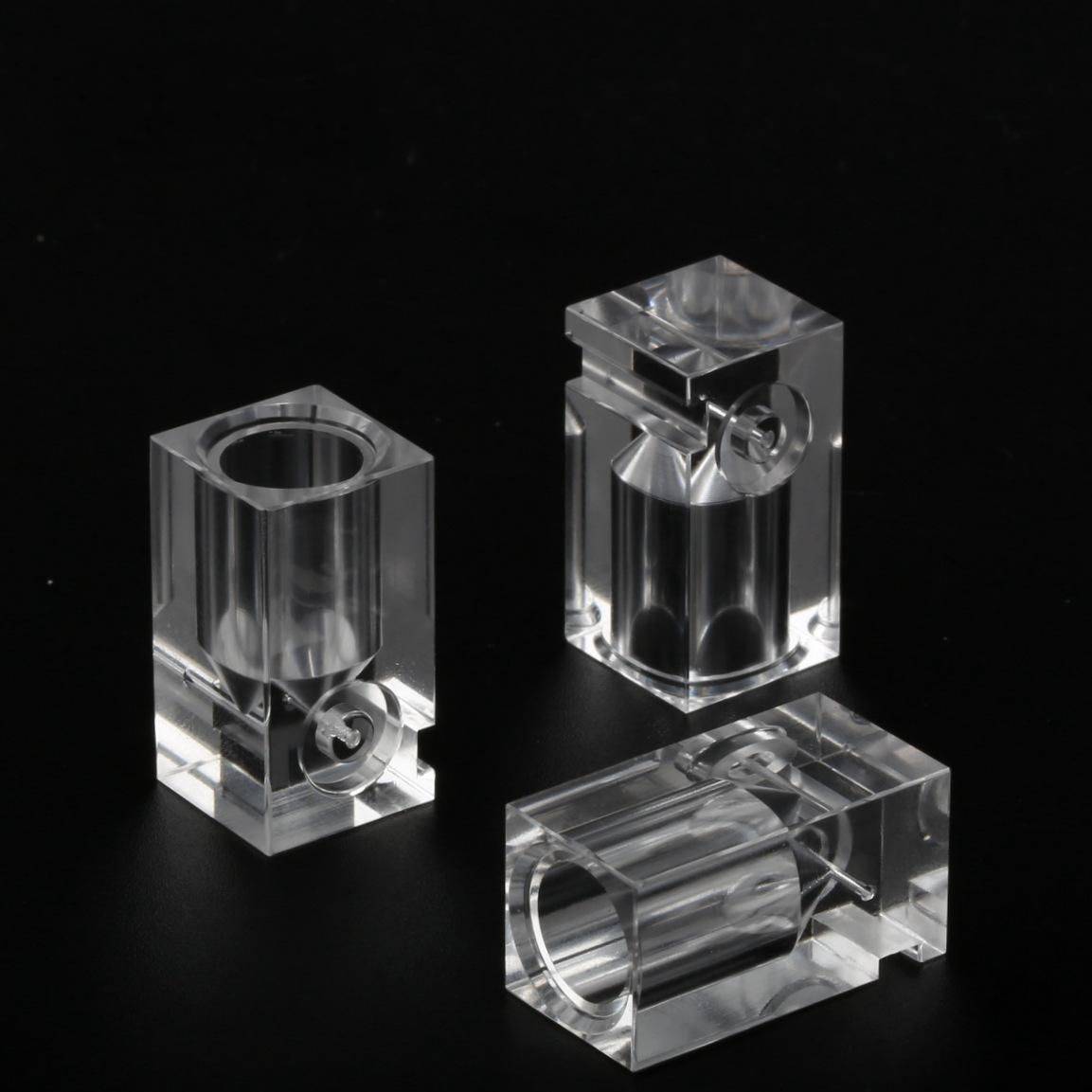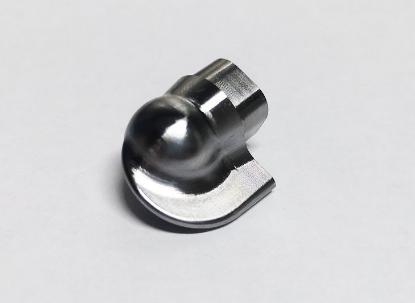
Custom Plastic Molded Parts Manufacturer for OEM Applications
Precision injection molded plastic components for automotive, electronics, medical, industrial, and consumer products.
What is Plastic Injection Molding?
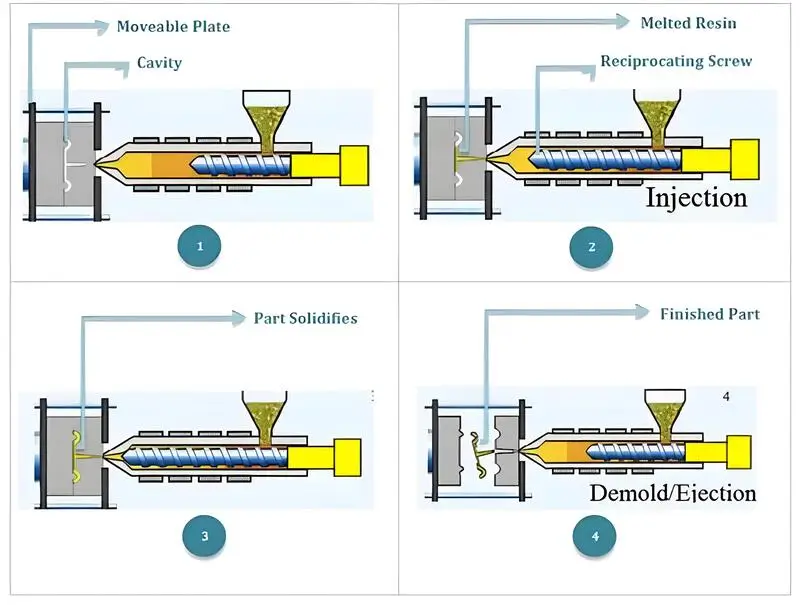
Plastic injection molding is a highly versatile manufacturing process that produces custom plastic parts by injecting molten plastic material into a precision mold. This process enables mass production of identical components with complex geometries, tight tolerances, and consistent quality.
The standard workflow includes five core steps:
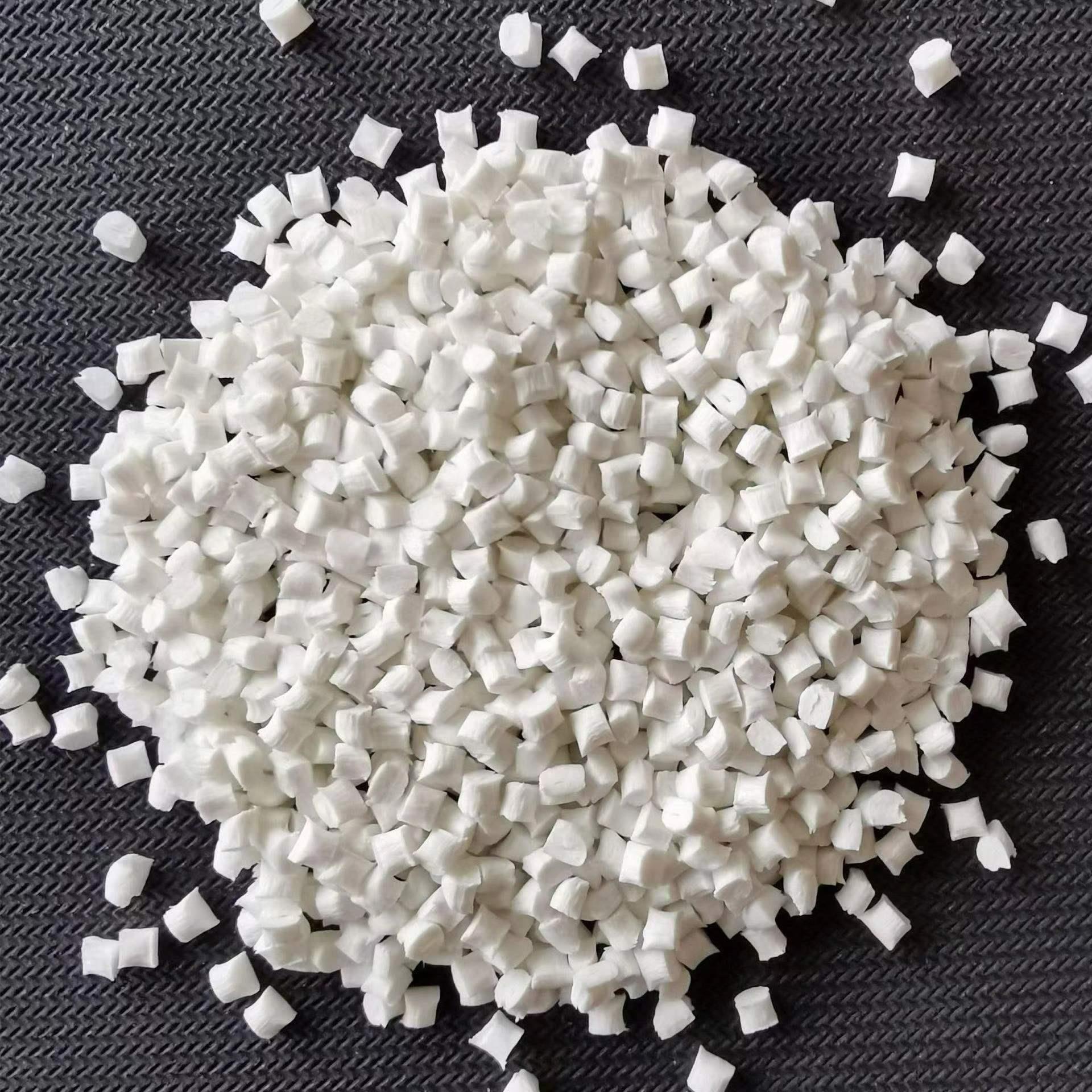
- Plastic pellet melting and homogenization
- High-pressure injection into mold cavities
- Complete cavity filling and packing
- Controlled cooling and solidification
- Part ejection and post-processing trimming
Core Process Parameters
Common Plastic Materials for Injection Molding
Selecting the right material is critical to your part’s performance, durability, and cost. We work with a wide range of engineering-grade plastics to match your application requirements.
Design for Manufacturability (DFM) Support
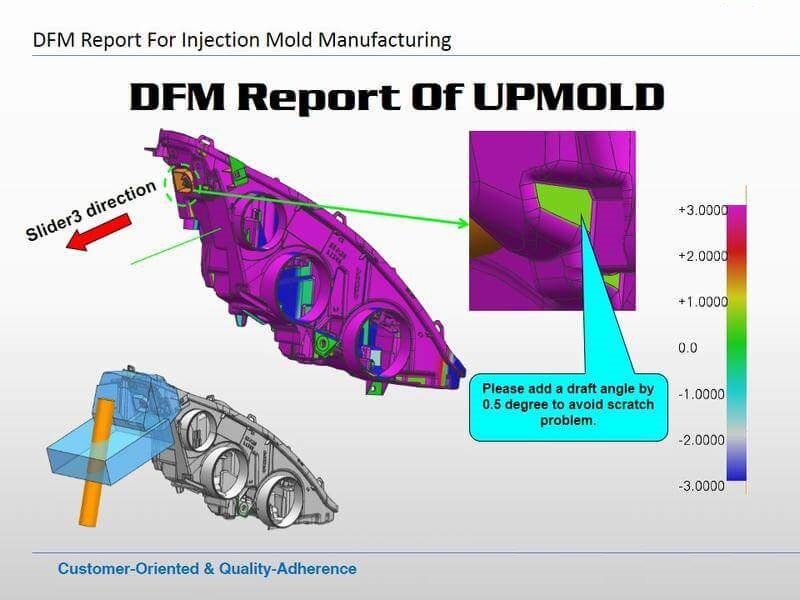
Before production begins, our engineering team provides comprehensive DFM analysis to identify potential manufacturing issues early. This helps reduce tooling costs, shorten lead times, and ensure your part meets performance requirements from the first run.
- ✓
Wall Thickness Optimization
Ensure uniform thickness to prevent sink marks and warpage
- ✓
Sink Mark Prevention
Adjust rib and boss designs to eliminate visible surface defects
- ✓
Draft Angle Design
Proper angles to ensure smooth part ejection without damage
- ✓
Gate Position Optimization
Optimal gate location to ensure complete filling and minimal weld lines
- ✓
Warpage Reduction
Cooling channel design and material selection to minimize distortion
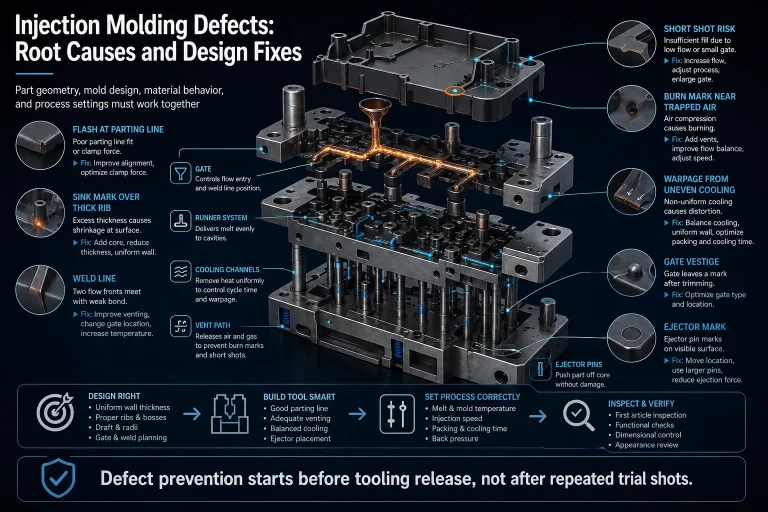
Common Injection Molding Defects and Solutions
Our experienced team proactively addresses potential defects during the design and process setup phase, ensuring your parts meet the highest quality standards.
Our Engineering & Quality Capabilities
Manufacturing Capabilities
Quality Control Process
- Incoming material inspection and certification
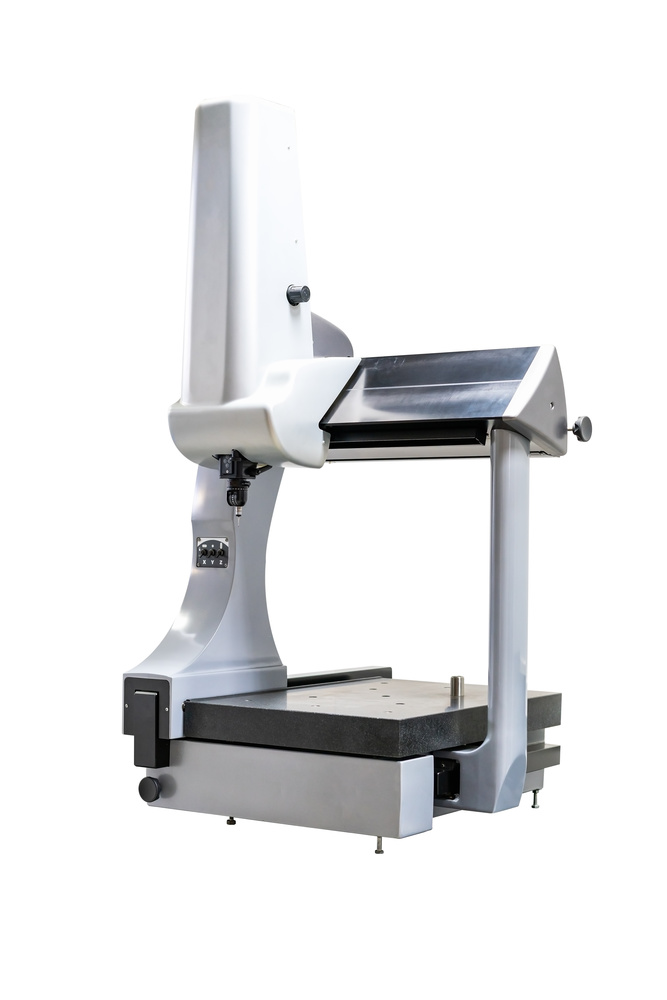
- First Article Inspection (FAI) before mass production
- In-process quality checks during production runs
- Final dimensional inspection before shipment
Documentation Support
RoHS Compliance
REACH Compliance
PPAP Documentation
Full Inspection Report
Industries We Serve
Injection Molding vs. CNC Machining for Plastic Parts
Choosing the right manufacturing process depends on your production volume, part complexity, and cost requirements. Here’s how they compare:
Frequently Asked Questions
What plastics are commonly used in injection molding?
We work with a wide range of materials including ABS, PC, PA/Nylon, POM, PEEK, PP, PE, and many more. We can help you select the best material based on your part’s performance requirements, environment, and budget.
What tolerance can your injection molding achieve?
Our precision molding capabilities allow us to achieve tolerances as tight as ±0.01 mm for critical components, with standard tolerances ranging from ±0.01 mm to ±0.05 mm depending on part size and material.
How long does injection mold tooling take?
Standard mold lead time is 2-5 weeks, depending on the complexity of the part and mold. For urgent projects, we can offer expedited tooling services to meet your timeline requirements.
What is the difference between ABS and PC plastic?
ABS offers good impact resistance and machinability at a lower cost, making it ideal for general-purpose parts like enclosures. PC provides higher strength, heat resistance, and transparency, making it better for safety-critical or high-temperature applications.
Do you offer DFM analysis for my design?
Yes, we provide free DFM (Design for Manufacturability) analysis for all new projects. Our engineering team will review your CAD file, identify potential manufacturing issues, and provide recommendations to optimize your design for cost and quality.
Ready to Start Your Project?
Get your free DFM analysis and competitive quote for your custom plastic molded parts. Our engineering team is ready to help you bring your design to life.