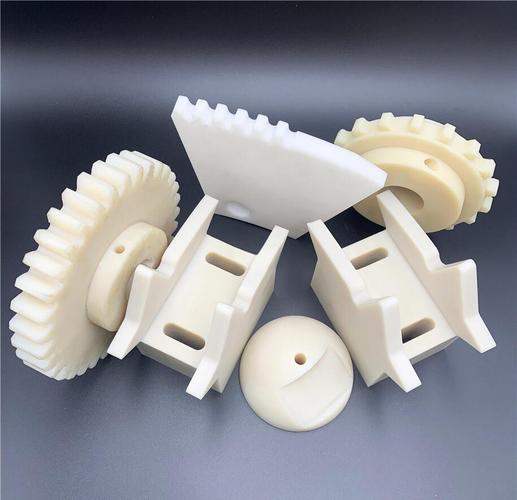
cnc machining part custom mc nylon profiled parts
Author: Sun Gong,MC Nylon Specialist, 15+ Years Experience | Last Updated: January 19, 2026 In the field of high-end engineering

Author: Sun Gong,MC Nylon Specialist, 15+ Years Experience | Last Updated: January 19, 2026 In the field of high-end engineering
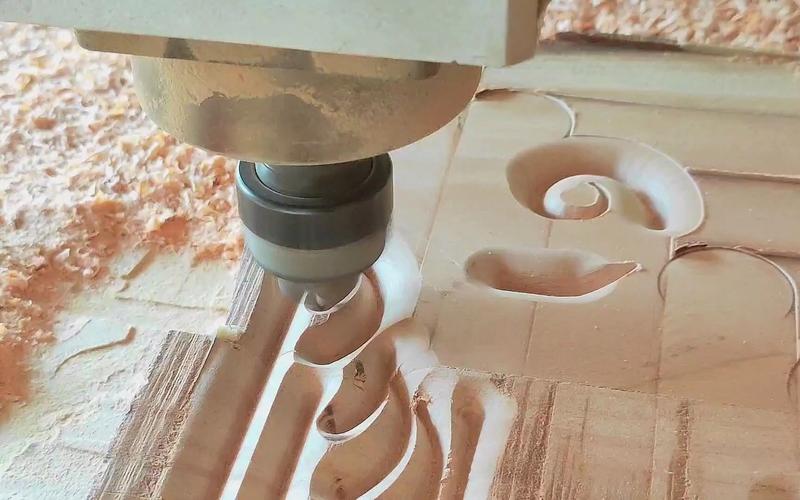
The Evolution of CNC Wood Turning Modern CNC wood turning technology has transformed traditional woodworking into a precise industrial process.
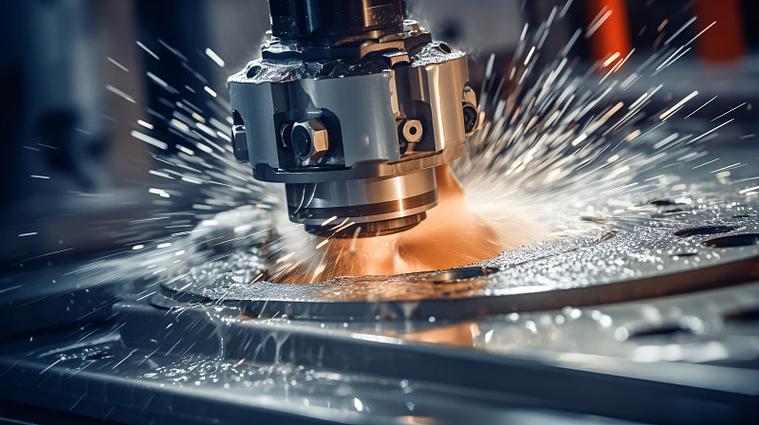
1、Answer CNC machines cut by using computer-controlled tools (e.g., end mills, drills, lathe tools) that move along precise paths defined by G-code.
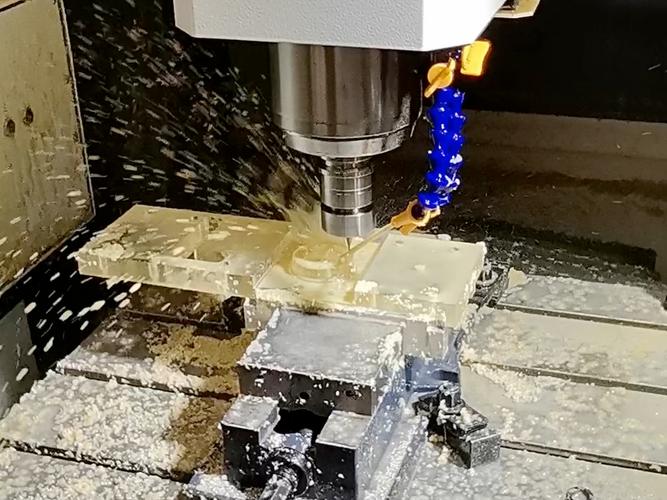
1、Answer The CNC machining process is a computer-controlled manufacturing method where pre-programmed software dictates tool movements to shape raw materials (e.g., metal,
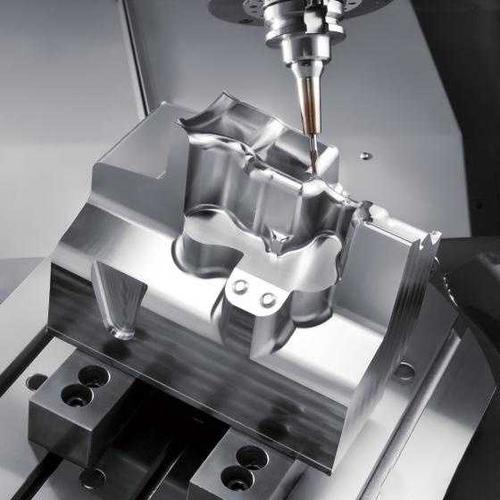
1、Answer No, CNC (Computer Numerical Control) is not limited to metal. It can machine a wide range of materials, including plastics (e.g.,
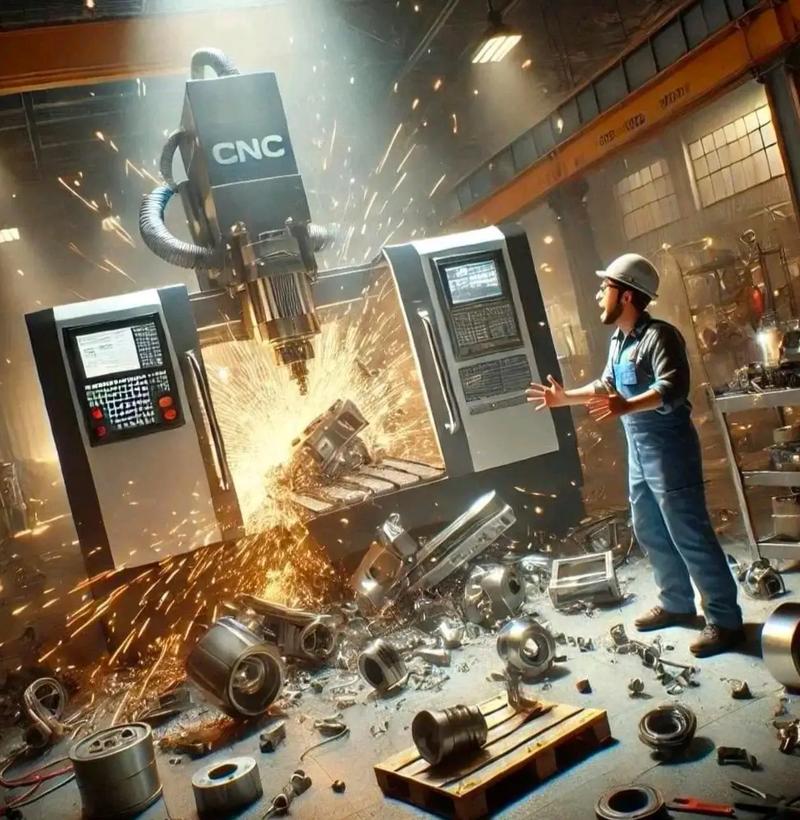
1、Answer People use CNC (Computer Numerical Control) for high-precision, repeatable, and efficient manufacturing of complex parts. It automates machining processes (e.g., milling,
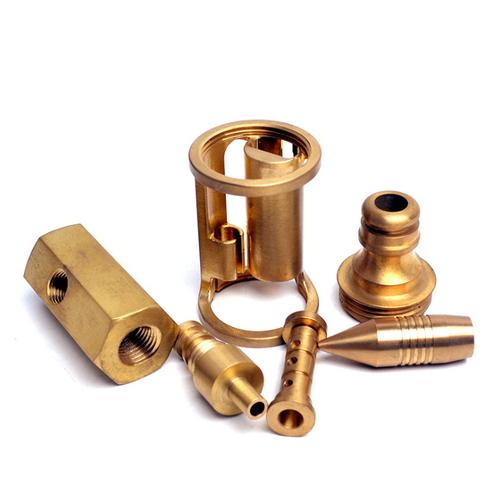
In the dynamic landscape of modern manufacturing, the demand for high – precision brass components has never been greater. Combining
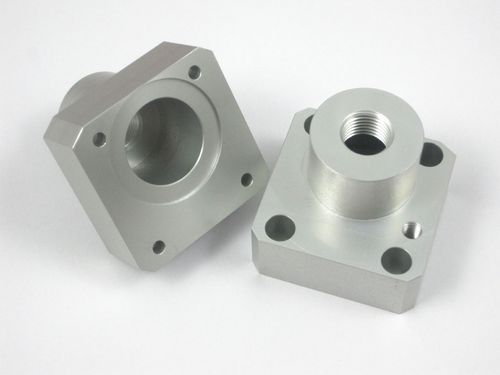
In the dynamic landscape of modern manufacturing, CNC custom machining of milling and turning parts stands as a cornerstone of
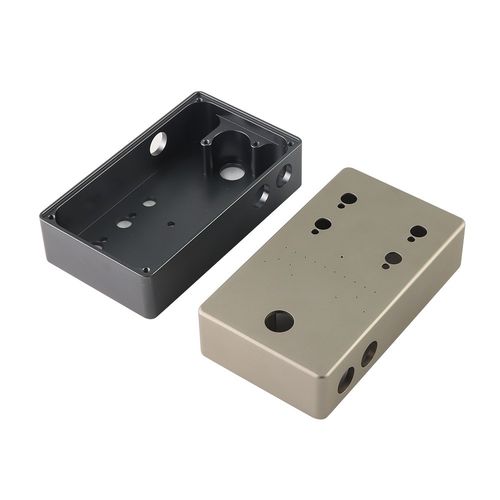
1、Answer The minimum thickness for machining aluminum typically ranges from 0.5–1 mm (0.02–0.04 in) for most CNC milling/turning operations, but can go lower (e.g., 0.1–0.3
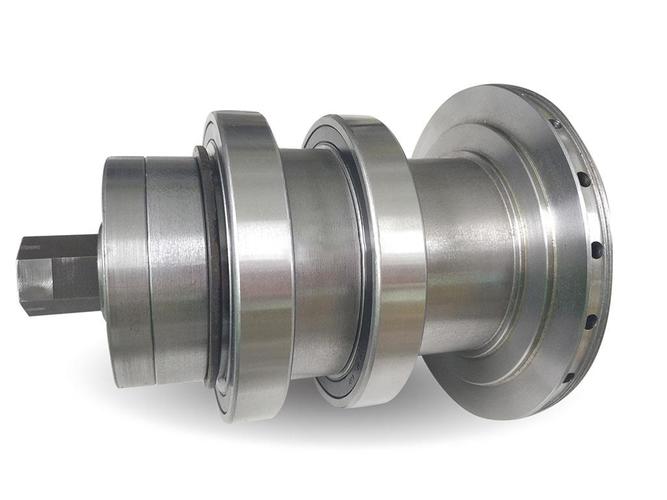
1、Answer The cheapest aluminium alloys for machining are 1100 (99% pure aluminium) and 3003 (aluminium-manganese alloy). 1100 has the lowest material cost (~$2–$3/kg)
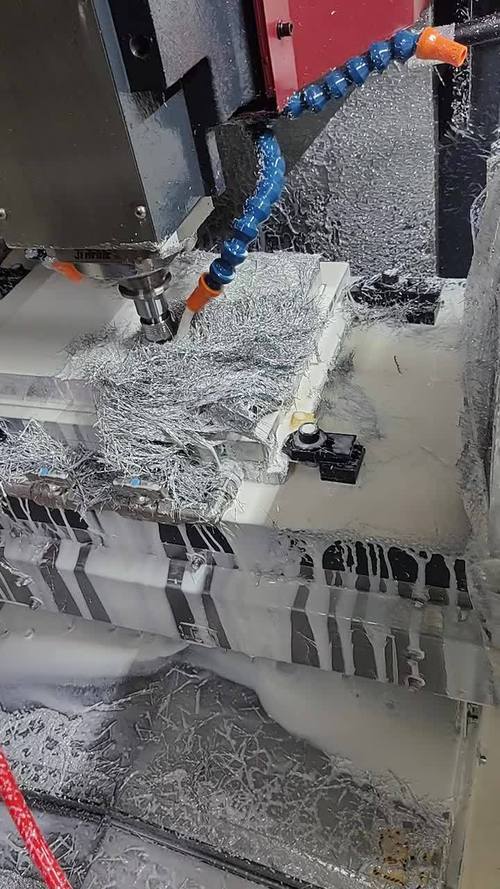
1、Answer The hardest materials for CNC machining are tungsten carbide (hardness up to 90 HRC), titanium alloys (e.g., Ti-6Al-4V with high toughness),
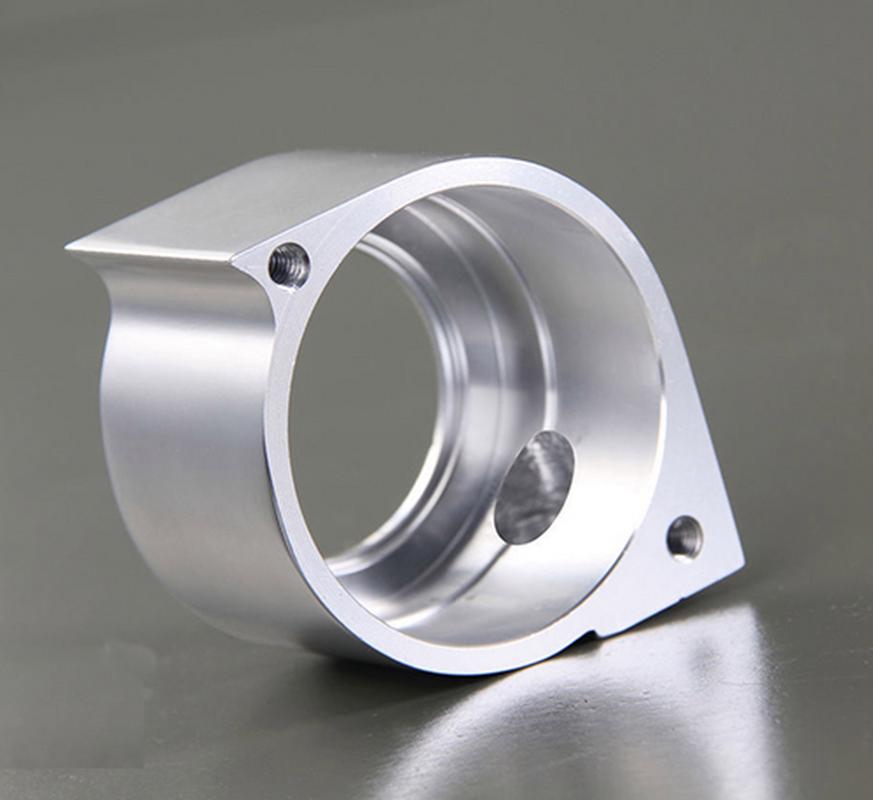
1、Answer The best aluminum alloy for CNC machining is 6061-T6, valued for its balanced performance: moderate strength (tensile strength ≥310MPa), excellent