Introduction
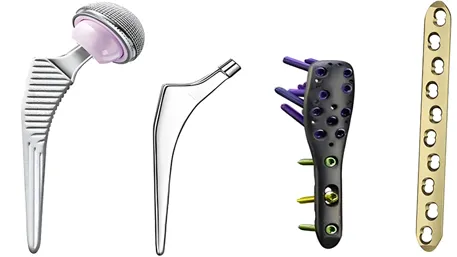
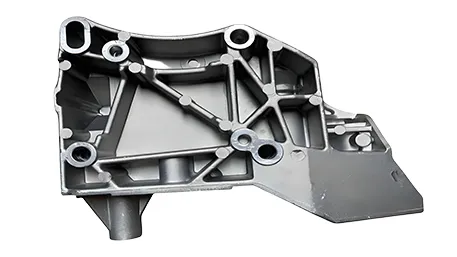
In today’s advanced manufacturing landscape, CNC turning and milling parts play a critical role in powering industries worldwide. From aerospace to automotive, medical to electronics, precision machined components are the backbone of modern technology. As a leading provider of precision CNC machining services, we specialize in delivering high-quality, custom-engineered parts that meet the most demanding specifications.
Our state-of-the-art facilities and experienced engineering team enable us to produce complex components with exceptional accuracy and consistency. Whether you require prototype development or large-scale production, we have the capabilities to support your manufacturing needs.
What Are CNC Turning and Milling?
CNC Turning Process
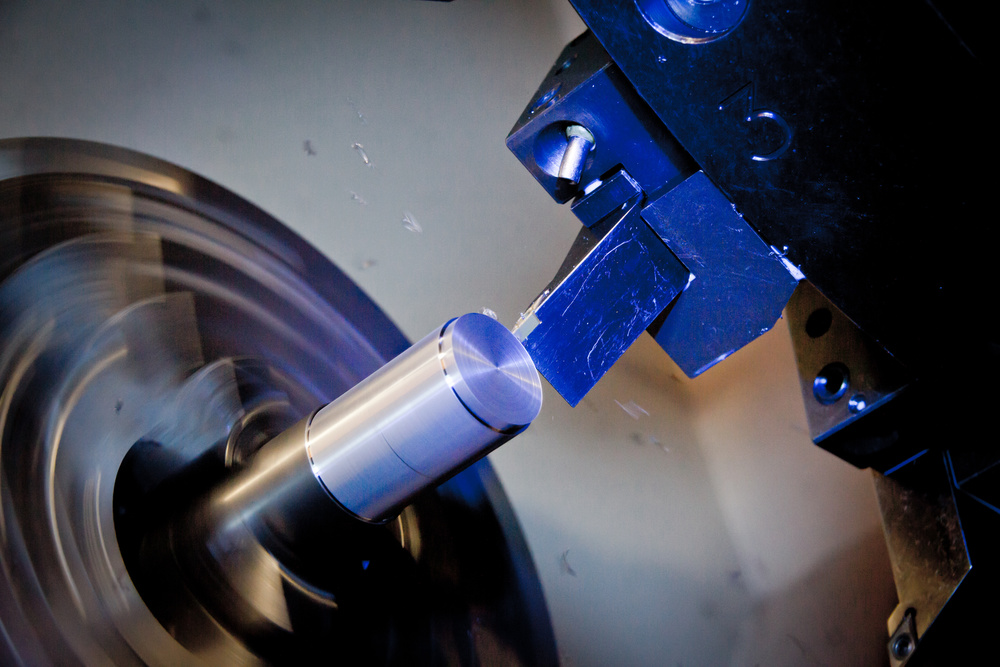
CNC turning is a machining process that involves rotating a workpiece while a cutting tool removes material to create cylindrical parts. This process is ideal for producing components such as shafts, pins, bushings, and other rotational symmetric parts. The workpiece is mounted on a spindle and rotated at high speeds, while the cutting tool moves linearly to create the desired shape and dimensions.
Key characteristics of CNC turning include:
- Excellent surface finishes (Ra 0.8-3.2 μm)
- Tight tolerances (±0.005-0.02 mm)
- High production efficiency for cylindrical parts
- Ability to create complex features like threads, tapers, and grooves
CNC Milling Process
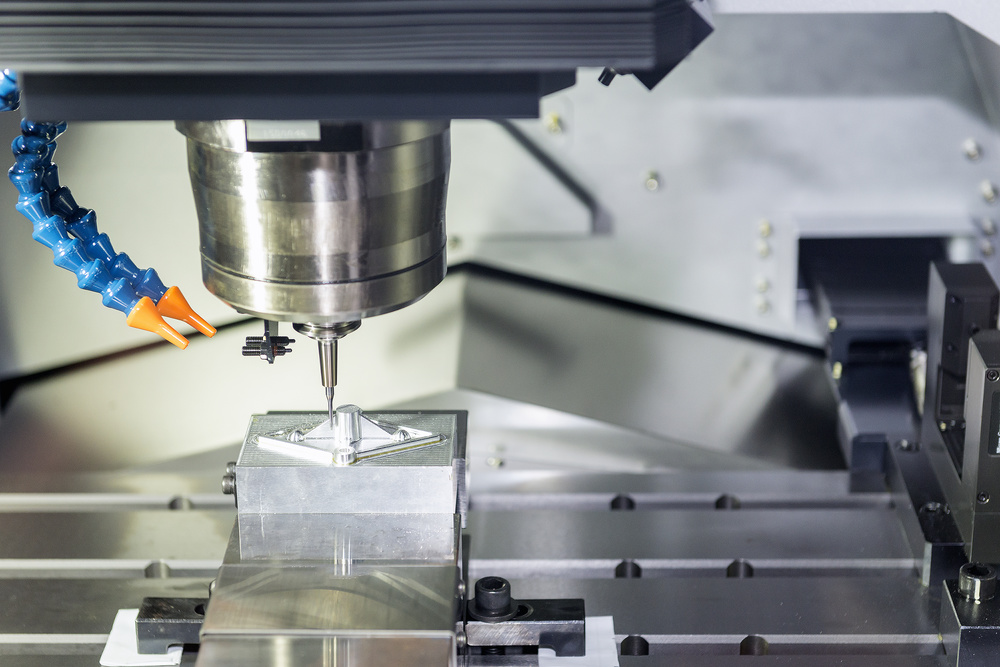
CNC milling is a versatile machining process that uses rotating cutting tools to remove material from a workpiece. Unlike turning, where the workpiece rotates, milling machines move the workpiece along multiple axes (X, Y, Z) while the cutting tool spins. This allows for the creation of complex shapes, slots, holes, and three-dimensional features.
Advantages of CNC milling include:
- Versatility in producing complex geometries
- High precision for both simple and intricate parts
- Ability to machine multiple surfaces in a single setup
- Compatibility with a wide range of materials
Machining Capabilities and Equipment
Multi-Axis CNC Machining
Our facility is equipped with advanced multi-axis CNC machining centers that provide superior flexibility and precision. These machines can move the workpiece or cutting tools along 4, 5, or even more axes, enabling the production of highly complex parts with minimal setup changes.
5-axis CNC machining offers significant advantages:
- Reduced setup time and improved accuracy
- Ability to machine complex curved surfaces
- Enhanced tool reach for deep cavity machining
- Superior surface quality and finish
Precision Turning Capabilities
Our precision turning parts capabilities include:
- Maximum turning diameter: Up to 650 mm
- Maximum turning length: Up to 1,500 mm
- Spindle speeds: Up to 6,000 RPM
- Tool turret capacity: 12-24 tools
- Sub-spindle for complex part machining
Milling Specifications
|
Machine Type
|
Workpiece Size
|
Spindle Speed
|
Feed Rate
|
|
3-axis Mill
|
914 x 609 x 330 mm
|
Up to 12,000 RPM
|
20 m/min
|
|
5-axis Mill
|
406 x 406 x 406 mm
|
Up to 15,000 RPM
|
30 m/min
|
|
Vertical Machining Center
|
1,200 x 600 x 600 mm
|
Up to 10,000 RPM
|
25 m/min
|
Machinable Materials
Metal Materials
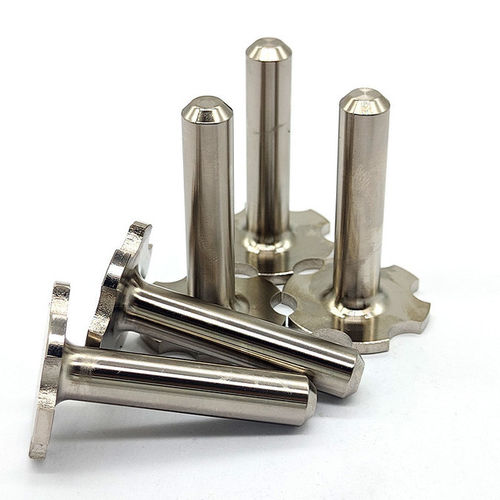
We specialize in machining a wide range of metal materials to meet your specific application requirements:
Aluminum Alloys
- 6061-T6: Excellent strength-to-weight ratio, corrosion resistant
- 7075-T6: High strength, ideal for aerospace applications
- 2024-T3: Good fatigue resistance, used in aircraft structures
Steel Alloys
- Carbon Steel: 1018, 1045 for general purpose applications
- Alloy Steel: 4140, 4340 for high strength requirements
- Stainless Steel: 304, 316 for corrosion resistance
- Tool Steel: H13, S7 for mold applications
Specialty Metals
- Titanium: Ti-6Al-4V for aerospace and medical applications
- Inconel: High temperature resistance for engine components
- Brass: Excellent machinability for precision parts
- Copper: Good conductivity for electrical components
Plastic Materials
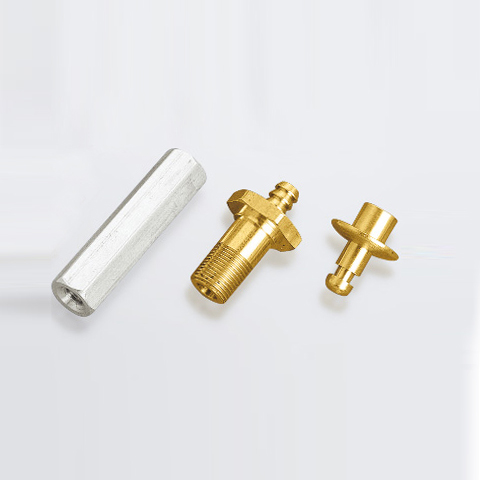
We also offer machining services for various plastic materials:
- Acetal (Delrin): Excellent dimensional stability
- PEEK: High temperature resistance, biocompatible
- Nylon: Good wear resistance and strength
- PTFE (Teflon): Chemical resistance, low friction
- ABS: Impact resistant, used in consumer products
Surface Treatment and Finishing
Surface Finishing Options
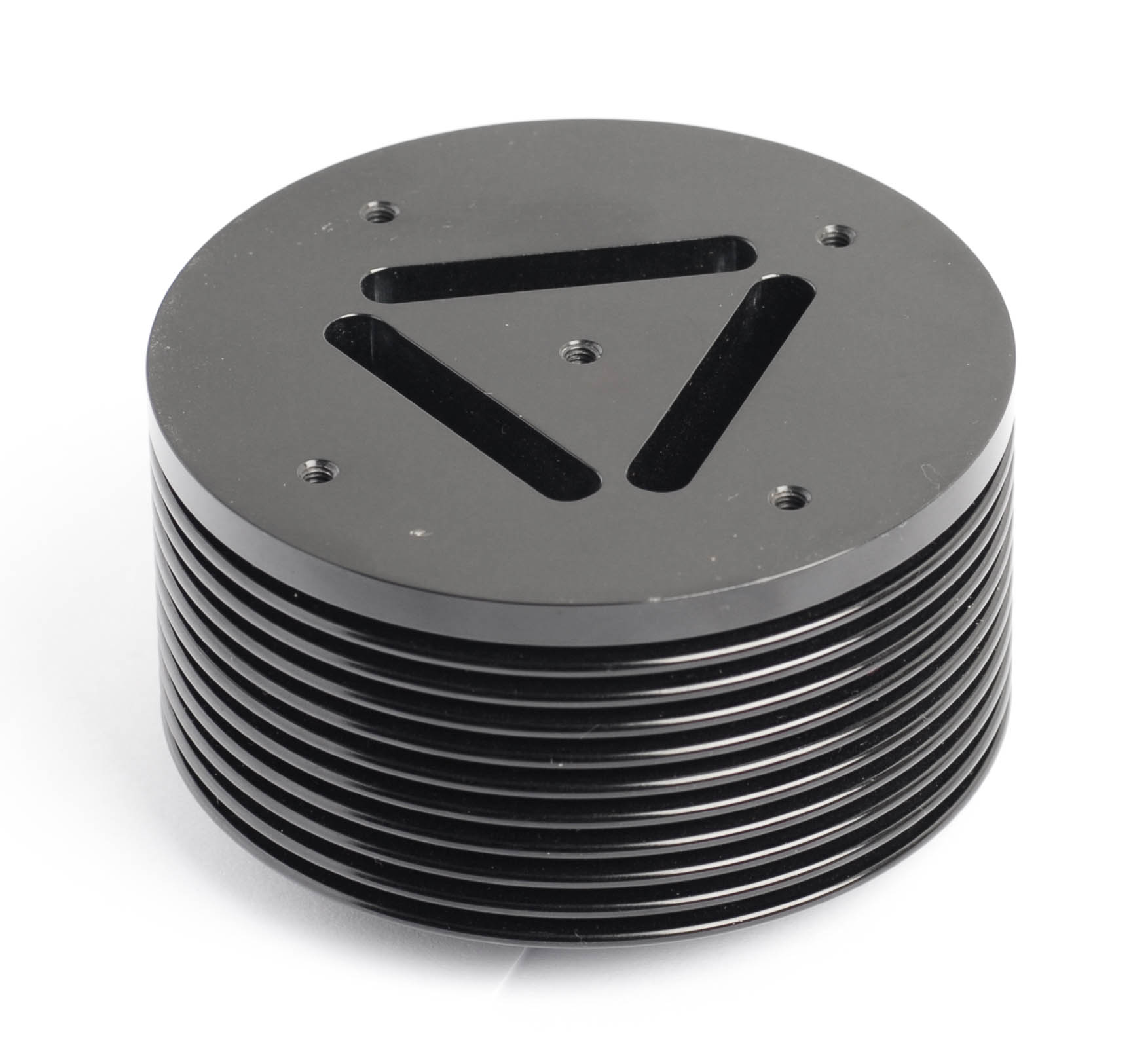
We provide comprehensive surface finishing services to enhance the performance and appearance of your CNC machined parts:
Mechanical Finishing
- Sandblasting: Creates uniform matte surface
- Polishing: Achieves mirror-like finishes (Ra 0.02-0.05 μm)
- Grinding: Improves flatness and surface quality
- Honing: Enhances surface finish and dimensional accuracy
Chemical Treatments
- Anodizing: Provides corrosion resistance and decorative finish
- Chromate Conversion: Improves paint adhesion and corrosion resistance
- Passivation: Enhances stainless steel corrosion resistance
- Phosphating: Prepares surfaces for painting or powder coating
Plating Services
- Nickel Plating: Improves wear resistance and corrosion protection
- Chrome Plating: Provides hard, durable surface
- Zinc Plating: Economical corrosion protection
- Gold Plating: For electrical conductivity and aesthetics
Applications and Typical Parts
Aerospace Industry
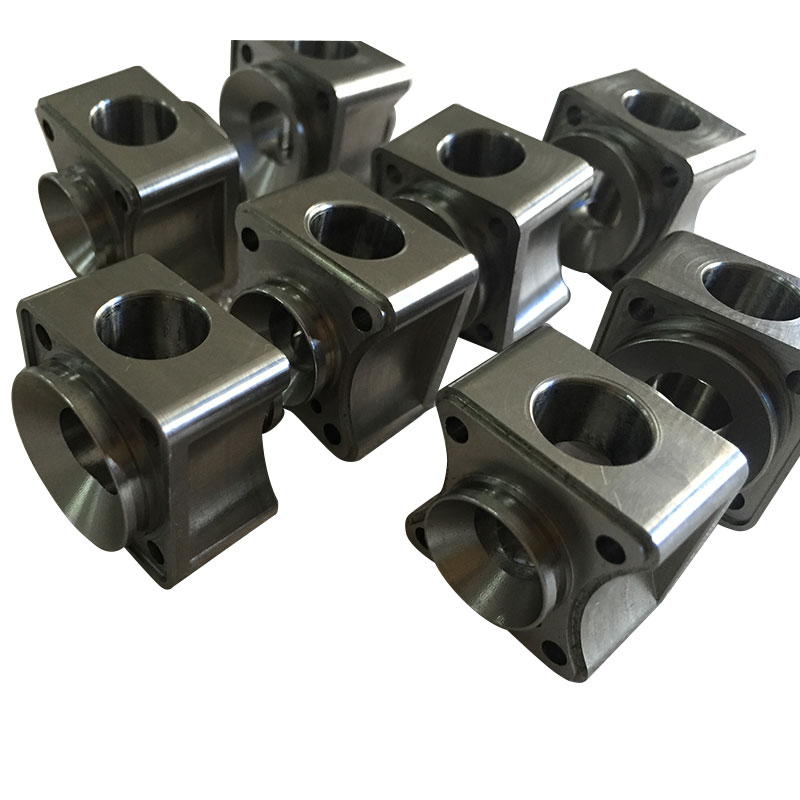
The aerospace industry demands the highest precision and reliability. Our aerospace CNC parts include:
- Engine components: turbine blades, housings, manifolds
- Structural parts: wing fittings, landing gear components
- Avionics enclosures and brackets
- Fuel system components
Key requirements:
- Tolerances as tight as ±0.001 mm
- Material traceability and certification
- Compliance with AS9100 standards
- Strict quality control and documentation
Automotive Industry
Our automotive machining capabilities include:
- Engine parts: cylinder heads, crankshafts, connecting rods
- Transmission components: gears, shafts, housings
- Suspension parts: control arms, knuckles, brackets
- Custom performance parts
Automotive standards:
- IATF 16949 certification
- PPAP documentation
- JIT delivery capabilities
- Cost-effective high-volume production
Medical Industry
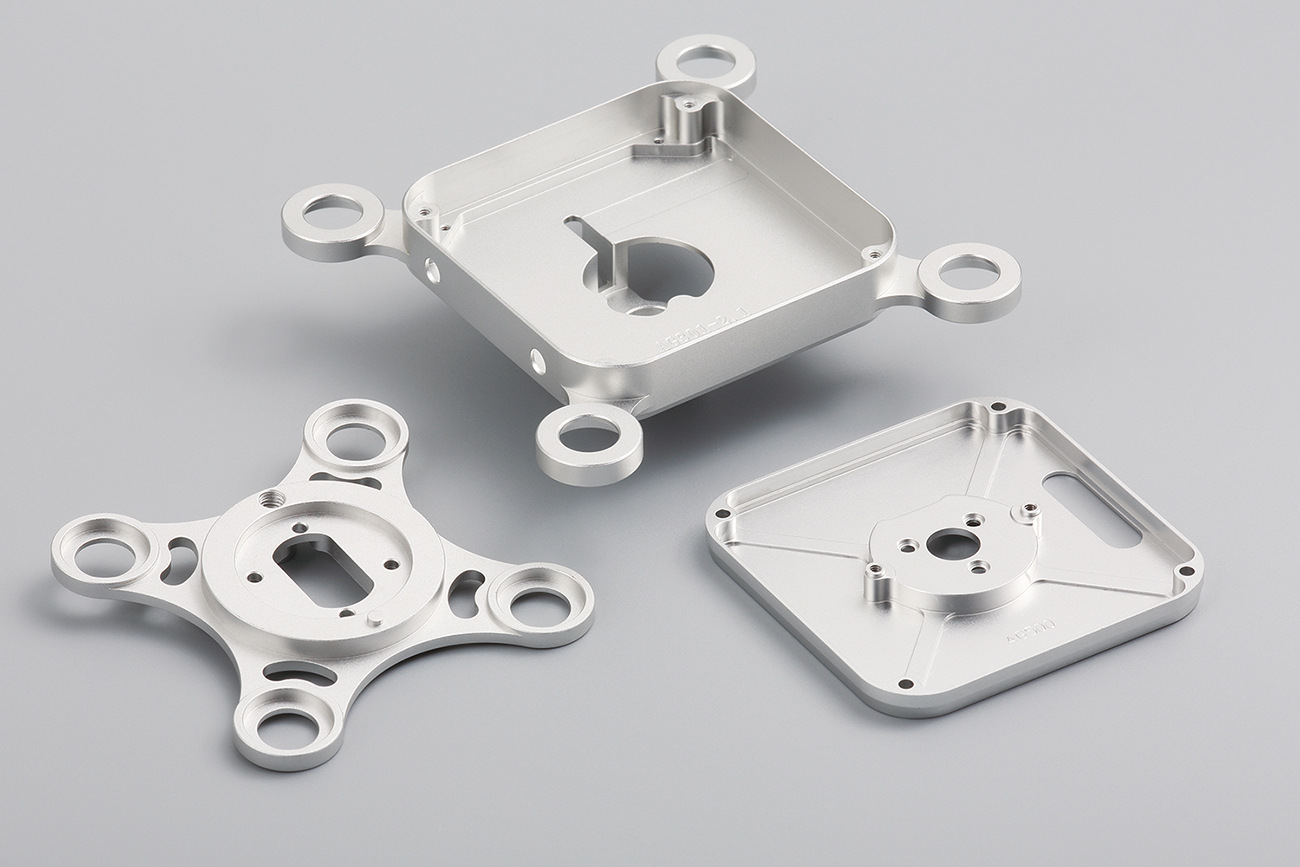
The medical industry requires exceptional precision and biocompatibility:
- Surgical instruments and tools
- Implantable devices
- Medical device housings
- Diagnostic equipment components
Medical requirements:
- Biocompatible materials
- Ultra-precision machining (±0.0005 mm)
- Cleanroom manufacturing capabilities
- FDA compliance
Electronics Industry
We provide precision components for the electronics sector:
- Heat sinks and thermal management parts
- Connector housings and pins
- Enclosures for electronic devices
- Custom brackets and mounting hardware
Quality Control and Inspection
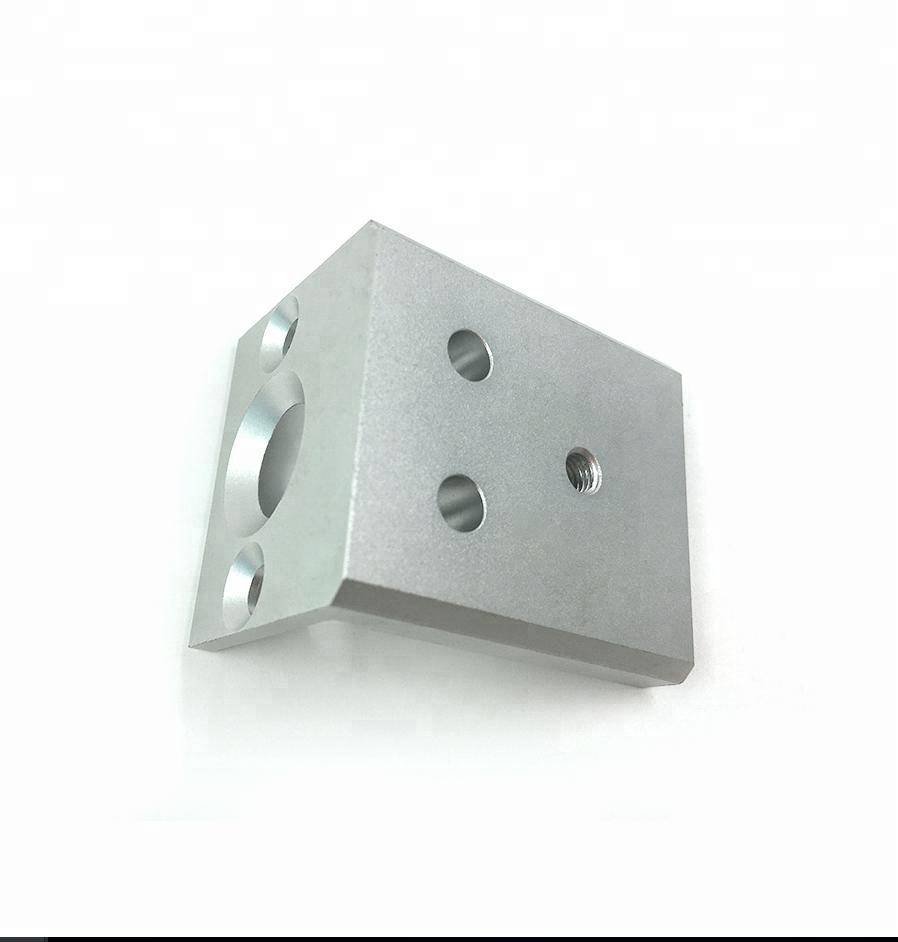
Quality Assurance System
Our commitment to quality is evident in our comprehensive quality management system:
Certifications:
- ISO 9001:2015
- AS9100D (aerospace)
- IATF 16949 (automotive)
- ITAR registration
Inspection Equipment:
- Coordinate Measuring Machines (CMM): Accuracy up to ±0.0005 mm
- Optical Comparators: For complex shape verification
- Surface Roughness Testers: Measures Ra, Rz, Rq parameters
- Hardness Testers: Ensures material properties
- Vision Inspection Systems: Automated defect detection
Quality Control Process
- Incoming Material Inspection: Verify material certification and properties
- In-Process Inspection: Regular checks during machining operations
- First Article Inspection (FAI): Complete dimensional verification
- Final Inspection: Comprehensive testing before shipment
- Documentation: Detailed quality reports and certificates of conformity
How to Choose a CNC Machining Supplier
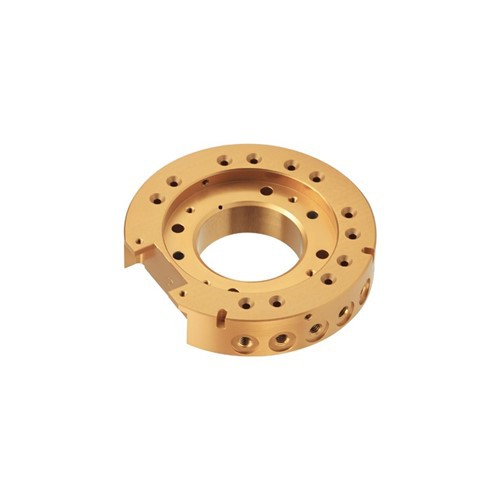
Selecting the right CNC machining supplier is crucial for the success of your project. Consider these key factors:
Technical Capabilities
- Equipment: Ensure they have the right machines for your parts
- Material Expertise: Verify experience with your specific materials
- Tolerance Capabilities: Confirm they can meet your precision requirements
- Process Capabilities: Check for multi-axis machining, Swiss turning, etc.
Quality Assurance
- Certifications: Look for ISO 9001, AS9100, IATF 16949
- Inspection Equipment: Ensure they have modern quality control tools
- Quality Processes: Ask about their inspection and documentation procedures
- Traceability: Verify material and process traceability capabilities
Experience and Reputation
- Industry Experience: Look for expertise in your specific industry
- Customer References: Request and check customer testimonials
- Project Portfolio: Review examples of similar work
- Years in Business: Consider established suppliers with proven track records
Service and Support
- Engineering Support: Look for design for manufacturability (DFM) assistance
- Communication: Ensure clear and responsive communication
- Lead Times: Verify they can meet your delivery requirements
- Flexibility: Check their ability to handle design changes and rush orders
Cost Considerations
- Competitive Pricing: Compare quotes from multiple suppliers
- Value-Added Services: Consider additional services that add value
- Total Cost: Look beyond initial price to consider quality and reliability
- Payment Terms: Evaluate flexible payment options
Get a Custom CNC Machining Quote
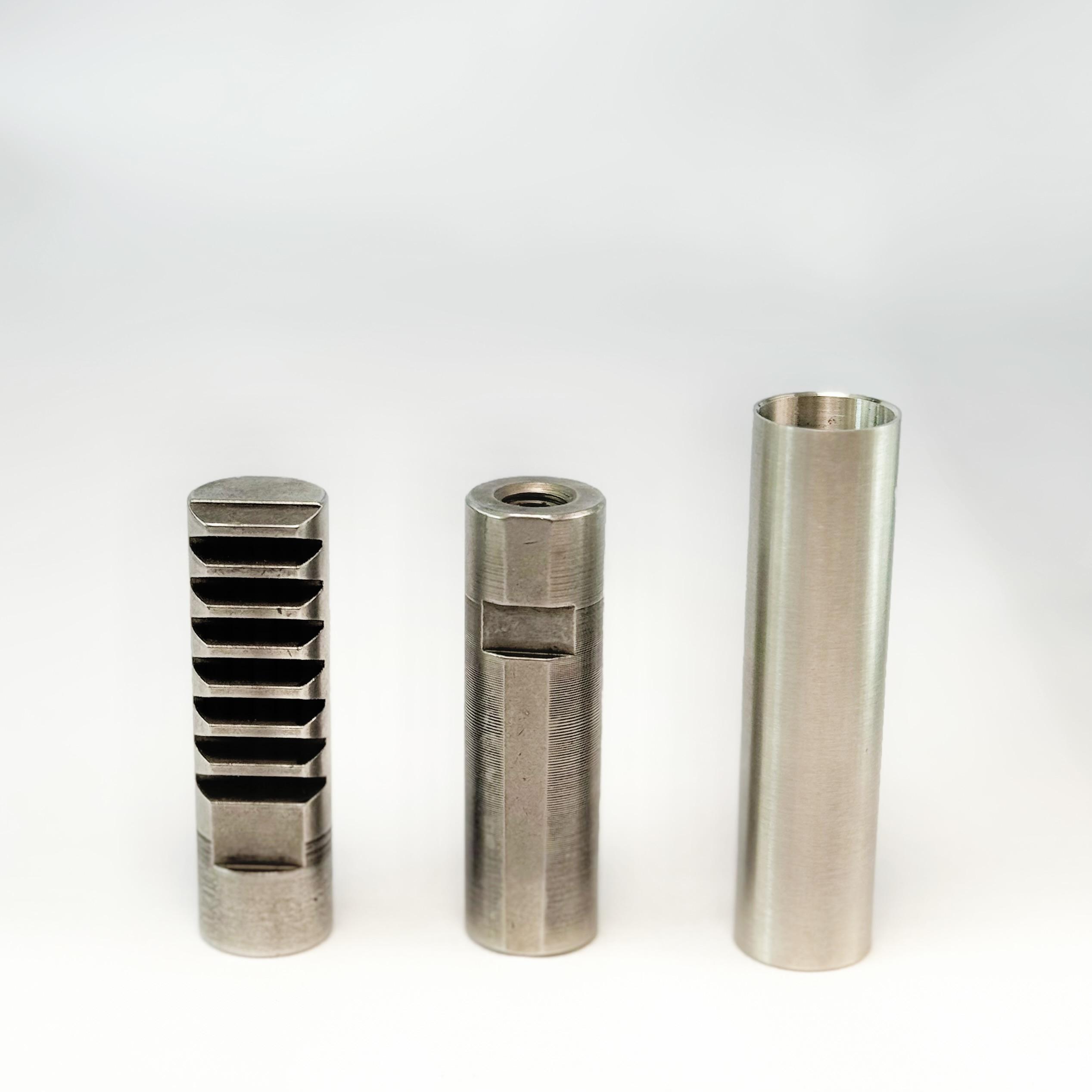
Ready to start your CNC machining project? We make it easy to get a fast, accurate quote:
How to Request a Quote
- Upload Your CAD Files: We accept all major formats (STEP, IGES, STL, DWG, DXF)
- Specify Requirements: Material, quantity, tolerances, surface finish
- Get Instant Feedback: Our engineering team will review your design
- Receive Quote: Competitive pricing with detailed breakdown
- Start Production: Once approved, we begin manufacturing immediately
Why Choose Our CNC Machining Services
- Fast Turnaround: Standard lead times 5-15 days
- Competitive Pricing: Cost-effective solutions for all volumes
- Engineering Support: Expert DFM advice to optimize your design
- Quality Guarantee: 100% satisfaction or your money back
- Global Shipping: Worldwide delivery with tracking
Contact us today to discuss your CNC turning and milling requirements. Our team of experts is ready to help you with your next project.
Frequently Asked Questions (FAQ)
What is the difference between CNC turning and milling?
CNC turning involves rotating the workpiece while a cutting tool removes material to create cylindrical parts. CNC milling uses a rotating cutting tool while the workpiece moves along multiple axes to create complex shapes and features.
What tolerances can you achieve?
We can achieve tolerances as tight as ±0.001 mm (0.00004 inches) for precision applications. Standard tolerances are ±0.01 mm (0.0004 inches), and general purpose tolerances are ±0.05 mm (0.002 inches).
What materials do you work with?
We machine all types of metals including aluminum, steel, stainless steel, titanium, brass, copper, and exotic alloys. We also work with various plastics such as PEEK, acetal, nylon, PTFE, and ABS.
What is the minimum order quantity?
We accept orders of any size from 1 piece to 100,000+ pieces. There is no minimum order quantity, making us ideal for both prototyping and production runs.
How long does a typical project take?
Standard lead times are 5-15 days. Rush orders can be completed in 1-3 days for an additional fee.
Do you provide design assistance?
Yes, our engineering team offers free design for manufacturability (DFM) analysis to help optimize your part design for cost, quality, and production efficiency.
What quality certifications do you have?
We are ISO 9001:2015 certified, AS9100D certified for aerospace, IATF 16949 certified for automotive, and ITAR registered.
How do you ensure quality control?
We have a comprehensive quality control process including incoming material inspection, in-process inspection, first article inspection, and final inspection using state-of-the-art equipment like CMMs and optical comparators.
Can you handle large parts?
Yes, our maximum workpiece size is 914 x 609 x 330 mm for 3-axis milling and 406 x 406 x 406 mm for 5-axis machining. We can also accommodate larger parts through our manufacturing partners.
Do you offer surface finishing services?
Yes, we provide a full range of surface treatments including anodizing, plating, painting, powder coating, sandblasting, and polishing.
Precision CNC Turning and Milling Parts Manufacturer | Custom Machining Services Worldwide