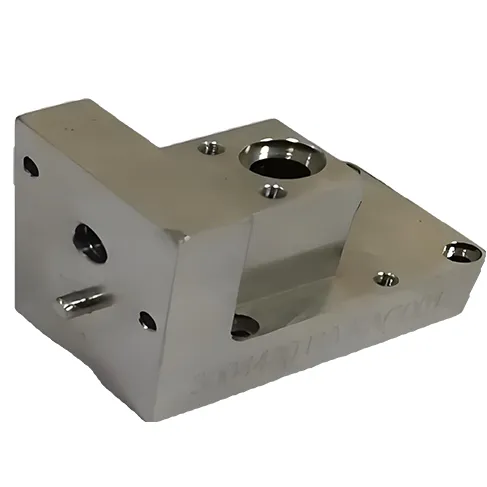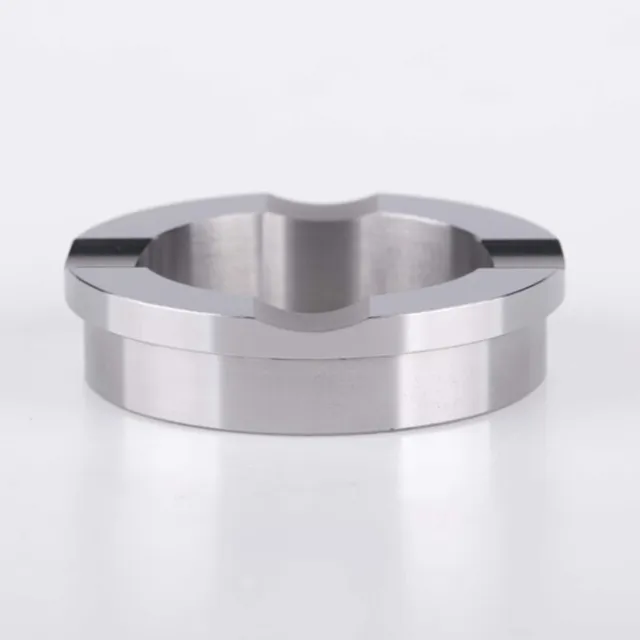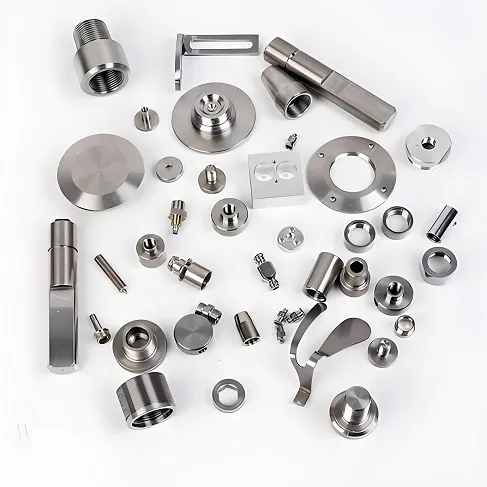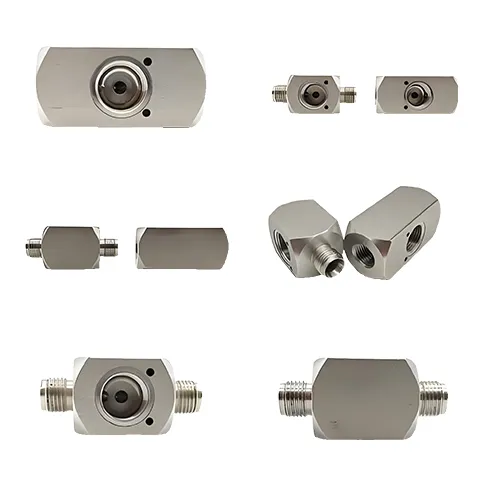
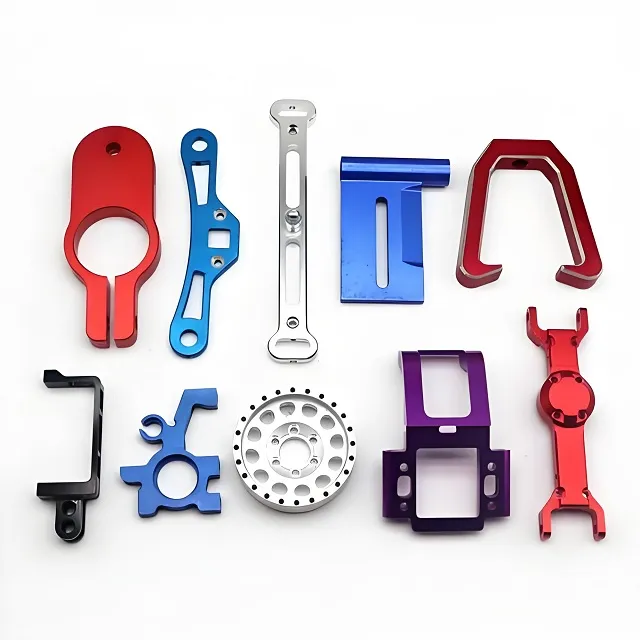
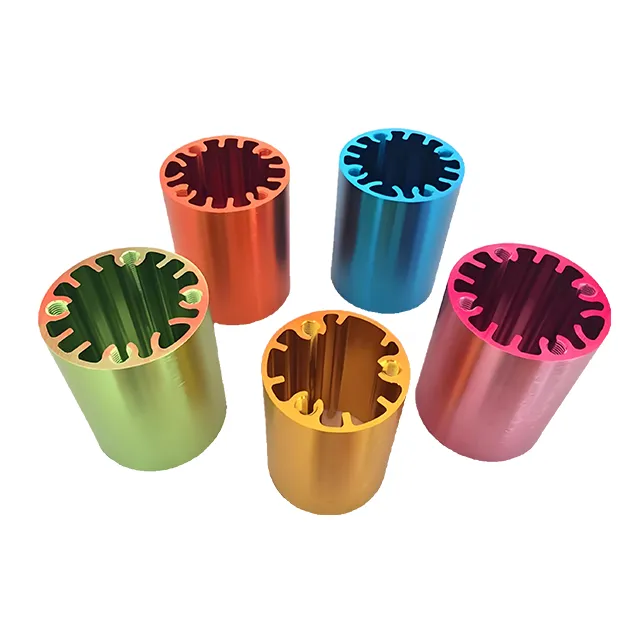
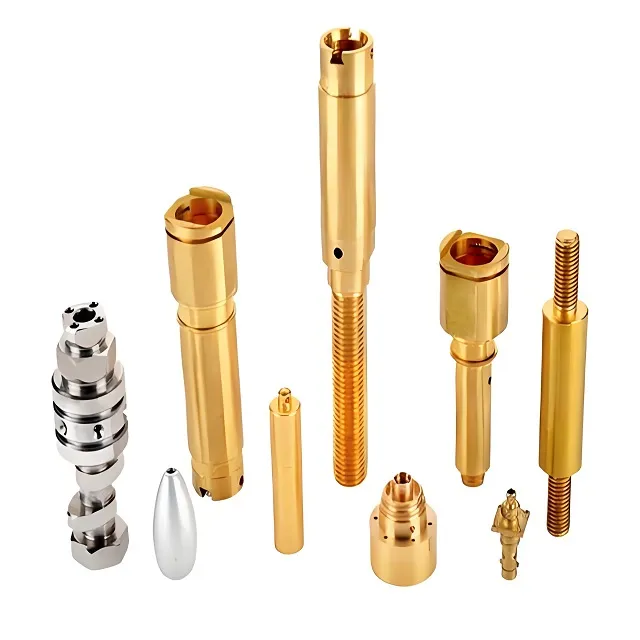
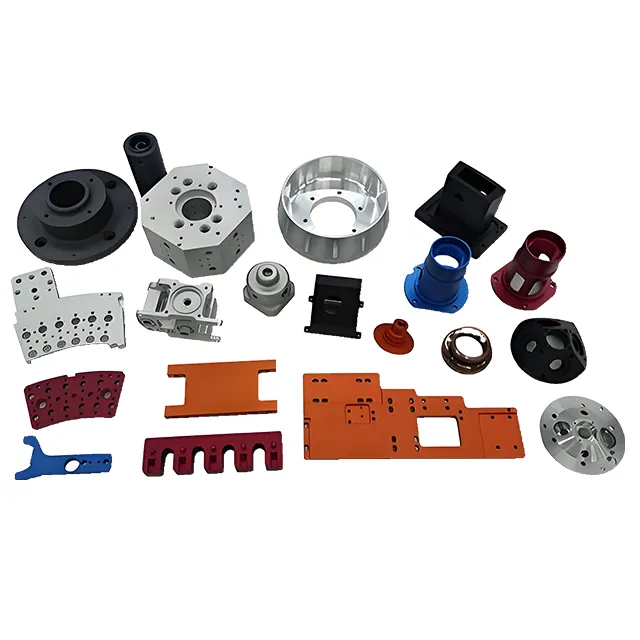
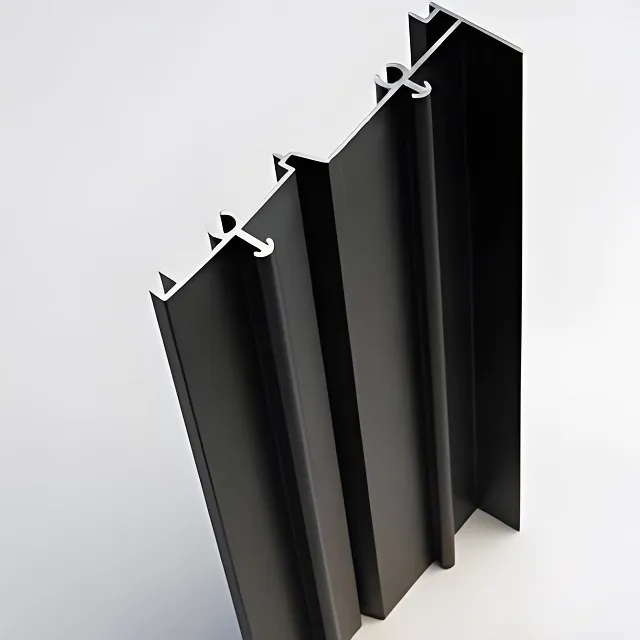
Custom CNC machined anodized aluminum parts
Place of Origin: Fujian, China
Type: Broaching, DRILLING, Etching / Chemical Machining, Laser Machining, Milling, Other Machining Services, Turning, Wire EDM, Rapid Prototyping
Micro Machining or Not: Micro Machining
Model Number: CMP-15
Brand Name: JSD
Product name: anodized aluminum parts
Material: Aluminum Alloy
Process: CNC Turning Milling
Surface treatment: Customer’s Request
Color: Customized Color
OEM/ODM: OEM ODM CNC Milling Machining Service
Logo: Accept Custom Logo
Drawing Format: 3D/CAD/DWG//STEP/PDF .etc
Service: Customized OEM ODM CNC Machining
Processing Type: Axis CNC Machining Service and anodized
Description
Custom CNC Machined Anodized Aluminum Parts for Industrial Applications
We deliver precision-engineered anodized aluminum components with tight tolerances, consistent surface finish, and industrial-grade quality control. Supporting 6061, 7075 alloys, standard and hard anodizing for OEM production across aerospace, automotive, and electronics industries.
Why Anodized Aluminum Is Widely Used in Precision Manufacturing
Aluminum has become a staple in modern manufacturing due to its unique combination of properties that make it ideal for industrial applications:
- Lightweight: 1/3 the weight of steel, reducing overall product mass without sacrificing strength
- Excellent corrosion resistance: Natural oxide layer protects against rust, enhanced further by anodizing
- Superior machinability: Easy to cut and shape into complex geometries with high precision
- Good thermal and electrical conductivity: Perfect for heat sinks and electronic components
- Customizable finish: Anodizing creates durable, decorative, and functional surface layers
Different aluminum alloys offer distinct advantages for specific use cases, allowing us to match the right material to your project needs.
| Aluminum Alloy | Main Advantages | Common Applications |
|---|---|---|
| 6061-T6 | Good machinability, excellent corrosion resistance, weldable | General parts, enclosures, structural components |
| 7075-T6 | Very high strength-to-weight ratio, high fatigue resistance | Aerospace brackets, robotics, high-stress parts |
| 5052 | Superior corrosion resistance, good formability | Marine parts, chemical equipment, sheet metal components |
| 2024-T3 | High strength, excellent fatigue resistance | Aerospace structures, aircraft parts, high-performance components |
CNC Machining Challenges for Anodized Aluminum Parts
Producing high-quality anodized aluminum parts requires specialized knowledge to overcome common manufacturing hurdles. Many suppliers overlook these critical factors, leading to part failure or rework.
1. Dimensional Changes After Anodizing
A common misconception is that anodizing only adds a thin coating to the part surface. In reality, the oxide layer grows both inward and outward from the original aluminum surface.
This means the final part dimension follows this formula:
tfinal = tmachined + ½ × tanodize
Without proper dimensional compensation during CNC machining, this growth can cause:
- Thread fitting issues (parts won’t screw together properly)
- Tight assembly tolerances being violated
- Mismatched part interfaces
Our team adjusts machining dimensions in advance to ensure your parts meet final specifications after anodizing.
2. Surface Finish Quality Before Anodizing
Many customers assume anodizing will hide machining defects. The opposite is true: anodizing can actually amplify visible tool marks, scratches, or surface imperfections because the oxide layer follows the exact contour of the base material.
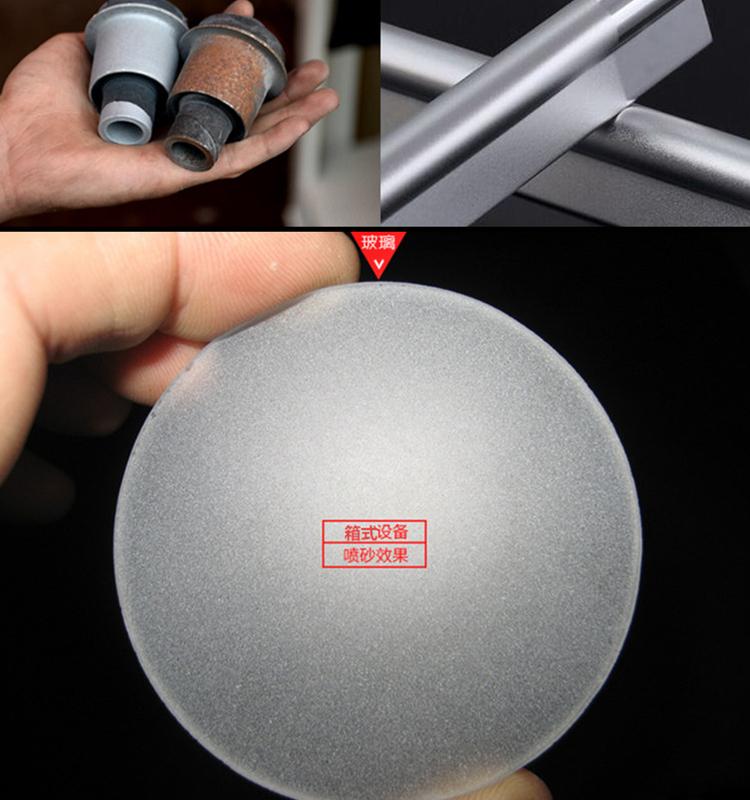
After bead blasting: Uniform matte surface ready for anodizing
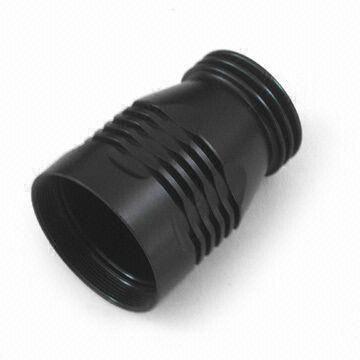
After anodizing: Consistent finish with no visible tool marks
To ensure a perfect finish, we control tool path parameters, use specialized cutting tools for aluminum, and offer pre-anodizing surface treatments like:
- Glass bead blasting for uniform matte texture
- Mechanical polishing for mirror-like finishes
- Precision grinding to eliminate tool marks
3. Color Consistency Is Difficult to Achieve
Getting consistent color across large batches or different parts is one of the biggest challenges in anodizing. Many factors affect the final color:
- Alloy composition: 7075 aluminum produces darker, less uniform colors than 6061
- Batch-to-bath variations: Temperature, acid concentration, and current density must be tightly controlled
- Surface preparation: Differences in roughness can change how dye absorbs into the oxide layer
Our process includes strict batch testing and color matching to ensure every part in your order has identical color, even for large production runs.
4. Hard Anodizing vs. Standard Anodizing
We offer two primary anodizing processes to meet different application requirements. Understanding the difference helps you choose the right option for your project:
| Anodizing Type | Typical Coating Thickness | Hardness | Primary Use Case |
|---|---|---|---|
| Type II (Standard) | 5–25 μm | HV 200–400 | Decorative finishes, corrosion protection, general industrial parts |
| Type III (Hard Anodizing) | 25–100 μm | HV 400–600 | Wear resistance, high-stress industrial parts, military components, heavy-duty applications |
Our Precision CNC Machining Capabilities
We invest in advanced equipment and strict process control to deliver parts that meet the most demanding industrial specifications. Here are our core capabilities for aluminum machining:
| Tolerance Control | ±0.005 mm (0.0002″) |
| Surface Roughness | Ra 0.2 – 0.8 μm |
| Maximum Part Size | 1000 x 800 x 500 mm |
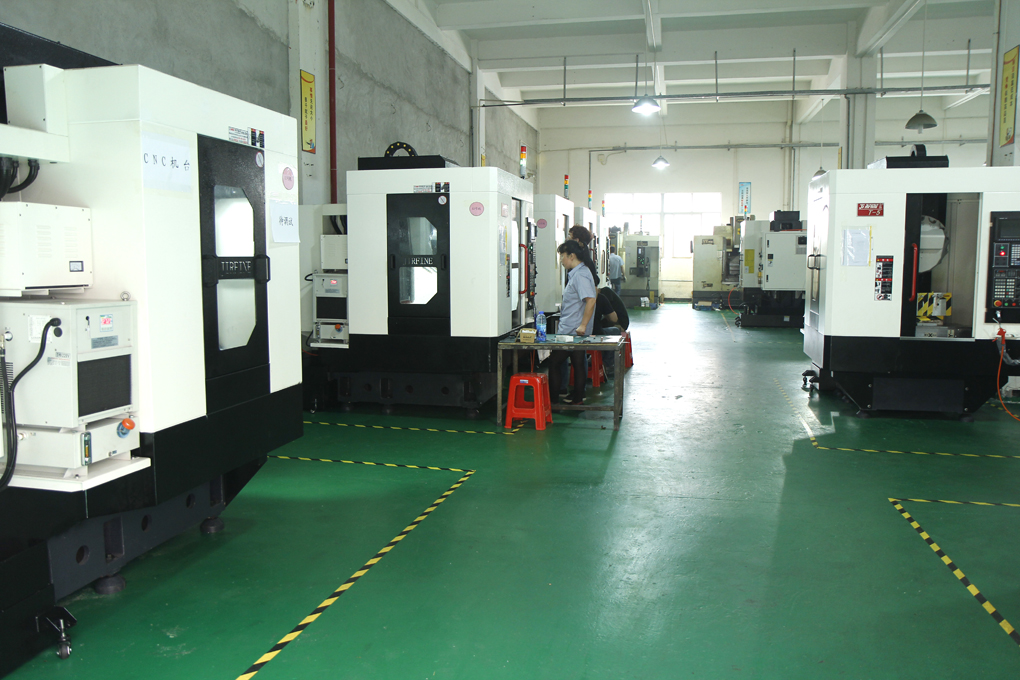
| Machining Equipment | 3-axis, 4-axis, 5-axis CNC centers |
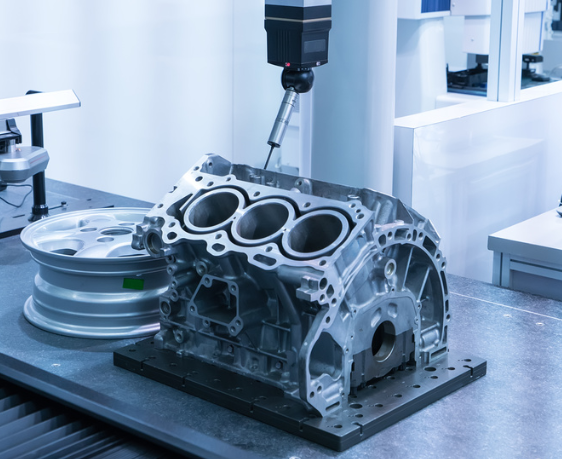
| Inspection Tools | CMM, Height Gauge, Surface Roughness Tester |
| Supported File Formats | STEP, STP, IGS, DWG, PDF |
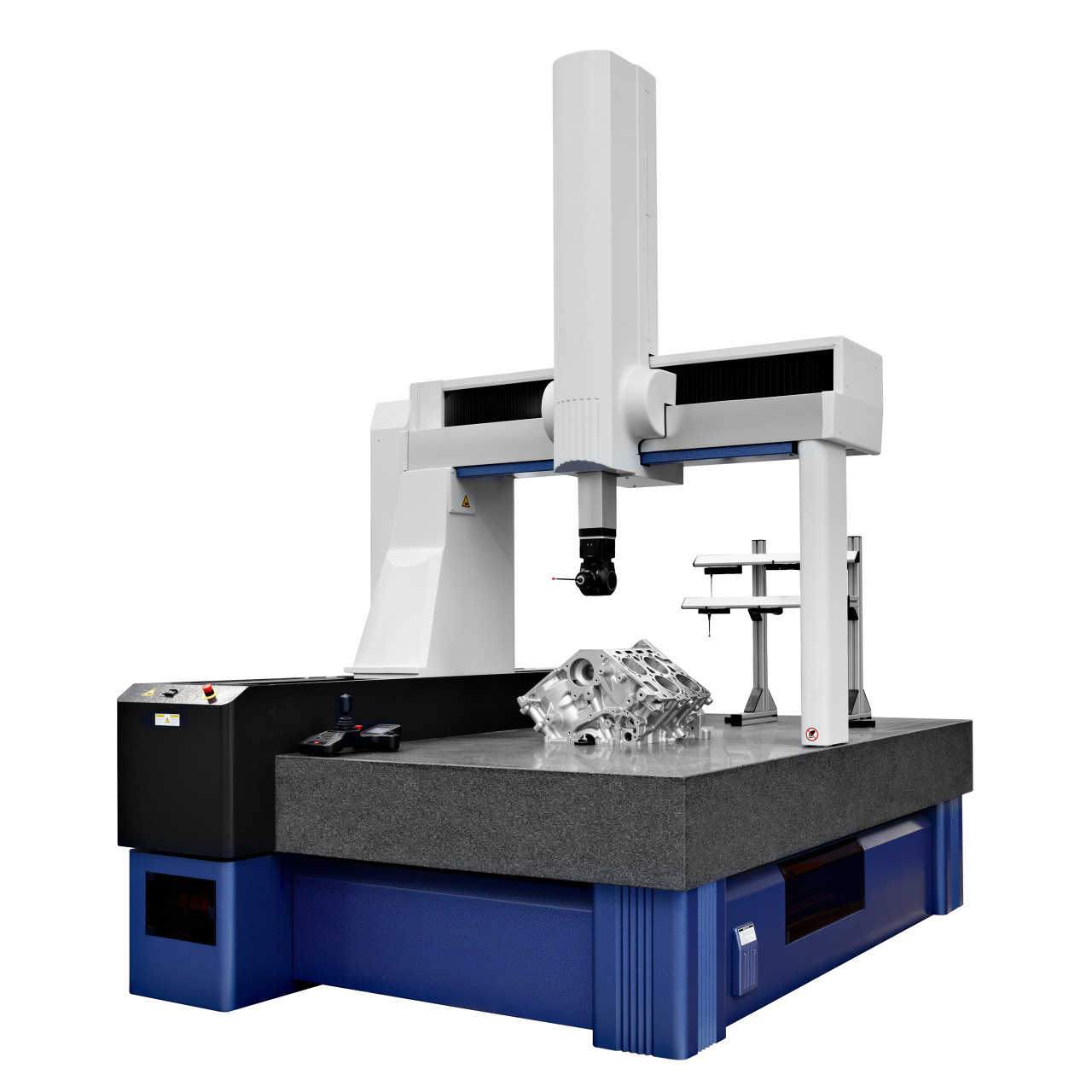
How Anodizing Improves Aluminum Parts
Anodizing is an electrochemical process that converts the aluminum surface into a protective, decorative, and durable aluminum oxide layer. Unlike paint or plating, this layer is fully integrated with the base metal, so it will never peel or chip.
This process provides significant improvements over raw aluminum:
- Enhanced Corrosion Resistance: The thick oxide layer protects the underlying aluminum from environmental damage, making parts suitable for outdoor and marine use
- Superior Wear Resistance: Hard anodized layers are much harder than raw aluminum, reducing abrasion and extending part life
- Better Adhesion: The porous oxide layer can absorb dyes, allowing for custom color options that won’t fade over time
- Electrical Insulation: The oxide layer acts as an electrical insulator, making it ideal for electronic components
These benefits make anodized aluminum parts the top choice for demanding industries including aerospace, automotive, electronics, and robotics.
Common Anodizing Problems (And How We Avoid Them)
Many suppliers struggle with consistent quality in anodized parts. We’ve developed specialized processes to eliminate the most common issues that cause part rejection:
Uneven Color Distribution
We control bath temperature, current density, and dye concentration within tight ranges, and test color samples before full batch processing to ensure consistency.
Visible Tool Marks After Anodizing
Our pre-anodizing surface preparation removes all machining imperfections, ensuring the final finish is smooth and uniform.
Scratches or Surface Damage
We use protective handling throughout the entire process, from machining to packaging, to prevent surface damage before and after anodizing.
Thread Fitting Issues
We use masking for critical threads or apply dimensional compensation during machining to ensure proper fit after anodizing.
Edge Burning
Our optimized anodizing parameters adjust current distribution to prevent overheating at sharp edges, ensuring uniform coating thickness.
Dimensional Mismatch
Our engineering team calculates and applies dimensional compensation before machining, accounting for oxide layer growth to meet final tolerances.
Applications of Anodized CNC Aluminum Parts
Electronics Enclosures
Lightweight, corrosion-resistant housings with EMI shielding capabilities, perfect for consumer and industrial electronics.
Automotive Components
Heat-dissipating parts, brackets, and trim that withstand harsh under-hood environments and outdoor conditions.
Robotics Parts
High strength-to-weight ratio components that reduce robot arm mass while maintaining structural rigidity.
Aerospace Brackets
7075 aluminum parts with high strength and corrosion resistance, meeting strict aerospace industry standards.
Medical Equipment Housing
Smooth, easy-to-clean surfaces that meet medical hygiene requirements, with excellent biocompatibility.
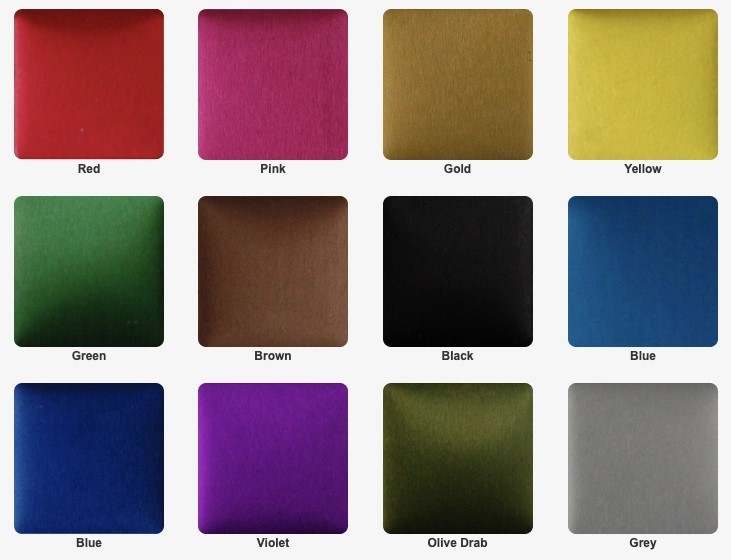
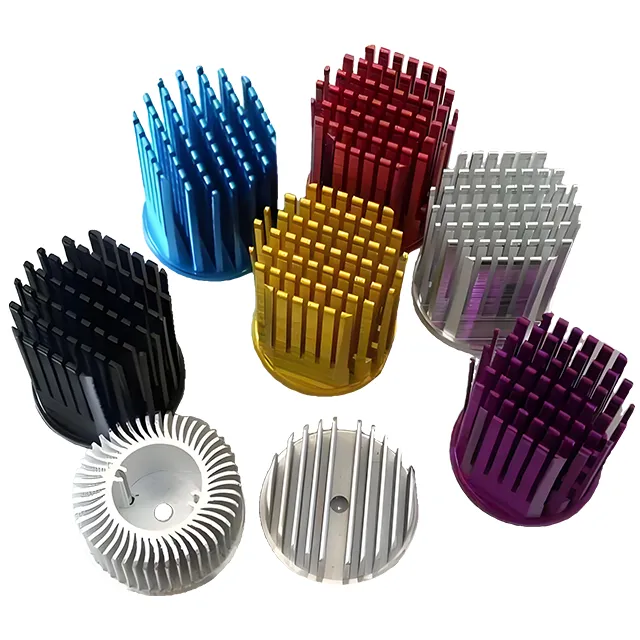
Custom color options for your application needs
Case Study: Precision Black Anodized Aluminum Housing
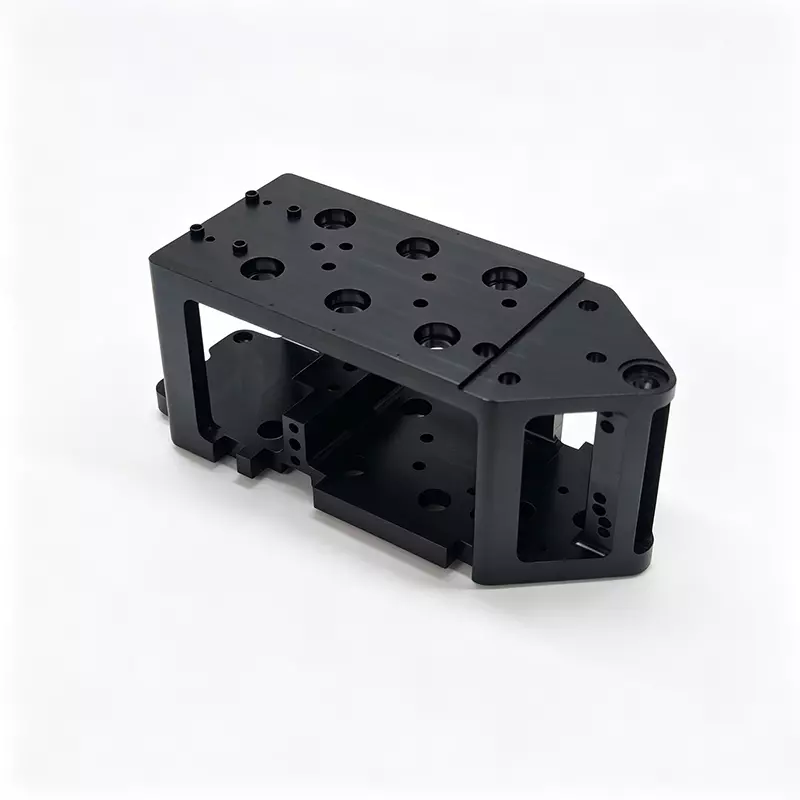
A leading optical equipment manufacturer came to us with a challenge: they needed a precision aluminum housing for a new camera system that required tight assembly tolerances and a durable black finish.
| Material | 6061-T6 Aluminum |
| Machining Process | 5-axis CNC Machining |
| Surface Finish | Black Type II Anodizing |
| Core Challenge | Tight ±0.01mm assembly tolerance between multiple parts |
| Our Solution | Applied dimensional compensation during machining to account for anodizing layer growth |
| Result | 100% of parts passed final assembly testing, with zero rejections |
Frequently Asked Questions
Does anodizing change the dimensions of my parts?
Yes, anodizing adds a thin oxide layer that grows partially outward from the part surface. This changes the final dimension slightly. We account for this by adjusting the machining dimensions in advance, so your parts meet the required specifications after anodizing.
What aluminum alloys are best for anodizing?
6061 aluminum is the most popular for anodizing, as it produces consistent, uniform colors. 7075 can also be anodized, though it tends to produce slightly darker, less uniform results. 5052 and 2024 are also compatible with anodizing processes.
Why do anodized parts sometimes show machining marks?
Anodizing follows the exact contour of the base aluminum surface, so it can actually amplify small imperfections like tool marks. We prevent this by using specialized pre-anodizing surface treatments to ensure a smooth, uniform base before coating.
What is the difference between Type II and Type III anodizing?
Type II (standard) anodizing produces a thinner coating (5-25μm) ideal for decorative finishes and corrosion protection. Type III (hard) anodizing produces a much thicker, harder coating (25-100μm) designed for wear resistance in heavy-duty industrial applications.
Can anodized aluminum parts be used outdoors?
Absolutely. Anodizing significantly improves the corrosion resistance of aluminum, making it perfect for outdoor applications. The coating won’t fade or peel, even with long-term exposure to sun, rain, and temperature changes.
Is anodizing better than powder coating?
It depends on your application. Anodizing is harder, more wear-resistant, and won’t peel or chip, but it has limited color options. Powder coating is cheaper and offers more colors, but it can chip and is thicker, which may affect tight tolerances.
How tight can tolerances be after anodizing?
With proper dimensional compensation, we can maintain tolerances as tight as ±0.005mm even after anodizing. Our precision machining and inspection processes ensure your parts meet even the most demanding specifications.
Ready to Start Your Project?
If you need precision anodized aluminum parts for your industrial application, we can help. Upload your CAD files today for a free quote, and our engineering team will review your project to ensure the best possible results.