How to Deburr CNC Parts?
Deburring CNC parts is a process that removes excess burrs generated after machining using mechanical, chemical, thermal, or other means. Its purpose is to ensure the dimensional accuracy, assembly performance,…


Deburring CNC parts is a process that removes excess burrs generated after machining using mechanical, chemical, thermal, or other means. Its purpose is to ensure the dimensional accuracy, assembly performance,…
Anodizing CNC parts is an electrochemical process that forms a protective oxide layer on metal surfaces (primarily aluminum and its alloys). It involves cleaning the CNC-machined part, immersing it in…
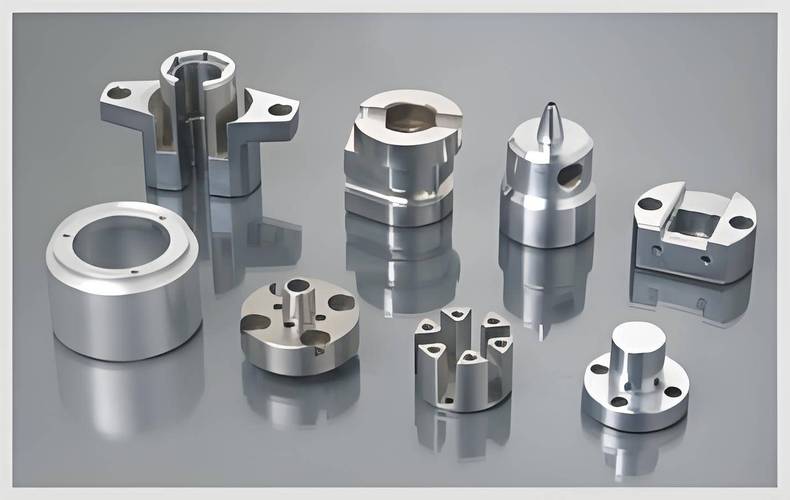
Friends who drive cars are well aware that factory – original parts sometimes are just “adequate but not perfect” – either they can’t meet the performance requirements of modification, or…
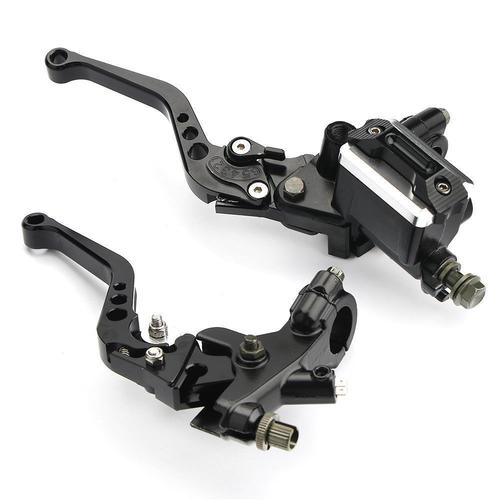
As motorcycle enthusiasts know, factory – original parts always seem to lack that certain “oomph” – either their performance can’t keep up with the needs of modification, or their appearance…
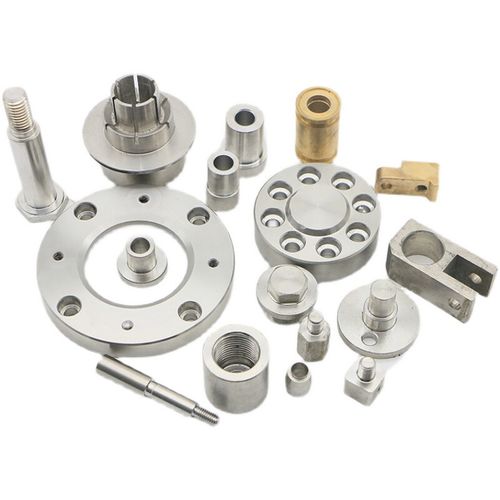
I. Industry Overview and Technical Background Custom-machined metal parts serve as a fundamental component of modern manufacturing, playing a crucial role in various fields such as aerospace, automotive, medical, and…
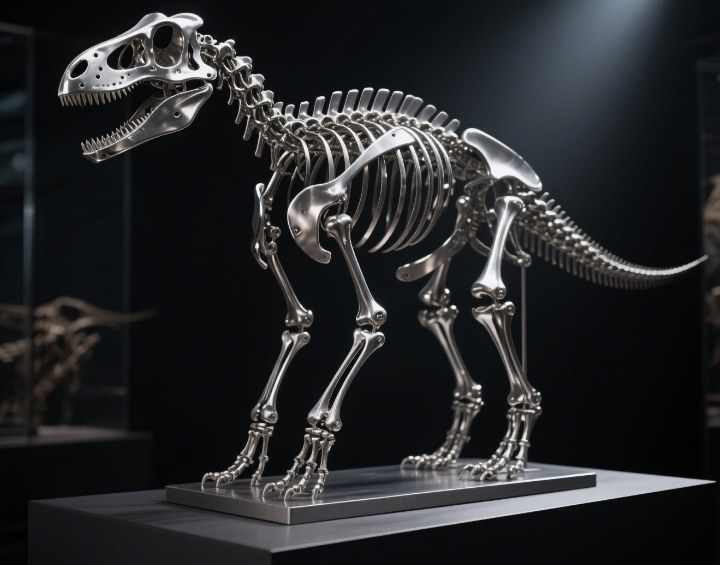
CNC parts machining service refers to a manufacturing process where computer-numerical control (CNC) machines precisely cut, shape, and finish raw materials (such as metals, plastics, or composites) into custom parts….

CNC prototype machined parts are product prototype components manufactured through Computer Numerical Control (CNC) technology, used to verify design feasibility in the product development stage. The core process involves transforming…
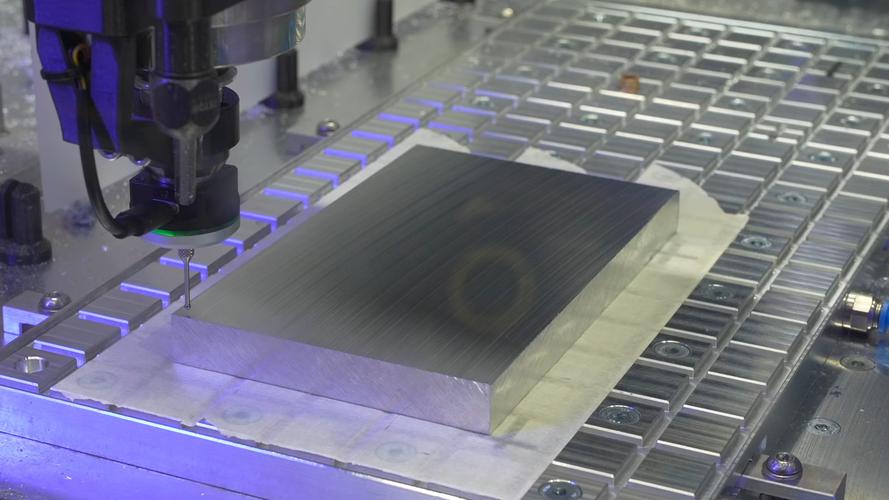
Answer Tolerances for CNC parts typically range from ±0.1 mm to ±0.001 mm (±0.004″ to ±0.00004″), depending on machine precision, material, and application. Standard machining often achieves ±0.1 mm (±0.004″), while precision…
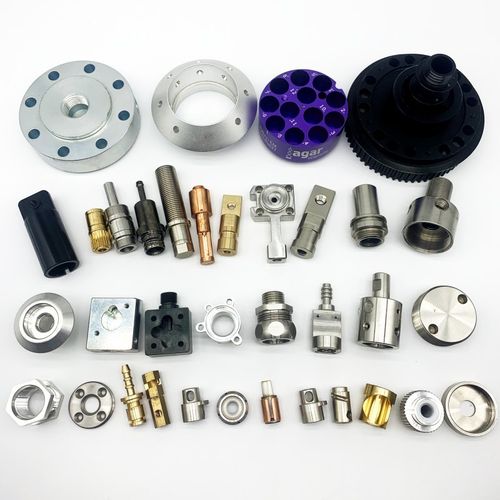
In industries such as aerospace, new – energy vehicles, and 3C electronics, which pursue extreme lightweighting, magnesium alloy has become a key material due to its low density (only 1.74g/cm³),…
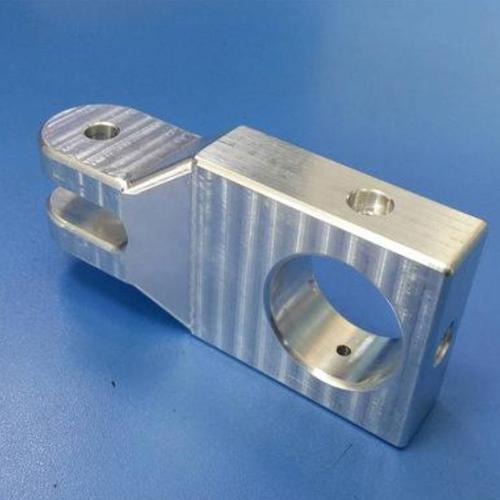
In fields such as automotive lightweight design, precision manufacturing of consumer electronics, and aerospace structural components, aluminum alloy has become a key material due to its characteristics of low density,…