Technical Guide to CNC Machining Parts and Precision Manufacturing
Learn how CNC machining design, material selection, tolerances, and DFM principles impact part quality, cost, and manufacturing efficiency.
What Is CNC Machining?
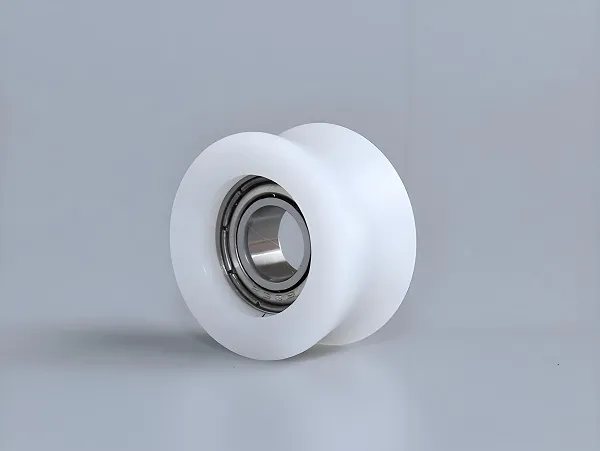
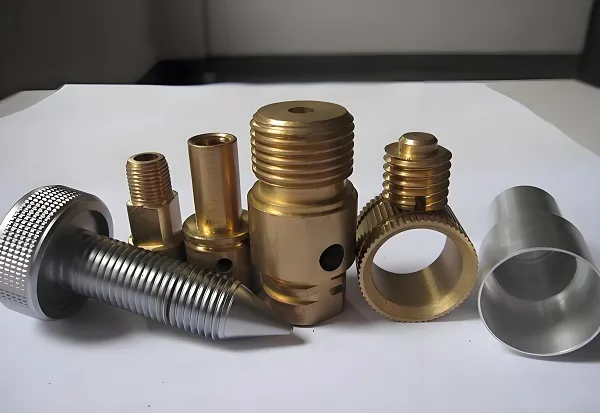
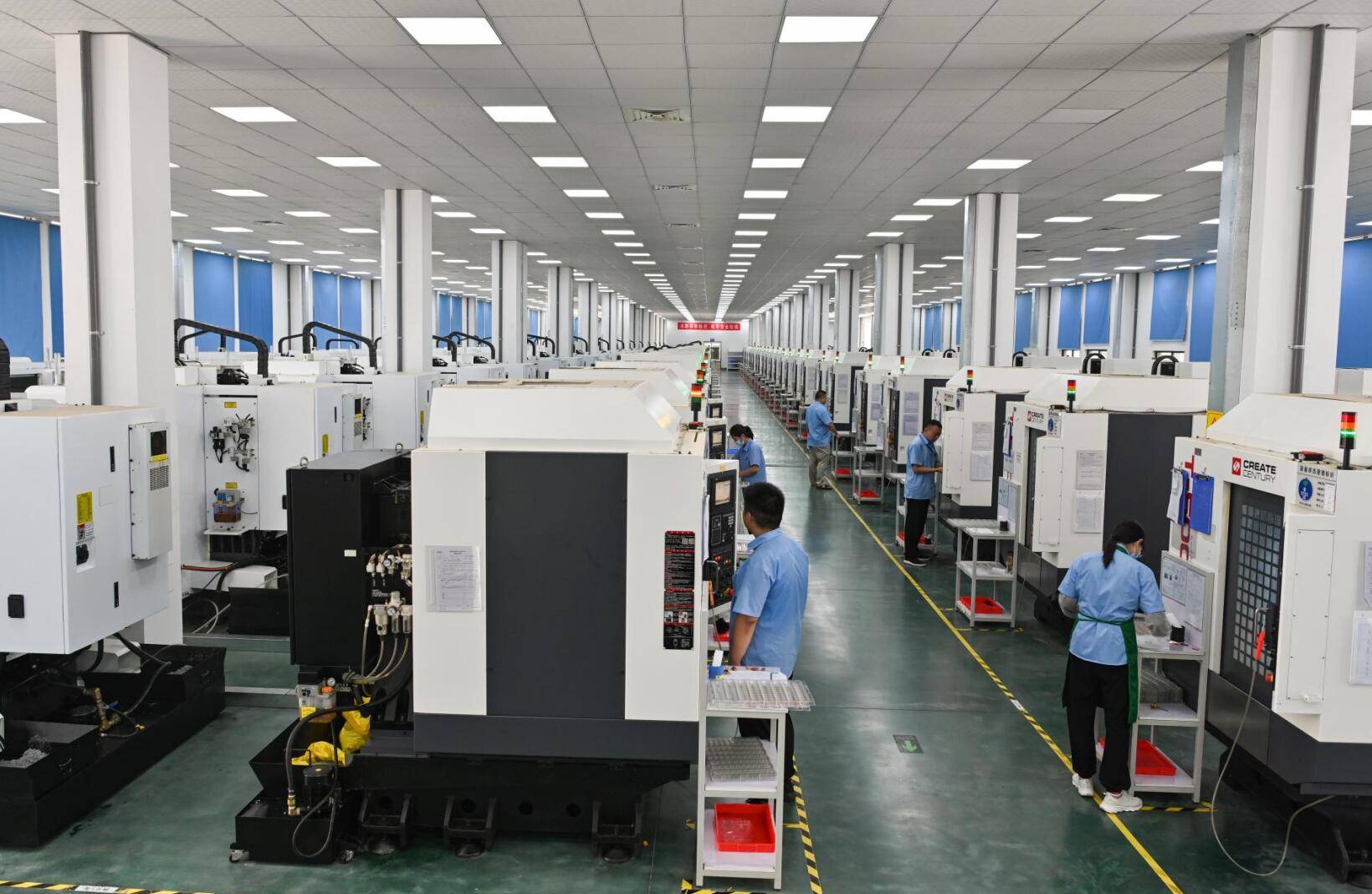
CNC machining is a precision subtractive manufacturing process that removes material from metal or plastic workpieces using computer-controlled cutting tools. This automated process delivers exceptional accuracy and repeatability for custom parts production.
Unlike manual machining, CNC systems use pre-programmed software to control the movement of cutting tools, allowing for consistent production of complex geometries with minimal human intervention. This makes it ideal for both prototyping and high-volume manufacturing.
Types of CNC Machining Processes
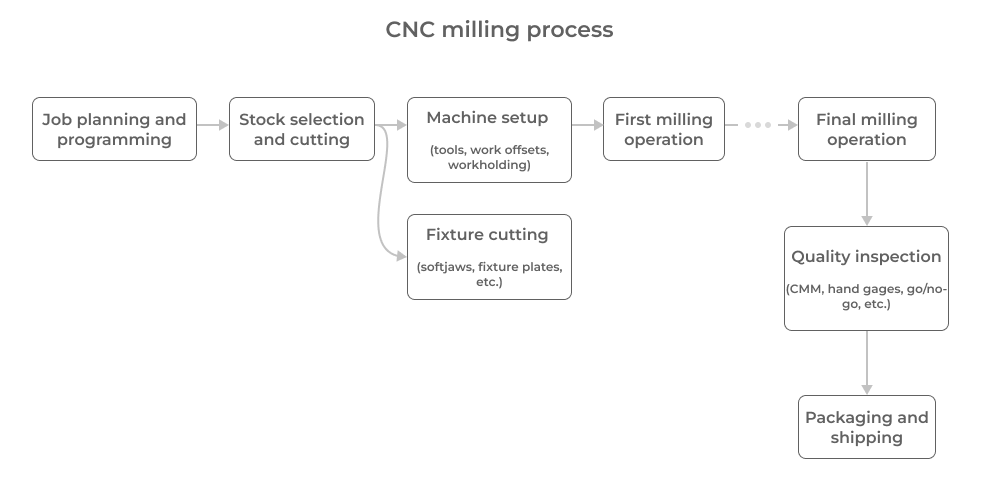
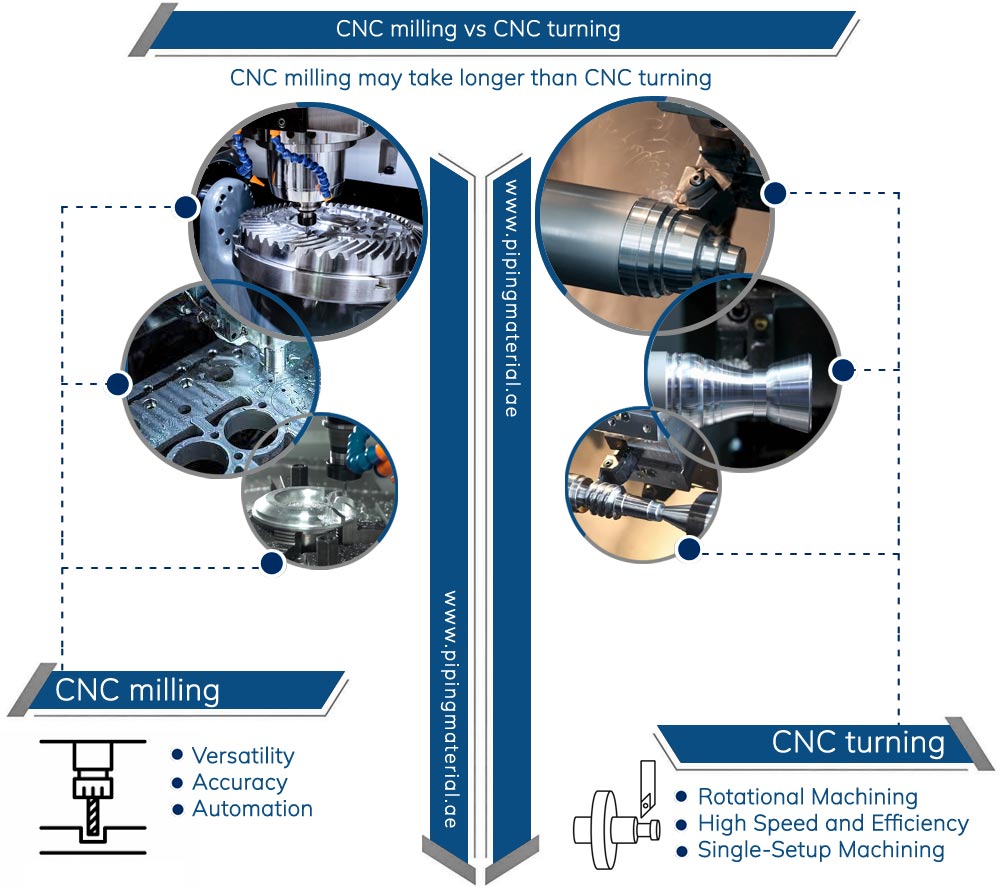
Different CNC processes are optimized for specific part geometries and applications. Understanding these differences helps you choose the right manufacturing method for your project.
Best Materials for CNC Machining
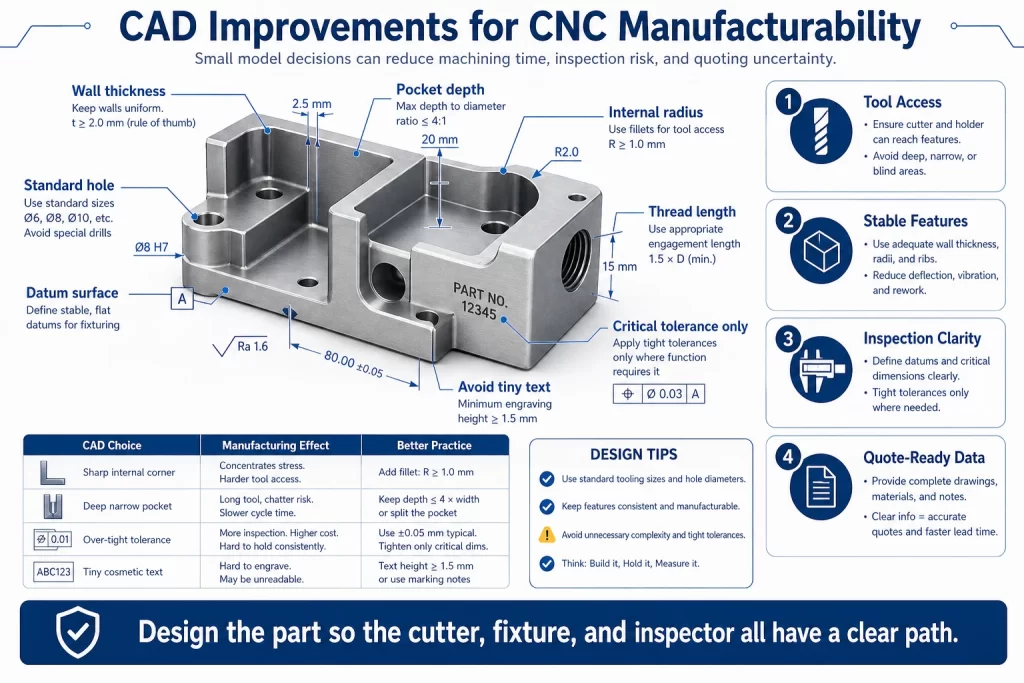
Material selection directly impacts your part’s machinability, cost, strength, and dimensional stability. We work with a wide range of materials to match your application requirements.
Key engineering factors we evaluate include machinability, thermal expansion, cutting resistance, hardness, and dimensional stability to ensure optimal part performance.
CNC Design Guidelines for Better Manufacturability
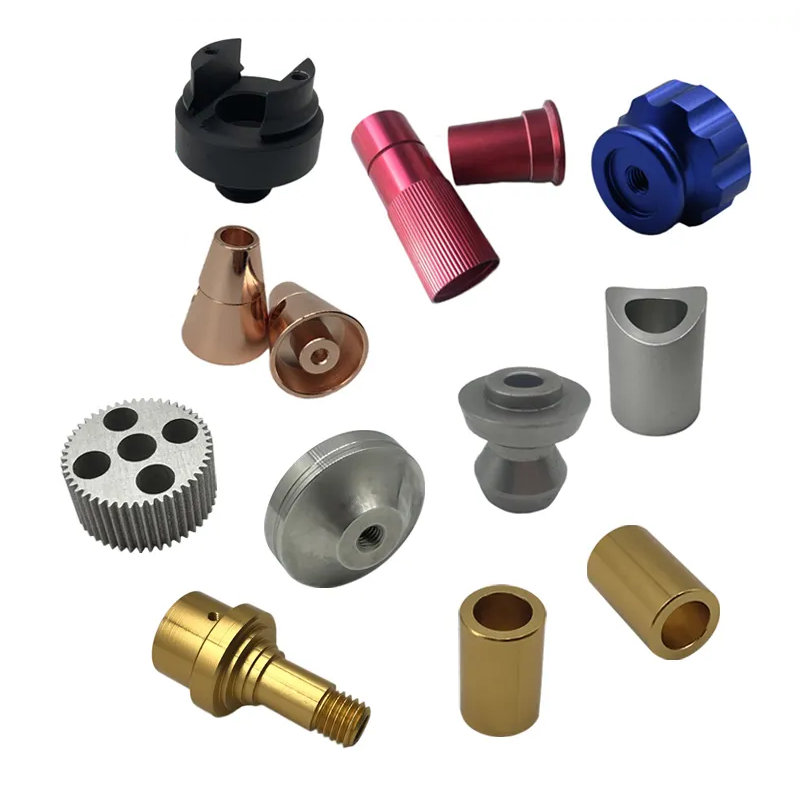
Design for Manufacturability (DFM) principles help you reduce machining time, lower costs, and avoid common production issues. Here are key design best practices:
- ✓
Avoid deep narrow cavities
Deep cavities can cause tool deflection, vibration, chatter, and reduced surface finish. We recommend keeping cavity depth under 4x tool diameter.
- ✓
Optimize corner radii
Internal corners require tool radius, so using standard radii allows for larger, more rigid tools that reduce chatter.
- ✓
Standardize hole sizes
Using standard drill bit sizes eliminates the need for custom tooling and reduces setup time.
- ✓
Reduce thin walls
Excessively thin walls can vibrate during machining, causing dimensional errors. We recommend minimum 0.8mm wall thickness for metal.
- ✓
Minimize complex undercuts
Undercuts require additional setups or 5-axis machining, increasing cost. Simplify where possible.
Understanding CNC Machining Tolerances
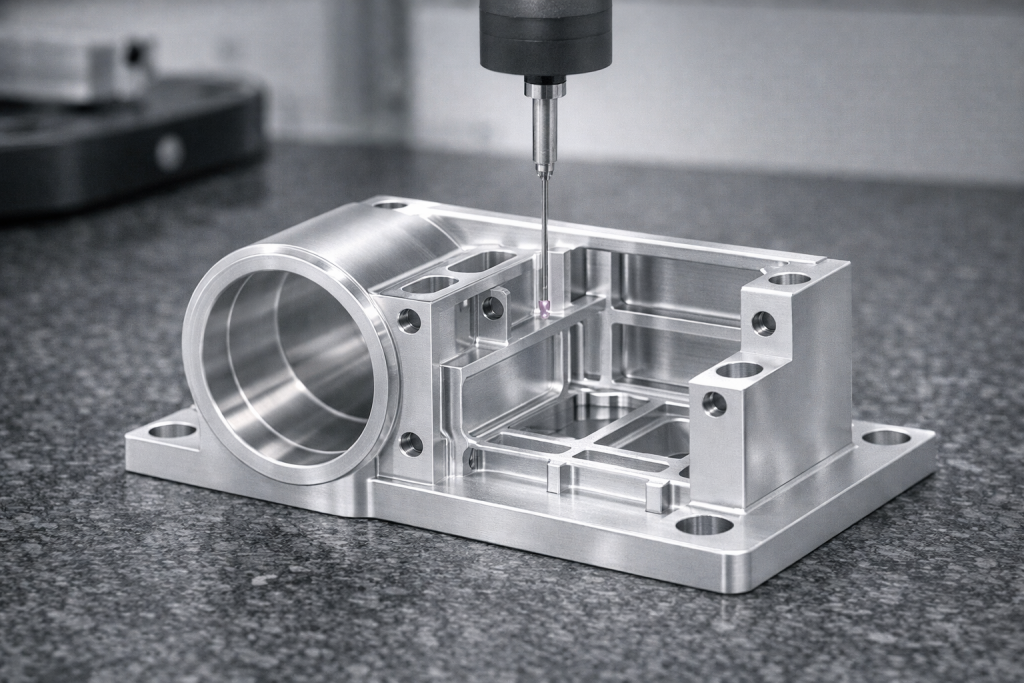
Tolerances define the allowable variation in part dimensions, directly impacting assembly fit and functional performance. Understanding tolerance requirements helps you balance precision and cost.
Key technical considerations: Tighter tolerances significantly increase machining time, Fixture precision directly impacts repeatability, and Thermal expansion can affect accuracy during production.
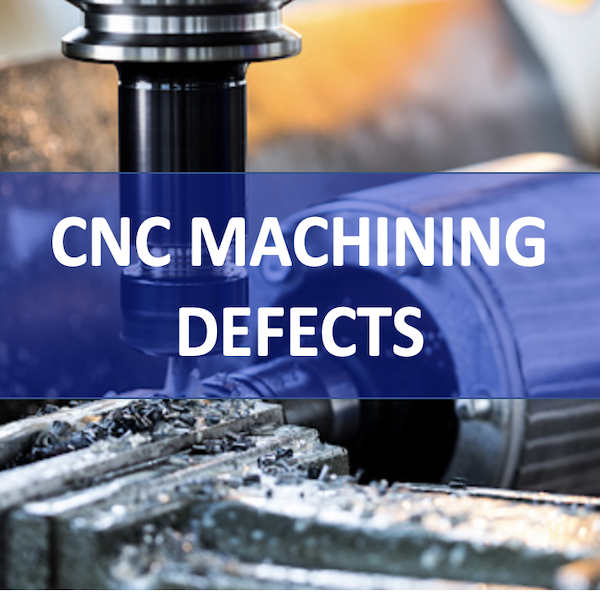
Common CNC Machining Problems and Solutions
Our engineering team proactively identifies and resolves common machining defects to ensure your parts meet quality requirements from the first run.
How to Reduce CNC Machining Costs
Cost optimization doesn’t mean sacrificing quality. These engineering best practices help you reduce production costs while maintaining part performance.
Simplify Part Geometry
Remove unnecessary complex features that require additional machining operations or specialized tooling.
Reduce Setup Changes
Design parts that can be completed in fewer operations to minimize machine setup time.
Standardize Tolerances
Only apply tight tolerances to critical features. Over-tolerancing significantly increases production cost.
Use Machinable Materials
Choose materials with good machinability where possible to reduce cutting time and tool wear.
Optimize Batch Size
Larger production runs spread setup costs across more parts, reducing per-unit cost for high-volume projects.
Tight tolerances should only be applied to critical features.
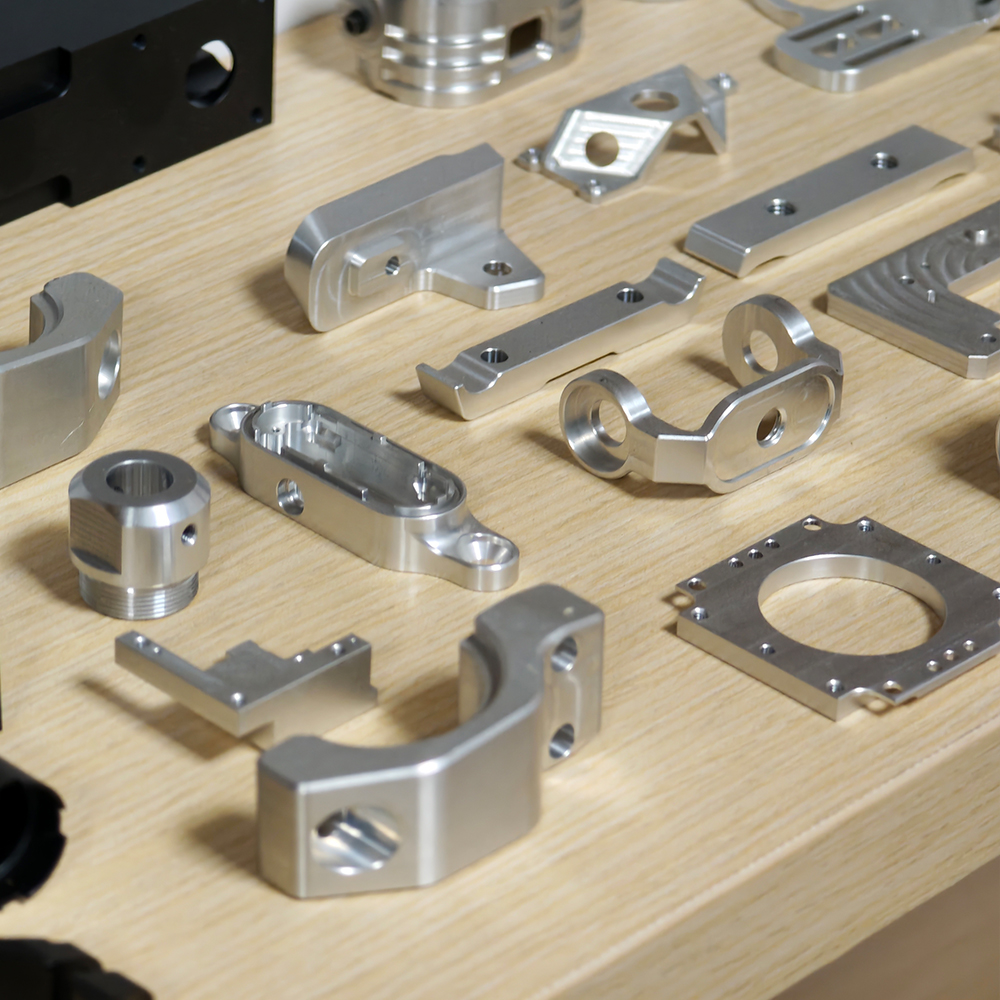
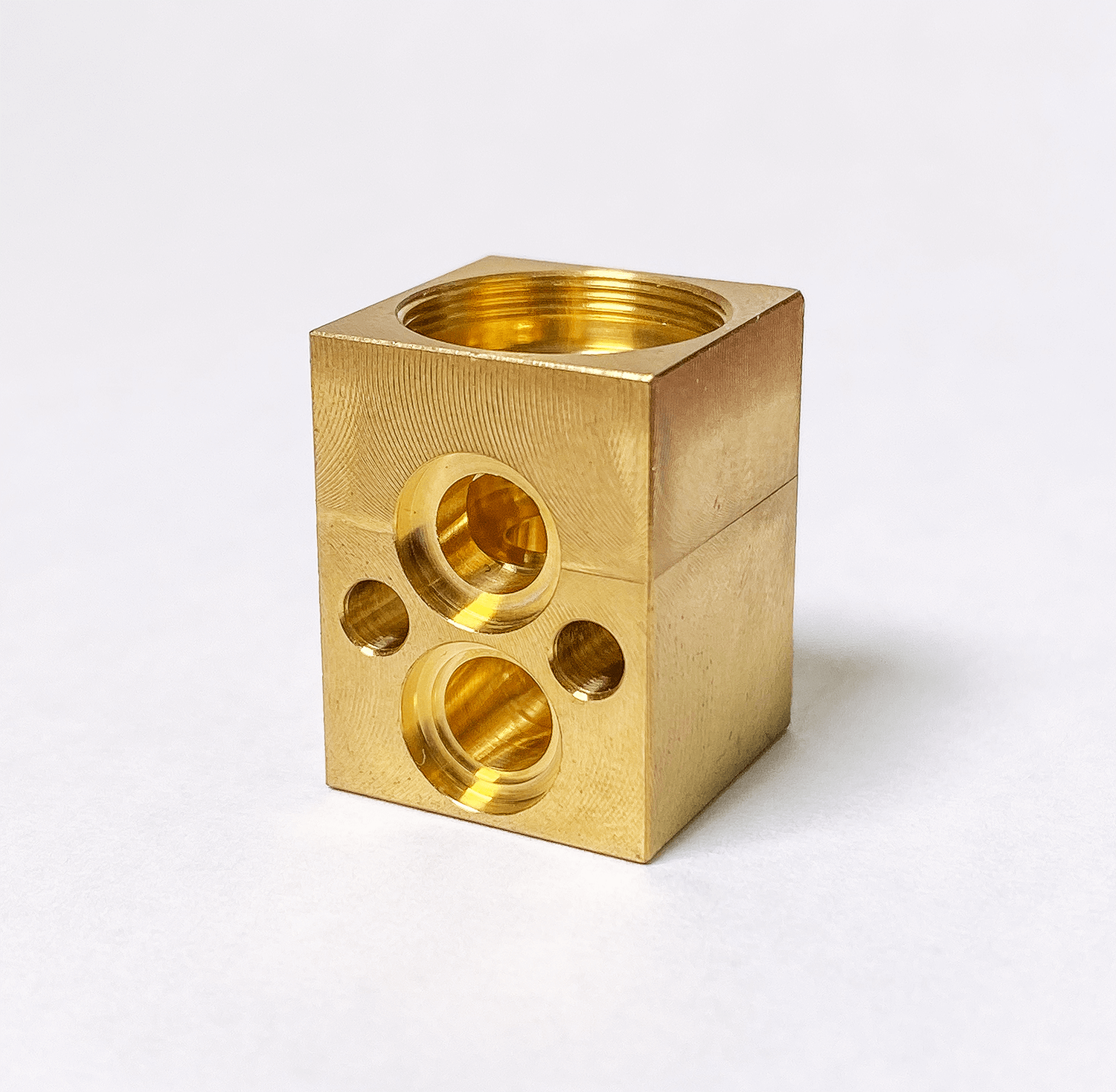
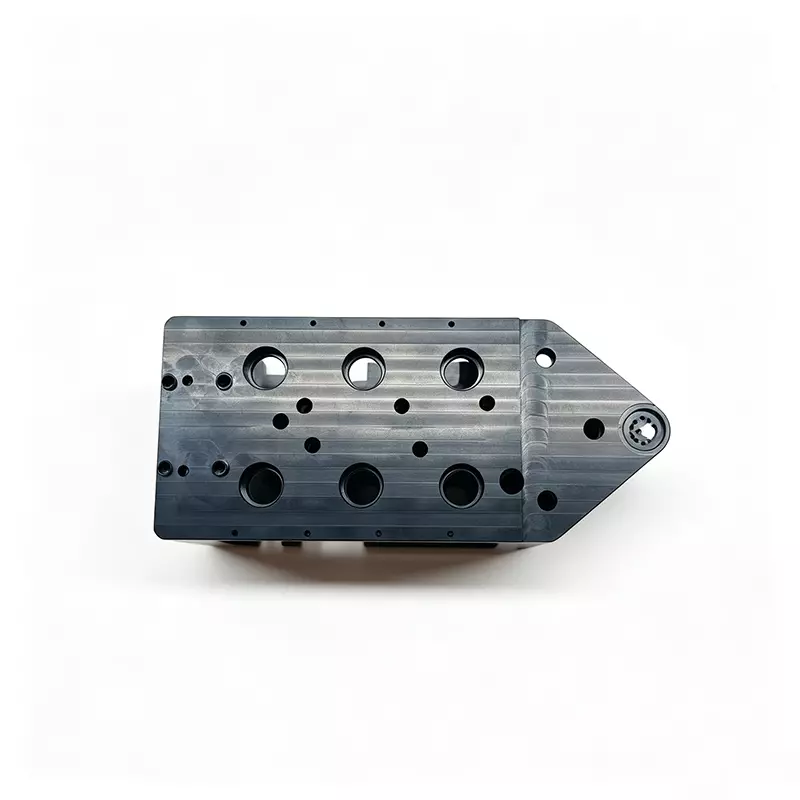
CNC Machining Applications by Industry
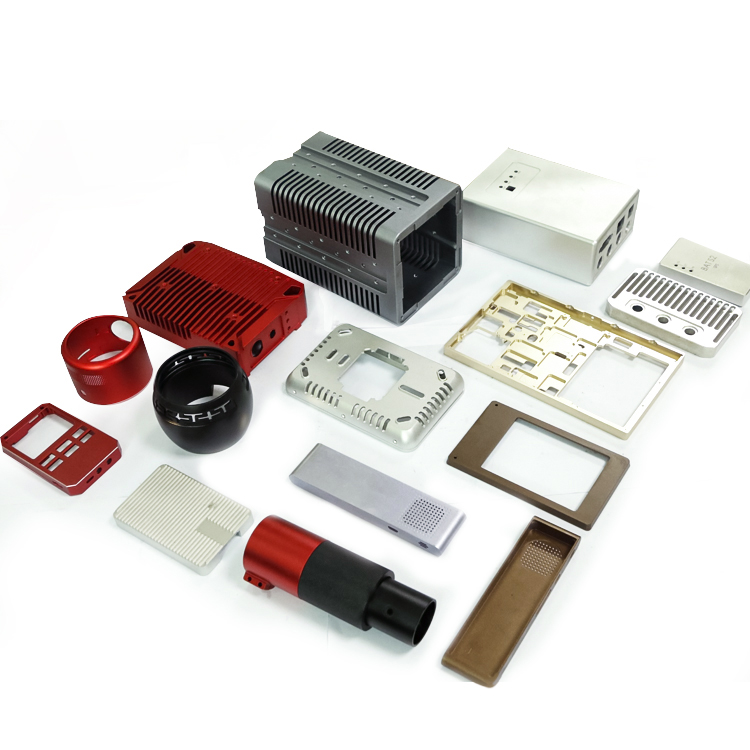
Our CNC Machining Capabilities
We maintain verified, data-driven manufacturing capabilities to ensure consistent quality for your precision parts.
CNC Machining vs. Injection Molding
Understanding the differences between these manufacturing methods helps you choose the right process for your project volume and requirements.
Frequently Asked Questions
What tolerance can CNC machining achieve?
Our precision CNC machining can achieve tolerances as tight as ±0.01 mm for critical components, with standard tolerances ranging from ±0.01 mm to ±0.1 mm depending on part size and material.
What materials are easiest to machine?
Aluminum, brass, and plastics like POM are among the easiest materials to machine, allowing for faster cutting speeds and lower tool wear, which reduces overall production cost.
How does DFM reduce CNC machining cost?
DFM (Design for Manufacturability) helps you optimize your part design to reduce machining time, eliminate unnecessary operations, and avoid custom tooling requirements, all of which lower production costs.
What is the difference between CNC milling and turning?
CNC milling uses a rotating cutting tool to remove material from a stationary workpiece, ideal for complex 3D shapes. CNC turning rotates the workpiece against a stationary cutting tool, ideal for cylindrical parts like shafts.
Why do thin walls deform during machining?
Thin walls lack rigidity, so they can vibrate during cutting or deform under clamping force. We use specialized fixturing and optimized cutting parameters to minimize this effect, and recommend minimum wall thickness of 0.8mm for metal parts.
Ready to Optimize Your CNC Machining Project?
Get your free DFM analysis and competitive quote for your precision CNC parts. Our engineering team is ready to help you optimize your design for quality, cost, and manufacturability.