The Ugly Truth About CNC Machining
Dude, let’s be real – CNC isn’t perfect. We’re breaking down the ACTUAL disadvantages that no sales guy will tell you about
1. The Sticker Shock – Upfront & Ongoing Costs That’ll Make You Cry
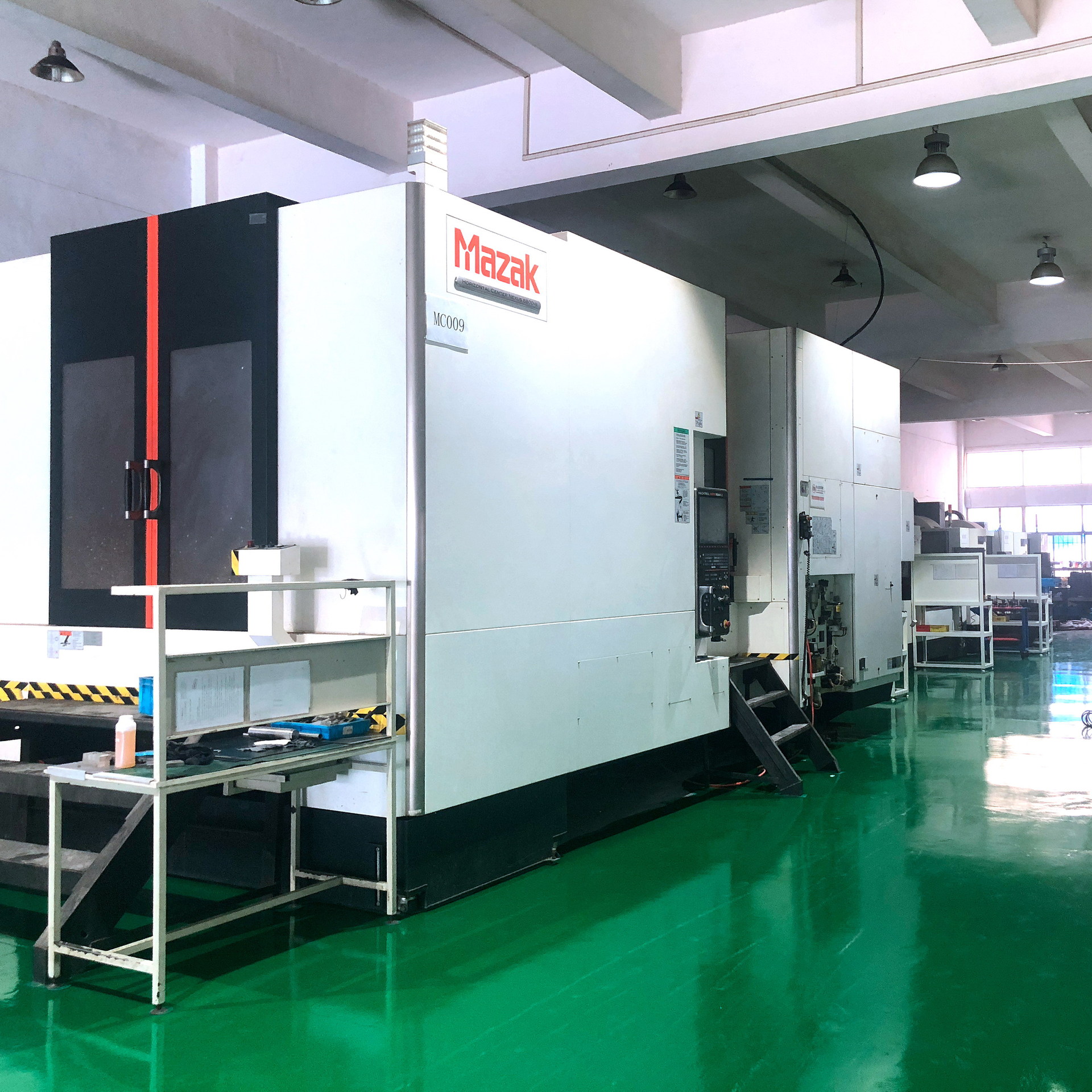
Bro, this ain’t cheap!
Let’s cut the crap – CNC machines are expensive as hell. And it’s not just the initial purchase…
Equipment Costs (The Big One)
- Entry-level CNC mills/lathes: $10,000-$50,000 (basic stuff)
- Mid-range 3-4 axis machines: $50,000-$200,000 (decent but not pro)
- Advanced 5-axis machines: $200,000-$500,000+ (this is the big boy stuff)
- Installation costs: Additional 10-15% for electrical, foundations, and setup
Software & Tooling (The Hidden Costs)
- CAD/CAM software: $1,000-$5,000 PER YEAR (Mastercam, Fusion 360, etc.)
- Tooling: $50-$200 per carbide end mill, and they wear out FAST!
- Workholding: Vises, fixtures, clamps – easily $5,000-$10,000 to start
- Coolants & lubricants: $500-$1,000 per month for high-volume shops
2. Programming Hell – When G-Code Makes You Want To Throw Your Computer
Dude, this stuff is complicated!
CNC programming isn’t just typing numbers – it’s a whole language that takes YEARS to master.
The Learning Curve Is Steep AF
- G-Code mastery: 6-12 months just to be competent
- CAD/CAM software: Another 3-6 months to get good at Mastercam/Fusion 360
- Machine-specific knowledge: Each brand (Haas, Fanuc, Siemens) has its own quirks
- Troubleshooting: This is where the real experience comes in – expect lots of scrap parts!
The Cost of Bad Programming
Real World Example: A single programming error on a $50,000 CNC mill resulted in:
- $2,000 in damaged tooling
- $1,500 in scrap material
- 8 hours of downtime ($1,200 in labor)
- Total Cost: $4,700 for ONE MISTAKE!
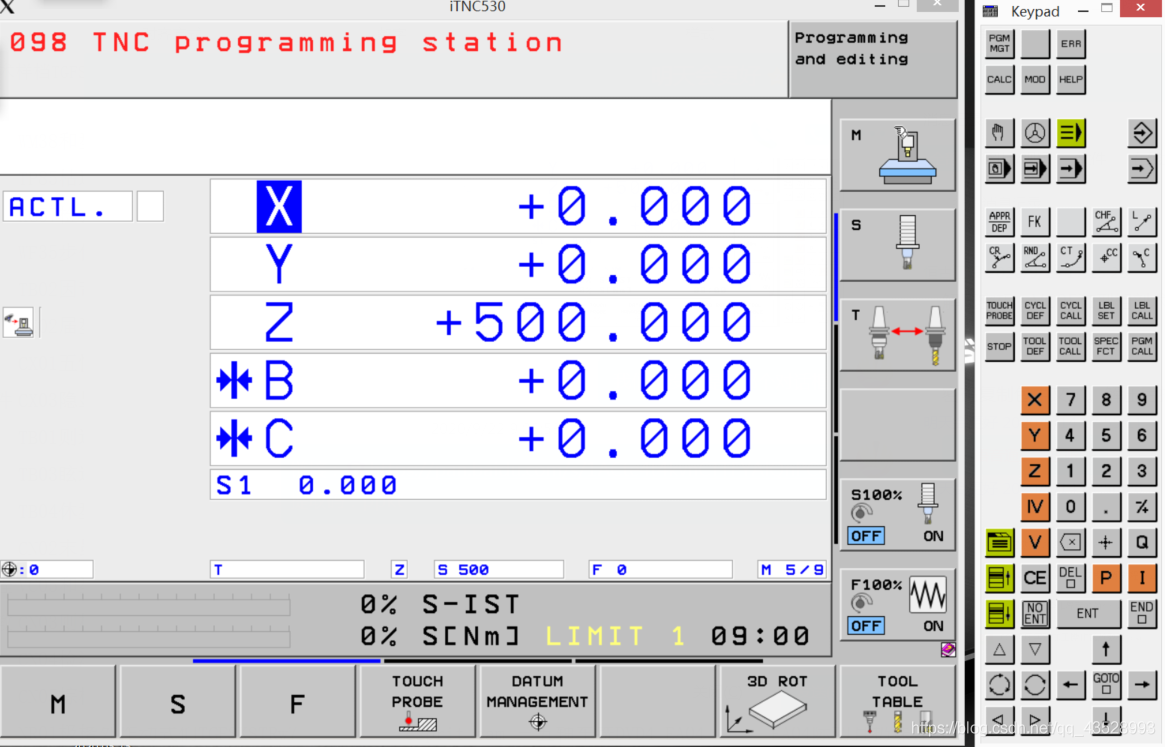
Programming Time vs Production Time
*Based on average complex part production (For reference only)
3. Maintenance Nightmares – When Your $200K Machine Becomes A Paperweight
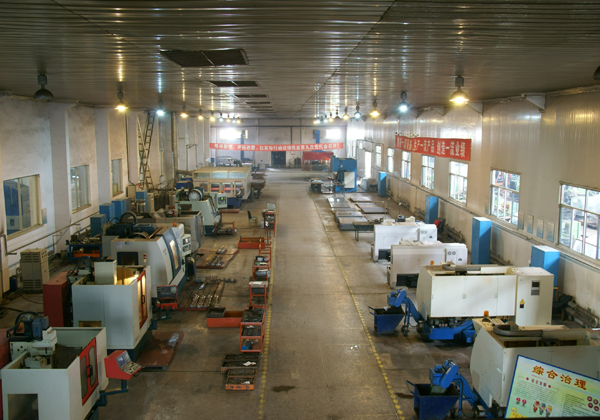
These machines are high-maintenance divas!
CNC machines have more sensitive parts than a Hollywood celebrity – and they cost just as much to fix.
Common Maintenance Issues (And Their Costs)
- Spindle repair/replacement: $5,000-$20,000 (this is the big one!)
- Linear guide replacement: $2,000-$8,000 per axis
- Servomotor repair: $1,500-$5,000
- Control system issues: $1,000-$10,000 depending on the problem
- Routine maintenance: $500-$1,500 per month for a single machine
Downtime Costs That’ll Make You Sweat
For a typical job shop: $1,500-$3,000 per hour of downtime
That includes lost production, labor costs, and missed deadlines!
Maintenance Frequency (The Never-Ending Cycle)
Daily:
Cleaning, lubrication checks, coolant level checks
Weekly:
Tool calibration, axis backlash checks, filter changes
Monthly:
Spindle runout testing, lubrication system servicing
Annual:
Complete machine inspection, major component servicing
4. Lack of Flexibility – When CNC Can’t Adapt Like A Human Machinist
CNC is great for repetition, but sucks for one-offs!
Humans can adapt on the fly – CNC machines need explicit instructions for EVERYTHING.
Where CNC Falls Short
- One-off prototypes: Setup time kills profitability for single parts
- Material variations: Humans can adjust for hard/soft spots in material
- In-process adjustments: CNC can’t “feel” when a tool is wearing out
- Complex geometries: Some shapes are still faster to do manually
The Prototype Problem
Scenario: Making a single custom bracket for a machine repair
Manual machining: 1-2 hours total (setup + machining)
CNC machining: 4-6 hours (design + programming + setup + machining)
CNC takes 3x longer for simple one-offs!
Skill Requirements (The Human Factor)
CNC Operator Skills:
G-Code reading, CAD/CAM software, machine troubleshooting, precision measurement
Salary Expectations:
$25-$45 per hour (20-50% more than manual machinists)
Training Costs:
$2,000-$5,000 per employee for certification programs
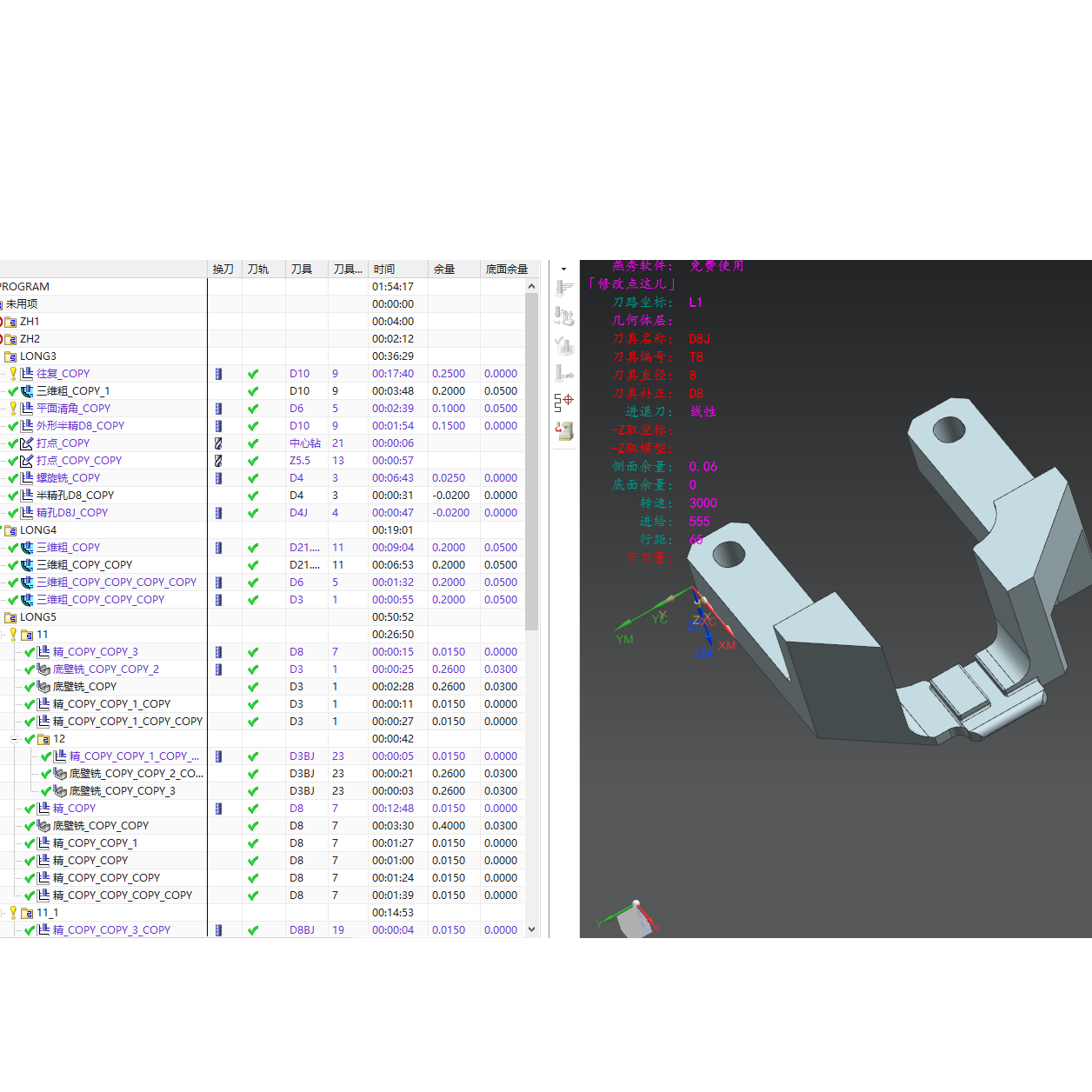
CNC vs Manual Machining: When To Use Which
| Production Type | Best For CNC | Best For Manual |
|---|---|---|
| High Volume (1000+ parts) | ✓ | ✗ |
| Low Volume (1-100 parts) | ✗ | ✓ |
| Prototypes | ✗ | ✓ |
| Simple Geometries | ✗ | ✓ |
| Complex Precision Parts | ✓ | ✗ |
5. Industry Standards & Testing (The Stuff That Keeps You Up At Night)
The Standards You HAVE To Follow (Or Get Sued)
ISO Standards
- ISO 9001: Quality management systems
- ISO 13485: Medical device manufacturing
- ISO 14001: Environmental management
- ISO 45001: Occupational health and safety
ANSI/ASME Standards
- ASME Y14.5: Dimensioning and tolerancing
- ASME B5.45: Machine tool testing
- ANSI B11: Machine safety standards
- ASME B30.12: Machine tool safety
NADCAP (Aerospace)
- AC7108/3: CNC machining processes
- AC7114/2: Non-destructive testing
- AC7120/1: Chemical processing
- Certification cost: $15,000-$30,000 + annual audits
Testing Requirements (The Expensive Part)
Machine Accuracy Testing (Required Annually)
- Ball bar test: $500-$1,500 (tests circular interpolation accuracy)
- Laser interferometer test: $2,000-$5,000 (tests positioning accuracy)
- Renishaw QC20-W ballbar: $10,000-$15,000 (if you buy your own)
- ISO 230-2 compliance: Mandatory for most industries
Test Results (For reference only)
Positioning Accuracy:
±0.002mm per 300mm (ISO 230-2 Class 1)
Repeatability:
±0.001mm (ISO 230-2 Class 1)
Spindle Runout:
≤0.001mm at 2000 RPM
The Cost of Non-Compliance
Fines: $10,000-$100,000 per violation (OSHA, FDA, etc.)
Lost contracts: Most aerospace/medical clients require certification
Litigation: $1M+ lawsuits for defective parts
*Based on 2025 industry data (For reference only)
6. How To Actually Deal With These Disadvantages (Real Solutions)
Cost Mitigation Strategies
Leasing Instead Of Buying
Pros: Lower upfront costs, includes maintenance
Cons: Higher long-term cost, no asset ownership
Typical rates: $500-$2,000/month per machine
Used Equipment
Pros: 30-50% cheaper than new
Cons: Higher maintenance risk, shorter lifespan
Recommendation: Buy from reputable dealers only
Outsourcing
Pros: No equipment costs, flexible capacity
Cons: Less control, longer lead times
Cost: $50-$150 per hour (depending on complexity)
Programming & Maintenance Solutions
Training Programs
Community colleges: $1,000-$3,000 per student
Manufacturer training: $2,000-$5,000 per week
Online courses: $200-$1,000 (Udemy, Coursera)
Preventive Maintenance
Maintenance contracts: $500-$1,500/month
Predictive maintenance: $10,000-$30,000 initial cost
Reduces downtime by: 30-50% (studies show)
Software Solutions
CAD/CAM software: $1,000-$5,000/year
Simulation software: $500-$2,000/year
Maintenance management: $100-$500/month
So, Is CNC Worth It? (The Honest Truth)
CNC is amazing… but only for the right applications
If you’re doing high-volume, complex parts that require precision – CNC is absolutely worth the investment. But if you’re making one-offs or simple parts, you’re better off with manual machining or outsourcing.
Final Advice From A Seasoned Machinist
“Don’t buy a CNC machine because it’s cool. Buy it because you have a specific need that it solves. And always, always do the math first – calculate your break-even point and make sure you can hit it within 1-2 years. Otherwise, you’re just buying an expensive paperweight.”
– John Smith, 25-year CNC machinist and shop owner