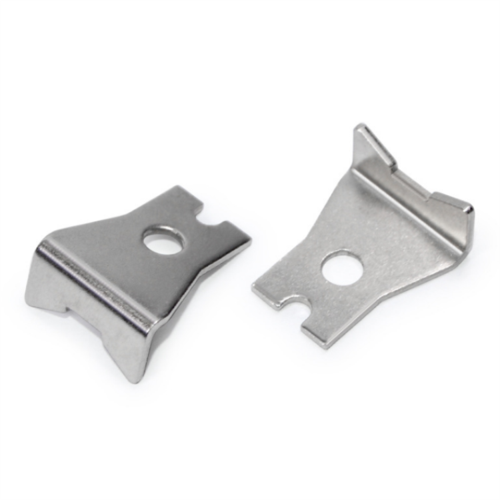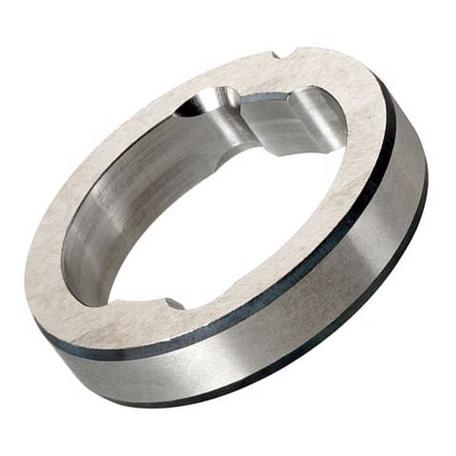
Why Industrial CNC Components Matter
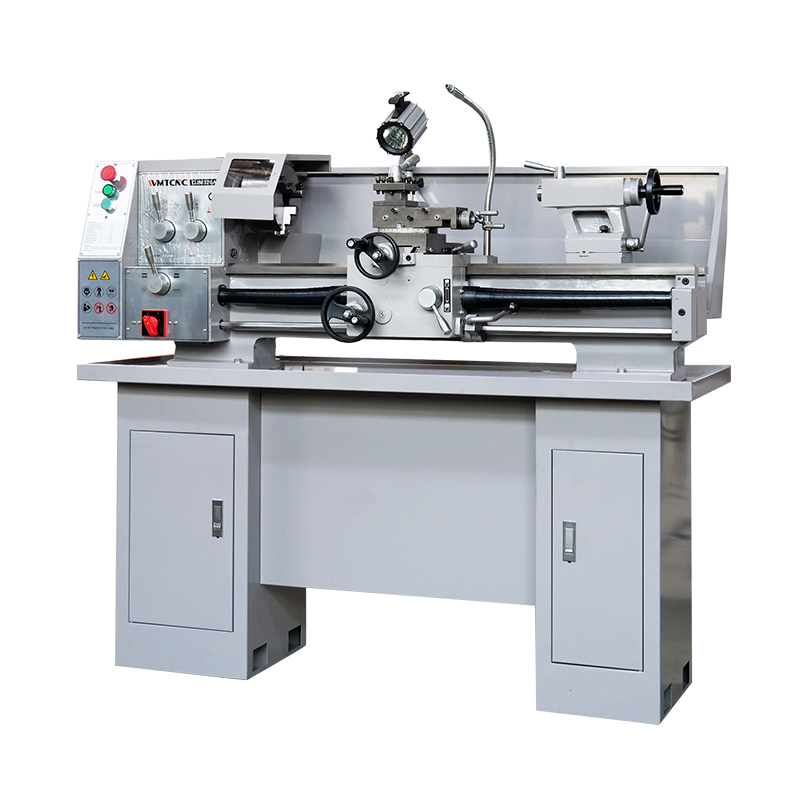
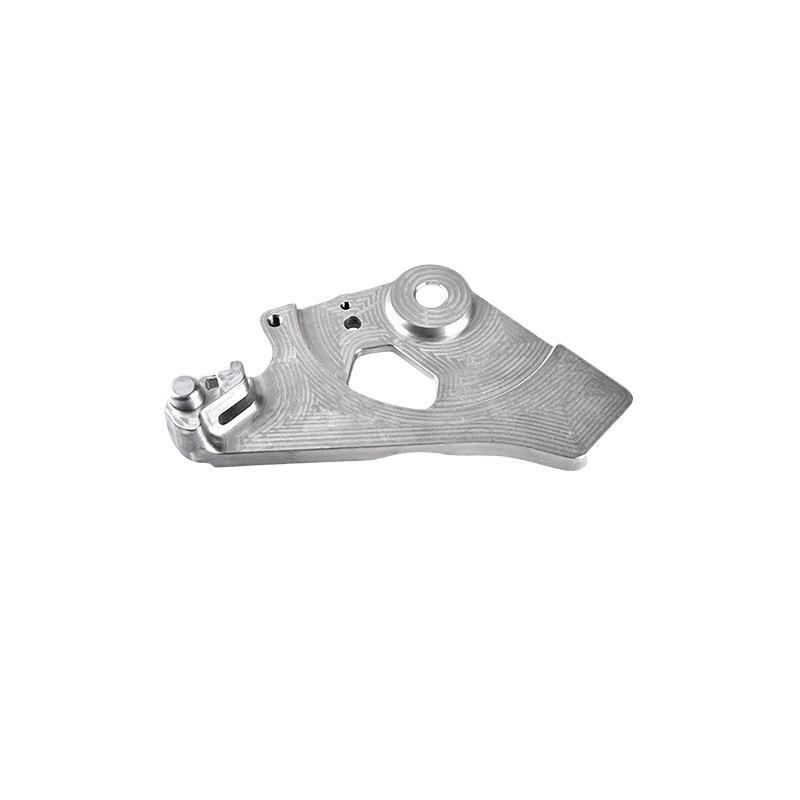
In today’s competitive manufacturing landscape, precision and efficiency are paramount. Industrial CNC (Computer Numerical Control) components have revolutionized the way we produce complex parts with unmatched accuracy and repeatability.
With over 20 years of experience in CNC machining, we’ve witnessed firsthand how these components have transformed industries from aerospace to medical devices, automotive to electronics. The ability to produce intricate parts with tight tolerances has opened up new possibilities for product design and innovation.
Materials for Industrial CNC Components
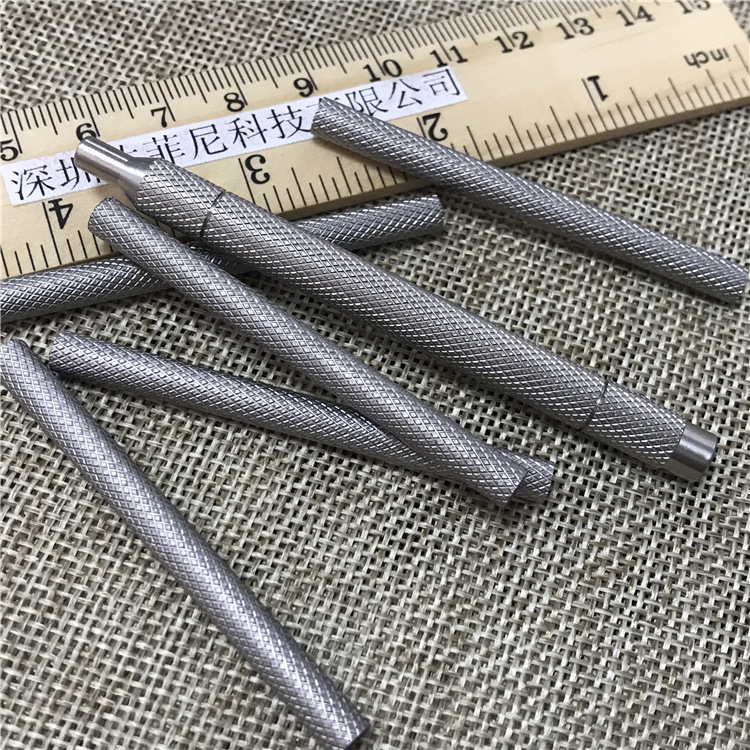
The choice of material is critical in CNC component manufacturing, as it directly impacts performance, durability, and cost. Based on our 20 years of experience, here are the most commonly used materials:
- Metals: Aluminum (6061, 7075), stainless steel (303, 316), titanium, brass, and copper alloys
- Plastics: ABS, polycarbonate, PEEK, nylon, Delrin, and PTFE (Teflon)
- Composites: Carbon fiber, fiberglass, and reinforced polymers
- Exotic Materials: Inconel, Hastelloy, and other high-temperature alloys
Each material requires specific machining parameters and tooling to achieve optimal results. Our expertise allows us to select the best material for your specific application requirements.
CNC Machining Processes & Techniques
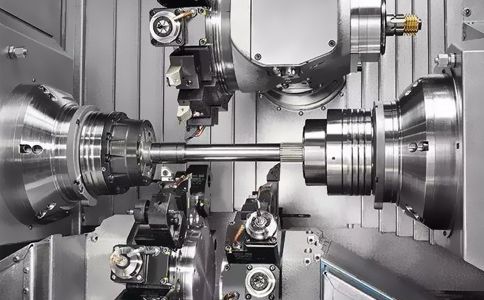
CNC machining encompasses a variety of processes, each suited for different applications and part geometries. Our 20 years of experience have honed our skills in these key techniques:
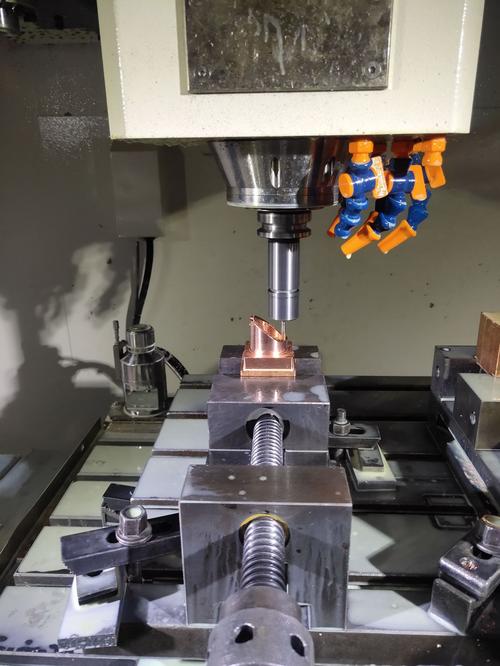
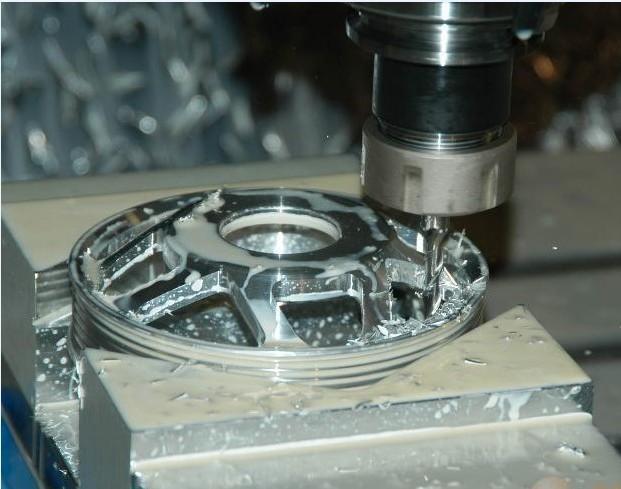
- Milling: Removing material using rotating cutters to create complex 3D shapes
- Turning: Producing cylindrical parts on a lathe with rotating workpiece
- Drilling: Creating precise holes with various diameters and depths
- Grinding: Achieving ultra-smooth surface finishes and tight tolerances
- EDM (Electrical Discharge Machining): Shaping conductive materials using electrical sparks
Advanced techniques like 5-axis machining allow us to produce highly complex parts in a single setup, reducing production time and improving accuracy.
The CNC Machining Process Flow
- Design & Engineering: Creating 3D CAD models and determining material specifications
- Programming: Generating CNC code using CAM software to define tool paths
- Setup: Preparing the machine, workholding fixtures, and cutting tools
- First Article Inspection: Producing a prototype and verifying dimensions against specifications
- Production: Running the CNC program to manufacture the components
- Quality Control: Performing in-process and final inspections using CMM and other measurement tools
- Finishing: Applying surface treatments such as anodizing, plating, or painting
- Packaging & Delivery: Preparing parts for shipment to the customer
Our proven process ensures consistent quality and on-time delivery, with each step carefully monitored by our experienced technicians.
Custom CNC Components: Tailored Solutions
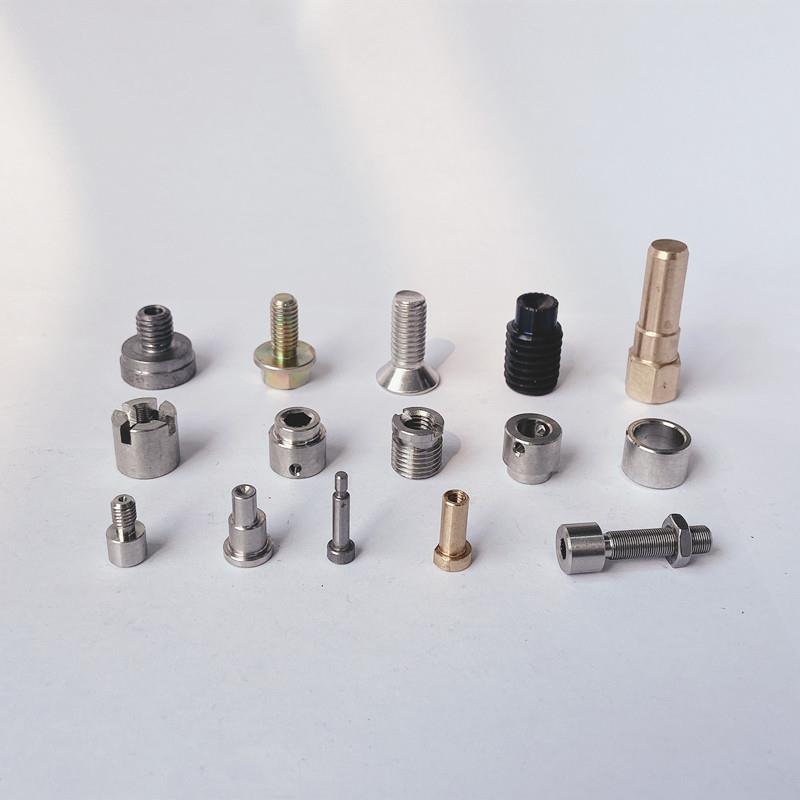
One of the greatest advantages of CNC machining is its ability to produce custom components tailored to specific requirements. Over the past 20 years, we’ve developed expertise in:
- High-precision parts with tolerances as tight as ±0.001mm
- Complex geometries that would be impossible with traditional machining
- Small to large production runs, from prototypes to full production
- Materials with unique properties for specialized applications
- Integration of multiple features into a single component
Our team works closely with customers to understand their exact needs and provide optimized solutions that balance performance, cost, and manufacturability.
Key Advantages of CNC Machining
Precision & Accuracy
CNC machines achieve consistent tolerances of ±0.001mm, ensuring every part meets exact specifications.
Repeatability
Once programmed, CNC machines produce identical parts with zero variation, critical for mass production.
Complex Geometry
CNC machining creates intricate shapes and features that would be impossible with manual methods.
Efficiency
Automated operation reduces labor costs and increases production throughput.
Additional benefits include reduced material waste, shorter lead times, and the ability to work with a wide range of materials.
Common Challenges in CNC Machining
Technical Challenges
- Tool deflection and wear when machining hard materials like titanium or Inconel
- Thermal expansion affecting dimensional accuracy in large components
- Achieving surface finishes better than Ra 0.4μm for critical applications
- Machining features smaller than 2.5mm requiring specialized micro-tools
Production Challenges
- Balancing production speed with precision requirements
- Managing costs for small production runs of complex parts
- Ensuring consistent quality across large production volumes
- Programming complexity for multi-axis machining operations
Our 20 years of experience have equipped us with the knowledge and tools to overcome these challenges, delivering high-quality components consistently.
Expert Tips for Successful CNC Machining
Design for Manufacturability
- Include minimum corner radii matching standard end mill sizes (typically 1.5mm+)
- Avoid deep holes, narrow slots, or blind features that require special setups
- Plan part orientation to minimize fixture changes
- Specify realistic tolerances based on application requirements
Process Optimization
- Choose the right material for your application and budget
- Use simulation tools to verify tool paths before production
- Implement proper chip evacuation strategies
- Optimize cutting parameters for each material type
Quality Control Best Practices
Implementing robust quality control measures is essential for successful CNC machining:
- Use CMM (Coordinate Measuring Machine) for precise dimensional inspection
- Perform in-process inspections at critical stages
- Maintain detailed records of production parameters and inspection results
- Implement statistical process control (SPC) for high-volume production
Why Choose Our CNC Machining Services
Years of Experience
Proven expertise in CNC machining across diverse industries
Precision Tolerance
Micron-level accuracy for critical applications
On-Time Delivery
Consistent reliability for your production schedules
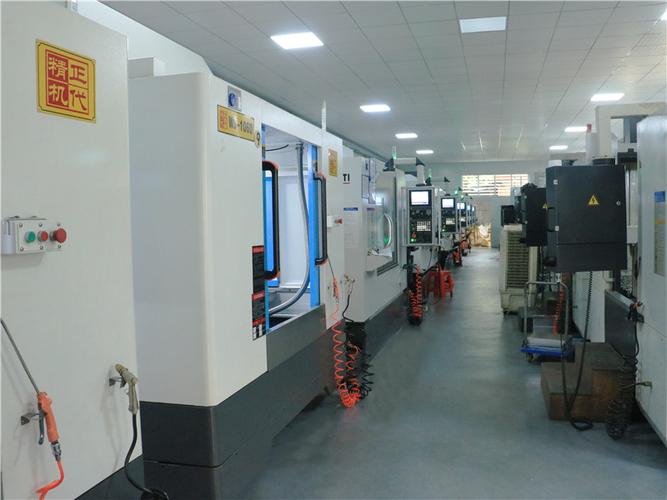
We combine technical expertise with advanced equipment to deliver CNC components that meet the most demanding specifications.