What Are CNC Milling Parts? Process, Applications and Manufacturing Guide
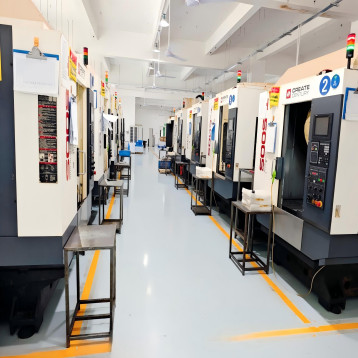
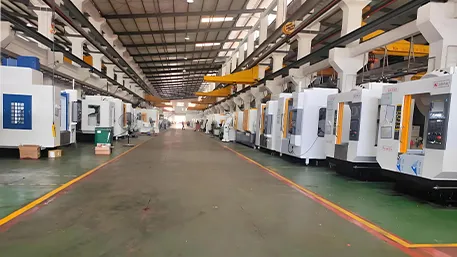
CNC milling parts are precision components manufactured through CNC milling, a subtractive machining process that uses rotating cutting tools to remove material from a stationary workpiece. CNC milling is commonly used to produce parts with complex geometries, flat surfaces, slots, pockets, and multi-axis features across aerospace, electronics, automotive, and industrial equipment industries.
✅ Subtractive process
✅ Rotating cutting tool
✅ Complex geometries
✅ Precision manufacturing
What Types of Parts Are Made by CNC Milling?
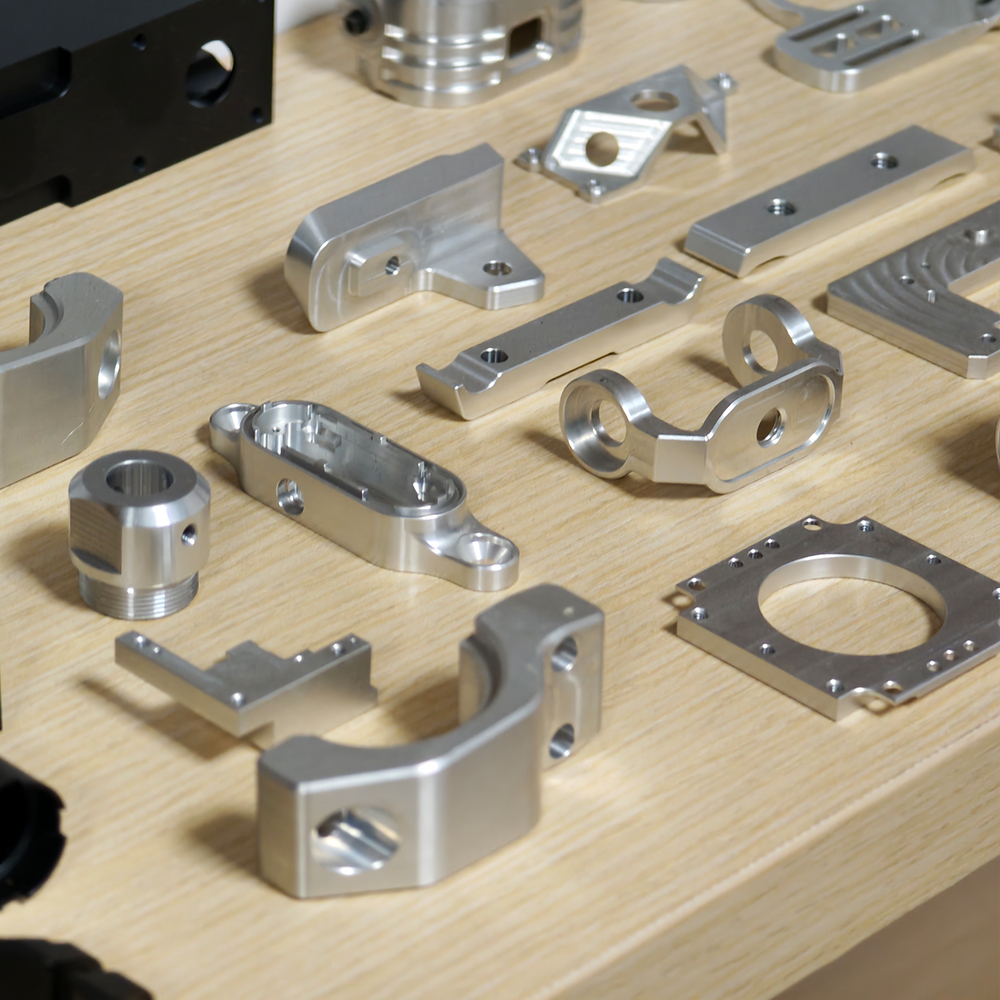
CNC milling is ideal for producing non-cylindrical parts with complex features. Here are the most common types of CNC milling parts:
Mounting Brackets
Precision mounting components for machinery, electronics, and aerospace equipment, requiring flat surfaces and accurate hole positions.
Equipment Housings
Custom enclosures for electronics, medical devices, and industrial machinery, with complex cavity features.
Heat Sinks
Thermal management components for electronics, with intricate fin structures to maximize heat dissipation.
Base Plates
Flat mounting plates with precision hole patterns for machinery and automation equipment.
Custom Fixtures
Specialized workholding and assembly fixtures for manufacturing and testing applications.
Valve Bodies
Hydraulic and pneumatic valve components with complex internal flow passages.
How CNC Milling Works
The CNC milling process follows a streamlined workflow to transform your design into a finished part:
CNC Milling vs CNC Turning: What’s the Difference?
Understanding the difference helps you choose the right process for your part:
3-Axis vs 5-Axis CNC Milling
The number of axes determines what geometries the machine can produce. Here’s how to choose:
Materials Used for CNC Milling Parts
CNC milling works with a wide range of materials. Here are the most common options:
Engineering Factors That Affect CNC Milling Quality
Beyond the machine itself, these factors determine the final quality of your milling parts:
Tool Wear
Worn cutting tools cause dimensional drift and poor surface finish. Experienced shops monitor tool life to maintain consistency.
Vibration Control
Machine rigidity and cutting parameters are optimized to reduce chatter, which can leave visible marks on the part surface.
Thermal Stability
Cutting generates heat that can cause material expansion. Proper coolant and temperature control are critical for tight tolerances.
Fixturing Design
Custom fixtures prevent workpiece deflection during cutting, especially for thin-walled parts that can deform under clamping force.
Typical Tolerances and Surface Finishes for CNC Milling
CNC milling can achieve a wide range of precision levels depending on your requirements:
When Should CNC Milling Be Used?
CNC milling is not always the best choice. Here’s how it compares to other manufacturing processes:
vs Casting
Choose milling when you need tighter tolerances, better material properties, or lower tooling costs for low to medium volumes.
vs Laser Cutting
Choose milling when you need 3D features, thickness greater than a few millimeters, or precision internal features.
vs 3D Printing
Choose milling when you need better material properties, tighter tolerances, or production volumes greater than prototypes.
How to Choose a CNC Milling Manufacturer
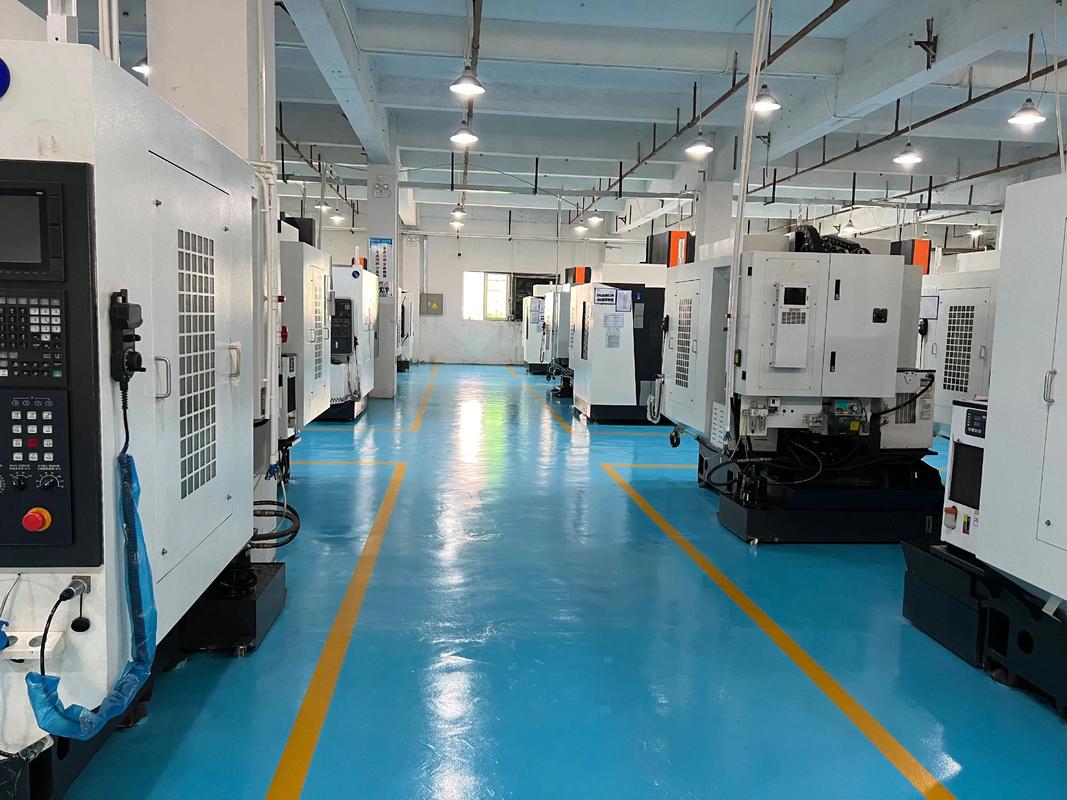
To ensure your milling parts meet your requirements, evaluate these key factors:
✅ Machine capability for your part’s complexity
✅ Quality control system with CMM inspection
✅ Experience with your specific material
✅ Proactive DFM engineering support
✅ Proven on-time delivery performance
What Information Do We Need for Your CNC Milling Quote?
To provide you with an accurate, fast quote and free DFM review, we recommend preparing the following information. This helps us avoid back-and-forth communication and deliver your quote within 24 hours:
3D CAD File
Your part’s 3D model, preferably in STEP or IGES format.
Material Specification
The material of your part, such as aluminum, stainless steel, etc.
Tolerance & Finish
Critical dimensional tolerances and required surface finish.
Production Volume
Your expected production quantity, to optimize pricing.
Frequently Asked Questions
What are CNC milling parts?
CNC milling parts are precision components made by removing material from a solid workpiece using rotating cutting tools controlled by computer programming. They are ideal for parts with complex geometries and flat surfaces.
What parts are best for CNC milling?
CNC milling is best for non-cylindrical parts like brackets, housings, heat sinks, base plates, valve bodies, and custom fixtures. It excels at parts with complex 3D features or multi-face machining.
What’s the difference between CNC milling and turning?
Milling uses a rotating tool on a stationary workpiece for complex shapes, while turning uses a rotating workpiece with a stationary tool for cylindrical parts like shafts.
3-axis vs 5-axis: which do I need?
3-axis is sufficient for simple flat parts, while 5-axis is needed for complex 3D geometries, undercuts, or parts that require machining from multiple angles.
How accurate is CNC milling?
Standard milling can achieve ±0.05mm tolerances, while precision milling can hold ±0.01mm for critical features, depending on the part and material.
What materials can be CNC milled?
CNC milling works with most metals (aluminum, stainless steel, titanium, brass) and plastics (PEEK, Nylon, ABS), as well as composites.